Power Tools
DeWalt Battery Comparison: Testing Every PowerStack and FlexVolt Pack on the DCF860
We put the new 8Ah PowerStack head to head with DeWalt's other 20V batteries on the DCF860 impact wrench to see which packs deliver under load and which voltage drops tell the real story.
Introduction
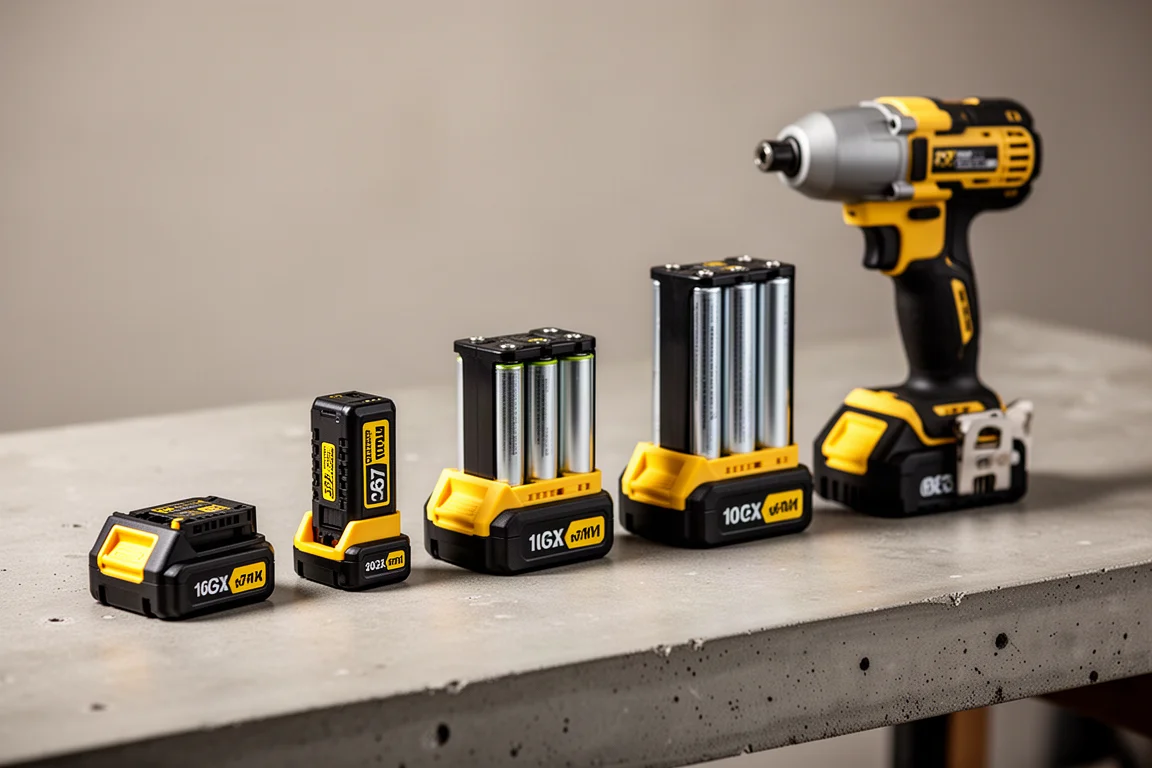
With the arrival of the new 8Ah PowerStack, DeWalt’s 20V battery lineup is worth re-examining from top to bottom. We ran the full range on the DCF860 impact wrench, locked to a bolt it could not turn, to measure voltage drop under load on each pack.
How the Test Was Set Up
The DCF860 was connected to a bolt that could not be moved, removing every variable you get with real-world work: no faster pushing of a saw, no changing material, just a consistent 10-second load per battery. The tool ran in reverse for most of the test, because this impact wrench delivers its most power and higher impacts per minute in reverse, which also pulls the hardest on the battery and exposes voltage drop most clearly. Forward mode was used selectively to preserve test bits after one snapped.
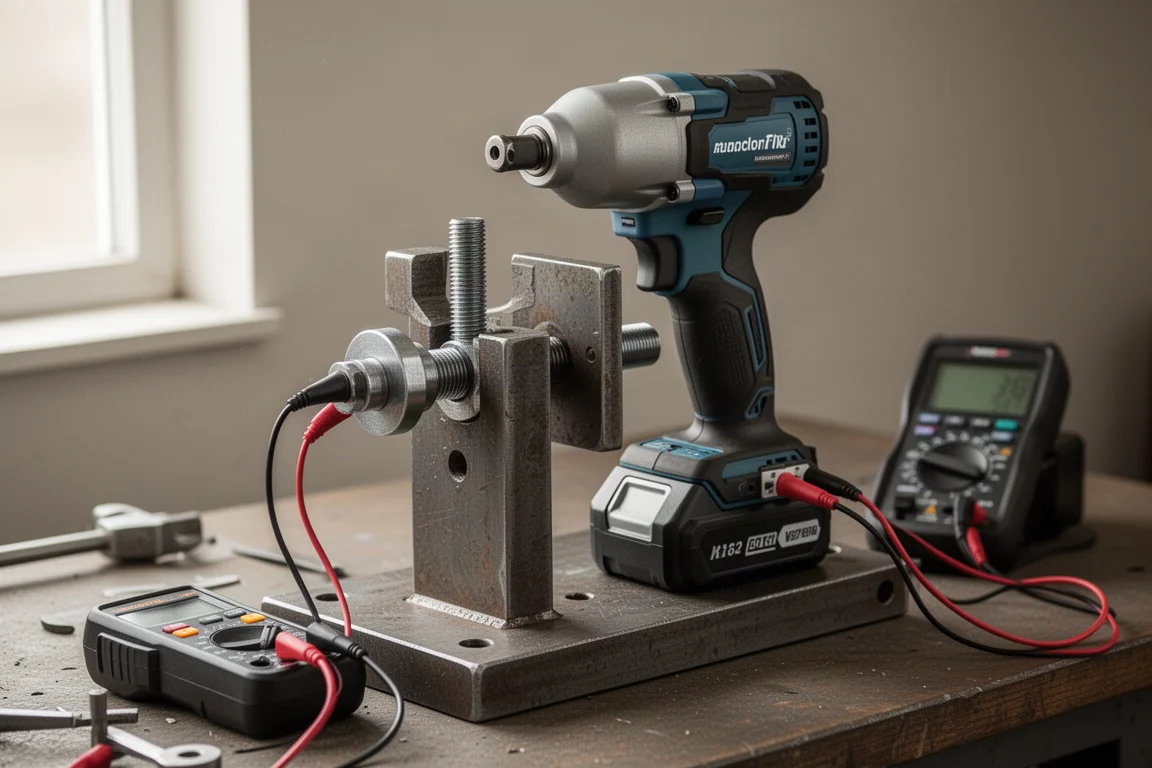
Why the DCF860? Simple: it bolts to something immovable, so the numbers are repeatable. One caveat worth noting: on this tool, the programming appears to allow more power draw in reverse than in forward, which makes little sense on paper but showed up clearly in the results.
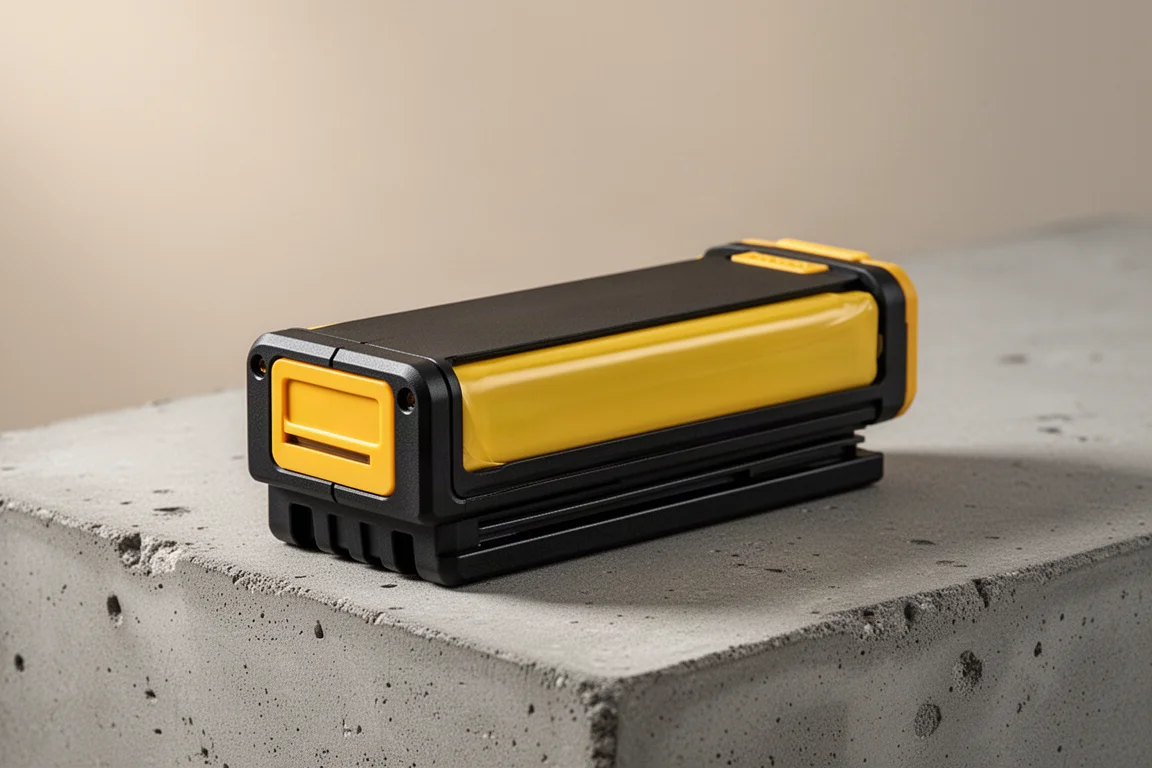
DeWalt DCF860: The Test Platform
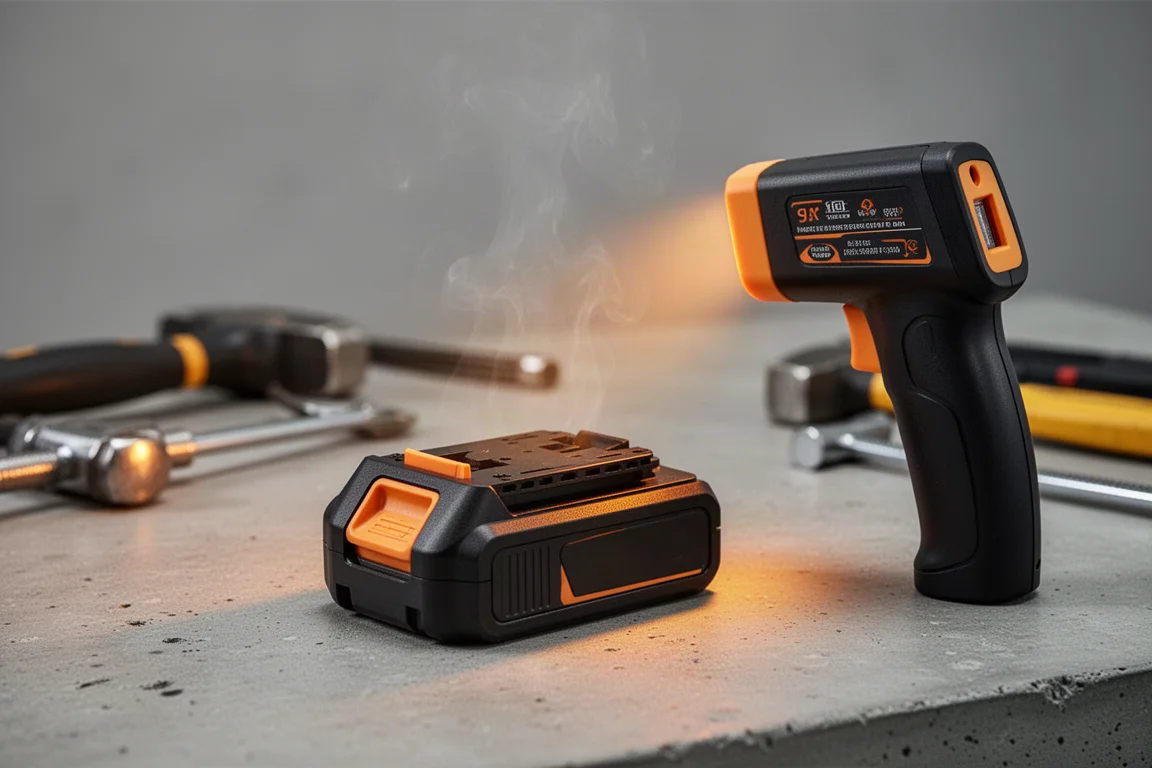
The DCF860 is a compact impact wrench with a claimed 200 foot-pounds of torque in reverse, which makes it a serious option for lug nuts despite its size. It ran the entire battery gauntlet without flinching, though it generated serious heat during the marathon test sessions, hitting a reported 166 degrees at its hottest point, hard to touch and best approached with breaks between runs.

The New 8Ah PowerStack: The Standout
The 8Ah PowerStack is the headline battery here. Starting at 20.68 volts, it held 19.32 under load in an earlier run, and in the latest test it pushed deeper than that before the tool shut itself off on its own protection. It was the strongest PowerStack result by a clear margin.
That performance is why it earns the top pick for this tool. If you plan to use the DCF860 for lug nuts, this is very likely the best battery to pair with it: maximum power delivery in a pack that, while chunky, is still far more compact than a comparable cylindrical-cell pack of this capacity.
The 6Ah XR: The Surprising Runner-Up
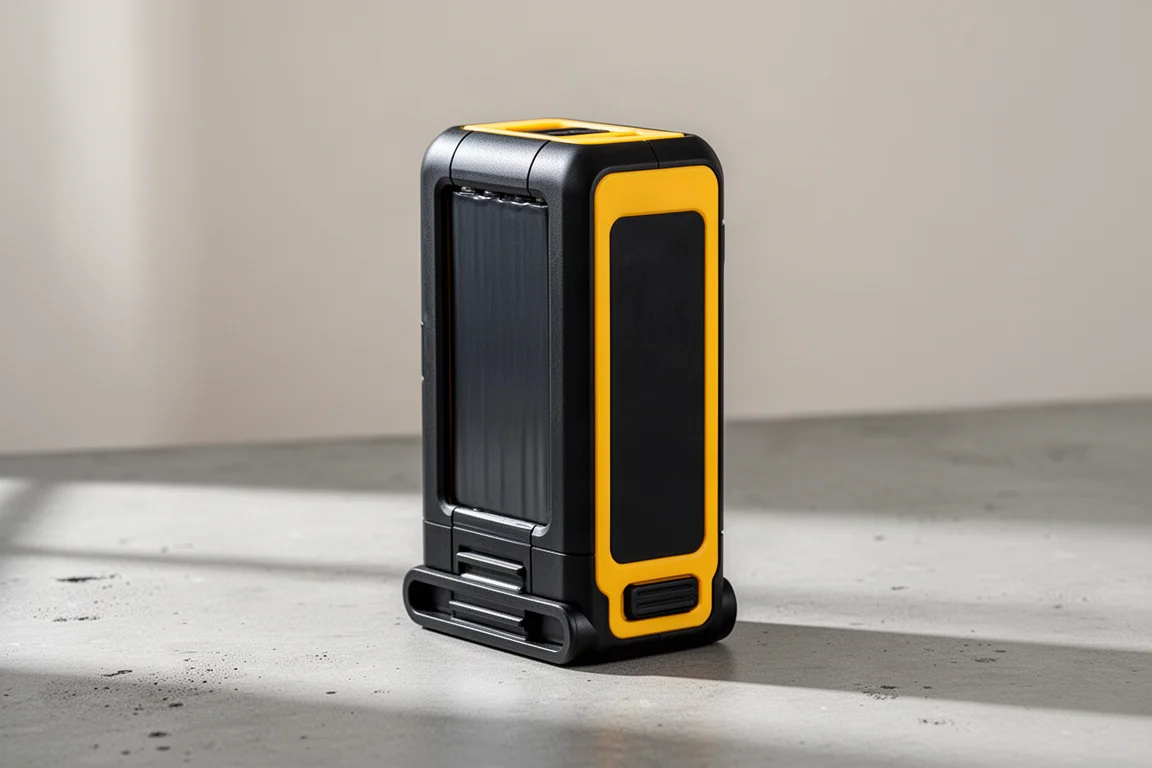
The standard 6Ah XR started at 20.62 volts and held 18.9 under load, besting the 5Ah PowerStack, which was genuinely surprising. The tool shut off mid-run, but the voltage it held was strong for a conventional pack.
This makes the 6Ah XR the value pick that falls just behind the 8Ah PowerStack in this lineup. For anyone who already owns XR batteries, it is a completely sensible companion for the DCF860.
The 5Ah PowerStack: Strong but Upside Down
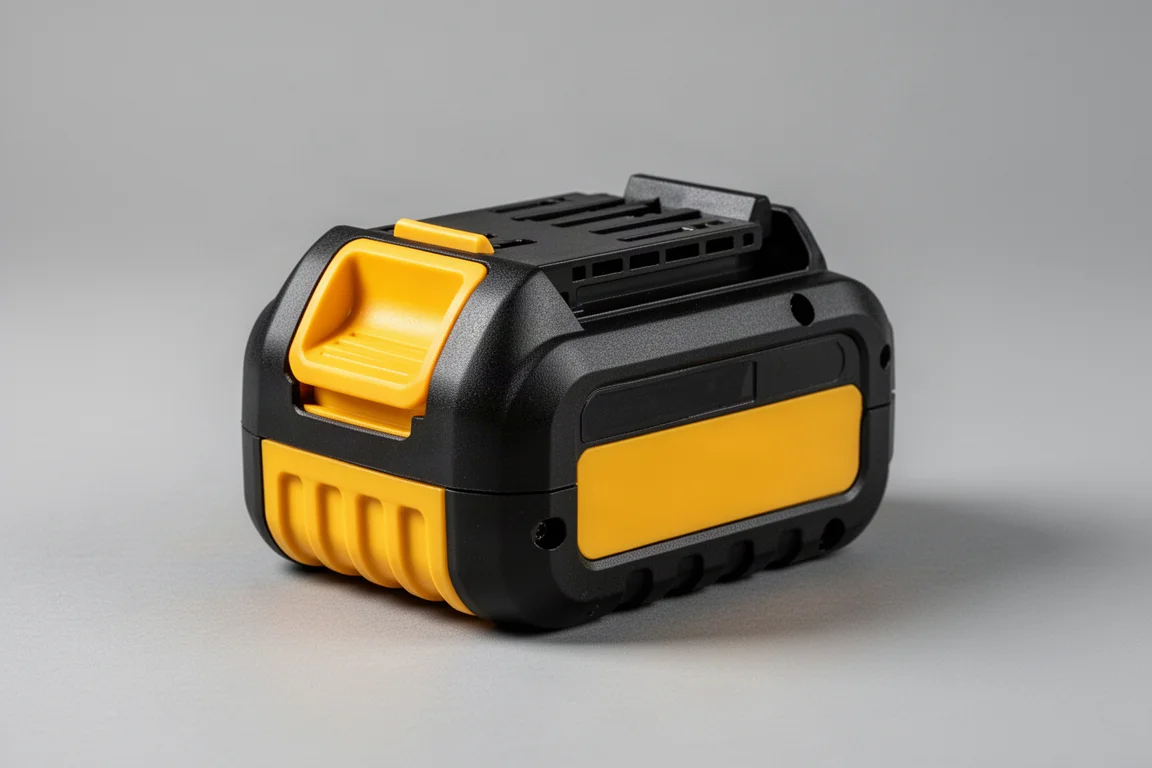
The 5Ah PowerStack started at 20.66 volts and held 18.75, completing a full 10-second run in forward mode. That is an excellent hold for its size, but the surprise is that the conventional 6Ah XR edged past it in this test.
It is still a great pack, and stacked pouch-cell chemistry remains impressive for the size, but if you are buying specifically for high-draw tools, the 8Ah PowerStack makes the 5Ah version harder to justify.
Heat and Runtime Notes
A word on heat: extended back-to-back load runs pushed the DCF860 to extreme temperatures, with the forward section generating the worst of it. Anyone planning repeated lug-nut work should expect the tool, not just the battery, to get hot, and should plan pauses accordingly.
The Compact and Standard Packs
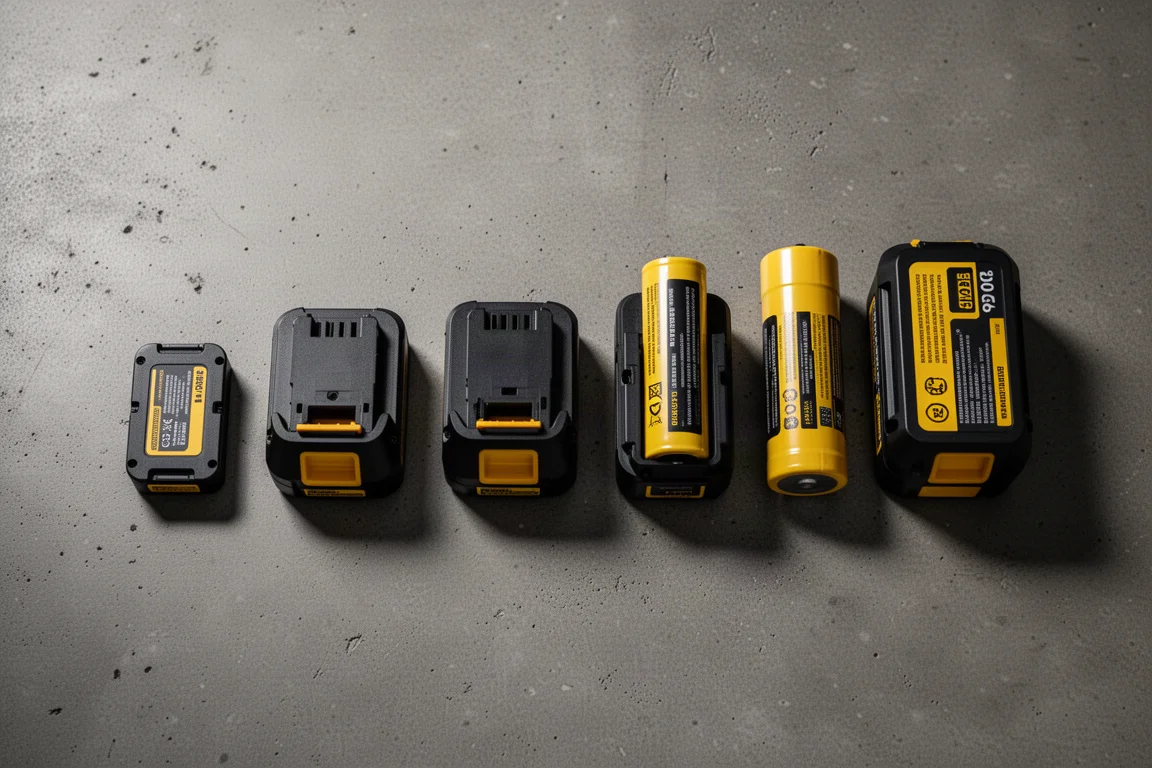
The 4Ah compact XR started at 20.6 volts and held 17.84 under load, a respectable showing for a slim pack and a good match for smaller tools. The standard 2Ah battery, the kind most people keep on a drill or driver, started at 20.3 volts and dropped to 13.25, which is exactly what you would expect from a pack designed for lighter duty.
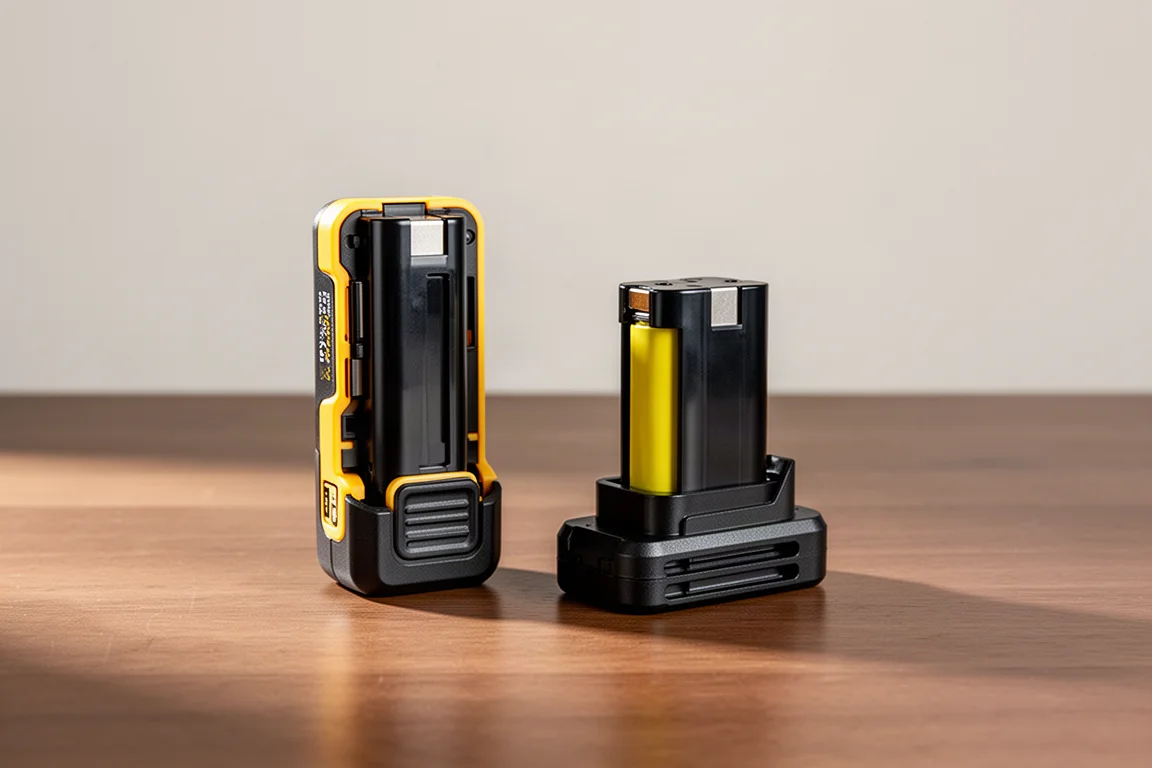
The tiny 1.7Ah PowerStack is the anomaly. It idled at 20.57 volts and held 17.26 under load in forward, remarkable for a pack this small, and a demonstration of what pouch-cell design achieves at low capacity.
The FlexVolt Packs: Overkill for Small Tools
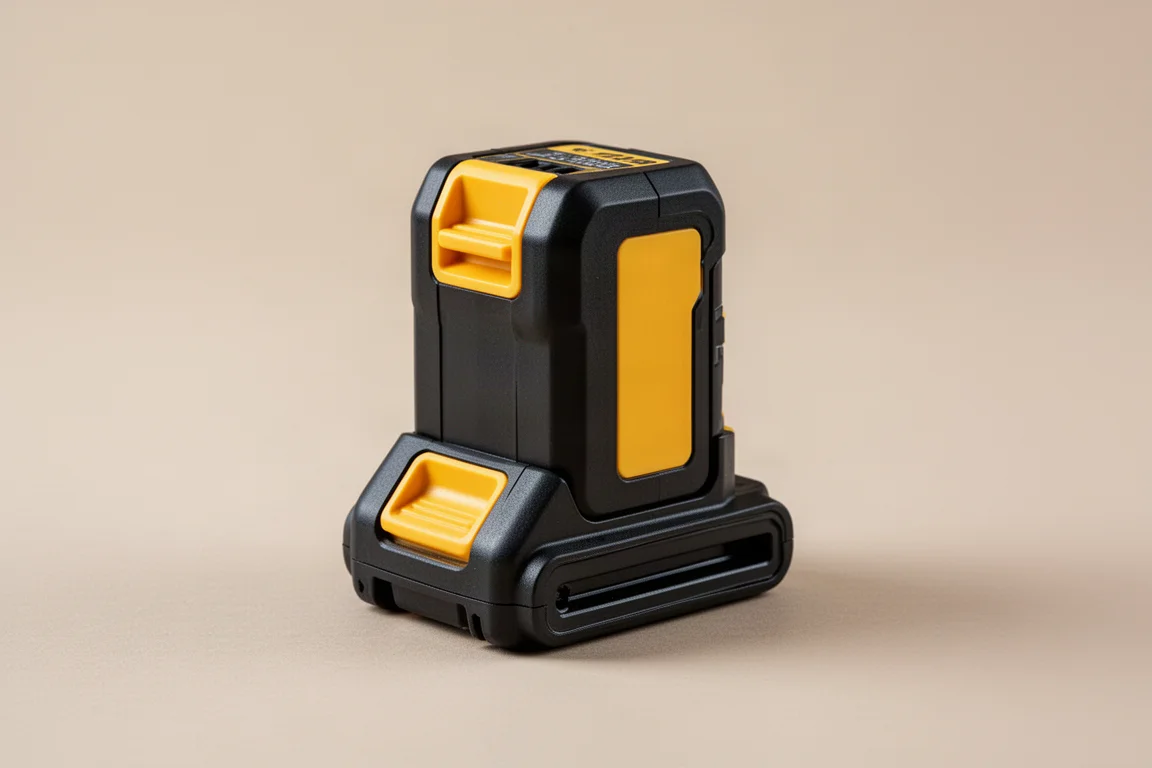
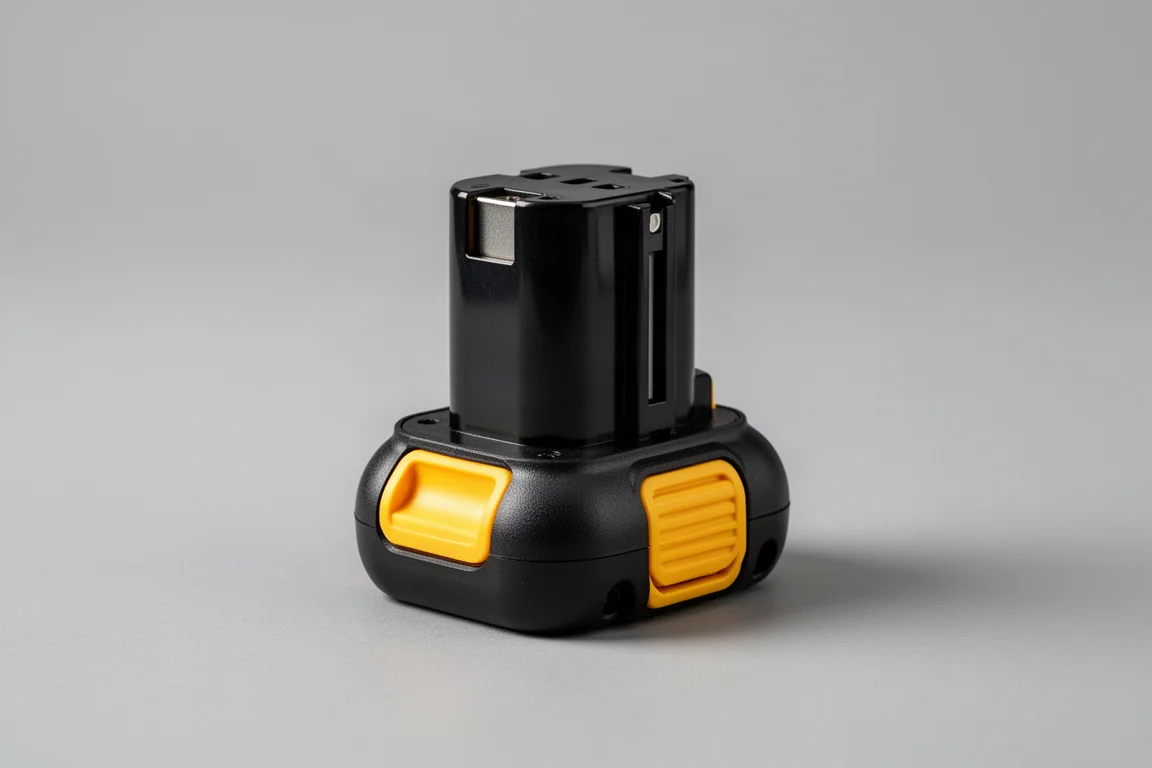
The 9Ah FlexVolt started at 20.69 volts and held 19.34, edging past even the 8Ah PowerStack before shutting itself off. It also outperformed the 12Ah FlexVolt in this test, which puts the biggest pack at the bottom of the ladder despite its capacity.
The takeaway is blunt: putting a FlexVolt on the DCF860 or anything smaller just is not worth it. The weight and bulk outweigh the marginal gains, and these packs belong on high-draw larger tools instead.
Buying Advice: Which Battery Should You Pick
Ranked by voltage hold on the DCF860: the 9Ah FlexVolt leads narrowly, the 8Ah PowerStack follows, then the 6Ah XR, the 5Ah PowerStack, the 4Ah compact XR, the 1.7Ah PowerStack, and the 2Ah standard pack. Remember these numbers reflect the DCF860 in its lower-power state; a larger tool could widen the gaps.
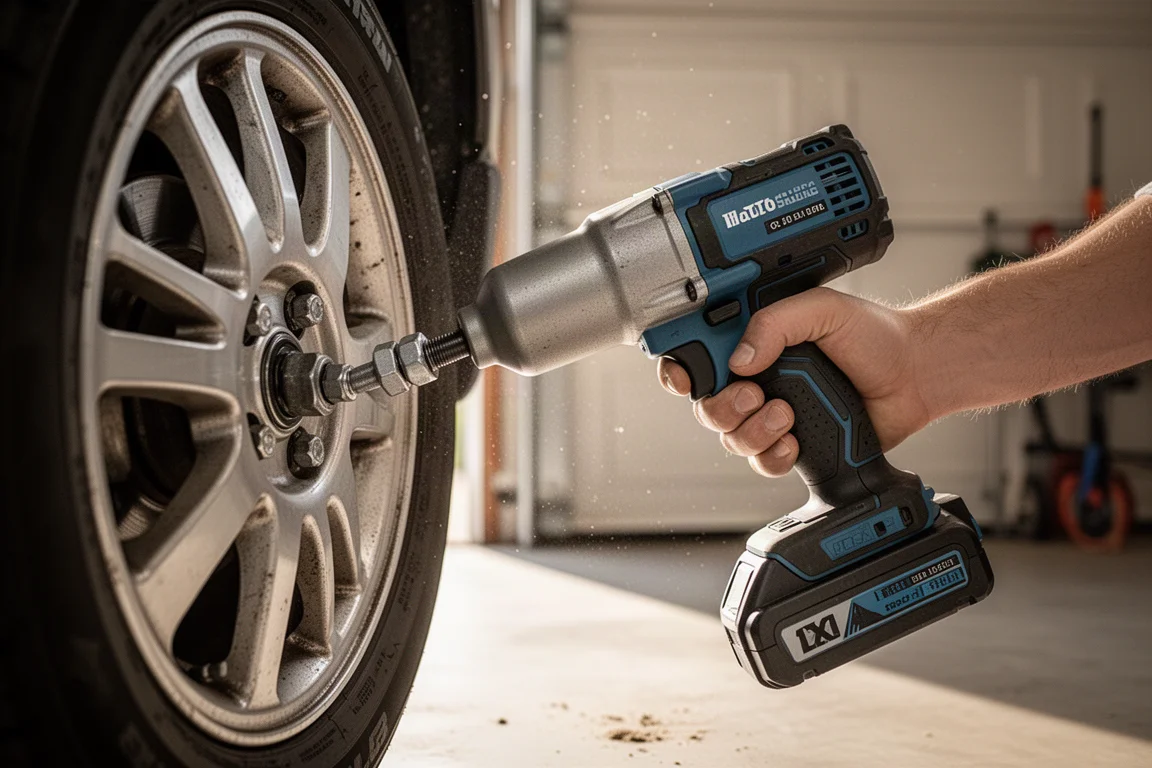
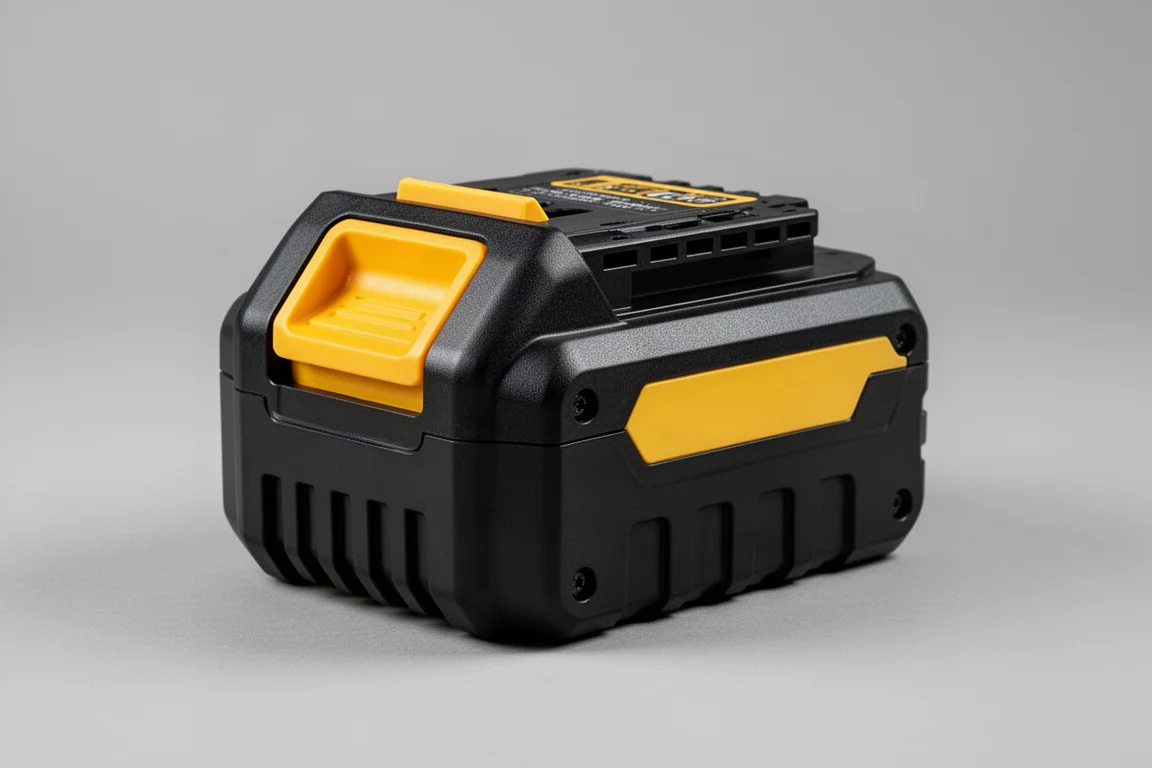
For the DCF860 specifically, the 8Ah PowerStack is the pick, with the 6Ah XR a close and cheaper second. Keep the small PowerStacks for compact tools where size matters, and leave the FlexVolt packs for tools that can actually use their capacity.
Conclusion
The 8Ah PowerStack confirms that DeWalt’s pouch-cell platform scales to high capacity without losing its power advantage. Match the battery to the tool: PowerStack for compact power, XR mid-capacity for value, and FlexVolt only where the tool can drain it properly.
Further reading
Related Reviews
Power Tools
Best 1-Inch Pistol Impact Wrenches: Three Heavy-Duty Options Compared
We compare three 1-inch pistol impact wrenches, from a budget-friendly Harbor Freight model to a premium Caterpillar unit, to help you choose the right one.
Power Tools
Best 3/4-Inch Impact Wrenches 2026: Five Contenders Compared
We compare five 3/4-inch impact wrenches across price and performance, from a budget Amazon option to Snap-on's most powerful model yet.
Power Tools
Best Budget Cordless Tools 2026: Walmart Finds That Punch Above Their Price
We tested five cordless tools from Walmart, including a high-torque impact wrench that trades blows with Milwaukee and a $35 duster that outperforms its price class.