Power Tools
DeWalt Power Detect vs FlexVolt Advantage: Which Store Exclusive Line Is Actually Better?
We put DeWalt's Power Detect and FlexVolt Advantage drills, grinders, and circular saws head to head to settle which store-exclusive line delivers more real output.
Introduction
DeWalt sells two parallel lines of its top-tier 20V max tools: Power Detect, sold through Lowe’s, and FlexVolt Advantage, sold through Home Depot. The brand advertises differentiating specs between most of these models, but a lot of that information is hidden, poorly clarified, and sometimes misleading. Few buyers can tell which tools are actually DeWalt’s top of the line.
To settle the debate, we compared the full FlexVolt Advantage line against the full Power Detect line across three tool categories: drills, grinders, and 7-1/4-inch circular saws, testing each tool with every relevant battery from each line’s kit battery to 6Ah XR packs, 5Ah PowerStacks, and the 9Ah FlexVolt.
Round One: The Drills
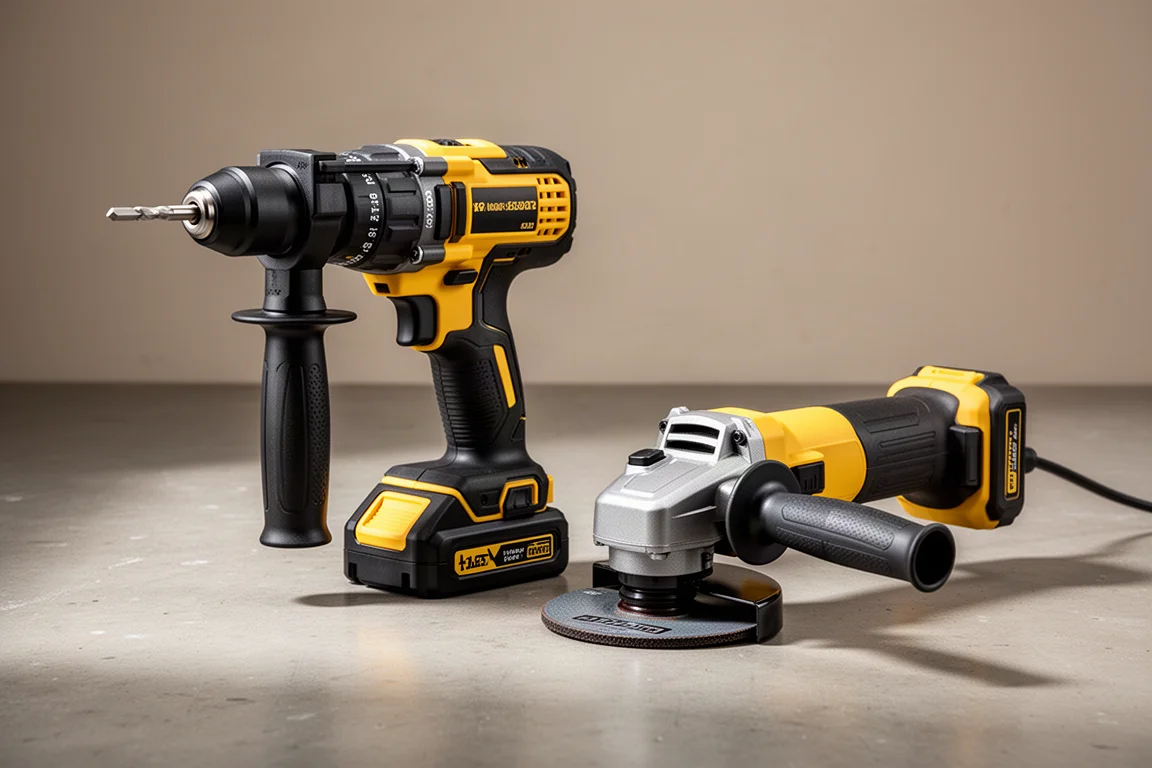
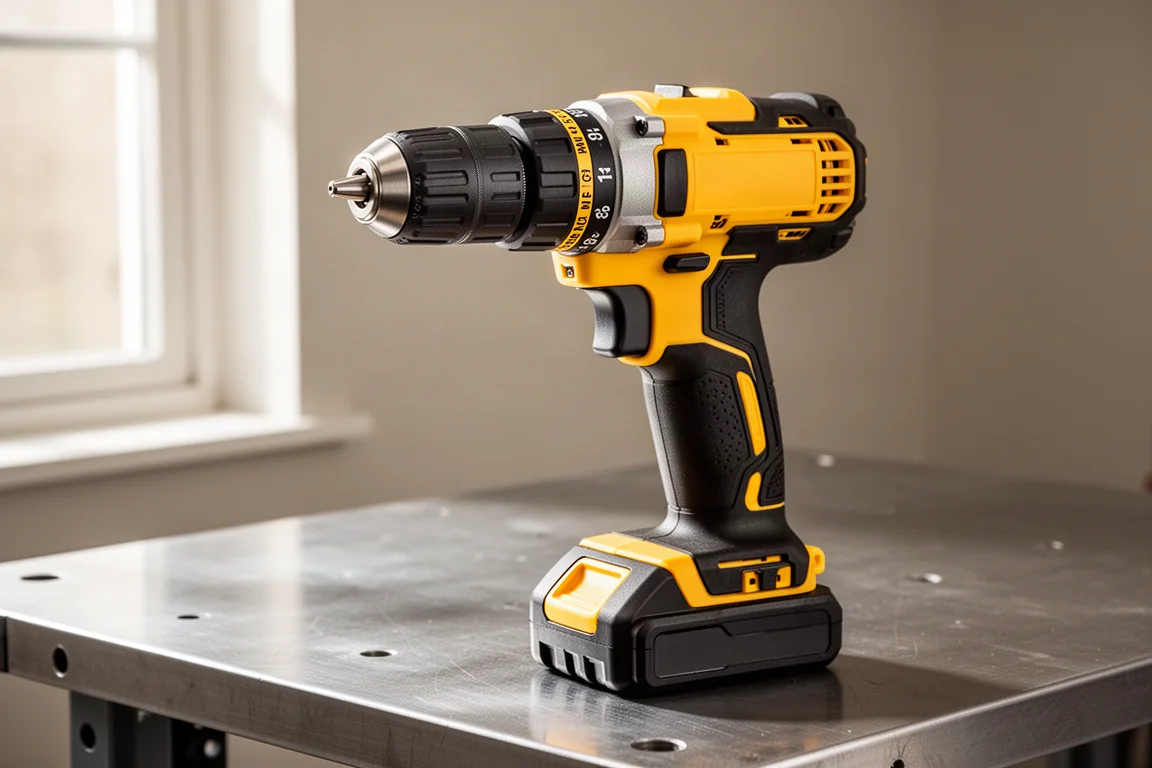
The DCD998 Power Detect and DCD999 FlexVolt Advantage drills look almost identical, like a game of spot the difference for adults. The Power Detect is rated at 1072 unit watts out, while the FlexVolt Advantage claims 1219 and is supposed to sense and take advantage of FlexVolt batteries somehow, even though it is a 20V tool that cannot use the 60V pickups.
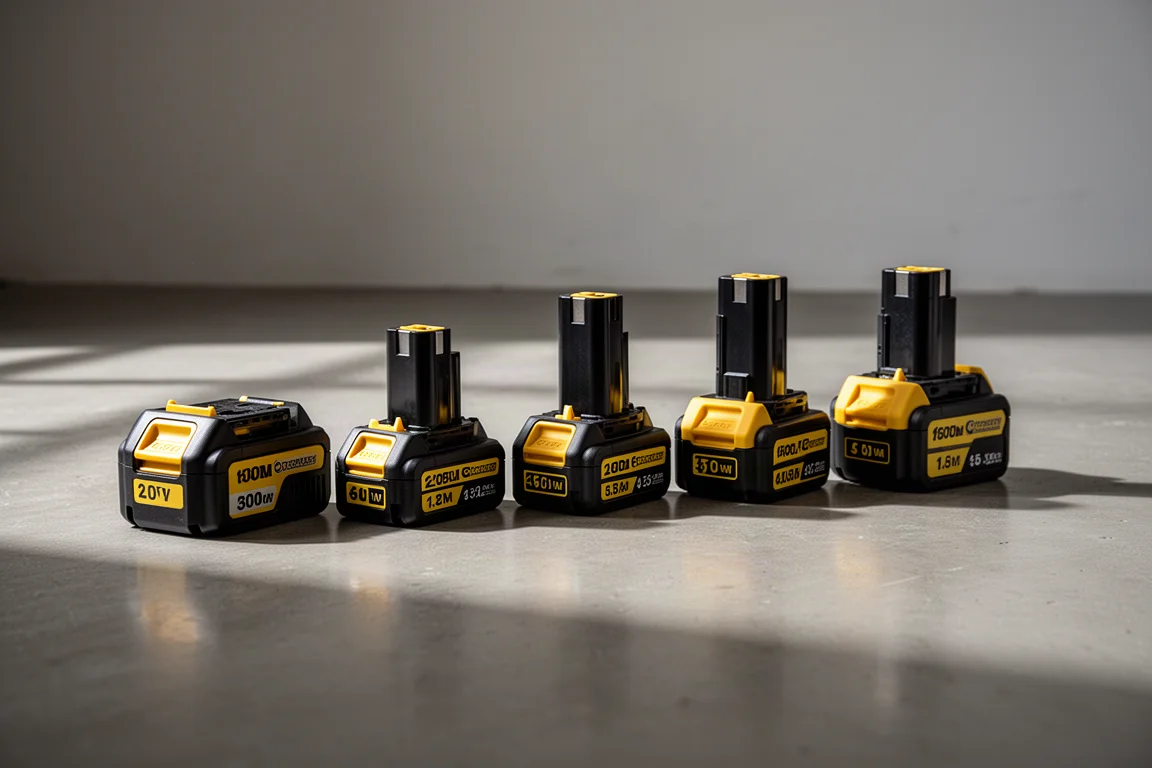
On a dyno brake with the included 6Ah FlexVolt battery, the FlexVolt Advantage made 36 foot-pounds of torque, which is quite good among drills in general. With a 6Ah XR battery using 21700 cells it reached 38.2 foot-pounds, and a 5Ah PowerStack delivered 37.75 foot-pounds, so the FlexVolt Advantage benefit looked suspect right away.
The Power Detect, rated as making roughly 12 percent less, is supposed to detect an 8Ah battery and perform best, with some wording suggesting it favors any 21700-cell XR battery. Its included kit 8Ah XR battery produced 35 foot-pounds, slightly behind the FlexVolt Advantage’s kit result, but with the 6Ah XR it hit 39.6 foot-pounds. Both tools prefer a battery they do not come with.
In watts, the Power Detect made 850W with its included battery while the FlexVolt Advantage made 860W, about the same. With the 6Ah XR, the results became 910W and 950W respectively. Across all batteries and test settings, the Power Detect averaged close to two percent more output while the FlexVolt Advantage sat about one percent down. The drills are insanely close, and if anything backwards from what the advertising implies.
Round Two: The Grinders
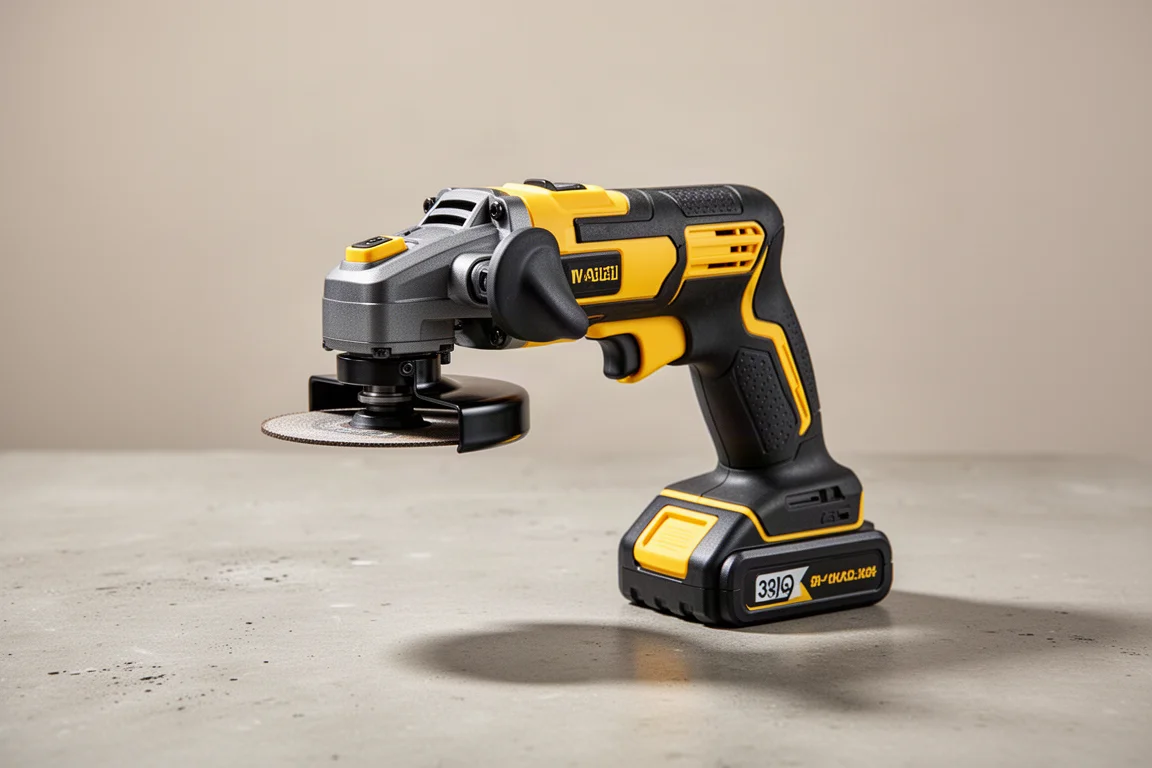
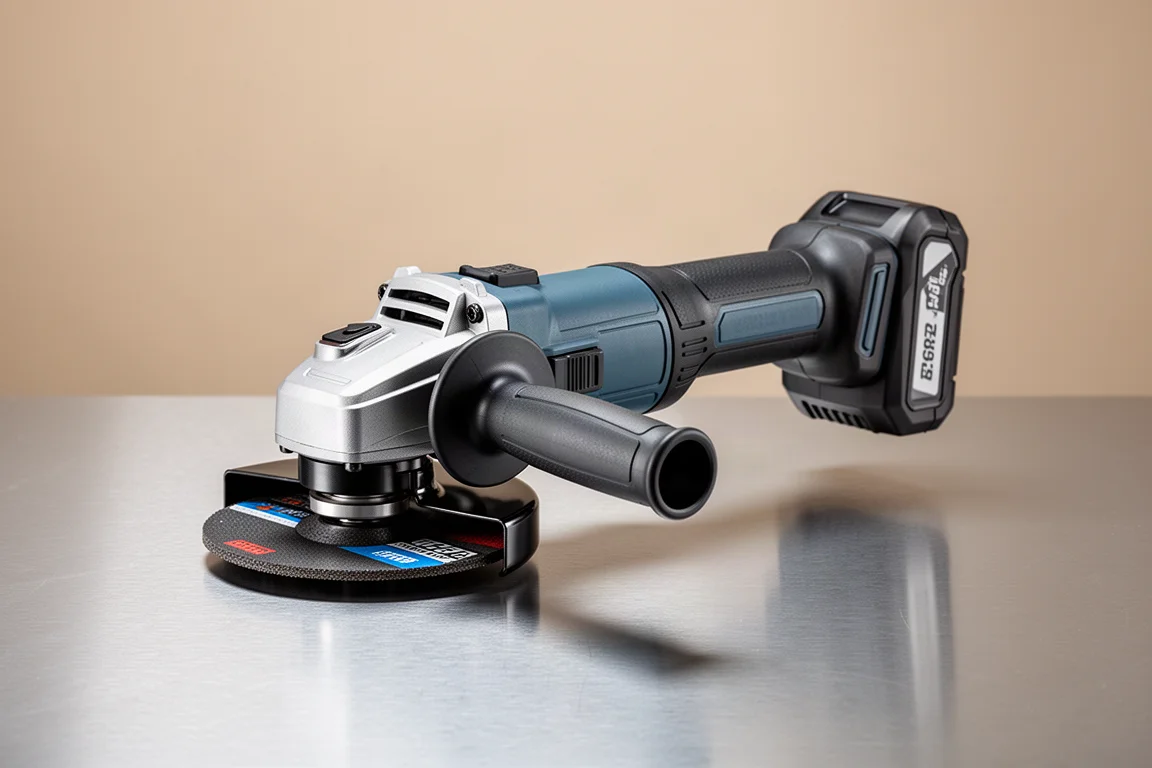
The DCG415 Power Detect and DCG416 FlexVolt Advantage grinders are simpler tools: no multi-speed gearbox, no clutch, no settings, just a motor and a right-angle output, which makes differences easy to measure precisely. DeWalt rates the FlexVolt Advantage at 1550 max watts out versus 1350 for the Power Detect, a claimed 15 percent gap.
The FlexVolt Advantage with the 6Ah FlexVolt battery made 780W, a lot of output for a grinder. Interestingly, unlike the drills, the 6Ah XR made less here at 750W, meaning the grinder genuinely prefers the FlexVolt battery. That finally lends some legitimacy to the Advantage story on this tool.
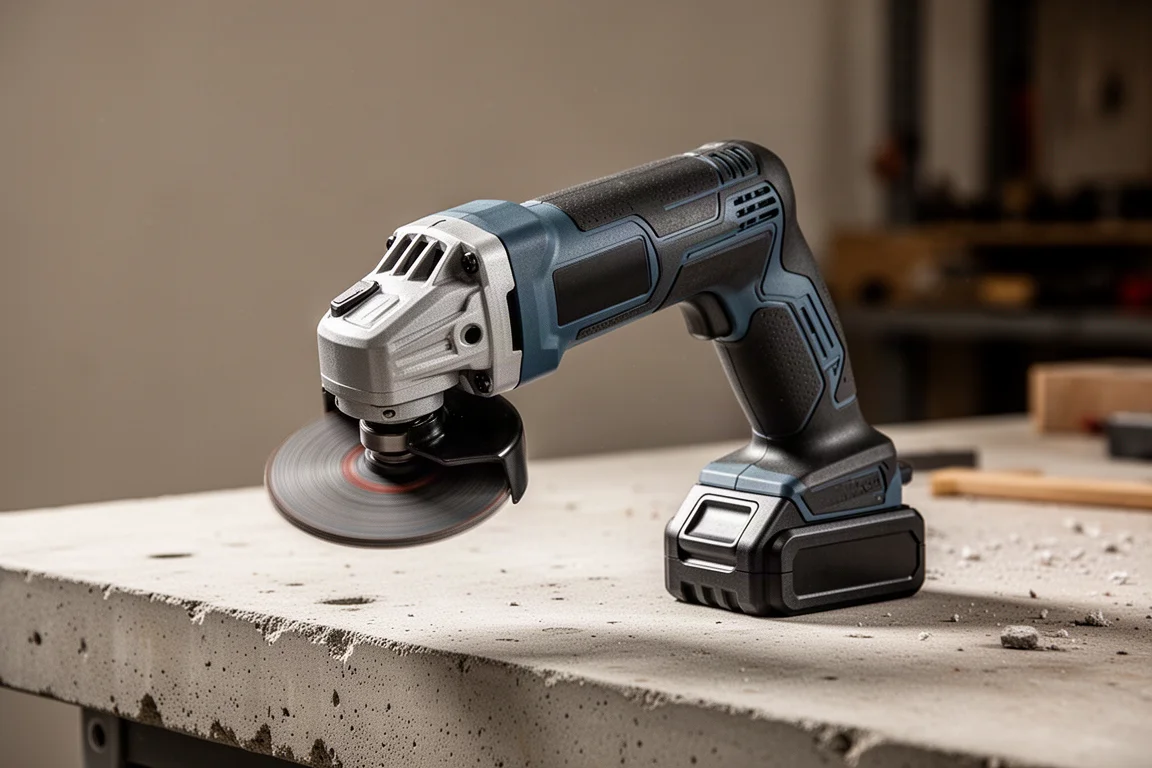
The Power Detect is supposed to be soul mates with the 8Ah XR, but that did not happen: it produced only 670W with that pack. It did better with the 6Ah XR at 720W, and the 5Ah PowerStack brought it to 740W. The battery that truly unlocked it was the 9Ah FlexVolt, at 790W, likely because of its very high discharge current rather than any FlexVolt detection. On the FlexVolt Advantage, that same 9Ah delivered 850W, making it the more powerful tool overall, with roughly a 100 RPM increase under load battery for battery.
Round Three: The 7-1/4-Inch Circular Saws
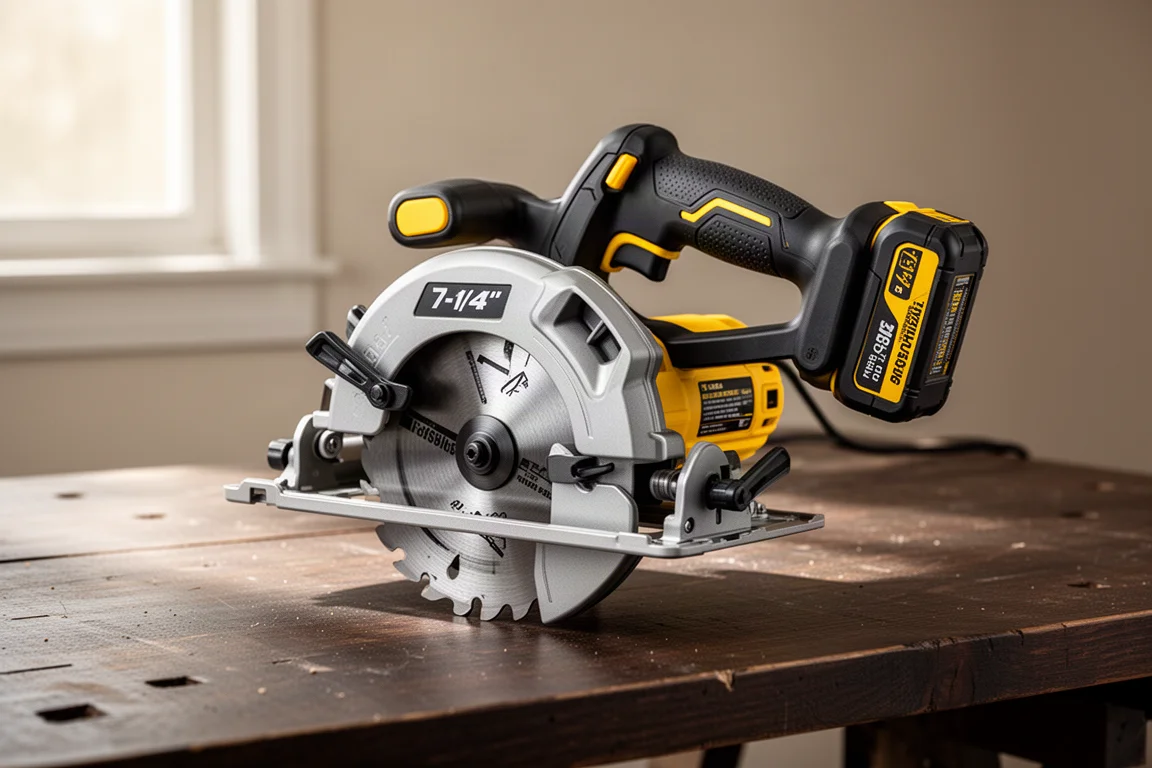
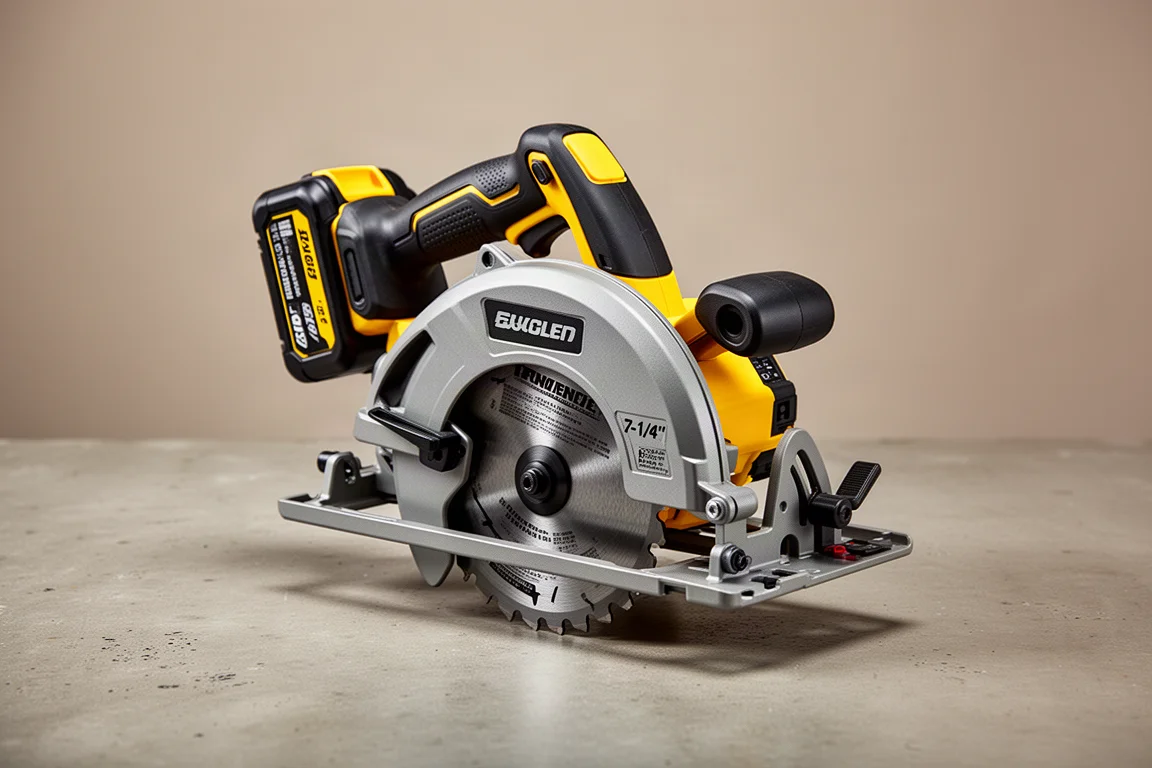
The biggest, most powerful matchup in this comparison is the DCF574 Power Detect versus the DCF573 FlexVolt Advantage circular saw. Both are rated under the grinders despite much larger inline motors, at roughly 1300 and 1400 unit watts out depending on the source, which testing showed to be off the mark.
The DCF574 made 740W with its included 8Ah battery and 810W with the 6Ah XR. The 5Ah PowerStack pushed it to 840W, something we have noticed with newer DeWalt models generally: they take advantage of higher discharge rate, which even a tool with no battery detection can do.
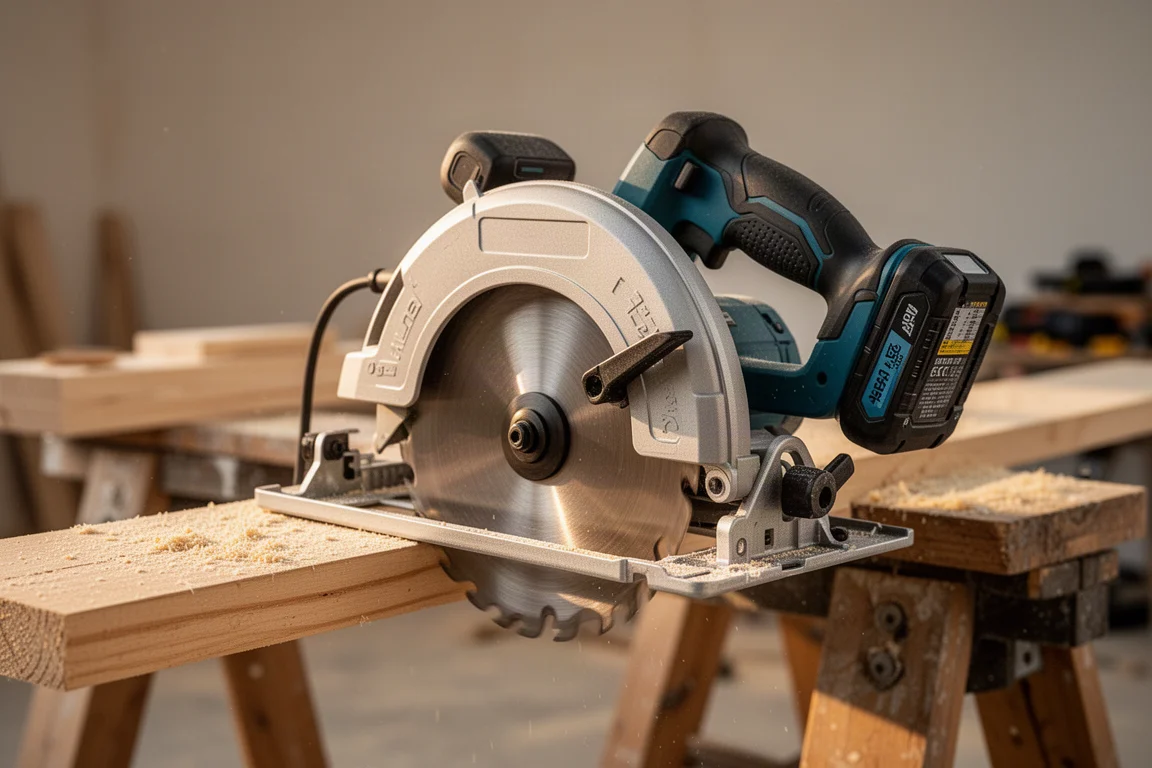
The DCF573 told a very different story. With its kit 6Ah FlexVolt battery it produced 1030W, dunking on the Power Detect. A 6Ah XR and 5Ah PowerStack came in at 930W and 970W, well but not nearly as well as on a standard XR tool, so this is the one FlexVolt Advantage tool with clear concrete gains from FlexVolt packs even in 20V architecture. The 9Ah FlexVolt doubled down with 1120W, likely a top spot among circular saws, while the Power Detect managed 900W with the same pack. That is roughly a 24 percent advantage, three times what the ratings imply, and the Power Detect is not even detecting the correct battery to perform best with.
Answers to the Big Questions
Are Power Detect and FlexVolt Advantage tools the same? No.
Is FlexVolt Advantage better on average? Yes, about 11 percent better, with similar or lower vibration. Measured vibration on the Power Detect grinder was noticeably higher than on the FlexVolt Advantage. On the drills, it is about a wash or the FlexVolt Advantage slightly below.
Does Power Detect prefer 8Ah batteries or at least 21700 cells? It does not prefer 8Ah batteries. In general it performs best with 5Ah PowerStacks and 9Ah FlexVolts.
Does FlexVolt Advantage prefer FlexVolt batteries? Yes, except for the drill. The 6Ah and 9Ah FlexVolt packs outperform other 21700-cell and PowerStack batteries overall.
Are DeWalt’s specs accurate? Not from what testing shows, on either the percentage differences or the Power Detect’s battery preference. The drills may have simply been finished before this line change, since their circuit boards look nearly identical.
Which Line Should You Buy?
For most buyers, FlexVolt Advantage is the safer pick. DeWalt’s best battery is the 9Ah FlexVolt, and it opens the door to the brand’s 60V FlexVolt tools as well, not just XR tools, making it the better overall platform choice.
That does not make Power Detect tools bad. The drills in particular are essentially a wash, and by and large both flavors sit at or near the top of the category. DeWalt remains an industry leader at confusing customers, though: its new high-output tools look just like much weaker models they replaced, the compact DCF850 Atomic impact driver out-tests the higher-numbered DCF845 XR, and models get rebranded across other house brands. Being a little suspicious of brand specs and store-exclusive marketing placement is, unfortunately, part of buying tools today.
Conclusion
Power Detect and FlexVolt Advantage are not the same tools with different stickers. The drills are nearly interchangeable, the grinders favor FlexVolt Advantage, and the circular saws show the largest and most dramatic gap, with FlexVolt Advantage delivering roughly 24 percent more output when paired with its intended batteries. If you are choosing a line to buy into, FlexVolt Advantage is the stronger overall platform, while Power Detect buyers should plan on pairing those tools with a 5Ah PowerStack or 9Ah FlexVolt to get their best performance.
Further reading
Related Reviews
Power Tools
Best 1-Inch Pistol Impact Wrenches: Three Heavy-Duty Options Compared
We compare three 1-inch pistol impact wrenches, from a budget-friendly Harbor Freight model to a premium Caterpillar unit, to help you choose the right one.
Power Tools
Best 3/4-Inch Impact Wrenches 2026: Five Contenders Compared
We compare five 3/4-inch impact wrenches across price and performance, from a budget Amazon option to Snap-on's most powerful model yet.
Power Tools
Best Budget Cordless Tools 2026: Walmart Finds That Punch Above Their Price
We tested five cordless tools from Walmart, including a high-torque impact wrench that trades blows with Milwaukee and a $35 duster that outperforms its price class.