Power Tools
DeWalt Pole Saw Review: A Hands-On Cutting Test
We put a DeWalt pole saw to work cutting through lumber to see how it performs in real use, and what buyers should know before picking one up.
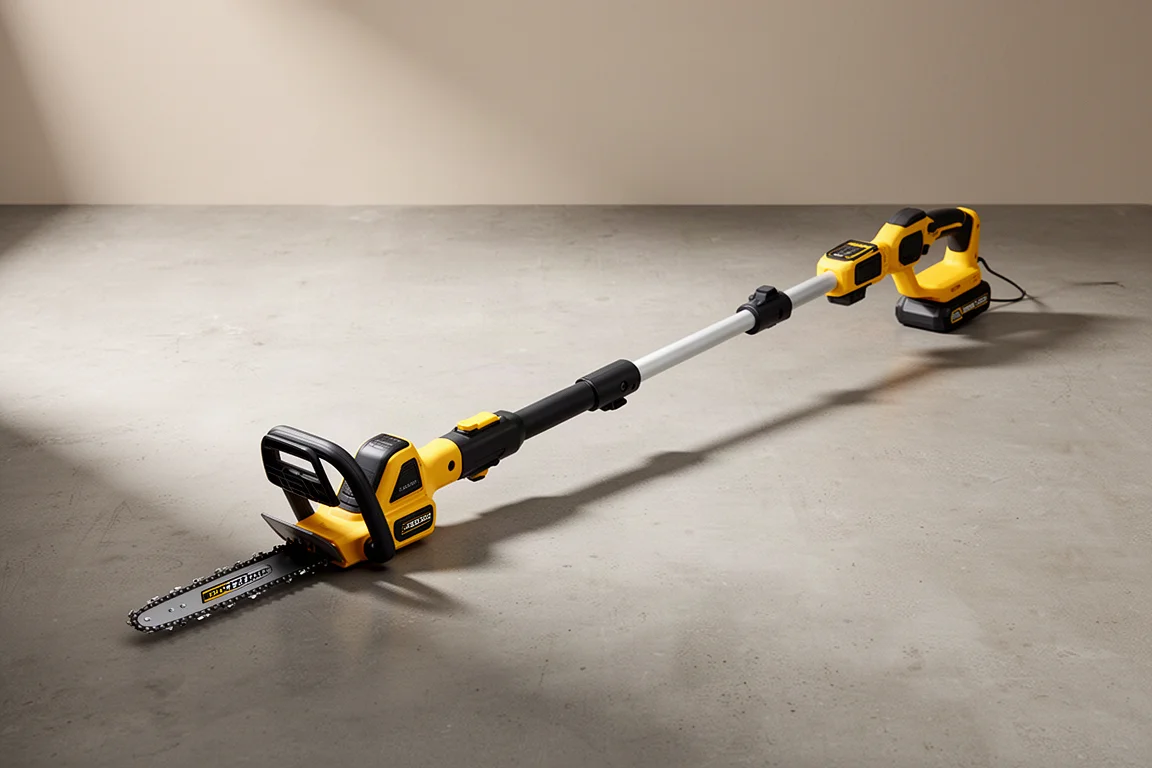
Introduction
A pole saw is one of those tools that earns its place in the garage the first time you need to trim branches you cannot reach from the ground. DeWalt’s entry in this category follows the brand’s familiar cordless tool philosophy: a chainsaw-style cutting head mounted on an extendable pole, powered by a battery platform many DIYers already own.
To see how it holds up, we put it to a simple but telling test: cutting clean, straight sections out of a two-by-four. It is not the job a pole saw is designed for, but it is a useful stress test of cutting speed, chain tension, and how controlled the tool feels under load.
What This Pole Saw Is Built For
The core idea is reach plus cutting power. Instead of climbing a ladder with a handsaw or dragging out a chainsaw for a high branch, you extend the pole, rest the cutting head against the wood, and let the chain do the work. That makes it a natural fit for pruning tree limbs, clearing growth around fences and property lines, and general yard maintenance.
In the cutting test, the saw worked through a two-by-four without drama, which is a good sign for how it will behave on the green, fibrous wood it is actually meant for. A tool that cuts construction lumber cleanly and predictably tends to feel equally confident trimming branches overhead.
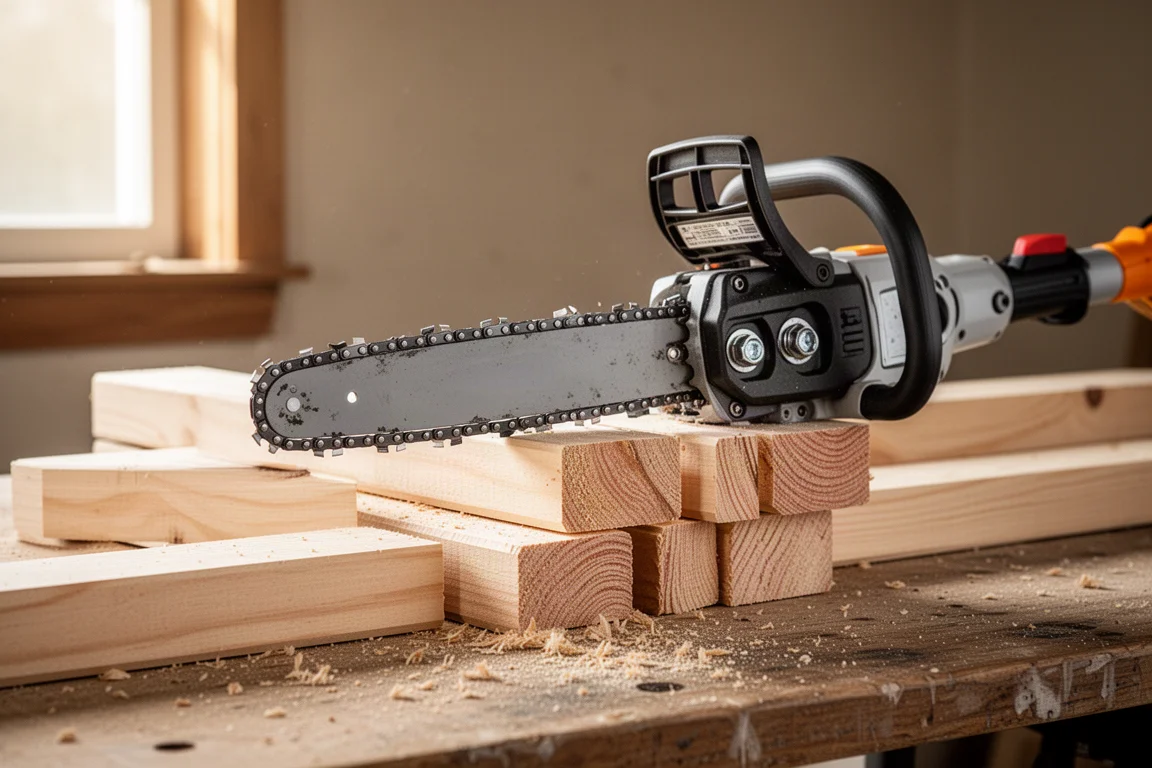
How It Cuts Through a Two-by-Four
Cutting straight through dimensional lumber is a demanding test for any small chain saw, because there is nowhere to hide. A dull chain, loose tension, or a wandering bar shows up immediately as a crooked cut or a stall.
The DeWalt pole saw pushed through the test cut steadily. The key takeaways from working it this way:
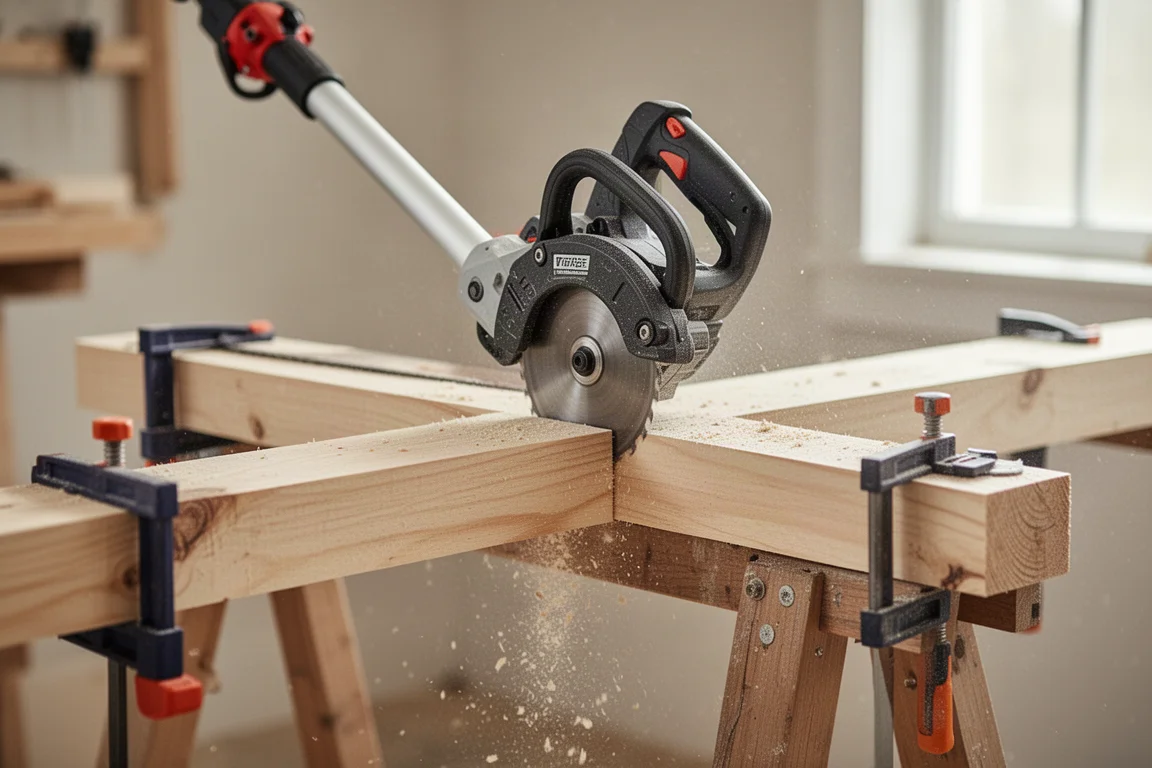
- Consistent feed. The chain bit into the wood and kept cutting without needing constant downward pressure, which matters when the cutting head is eight or more feet in the air.
- Stable handling. With one hand on the rear grip and one on the front, the head stayed where it was aimed rather than wandering out of the cut.
- Predictable chain behavior. No visible chain jumpiness or excessive throw-off during the cut, which is what you want to see from a tool used at arm’s length.
For actual overhead pruning, those traits translate into cuts you can make confidently with your eyes on the branch, not the tool.
Things to Consider Before Buying
A pole saw is a specialty tool, so it is worth checking a few practical points before adding one to your kit.
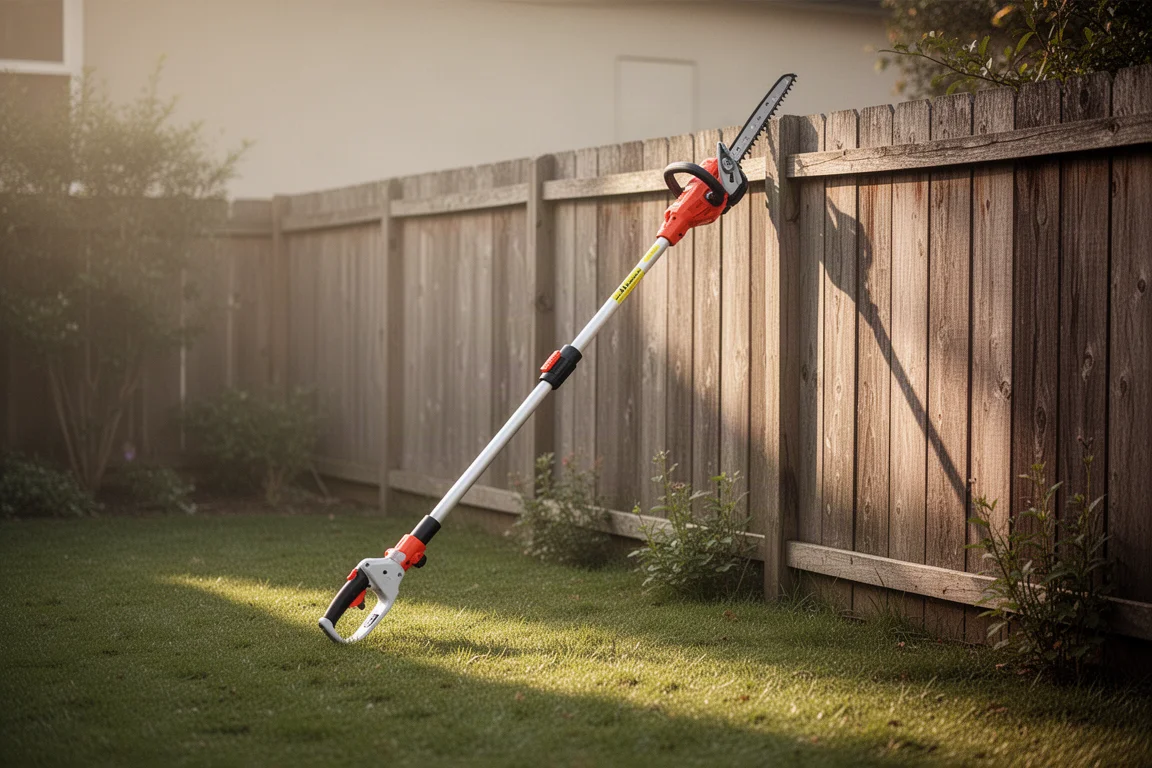
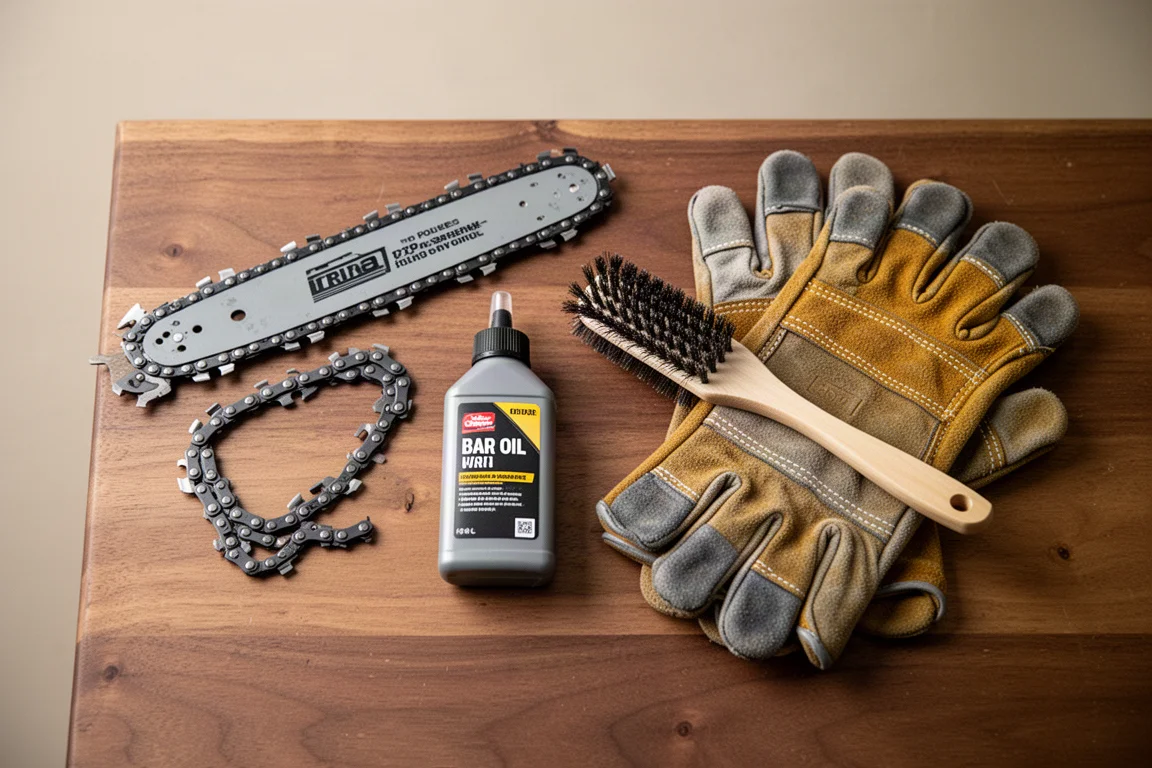
First, think about reach. Pole saws trade cutting power for extension, so if you regularly face very thick limbs, a chainsaw or a professional service is the better match. Second, check the battery platform. DeWalt’s cordless tools share batteries across the range, so if you already own DeWalt batteries and a charger, the pole saw becomes a much cheaper, easier addition. If you do not, factor the battery and charger into the total cost. Third, plan on regular maintenance: bar oil, chain tension checks, and occasional cleaning are part of owning any chain-driven tool.
Buying Advice
This is a good pick if you have trees or tall shrubs on your property and want to handle pruning yourself rather than paying for a service every season. The two-by-four test showed a tool that cuts with control and consistency, which is exactly what you want when the cut is happening above head height.
If you already use DeWalt cordless tools, the decision gets easier still, since the battery ecosystem does a lot of the value work for you. If you only need to trim a few small branches once a year, a manual pole pruner may cover it for less money.
Conclusion
The DeWalt pole saw proved itself in a practical cutting test, working through a two-by-four with steady, controlled cuts. For homeowners with routine overhead trimming to do, and especially for those already in the DeWalt battery system, it is a tool that makes yard work simpler and safer. Check the current price and battery bundle options before buying, as cordless tool kits change frequently.
Product link
View more details for DeWalt Pole Saw
This product is mentioned in the review. Check the specifications, options, and compatibility before buying.
View more details for DeWalt Pole SawFurther reading
Related Reviews
Power Tools
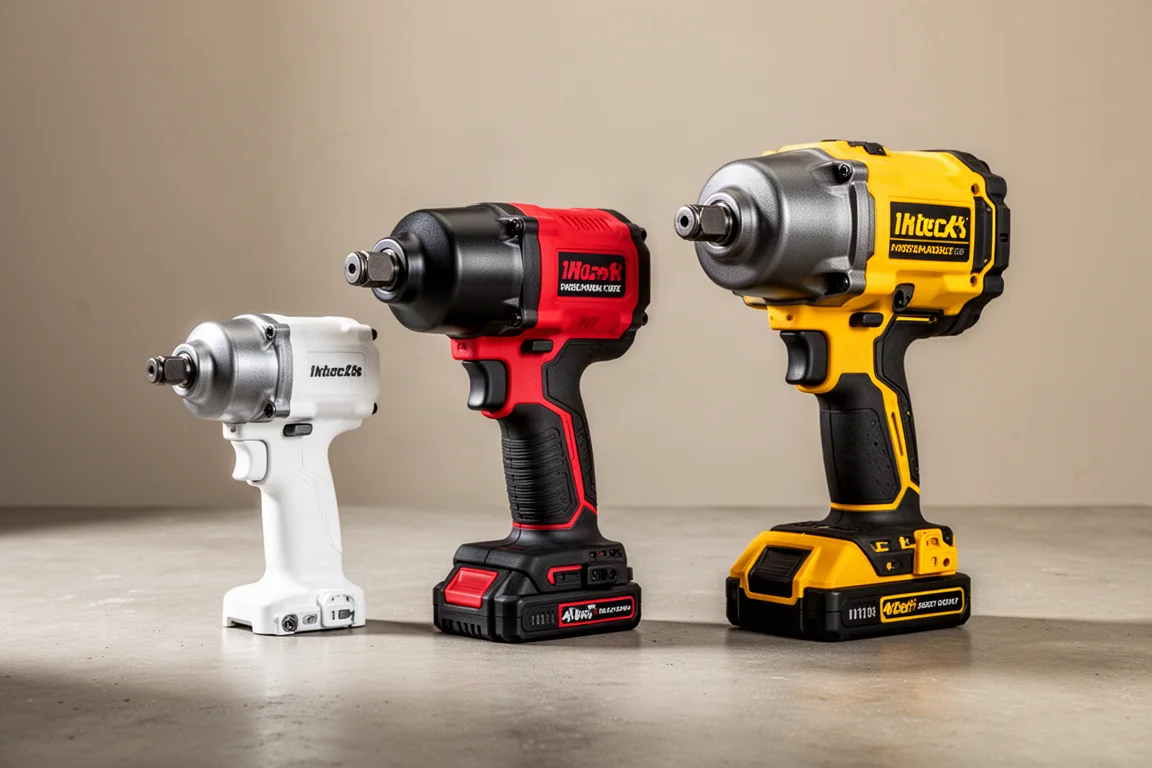
Best 1-Inch Pistol Impact Wrenches: Three Heavy-Duty Options Compared
We compare three 1-inch pistol impact wrenches, from a budget-friendly Harbor Freight model to a premium Caterpillar unit, to help you choose the right one.
Power Tools
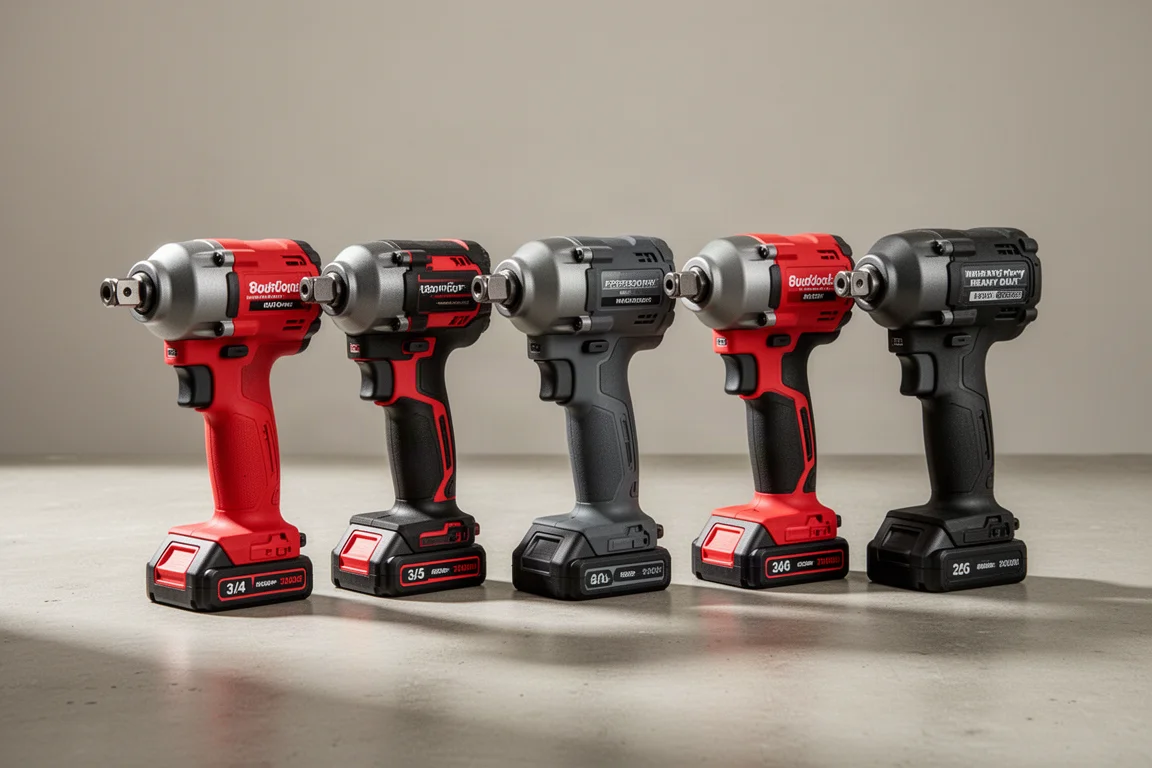
Best 3/4-Inch Impact Wrenches 2026: Five Contenders Compared
We compare five 3/4-inch impact wrenches across price and performance, from a budget Amazon option to Snap-on's most powerful model yet.
Power Tools
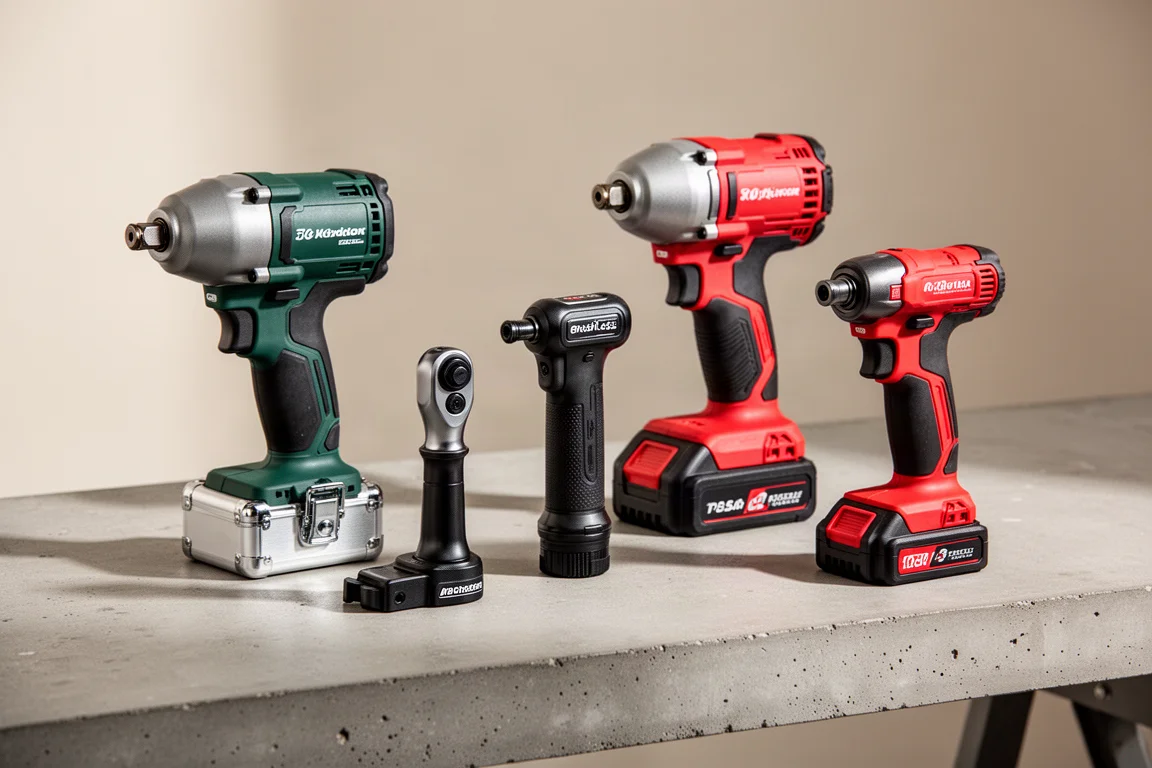
Best Budget Cordless Tools 2026: Walmart Finds That Punch Above Their Price
We tested five cordless tools from Walmart, including a high-torque impact wrench that trades blows with Milwaukee and a $35 duster that outperforms its price class.