Power Tools
DeWalt Multi-Tool Blades Review: Three-Sided and Plunge Point Designs Worth a Look
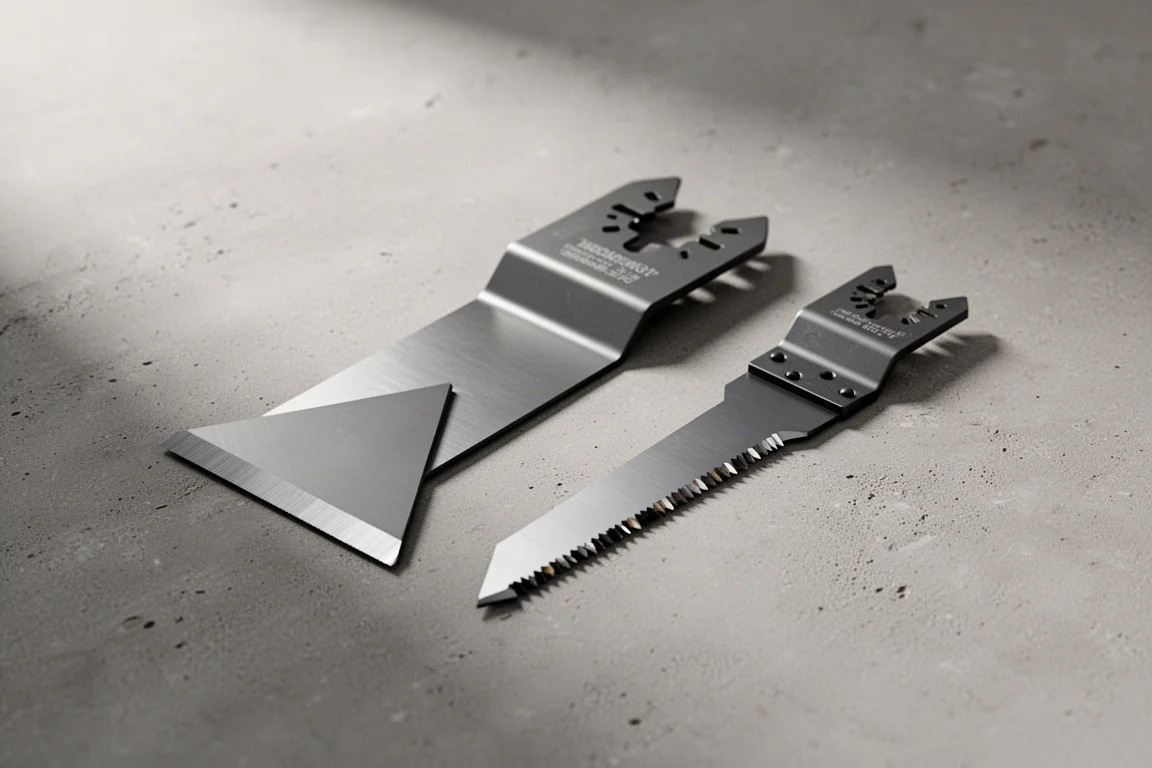
Two distinctive DeWalt oscillating multi-tool blades, one built for cleaning up drywall cuts and one with an anchoring plunge point, tested on the job site.
Introduction
The oscillating multi-tool has earned its place in almost every toolbox, from full-time contractors to homeowners who just need the right tool once in a while. Electricians, plumbers, and remodelers lean on them constantly. But the tool is only as good as the blade you put in it, and blade choice makes a real difference in cut quality and speed.
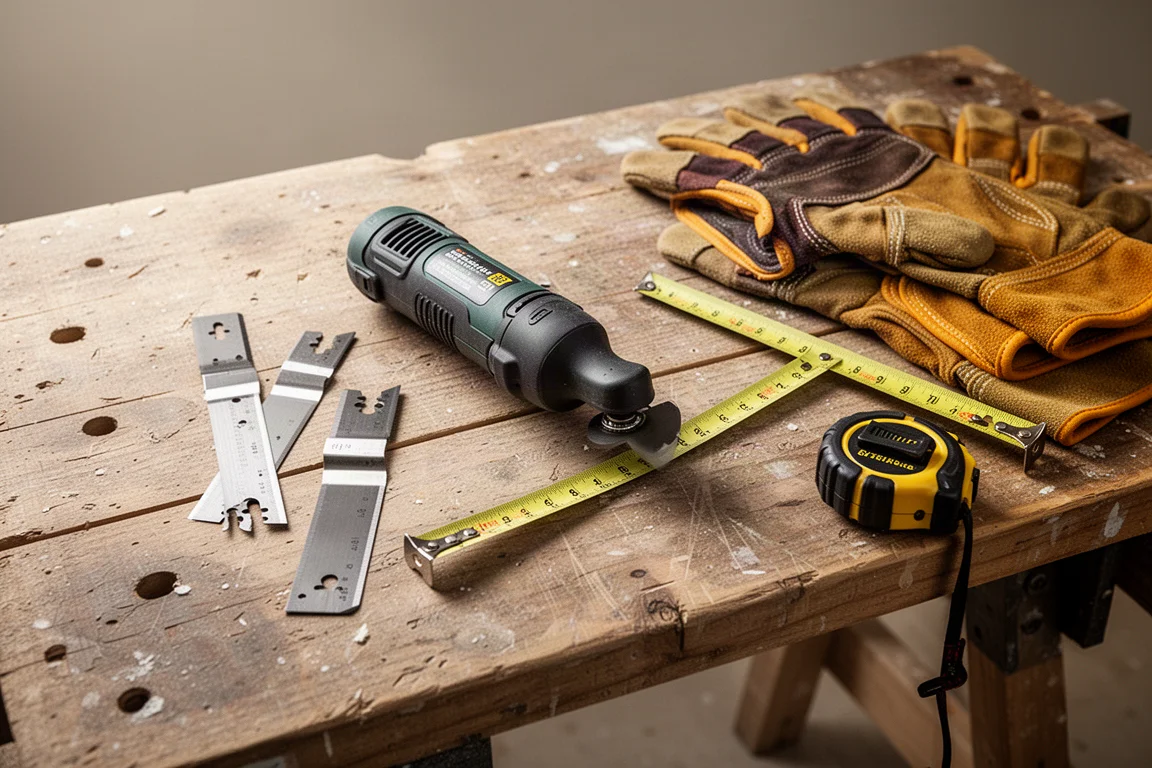
DeWalt’s newer blade designs stand out because they approach common cutting problems in ways we had not seen before. This guide covers two of them: the 2-1/8 in three-sided general-purpose blade and the 1-1/4 in plunge point blade, both tested on a Milwaukee multi-tool to show they work across brands. Each blade comes with an adapter, so mixing brands is not a problem.
The Three-Sided Blade: Built for Cleaning Up Cuts
The DeWalt 2-1/8 in three-sided general-purpose blade sells for around $20 on its own, which reflects the reality that multi-tool blades are not cheap. Buying it as part of a kit gets you a better deal.
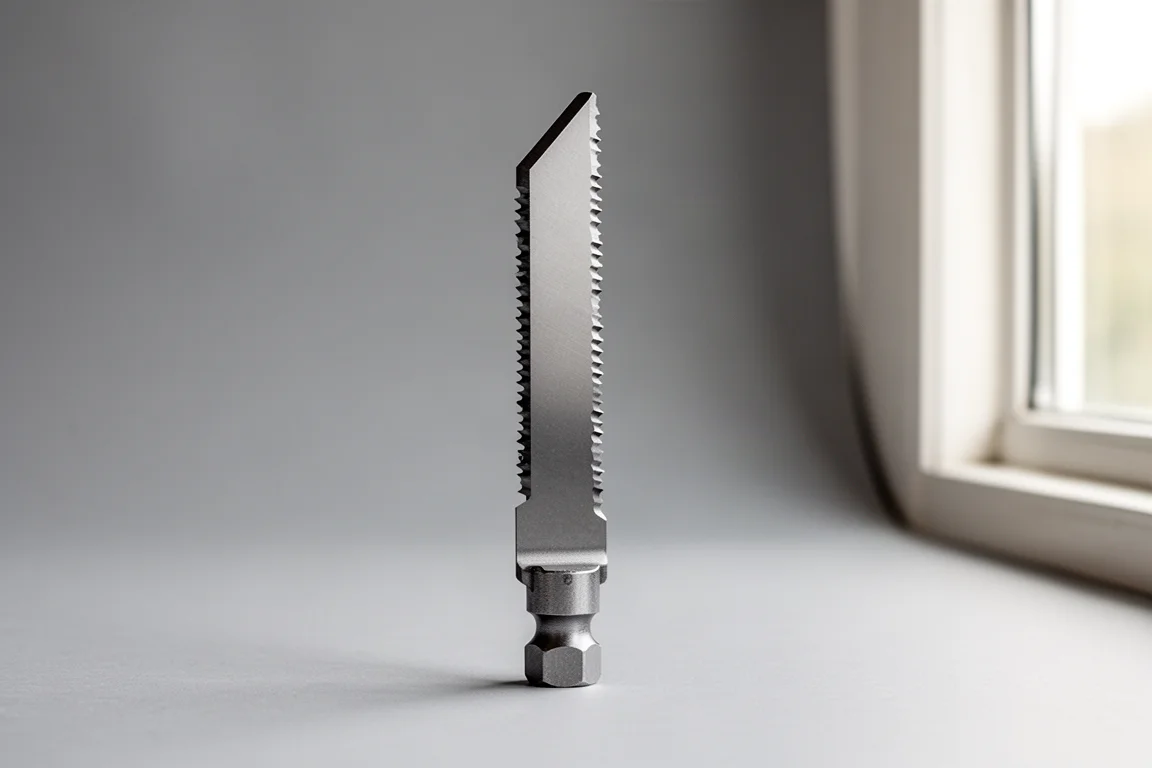
This blade has a very specific strength. It is not meant for sliding side to side inside an existing cut, because that will tear up drywall quickly. What it excels at is cleanup: when a cutout does not come out perfectly, the three-sided profile lets you enlarge and square up a hole cleanly instead of leaving a mess of ugly cuts behind.
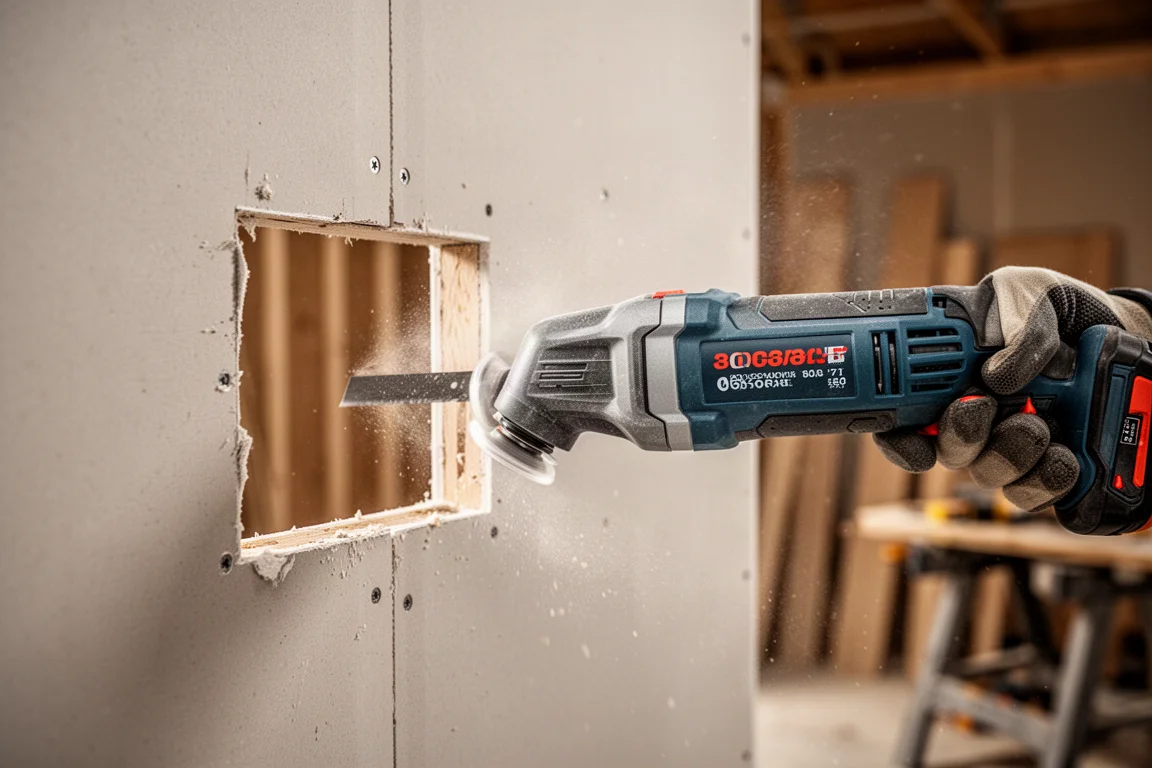
For electricians cutting out electrical box openings, that cleanup ability is the main draw. It makes really good cuts, and the results speak for themselves.
Durability and Cutting Performance
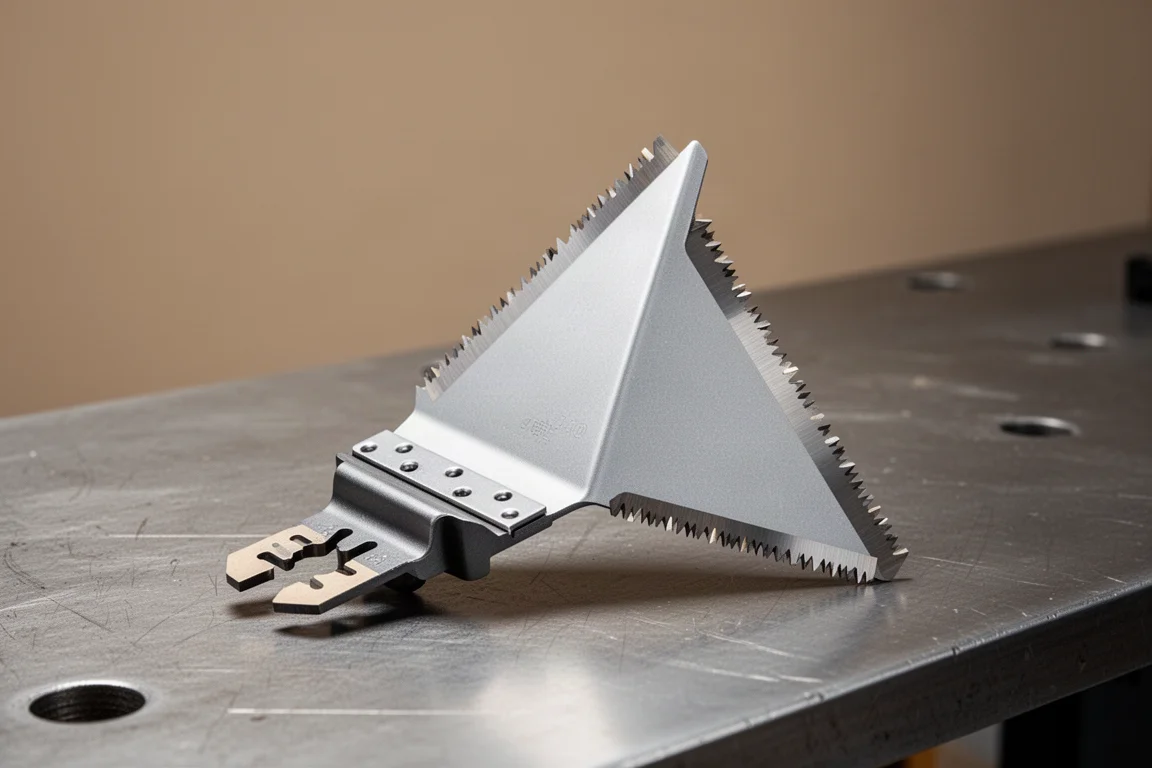
This blade is not designed for metal work. It is intended for wood and drywall, and within that scope it performs well. In testing it sliced down through material about an inch thick without complaint.
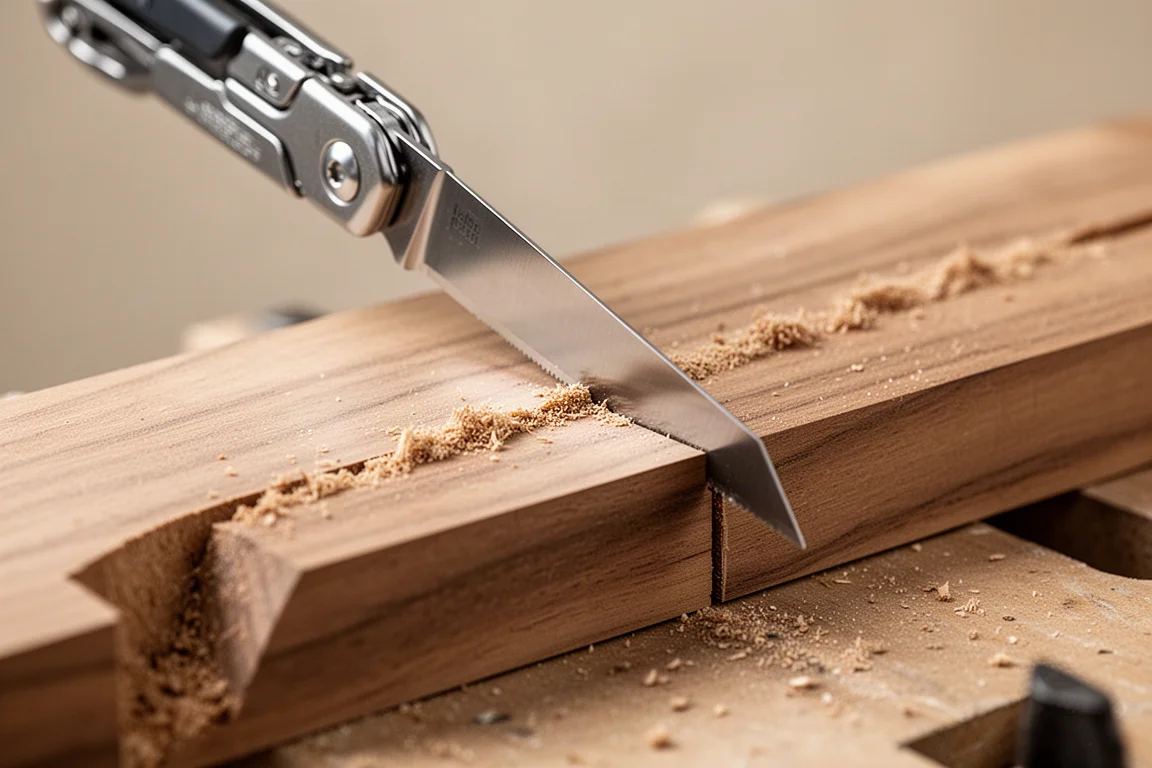
What stands out most is longevity. The blade has been lasting a really long time under regular use, which matters when individual blades carry a premium price.
A quick usage tip worth adopting: moving the blade back and forth while cutting keeps it from smoking and wears the teeth evenly rather than in one spot. That habit matters most when cutting metal and nails, but it is good practice generally.
The Plunge Point Blade: A Smarter Way to Start a Cut
The 1-1/4 in plunge point blade is the more interesting of the two designs. Instead of lowering the full toothed edge into the material, which is slower and tends to build up friction and smoke, this blade starts with its sharpened point, which sinks in first and acts as an anchor.
That design delivers three practical benefits. It is quicker to start a cut. It produces less smoke because less material causes friction at once. And it keeps the blade on point, so it does not jump around all over the place before the cut begins.
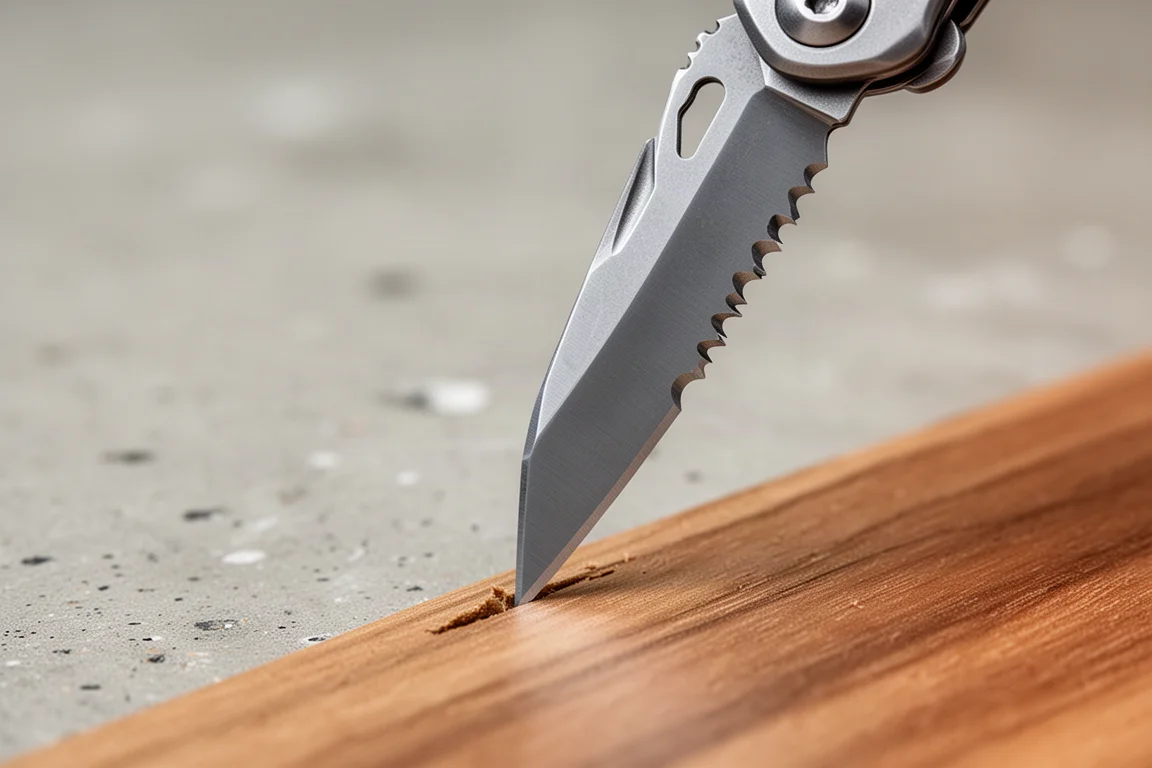
It is not the best choice for freeform slicing or shaping work, but it shines when you need to start a cut in the middle of a surface or clean up an imperfect cutout. Because the teeth run on each end, it also cuts through wood faster than a standard blade that dulls on both sides.
Overall Buying Advice
If you regularly cut drywall openings and need to clean up imperfect cuts, the three-sided blade is the easier recommendation. It is purpose-built for that job and holds up well over time.
If you spend more time plunging into wood mid-panel, the plunge point blade’s anchoring tip makes starts faster, cooler, and more controlled, and the teeth on both ends add cutting speed. Since buying the blades in a kit is cheaper than picking them up individually, contractors who use both styles should consider the kit route.
Conclusion
DeWalt’s new blade designs show that even a mature tool category still has room for smarter thinking. The three-sided blade turns frustrating drywall cleanup into a quick fix, and the plunge point blade solves the classic problem of blades wandering at the start of a cut. For anyone who relies on a multi-tool daily, both are worth a spot in the blade pouch.
Further reading
Related Reviews
Power Tools
Best 1-Inch Pistol Impact Wrenches: Three Heavy-Duty Options Compared
We compare three 1-inch pistol impact wrenches, from a budget-friendly Harbor Freight model to a premium Caterpillar unit, to help you choose the right one.
Power Tools
Best 3/4-Inch Impact Wrenches 2026: Five Contenders Compared
We compare five 3/4-inch impact wrenches across price and performance, from a budget Amazon option to Snap-on's most powerful model yet.
Power Tools
Best Budget Cordless Tools 2026: Walmart Finds That Punch Above Their Price
We tested five cordless tools from Walmart, including a high-torque impact wrench that trades blows with Milwaukee and a $35 duster that outperforms its price class.