Power Tools
DeWalt Hydraulic Impact Driver vs Milwaukee Surge Gen 2: Which Quiet Impact Wins?
Two new hydraulic impact drivers go head to head on speed, torque, weight, noise, and heat. Here is how the DeWalt and the Milwaukee Surge Gen 2 actually compare.
Introduction
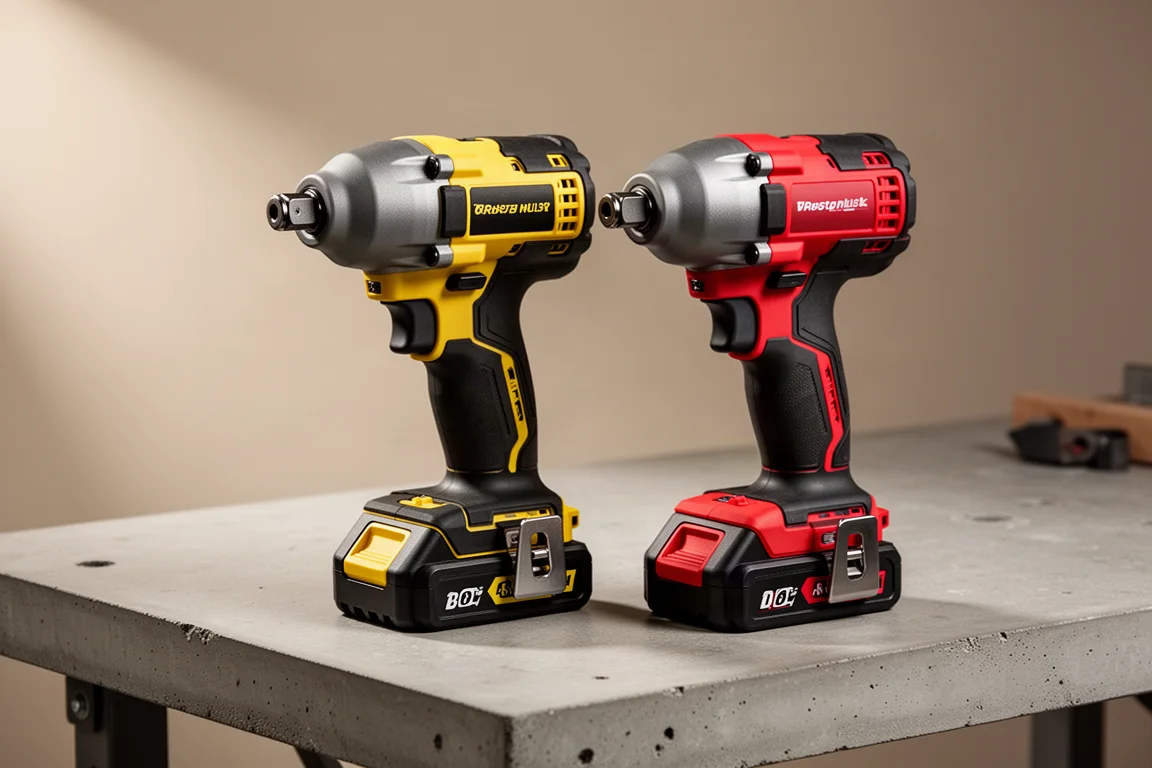
Hydraulic impact drivers have quietly become the most interesting corner of the cordless tool market. Earlier this year DeWalt released its hydraulic impact driver, and Milwaukee answered with the Gen 2 Surge. Both promise the same thing: impact-driver performance without the hammering noise that defines traditional models.
We put the two head to head across drywall screws, sheet metal, structural lag fasteners, and large self-feeding spade bits, tracking speed, noise, weight, and heat along the way. The short version: both are genuinely impressive, and the differences come down to speed versus weight.
Speed and Fastening Performance
On drywall screws, Milwaukee looked faster in speed one. Because the DeWalt only offers two speeds, it needed speed two to keep pace, and at that point the race was much closer, with very similar results. When the test moved up to three-inch screws, which demand more torque, the Milwaukee pulled ahead in the speed-one-versus-speed-one comparison, driving the screws with no camming issues, and repeated runs produced the same outcome.
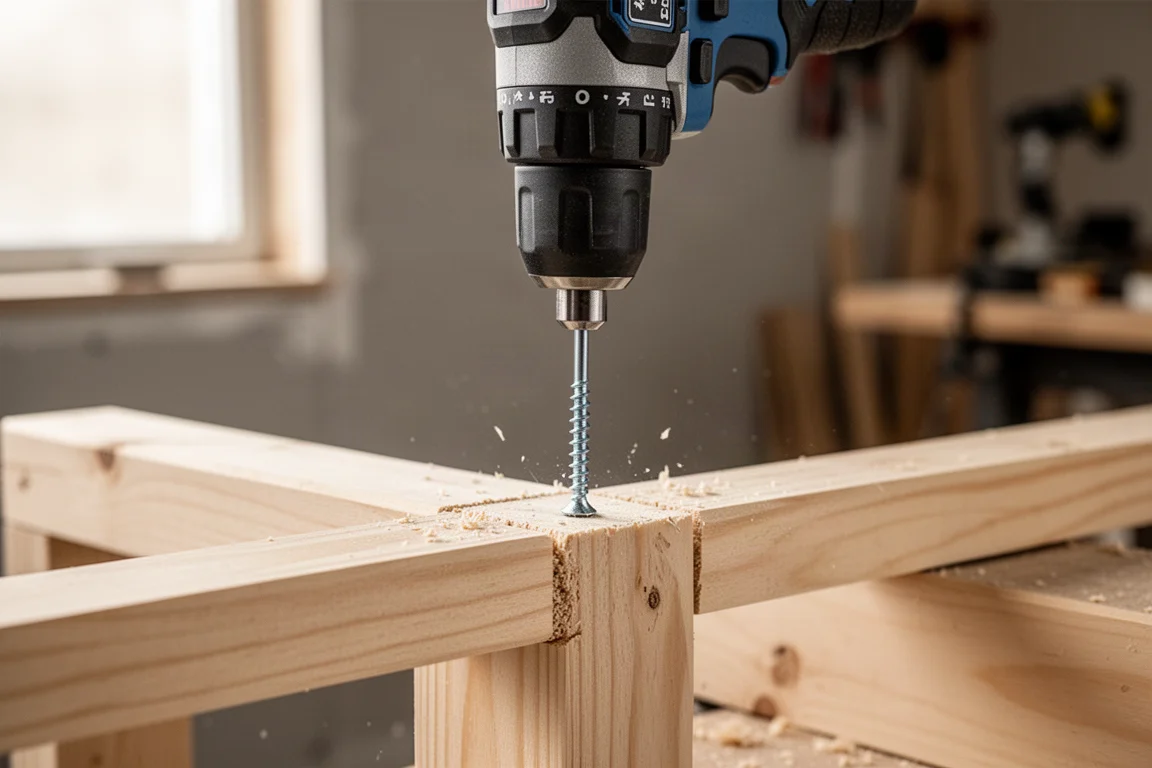
It is worth remembering what these tools are for. With drywall screws the goal is driving them quickly and potentially quietly, and both tools did that comfortably. Neither battery budged noticeably during the light fastening tests, which speaks to how efficient both designs are.
Sheet Metal Work: Where Hydraulics Shine
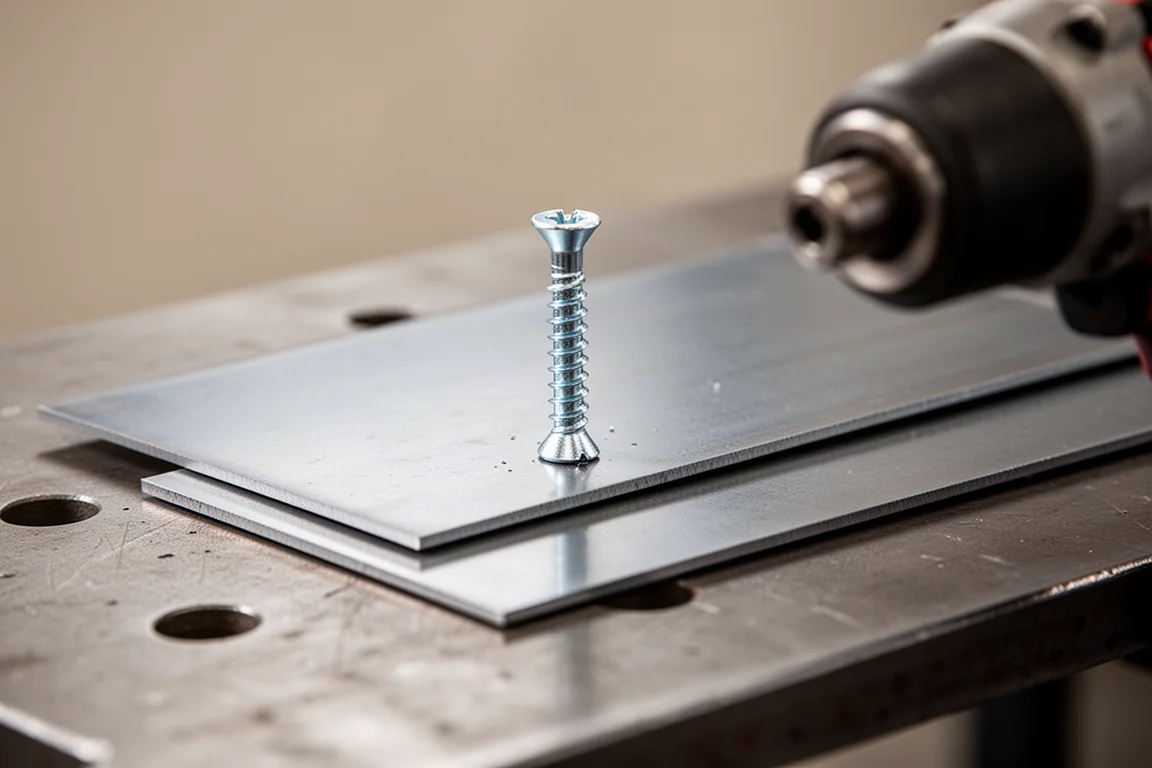
Both drivers were tested on self-tapping screws through doubled 20-gauge steel, replicating 14-gauge combined thickness. This is where the hydraulic design really earns its keep.
The result was striking: both tools were described as literally terrific and so quiet in this application. Because hydraulic drivers hammer less and knock less, the noise that normally transmits through metal simply is not there. Driving sheet metal fasteners, one tester noted he could not even hear the other person’s fastener going in. If you fasten metal regularly, this application alone justifies choosing a hydraulic driver over a traditional impact.
Weight and Balance
Here the DeWalt has a clear edge. Weighed with each tool’s respective belt clip and battery, the DeWalt came in at 2 lb 3.7 oz with its battery, while the Milwaukee measured 2 lb 6.3 oz with the Forge battery. That is roughly a half pound difference, and it is not a perception thing. Carrying a tool for eight hours, half a pound matters.
The DeWalt also balances well. Its shorter, more compact head centers the weight toward the middle of the tool and acts almost like a counterbalance, which makes it index naturally in the hand. The Milwaukee is not as light, but it is still compact and feature-rich, with three speeds and bright lights.
Heavy Fasteners: Structural Lag Screws
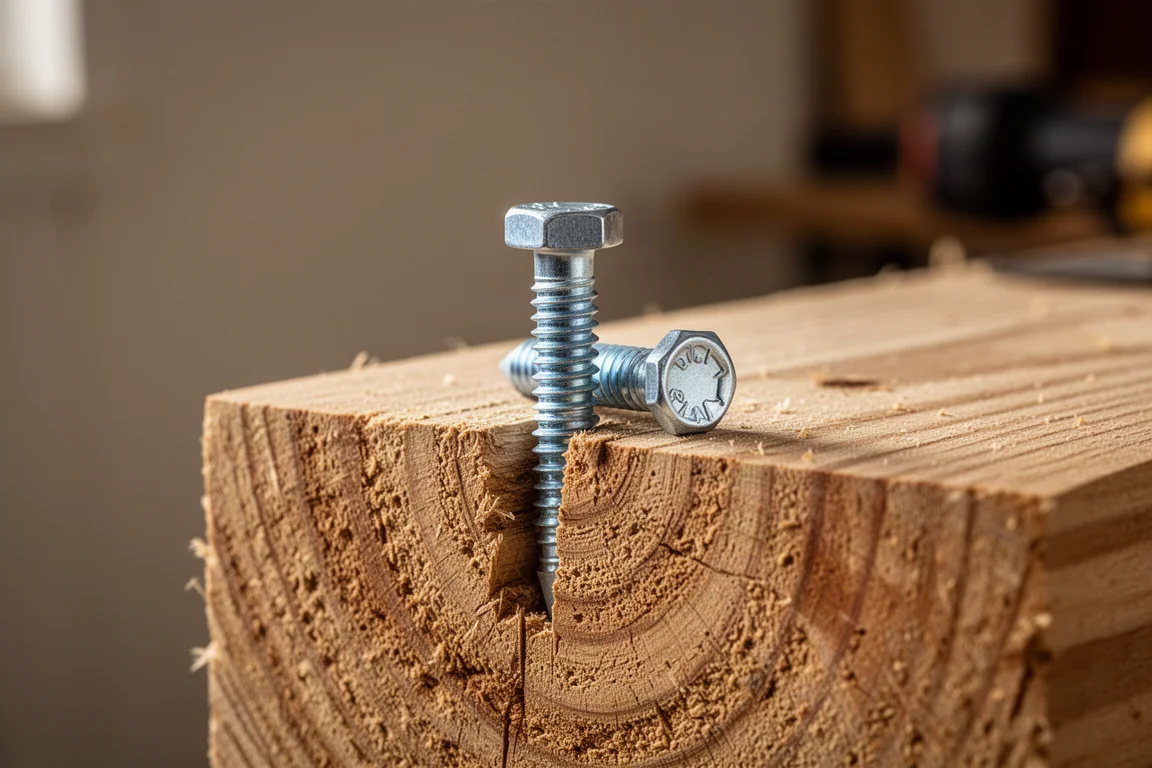
With quarter-by-six-inch structural lag fasteners, both tools managed meaningful progress even in speed one, something that long ago would have been beyond an impact driver at top speed. Both batteries still read full after that pull.
At higher speeds the contest stayed close. The reasoning is straightforward: Milwaukee may have higher RPM at top speed, but torque ratings start to matter as fasteners get bigger, and the DeWalt’s speed two can hold its own against Milwaukee’s speed two before speed three stretches the lead. In practice, results were similar, with no runaway winner on the big lags.
Drilling and Heat: Spade Bits and Temperature
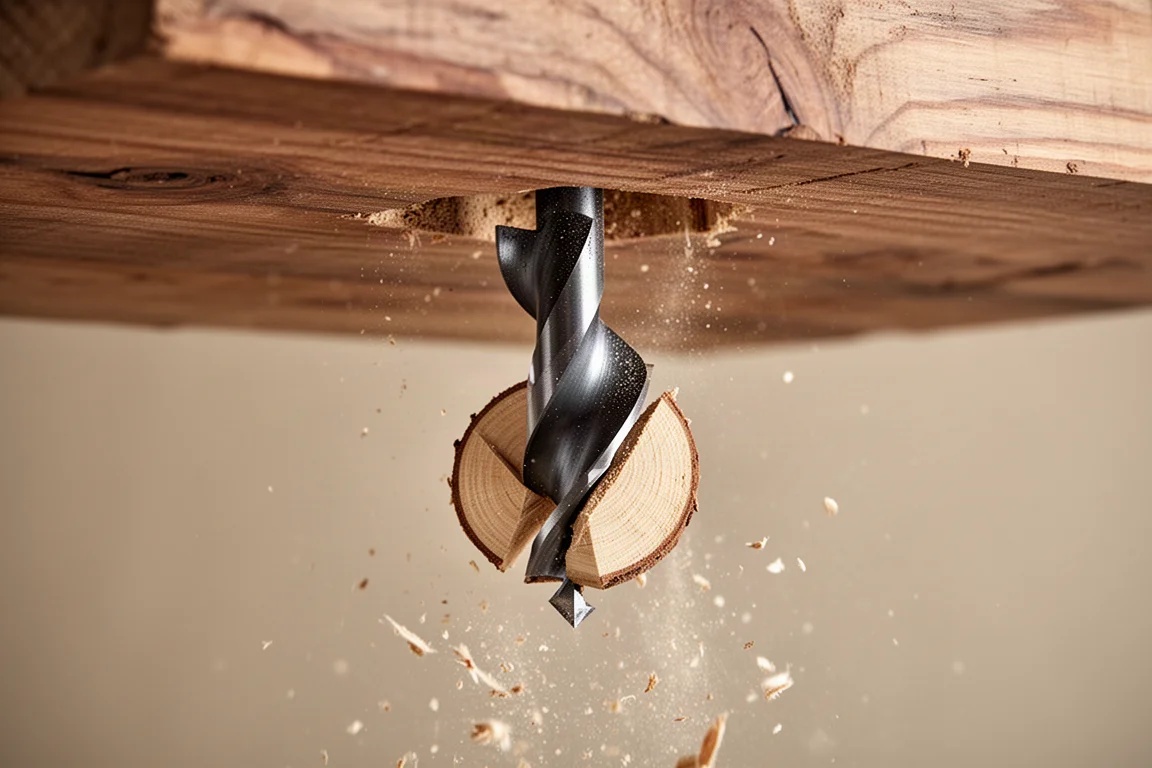
With half-inch and three-quarter-inch self-feeding spade bits, both tools handled the drilling easily, so the test escalated to an inch-and-an-eighth bit. The Milwaukee stalled once and needed a second pass to clean out the hole, while the DeWalt drove straight through with no extra downward pressure. For context: years ago DeWalt’s flagship XR 887 was destroyed by a five-eighths-inch spade bit endurance test, so a quiet hydraulic tool casually drilling an inch-and-an-eighth hole is a real leap.
Temperature told a different story. Around the chuck both tools sat in the 80s, but near the motor readings hit the high 90s, and at the body the Milwaukee climbed steadily: 97, 99, 103, 106, finally 108 degrees, noticeably hotter than the DeWalt overall. The DeWalt’s switch gear area stayed cool at 72 degrees.
Which One Should You Buy?
The honest answer is that there are two good tools here and you probably could not go wrong with either.
Choose the DeWalt if weight and balance matter most. It is considerably lighter, center-balanced, stayed cooler in testing, and drove the largest test hole without drama. Its two-speed transmission was enough for nearly every task.
Choose the Milwaukee Surge Gen 2 if you value speed and a third gear. It was consistently faster in matched speed-one comparisons, handled three-inch screws with authority, and remains compact and quiet despite the extra half pound. Just note that it ran noticeably hotter around the motor during heavy drilling.
Both tools are brand new to the market, so long-term durability reports are still thin. If you are already invested in either battery platform, your choice is largely made for you, and it is a comfortable one.
Conclusion
Ten years ago this level of performance from an impact driver would have been unheard of, and now it comes without the noise. The DeWalt hydraulic impact driver wins on weight, balance, and heat management. The Milwaukee Surge Gen 2 wins on raw speed and flexibility with three speeds. Both are quiet, efficient, and capable far beyond what their size suggests, so the right pick is the one that matches your priorities and your platform.
Product link
View more details for DeWalt Hydraulic Impact Driver
This product is mentioned in the review. Check the specifications, options, and compatibility before buying.
View more details for DeWalt Hydraulic Impact DriverFurther reading
Related Reviews

Power Tools
Best 1-Inch Pistol Impact Wrenches: Three Heavy-Duty Options Compared
We compare three 1-inch pistol impact wrenches, from a budget-friendly Harbor Freight model to a premium Caterpillar unit, to help you choose the right one.

Power Tools
Best 3/4-Inch Impact Wrenches 2026: Five Contenders Compared
We compare five 3/4-inch impact wrenches across price and performance, from a budget Amazon option to Snap-on's most powerful model yet.

Power Tools
Best Budget Cordless Tools 2026: Walmart Finds That Punch Above Their Price
We tested five cordless tools from Walmart, including a high-torque impact wrench that trades blows with Milwaukee and a $35 duster that outperforms its price class.