Power Tools
DeWalt FlexVolt Advantage Grinders: DCG416 and DCG409 Reviewed
Two new 20V FlexVolt Advantage angle grinders share strong specs, smart electronics, and a flexible battery strategy. Here is what to know before buying.
Introduction
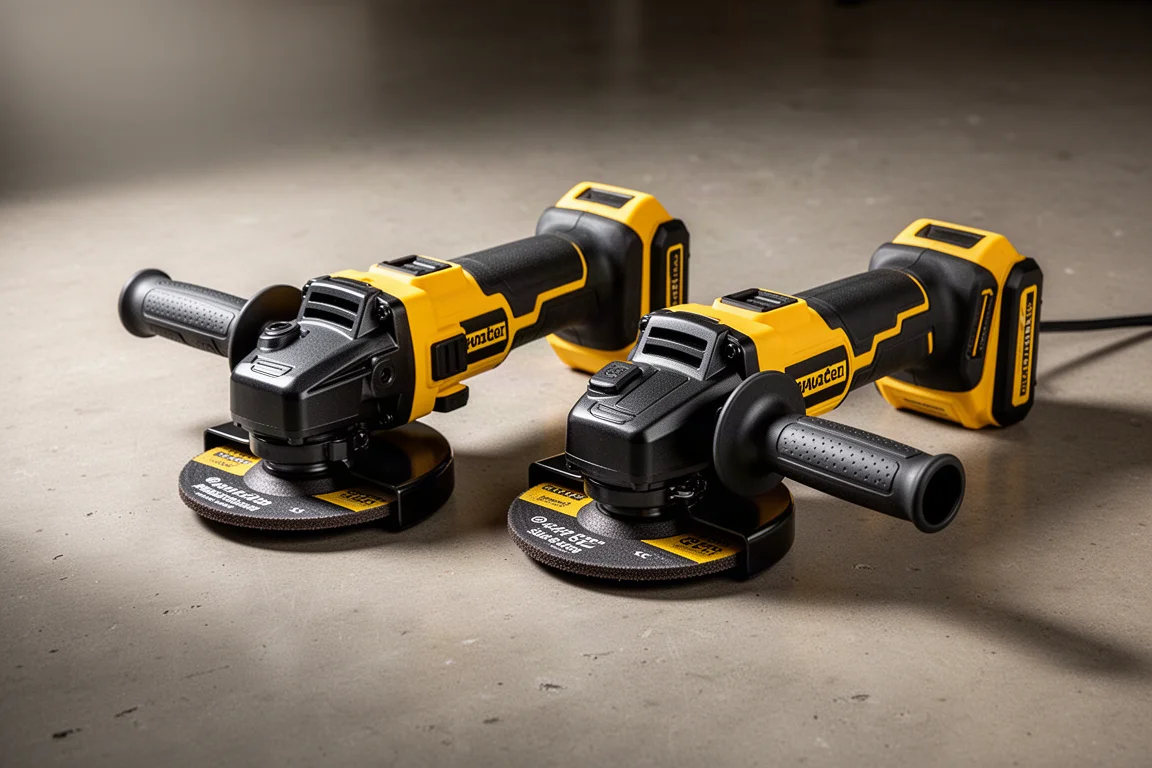
DeWalt has added two new 20 volt FlexVolt Advantage angle grinders to its cordless lineup: the DCG416, a paddle switch version, and the DCG409, a slide switch version. Both share the same core specs, the same disc system, and the same smart electronics, so the main decision between them comes down to which switch style you prefer.
This review covers what both grinders offer, how the FlexVolt Advantage naming works, and which battery combinations get the most out of them.
What the FlexVolt Advantage Name Actually Means
This is a 20 volt tool only. It does not flip between 20 and 60 volts. FlexVolt Advantage simply means the tool takes advantage of the power output of the batteries you attach: a higher amp output battery, not amp hour, gives the tool more power. DeWalt claims 48% more power with a larger FlexVolt battery compared to a small 2 amp hour pack.
If you want genuine FlexVolt power, you need the 60 volt FlexVolt grinder, which plays in a different league entirely. That said, this 20 volt platform delivers great power for its class, excellent runtime, and the flexibility to swap in different batteries as needed. A large 9 amp hour FlexVolt battery makes the grinder feel huge, while a smaller PowerStack pack offers very similar power in a much more compact form.

Shared Design and Everyday Handling
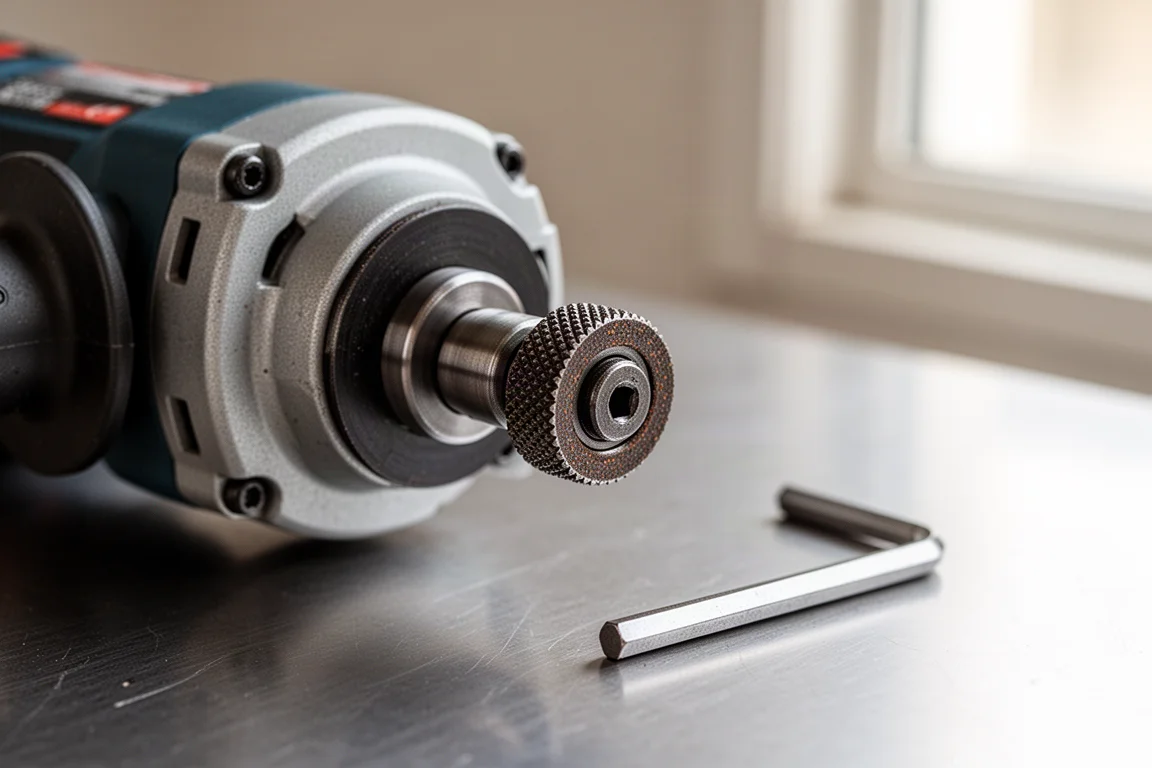
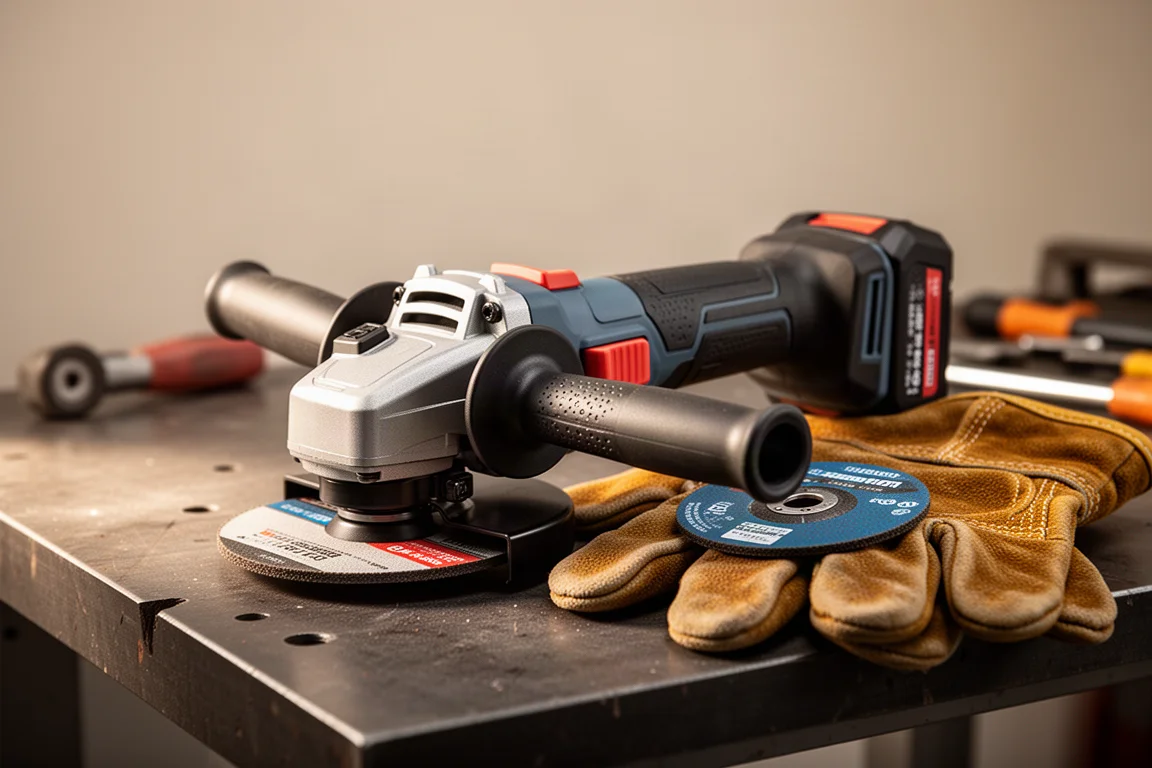
Both the DCG416 and DCG409 accept 4-1/2 to 5 inch discs and use the same disc removal method, which is genuinely convenient. The spindle nut is knurled so you can grip it by hand, even with gloves on, and an included hex key handles the rare stuck disc without hunting for another tool.
Other shared features include a variable speed dial at the bottom that runs from 3,000 to 9,000 RPM, an electronic brake, and an anti-kickback system that shuts the tool down quickly if the disc binds. The auxiliary handle mounts on either side, and both grinders use Tool Connect, so you can track the tool’s location if that matters to you.
The electronic brake is worth setting expectations on. It is fairly slow, similar to the larger FlexVolt grinder, so the disc will keep spinning for a while after you release the switch. The anti-kickback brake, however, reacts very quickly when the disc gets pinched, which is the safety feature that matters most in practice.
The variable speed dial works with the electronics inside to hold speed under load. If you set a lower speed, the tool compensates under torque rather than bogging down. The grip is fat and comfortable with rubber overmold, the paddle switch version has a safety lever at the bottom that lets you engage the switch easily, and the rear venting can be unscrewed and blown clean, which is a nice touch for maintenance.
Battery Choice and Runtime
Runtime depends heavily on the job and how hard you push the tool. Expect roughly 1 minute of use per amp hour on demanding work, up to about 4 minutes per amp hour on light duty.
Testing across battery options told a clear story. With a PowerStack battery doing light duty work like wire brushing, the grinder ran upwards of 25 minutes with strong, consistent output, with only a slight power drop on the final battery bar. A 4 amp hour compact battery also handled the tool well with no noticeable power difference on light tasks. The 6 amp hour 20 volt XR battery worked great, even on heavier duty tasks.
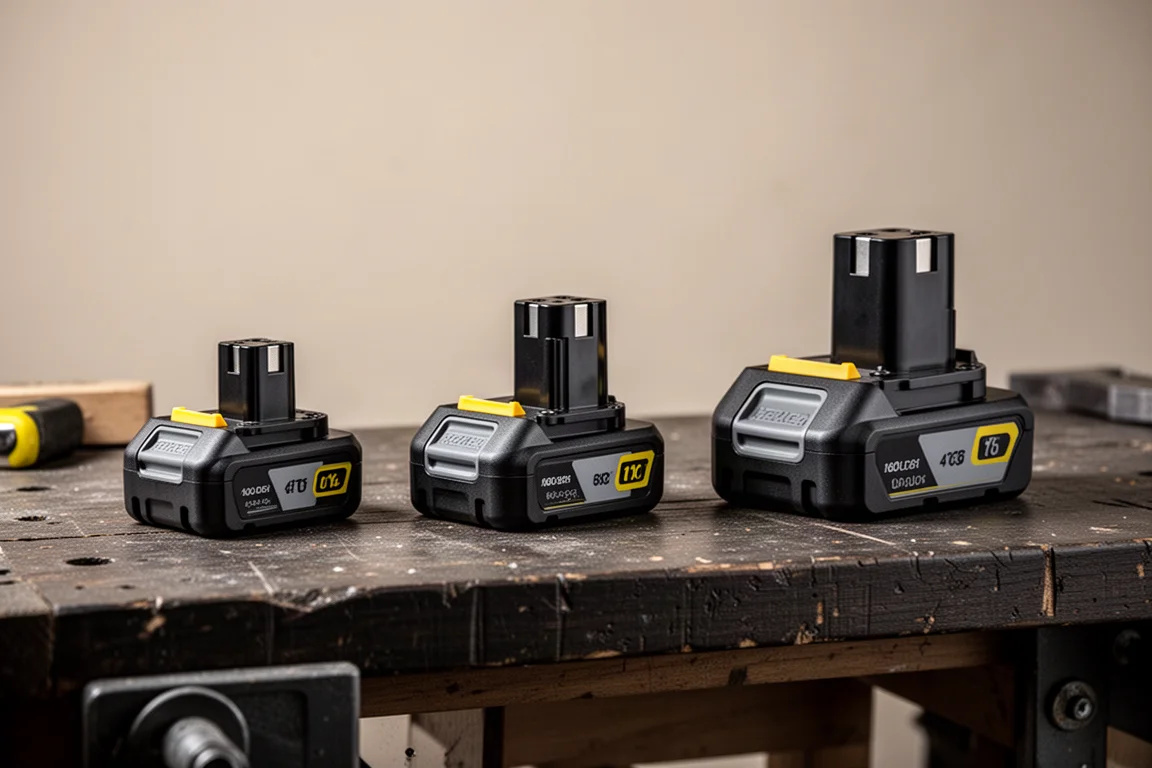
For heavier grinding, sanding, or any work where the tool engages and bogs, the 6 amp hour XR or a FlexVolt battery is where the real power gains become noticeable. The kit ships with a PowerStack battery, and buying the kit may be the cheapest way to get that pack.
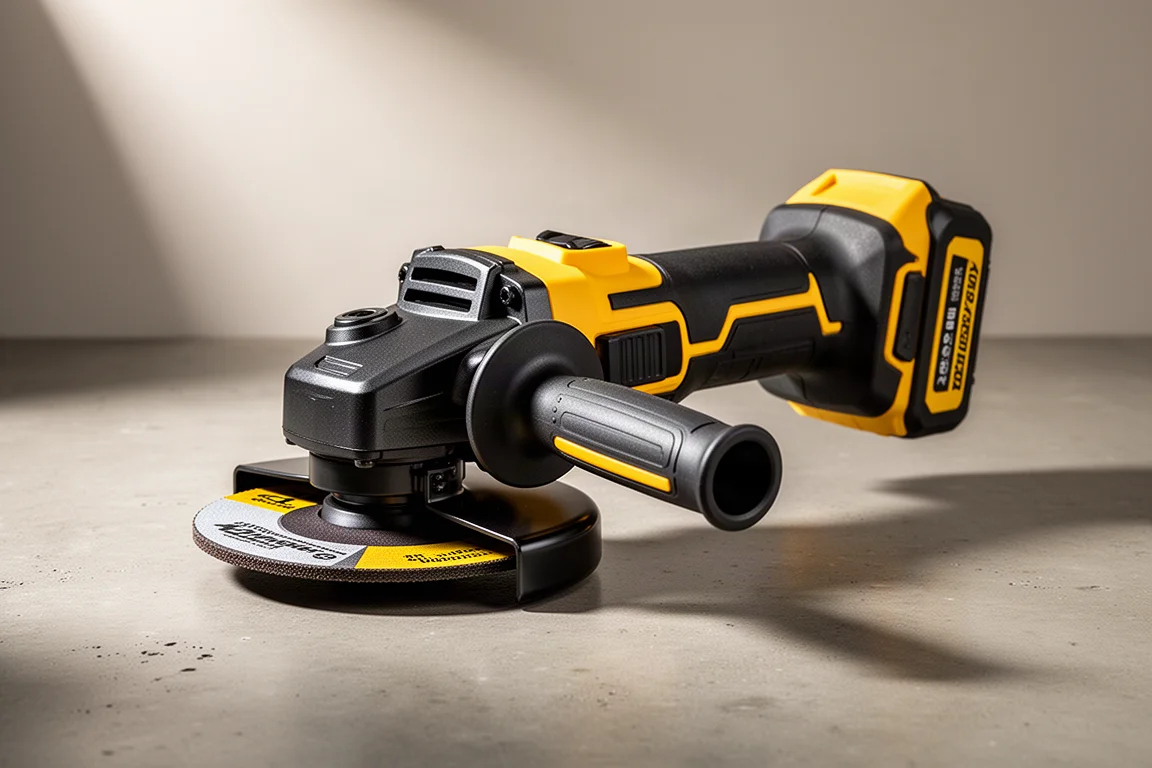
The DCG416 paddle switch version suits users who want maximum control and a natural squeeze-to-run grip, especially for long sessions where the paddle feels safer. The safety lever at the bottom makes engagement easy without fuss.
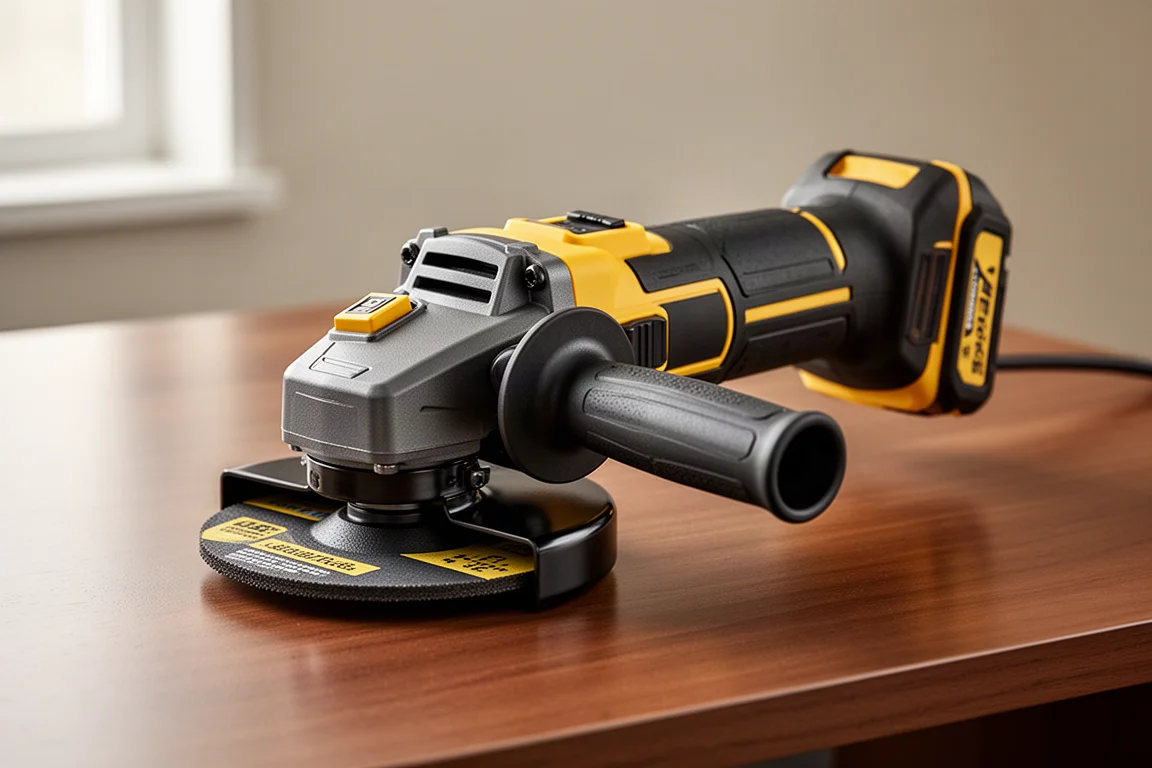
The DCG409 slide switch version is the pick for extended grinding sessions where you want to lock the switch on and avoid holding a paddle continuously. Everything else about it matches the DCG416 spec for spec.
Buying Advice
For most users the choice is purely ergonomic: paddle switch versus slide switch. Performance is identical. If you already own DeWalt 20 volt batteries, the FlexVolt Advantage system lets you scale power by choosing the right pack for the job, with the compact PowerStack offering a great balance of size and output. If your work regularly involves heavy grinding, consider whether the 60 volt FlexVolt grinder is the better fit, since it offers clearly more power.
Conclusion
DeWalt’s DCG416 and DCG409 are well-built 20 volt angle grinders that come remarkably close to FlexVolt-level performance without claiming to match it. Smart speed control, a quick anti-kickback brake, tool-free disc changes, and flexible battery compatibility make both easy to recommend. Pick the switch style you prefer, pair it with a 6 amp hour XR or PowerStack battery, and you have a grinder that will satisfy a lot of users.
Further reading
Related Reviews
Power Tools
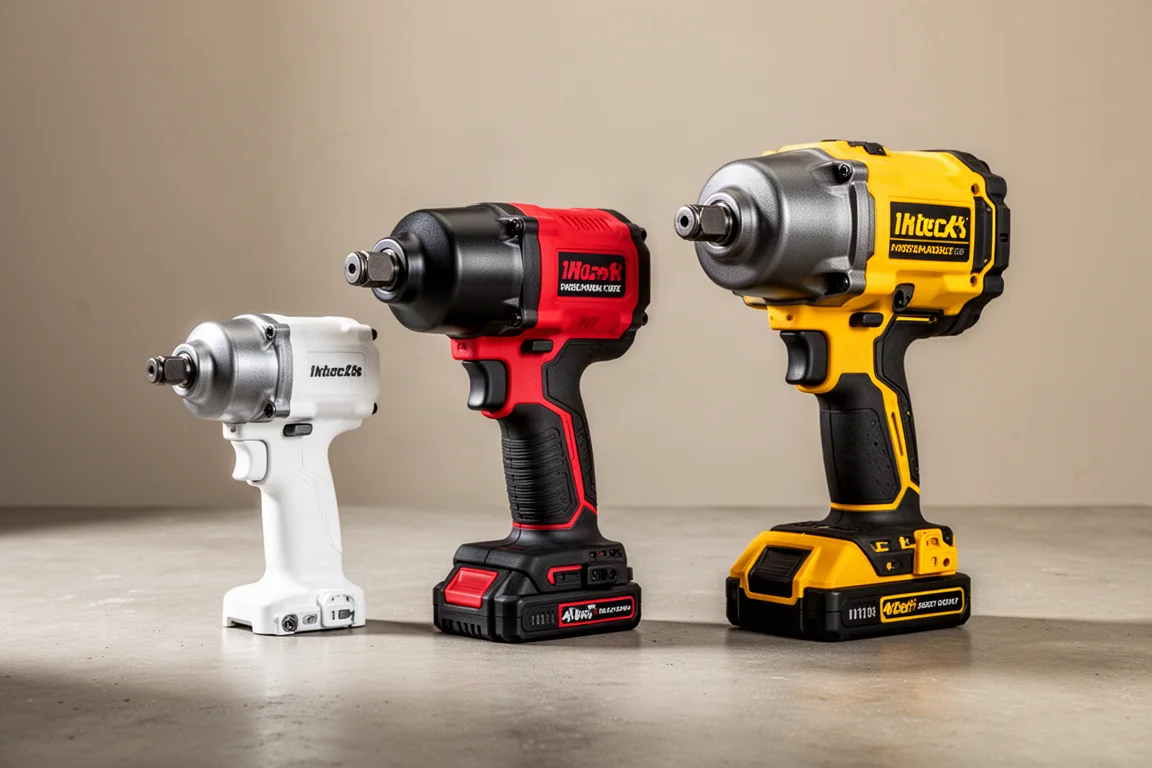
Best 1-Inch Pistol Impact Wrenches: Three Heavy-Duty Options Compared
We compare three 1-inch pistol impact wrenches, from a budget-friendly Harbor Freight model to a premium Caterpillar unit, to help you choose the right one.
Power Tools
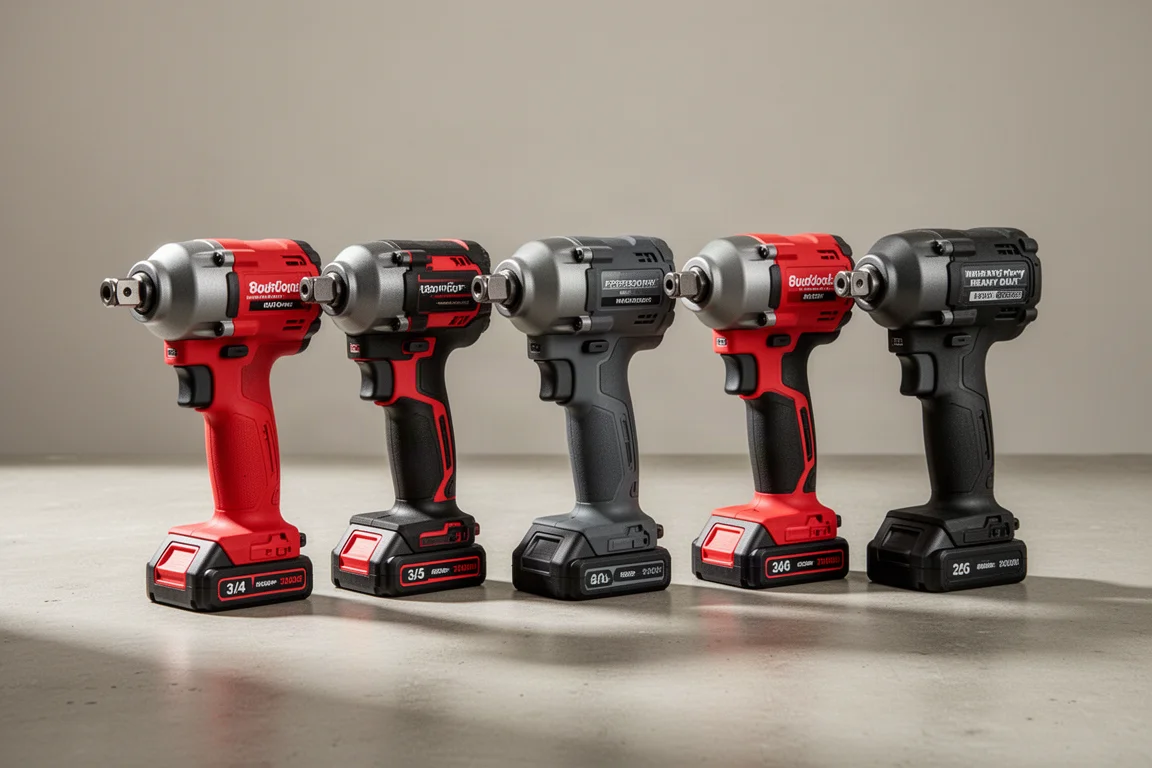
Best 3/4-Inch Impact Wrenches 2026: Five Contenders Compared
We compare five 3/4-inch impact wrenches across price and performance, from a budget Amazon option to Snap-on's most powerful model yet.
Power Tools
Best Budget Cordless Tools 2026: Walmart Finds That Punch Above Their Price
We tested five cordless tools from Walmart, including a high-torque impact wrench that trades blows with Milwaukee and a $35 duster that outperforms its price class.