Power Tools
DeWalt DCS590 vs Milwaukee 2834-20: Head-to-Head Cordless Circular Saw Comparison
Two of the most powerful 20V-class cordless circular saws go head to head in cutting tests, voltage-drop monitoring, and real-world knot encounters.
Introduction
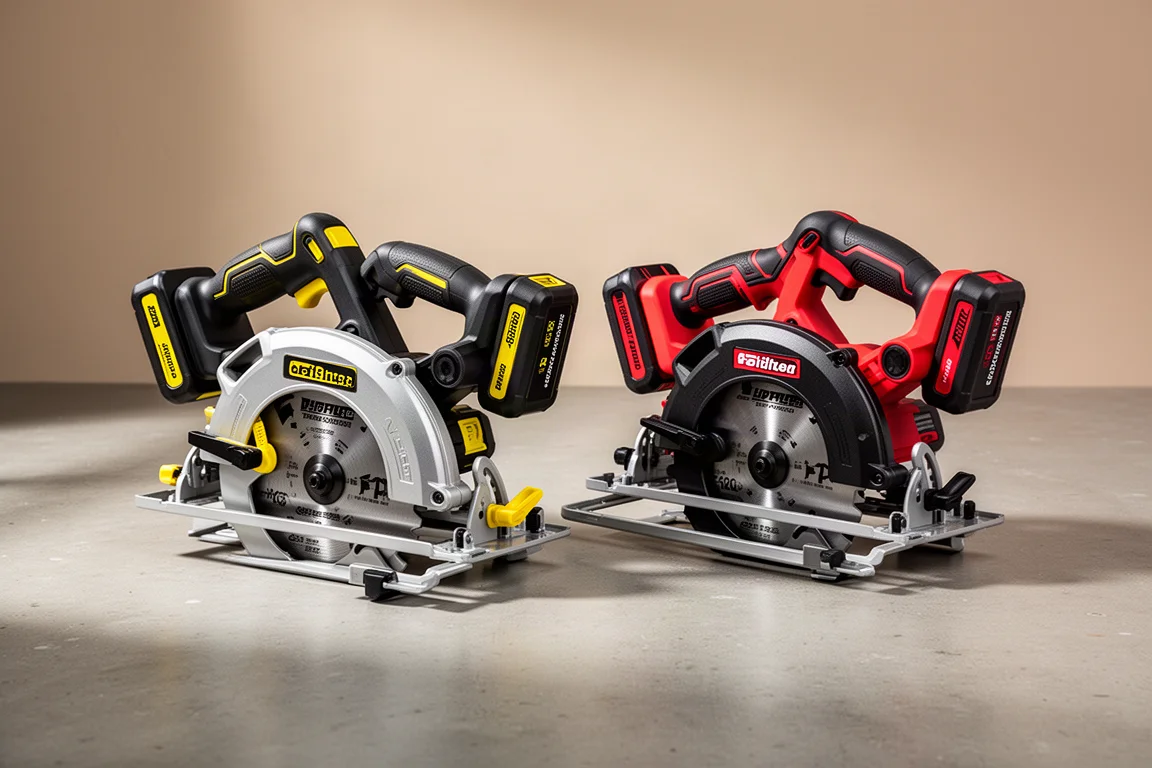
Cordless circular saws have reached the point where voltage and battery platform matter as much as the saw itself. Two models sit near the top of the current 20V-class field: DeWalt’s DCS590, a 7 1/4-inch saw billed as DeWalt’s most powerful 20-volt saw, and the Milwaukee 2834-20, a saw with a reputation as an absolute beast when paired with the right battery. This comparison looks at cutting behavior through dense, knotted lumber, voltage drop under load, and how each saw handles sustained pushes through thick stock.
DeWalt DCS590: DeWalt’s Most Powerful 20V Saw
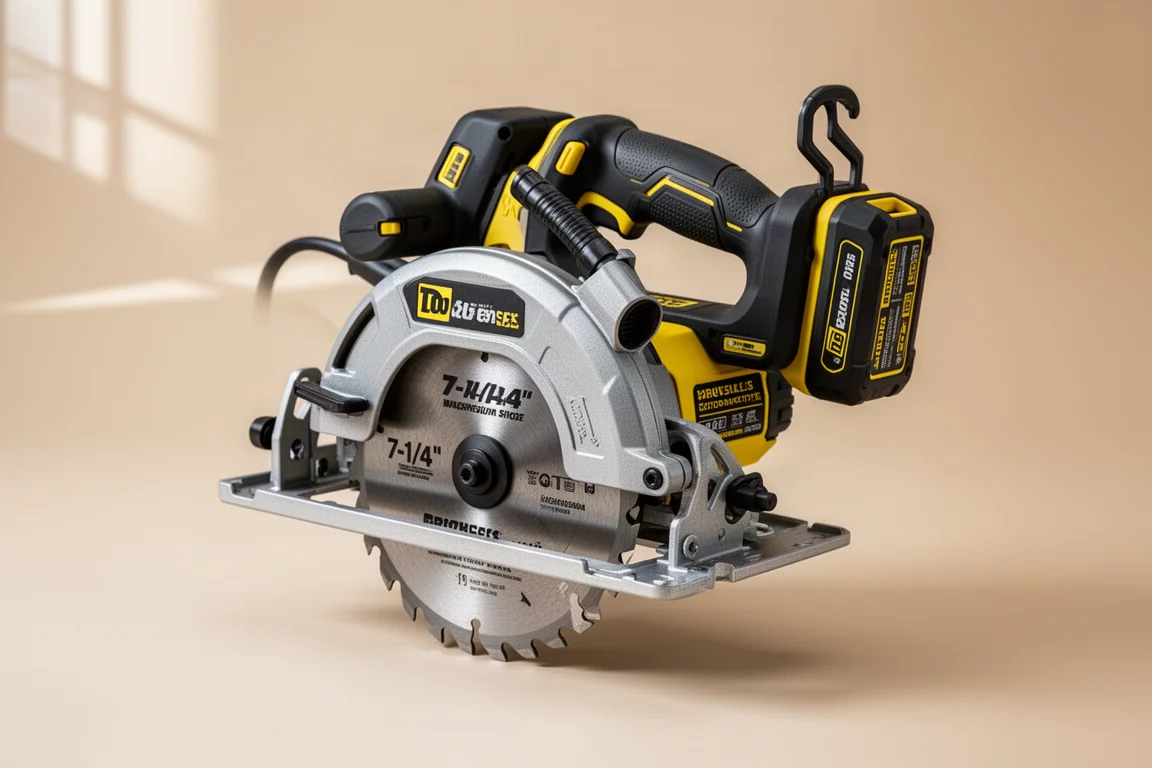
The DCS590 is listed on the box as DeWalt’s most powerful 20-volt saw, and the expectation going into testing was that it would roll through lumber with ease. Running it with an 8 Amp Hour Power Pack battery, the saw started strong with a fully charged reading around 20.64 volts before cutting. Under load in the high teens, voltage dropped as the saw pushed through the wood, settling in the 18-volt range during most of the pass.
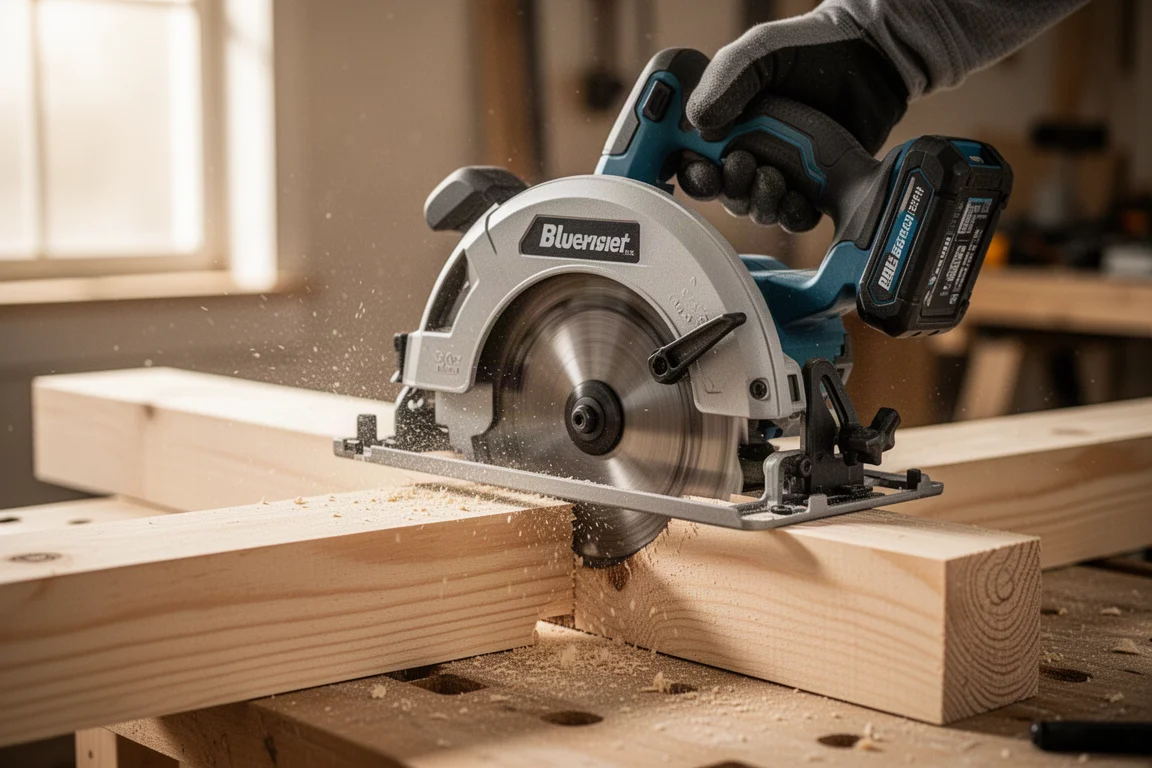
The surprise came with the wood itself. On a deliberately gnarly, knot-heavy board, the saw cut out multiple times mid-pass, even with a fully charged battery and no fence binding. Removing the fence and letting the saw run clear did not resolve the issue, and swapping to a second fully charged Power Pack battery produced similar results. The blade looked fine, and nothing about the setup suggested an obvious cause.
Milwaukee 2834-20: The Beast of the Bench
The Milwaukee 2834-20 entered the test with a strong reputation from earlier battery testing, where 8 and 12 amp hour packs proved to be the best pairings for this saw. Starting from a fully charged 20.45-volt reading, it moved through the same knotty lumber dramatically faster, flying through sections where the DeWalt stalled. Pushing harder at the end of one pass did cause a cutout, but that was beyond what any normal cutting pressure would demand.
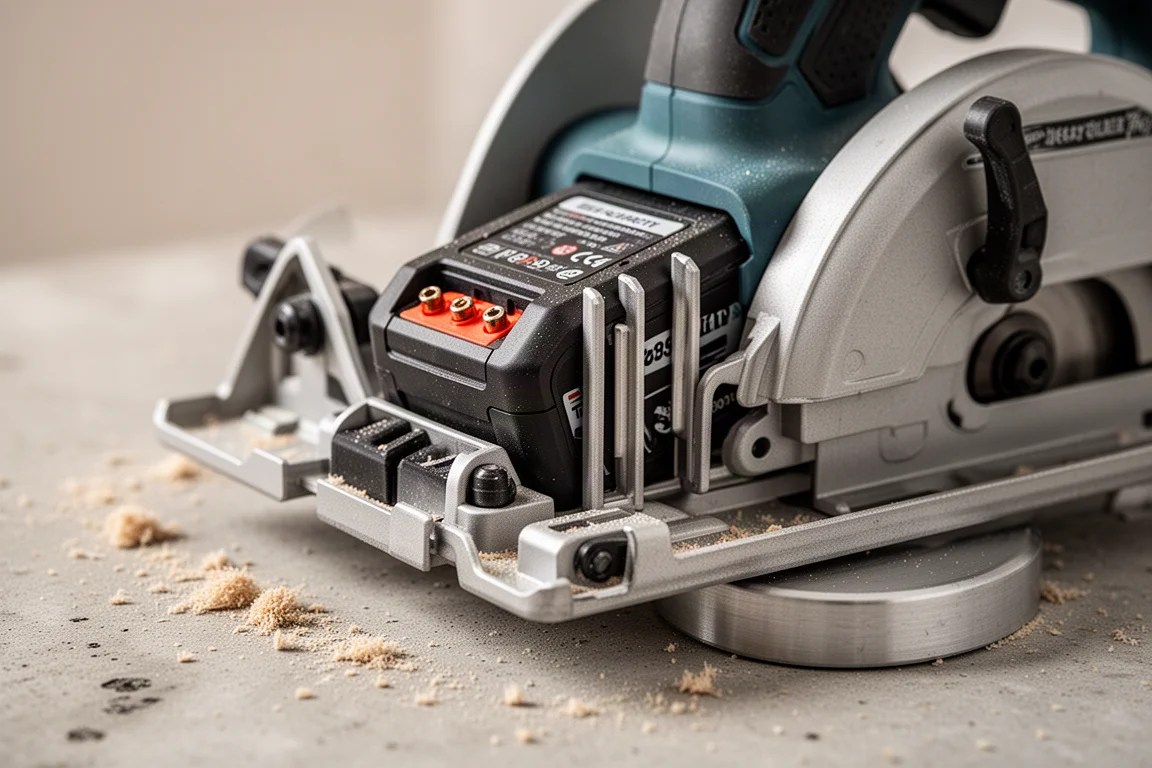
On normal passes with typical feed pressure, the Milwaukee cleared knots that repeatedly stopped the DeWalt. The blade on this saw had some prior use, but that did not appear to influence the outcome.
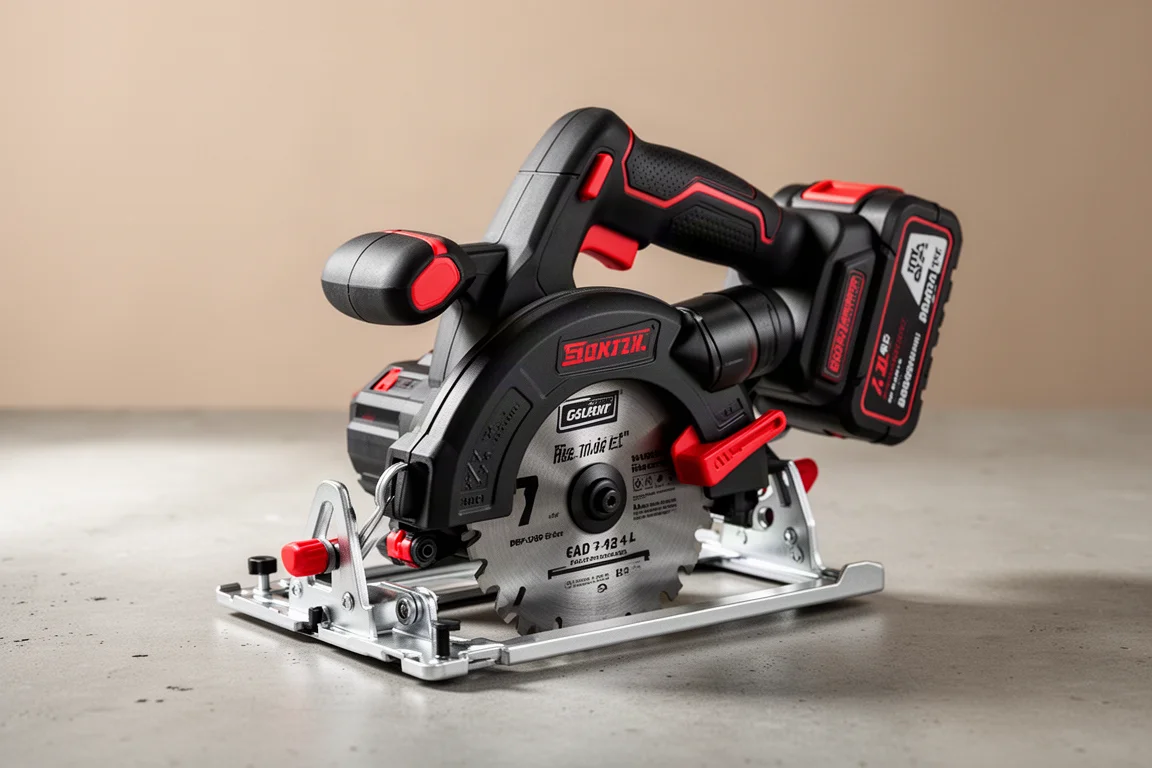
What the Voltage Data Showed
The most interesting part of this test is the voltage behavior. The DeWalt was described at roughly 1,700 watts, and watching how fast each saw drains its pack under load gives a real sense of the power being delivered. The DeWalt dropped from about 20.64 volts at the start to the 18s and even into the 2.21-volt-per-cell territory under sustained load, while the Milwaukee maintained more consistent output through identical cuts.
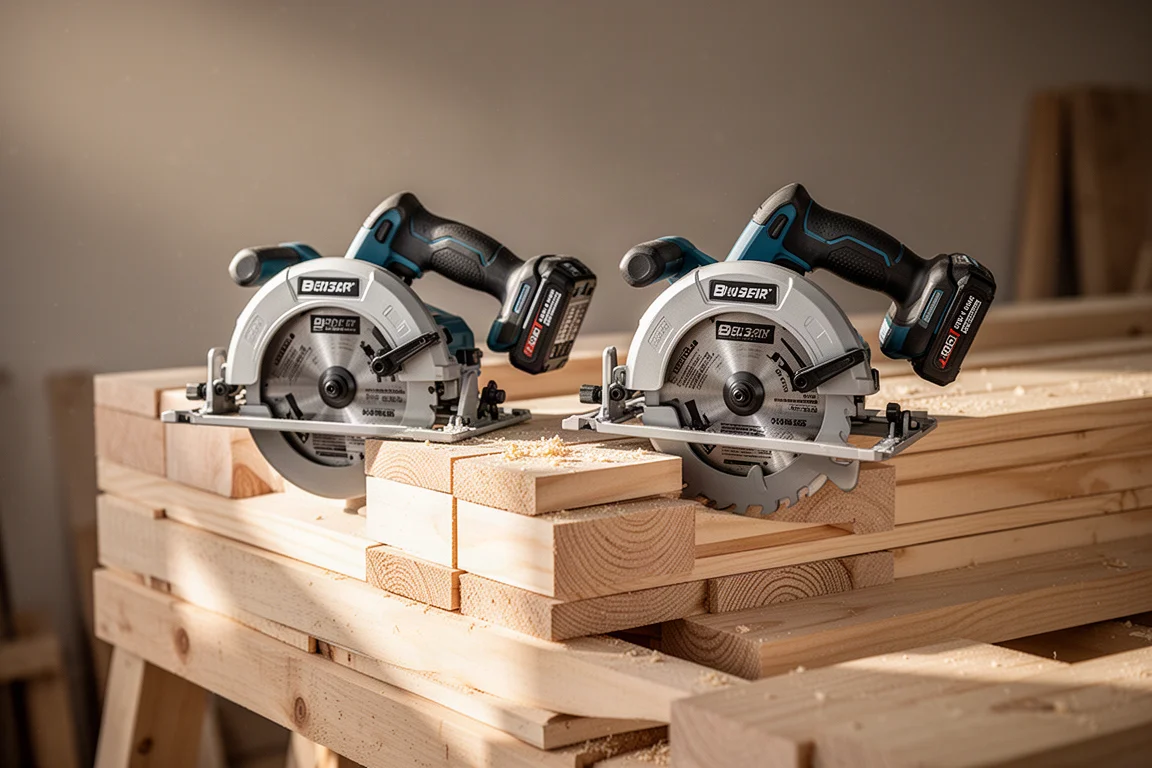
Buying Advice: Which Saw Fits Your Kit
The comparison challenge is real: two years ago the lines between these brands were clearer, but now both Milwaukee and DeWalt make great impact wrenches, drivers, and saws. If your other cordless tools are already on one battery platform, staying loyal to that platform usually makes more sense than switching for a single tool.
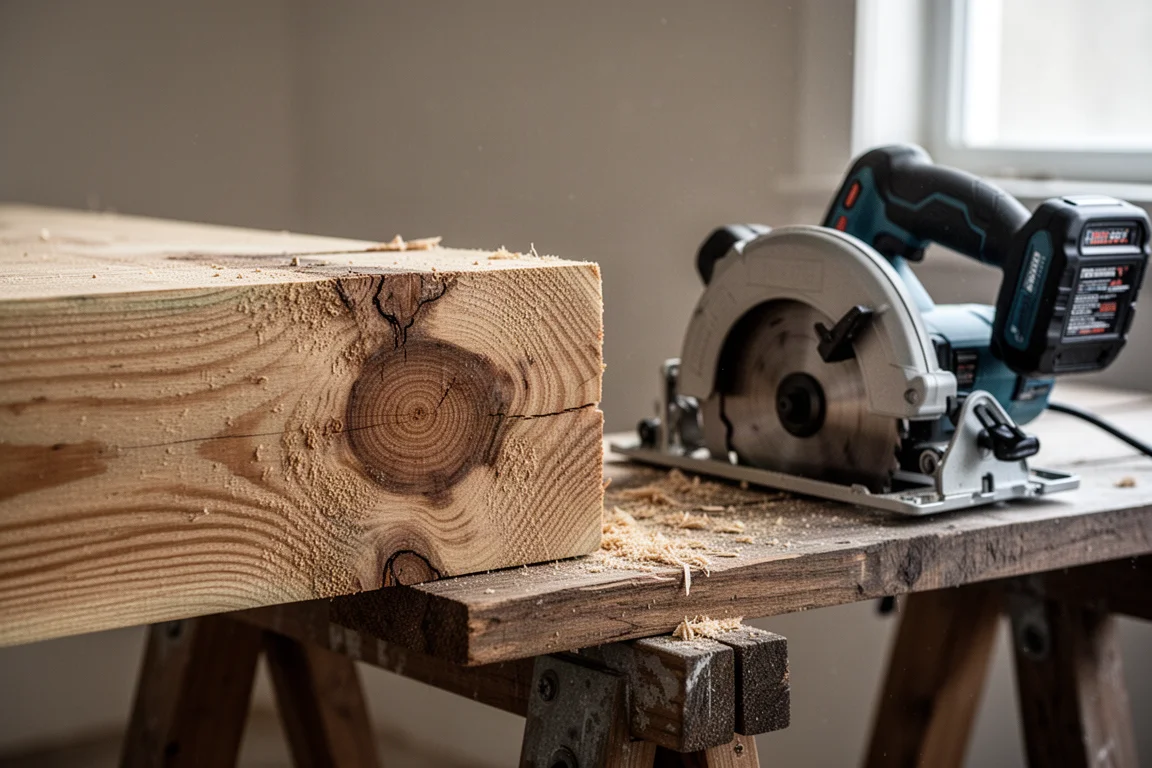
One honest caveat: the DCS590’s cutouts in this test are worth watching. With two fully charged batteries, a clean blade, and no fence interference, the behavior was unexpected for a saw marketed as the brand’s most powerful. It may have been a single-unit issue, and follow-up testing is planned to determine whether the saw itself or something else was the cause. If you buy one, keep that possibility in mind and test your unit on dense stock early.
Conclusion
On the evidence of this head-to-head, the Milwaukee 2834-20 handled knotty, dense lumber with noticeably more confidence, while the DeWalt DCS590 delivered strong voltage numbers but cut out repeatedly under load. The Milwaukee currently looks like the safer pick for demanding cutting work, and the DeWalt question deserves a proper follow-up before any final verdict.
Further reading
Related Reviews
Power Tools
Best 1-Inch Pistol Impact Wrenches: Three Heavy-Duty Options Compared
We compare three 1-inch pistol impact wrenches, from a budget-friendly Harbor Freight model to a premium Caterpillar unit, to help you choose the right one.
Power Tools
Best 3/4-Inch Impact Wrenches 2026: Five Contenders Compared
We compare five 3/4-inch impact wrenches across price and performance, from a budget Amazon option to Snap-on's most powerful model yet.
Power Tools
Best Budget Cordless Tools 2026: Walmart Finds That Punch Above Their Price
We tested five cordless tools from Walmart, including a high-torque impact wrench that trades blows with Milwaukee and a $35 duster that outperforms its price class.