Power Tools
DeWalt DCN930 Framing Nailer Review: Power, Speed, and One Quirk to Know
A flywheel-driven, 33-degree cordless framing nailer that drives 50 to 90 mm collated nails with real authority, as long as you get used to its gyroscopic feel.
Introduction
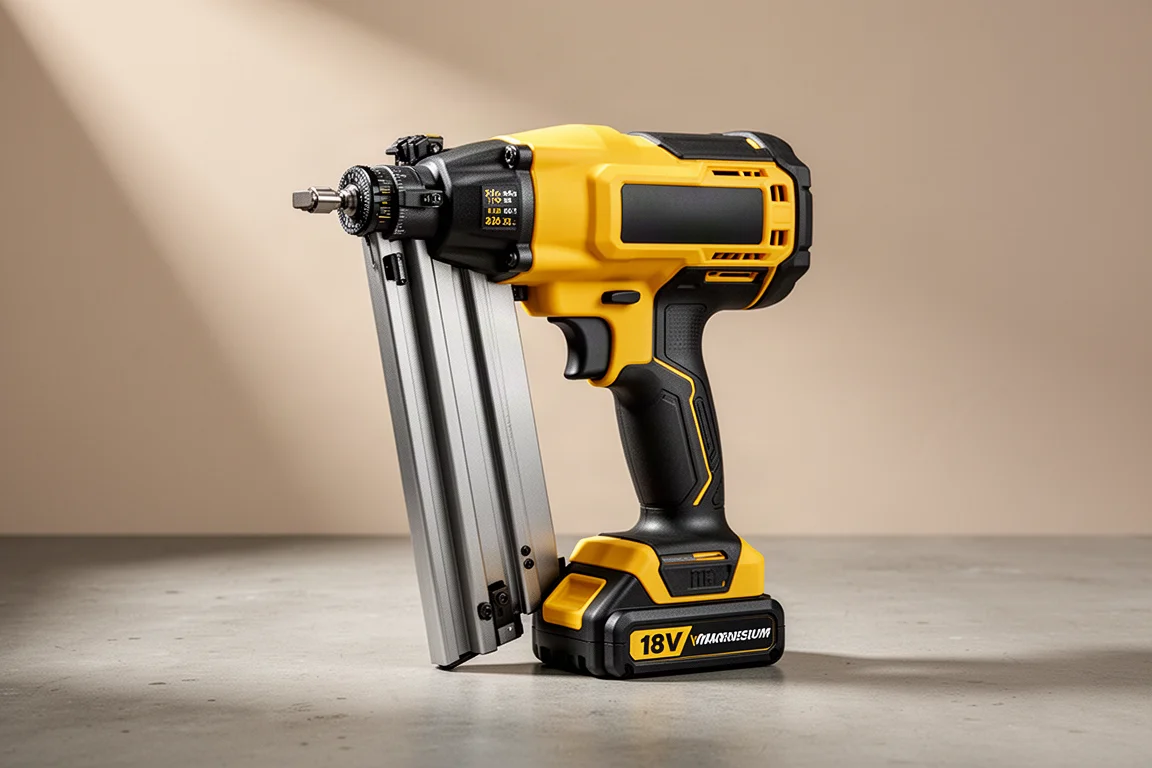
Cordless framing nailers have come a long way, and the DeWalt DCN930 makes a strong case for why so many carpenters and builders have moved away from gas and pneumatic guns. It is a 33-degree framing nailer that takes collated nails from 50 mm up to 90 mm, runs off a brushless motor and standard DeWalt XR 18V batteries, and drives nails with an immediacy that is genuinely noticeable the first time you pull the trigger.
After using it on a real fencing job, the headline impressions are simple: it is powerful, it is quick, and once you understand how it works, it just does what you want it to. There is one quirk worth knowing about before you buy, and we will get to that.
What the DeWalt DCN930 Actually Is
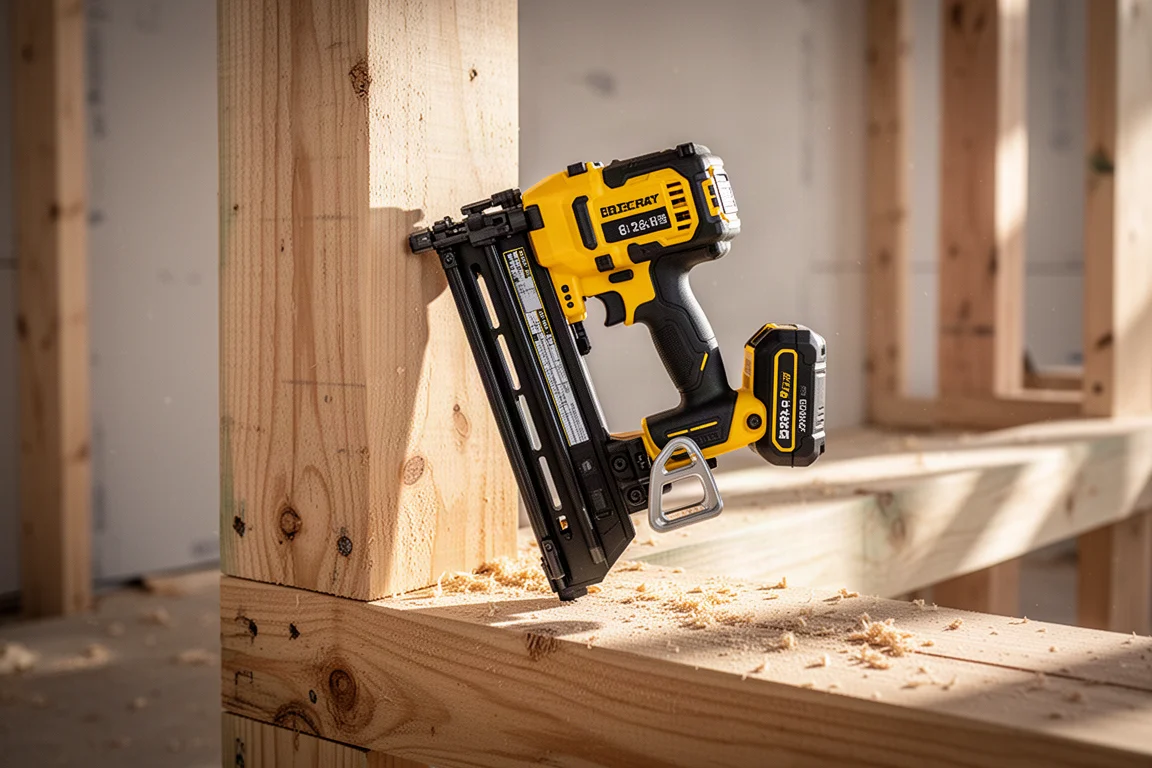
The DCN930 is built around a magnesium magazine that struck us as surprisingly slim at first glance, until we loaded it with the full-length 90 mm nails and saw the magazine widen out to accept them. Nails feed forward with a ratchet mechanism, exactly as you would expect. The gun ships with both a rafter hook and a belt hook, either of which can be fixed to either side of the tool.
Controls are deliberately minimal. There is a locking button so the tool cannot be operated accidentally, and a single switch under the grip that toggles between single shot and bump fire. There is no off button at all: the battery simply slides in like any other DeWalt 18V tool, and the gun manages its own state.
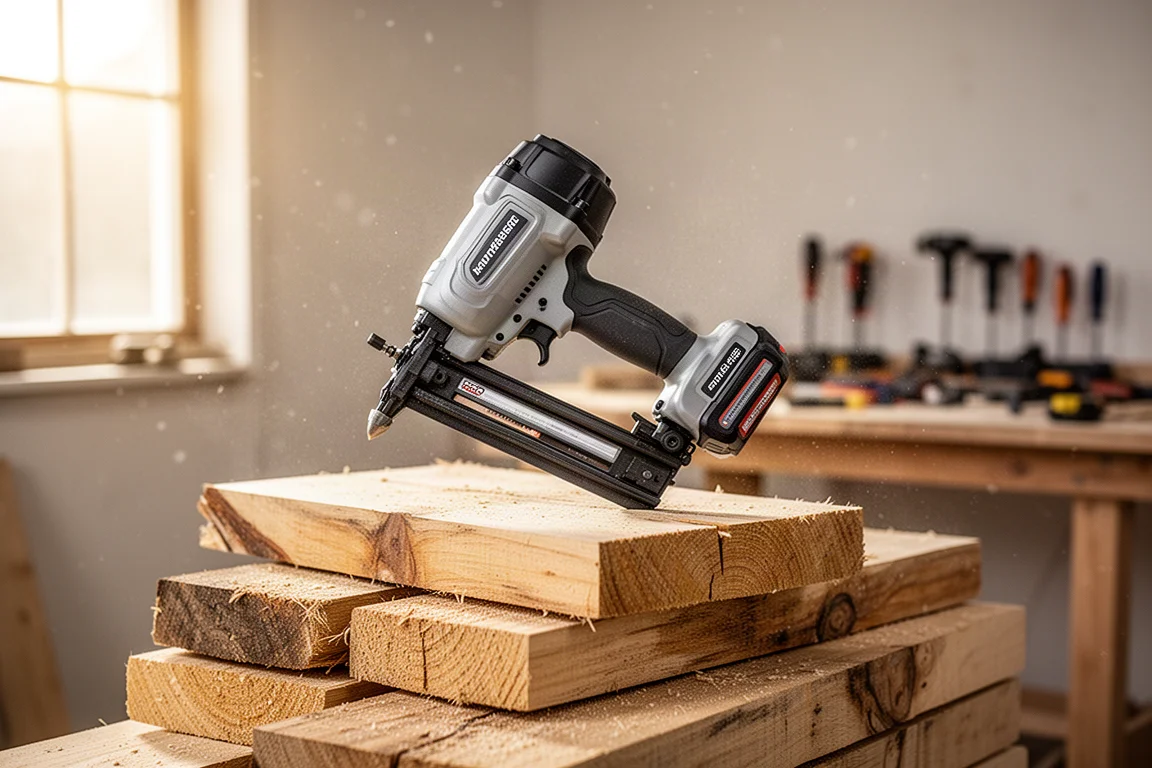
If you are already on the DeWalt 18V platform, this is one of the easiest tool purchases you will make, because the batteries it needs are already sitting in your kit bag.
How the Flywheel Drive Works
Not all nail guns work the same way, and this is the part worth understanding. Gas nailers use a small cylinder of gas that explodes to drive a piston. Pneumatic guns use a piston recharged by compressed air. The DCN930 belongs to a third category: it is a flywheel nailer.
Inside the nose of the gun sits a spinning flywheel. When you either touch the trigger or press the nose against timber, the flywheel spins up, and it takes under half a second to reach full speed. When you fire, a solenoid pushes a bar into contact with that spinning flywheel, and the friction drives the nail straight into the wood. The bar resets with a spring while the flywheel keeps its momentum, ready for the next shot.
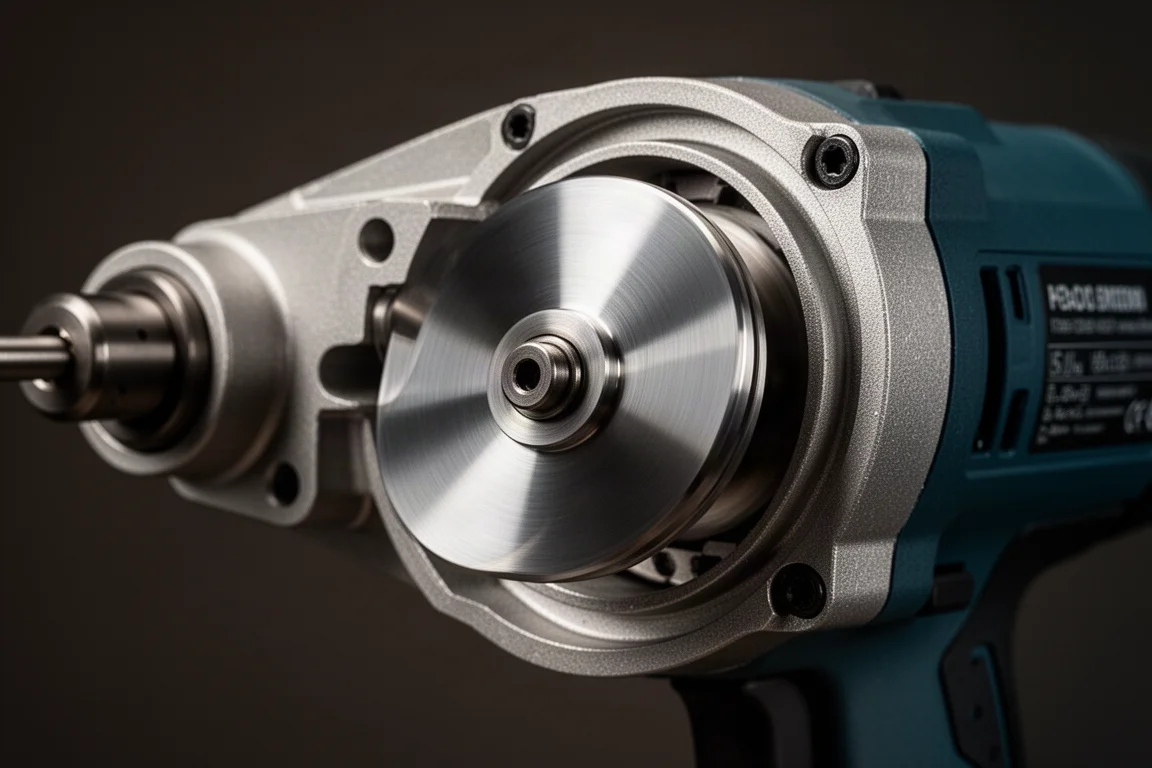
In practice, that half-second wind-up never slowed anything down. You naturally hit the trigger as you pick the gun up, so by the time the nose touches the timber, it is already running at full speed. Once you are used to it, you do not even notice it.
Real-World Performance
Power is the first thing you notice. The DCN930 shoots a nail in quickly, and it felt quicker than other nail guns we have used. Short nails are effortless, but the impressive part is what happens at the other end of the range: 90 mm nails went in with no problem at all, and that was on the shallowest depth setting. Wind the adjustment up and it will happily bury a long nail five to eight millimeters into the timber.
The depth adjustment wheel sits right on the front of the gun. Fully shallow leaves the nail sitting just about flush with the surface; fully deep buries it well below. Once set, it proved consistent, repeatable, and easy to dial in, and switching to the longer nails changed nothing about how it performed.
Bump fire worked well too. The gun’s nailing rate is a lot higher and faster than a person can physically keep up with, so nobody is going to find it slow in resetting or keeping pace.
One behavioral detail to be aware of: the gun runs on for about six seconds after the last shot. On bump fire, you can fire another nail immediately within that window before it settles down. It is harmless, just slightly disconcerting the first time.
The other quirk is the flywheel’s gyroscopic effect. Moving the gun up and down is completely fine, but swinging it left and right, you really feel the spinning mass resisting the movement, like holding a gyroscope that wants to go its own way. It is not a big problem and it does not slow you down once accustomed, but it is a genuinely strange sensation the first few times.
Who Should Buy It
On paper, this gun targets small builders, roofers, and carpenters, and for those trades it is hard to argue with. When time is money, a nailer like this pays for itself remarkably quickly compared with hammering or screwing by hand.
But DIYers should not discount it either. If you have a lot of timber work coming up, like a fencing run, a workshop build, or an extension, this tool makes the work dramatically easier and quicker. Instead of wrestling with screws two-handed or tiring your arm out with a hammer, you can concentrate on accuracy and getting panels lined up.
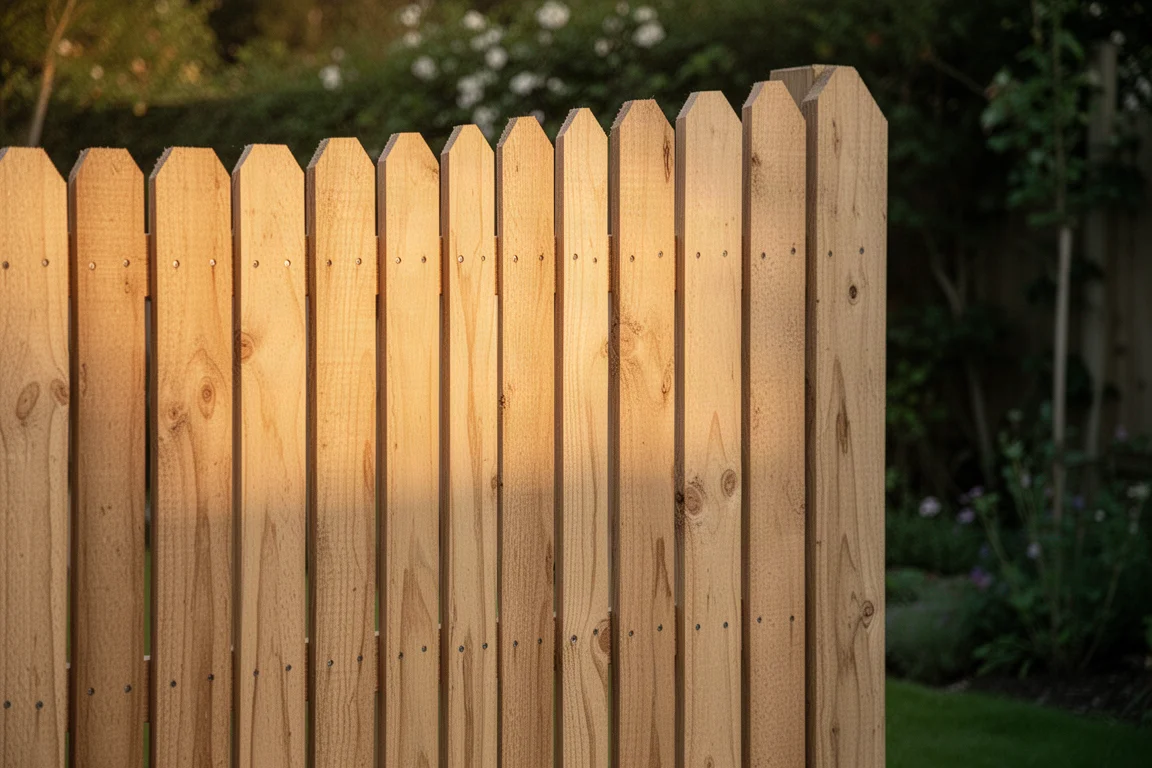
On a recent fencing job, two panels of feather edge boarding went up in no time, fixed top, bottom, and middle with each board spaced around 125 mm. The gun simply removed the friction from the job.
Pricing and Kit Options
The DCN930 is currently £340 as a bare tool. If you want it with two 5 amp hour batteries and a charger, the kit comes in at £550. If you already own DeWalt 18V tools, the bare unit is the obvious route, since the batteries are the same ones used across the rest of the range.
Buying Advice
The DCN930 is a very powerful, very quick framing nailer that basically does what you want it to. Give yourself a few jobs to get past the gyroscopic feel of the flywheel and the six-second run-on, and neither will bother you again. For anyone on the DeWalt platform facing a serious amount of timber work, it is an easy recommendation.
Conclusion
The DeWalt DCN930 combines genuine driving power, fast cycle times, and the convenience of a battery platform you may already own. Its flywheel design delivers speed and consistency that hold up on real job sites, and its few quirks are learned within an afternoon. For tradespeople it will earn its keep fast; for DIYers with a big timber project on the horizon, it is a tool that will make an awful lot of difference.
Product link
View more details for DeWalt DCN930 Framing Nailer
This product is mentioned in the review. Check the specifications, options, and compatibility before buying.
View more details for DeWalt DCN930 Framing NailerFurther reading
Related Reviews

Power Tools
Best 1-Inch Pistol Impact Wrenches: Three Heavy-Duty Options Compared
We compare three 1-inch pistol impact wrenches, from a budget-friendly Harbor Freight model to a premium Caterpillar unit, to help you choose the right one.

Power Tools
Best 3/4-Inch Impact Wrenches 2026: Five Contenders Compared
We compare five 3/4-inch impact wrenches across price and performance, from a budget Amazon option to Snap-on's most powerful model yet.

Power Tools
Best Budget Cordless Tools 2026: Walmart Finds That Punch Above Their Price
We tested five cordless tools from Walmart, including a high-torque impact wrench that trades blows with Milwaukee and a $35 duster that outperforms its price class.