Power Tools
DeWalt DCH072 12V Max 9/16 Brushless SDS Rotary Hammer Review
A compact 12V SDS rotary hammer with 4,280 BPM and tight holes, tested across a range of concrete bit sizes from 5/32 inch to 5/8 inch.
Introduction
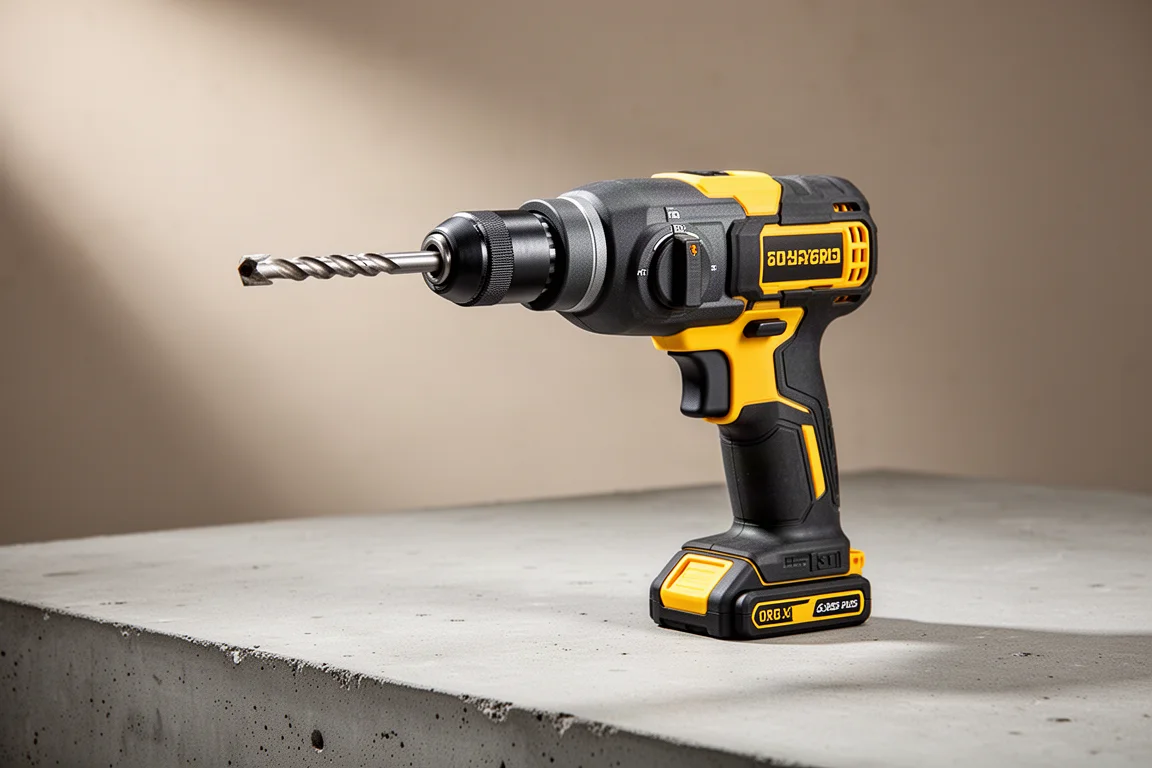
DeWalt’s Extreme line has built a reputation for packing real capability into compact bodies, and the DCH072 is the newest question mark in that lineup. Officially it is the DeWalt Extreme 12V Max 9/16 inch Brushless SDS Rotary Hammer, and it raises an fair question: is a 12V tool this small genuinely a rotary hammer, or is it something in between?
We put it to work on 5,000 psi concrete with bit sizes ranging from 5/32 inch all the way out to 5/8 inch, well beyond the rated range, to find out where it shines and where it runs out of steam.
What the DeWalt DCH072 Is
The DCH072 is a brushless SDS Plus rotary hammer running on DeWalt’s 12V Max battery platform. It delivers 0 to 4,280 blows per minute with a no-load speed of 910 rpm, and the total tool weight is just 3.7 pounds. DeWalt states the optimal concrete drilling range is between 5/32 and 3/8 of an inch.
Those numbers put it firmly in the light-duty anchor drilling category, which is exactly what most people reaching for a 9/16 class compact rotary hammer actually need. It is not a demolition tool and it does not pretend to be one.
Key Features and Controls
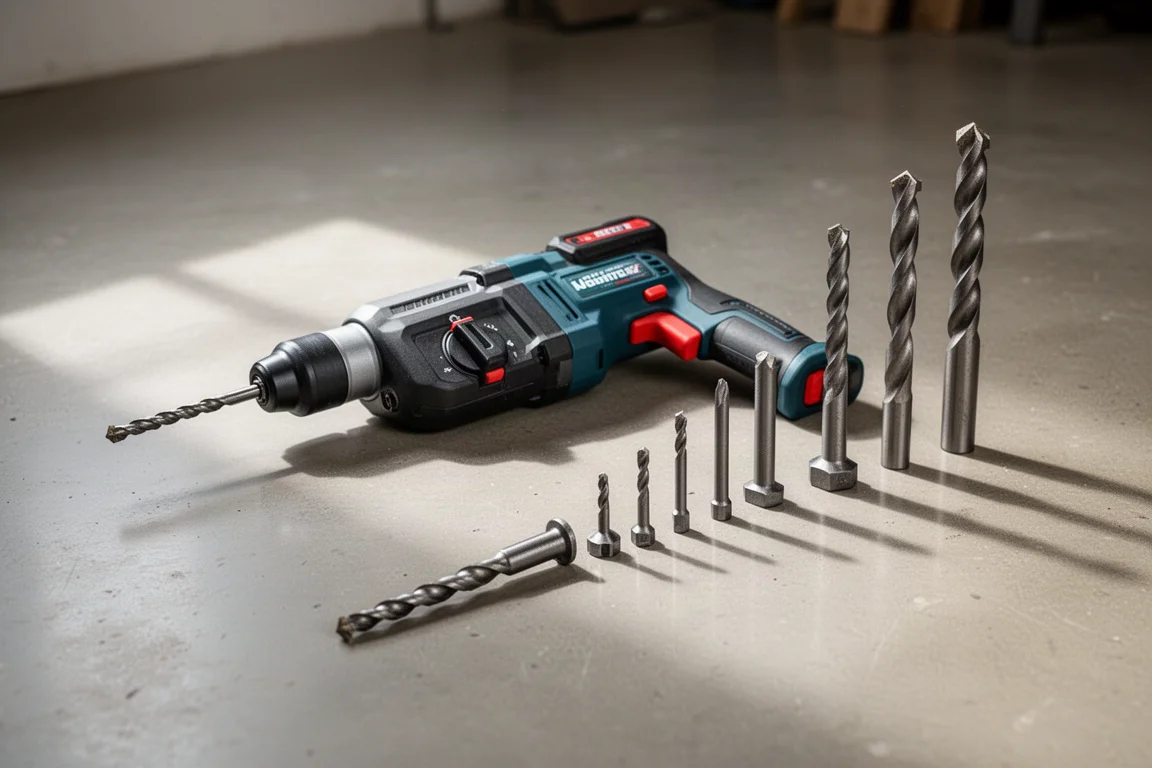
The tool has a well-shaped adjustable handle and a depth stop, so you can set drilling depth precisely and avoid over-drilling holes. That matters when the whole point of the tool is consistent anchor holes.
The mode selector offers two functions: drilling and fastening, and rotary hammer mode. There is no chipping function and no dedicated hammer-only mode. It is either drill or hammer drill, which reinforces that this tool is built for making holes, not breaking material.
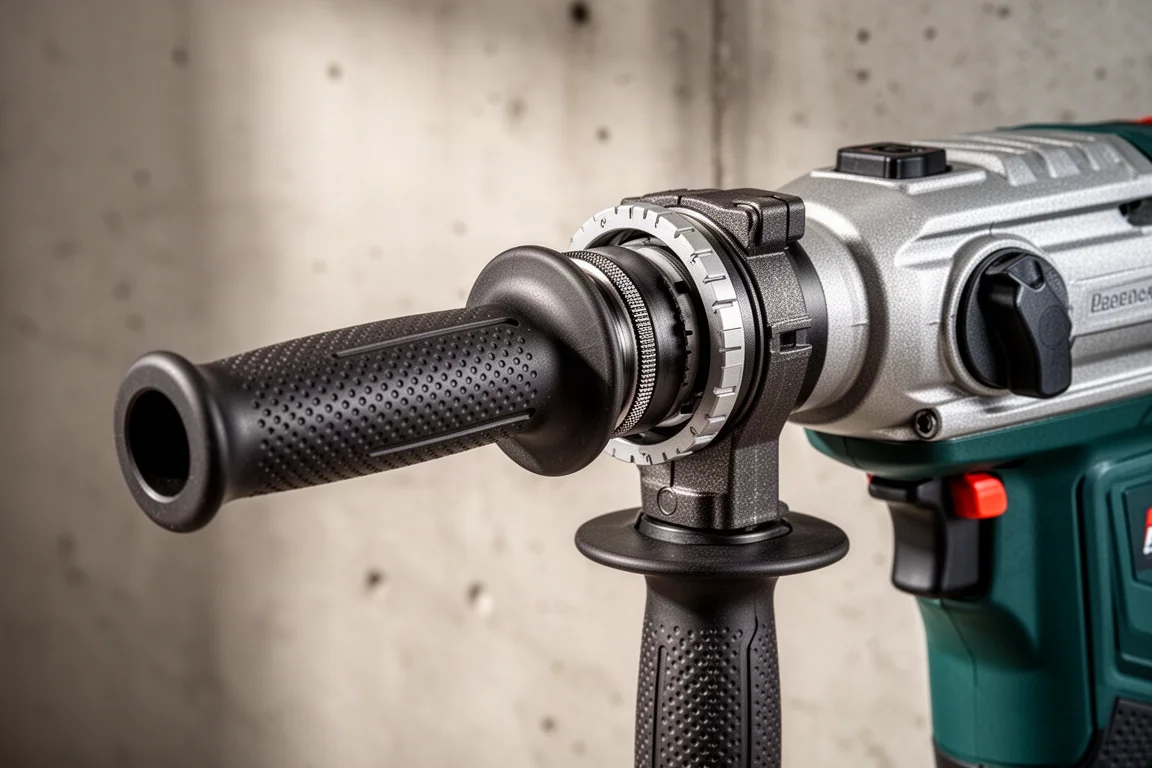
Because it uses the SDS Plus chuck, bit changes are quick and the bits self-align, which keeps the workflow moving when you are drilling a series of anchor holes.
How It Performed in Testing
Testing started at the low end of the rated range with a 5/32 inch Diablo Rebar Demon bit, a four-cutter head design that can cut through rebar if you happen to hit it. Drilling into 5,000 psi concrete was quick and easy, and the resulting hole stayed consistently tight rather than blown out. That tight hole quality is exactly what you want for setting anchors, and it may come down to how the tool delivers its blows per minute.
Moving up to 3/8 inch, right at the top of the stated optimal range, the DCH072 kept impressing. Drilling felt so effortless that the hole ended up deeper than planned, which is about the best complaint you can make. This test did cost one bar of battery charge, but that is reasonable given the bit size.
Testing at the Top of the Range
The half-inch test pushed the tool beyond its rated range, and it still managed the hole. A useful tip from the testing: when a hole is a sixteenth undersized, gently oscillating the tool within the hole opens it up without needing to be especially precise.
The 5/8 inch test was where limits became real. During heavier drilling, the tool shut off, likely the battery timing out or cutting out under load, and the battery was noticeably warm. Swapping to a fresh battery got things going again, but the takeaway is clear.
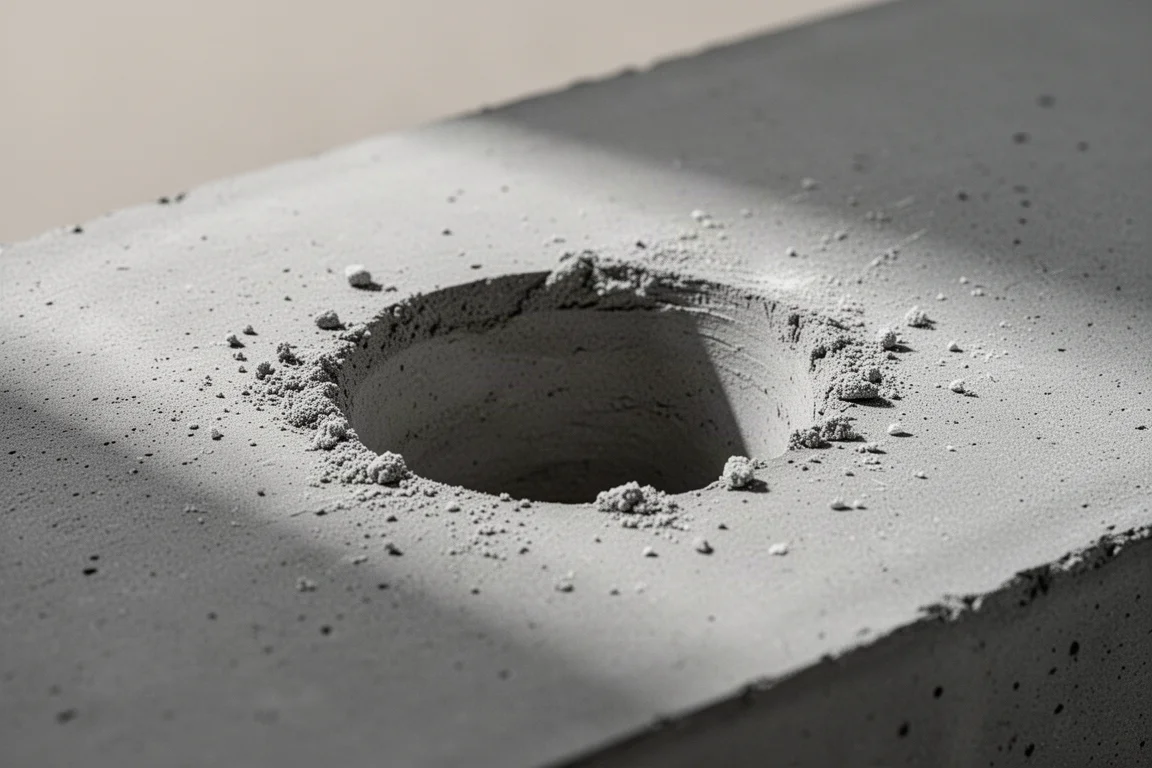
Drilling holes that far outside the rated range is possible with extra batteries on hand, but if you regularly need bits this large, the realistic answer is to step up to a bigger rotary hammer rather than expecting this one to keep up.
Should You Push Past the Limits?
The short version: just because you can does not mean you should. The DCH072 handled out-of-range drilling with surprising composure, and watching it chew through 5/8 inch concrete is genuinely impressive for a 3.7 pound 12V tool. But sustained heavy drilling outside the 5/32 to 3/8 inch optimal range will drain batteries fast and stress the tool.
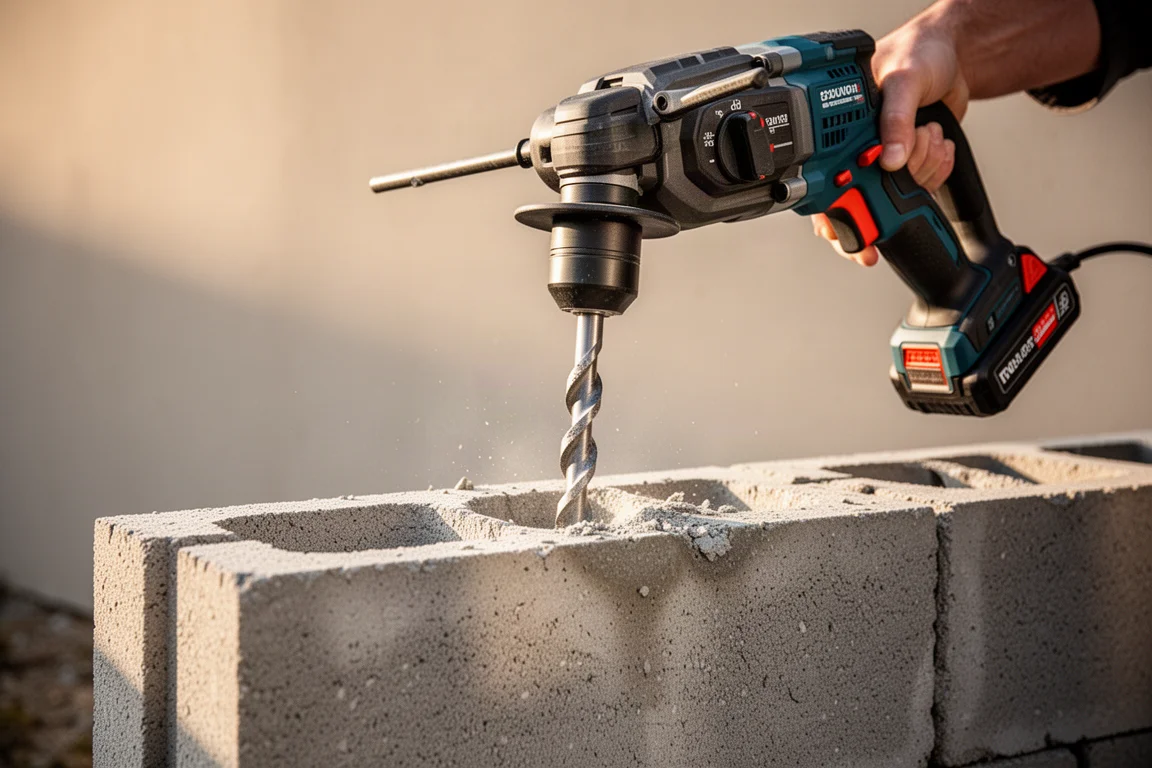
For its intended job, small anchor holes in concrete, it is excellent. The holes stay tight, drilling feels effortless in the rated range, and the compact size makes it easy to carry and control overhead or in tight spots.
Buying Advice
Buy the DCH072 if your concrete work is mostly anchor holes between 5/32 and 3/8 inch and you value a lightweight, easy-to-handle tool. Keep a spare charged battery around if you plan on longer sessions or occasional larger holes. If half-inch or 5/8 inch holes are a routine part of your work, upgrade to a larger rotary hammer and treat the DCH072 as the secondary tool it is designed to be.
Conclusion
The DeWalt DCH072 proves a compact 12V tool really can be a legitimate rotary hammer, as long as you respect its rated range. Within 5/32 to 3/8 inch it is fast, controlled, and produces consistently tight anchor holes. Push it further and it will still get the job done occasionally, but with clear trade-offs in battery life and endurance. For light-duty concrete drilling, it is a very cool little tool.
Product link
View more details for DeWalt DCH072
This product is mentioned in the review. Check the specifications, options, and compatibility before buying.
View more details for DeWalt DCH072Further reading
Related Reviews
Power Tools
Best 1-Inch Pistol Impact Wrenches: Three Heavy-Duty Options Compared
We compare three 1-inch pistol impact wrenches, from a budget-friendly Harbor Freight model to a premium Caterpillar unit, to help you choose the right one.
Power Tools
Best 3/4-Inch Impact Wrenches 2026: Five Contenders Compared
We compare five 3/4-inch impact wrenches across price and performance, from a budget Amazon option to Snap-on's most powerful model yet.
Power Tools
Best Budget Cordless Tools 2026: Walmart Finds That Punch Above Their Price
We tested five cordless tools from Walmart, including a high-torque impact wrench that trades blows with Milwaukee and a $35 duster that outperforms its price class.