Power Tools
DeWalt DCF961 vs Milwaukee High Torque: The Wildest Cordless Impact Wrenches Compared
The DeWalt DCF961 rewrites the half-inch impact rulebook with its dramatic mid-pull power surge, but the Milwaukee 2967 and 2867 still have their place. Here is how they stack up.
Introduction
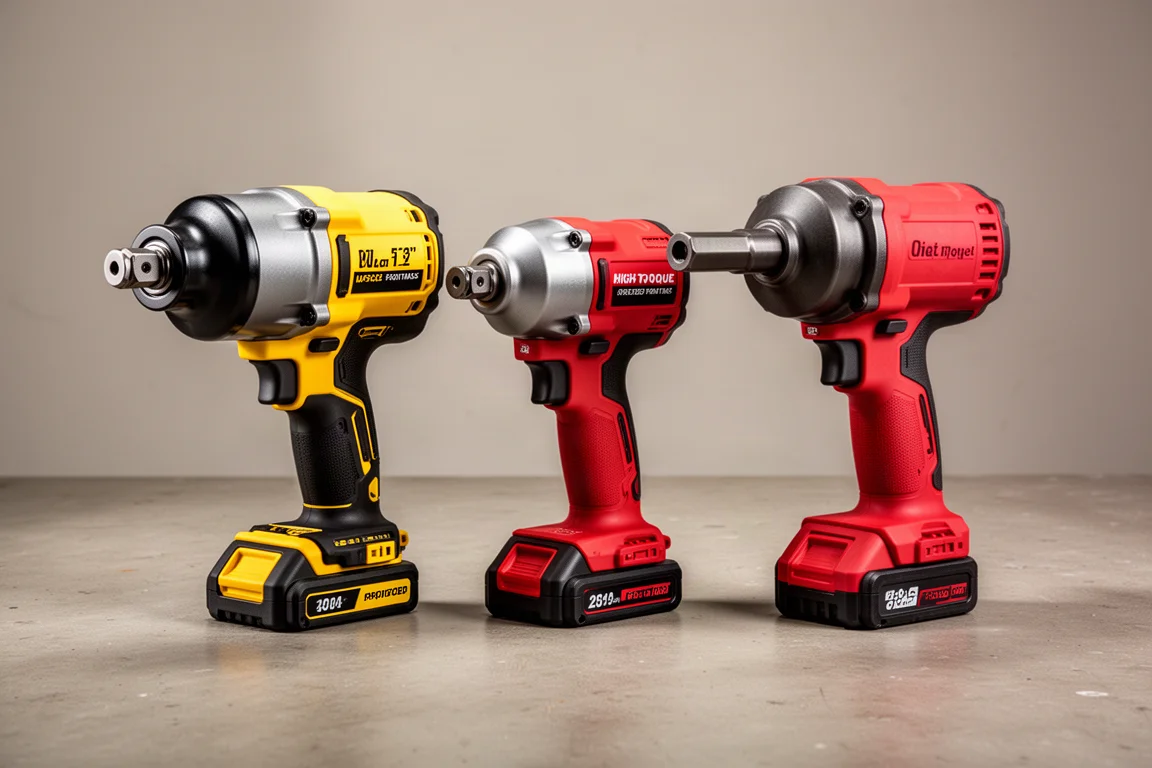
Every so often a tool shows up that does not quite fit the category it was placed in. The DeWalt DCF961 is exactly that kind of tool. It is a half-inch drive impact wrench that behaves like something much bigger, with a claimed 1,200 ft-lb of tightening torque and a 1,700 ft-lb breakaway rating. Against it sits Milwaukee’s newest generation of high torque tools: the 2967 high torque and the massive one-inch 2867, rated at 1,800 ft-lb on the box.
This comparison answers a simple question many buyers have been asking: can this new half-inch DeWalt really stand in for a large-frame Milwaukee? The short answer is nuanced, and worth understanding before you spend a few hundred dollars or more.
Why the DeWalt DeWalt DCF961 Is Such an Oddball
DeWalt has built a pattern of releasing one sensible tool and one wildcard in the same segment. The DCF911 kicked off that era, the DCF921 packed more power into a shorter body, and the DCF850 surprised everyone with its compact punch. The DCF961 is the wildcard taken to its logical extreme.
The build choices are fascinating. Wires are thicker, the hammer is larger, and there is significantly more metal in the nylon body. The gear reduction is doubled up using two different diameters and tooth counts on the planetary gears, creating a two-stage reduction of the RPM from an oversized motor. The result is a tool with enormous front mass, built to deliver violent impact energy rather than to be comfortable.
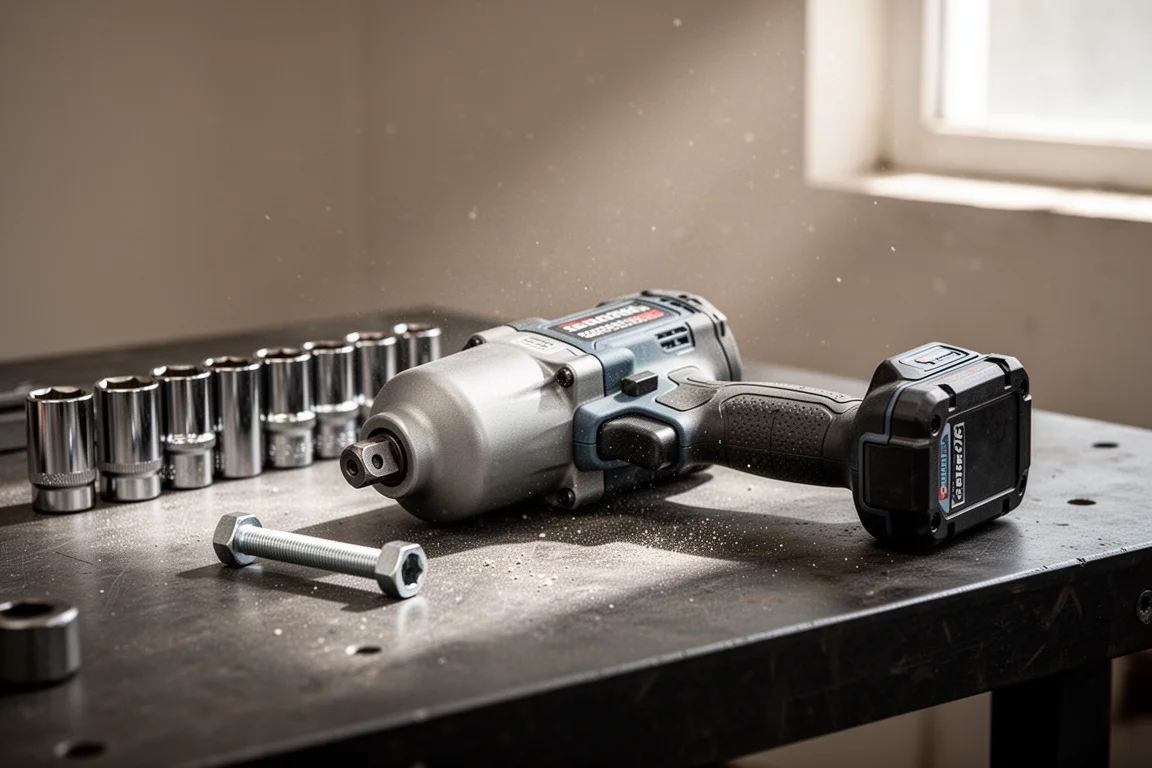
That mass is worth taking seriously. Fully loaded, this is a heavy tool, and the sudden power ramp adds torque to the tool’s own swing. It is not a daily-driver design in any conventional sense.
How the Numbers Compare
In a five-second working torque test in forward, the DCF961 measured 651 ft-lbs, edging past the DCF900 but not reaching the Milwaukee tools. In max reverse torque, a standard ten-second test, something interesting happens: after roughly four seconds of impacting, the tool noticeably increases its power output, a behavior that has earned it the nickname of a second-gear surge. With better batteries, it delivered nearly 999 ft-lbs, beating the one-inch Milwaukee 2867 in that specific test.
The Milwaukee 2867, by contrast, is tuned for forward work. It excels at large construction and metalworking assembly, but it is not a strong performer in reverse, and users struggling with stuck fasteners often report better results from smaller, shorter tools.
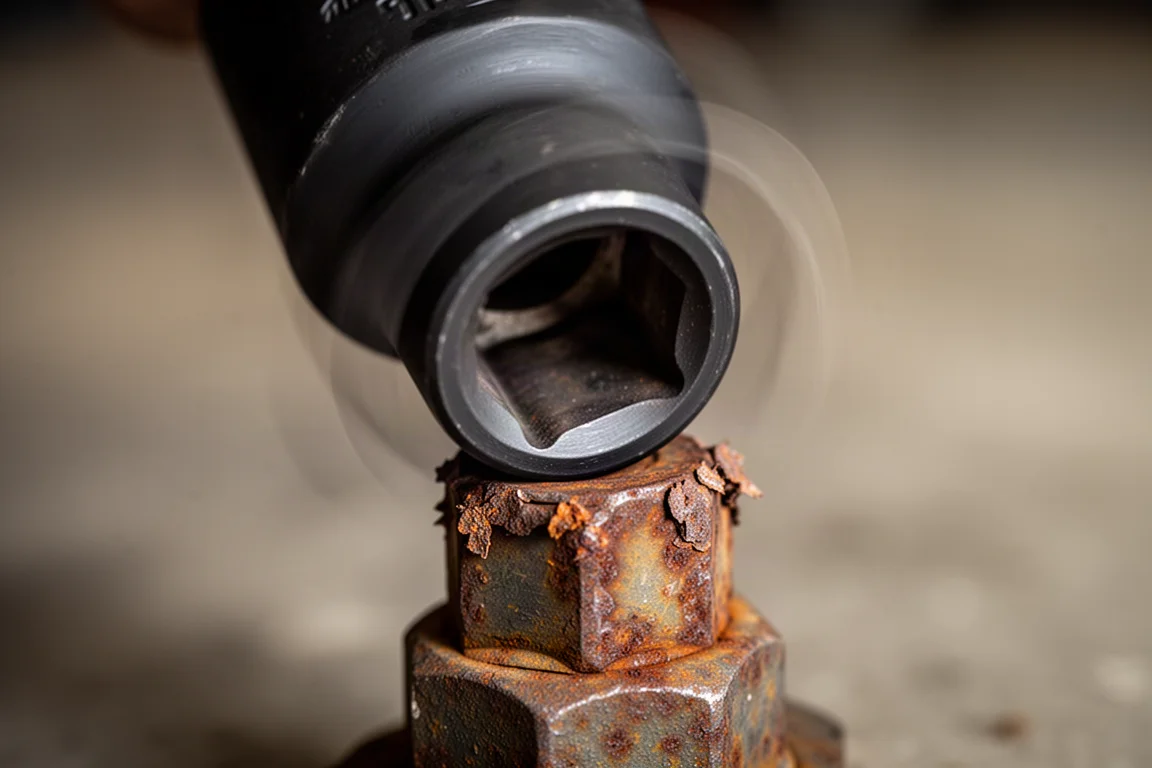
In best-case runs, the DCF961 hit 1,050 ft-lbs with the right battery, just shy of the one-inch Milwaukee 2867’s 1,020 figure, with a power curve that ramps up earlier and delivers more energy overall. On a performance-per-dollar basis it is remarkable: at a price of $369, it undercut an $8,800 Milwaukee one-inch tool while producing comparable measured output.
What It Feels Like to Use
This is not a gentle tool. The combination of heavy front mass and a sudden power increase midway through a trigger pull makes it a genuine handful. In testing, the tool once came off the bolt entirely, and less experienced users saw the socket jam against the bolt head or vibration strong enough to stall the run.
The practical technique is simple: impact for two to four seconds to reach the power surge, then release the trigger and reset. By that point you are getting nearly all of the tool’s capability on a stuck fastener anyway. For occasional users, the raw numbers still scored it very high on a wrist-breaking scale, close to a record.
Who Should Buy Which
If you already own a recent high torque wrench such as the Milwaukee 2967 or the DeWalt DCF900, the DCF961 is not a replacement. It is more of a drawer tool: brought out when a fastener is genuinely apocalyptic, then put away. Metalworkers and anyone tearing down heavily bolted structures are the clearest audience, since its punch can move nuts that smaller high torque wrenches struggle with even after extended attempts.
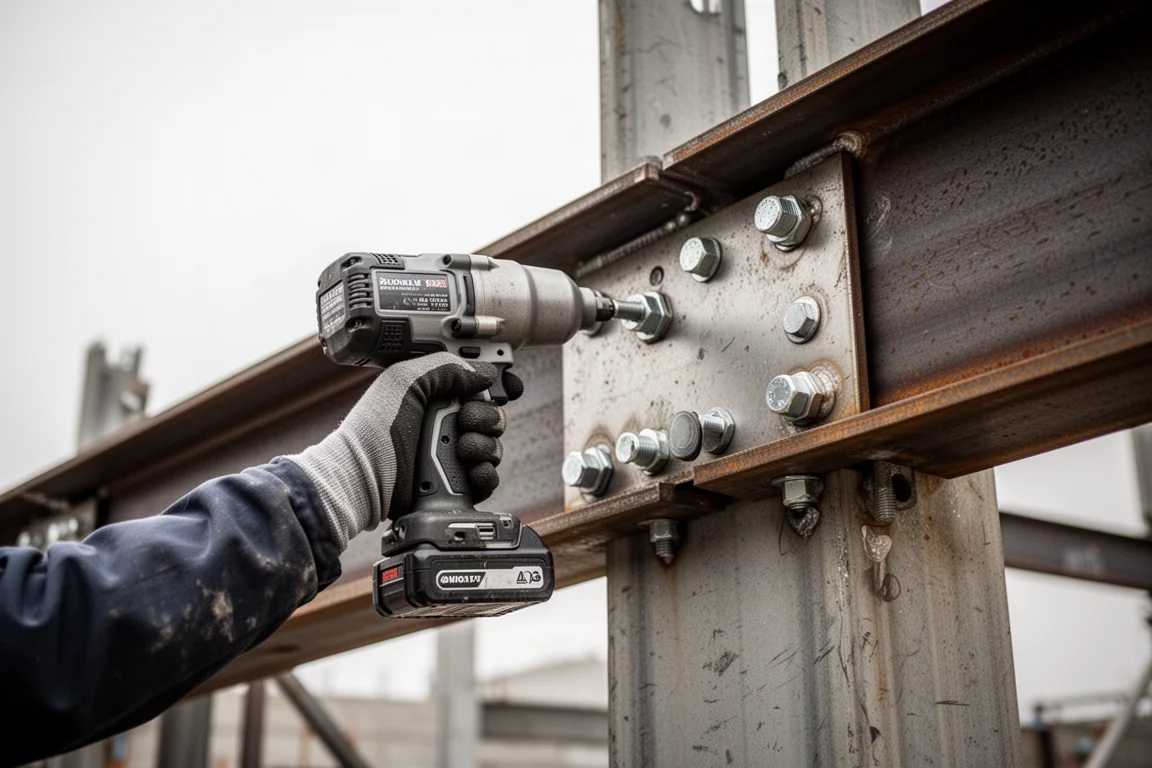
The Milwaukee 2967 is the more conventional choice: lighter, easier to control, and a solid upgrade over older high torque models. The 2867 is a specialist one-inch pistol for large assembly work, brilliant in its element but weak in reverse, which limits it for removal tasks.
The Verdict
At $369, the DeWalt DCF961 is an almost embarrassing value against tools costing many times more, and it tops half-inch impact rankings while holding its own against large-frame competitors. It is heavier, wilder, and less refined, but if you occasionally face truly stubborn fasteners, nothing else at this price comes close.
A three-quarter inch anvil version is reportedly on the way next summer, which should tame the tool’s behavior and possibly add power, so patience may pay off for some buyers.
Conclusion
The DCF961 is not the sensible high torque upgrade; the Milwaukee 2967 probably is. But as a specialist breakout tool that outperforms tools several times its price, the DeWalt is the most exciting half-inch impact wrench on the market right now. Buy it for the bolts nobody else can break loose, and keep your everyday wrench for everything else.
Product link
View more details for DeWalt DCF961
This product is mentioned in the review. Check the specifications, options, and compatibility before buying.
View more details for DeWalt DCF961Further reading
Related Reviews

Power Tools
Best 1-Inch Pistol Impact Wrenches: Three Heavy-Duty Options Compared
We compare three 1-inch pistol impact wrenches, from a budget-friendly Harbor Freight model to a premium Caterpillar unit, to help you choose the right one.

Power Tools
Best 3/4-Inch Impact Wrenches 2026: Five Contenders Compared
We compare five 3/4-inch impact wrenches across price and performance, from a budget Amazon option to Snap-on's most powerful model yet.

Power Tools
Best Budget Cordless Tools 2026: Walmart Finds That Punch Above Their Price
We tested five cordless tools from Walmart, including a high-torque impact wrench that trades blows with Milwaukee and a $35 duster that outperforms its price class.