Power Tools
DeWalt DCF961: The Unreleased High-Torque Impact That Redefines Brutal Power
An early-look at the rumored DeWalt DCF961 high-torque impact wrench, with real torque test results, an unusual low-RPM design, and a hidden turbo mode worth knowing about.
Introduction
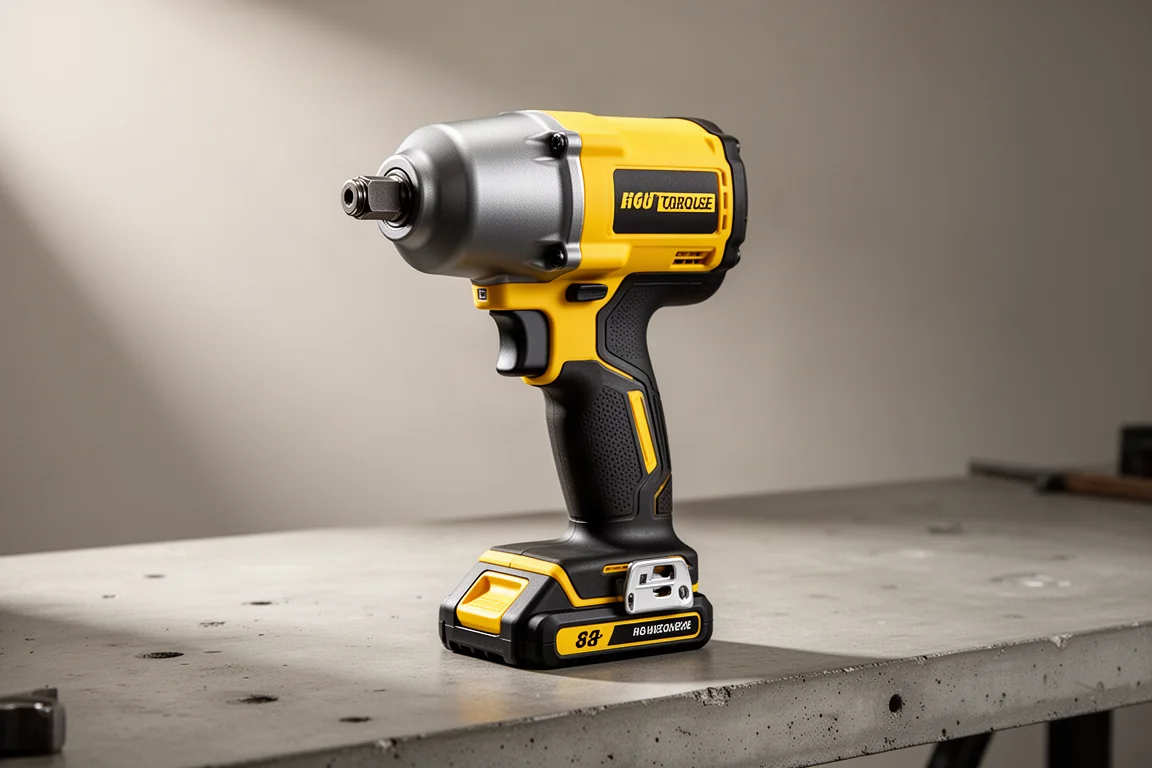
Every so often a tool shows up that nobody was supposed to see yet. The DeWalt DCF961 is exactly that: an unreleased high-torque impact wrench that surfaced through back channels before any official announcement, and it immediately raises the bar for what a cordless half-inch impact can do.
It arrived with rumored specs of 1,600 newton meters, roughly 1,180 foot-pounds of tightening torque, which would place it above the already-dominant DCF900 high-torque. We got a couple of days with it and put it on the torque tester. The short version: this thing makes a stupid amount of torque, and it does so from a body that is actually shorter than its main rival.
Design and Build: A Whole New Shape
The first thing you notice is that it is both big and not big. At about 8.25 inches long, it is actually shorter than the DCF900’s 8.8 inches, yet it carries a distinctly Thor’s-hammer presence. Unlike the DCF891, DCF899, and DCF900, which share similar shells that can confuse buyers, this is an all-new design that looks unlike any other high-torque impact on the market.
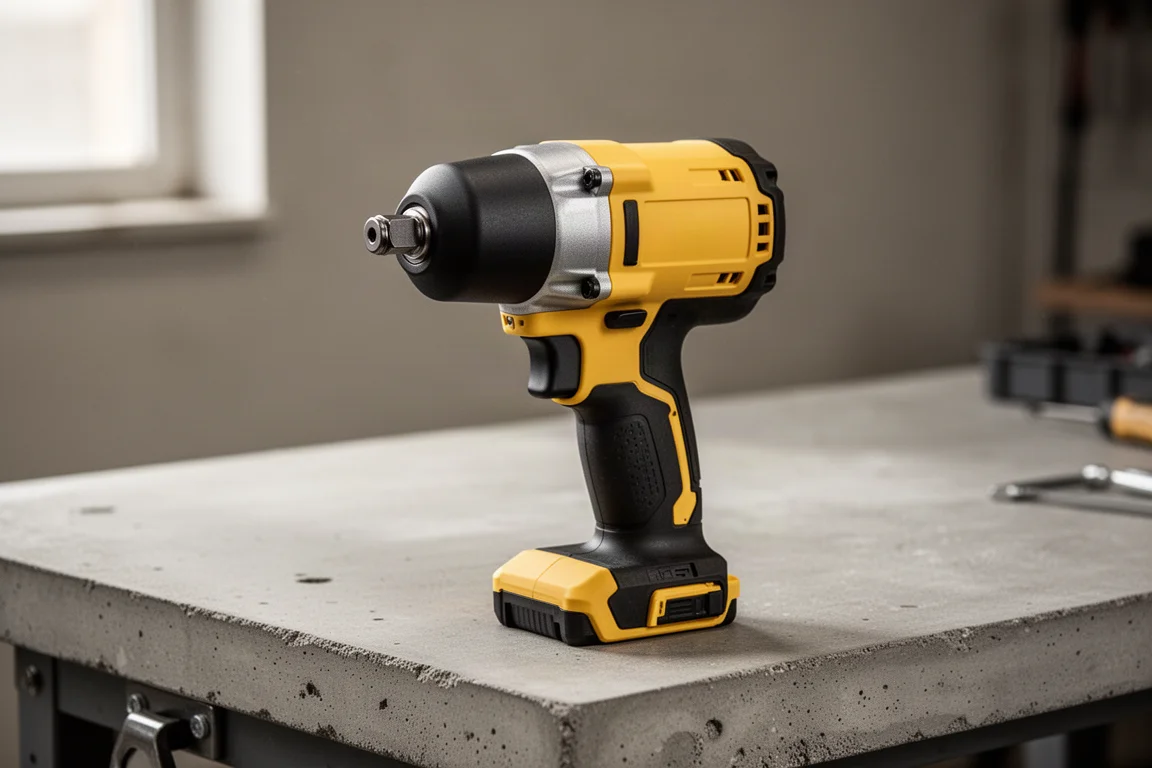
There are also extra aluminum sections extending down into the handle, something not usually seen on this class of tool. The weight tells the real story: where the DCF900 weighs about 6.46 pounds and competitors hover near 5.9, this one comes in at 7.8 pounds. Heavier with a larger diameter usually means a bigger hammer and a stiffer spring inside.
Specs That Raise Eyebrows
The top speed mode sounds odd, with a lot of air moving like it is really working a fan, but not much anvil speed. While the DCF900 spins at about 2,200 RPM, this model sits at just 1,200 RPM. That can look like a bad spec on paper, especially in short timed tests, but a lower RPM indicates the tool has been geared way down to drive a serious hammer assembly. It means business rather than speed.
Despite the heft, it keeps the familiar push-button controls seen on newer DeWalt models, including a timber screw mode that behaves as you would expect.
Torque Test Results
Testing used 5 amp-hour batteries, the standard baseline for comparisons. In the five-second working torque test, the DCF900 manages 647 foot-pounds over the Milwaukee 2767’s 572. The lower-RPM newcomer, disadvantaged in such a short test by its heavy hammer momentum, still posted a very respectable 644.
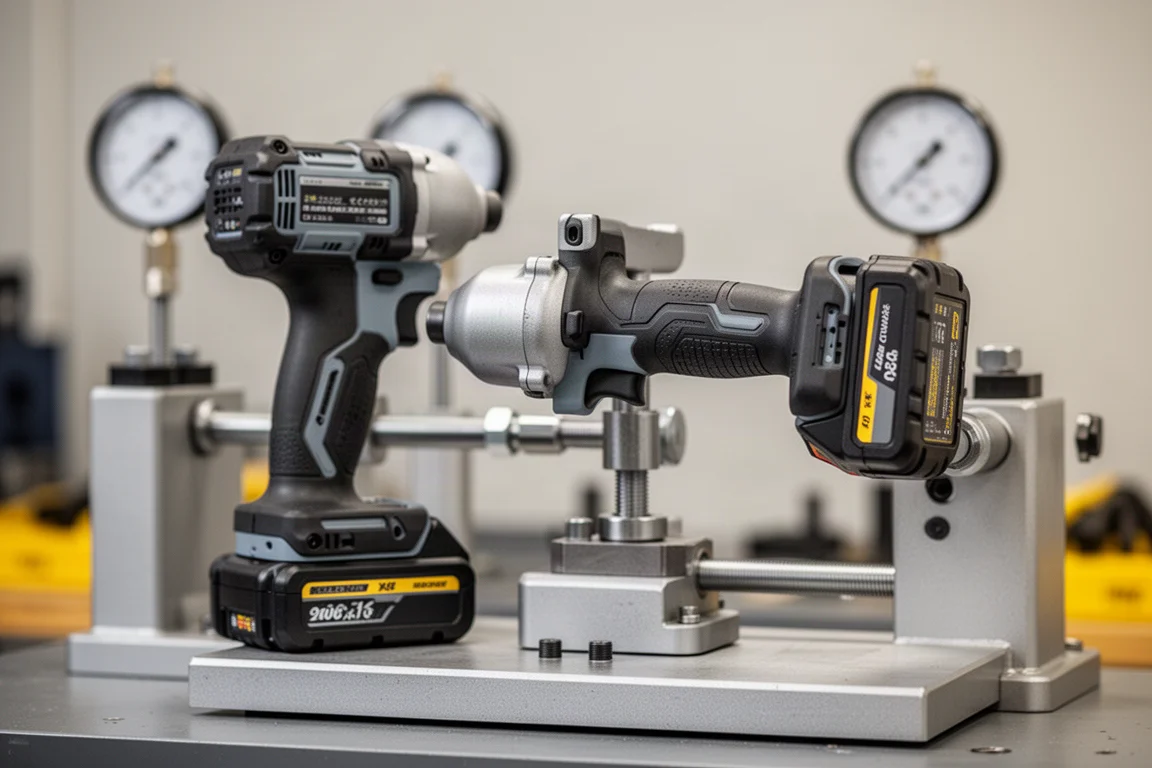
The reverse max-torque test, a 50-plus-year-old testing standard, is where things get interesting. The DCF900 delivers 799 foot-pounds on top of Milwaukee’s 728. Then the newcomer, in a very DeWalt sort of way, popped off the bolt head before settling at 800 foot-pounds, barely topping the DCF900.
But the headline number came in the 15-second best-case test: 947 foot-pounds with a standard 5 amp-hour battery, more than 100 foot-pounds above the DCF900’s 830. Slower hits mean higher dynamic torque force per blow, and at this top end each massive hammer strike makes real progress where faster tools only inch forward. It also removed 970 foot-pounds on a reverse-threaded bolt, running forward, in about 8.4 seconds.
The Hidden Turbo Mode
Midway through longer runs, both the power and impacts-per-minute graphs suddenly pick up. There is something like a turbo mode that kicks in four or five seconds into impacting, or possibly once the fastener is just that tight.
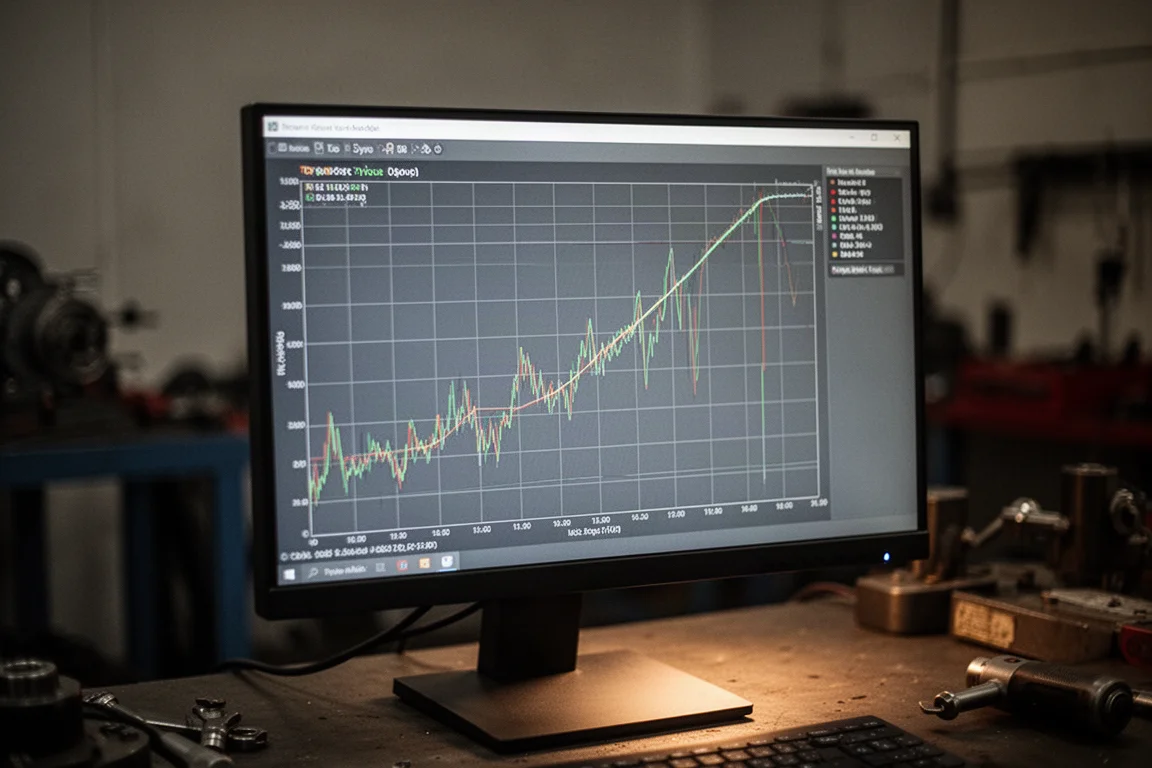
Whether this is an advertised feature, a programmed hidden function, or simply a lucky byproduct of the design remains to be seen. It is one of the most curious things about this tool and worth watching closely if it reaches retail.
Things to Consider Before Buying
The tool ties for the most rodeo-bull-like, wrist-breaking behavior score ever awarded: 9 out of 10. It is click-clackety as heck, and depending on grip orientation it can swing output by 30 or more foot-pounds more than other brands do. Much of that would likely be tamed by a three-quarter-inch drive, and realistically this may be at the very limit of what a half-inch anvil can survive in a handheld tool.
Also unknown: which battery it will require, what its advertised numbers will claim, and its eventual price. Estimates put it somewhere in the 350 to 399 dollar range, more than the DCF900, which would make sense for an all-new design.
Buying Advice
This is not made for all-day use. You pull it out when things need to disintegrate. Leave the little stuff to the little guys: this is a tool that says point me at what needs to come out, and it will come out.
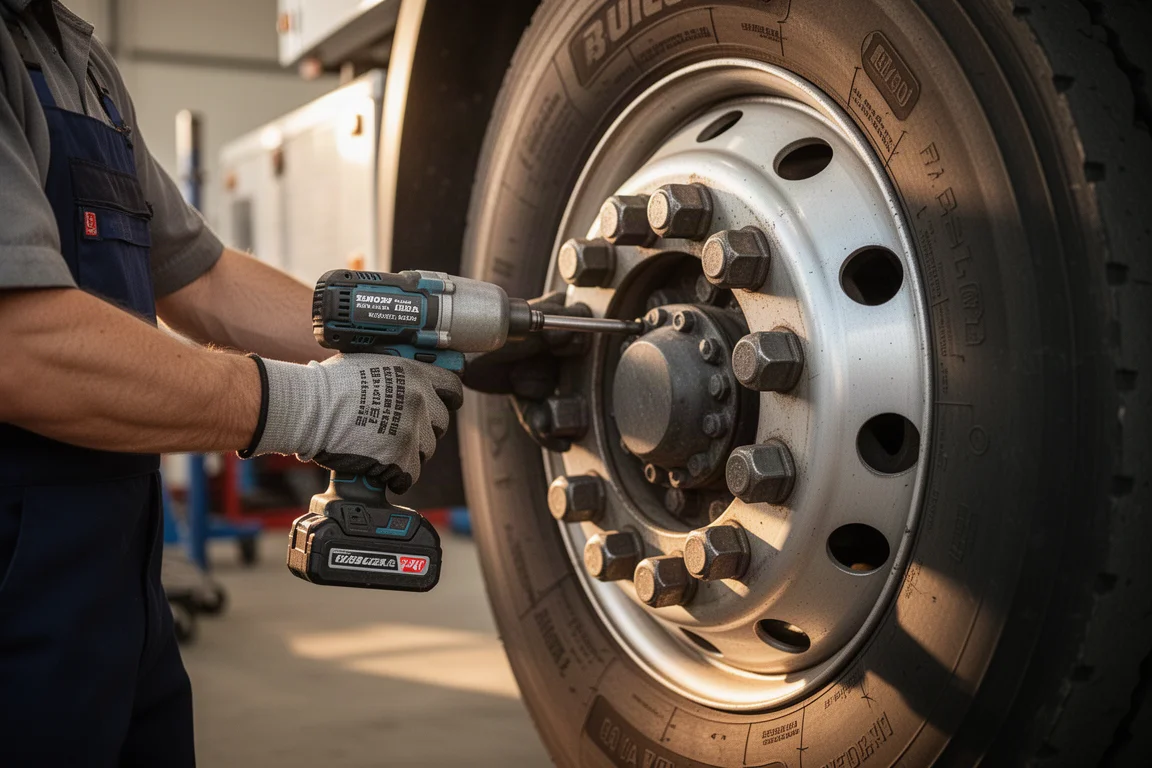
If it reaches sale in this shape, expect a projected total somewhere between 485 and 495 points, which would put it solidly in first among every high-torque impact ever tested. For heavy equipment work, large fasteners, and jobs where nothing less will do, it could be the most capable cordless impact yet.
Conclusion
The DeWalt DCF961 is an extraordinary glimpse at the future of high-torque cordless tools: a shorter, heavier, all-new design that out-powers the reigning champion by over 100 foot-pounds in long runs, with a mysterious turbo mode still to be explained. If it officially launches anywhere close to these numbers, it will be the new benchmark.
Product link
View more details for DeWalt DCF961
This product is mentioned in the review. Check the specifications, options, and compatibility before buying.
View more details for DeWalt DCF961Further reading
Related Reviews
Power Tools
Best 1-Inch Pistol Impact Wrenches: Three Heavy-Duty Options Compared
We compare three 1-inch pistol impact wrenches, from a budget-friendly Harbor Freight model to a premium Caterpillar unit, to help you choose the right one.
Power Tools
Best 3/4-Inch Impact Wrenches 2026: Five Contenders Compared
We compare five 3/4-inch impact wrenches across price and performance, from a budget Amazon option to Snap-on's most powerful model yet.
Power Tools
Best Budget Cordless Tools 2026: Walmart Finds That Punch Above Their Price
We tested five cordless tools from Walmart, including a high-torque impact wrench that trades blows with Milwaukee and a $35 duster that outperforms its price class.