Power Tools
DeWalt DCF961 Mega Torque: How It Stacks Up Against DeWalt and Makita Heavy Hitters
A closer look at the record-setting DeWalt DCF961 half-inch impact wrench and how it compares to the DCF900, DCF899, and the Makita XGT 3/4-inch.
Introduction
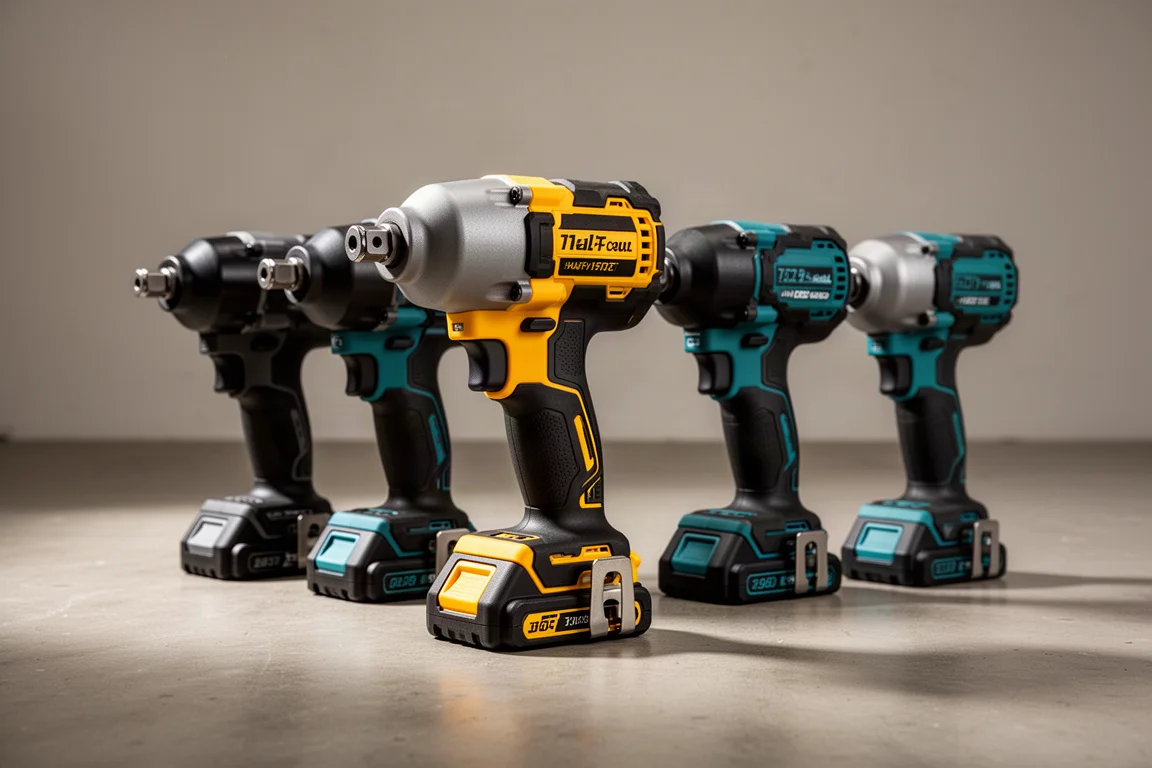
A new half-inch impact wrench has surfaced in pre-market form, and it is redefining what a cordless tool in this size class can do. The DeWalt DCF961, informally the “mega torque” model, has produced numbers that rewrite the record books for cordless and even air-powered impact wrenches. In this roundup we look at how it performs with different battery pairings, what is new inside its hammer assembly, and how it stacks up against the DeWalt DCF900, the older DCF899, and the Makita XGT 3/4-inch impact wrench.
Battery Pairings and Power Results
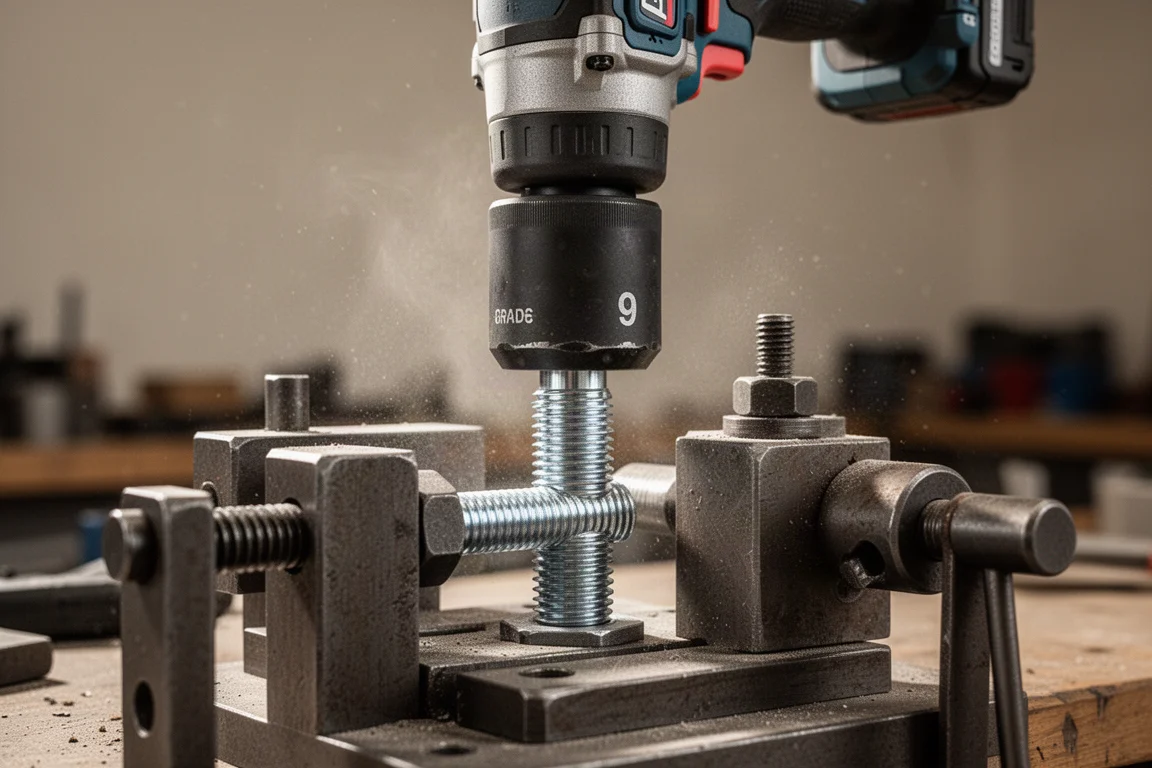
With a 5Ah XR battery, the DCF961 makes 947 foot-pounds, already a record in nearly every category. The 6Ah XR battery pushes that to 976 foot-pounds, averaging 733 foot-pounds per second across the run. The 8Ah XR pack produced the same peak figure, a rare result, suggesting the large brushless motor causes the 6Ah pack to sag more over the test. Since the averaged output is the same, the 8Ah pack is the smarter choice: identical power with more run time.
The 5Ah PowerStack surprised with 985 foot-pounds, averaging 746 foot-pounds per second, and keeps the tool lighter. The standout, though, is the 9Ah FlexVolt battery, which produced a clean 1,000 foot-pounds from a half-inch drive. Note that this tool is 20-volt only and does not engage the FlexVolt pack’s 60-volt contacts.
What Is Different Inside the DCF961
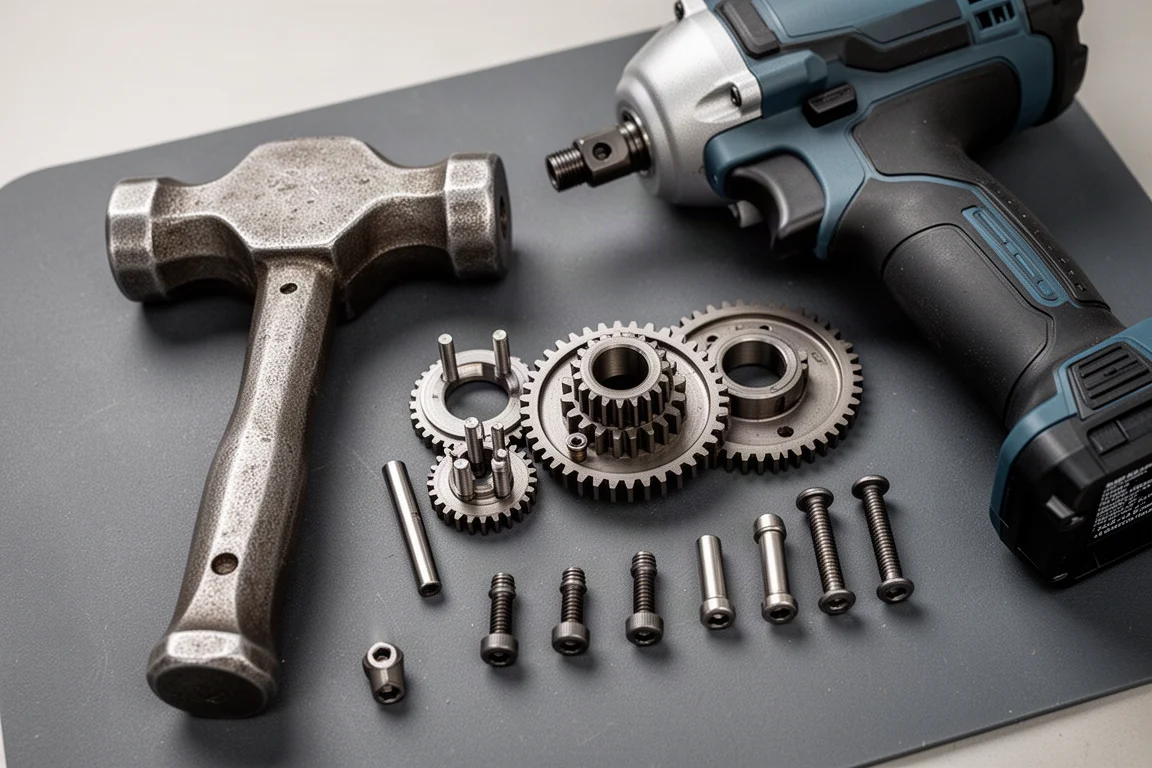
Teardown reveals several firsts. The hammer assembly uses an existing design with simply added mass: a larger spring and increased diameter where it counts. It weighs roughly three pounds two ounces, a full pound more than the previous design. A higher spline and ring gear tooth count gear-reduces output down to 1,200 RPM, roughly half the speed of comparable high-torque tools but with far more force per hammer blow.
Unique details include captured pins in a double shear, one-piece planetary gears with two different gear tooth diameters, and class 12.9 hex cap screws instead of the usual Torx fasteners. The motor is additionally supported by an aluminum plate sandwiched in the body to protect against hammer vibration.
Vibration Damping and Battery Protection
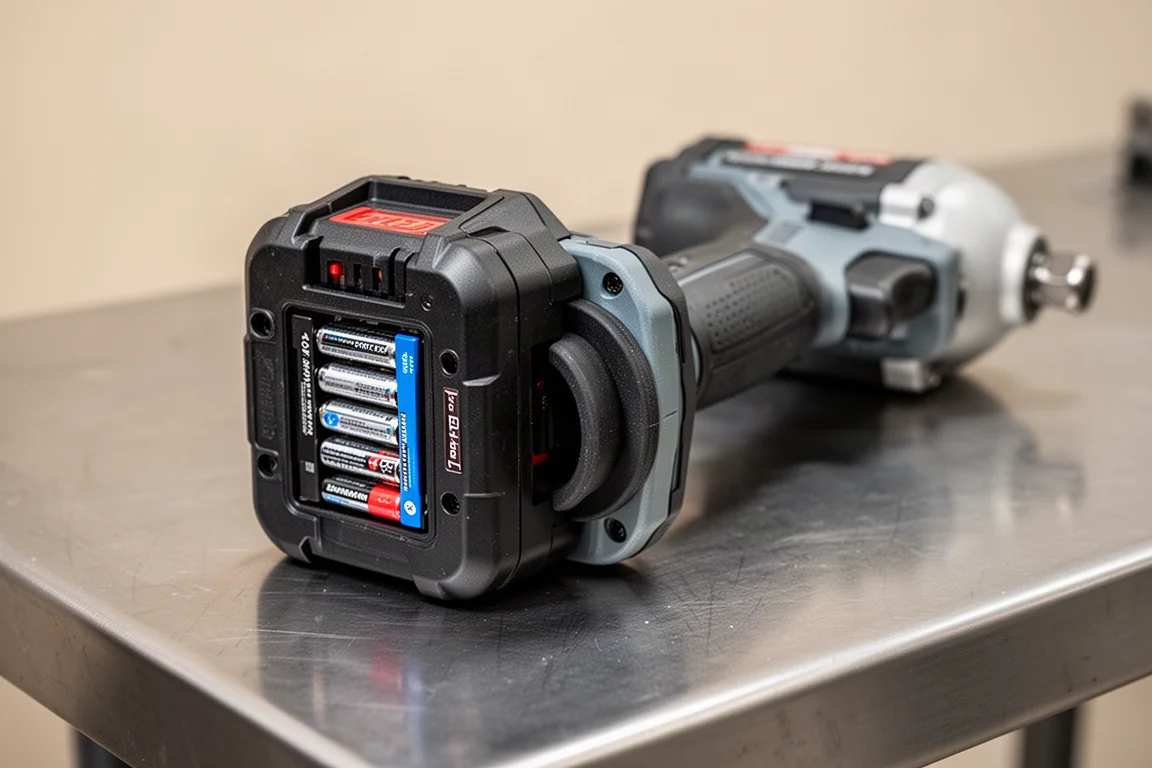
Compared with the DCF899, which has essentially no consideration for battery movement under impact, the DCF961 uses a more substantial rubber isolator sheet. The battery tray floats on a rubber bushing rather than being rigidly screwed down, and the body mold adds extra gusseting near the battery. The goal is slower acceleration of the battery mass so that electronics, solder connections, and plastic screw threads survive the enormous hammer force.
How It Compares to the DeWalt DCF900
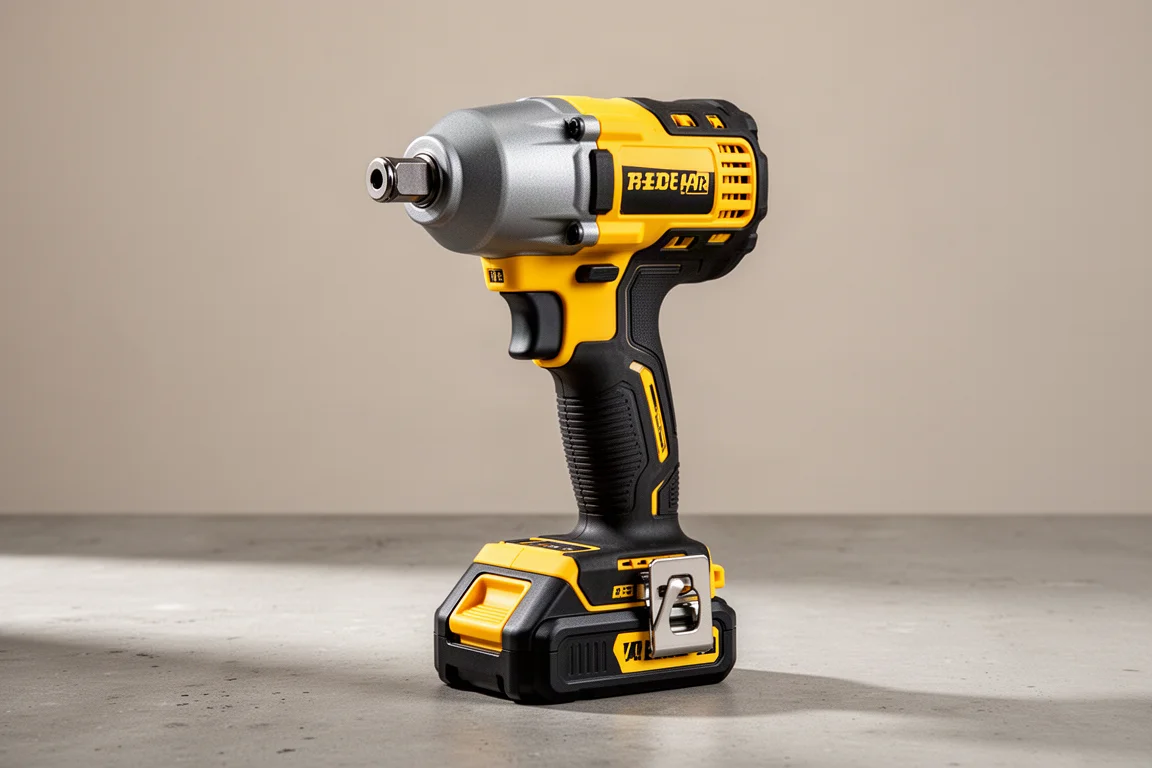
The DCF900 remains the most powerful half-inch impact wrench on the market in its class, producing around 711 foot-pounds per second with a 15Ah battery and 709 with a 6Ah XR. The DCF961, by comparison, reaches 733 foot-pounds per second and much higher peak torque. The DCF900 uses a bolt-forward hammer housing design with a smaller front footprint, while the DCF961 moves bolts rearward into metal, accepting some bulk for added strength.
The Older DeWalt DCF899
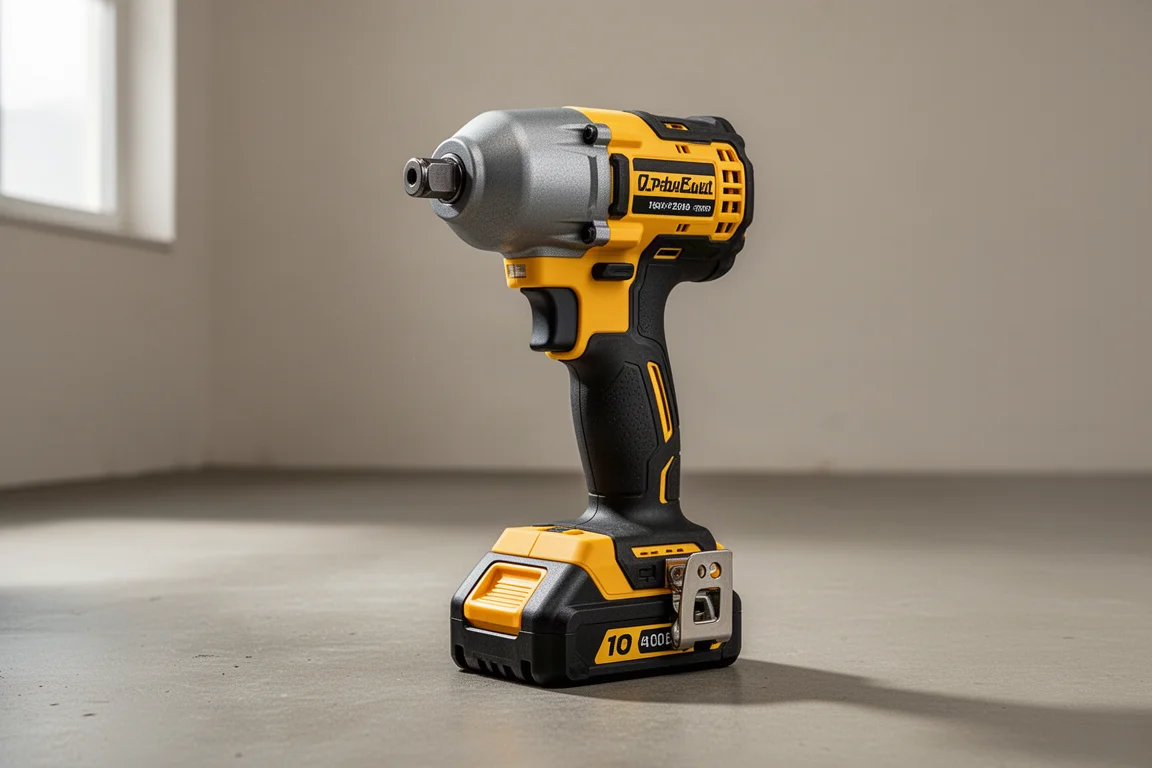
The DCF899 represents an earlier generation, and the contrast is instructive. Its hammer assembly is significantly lighter, and its battery interface lacks the damping and reinforcement of the newer tools. Under high-speed footage it vibrates the battery directly rather than rocking it smoothly, a reminder of how much design attention has gone into the latest generation.
How It Compares to the Makita XGT 3/4-Inch
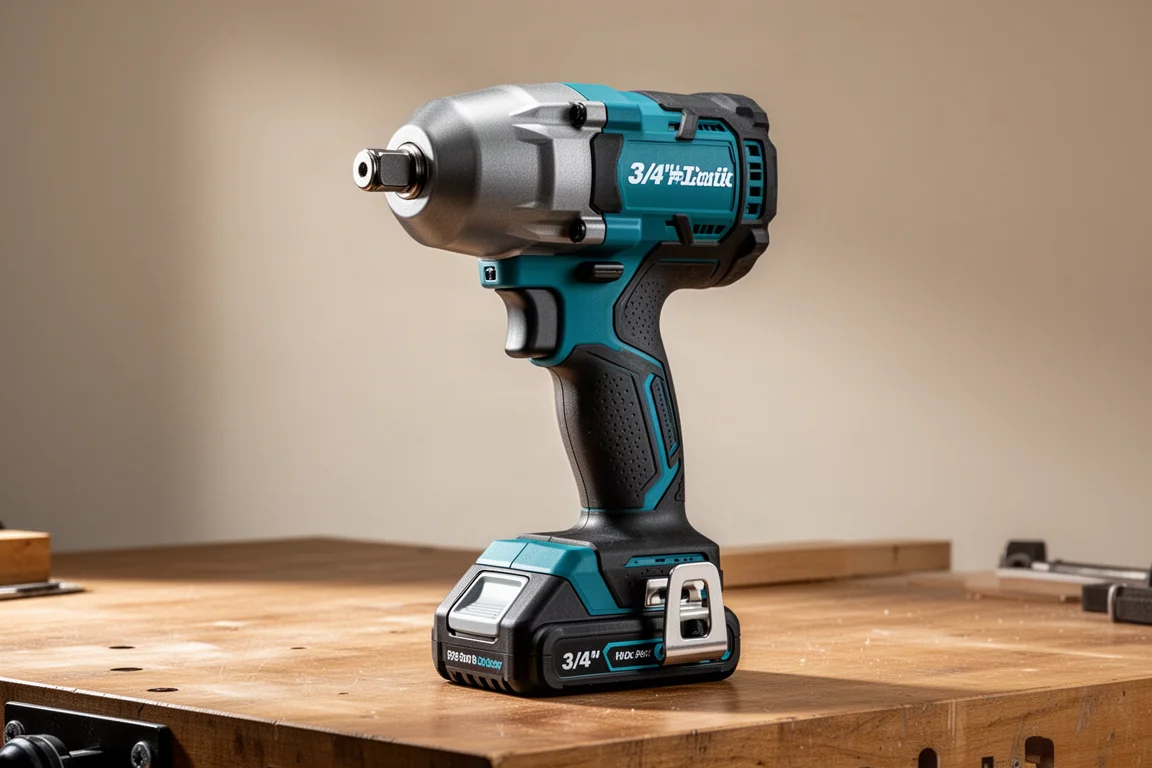
The Makita XGT 3/4-inch remains a favorite heavy hitter. It is big and heavy, more so than the DCF961, better balanced, and priced around $400. Both tools produced exactly 1,000 foot-pounds, though the Makita runs at a higher 1,800 RPM versus the DeWalt’s 1,200. The Makita makes early gains with faster hitting, while the DeWalt delivers such force per blow that it keeps making linear progress at the top of the run, averaging 766 foot-pounds per second.
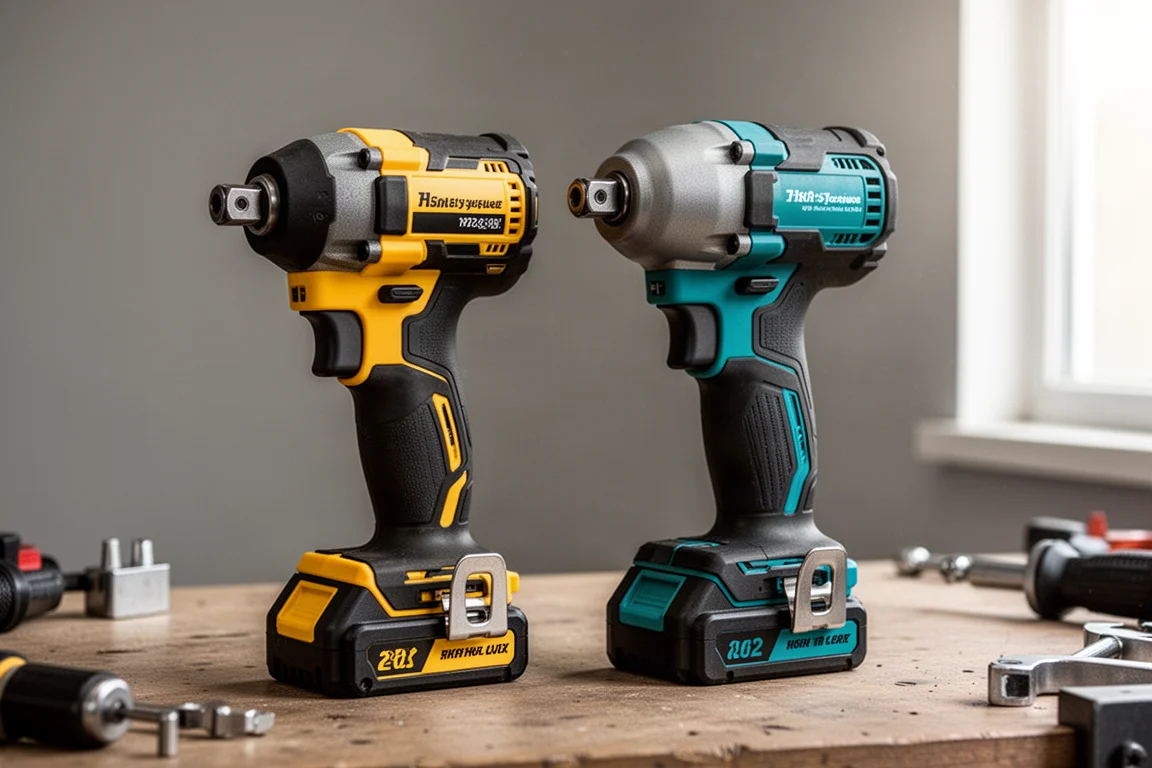
The biggest practical difference is the anvil: the Makita’s 3/4-inch drive is noticeably smoother and calmer in operation, while the half-inch DCF961 fights aggressively for every foot-pound. Projected rankings with an 8Ah XR battery put the DCF961 at roughly 493 to 498 on the overall leaderboard with a record 118.5 foot-pounds per inch, placing it atop even the 3/4-inch class rankings.
Buying Advice
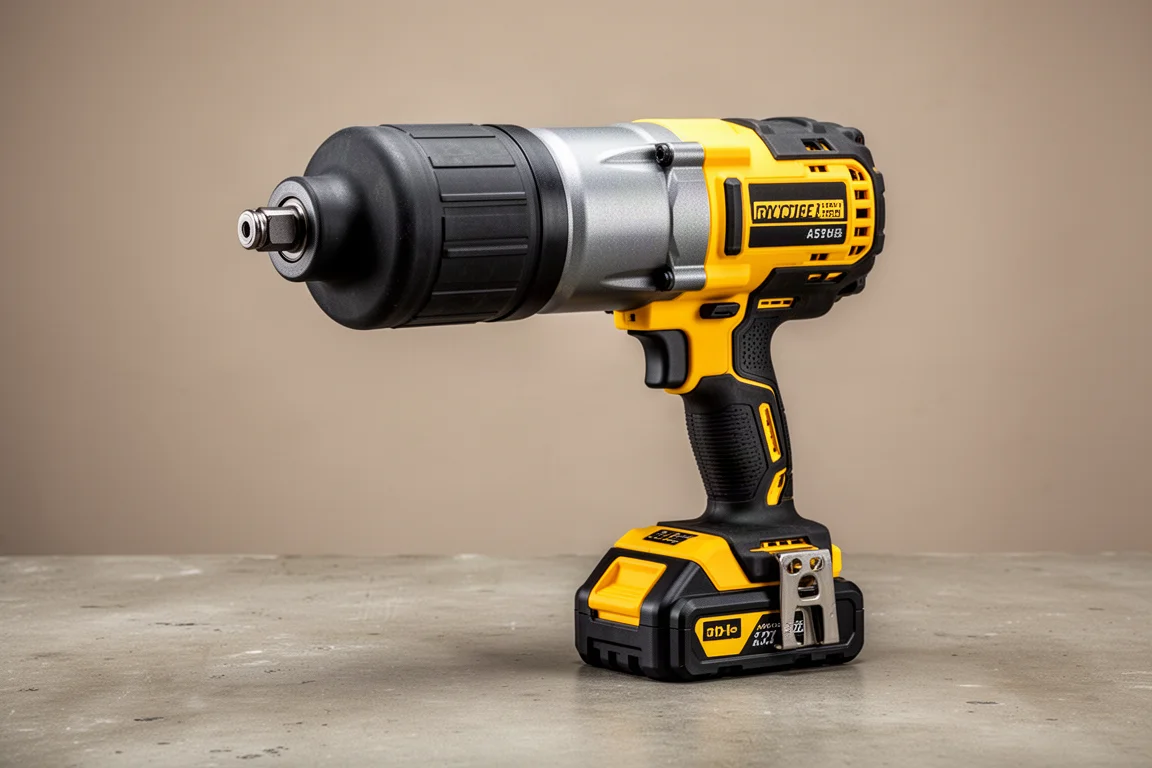
If you want the absolute highest torque available in a half-inch cordless impact wrench and can tolerate its aggressive operation and heft, the DCF961 is the new benchmark. Pair it with an 8Ah XR battery for the best balance of power and run time, or the 5Ah PowerStack for a lighter tool. If you prefer smoother, more refined operation and a 3/4-inch anvil, the Makita XGT is the more polished choice at a lower price. For most heavy-duty tasks short of the extremes, the DCF900 still offers excellent power, and the DCF899 remains a budget-friendly entry into serious high-torque work.
Conclusion
The DCF961 sets a new ceiling for half-inch cordless impact wrenches, matching a 3/4-inch flagship in peak torque through sheer hammer mass and clever gearing. Whether that raw power justifies its rougher operation depends on your work, but the numbers speak for themselves: a clean 1,000 foot-pounds from a half-inch drive is a milestone worth noting.
Further reading
Related Reviews
Power Tools
Best 1-Inch Pistol Impact Wrenches: Three Heavy-Duty Options Compared
We compare three 1-inch pistol impact wrenches, from a budget-friendly Harbor Freight model to a premium Caterpillar unit, to help you choose the right one.
Power Tools
Best 3/4-Inch Impact Wrenches 2026: Five Contenders Compared
We compare five 3/4-inch impact wrenches across price and performance, from a budget Amazon option to Snap-on's most powerful model yet.
Power Tools
Best Budget Cordless Tools 2026: Walmart Finds That Punch Above Their Price
We tested five cordless tools from Walmart, including a high-torque impact wrench that trades blows with Milwaukee and a $35 duster that outperforms its price class.