Power Tools
DeWalt DCF900 vs Milwaukee 2863-20: Power or Comfort, Which 1/2" Impact Wrench Wins?
Two heavy-duty 1/2" impact wrenches go head to head on real-world jobs, and the difference comes down to how they hit, not just how hard.
Introduction
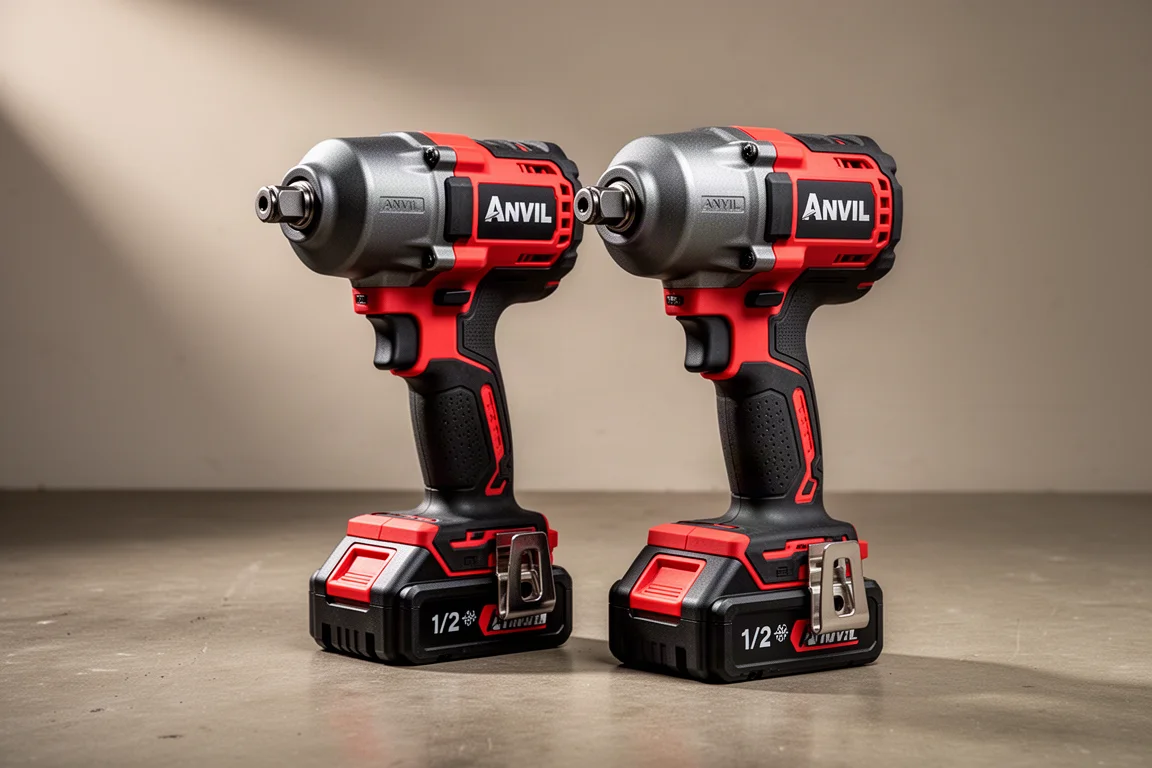
When two flagship 1/2” impact wrenches share almost identical specs on paper, the real difference shows up in your hands. That is exactly the case with the DeWalt DCF900 and the Milwaukee 2863-20. One is hard-hitting and aggressive, the other smooth and controlled, and neither is a clear winner for every job. Here is how they compare when put to work on genuinely tough fastening tasks.
Size and Handling
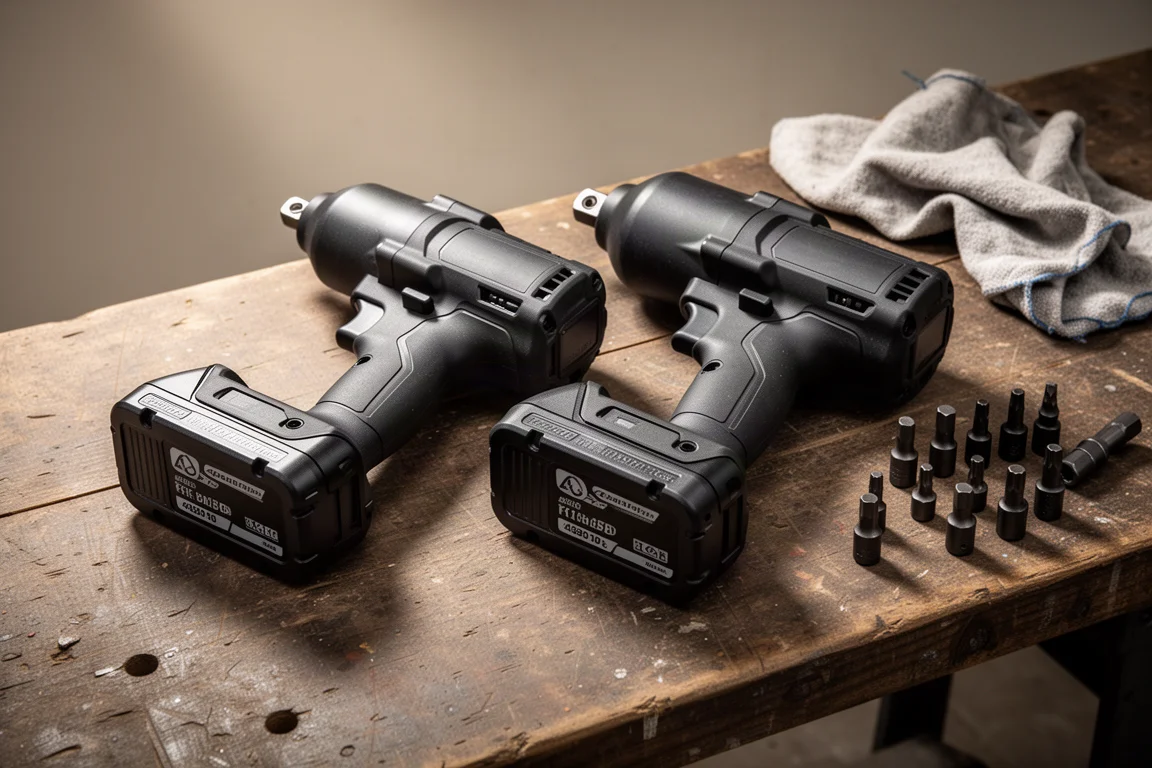
Physically, these two units are very close. The DeWalt is just a touch longer, while the Milwaukee is slightly more stubby and stout. In the situations where you need a tool this large, that small difference is unlikely to matter. Triggers on both are very easy to use, and both switch forward and reverse in the same straightforward way.
Modes and Controls
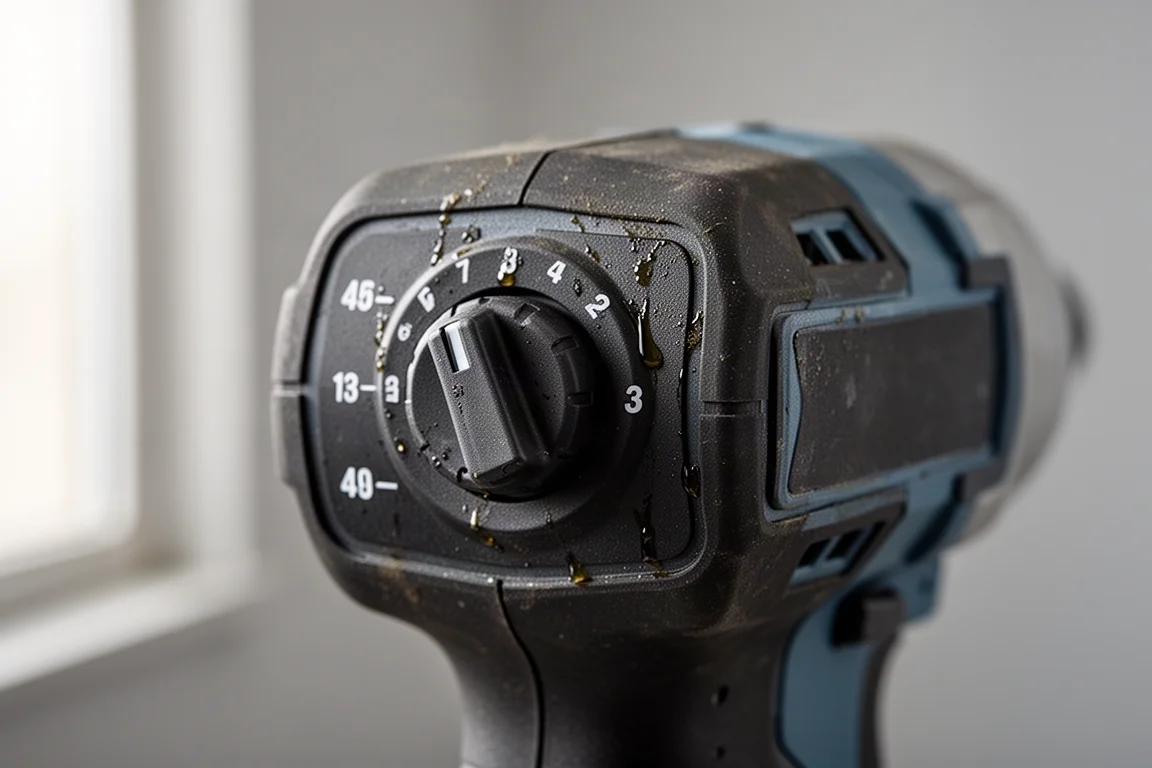
Both tools have mode systems, and honestly neither is perfect. The DeWalt modes are a little better to use: they are easy to cycle through, the light can be turned off easily, and there is a large number displayed at the bottom. The downside is that penetrating lubricant can start eating the rubber around the DeWalt’s controls, which is not ideal in a workshop environment.
The Milwaukee is simply harder to see outdoors, the mode button is small, the numbers are small, and it also does not get along with penetrating lubricant. The ideal tool would have a slide switch, something oil cannot reach, and larger markings you can read outside. These are small complaints, but they matter over a long day.
Real-World Torque Testing
On paper, both tools have very strong specs, and you would not be disappointed with either. By the numbers, the DeWalt is the more powerful of the two. But real-world use tells a more nuanced story.
Testing on large lug nuts on semi trailers, running through an adapter from 1/2” drive to 3/4” and out to a 1-5/16” socket, revealed a clear feel difference. The adapter setup reduces speed and power on both tools, and the socket had been slightly wallowed out from starting with the DeWalt. The DeWalt hits hard, and you can see and feel a lot of vibration and movement. That lost motion eats some power, and it can make it feel slower, even though the tool is doing real work. It ran well on a 5 amp hour battery and kept performing without issue even with larger packs.
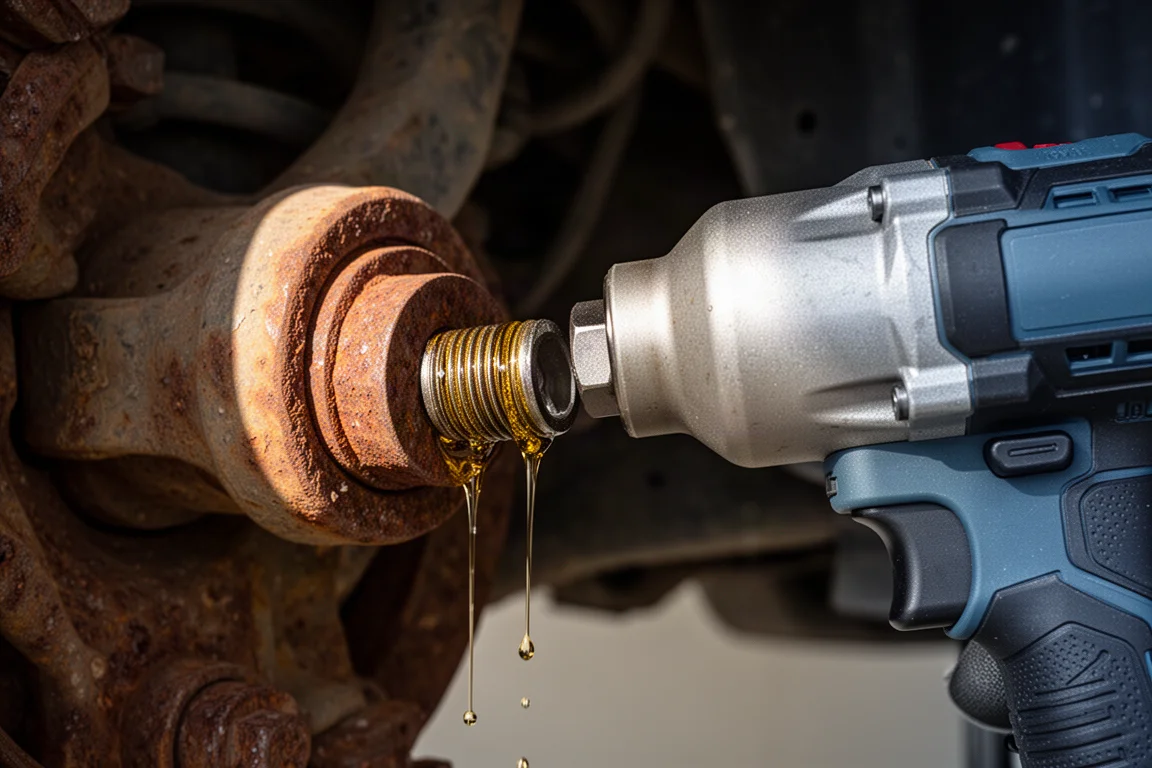
The Milwaukee, running a 6 amp hour battery, is noticeably smoother. Without all that movement and vibration between the sloppy socket and the adapter, it feels quicker, at least in feel. That does not mean it is more powerful; it simply delivers its power in a smoother, faster-hitting way. Covered in penetrating lubricant to protect the threads, it just glided through the job.
Comfort, Vibration and Socket Wear
The vibration difference is the key to this whole comparison. The DeWalt’s lower impacts per minute, slightly lower RPM, and harder hits under load combine into an intense feel that will take its toll on some impact-rated sockets over time. The Milwaukee simply does not do that. It hits a little faster and smoother, and that is where the perceived difference in power comes from: the DeWalt slows down to deliver nut-busting torque, while the Milwaukee keeps things comfortable.
Overall Buying Advice
If you are in the DeWalt battery platform and want something that will absolutely hammer through jobs, the DCF900 is a very good option, and the 5 amp hour batteries seem to do quite well with it. If you are in the Milwaukee line and you absolutely need the most powerful impact wrench available, the DeWalt is the one to add. But if you want something super smooth and easy to use, the Milwaukee takes it slightly, because there is less force coming back into your hands.
For a really rusty suspension bolt on a Michigan truck, the DeWalt is the pick: you want it to hammer on things and get the rust out of the way. For longer, larger jobs where comfort matters, the Milwaukee is easier on the hand. Neither is suited to semi-trailer lug duty as a daily routine for either tool, but both handled the test.
Conclusion
The DeWalt DCF900 is the king of power here, but not the king of comfort. The Milwaukee 2863-20 sacrifices a little raw power for a much smoother, more comfortable experience. Which one you pick up depends entirely on the job: raw hammering force or long-session comfort.
Product link
View more details for DeWalt DCF900 Impact Wrench
This product is mentioned in the review. Check the specifications, options, and compatibility before buying.
View more details for DeWalt DCF900 Impact WrenchFurther reading
Related Reviews

Power Tools
Best 1-Inch Pistol Impact Wrenches: Three Heavy-Duty Options Compared
We compare three 1-inch pistol impact wrenches, from a budget-friendly Harbor Freight model to a premium Caterpillar unit, to help you choose the right one.

Power Tools
Best 3/4-Inch Impact Wrenches 2026: Five Contenders Compared
We compare five 3/4-inch impact wrenches across price and performance, from a budget Amazon option to Snap-on's most powerful model yet.

Power Tools
Best Budget Cordless Tools 2026: Walmart Finds That Punch Above Their Price
We tested five cordless tools from Walmart, including a high-torque impact wrench that trades blows with Milwaukee and a $35 duster that outperforms its price class.