Power Tools
DeWalt DCF900 1/2-Inch Impact Wrench Review: A Hard-Hitting Torque Monster
With up to 1,400 ft-lb of nut-busting torque, the DeWalt DCF900 is built for the most stubborn fasteners. Here is where it shines and where it asks for compromise.
Introduction
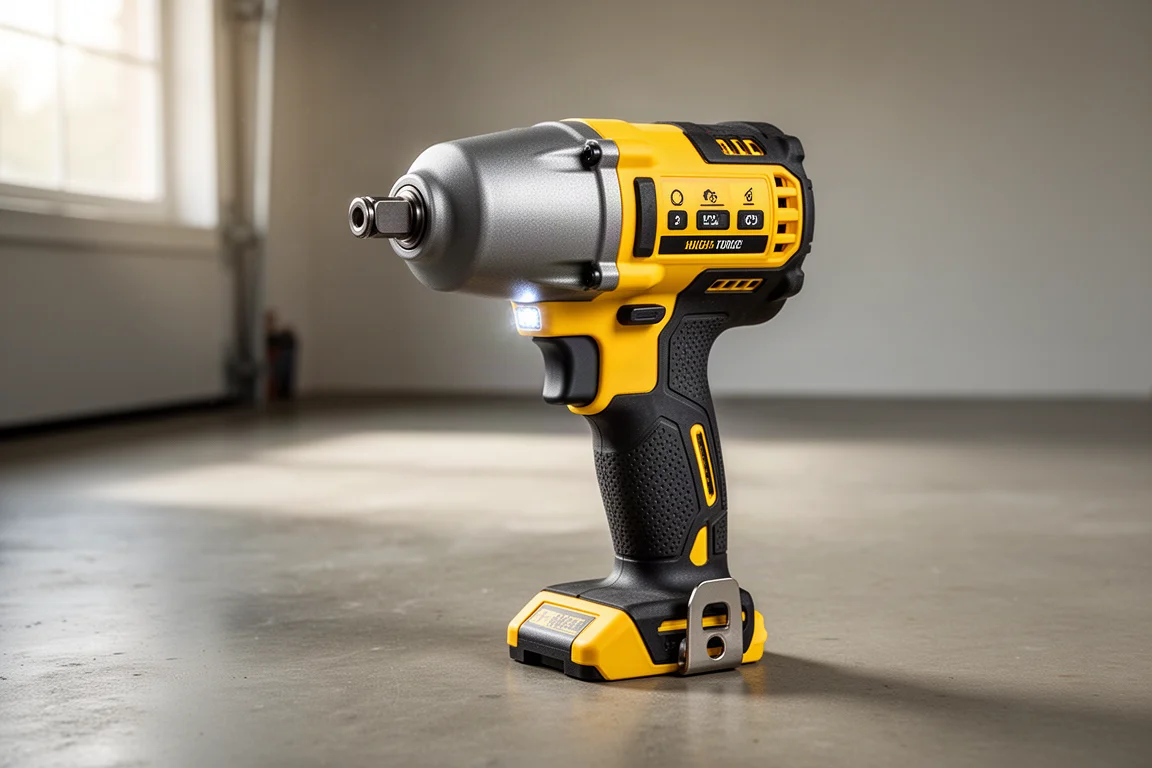
The DeWalt DCF900 1/2-inch impact wrench makes one thing clear from the first pull of the trigger: this is a tool built around brute torque. With a claimed 1,400 ft-lb of nut-busting torque for removing fasteners and up to 1,900 ft-lb in fastening applications, it sits firmly in the hard-hitting, high-torque class of cordless impact wrenches. It is a lot of tool, and it behaves like one.
This review covers how it performs on everything from car lug nuts to heavy-duty semi-truck wheel nuts, what its controls are like to live with, and the one practical trade-off you should know about before buying.
Design and Build
The DCF900 measures 8.1 inches long and weighs 6.4 pounds, so it is a substantial tool rather than a compact one. The grip follows DeWalt’s familiar ergonomic pattern and feels comfortable in hand, and the forward-reverse switch includes a lockout in the center position. At the base, DeWalt includes a vibration-dampening area designed to keep shocks from reaching the battery.
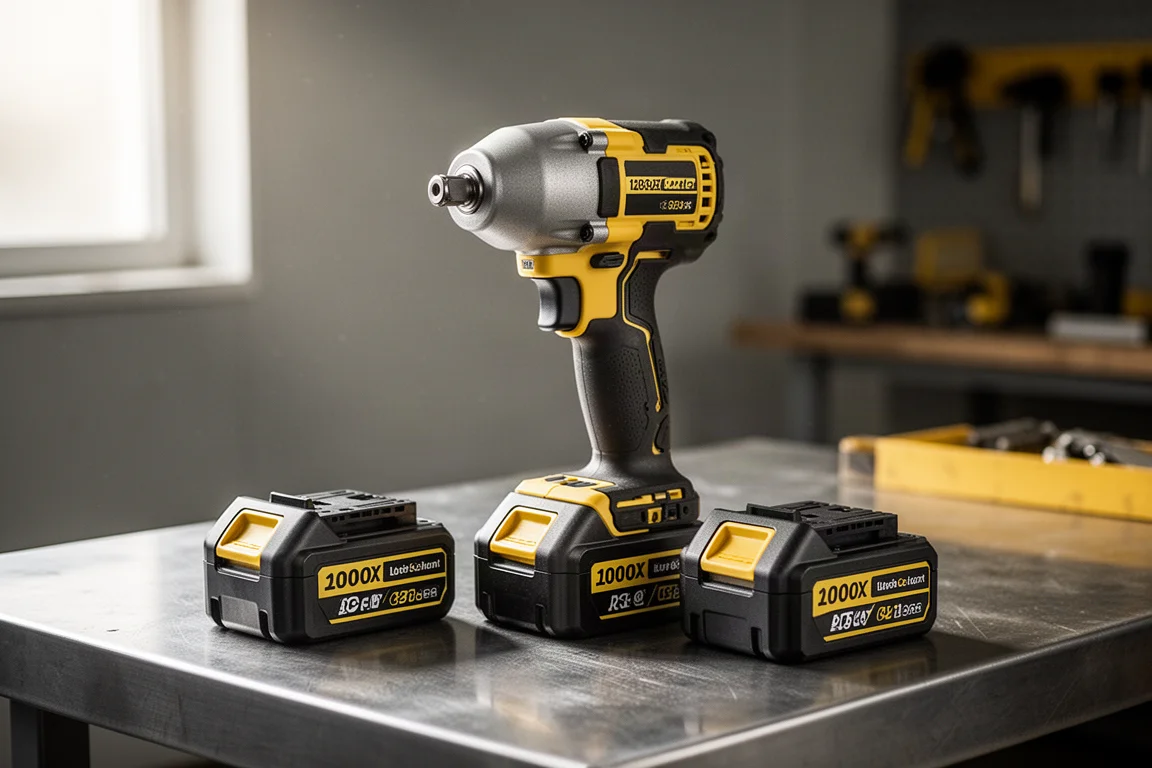
The test unit came in a kit with two 5 amp hour oil-resistant batteries, a thoughtful pairing for anyone who regularly works around penetrating oils and lubricants. That oil resistance matters more than it sounds, as we will see shortly.
Modes and Controls
DeWalt offers three speed levels plus a dedicated Precision Fastener mode, which starts slowly and ramps up both the impacting rate and RPM, and it does so in both forward and reverse. Speed level one tops out around 100 ft-lbs, level two around 600 ft-lbs, and level three around 1,000 ft-lbs of fastening torque.
There is a lot to like here, but two design choices niggle. First, the mode indicator lights are hard to read when the built-in LED work light is on, especially outdoors in bright conditions. Second, the electronic control section on the tool body does not tolerate penetrating lubricants well: the markings were already peeling after contact with penetrating oil, and the controls became unhappy when wet. The mode switch that DeWalt keeps lower on the tool, by contrast, has never had issues with oil and grime. The variable speed trigger, on the other hand, is excellent and gives you genuinely fine control at low speeds.
Real-World Torque Performance
On a tire rotation for a standard car, the DCF900 is honestly more tool than the job needs. At around 129 ft-lb of lug nut torque, it clicks them off like nothing, though its weight makes it tiring work compared with a smaller mid-torque wrench. What impressed more was installation: on speed level one the trigger ramps up gradually, letting lug nuts get snug without excessive hammering, after which a torque wrench confirmed the final spec. That level of control is a real strength.
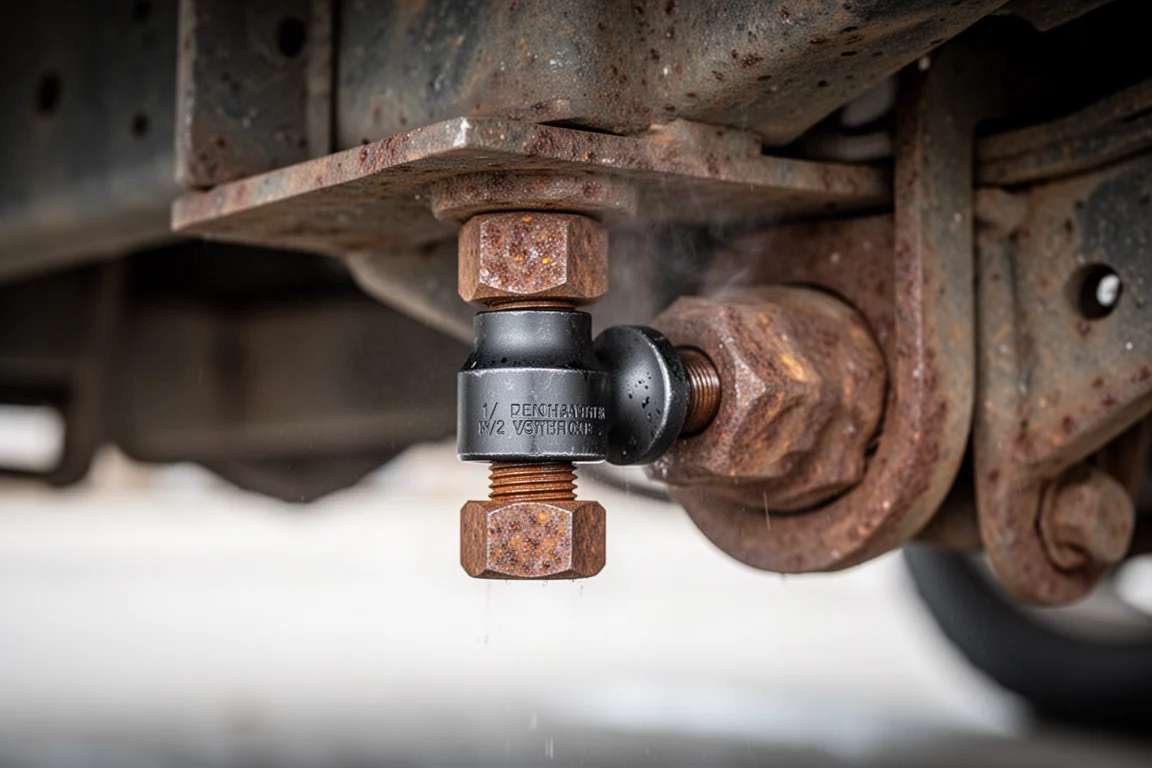
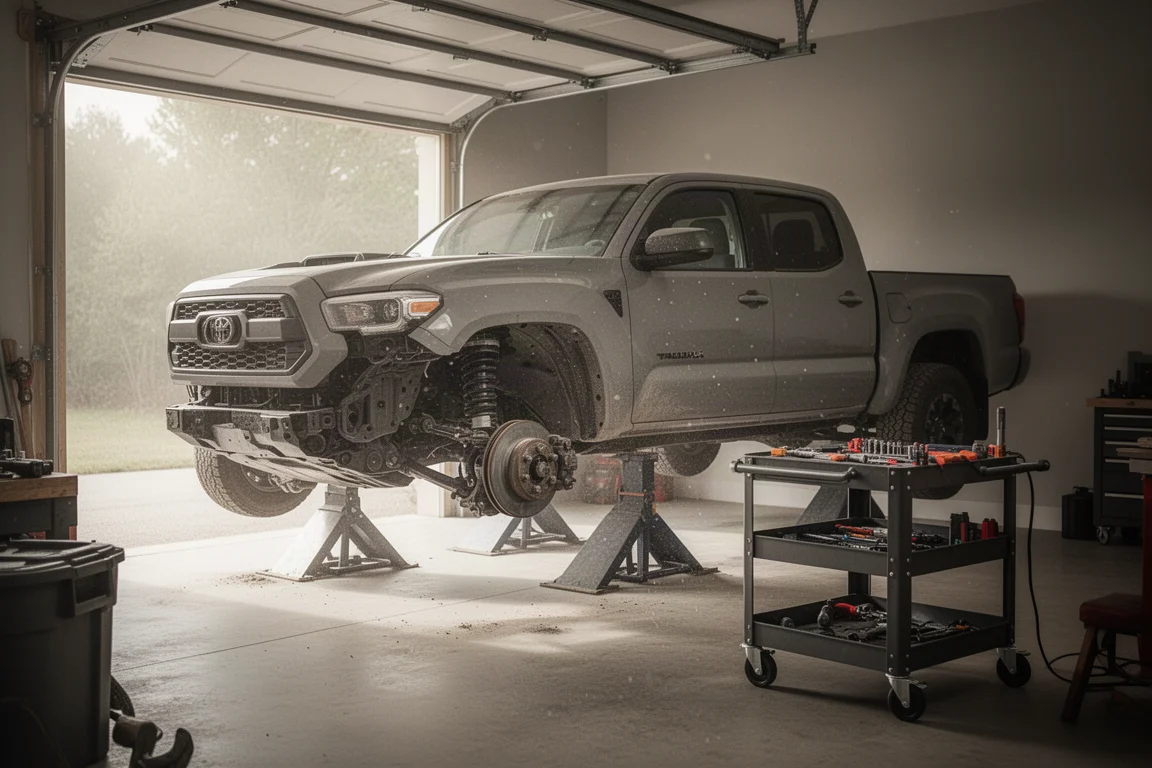
Where the tool earns its keep is on genuinely stubborn hardware. Testing on semi-truck wheel nuts fastened extremely tight by a 1-inch pneumatic impact wrench, the DCF900 ran at 2,300 RPM and 2,200 impacts per minute and had very little issue breaking them loose, even through a chrome adapter to a 3/4-inch drive socket setup that added vibration. As a stubborn-fastener removal tool for suspension work, lift kits, and very rusty trucks, it goes after just about anything.
Socket Wear: The Trade-Off for Power
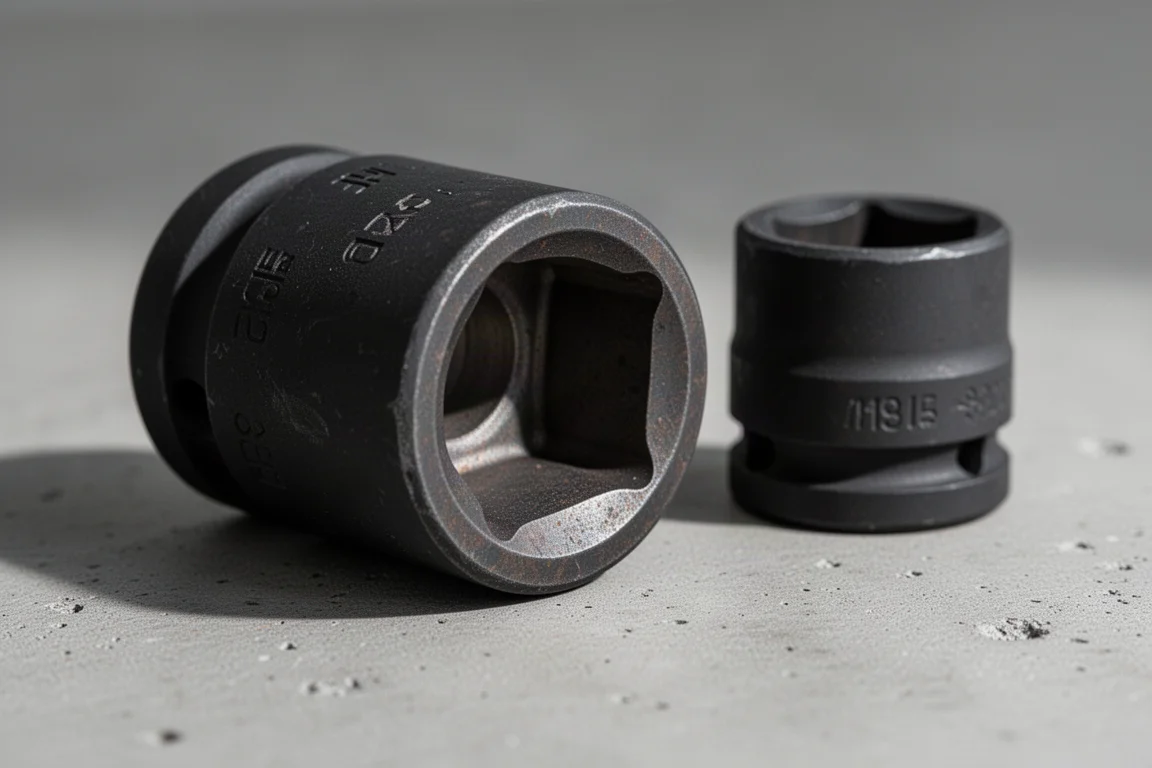
Here is the catch. The DCF900 hits hard enough to wallow out the drive section on the back of impact sockets, especially softer ones. During testing, the drive square on an impact-rated socket visibly loosened up, and even 1/2-inch drive sockets in the shop started feeling sloppy after heavy use. This is not something you see with air tools, but it does show up with very hard-hitting cordless models.
The practical takeaway: pick and choose which impact-rated sockets you use with this tool, favor ones made from appropriately durable material, and lean on warranty replacements where available. It is part of the deal if you want this much torque.
Who Should Buy It
The DCF900 is not an everyday driver. For routine tire rotations or semi-truck lug work done daily, a smaller mid-torque impact wrench or a dedicated 1-inch tool, cordless or pneumatic, will be faster and far easier on your hands. This is a specialty instrument: reach for it when a fastener refuses to come out, when you are tackling truck suspension or a lift kit on a rusty pickup, and be thrilled that it gets through just about anything. For everything else, keep a lighter wrench nearby.
Buying Advice
If you regularly face seized, rusted, or over-torqued fasteners, the DeWalt DCF900 is easy to recommend. The oil-resistant battery kit is a smart match for corrosion-focused work, the LED work light doubles as a useful work light, and the precision ramp-up on level one makes careful reinstallation possible even on a tool this powerful. Just budget for socket wear, keep the electronic control panel away from penetrating lubricants, and pair it with a smaller impact wrench for daily use.
Conclusion
The DeWalt DCF900 is a torque monster with a clear personality: unbeatable as a stubborn-fastener breaker, a bit heavy and overkill for routine jobs, and hard enough on sockets that you will want to manage them deliberately. If its power profile matches your work, it is one of the most capable 1/2-inch cordless impact wrenches available.
Product link
View more details for DeWalt DCF900 1/2-Inch Impact Wrench
This product is mentioned in the review. Check the specifications, options, and compatibility before buying.
View more details for DeWalt DCF900 1/2-Inch Impact WrenchFurther reading
Related Reviews
Power Tools
Best 1-Inch Pistol Impact Wrenches: Three Heavy-Duty Options Compared
We compare three 1-inch pistol impact wrenches, from a budget-friendly Harbor Freight model to a premium Caterpillar unit, to help you choose the right one.
Power Tools
Best 3/4-Inch Impact Wrenches 2026: Five Contenders Compared
We compare five 3/4-inch impact wrenches across price and performance, from a budget Amazon option to Snap-on's most powerful model yet.
Power Tools
Best Budget Cordless Tools 2026: Walmart Finds That Punch Above Their Price
We tested five cordless tools from Walmart, including a high-torque impact wrench that trades blows with Milwaukee and a $35 duster that outperforms its price class.