Power Tools
Mid-Torque Impact Wrench Showdown: DeWalt DCF894 vs Milwaukee 2962 vs Craftsman V20
Three 18/20V mid-torque impact wrenches tested head to head, with dyno results, size trade-offs, and value analysis for garage and jobsite buyers.
Introduction
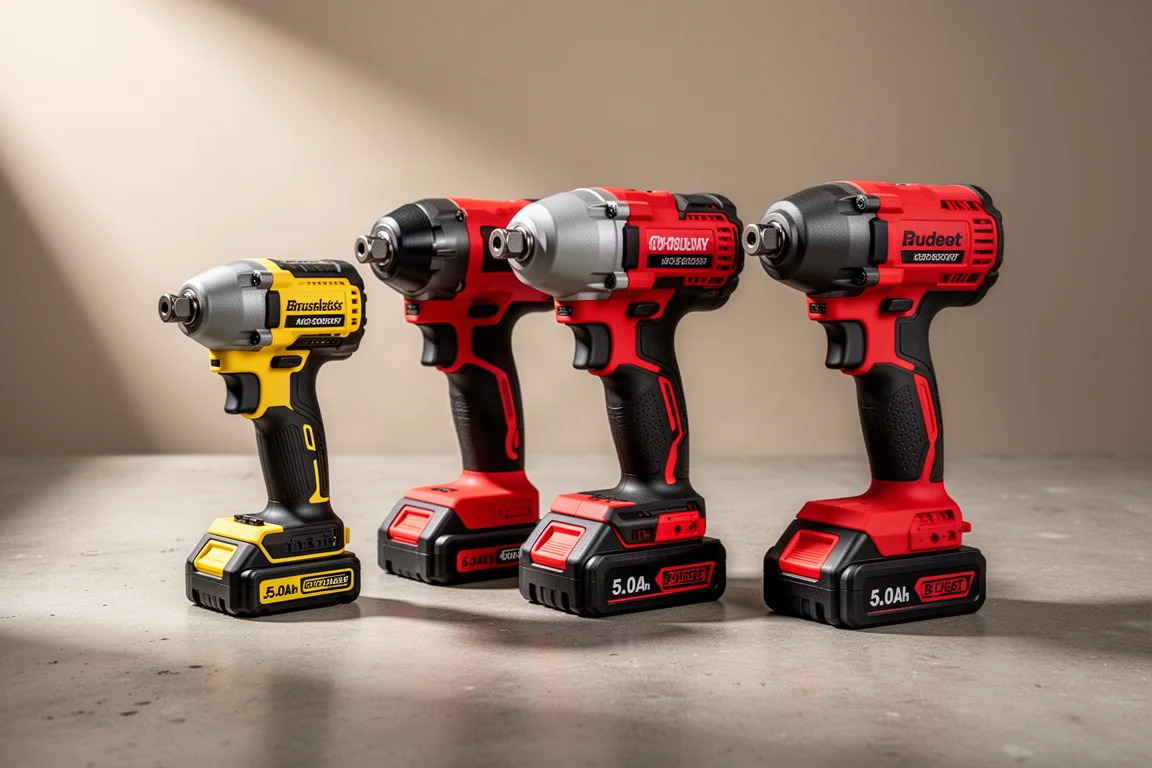
Mid-torque impact wrenches occupy a sweet spot: enough power for most automotive fasteners, but short and light enough to use all day without wrist fatigue. Three models dominate the conversation for anyone shopping this class right now: the DeWalt DCF894, the Milwaukee M18 2962 Gen 2, and the Craftsman V20 mid-torque. The DeWalt in particular is easy to overlook on paper, since its 330 ft-lbs fastening torque spec looks modest next to Milwaukee’s 550 ft-lbs claim. But real-world dyno testing tells a more interesting story, and it shows why conservative factory ratings can work in your favor.
How We Compared the Three
The comparison relies on three repeatable tests: a five-second forward burst, a reverse breakaway run (the real test of nut-busting ability), and a best-case 15-second run in whichever direction the tool performs best. Reverse output is where an impact wrench goes from useful to necessary, since unsticking corroded fasteners is the job most buyers actually care about.
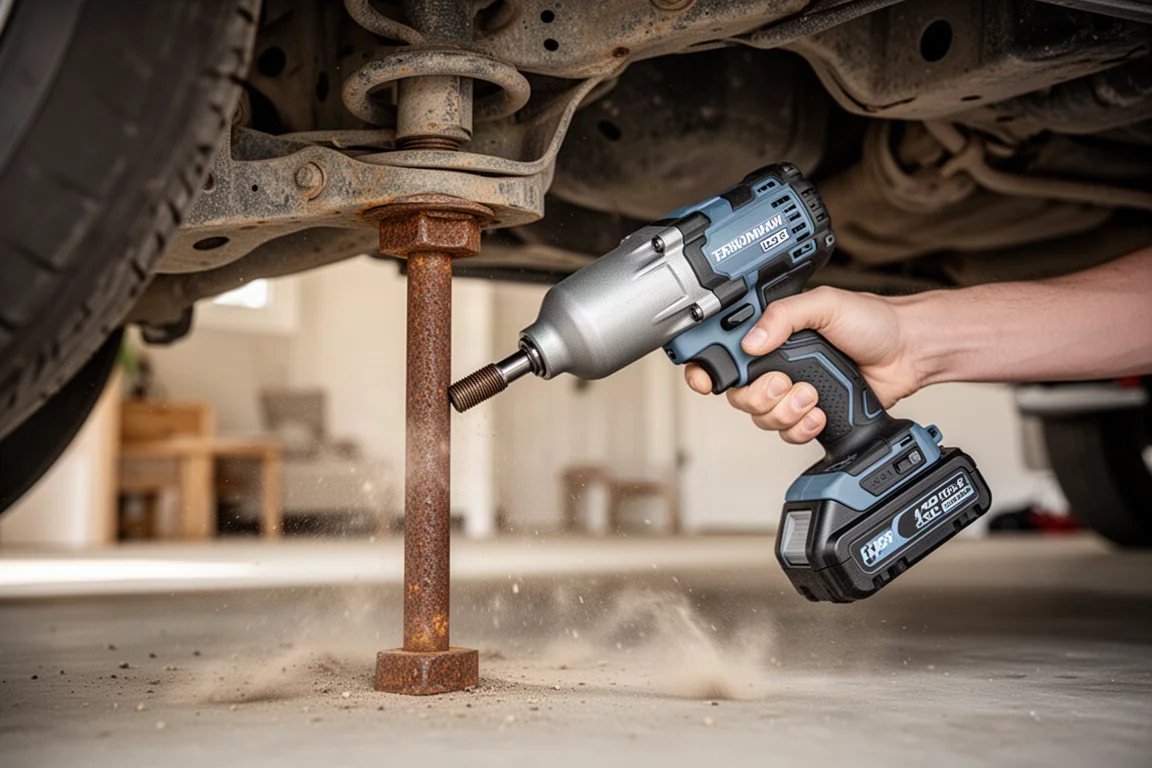
One consistent theme emerged: both DeWalt and Craftsman models undersell their own specs. The DeWalt exceeded its 330 ft-lbs rating even in its best run with a standard battery, and the Craftsman surpassed its 275 ft-lbs claim as well. Milwaukee’s numbers, by contrast, tend to be stated more aggressively, so the headline gap between brands is smaller than the spec sheets suggest.
Size, Weight, and Everyday Handling
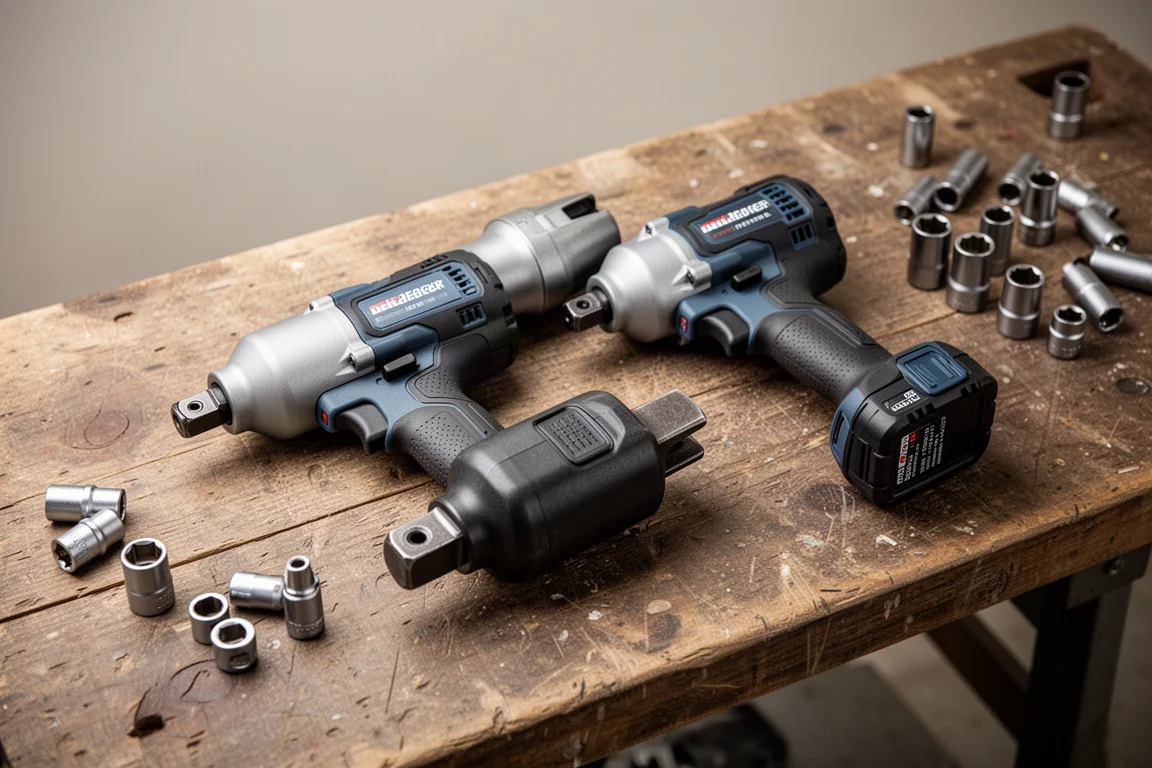
Age shows here. The DCF894 is a 2017 design, and while its competitors have gotten shorter and stronger with each generation, the DeWalt still measures about 7 inches long and weighs roughly 3.5 pounds. The Milwaukee Gen 2 sits closer to 6 inches. The Craftsman is nearly identical to the DeWalt in every measurable way: 7 inches long, 3.52 pounds versus 3.5, and a power curve so similar that the two tools compare with each other like no other two tools in this class.
That similarity is not a coincidence. Craftsman is owned by the same parent company as DeWalt, and the evidence strongly suggests the Craftsman is essentially the same tool in a different body, tuned slightly toward forward torque while the DeWalt leans a touch more to reverse. The practical takeaway: if performance is interchangeable, the decision mostly comes down to price and battery ecosystem.
Performance Results
In the five-second forward test, Milwaukee came out hard, with the DeWalt at 229 ft-lbs and the Craftsman close behind. In reverse, the DeWalt hit 347 ft-lbs, edging past the Craftsman’s 330, though neither touched the Milwaukee Gen 2. In the 15-second best-case run, both Stanley Black & Decker tools picked up very little over their 10-second numbers, a behavior also seen with DeWalt’s high-torque models, while Milwaukee kept climbing.
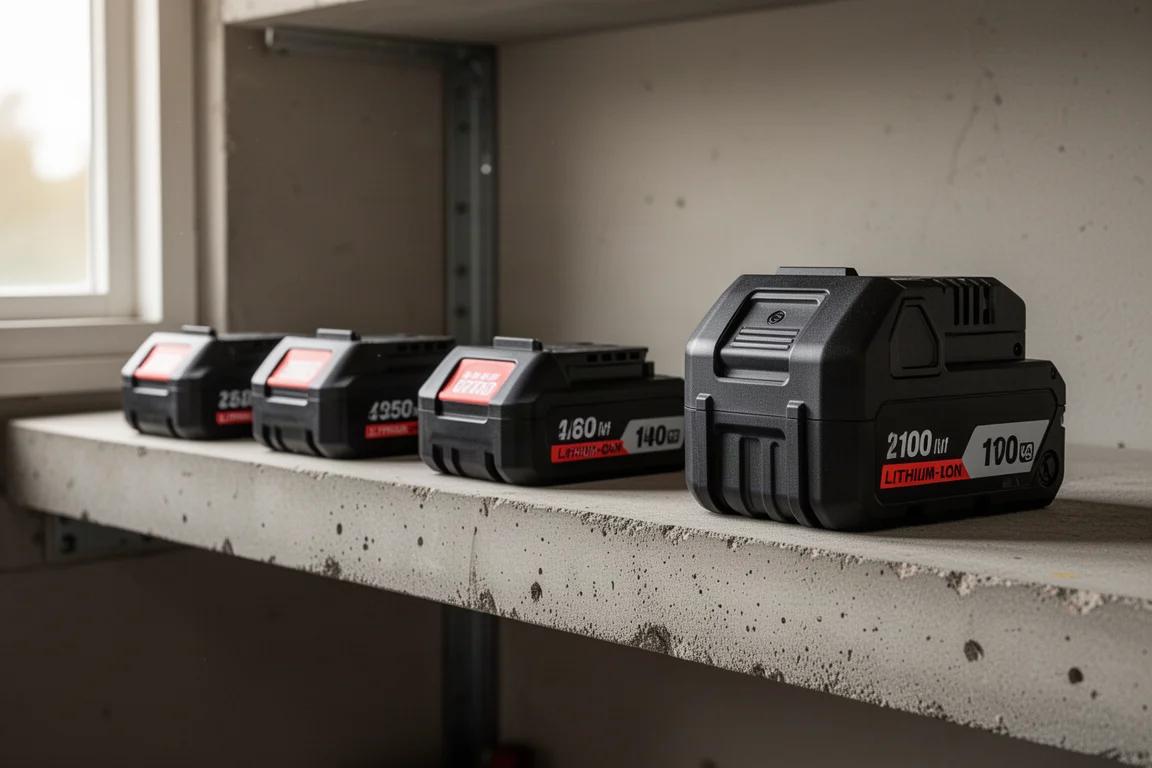
The gap narrows considerably with bigger batteries. With a 6.0Ah DeWalt XR pack (built on 21700 cells like the Samsung 30T) against Milwaukee’s 6.0Ah XC pack, the DeWalt closed most of the distance to the Milwaukee and pulled well clear of the Craftsman, besting it out of the gate on every run. On average power across the run, the DeWalt with the 6.0Ah battery reached 326 ft-lbs, placing it fourth in the mid-torque power ranking, without that pack it manages 276 ft-lbs, just above the Craftsman.
Two honest caveats. The DeWalt showed noticeable run-to-run variance depending on how it was held, occasionally stalling mid-progress, which is uncommon (roughly one in twenty tools tested). And in the overall ranking, the DeWalt landed fifth, just below the Craftsman, which delivers near-identical performance for less money.
Value and Battery Ecosystem
At $149, the DCF894 has benefited from price erosion, while the Milwaukee 2962 is hard to find for under $219 even a year after release, sales and battery bundle deals being roughly equal between brands. The Craftsman undercuts both at $119. But DeWalt’s ecosystem is a genuine advantage over Craftsman: high-capacity flexible packs and XR batteries with 21700 cells deliver measurably better output than the Craftsman’s 18650-based 9.0Ah option, and DeWalt batteries are far more likely to already be in your collection.
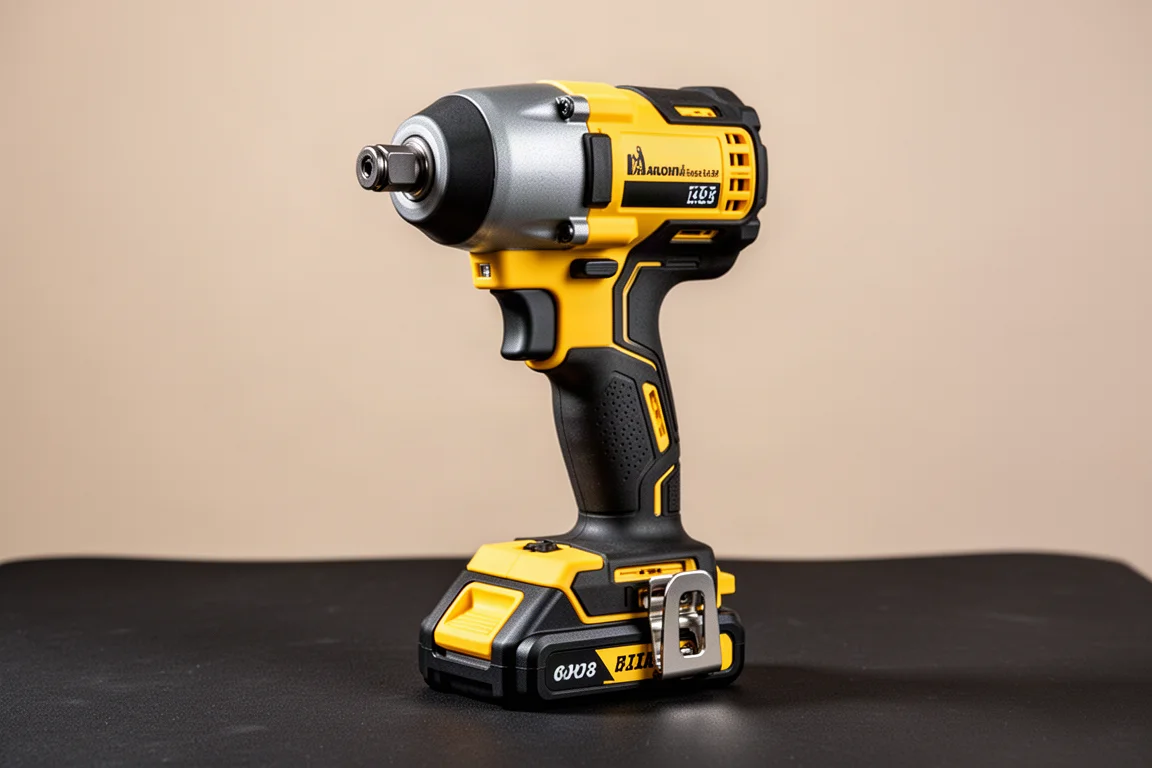
The Milwaukee 2962 is the outright performer. Its Gen 2 design is shorter, harder-hitting, and held first place in average power ranking when paired with a high-output 12.0Ah pack. If you are already invested in M18 batteries and want the strongest mid-torque available, nothing here changes that recommendation.
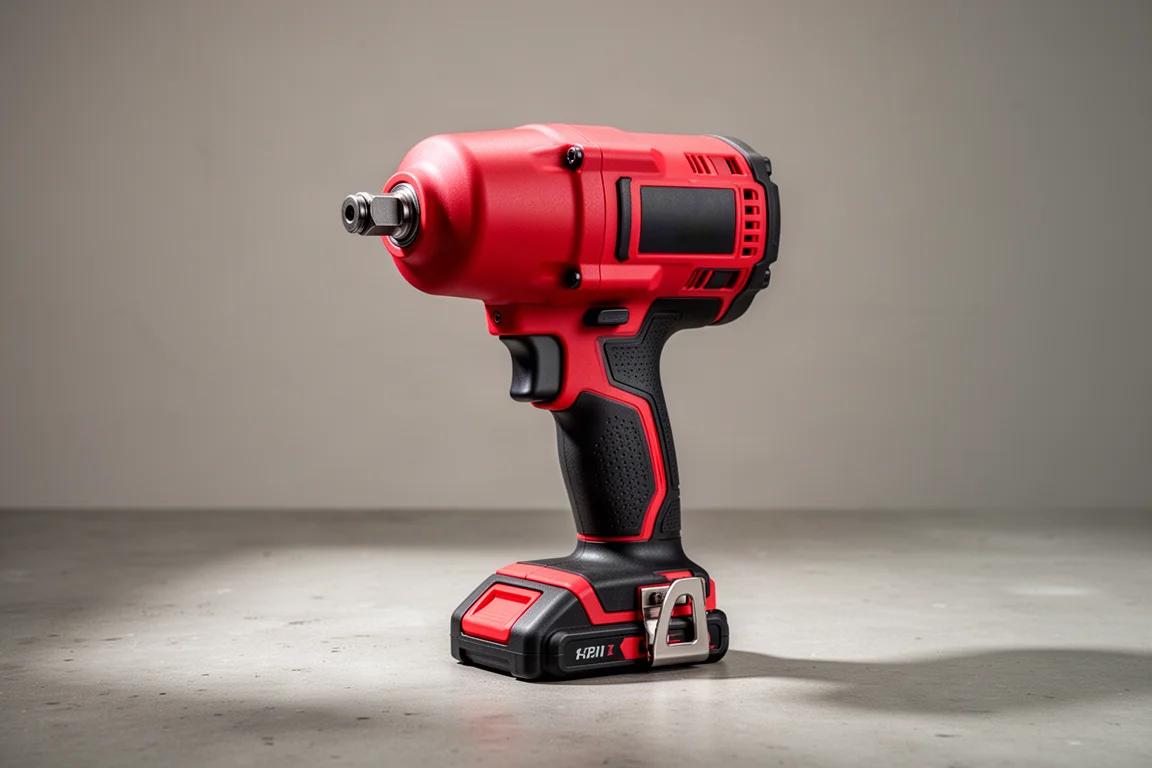
The Craftsman V20 mid-torque remains the value play. It matches the DeWalt’s size, weight, and nearly all of its power, and it costs $30 less. Its downside is the battery ecosystem, which is less universally useful than DeWalt’s.
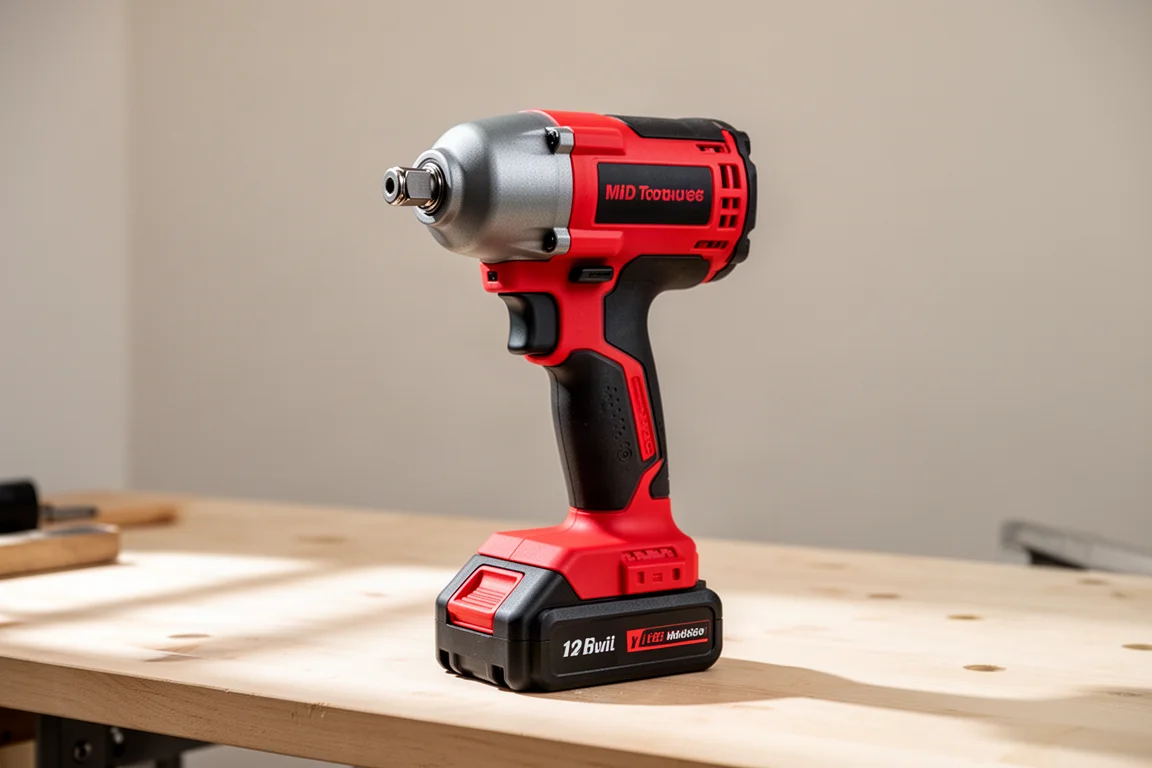
Buying Advice: Which One Should You Get
If you already own DeWalt batteries and chargers, the DCF894 at $149 is close to a no-brainer: it outperforms its specs, beats its Craftsman sibling when fed a good battery, and competes respectably with a Milwaukee designed generations later. It will not take down a Milwaukee 2962 of similar size, but it does not need to at this price.
If maximum power is the priority and budget is flexible, the Milwaukee 2962 is the class leader. If price is the priority and you can live with the V20 battery system, the Craftsman delivers nearly identical hardware for less.
Conclusion
The DeWalt DCF894 is a reminder that spec sheets age faster than tools do. A conservative rating, a slightly dated design, and aggressive pricing have combined to make it one of the better value propositions in the mid-torque category, provided your battery collection is already yellow. Milwaukee still owns the performance crown, and Craftsman owns the budget end, but the DCF894 earns its place in the middle of the conversation.
Further reading
Related Reviews
Power Tools
Best 1-Inch Pistol Impact Wrenches: Three Heavy-Duty Options Compared
We compare three 1-inch pistol impact wrenches, from a budget-friendly Harbor Freight model to a premium Caterpillar unit, to help you choose the right one.
Power Tools
Best 3/4-Inch Impact Wrenches 2026: Five Contenders Compared
We compare five 3/4-inch impact wrenches across price and performance, from a budget Amazon option to Snap-on's most powerful model yet.
Power Tools
Best Budget Cordless Tools 2026: Walmart Finds That Punch Above Their Price
We tested five cordless tools from Walmart, including a high-torque impact wrench that trades blows with Milwaukee and a $35 duster that outperforms its price class.