Power Tools
DeWalt DCF891 Mid Torque: A New Benchmark Against Milwaukee and Makita
The DeWalt DCF891 posts numbers no other 20V mid torque has touched, but it faces stiff competition from the DCF894, Milwaukee M18, and Makita XGT 40V. Here is how they compare.
Introduction
New mid-torque impact wrenches usually arrive with incremental gains: a bit more torque, a slightly shorter body. The DeWalt DCF891 is different. It claims 600 foot-pounds of tightening torque and 800 foot-pounds of bolt breakaway, figures that look more like a high torque spec sheet than a mid torque one. At $229 bare, it is only $10 above the competing Milwaukee M18 mid torque, which makes the numbers even harder to ignore.
How We Looked at These Tools
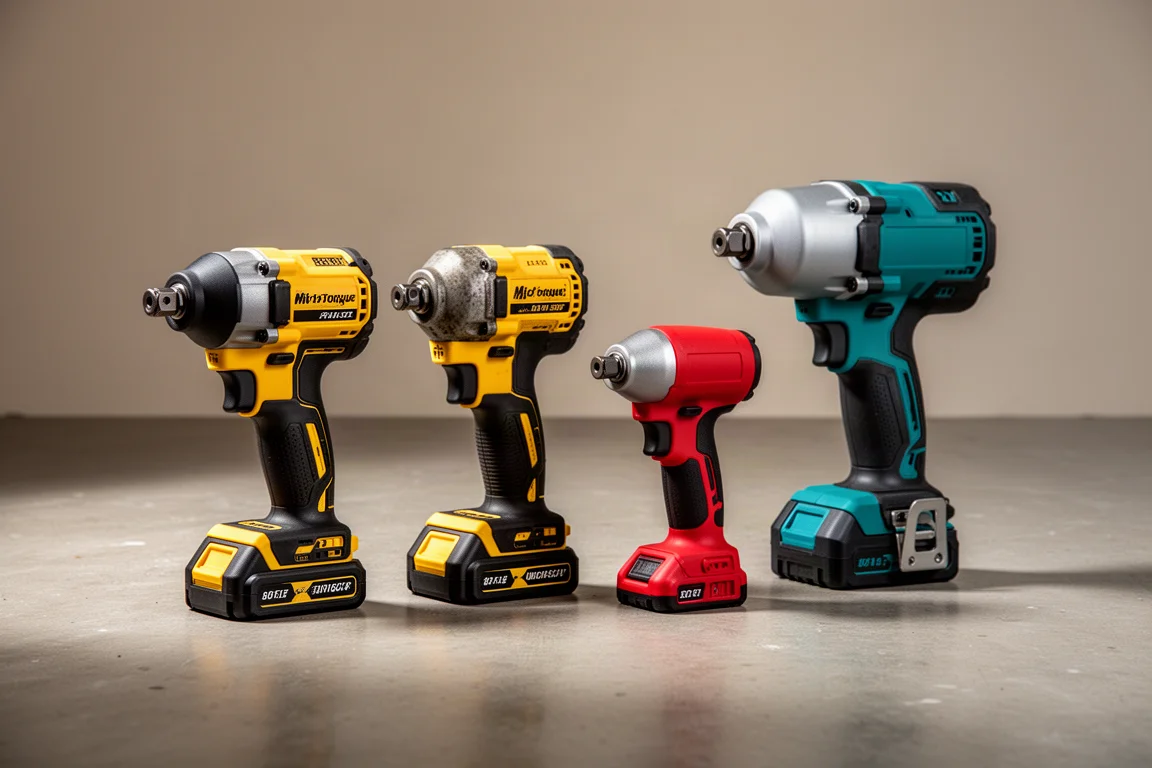
The comparison covers four 20V-class and 40V-class mid-torque impact wrenches: the new DeWalt DCF891, the DeWalt DCF894 it replaces, the Milwaukee M18 mid torque, and the Makita XGT 40V mid torque. The key metrics were working torque over a five-second run, max torque over a ten-second reverse run, weight, length, and price.
DeWalt DCF891: The New Benchmark
On the dyno, the DCF891 produced 443 foot-pounds in a five-second forward working torque test, then 470 foot-pounds in the ten-second reverse test, with a best-case run reaching 568. It finished atop the mid-torque rankings with a total score of 394 and an average power figure of 479, and it is the first mid torque to earn a wrist-breaking ergonomics score of 5 out of 10, the same as a Flex high torque. At 6.9 inches long and 5.15 pounds with the battery attached, it is heavier and longer than the shortest rivals, but its foot-pounds per inch sets a category record. One caveat: DeWalt tools, including this one, are among the least consistent power makers on the dyno, with results shifting depending on how the tool is held during a run.

DeWalt DCF894: The Model It Replaces
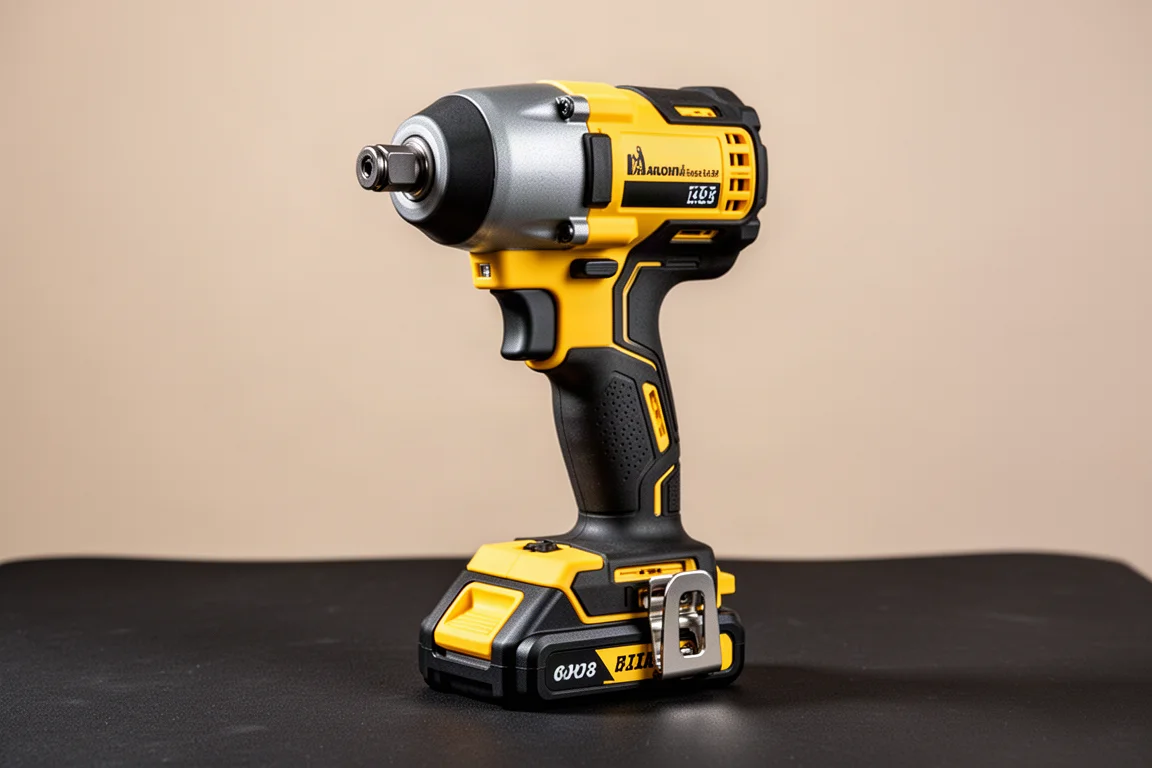
The DCF894 is rated at 330 foot-pounds and is not an old tool, yet it has been passed up by Milwaukee, Makita, and even lower-priced brands since its release. The two DeWalt models look nearly identical, which creates a real in-store confusion problem: it is easy to walk past the DCF891 thinking it is the older DCF894. If you find the DCF894 discounted, it remains a competent gun, but the DCF891’s claimed 600 versus 330 foot-pounds is a leap, not a refresh.
Design and Features: What Has Changed
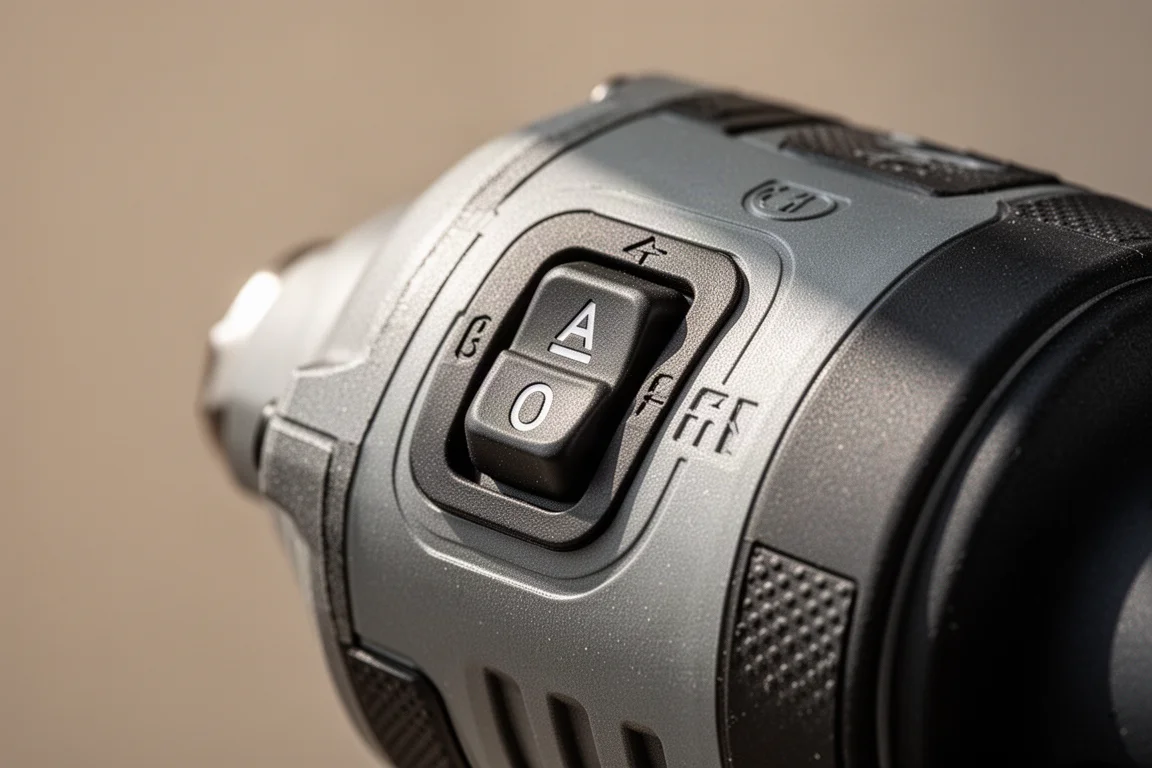
The main visible differences between the DCF891 and DCF894 are new buttons in place of switches, which work well, and torque ratings printed on the tool beside each mode, a welcome touch. Mode 1 is rated for 100 foot-pounds and reliably stays under that for lug nut installation. Mode 2 should be 300 foot-pounds but only reached 180 on test, so treat it as a low mode rather than a true three-times step. Precision wrench mode runs something in until snug and then lets off, working as it does on DeWalt’s newest Atomic tools. The tool is assembled in the US with global materials, and its body is built from injection-molded nylon.
How the Rivals Stack Up
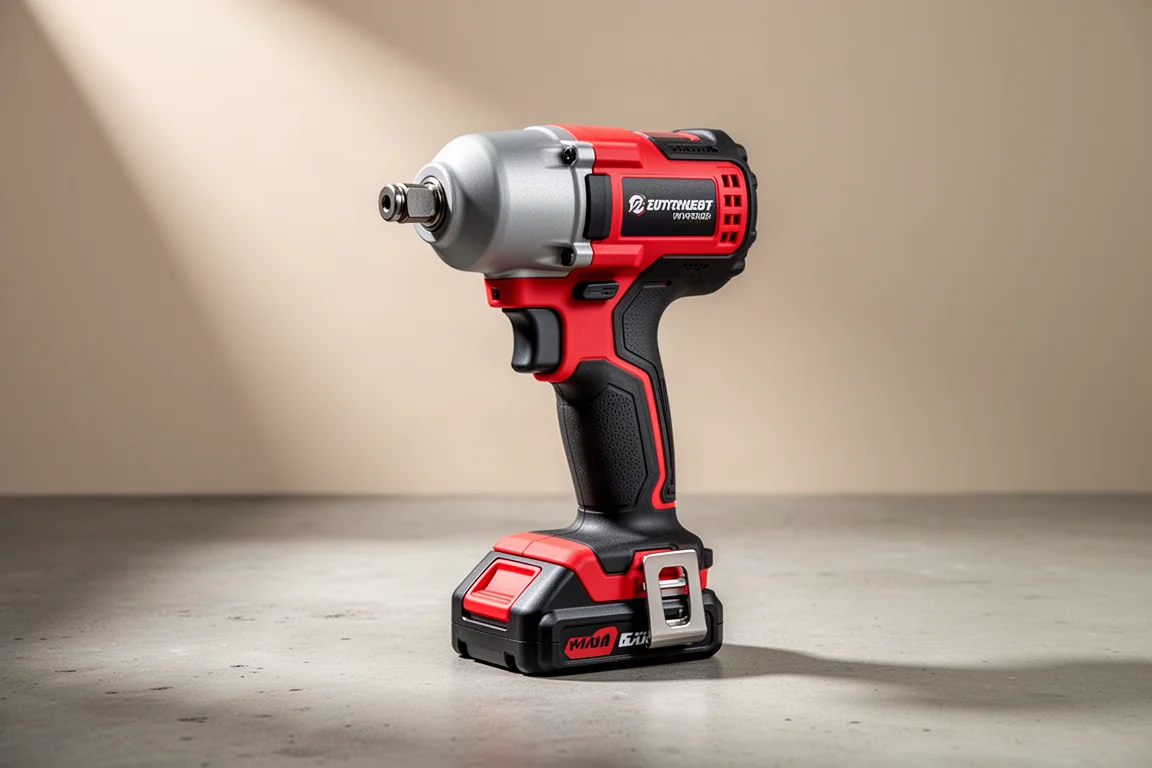
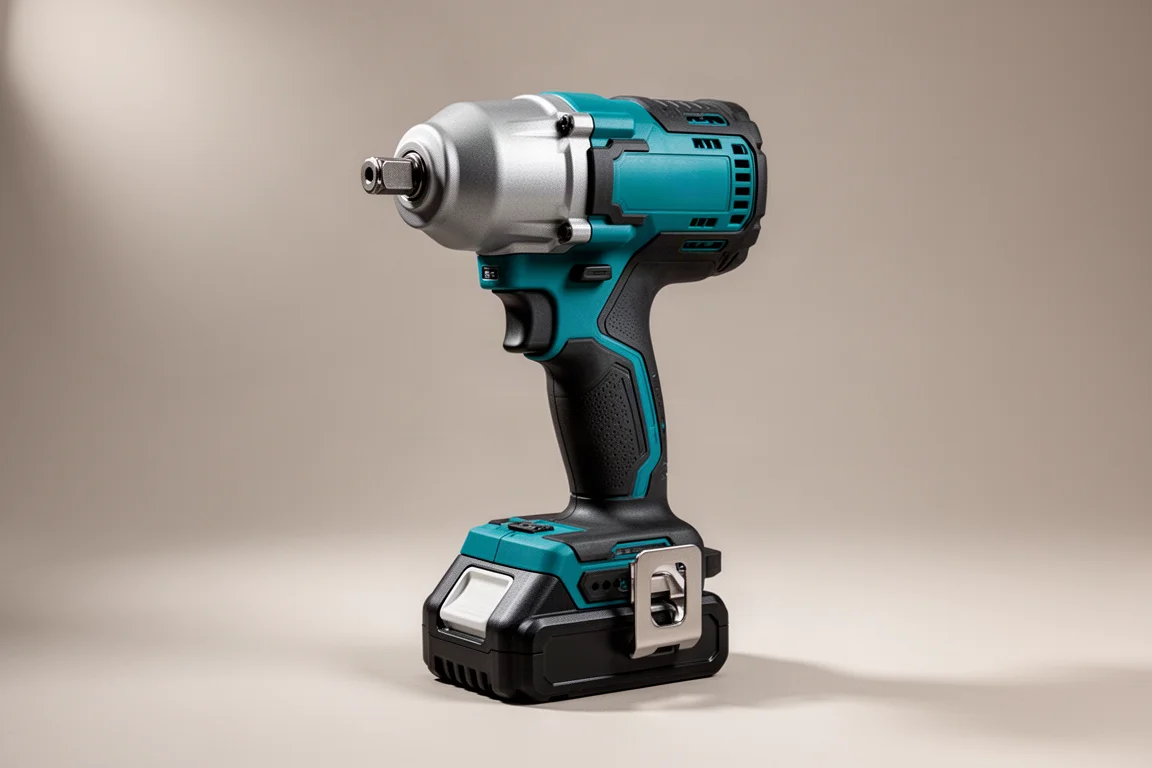
The Milwaukee M18 mid torque made the highest peak numbers in 3/8 drive testing, measures just six inches long as a category record, and weighs about the same as the DeWalt with a battery attached. With an HD 12.0 pack it closed much of the gap in best-case runs, reaching 518. The Makita XGT 40V mid torque advertises 560 and 810 foot-pounds and has been the top performer previously seen, especially strong in reverse runs, but it costs $350 bare. Makita’s strategy has been that owning this chunkier mid torque may remove the need for a high torque, though its size and weight meant it was not the everyday pick.
Buying Advice
If you work on cars sometimes or even every weekend, the DCF891 may genuinely remove the need to buy a high torque wrench, which is a meaningful cost saving. It is no heavier with a battery than the Milwaukee M18, and it packs far more power into a similar footprint. If you already own DeWalt 20V XR batteries, the value proposition improves further.

If you prefer the shortest possible tool and a proven track record, the Milwaukee M18 remains the compact pick. If you want strong reverse performance and a larger battery platform, the Makita XGT 40V earns its higher price for those already committed to that system. And if you find the DCF894 at a steep discount and do not need the extra power, it is still a sensible budget-oriented choice.
Conclusion
The DeWalt DCF891 is a giant leap in the cordless mid-torque category, and it is hard to see another mid torque taking its top ranking spot for quite a while. The trade-offs are real: a familiar design that does not advertise its new power, slightly long proportions, and inconsistent numbers depending on grip. But on pure performance per dollar, it currently sits alone at the top of this class.
Further reading
Related Reviews

Power Tools
Best 1-Inch Pistol Impact Wrenches: Three Heavy-Duty Options Compared
We compare three 1-inch pistol impact wrenches, from a budget-friendly Harbor Freight model to a premium Caterpillar unit, to help you choose the right one.

Power Tools
Best 3/4-Inch Impact Wrenches 2026: Five Contenders Compared
We compare five 3/4-inch impact wrenches across price and performance, from a budget Amazon option to Snap-on's most powerful model yet.

Power Tools
Best Budget Cordless Tools 2026: Walmart Finds That Punch Above Their Price
We tested five cordless tools from Walmart, including a high-torque impact wrench that trades blows with Milwaukee and a $35 duster that outperforms its price class.