Power Tools
DeWalt DCF870 vs Milwaukee M18 Surge: Quiet Impact Driver Showdown
DeWalt's first hydraulic impact driver takes on the Milwaukee M18 Surge in sound level, torque, driving speed, vibration, and size. One result surprised everyone.
Introduction
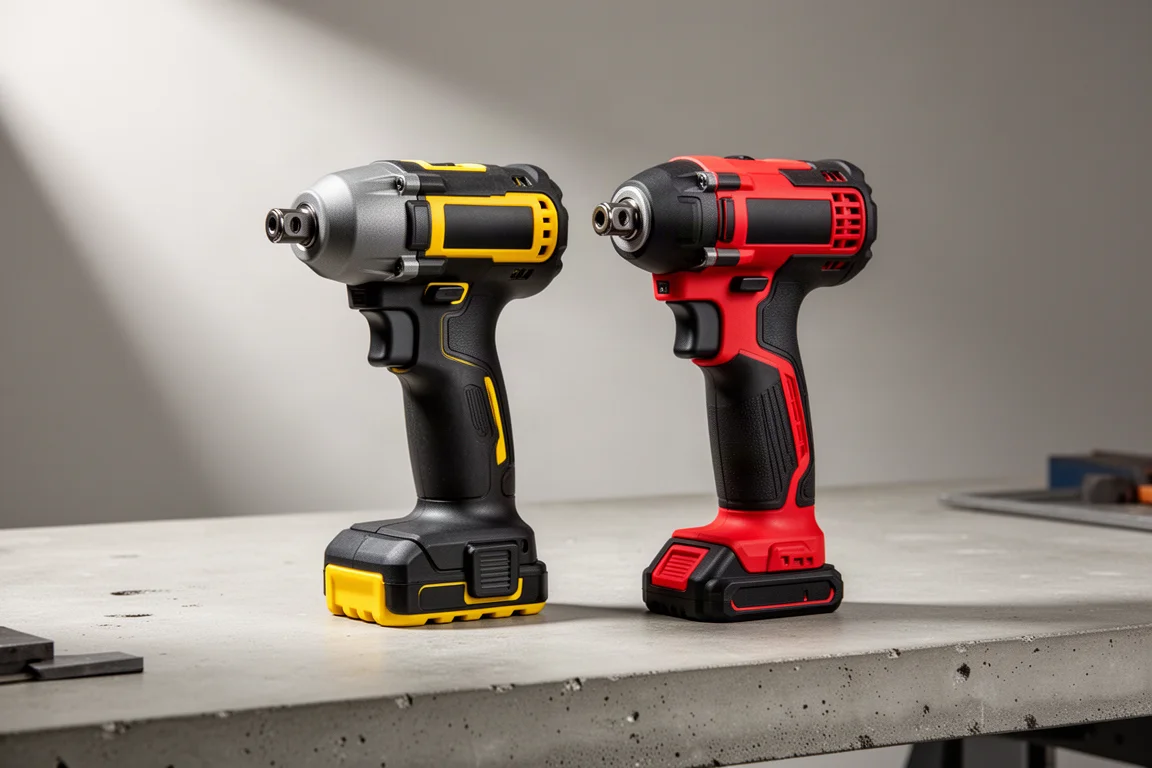
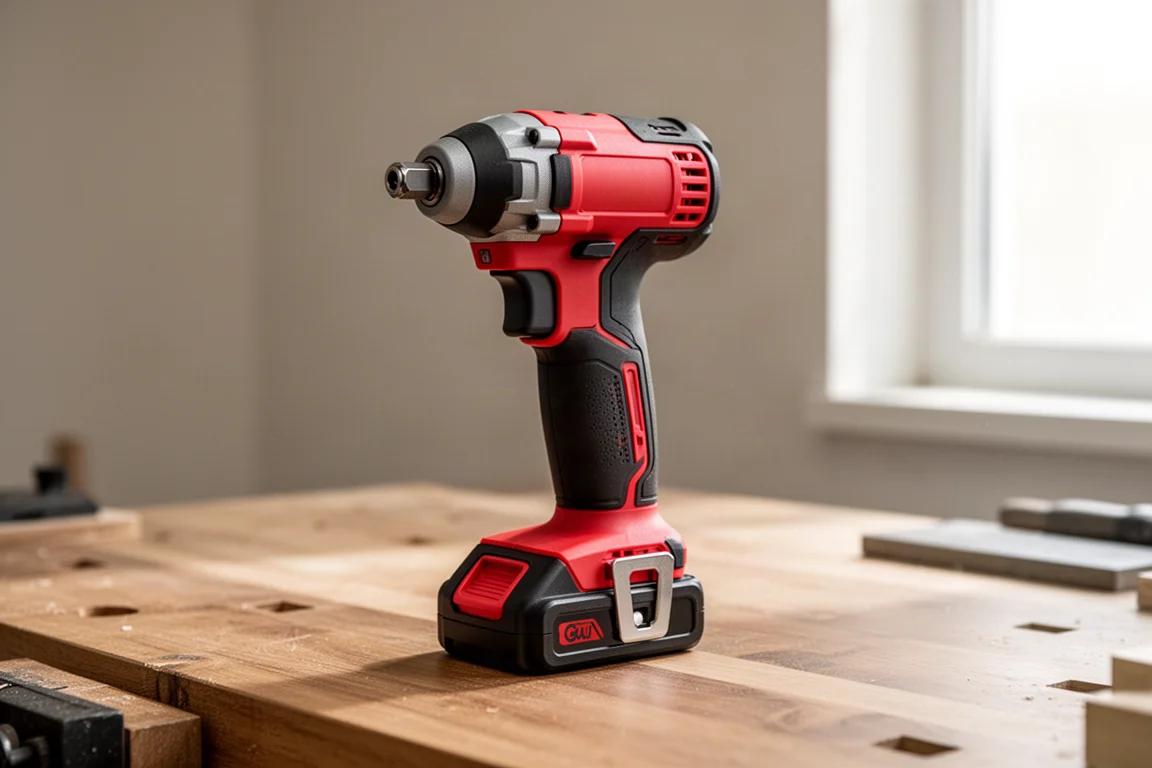
Hydraulic impact drivers are the quiet, controlled corner of the impact driver world, and until recently Milwaukee’s M18 Surge was the obvious default. DeWalt has now entered the category with its first-ever hydraulic model, the DCF870, and the results of head-to-head testing are more lopsided than anyone expected.
This comparison looks at the things that actually matter for this class of tool: sound level, torque, driving speed, vibration, and size, with the numbers measured under controlled, repeatable conditions.
Size, Weight, and Price
The DCF870 is a genuinely tiny tool. It measures 3.96 to 3.97 inches head to tail, under the four-inch mark, while the Milwaukee M18 Surge measures about 5 inches. Despite the Surge’s narrower body, both tools weigh about the same, with the DeWalt leveraging its short length to keep weight down.
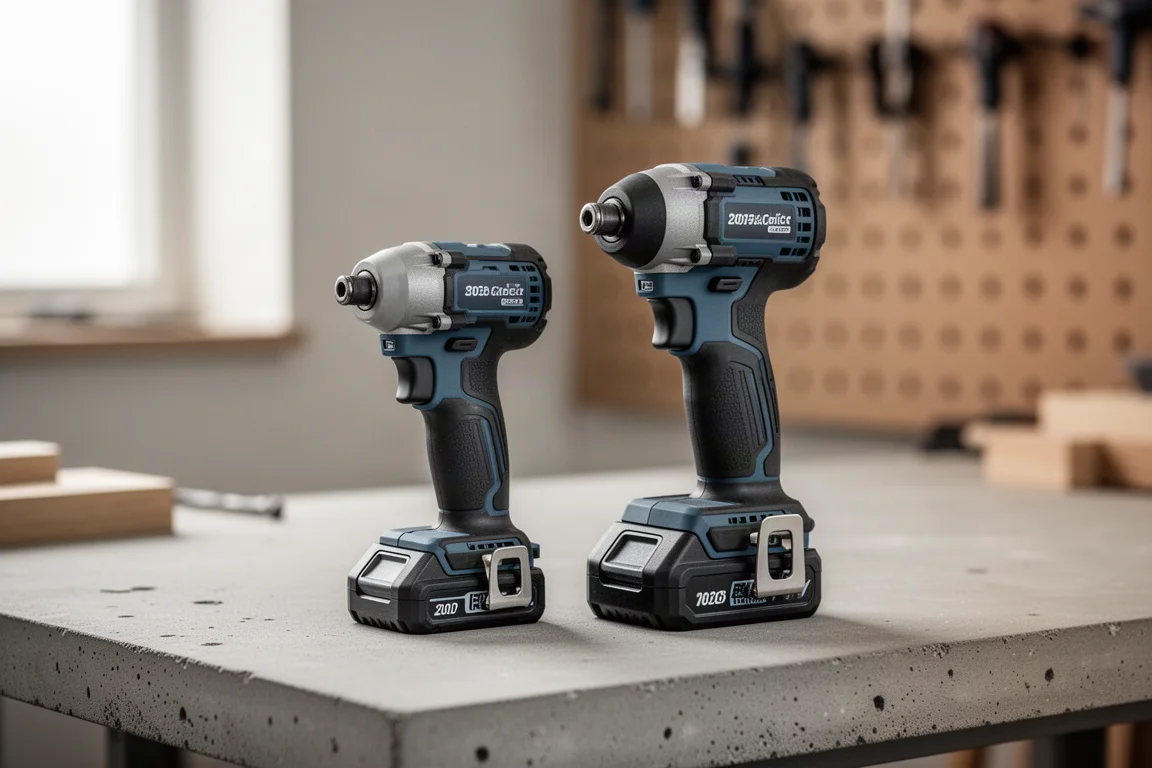
Pricing tells an interesting story. The DCF870 carries a $199 price tag, which sounds high for an impact driver, though that has only become a normal thing to say in 2024 and 2025. The Milwaukee Surge is typically found for around $150. Notably, the DCF870 is the same length as DeWalt’s DCF850, which sells for about $50 less, but that one uses a traditional hammer mechanism rather than hydraulic impulses.
How Hydraulic Impact Drivers Work
Instead of old-fashioned sprung hammer mechanisms hitting away, hydraulic drivers use fluid impulses to accomplish the same job, ideally with a much less harsh experience for your ears. Many users also report more control and less vibration compared to traditional impact drivers.
That is the theory. The question is how these two tools actually compare in practice.
Sound Level: A Near Tie
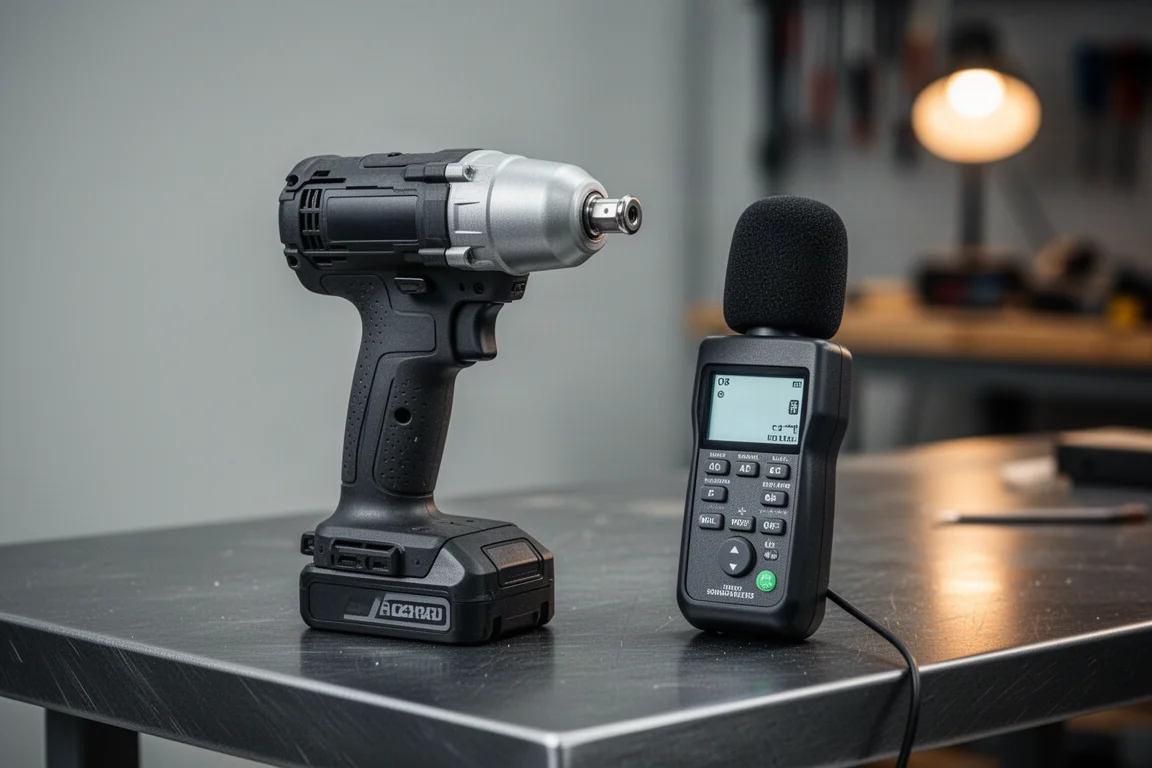
Measured from 1 meter away while hammering, the Milwaukee M18 Surge puts out about 92.1 to 92.2 dBA, which is genuinely good. Most traditional impact drivers measure around 96 dBA or more, which on the logarithmic decibel scale is a lot louder.
The DCF870 typically measures 92.3 to 92.9 dBA. Both tools peak around 92.9, but during most impacting the DeWalt is slightly louder on average, measuring 92.3 to 92.6. On the logarithmic scale that is roughly a 6% difference. Quiet enough that either tool will spare your ears compared to a conventional impact driver, but the Milwaukee holds a small edge.
Torque: Not Even Close
In a 5-second working torque test in forward, the Milwaukee Surge managed 39 foot-pounds. Nobody would call these tools torque monsters, and that was the old thinking. Then the DCF870 posted 96 foot-pounds, good enough to pass roughly 9 to 10 traditional impact drivers in past testing. That is a lot.
In a 10-second max torque run, the gap widened further. The DCF870 measured 120 foot-pounds, while the Surge could not get past 49 in forward, with typical runs around 45. Interestingly, the Milwaukee compares more closely in reverse, making 15 to 18 foot-pounds more in reverse than in forward for reasons that remain unclear. Even accounting for that, forward max torque is a trouncing.
One caveat: hydraulic impacts like to be warmed up before testing and eventually show a drop-off, so median runs across five tests per tool were used for these results. Battery choice can also make a small peak difference; the DeWalt with its new 8Ah Power Pack reaches the curve faster but ultimately ends in the same place.
Driving Speed: The Biggest Gap
Torque figures only matter if they translate to real work, so both tools drove half-inch nylon lock nuts down all thread until an 8-inch deep socket bottomed out, using standardized 5Ah packs.
The Surge finished in 20.7 seconds. In its defense, that beats a lot of older-generation Milwaukee tools, including an M12 brushless model that took a full 35 seconds. Then the DCF870 did the same task in 7.06 seconds, not only trouncing the Surge but beating more than half of the traditional impact drivers tested on this same test.
The explanation comes from high-speed footage shot at 10,000 frames per second. The Milwaukee takes around 10 to 11 hits to make a full rotation of a fastener, while the DeWalt needs only three or sometimes four, despite the Milwaukee’s 4,000 IPM against the DeWalt’s 4,200. With hydraulic tools, the amount of fluid displaced and the peak pressure of each impulse matter far more than the hit count. More meaningful impulses plus slightly faster IPM is how you get a 7-second run against a 20-second one.
Vibration and Control
Slowed-down footage shows the trade-off. The DeWalt’s stronger impulses produce a little more vibration, visible in the forward-reverse switch shaking and felt in the hand, especially on demanding tasks in reverse. On a large bolt the difference is noticeable, with the DeWalt jiggling around more.
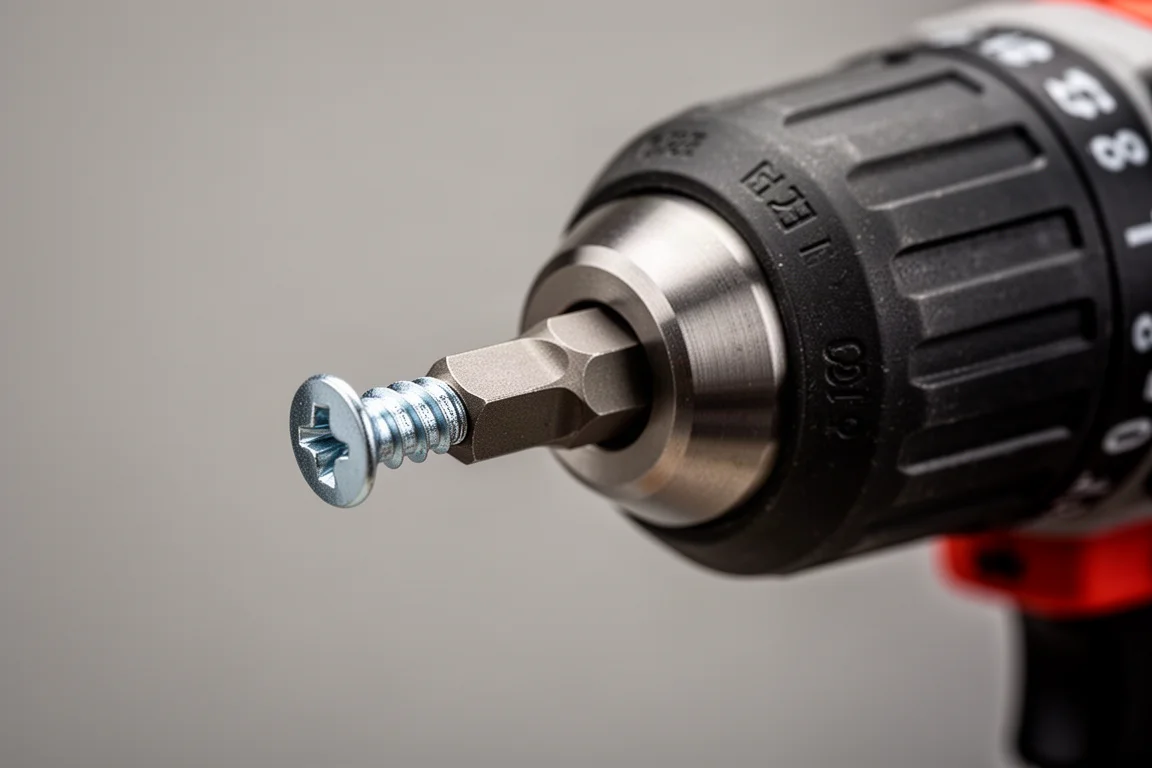
That said, the effect is less dramatic in practice than it looks in slow motion. Driving small and medium screws, it becomes hard to distinguish a large difference between the two, and both are noticeably smoother than a traditional impact driver, particularly most DeWalt hammer-style examples, which tend to be rough. The Milwaukee does have finer impacting resolution for very delicate work, because each of its blows produces less progress.
Scoring and Overall Rankings
Using a weighted scoring system covering sound level, torque, driving speed, size, and price, the totals place the DCF870 solidly in first place with 227.5 points, a large gap ahead of the Milwaukee Surge at 150.8 points. The DeWalt earned strong marks across torque, driving speed, and value for money within this category, while the Milwaukee’s best score came from sound level.
Final Verdict
The Milwaukee Surge has years of proven job-site durability on its side, and its finer impacting resolution suits delicate work. But if it were making hits impactful enough to turn a fastener in three or four blows instead of 10 to 11, it would feel different too.
At $199 the DCF870 is not cheap, but within the hydraulic category it is a lot of tool per dollar. Hydraulic impacts are a young technology, and the strong suggestion is that future competitors will need to feel at least this lively when driving fasteners. Quiet tools may well take over the job site in coming years, with less and less performance difference left on the table.
Conclusion
For most buyers, the DCF870 is now the hydraulic impact driver to beat: dramatically faster, far more torque, nearly as quiet, and just as compact. The Surge remains a reasonable pick if you find it discounted, value proven long-term reliability, or want the smoothest possible feel for delicate fastening work. Either way, the quiet impact driver era has clearly arrived.
Further reading
Related Reviews
Power Tools
Best 1-Inch Pistol Impact Wrenches: Three Heavy-Duty Options Compared
We compare three 1-inch pistol impact wrenches, from a budget-friendly Harbor Freight model to a premium Caterpillar unit, to help you choose the right one.
Power Tools
Best 3/4-Inch Impact Wrenches 2026: Five Contenders Compared
We compare five 3/4-inch impact wrenches across price and performance, from a budget Amazon option to Snap-on's most powerful model yet.
Power Tools
Best Budget Cordless Tools 2026: Walmart Finds That Punch Above Their Price
We tested five cordless tools from Walmart, including a high-torque impact wrench that trades blows with Milwaukee and a $35 duster that outperforms its price class.