Power Tools
DeWalt DCF870 XR Hydraulic Impact Driver vs DCF860: Quiet Power Compared
We put the new DeWalt DCF870 XR hydraulic impact driver head to head with the DCF860, testing battery pairings, driving speed, and noise to see where the upgrade pays off.
Introduction
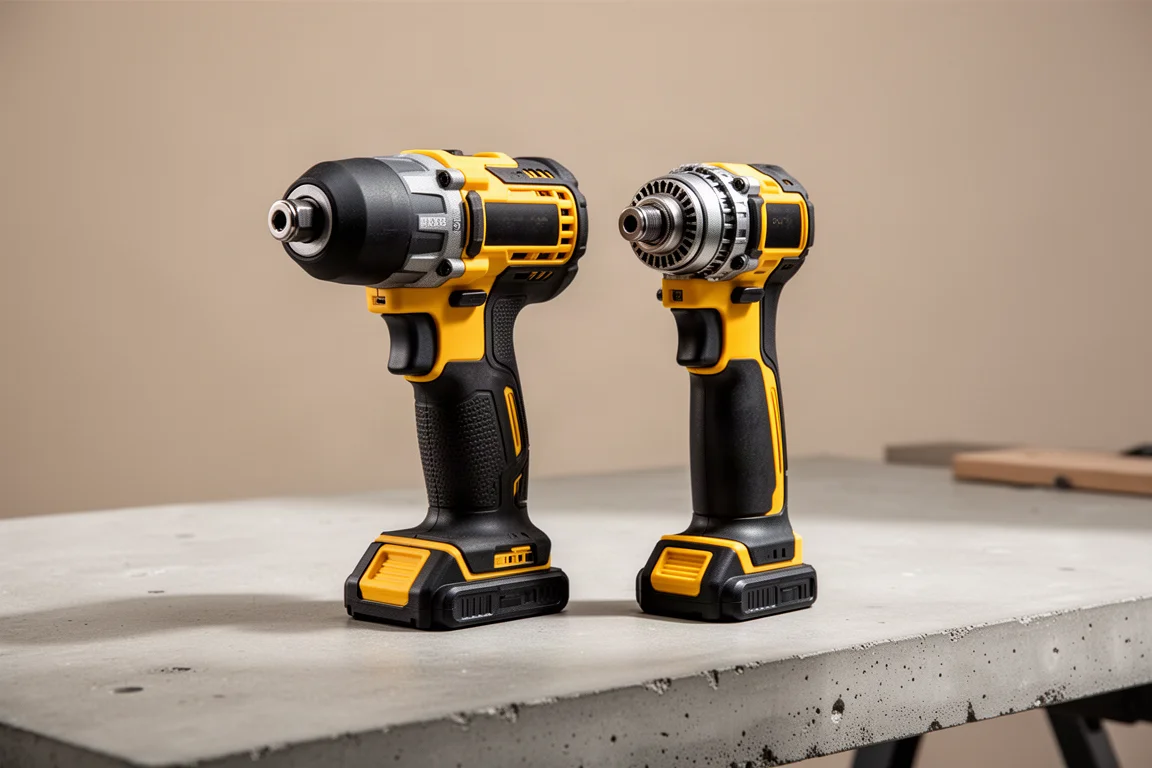
DeWalt’s newest XR impact driver takes a different approach to the category: a 1/4-inch hydraulic mechanism designed to be dramatically quieter than a traditional hammering impact driver. It launched alongside the well-established DCF860, and the two are close enough in purpose that choosing between them is genuinely tricky. We picked up both and ran them through fastener driving, battery swapping, and hole drilling to see where each one earns its place in a kit.
Why a Quiet Impact Driver?
DeWalt claims the DCF870 is up to 57% quieter and up to 40% faster at driving than a comparable impact driver, though the company does not clearly state what the comparison baseline is. What matters more in practice is the feel: hydraulic impacts are more consistent but less hard-hitting than conventional hammer mechanisms, and that difference is noticeable when driving longer fasteners.
Spec-wise, the DCF870 delivers up to 500 in-lbs of torque, 0 to 3,000 RPM, and 0 to 4,200 impacts per minute, in a 4-inch-long body weighing 2.2 lb. For anyone working in occupied buildings, shared spaces, or early-morning job sites, the reduced noise and smoother operation are the real selling points.
Design Differences: DCF870 vs DCF860
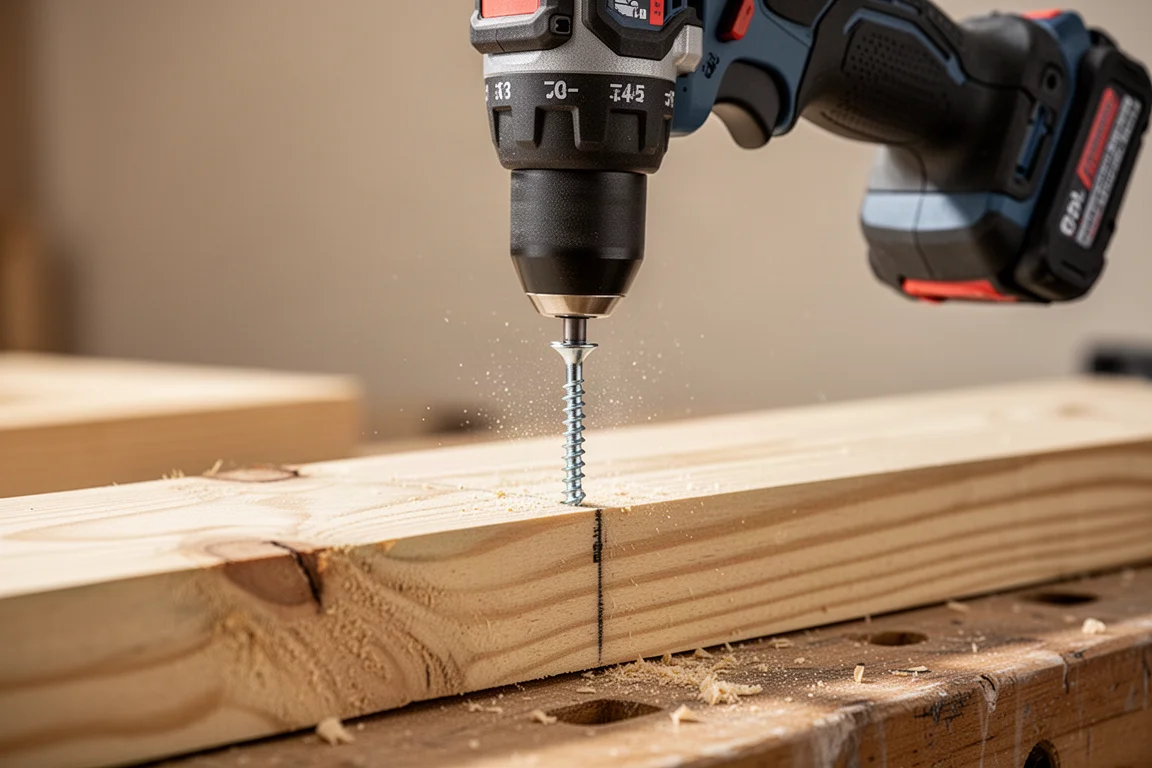
Side by side, the DCF870 is slightly shorter than the DCF860 and features a much larger black rubber overmold where the older tool uses a metal ring. DeWalt has also returned to an analog switch on the 870 instead of the digital gear selector, which many users will welcome for its simplicity.
The LED setup differs too: the DCF870 offers two modes, including a 20-minute work light mode that keeps the LEDs on after the trigger is pulled, with a negligible effect on battery run time. DeWalt claims six times brighter output thanks to nine LEDs, and in use the light pattern is a clear step up.
Mode behavior is straightforward. Mode one runs at reduced speed, 0 to 1,100 RPM forward and reverse, to help prevent overtightening small fasteners. Mode two unlocks the full 0 to 3,000 RPM for demanding applications.
Driving Performance
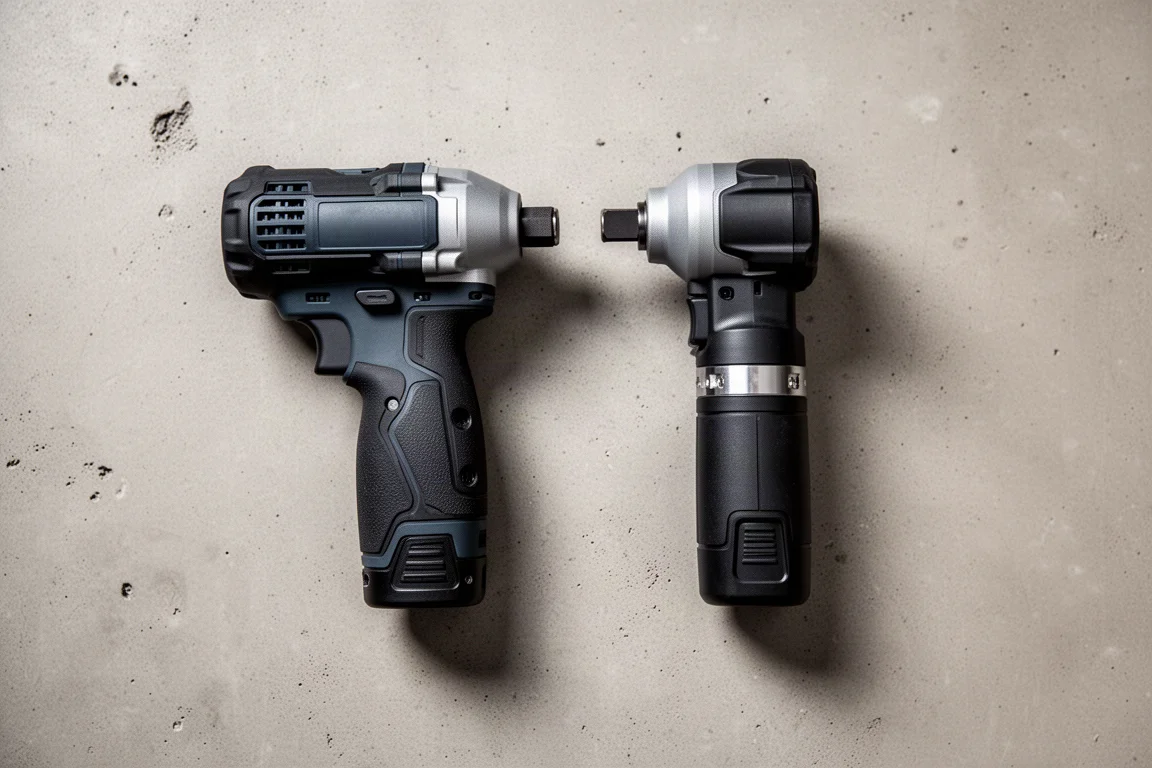
With small fasteners and a compact battery, the DCF870 is extremely quiet and smooth in both speed settings. Three-inch wood screws drive easily in mode one, which we would consider the sensible default for that fastener size; mode two works but borders on overkill. The DCF860 handles the same screws competently, but the hydraulic action of the 870 feels more consistent through the drive.
Moving up to 6-inch lag fasteners changes the picture. In speed one the DCF870 is smooth and quiet but not especially fast. Speed two is the sweet spot: with consistent pressure on the fastener, there is zero cam-out and the tool never feels overpowered. The DCF860 still drives them, but the difference in impact character is easy to feel.
Battery Testing: Does Bigger Help?
We tested the DCF870 with four battery options: a 2 Ah PowerStack, a standard 2 Ah, a 5 Ah PowerStack, and an 8 Ah PowerPack. The results are refreshingly practical.
For 6-inch lags, every battery got the job done smoothly with no problems. The larger batteries seemed to drive slightly faster, but not noticeably easier or smoother. For self-tapping screws into metal framing, even the compact 2 Ah PowerStack made the work feel trivial, and there was simply no need to step up in battery size.
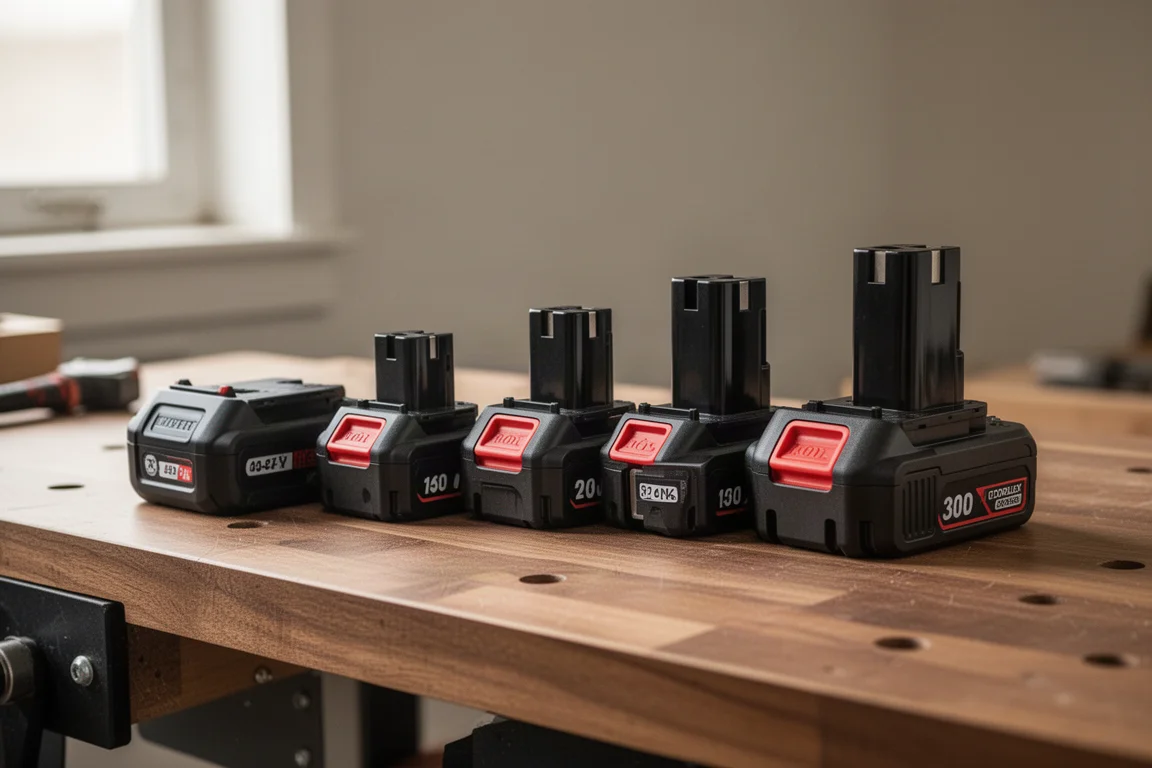
The takeaway: if you are using this tool all day for typical fastening, the 2 Ah PowerStack is the most sensible pairing because it keeps the footprint compact. The larger batteries only begin to earn their weight in heavier applications, which brings us to drilling.
Drilling Performance: Spade Bits in 2x4 Framing
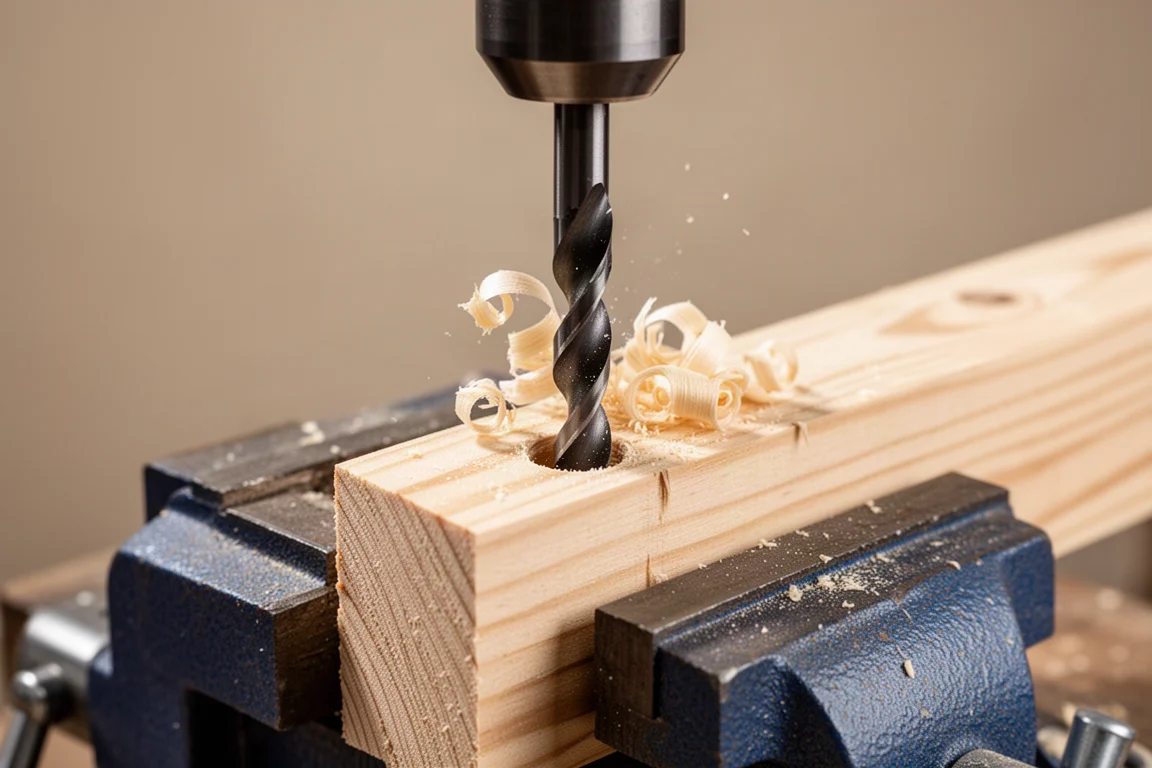
Drilling is where an impact driver’s power reserve matters most, and here the battery hierarchy finally showed itself. With a 1-inch spade bit through 2x4 framing, the 2 Ah PowerStack handled the job without issue, though not as quickly as expected. The standard 2 Ah performed very comparably.
The 5 Ah PowerStack also completed the work with no problem, but the 8 Ah PowerPack delivered a clear benefit in power. If your impact driver doubles as a hole-drilling tool, the bigger batteries justify themselves here; for pure driving work, they mostly add size.
Which One Should You Buy?
Choose the DCF870 if noise and comfort matter to you: it is much quieter, much smoother in the hand, and delivers more consistent impacts throughout driving and drilling. The improved grip, brighter LEDs, and 20-minute work light mode make it a genuinely refined tool for daily use.
Stick with the DCF860 if you already own it and are happy with a louder, harder-hitting tool. Its conventional mechanism still drives fasteners effectively, and the hydraulic 870’s gentler impacts may feel less aggressive to users who prefer that punchy character.
Conclusion
The DeWalt DCF870 XR hydraulic impact driver backs up its quiet pitch with real feel-good performance: smooth, consistent driving across small screws, 6-inch lags, and self-tappers, all in a compact 4-inch, 2.2 lb body. Pair it with a 2 Ah PowerStack for everyday work, and only reach for an 8 Ah PowerPack when drilling becomes the priority. For anyone tired of the constant banging of a traditional impact driver, this is an easy recommendation.
Product link
View more details for DeWalt DCF870
This product is mentioned in the review. Check the specifications, options, and compatibility before buying.
View more details for DeWalt DCF870Further reading
Related Reviews

Power Tools
Best 1-Inch Pistol Impact Wrenches: Three Heavy-Duty Options Compared
We compare three 1-inch pistol impact wrenches, from a budget-friendly Harbor Freight model to a premium Caterpillar unit, to help you choose the right one.

Power Tools
Best 3/4-Inch Impact Wrenches 2026: Five Contenders Compared
We compare five 3/4-inch impact wrenches across price and performance, from a budget Amazon option to Snap-on's most powerful model yet.

Power Tools
Best Budget Cordless Tools 2026: Walmart Finds That Punch Above Their Price
We tested five cordless tools from Walmart, including a high-torque impact wrench that trades blows with Milwaukee and a $35 duster that outperforms its price class.