Power Tools
DeWalt DCF870 vs DCF850: Hydraulic Impact Driver Compared
DeWalt's DCF870 hydraulic impact driver brings 500 in-lbs of torque and quieter oil-driven operation. Here is how it stacks up against the DCF850.
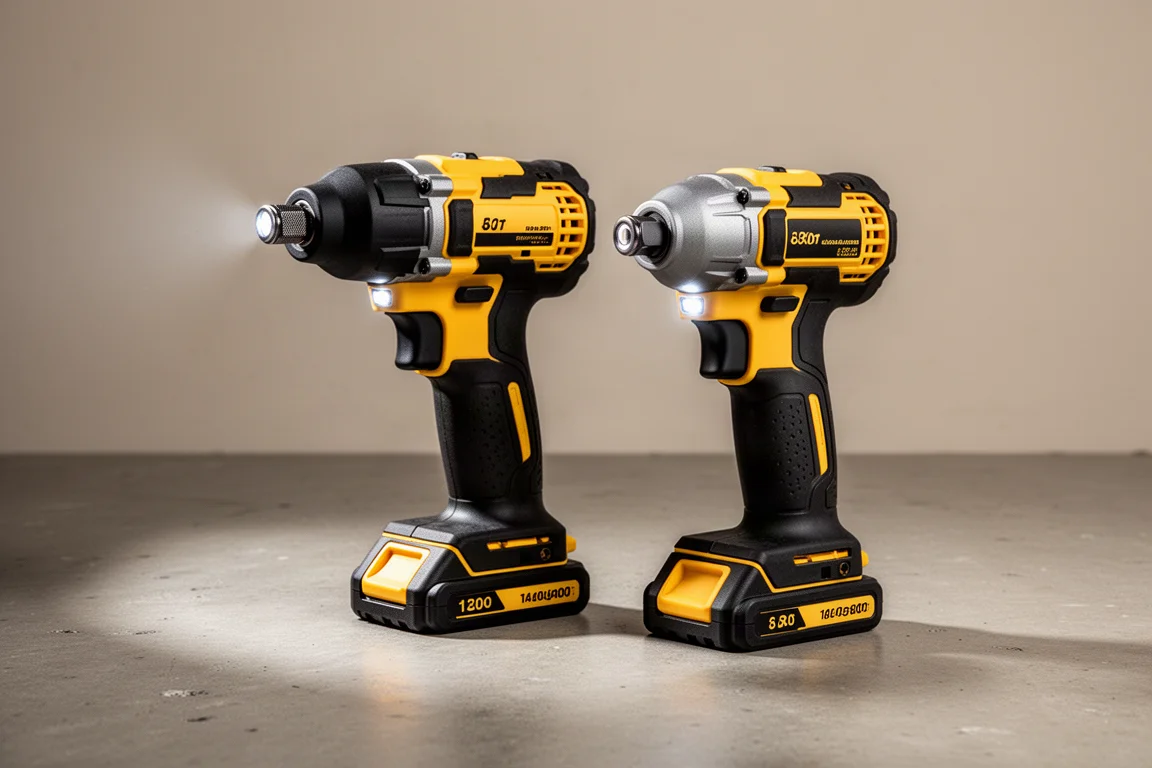
Introduction
DeWalt’s DCF870 is the brand’s latest 20V quarter-inch impact driver and its quietest yet. It is a hydraulic driver, meaning it replaces the traditional hammer-and-anvil mechanism with a one-piece transmission filled with pressurized oil. DeWalt claims this design bangs quieter with less vibration, and it produces 500 in-lbs of torque.
Its closest sibling is the DCF850, the conventional impact driver it is often compared against. The two tools are almost exactly the same size, but the 850 delivers a much higher 1,825 in-lbs of torque. That contrast raises a practical question: is quieter and smoother worth a big drop in raw torque? This comparison looks at the details that matter before you decide.
Size, Weight, and Design
The two drivers are nearly identical in footprint. The DCF850 weighed in at 2.1 lbs and the DCF870 at 2.2 lbs. They are the same width and height, but the 870 is a little longer in the nose to accommodate its different drive mechanism.
Both tools include a Tool Connect chip pocket, so you can add the Tool Connect chip if you want the limited tracking capability it offers, along with the ability to adjust speed and light settings on certain tools. One more shared feature is the quick-release chuck: both can be operated one-handed by pulling to release, but unlike some competing designs, they do not spit the bit out automatically.
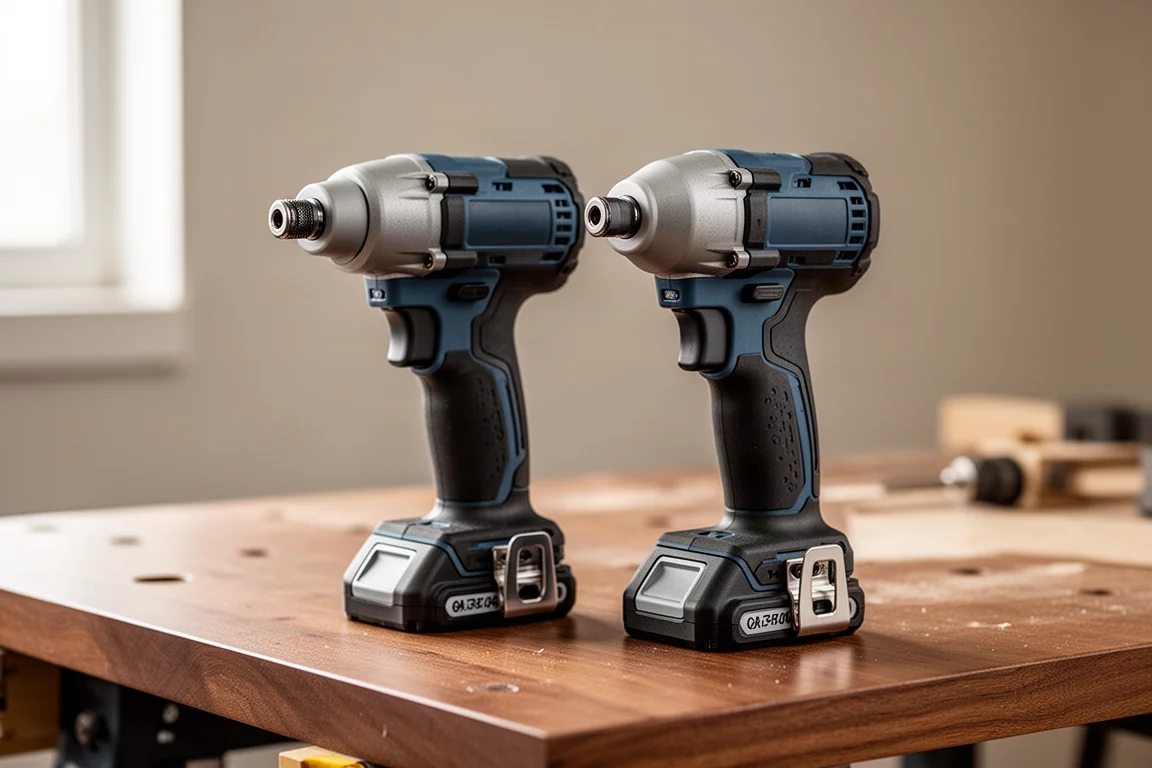
Internally, the difference is fundamental. In the 850’s parts list you can see the separate hammer and anvil components: greased metal-on-metal parts smacking together to drive screws. The 870 instead uses a one-piece transmission filled with pressurized oil.
Work Lights and Precision Drive
Work light output differs noticeably between the two. The DCF850 uses three LED lights around the nose, while the DCF870 steps up to nine LEDs. Both stay on for 20 seconds after you trigger the impact. However, the 870 adds an extra mode: you can set its work light to stay on for 20 minutes, which is handy for longer tasks in dark spaces.
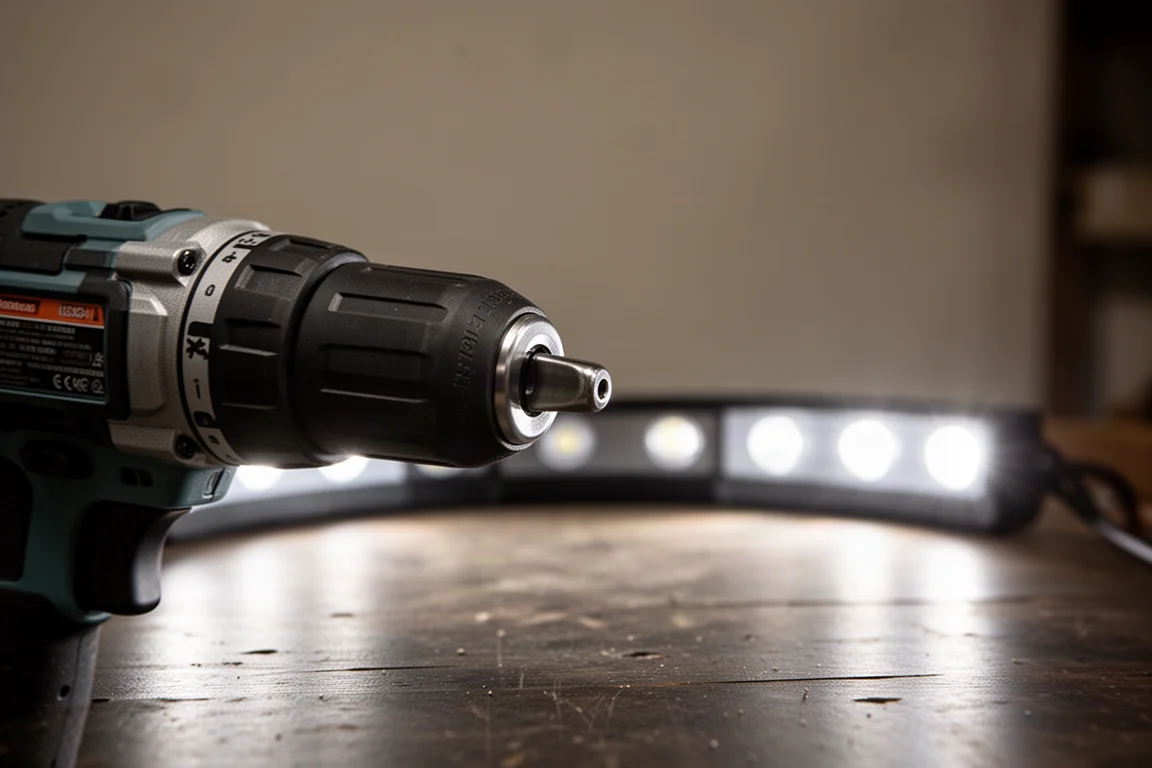
The DCF870 also drops Precision Drive, the speed-one setting found on most DeWalt impact drivers that helps prevent overdriving screws. DeWalt removed it on the 870 and also on the 860, suggesting the feature may be phased out entirely. If you rely on Precision Drive, the 850 keeps it; the tester of both tools noted it was not a feature they used, so its absence may not matter to everyone.
On the speed side, the DCF870 is a two-speed tool that tops out at 3,000 RPM, while the DCF850 is a three-speed that reaches 3,250 RPM.
Speed, Vibration, and Sound
A side-by-side test compared the two drivers for speed, vibration, and sound, using fully charged 5 amp-hour batteries, running both on high speed with no brakes between screws. The results were close enough that it was hard to tell which was louder or faster, with the impression that the DCF870 may have been slightly faster.
On feel, the difference in vibration was not dramatic in forward, though reverse showed more of a noticeable difference. The hydraulic mechanism’s promise of quieter, smoother operation shows up mainly in reverse and in overall refinement rather than as a clear everyday advantage.
Durability Considerations
There is one caution worth flagging with the short-body design. One DCF850 used for testing burned out in less than 3 months of regular testing work that it should have been able to handle. That raises a question about whether these compact short bodies give up something in longevity compared with more robust builds like the newer DCF860 or the DCF887.
This is not a definitive verdict on either tool, but buyers who put heavy daily strain on their drivers may want to weigh the compact format against long-term durability.
Which One Should You Buy?
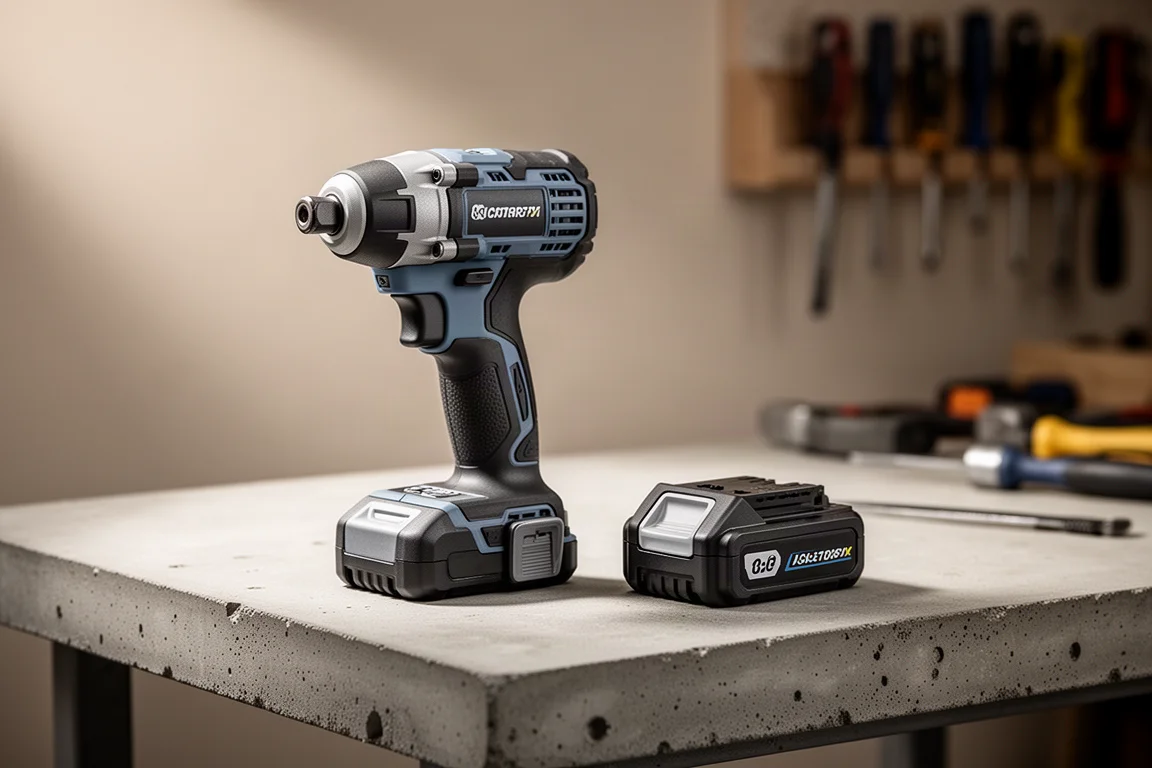
Choose the DCF850 if you want maximum torque on a budget of feel: 1,825 in-lbs, three speeds up to 3,250 RPM, Precision Drive, and a slightly lighter 2.1 lb body. It is the better match for heavy fastening work where raw power matters most.
Choose the DCF870 if quieter operation and lower vibration appeal to you. You trade down to 500 in-lbs of torque and two speeds topping at 3,000 RPM, but you gain a nine-LED work light with a 20-minute mode and a smoother oil-driven mechanism. It is also worth knowing that DeWalt has been comparing the DCF870’s 500 in-lbs against Milwaukee’s 18V Surge 2760 at 450 in-lbs, and Milwaukee has since released the 2761 with 1,000 in-lbs, so the hydraulic category is moving fast.
Conclusion
The DCF850 remains the power pick with far higher torque and Precision Drive, while the DCF870 trades torque for quieter hydraulic operation, a brighter work light, and slightly more refinement. Match your choice to how you actually work: brute fastening force or a calmer, smoother driving experience.
Product link
View more details for DeWalt DCF870
This product is mentioned in the review. Check the specifications, options, and compatibility before buying.
View more details for DeWalt DCF870Further reading
Related Reviews
Power Tools
Best 1-Inch Pistol Impact Wrenches: Three Heavy-Duty Options Compared
We compare three 1-inch pistol impact wrenches, from a budget-friendly Harbor Freight model to a premium Caterpillar unit, to help you choose the right one.
Power Tools
Best 3/4-Inch Impact Wrenches 2026: Five Contenders Compared
We compare five 3/4-inch impact wrenches across price and performance, from a budget Amazon option to Snap-on's most powerful model yet.
Power Tools
Best Budget Cordless Tools 2026: Walmart Finds That Punch Above Their Price
We tested five cordless tools from Walmart, including a high-torque impact wrench that trades blows with Milwaukee and a $35 duster that outperforms its price class.