Power Tools
DeWalt DCF870 Hydraulic Impact Driver Review: Quiet Power in a Compact Body
DeWalt's hydraulic impact driver promises to be small, light, powerful, and quiet all at once. We look at how it stacks up against the DCF850, DCF860, and DCF887.
Introduction
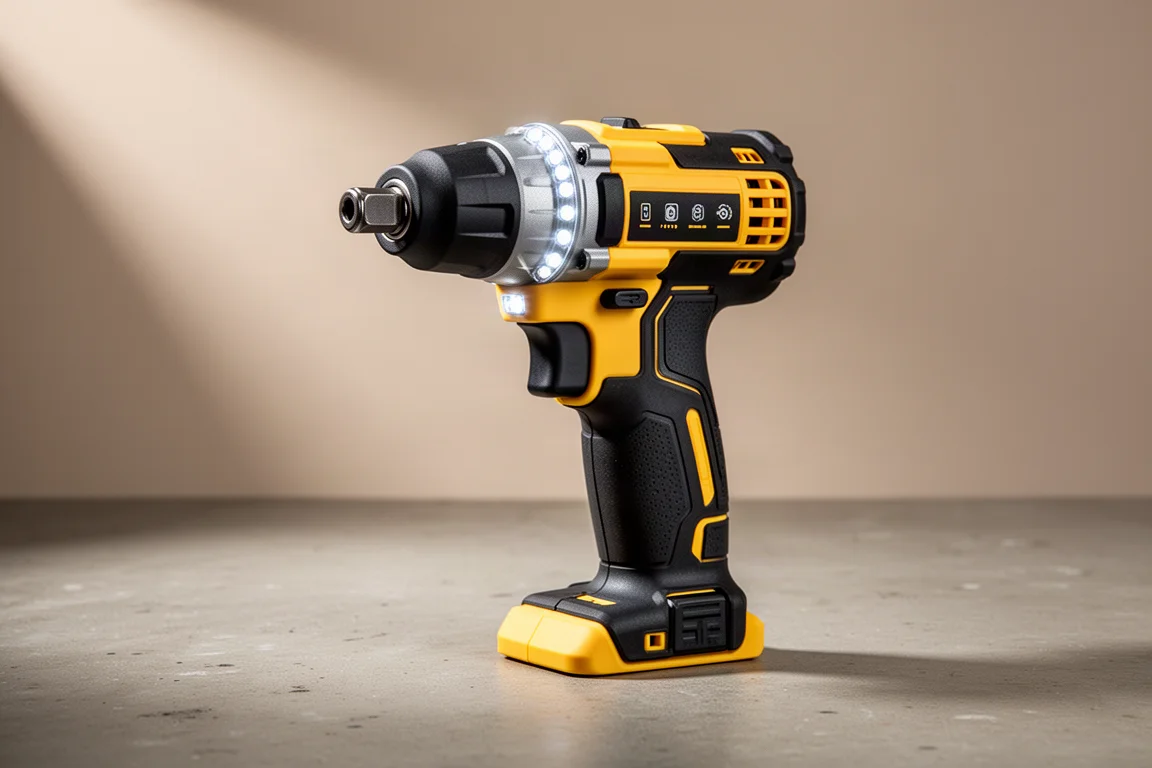
The DeWalt DCF870 is a hydraulic impact driver, and that alone makes it unusual in the current DeWalt lineup. Hydraulic impact drivers are not new. Makita had one roughly a decade ago, and AEG, Milwaukee, HiKOKI/Metabo HPT have all offered versions. What makes the DCF870 interesting is the combination it is chasing: light, small, powerful, and quiet all at once. Traditionally, an impact driver gives you one or two of those qualities, with quiet being the one that usually gets sacrificed.
The DCF870 is DeWalt’s attempt to tick all four boxes, and in this review we compare it directly against three other DeWalt impact drivers: the ultra-compact DCF850, the high-power DCF860, and the older DCF887.
What Makes a Hydraulic Impact Driver Different
A standard impact driver works with two rotating masses of steel. The motor spins a large chunk of metal with two lugs, and those lugs strike two lugs connected to the quarter-inch hex chuck. Each strike delivers rotational force to the screw, thousands of times per minute, and the mechanism springs back over the tangs to reset for the next hit. That repeated metal-on-metal contact is what creates the familiar loud, rapid clatter.
The hydraulic mechanism works differently. A small cam piece driven by the motor pushes ball bearings outward against internal teeth, which drives the striking cylinder. The whole reservoir around that mechanism is filled with oil. That oil cushions each strike, which is what makes the tool quieter, and it also helps keep operating temperatures down. The trade-off is a different feel at the handle, which we get to below.
Size and Weight: Small but Not Featherweight
DeWalt essentially took the form factor of the DCF850, previously the smallest impact driver around, and converted it into a quiet tool. The two are the same length, which is a genuine achievement given the extra oil-filled mechanism.
Weight is more interesting. With the same compact PowerStack battery fitted, our measured weights came out as follows:
- DCF887: 1.25 kg
- DCF850: 1.27 kg
- DCF870 hydraulic: 1.32 kg
- DCF860: 1.44 kg
The DCF870 is not super light. You can feel a bit of heft compared to the DCF850, largely because of the oil reservoir at the front. Still, it is lighter than most other impact drivers, especially since DeWalt’s small PowerStack battery is one of the smallest, lightest, and most powerful compact packs on the market.
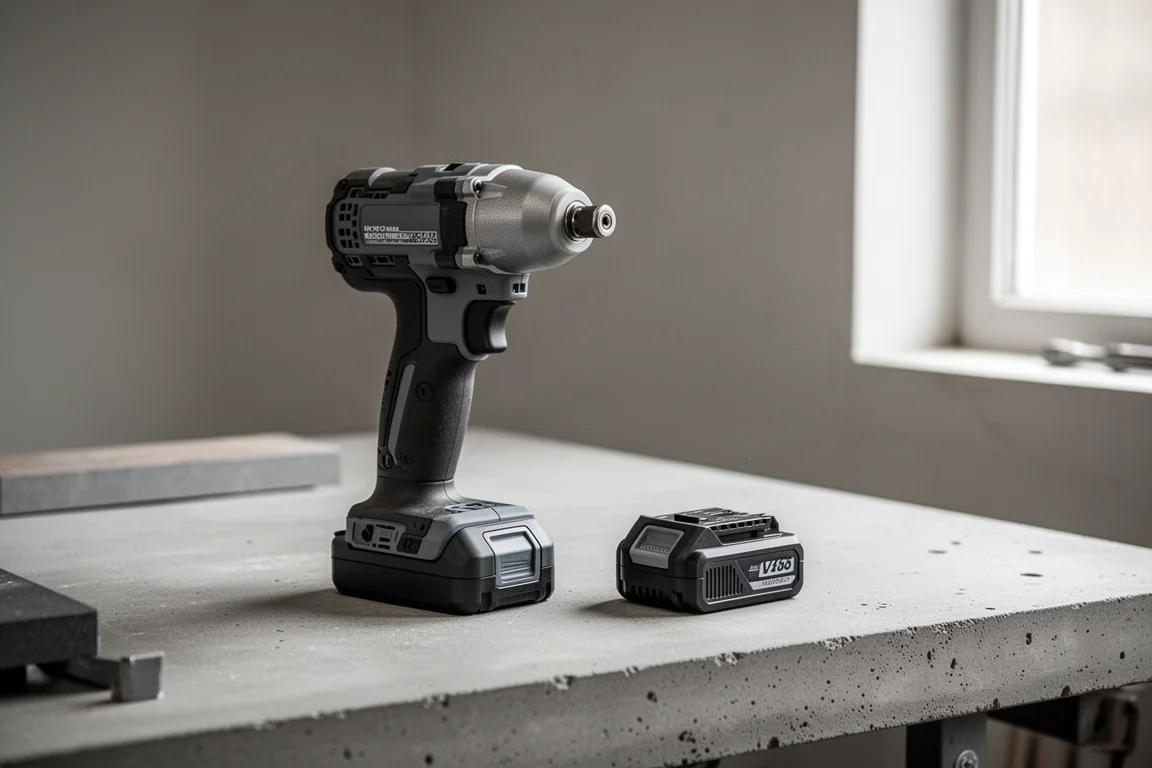
On the front, the DCF870 has nine LEDs around the chuck collar, putting it in the same class as the DCF860 rather than the older three-LED designs. In a side-by-side look, the DCF860 appeared marginally brighter, but both are a clear step up from the DCF887 and DCF850.
Speeds, Modes, and the Chuck
The DCF870 offers three settings: a slow precision screw mode at 1,100 RPM, a standard mode, and a light mode that is identical to mode two except the nine LEDs stay illuminated for 20 minutes, effectively letting you use the tool as a torch. Top speed is 3,000 RPM.
For context across the lineup: the DCF887 and DCF850 both run at 3,250 RPM with up to 3,800 IPM, the DCF860 runs at 3,800 RPM with 4,500 IPM, and the DCF870 runs at 3,000 RPM with 4,200 IPM.
The chuck has cushioning that pushes the bit forward slightly when released, maintaining pressure on the tip of the driver bit, which is a nice touch for keeping bits seated in screw heads. One notable difference: it does not one-hand eject bits. The DCF850 and especially the DCF887 fire bits out with real force, which can send them flying across the room, but the DCF870’s chuck is much tighter and holds the bit firmly with no ejection at all. Whether that is a plus or a minus depends on how much you value one-handed bit swaps.
Real-World Driving Tests
Starting with smaller fasteners, the DCF870 handled 65 mm 8, 10, and 12 gauge trim screws without trouble. On speed one it is nicely controlled, quiet, and pleasant to use. On speed two it drives quickly and stays comfortably quieter than a standard impact driver, to the point where ear muffs are unnecessary for this class of work. There is noticeable kickback and vibration through the hand, though, which is worth knowing about before you buy.
The real test was the 125 mm (5-inch) Simpson Strong-Tie Strong Drive SDWS timber screw, a common benchmark for impact driver comparisons. Hydraulic impact drivers are not typically used for fasteners this large, and on speed one the DCF870 surprised by actually driving the screw at all, albeit with heavy vibration and a tingling hand afterward.
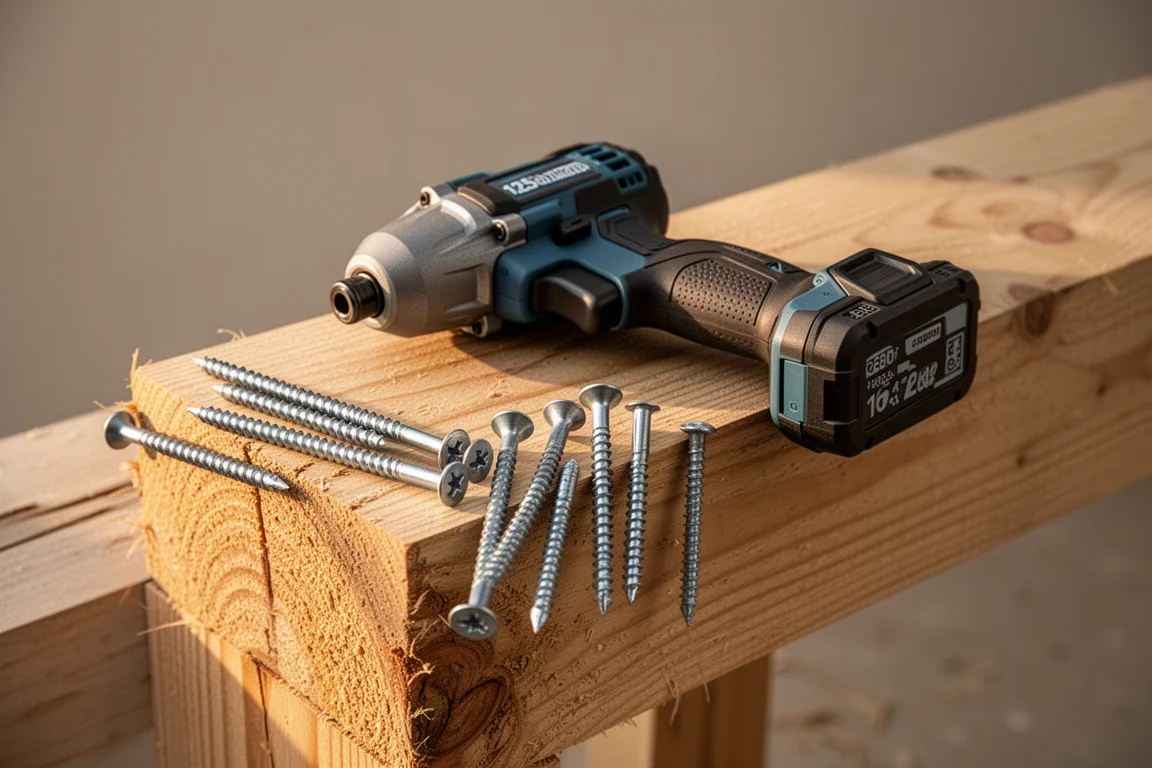
On speed two it drove the big screw with no problem whatsoever. It was louder doing this, as any tool would be, but it never sounded like a standard impact driver at full clatter.
The most impressive result came with a 10-inch structural screw driven with the 5.0 Ah PowerStack battery fitted. The DCF860 managed it comfortably, as expected. The DCF870 then drove the same screw, quickly, which was genuinely unexpected for a hydraulic tool. It even recovered from a brief stall when removing the previously driven screw. For a hydraulic impact driver to keep pace with the most powerful tool in DeWalt’s range on fasteners that size is remarkable.
How Quiet Is It Really?
DeWalt claims the DCF870 is 42% quieter than the DCF850 when driving certain screws, citing a 75 mm decking screw as an example. We set up a decibel meter indoors and drove baton screws, which force the tools to work harder and produce more impacts.
The readings were puzzling. The DCF887 measured 79 decibels, the DCF850 82, the DCF860 81, and the DCF870 came in at 86, apparently the loudest of the four. Yet when driving the same screws without ear muffs, the DCF870 sounded clearly quieter to the ear, while the DCF860 sounded harsh and loud at 83 decibels on a second reading.
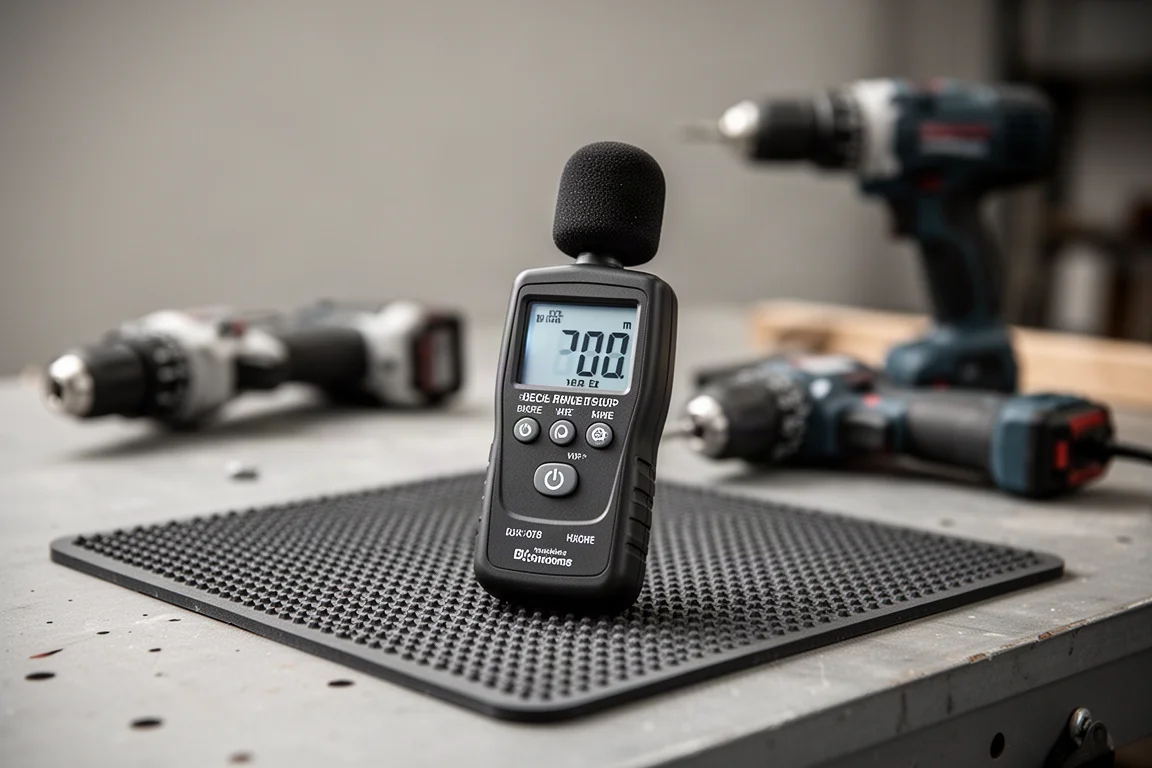
The likely explanation is vibration. The DCF870 transmits a lot of vibration through the bench, and with the meter and recording equipment sitting on that bench, the vibration likely inflated the numbers. The audio waveforms from the recording told a different story: the DCF870 was noticeably quieter, while the other three tools maxed out the sound recording. The phone used to record was mounted on a rubber tire to dampen bench vibration, but some contamination seems to have gotten through.
The honest takeaway: on small and medium screws, the DCF870 is genuinely much quieter and far more pleasant to use than a standard impact driver. Under heavy load with vibration on a rigid bench, measured numbers can mislead. A future comparison against the Makita, HiKOKI/Metabo HPT, and Milwaukee hydraulic models with a better decibel setup should settle it more definitively.
One more quirk: in speed one, two of the four tools tested behave oddly, and the DCF887’s low mode in particular produces strange pulsing behavior. The DCF850’s low mode is better behaved. This makes low-speed comparisons between models a little tricky.
Things to Consider Before Buying
The DCF870 is an excellent tool, but a few things are worth weighing up. The vibration is the biggest one. This tool puts noticeably more vibration into your hand than a standard impact driver, which is disappointing for a tool designed around comfort, and it is especially apparent on large fasteners. If you drive big structural screws all day, a standard high-power driver may still be the better choice.
The chuck is another point. There is no one-handed bit ejection, and the fit is tighter than any of the other three DeWalt models tested. Some users will love the secure hold; others will miss the quick eject.
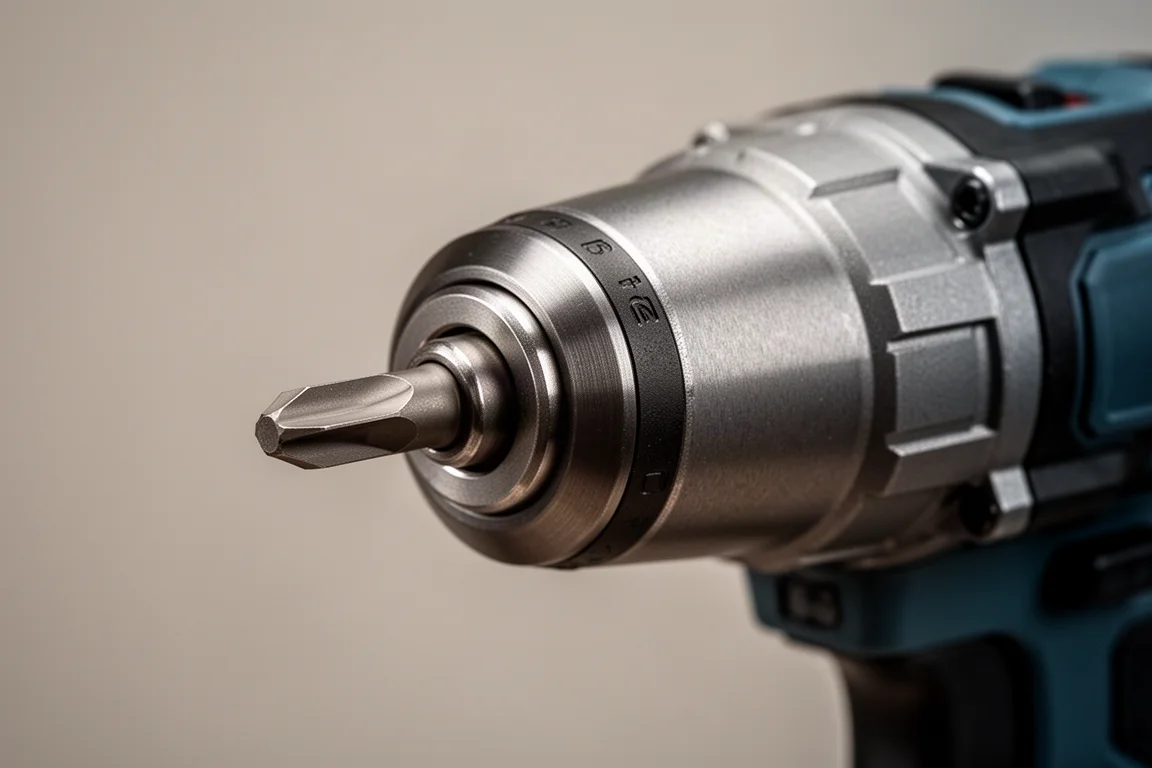
Finally, the decibel question. Our measurements did not support the claim outright, but the recorded audio and the subjective experience both point to a genuinely quieter tool, with the meter readings likely skewed by bench vibration. If quiet operation is your main reason for buying, it delivers in practice, especially on smaller screws.
Buying Advice
If you want one impact driver that covers quiet finishing work, deck building, and even occasional structural fastening, the DCF870 is a strong pick. Pair it with DeWalt’s compact PowerStack battery and you get a package that is small, reasonably light, and far quieter than the traditional alternatives. If you mostly drive huge structural screws all day and hate vibration, the DCF860 remains the more sensible workhorse. If you are shopping for a hydraulic impact driver specifically, it is also worth waiting for a head-to-head against the Makita, HiKOKI/Metabo HPT, and Milwaukee hydraulic models before deciding.
Conclusion
The DeWalt DCF870 comes closer than any impact driver we have handled to combining small size, decent weight, real power, and quiet operation. It drove structural screws that no hydraulic driver should comfortably manage, stayed pleasant to use without ear protection on everyday fasteners, and kept the compact DCF850 form factor. The vibration and the non-ejecting chuck are real trade-offs, but for most users who want a quieter workshop without giving up capability, this is a very good tool.
Product link
View more details for DeWalt DCF870
This product is mentioned in the review. Check the specifications, options, and compatibility before buying.
View more details for DeWalt DCF870Further reading
Related Reviews
Power Tools
Best 1-Inch Pistol Impact Wrenches: Three Heavy-Duty Options Compared
We compare three 1-inch pistol impact wrenches, from a budget-friendly Harbor Freight model to a premium Caterpillar unit, to help you choose the right one.
Power Tools
Best 3/4-Inch Impact Wrenches 2026: Five Contenders Compared
We compare five 3/4-inch impact wrenches across price and performance, from a budget Amazon option to Snap-on's most powerful model yet.
Power Tools
Best Budget Cordless Tools 2026: Walmart Finds That Punch Above Their Price
We tested five cordless tools from Walmart, including a high-torque impact wrench that trades blows with Milwaukee and a $35 duster that outperforms its price class.