Power Tools
DeWalt DCF870 and Grabo Lifter: Two Jobsite Tools Worth a Close Look
A quiet hydraulic impact driver and an electric suction lifter, each built for a very specific kind of work.
Introduction
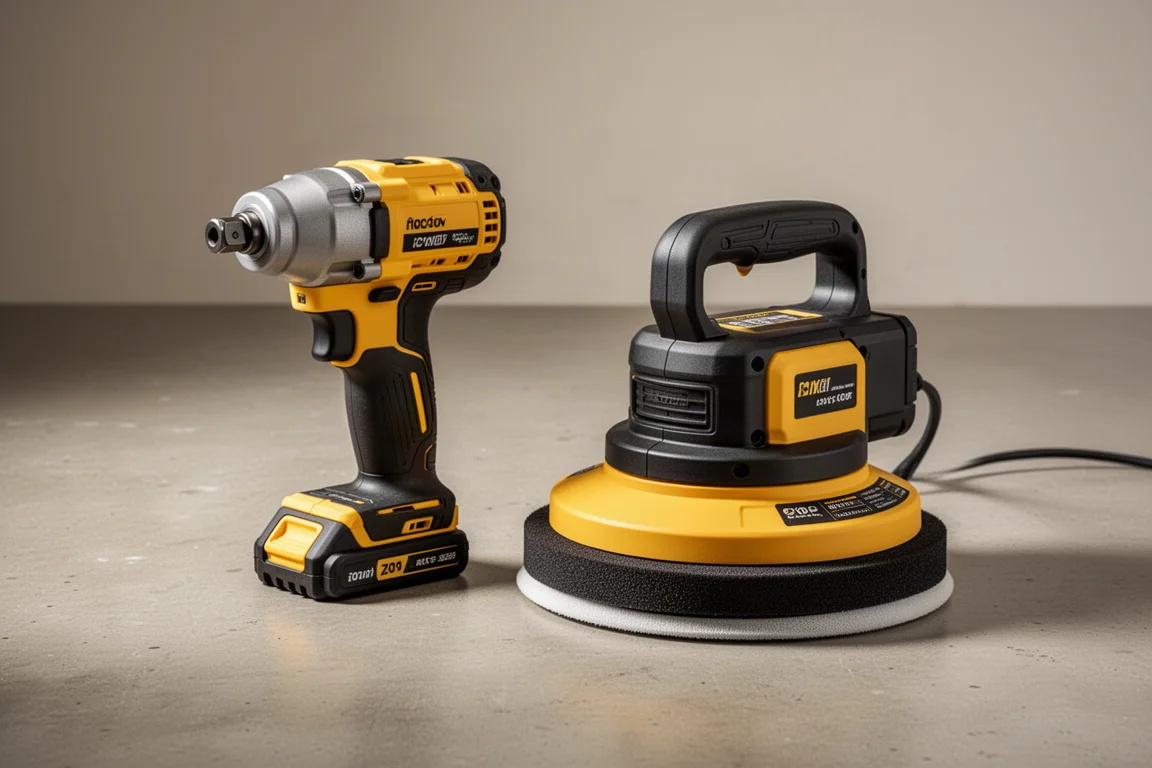
Some tools win on brute force, and others win because they make a specific job easier. Two DeWalt products sit firmly in the second category: the DCF870 quiet hydraulic impact driver and the Grabo Lifter, an electric suction lifter for materials that are hard to grip. Both are purpose-built, and both make the most sense once you understand exactly what they are designed to do.
DeWalt DCF870: The Quiet Hydraulic Impact Driver
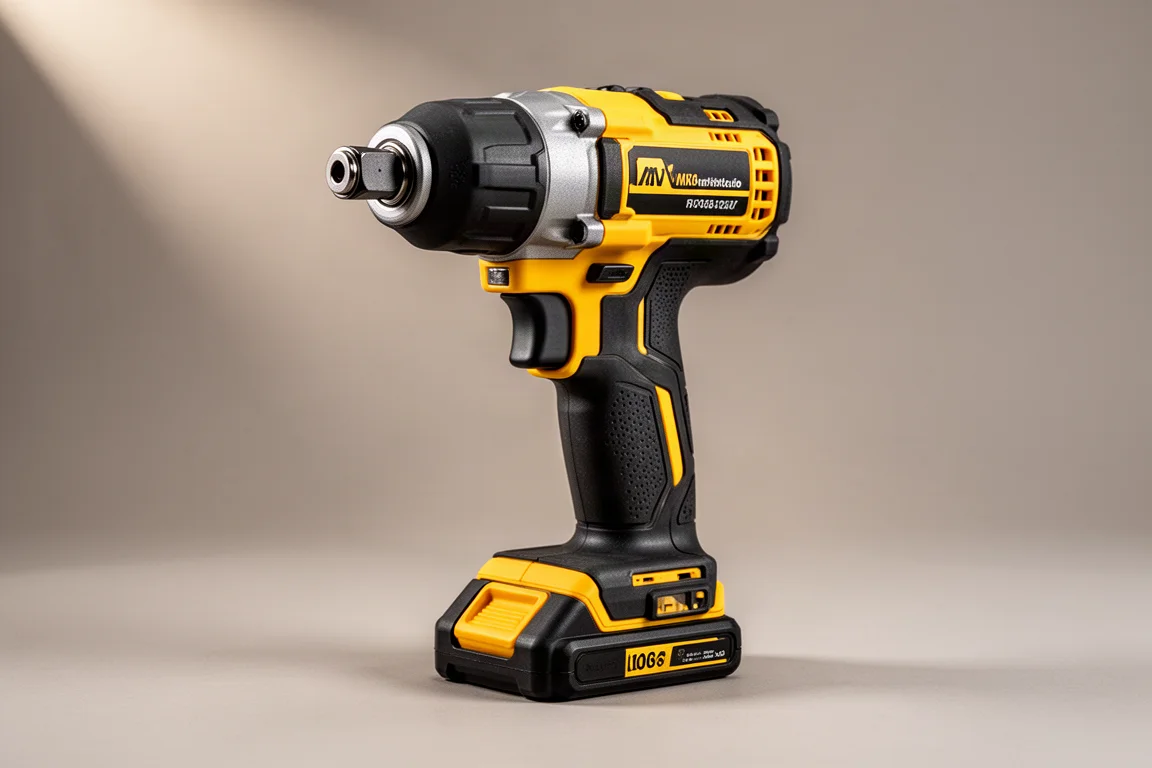
The DCF870 is a small-format impact driver in the same family as the DCF850, but with one major difference: it is hydraulic. DeWalt describes it as the most powerful hydraulic impact driver available, rated at 500 inch-pounds. On paper that sounds low next to traditional impacts, but hydraulic units work in a fundamentally different way, so the number is not directly comparable.
How Hydraulic Impacts Differ From Traditional Impacts
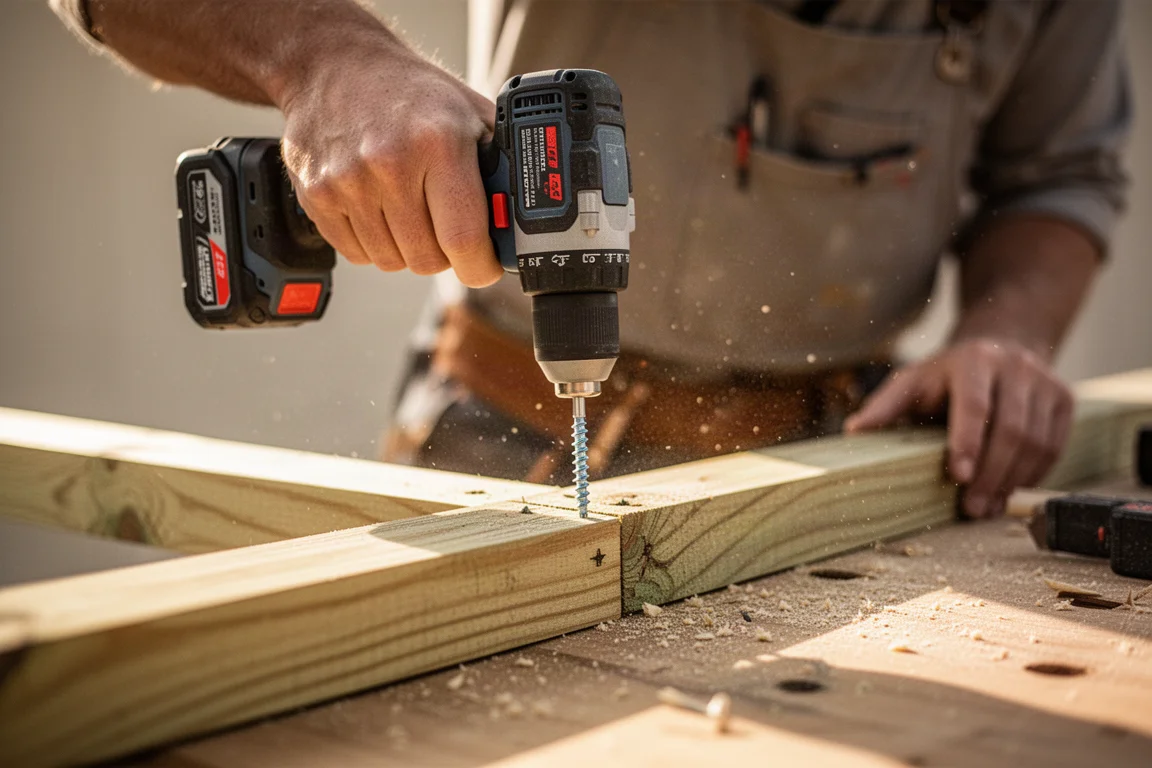
A traditional impact driver uses a spring-loaded hammer and anvil mechanism, which produces torque spikes: the torque jumps up, drops off, and jumps up again with every hammer strike. That repeated collapsing spring is also the main source of the noise. The DCF870 instead pushes hydraulic fluid through vanes, delivering a flat, consistent line of torque rather than repeated spikes.
That consistency translates into two practical benefits. First, control: the transition is smooth, which matters for everything from fine screws to deck screws and refined work like cabinet installation. Second, a steadier feel when drilling with impact-ready bits, including through metal, because there is no hammer mechanism constantly collapsing. The result is a tool DeWalt claims is 60% quieter than a traditional impact, which is a real advantage in noise-sensitive environments such as hospitals and nursing homes, or for MRO work.
There are two speeds, high and low, rather than three. The third position on the selector is actually a light setting, letting you switch the front LED off entirely, useful in environments with a lot of reflective material where a light left on for 20 minutes becomes a distraction. The LED system itself is new as well.
For raw driving speed on large fasteners, a traditional high-torque impact still wins. On big 3-inch timber screws, the higher-torque options will outpace it. But the DCF870 will still drive code-compliant timber screws consistently, just at a slower pace, and it keeps smaller-diameter fasteners smooth and precise. If speed is the priority, look elsewhere; if consistency and quiet operation are, this is the tool.
DeWalt Grabo Lifter: A Handle for Awkward Materials
The Grabo Lifter exists for one core reason: putting a handle on materials that have no good grip point. It works on drywall, diamond plate, acrylic, tile, glass, and is a favorite among tilers. Anyone who has installed heavy steel fixtures with flat sides and nowhere to grab, relying on manual suction cups, will immediately see the appeal.
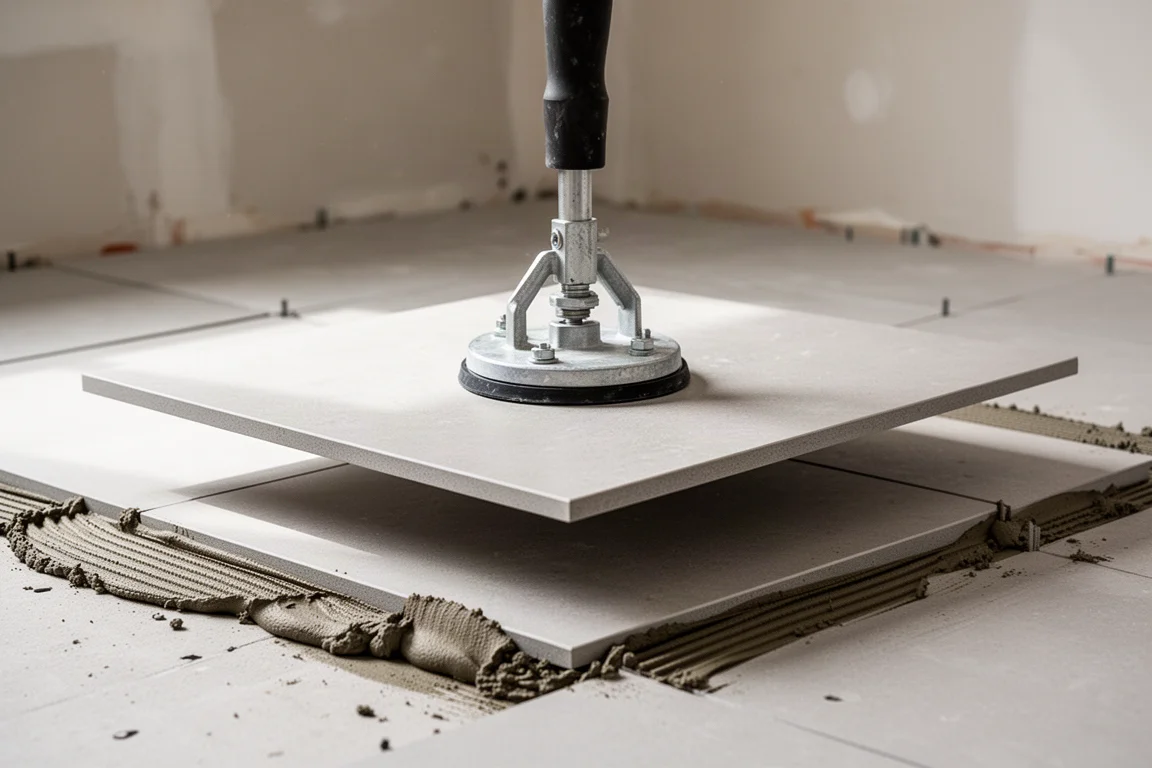
It handles materials down to 4 mm thick, including glass, though curved glass should be avoided, as with any suction device, because there is always a risk of cracking. The 265-pound figure is pulling force rather than pure lifting capacity; holding a panel horizontally, the practical capacity is around 132 pounds. Two units on a large countertop effectively double what you can manage.
Suction, Safety, and Battery Intelligence
The suction is continuous, which matters on porous materials like standard drywall. Moisture-resistant green board, with its thicker base paper, is less porous, but continuous suction keeps the hold steady either way. On textured surfaces such as diamond plate, you simply give the unit a small push to seat it before it starts pulling.
The display shows suction pressure in bars or PSI for European users, and includes a battery life indicator. If the charge drops below 25%, the unit will not turn on, preventing a mid-lift failure. Release requires a deliberate sequence: a green button first, then a forward-and-down safety switch, so it cannot be shut off accidentally while you are carrying a load solo.
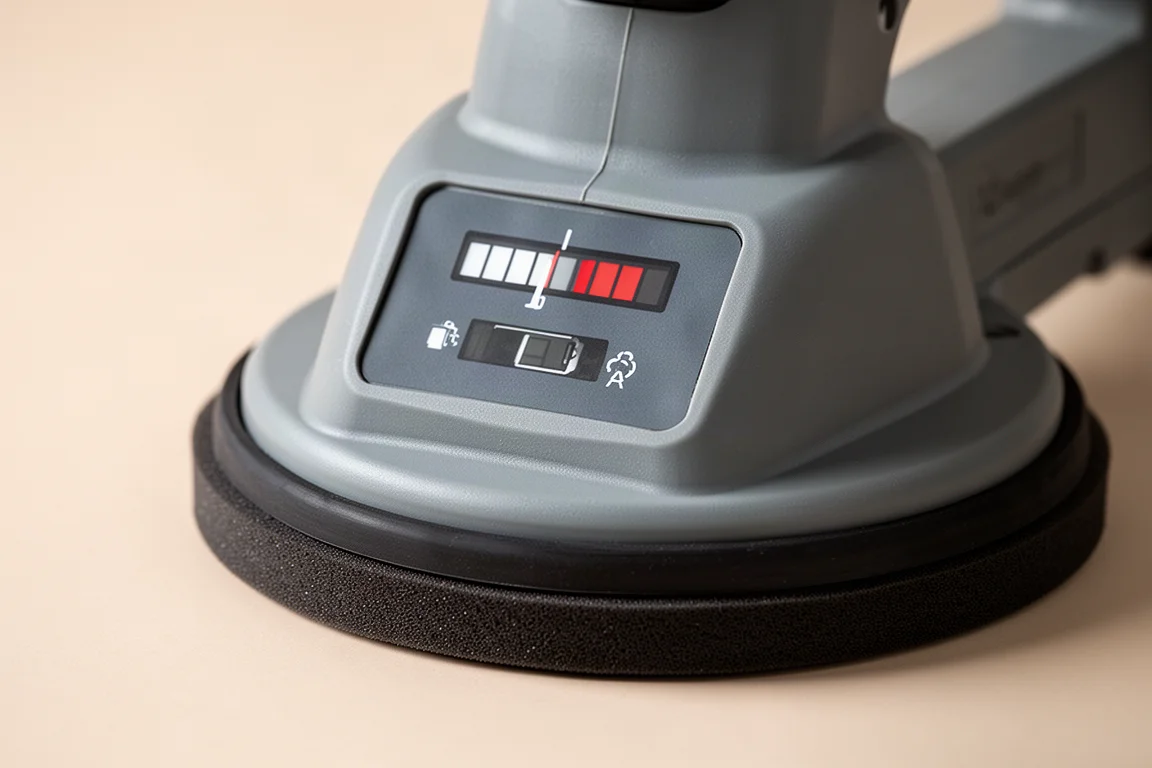
The base gasket uses a foam layer with a rubber sealing surface, and it is a replaceable part that pulls straight out. Keeping it clean is the most important maintenance habit; if it tears, you replace it rather than the whole unit. For tile work especially, where surfaces can carry abrasive sediment, being able to swap the gasket keeps suction performance from degrading.
Which One Fits Your Work
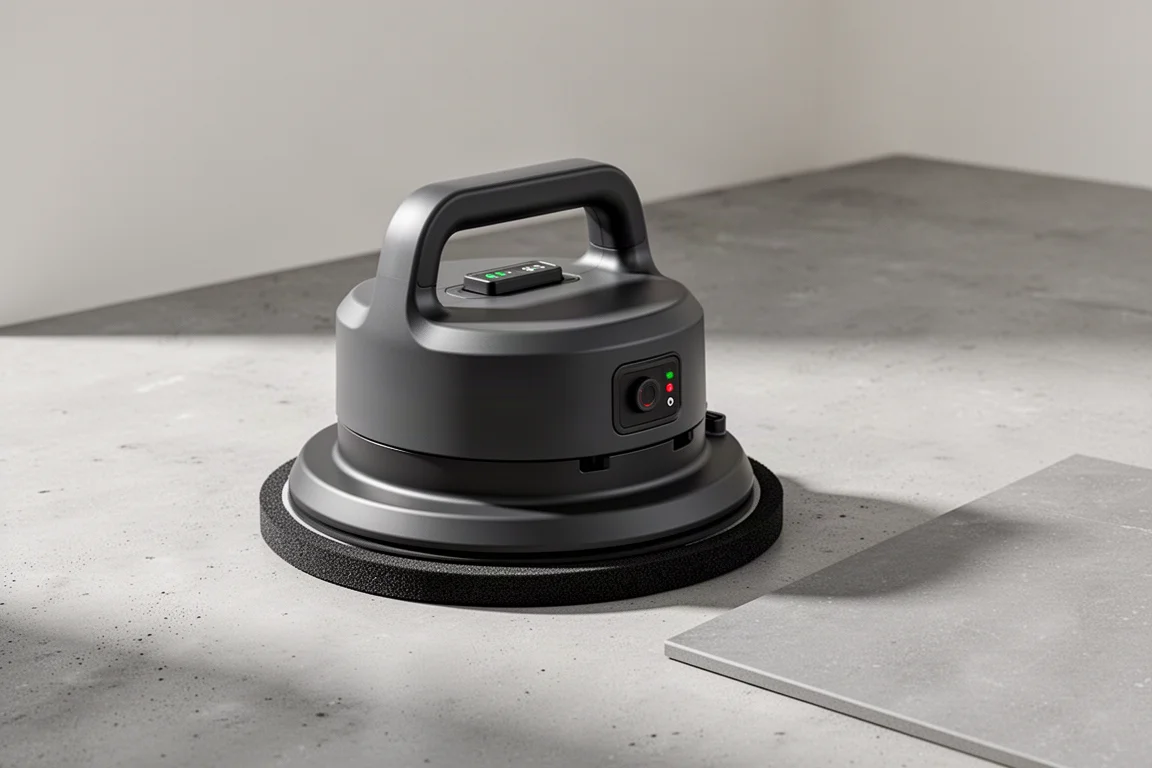
Choose the DCF870 if you value quiet operation, consistent torque, and fine control, particularly in occupied buildings, MRO settings, or precision fastening work. Choose a traditional high-torque impact instead if raw driving speed on large fasteners is your priority. The Grabo Lifter suits anyone regularly handling large tile, glass panels, sheet goods, or flat metal, where the benefit is less about raw capacity and more about control and precision on the first placement.
Conclusion
Both tools are purpose-driven rather than general-purpose upgrades. The DCF870 trades peak torque for consistency, control, and dramatically quieter operation, while the Grabo Lifter turns ungrippable, heavy materials into something one person can position accurately. Matching the tool to the job is what makes each of them worth serious consideration.
Further reading
Related Reviews
Power Tools
Best 1-Inch Pistol Impact Wrenches: Three Heavy-Duty Options Compared
We compare three 1-inch pistol impact wrenches, from a budget-friendly Harbor Freight model to a premium Caterpillar unit, to help you choose the right one.
Power Tools
Best 3/4-Inch Impact Wrenches 2026: Five Contenders Compared
We compare five 3/4-inch impact wrenches across price and performance, from a budget Amazon option to Snap-on's most powerful model yet.
Power Tools
Best Budget Cordless Tools 2026: Walmart Finds That Punch Above Their Price
We tested five cordless tools from Walmart, including a high-torque impact wrench that trades blows with Milwaukee and a $35 duster that outperforms its price class.