Power Tools
DeWalt DCF860 vs Milwaukee Gen 4 Impact Driver: Which Flagship Wins?
A close head-to-head between two new flagship impact drivers, tested across battery types and screw lengths, with surprising results on torque claims and heat.
Introduction
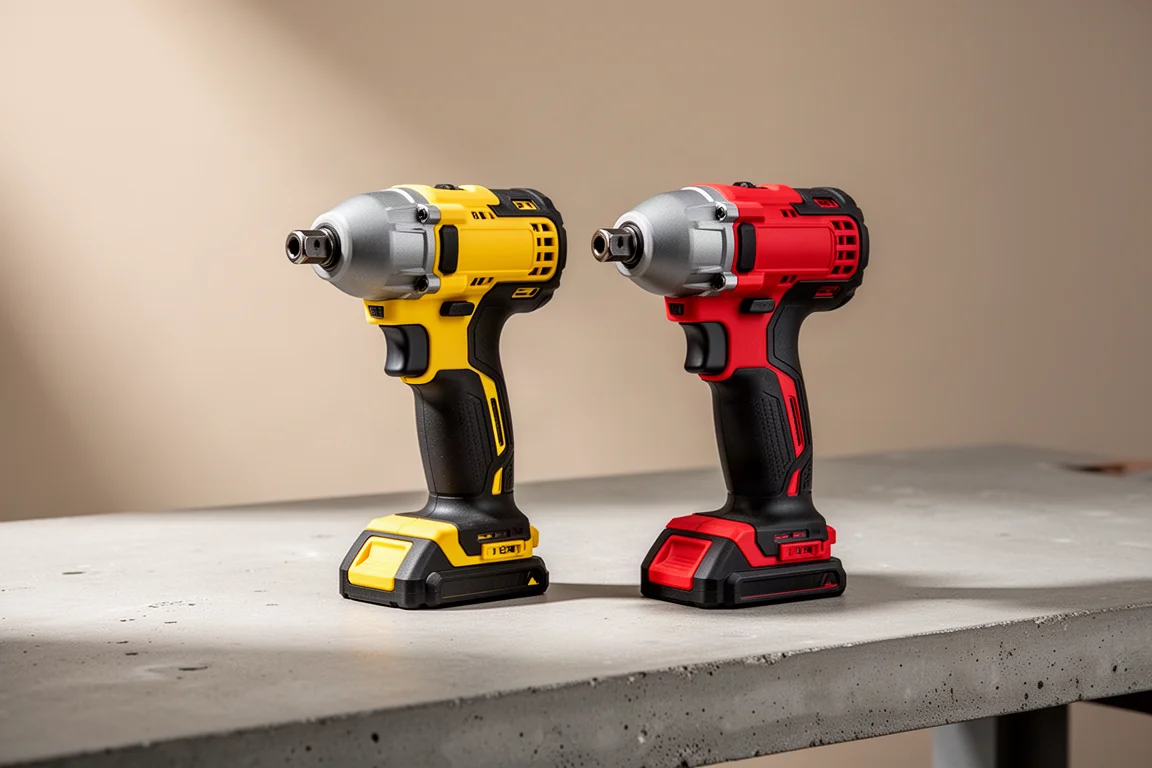
The two newest flagship impact drivers from DeWalt and Milwaukee have gone head to head, and the results are closer than the spec sheets suggest. The DeWalt DCF860 is the brand’s new top model, while the Milwaukee Gen 4 impact driver is the latest top model from its own line. Both were tested with standard 5Ah batteries, 6Ah high-output packs, and pouch-cell batteries, driving structural screws of increasing length until the differences showed.
If you have been waiting on the fence between these two platforms, this comparison covers the performance gaps that actually matter.
How the Testing Was Set Up
The format was simple and repeatable. Both drivers ran on top speed mode, first with standard 5Ah batteries, then with 6Ah packs from each brand, and finally with the closest-matching pouch-cell batteries each company makes. The fasteners were Simpson Strong-Drive SDWS structural screws, starting at 5 inches (125 mm) and stepping up to much longer sizes to see where each tool’s limits appeared.
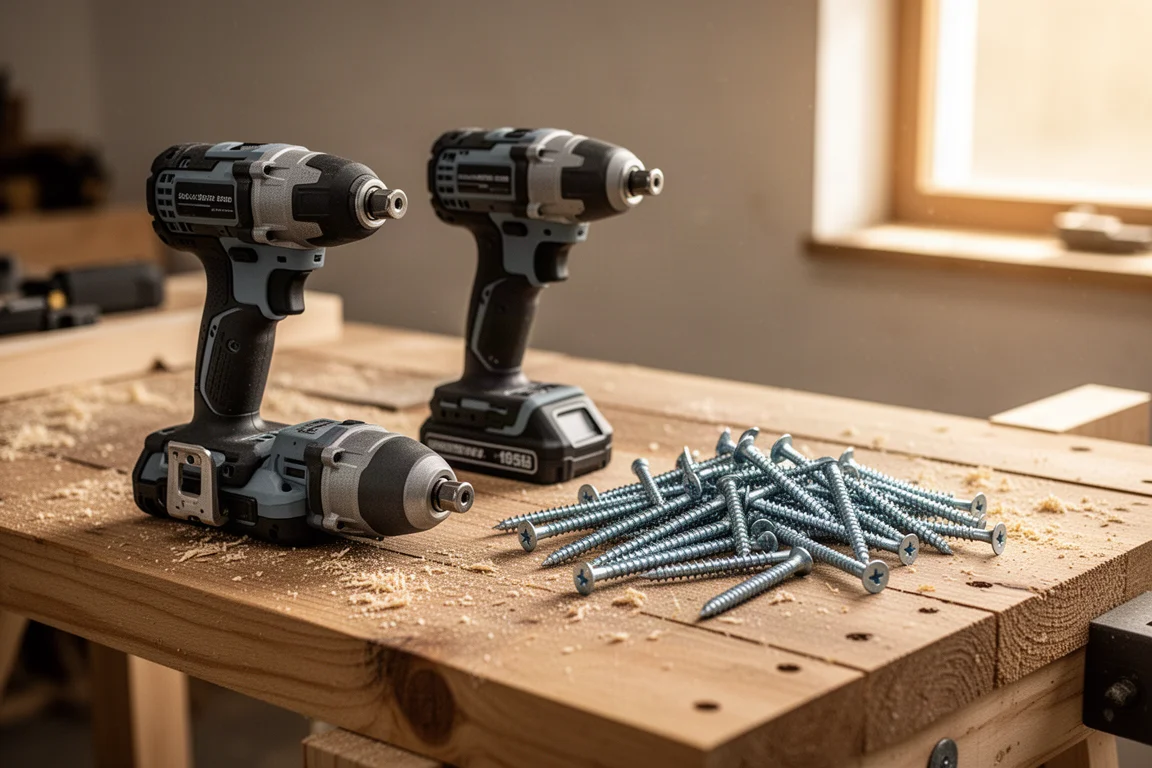
Head-to-head driving tests were run in both directions to cancel out any advantage from wood density or screw placement, which matters a lot when the results are decided by fractions of a second.
Short Screws: DeWalt Stays Ahead
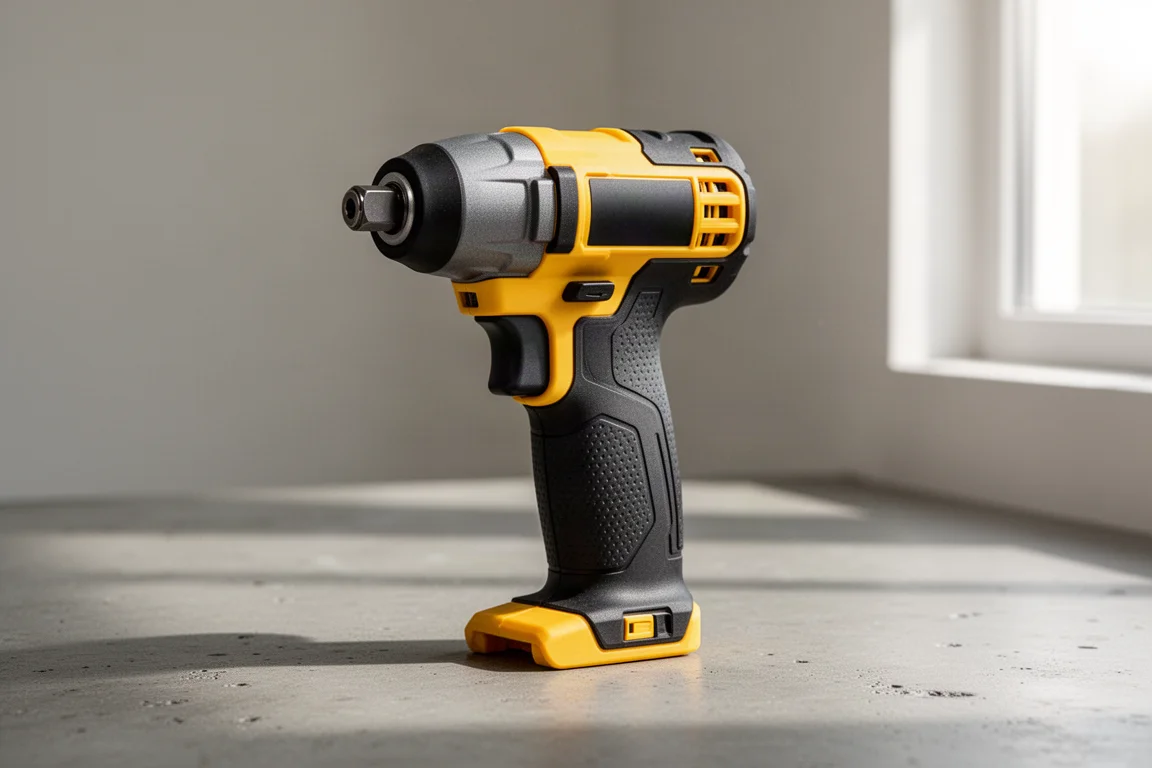
On the 5-inch screws, the DeWalt DCF860 won nearly every run across all battery combinations. The margins were small, often too close to call by eye, but DeWalt consistently got the screw seated flush first. Even when the test swapped batteries between the two tools, the DCF860 kept its narrow edge.
With the 6Ah FlexVolt pack against Milwaukee’s 6Ah high output, DeWalt took it again, and again by a whisker. The pattern was clear: at shorter fastener lengths, this is essentially a coin flip that keeps landing on yellow.
Long Screws Change the Story
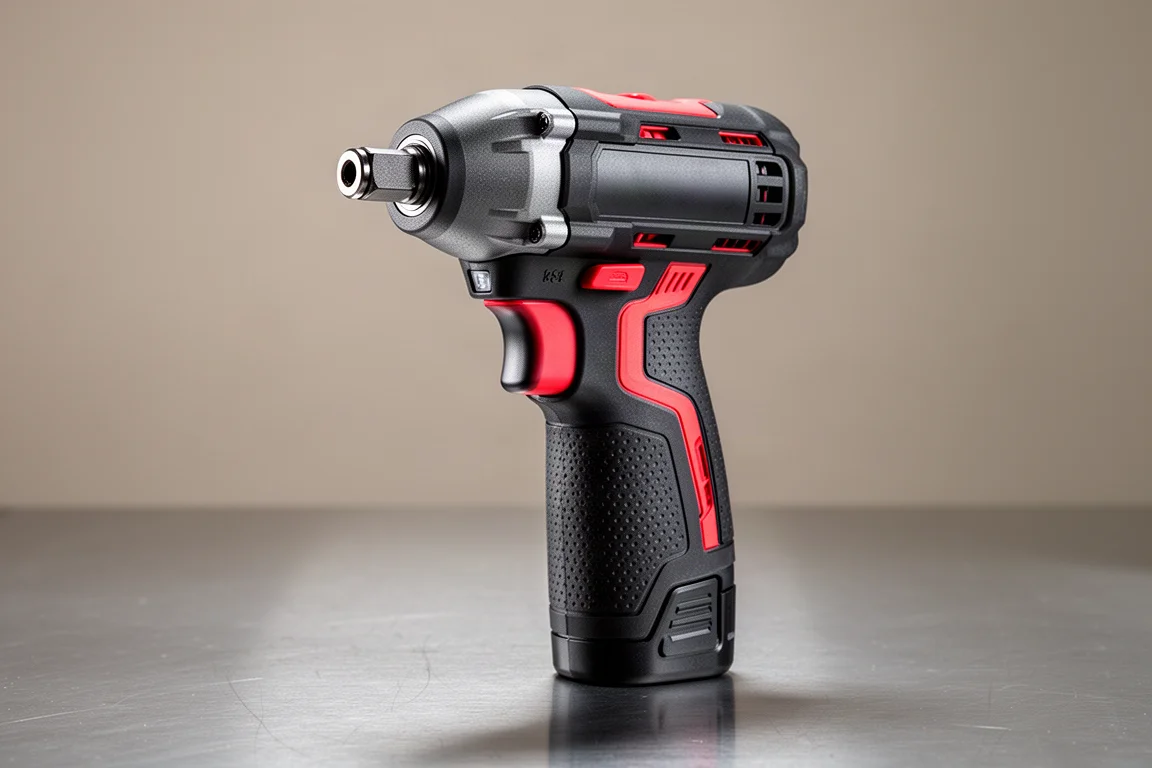
Moving up to 10-inch screws with the pouch-cell batteries, the pattern broke. The Milwaukee pulled off a fractional win, then another, while DeWalt stayed very close. At 12 inches (300 mm), things got genuinely interesting: the Milwaukee powered through screws that the DeWalt visibly struggled with, even with freshly charged batteries at their optimum level.
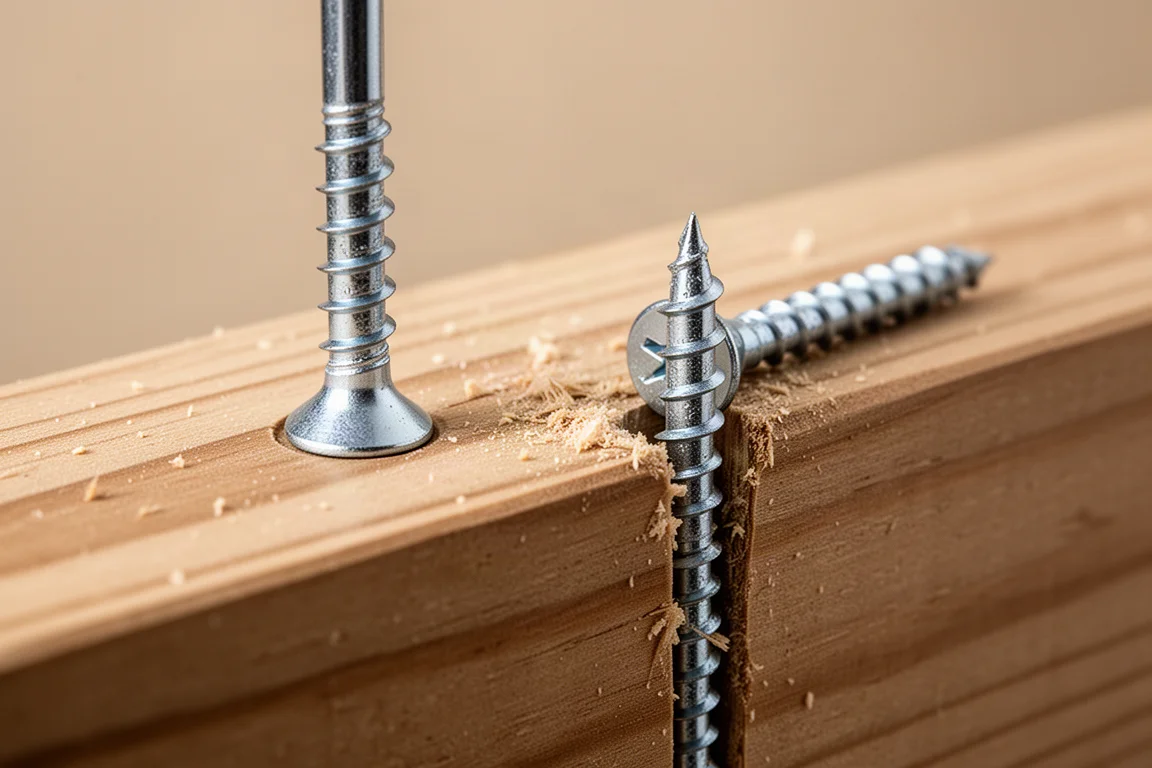
This is where the torque ratings come into question. On paper the DeWalt claims 282 Nm against Milwaukee’s 229 Nm, and by those numbers the DeWalt should have dominated these longer fasteners. In practice it did not, which raises fair doubts about whether that 282 Nm figure holds up in real driving conditions. The Milwaukee, by contrast, delivered torque that matched or exceeded what its rating promised.
Batteries Make a Big Difference
One of the clearest takeaways: the battery you pair with these tools changes the outcome significantly. Cross-testing Milwaukee’s 6Ah Forge pack against DeWalt’s standard 5Ah, and vice versa, swung results dramatically. The 6Ah FlexVolt appeared to outperform the 5Ah standard pack noticeably, and a trigger glitch on the Milwaukee in one run only reinforced how much variance comes from the power source rather than the tool itself.
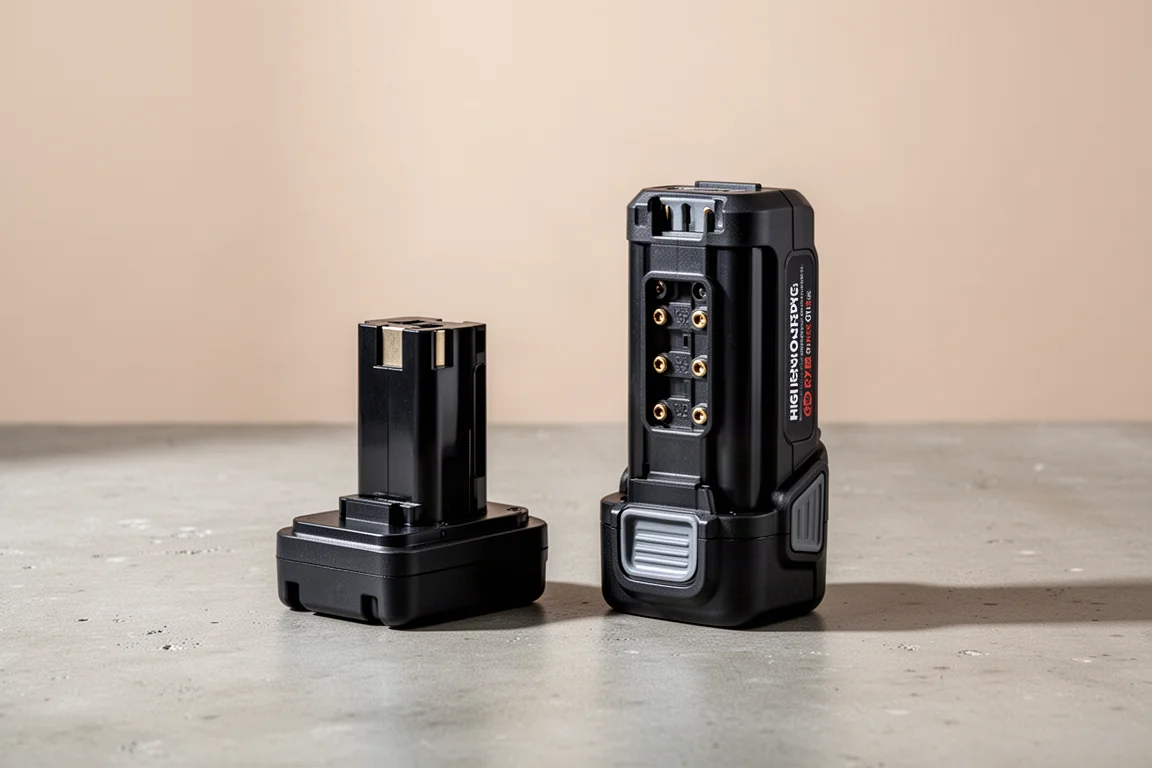
Buyers should budget for a good battery, not just the bare tool. The pack on the back can matter as much as the motor driving the screw.
Heat and Comfort in Daily Use
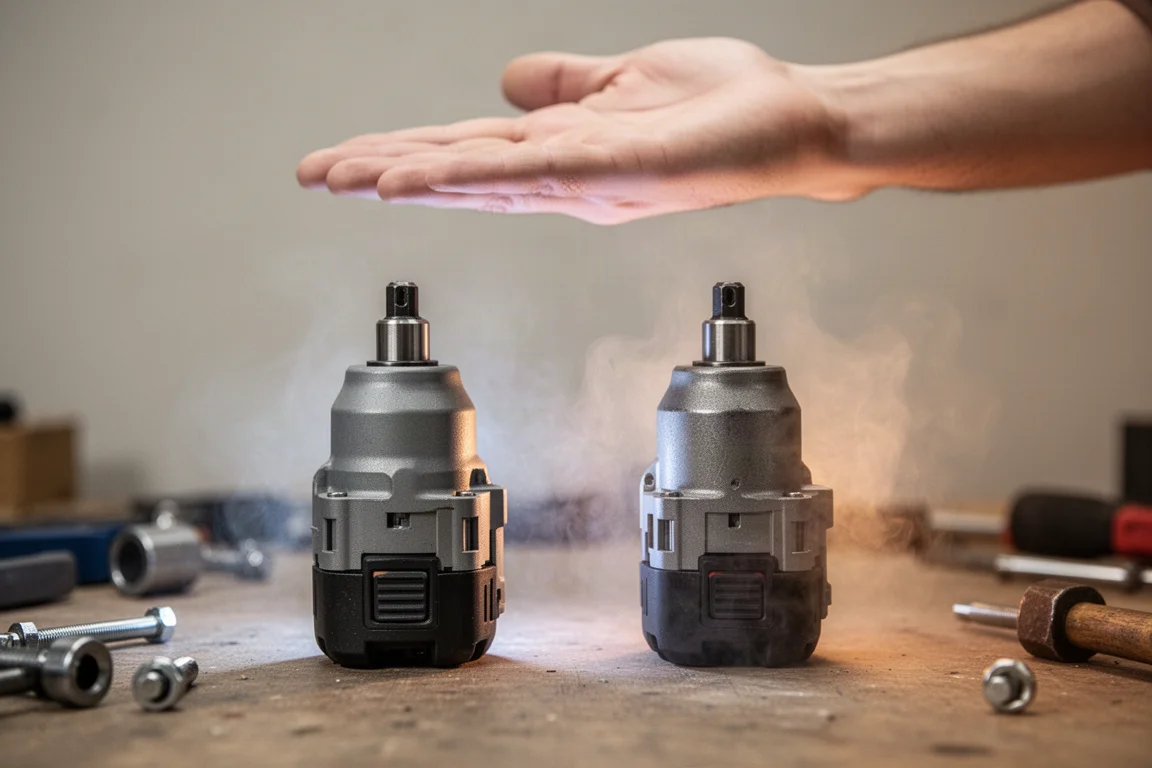
After identical workloads, the Milwaukee stayed barely warm to the touch. The DeWalt was a different story: almost too hot to keep a hand on, close to what could fairly be described as skin-removal territory. Over a long working day, that heat difference is worth thinking about for tool longevity and comfort alike.
That said, the DeWalt has a real ergonomic advantage elsewhere. It transmits noticeably less vibration into the hand during the hardest driving tests, and it simply feels nicer and more comfortable to hold than the Milwaukee. For anyone using an impact driver all day, every day, that matters more than raw speed.
Coach Screws Confirm the Torque Gap
The final stress test used 10 mm diameter coach screws, chosen specifically to expose any real torque difference. Running the 6Ah FlexVolt pack, the DeWalt drove them with ease. The Milwaukee stalled, kept pushing, and snapped the bit adapter before finishing, though the tool itself stayed acceptably cool.
It is an imperfect test with limited adapters, but it suggests the DeWalt does have genuine torque in reserve on these applications, even if its headline number looks inflated elsewhere.
Overall Buying Advice
These two drivers are very close, and the deciding factors are less about winning a stopwatch race than about how you work:
- Choose the DeWalt DCF860 if comfort, low vibration, and burst torque on big coach screws matter most, and you accept significant heat buildup under heavy load.
- Choose the Milwaukee Gen 4 if you drive long structural fasteners regularly, value cooler running, and want torque numbers you can trust, because its ratings appear honest.
Also factor in batteries: a 6Ah pouch-cell or high-output pack measurably changes what either tool can do, and the brands’ packs are not perfectly equivalent.
Conclusion
The DeWalt DCF860 wins most short-screw sprints and feels better in the hand, but its 282 Nm claim looks optimistic under long-screw load. The Milwaukee Gen 4 runs cooler, delivers honest torque, and takes the advantage as fasteners get longer. Neither is a bad choice; pick based on the fasteners you drive most and the platform you already own.
Further reading
Related Reviews
Power Tools
Best 1-Inch Pistol Impact Wrenches: Three Heavy-Duty Options Compared
We compare three 1-inch pistol impact wrenches, from a budget-friendly Harbor Freight model to a premium Caterpillar unit, to help you choose the right one.
Power Tools
Best 3/4-Inch Impact Wrenches 2026: Five Contenders Compared
We compare five 3/4-inch impact wrenches across price and performance, from a budget Amazon option to Snap-on's most powerful model yet.
Power Tools
Best Budget Cordless Tools 2026: Walmart Finds That Punch Above Their Price
We tested five cordless tools from Walmart, including a high-torque impact wrench that trades blows with Milwaukee and a $35 duster that outperforms its price class.