Power Tools
DeWalt DCF860 vs DCF887 vs DCF850: Which Impact Driver Deserves Your Money?
DeWalt's new DCF860 brings serious power upgrades over the DCF887 and DCF850, with brighter lighting, better mode control, and headline torque figures worth understanding before you buy.
Introduction
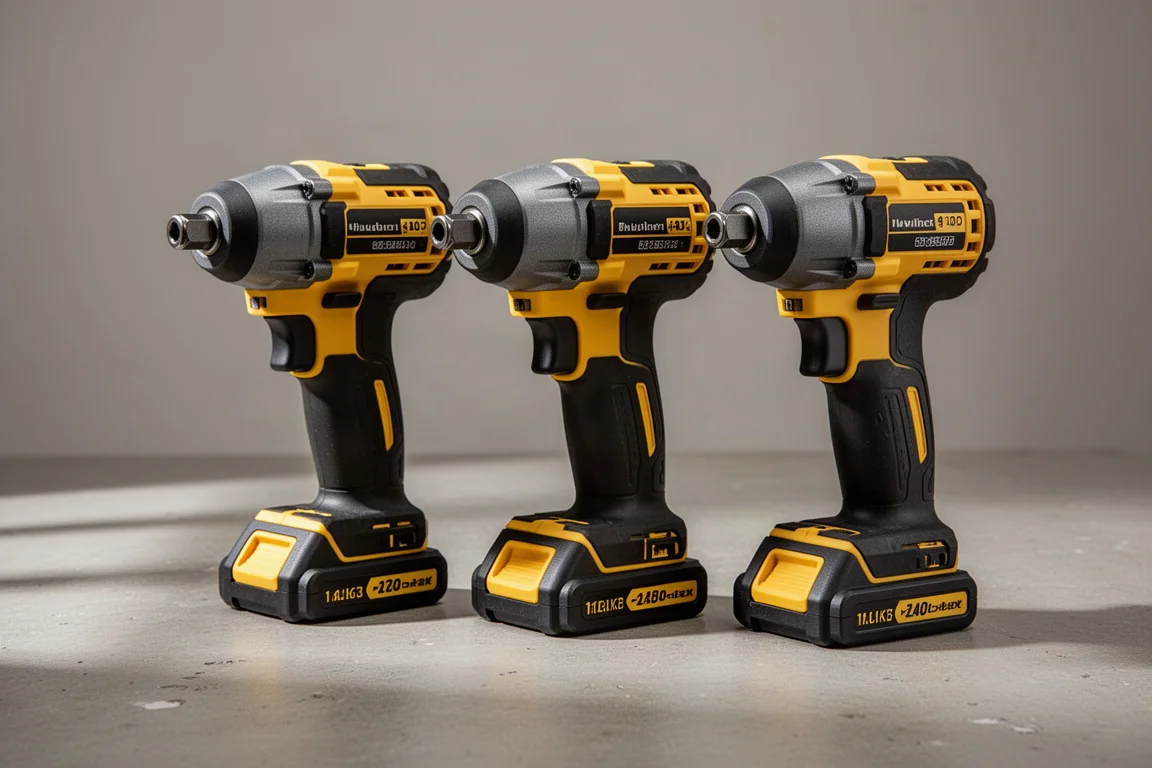
DeWalt’s impact driver lineup has a clear hierarchy right now: the long-running DCF887, the compact but unreliable DCF850, and the new DCF860, which the brand positions as its most powerful 18V brushless XR impact driver. We compared all three side by side, covering specs, size, weight, lighting, mode behavior, and real driving performance with long structural timber screws.
The short version: the DCF860 is the standout on power and features, the DCF887 remains a proven slim all-rounder, and the DCF850 is appealingly small and quick but shows serious reliability concerns.
Head-to-Head: Size and Weight
The DCF887 is the veteran here. It has been around a long time, measures 134mm in length, and is the slimmest of the three at the top of the tool. The DCF850 made a genuine splash when it launched at just 101mm, blowing away almost every other impact driver on size and making it ideal for tight spaces. The new DCF860 lands at 123mm, in between the two, though it does look a little chunkier at the head than either older model.
Weight follows the same pattern. The DCF887 weighs about 1.264kg, the DCF850 around 1.313kg, and the DCF860 a noticeably heavier 1.48kg. That is roughly 200g more than the DCF887, which you can feel in the hand.
Speed and Torque Specifications
On paper, the DCF887 and DCF850 share the same headline numbers: 3,800 impacts per minute at 3,250 RPM. The DCF860 changes that significantly. Its documentation lists 4,400 impacts per minute, though markings on the tool itself suggest 4,500, alongside 3,800 RPM. Either way, that is at least 600 more impacts per minute than the older models, which translates into faster, smaller, less jarring hammer blows.
Torque is where the DCF860 really separates itself. In mode one it runs 800 RPM with 141Nm of max torque, roughly entry-level impact driver territory. Mode two jumps to 2,500 RPM with 242Nm of max tightening torque, and this is the mode to use with Impact Ready style attachments. Mode three is pure brutality: 3,800 RPM and a claimed 282Nm of fastening torque. If that figure holds up in testing, it would make the DCF860 one of the most powerful compact impact drivers available, outpacing competitors’ higher claimed numbers that are widely understood to underperform their ratings.
Work Lights and Mode Controls
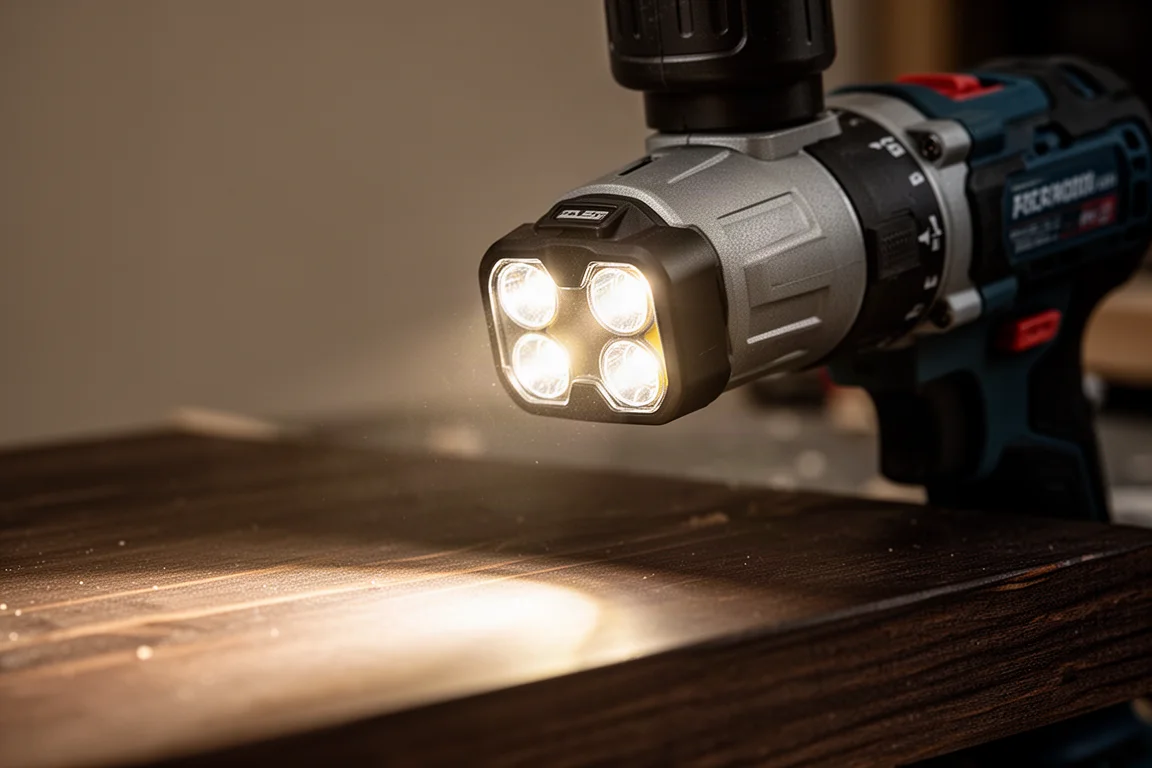
The DCF887 and DCF850 have essentially the same under-nose lighting, with the DCF850’s being white and the DCF887’s slightly yellow. The DCF860 is significantly brighter at 83 lumens, and its light system is genuinely more useful. A dedicated light button offers four settings: 100% brightness that stays on for 20 minutes, a 50% setting for 20 seconds, off, and a momentary 100% burst. That 20-minute torch mode is genuinely handy when working under a house or in a roof.
Mode control is another meaningful difference. Both the DCF887 and DCF850 have three modes, but in practice both tend to jump into whatever mode they feel like. Units have been observed ignoring the selected speed, reverting to top speed, or shifting modes when the battery is removed and reattached, suggesting weak quality control on these older models. The DCF860 replaces the flimsy clicky selector with a positive-action digital mode button that feels like selecting a gear, and there are still three simple modes. It has no fancy electronics beyond that: effectively power, more power, or maximum power.
Real-World Driving Test
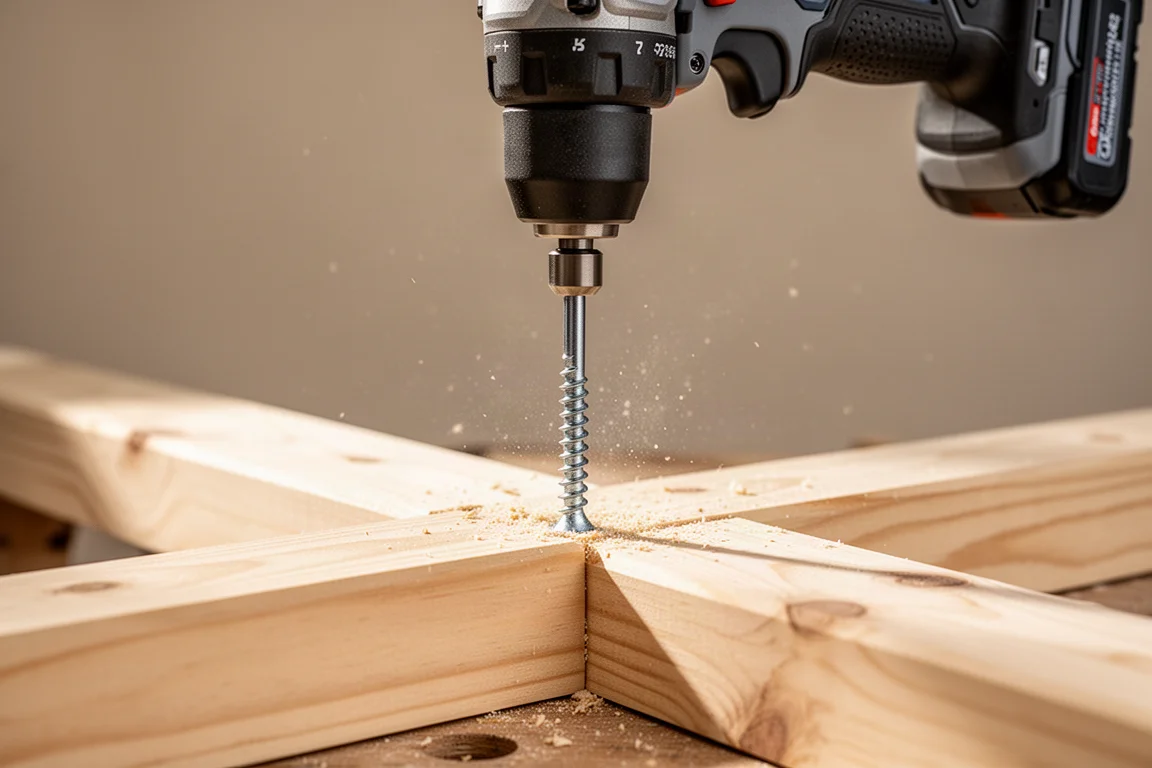
Driving 5-inch structural timber screws into pine framing timber without pre-drilled holes, the DCF860 won every matchup against both the DCF887 and the DCF850, often dramatically. At 10 inches (250mm), the gap widened further. The DCF850 proved so unreliable during testing that it was swapped out for a brand-new unit, and even then the DCF860 finished well ahead.
The higher impact rate also affects feel. The DCF860’s faster, smaller impacts produce vibration that is noticeably less jarring on the arm, elbow, and wrist than the older tools. One other observable difference: the DCF860 pushes far more air out of the front during heavy driving, an audible and physical sign of how much extra output it has.
Battery Test: Does the Battery Change the Power?
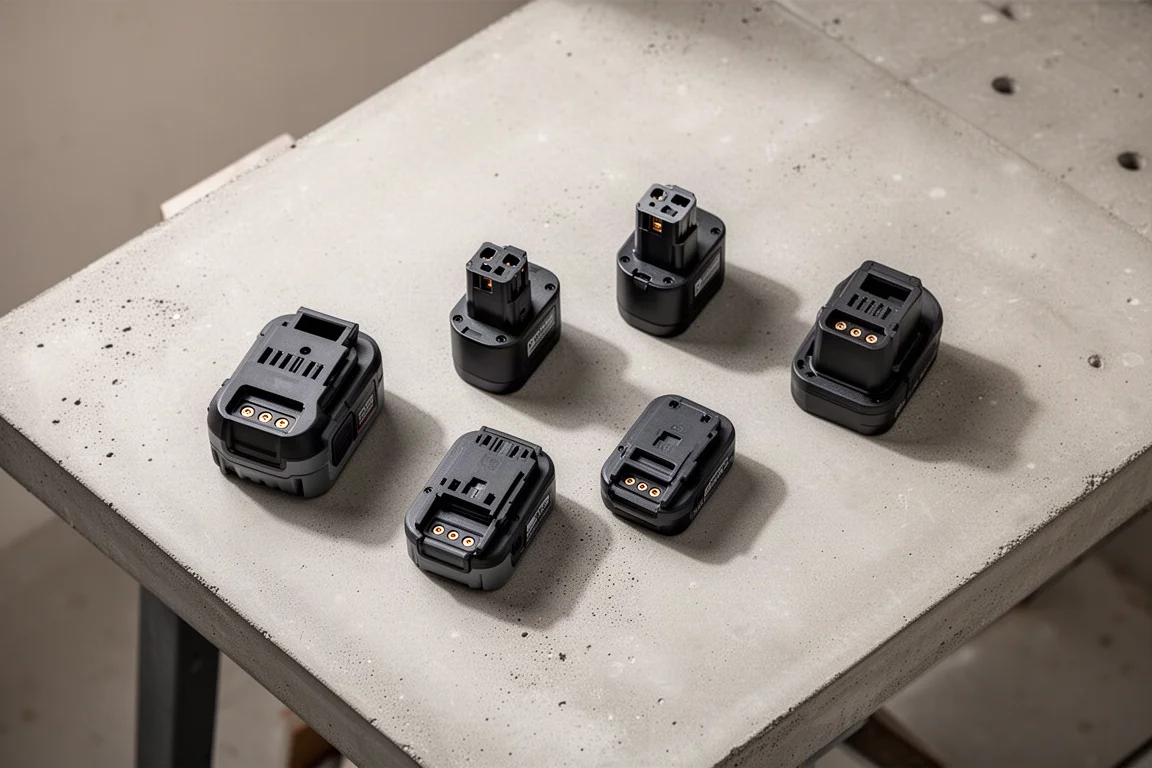
To see whether the DCF860’s output changes with the battery, four packs were tested fresh off the charger: a 1.7Ah PowerStack, a 5Ah PowerStack, a standard 5Ah, and a 6Ah FlexVolt. The test was which pack drove a 10-inch structural timber screw fastest.
The result was emphatic across the board. With every battery tested, the DCF860 drove the long screws far faster than either the DCF887 or DCF850, making the tool, not the battery, the deciding factor.
Impact Ready Accessories and Everyday Usability
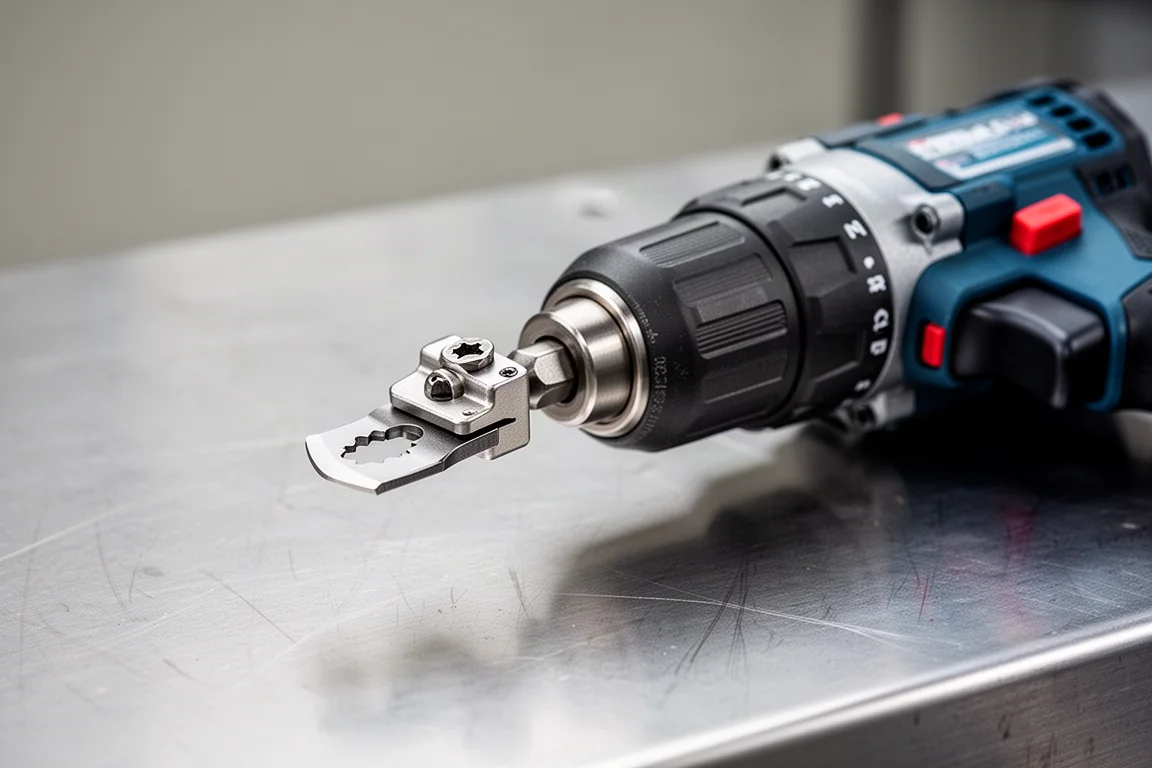
The DCF860 works with Impact Ready style attachments, the clip-on tools that mount onto the hex chuck and are driven by the driver, such as pipe cutters and metal shears. For those, use mode two. Mode three is simply too powerful and will overload the attachments.
The front of the DCF860 is rubberized with nine LEDs, similar in build to the rubberized fronts on the DCF887 and DCF850. It ships with a belt clip and a bit holder included. One note for buyers: the DCF860 is manufactured in China.
Which One Should You Buy?
If raw power, brighter lighting, reliable mode selection, and better vibration comfort matter, the DCF860 is the clear pick and should outperform both older models as well as most competitors on the market. If you need the slimmest, lightest tool for tight overhead work and prefer a long-proven design, the DCF887 remains a solid choice. The DCF850 is tempting for its tiny 101mm footprint and plenty of power for its size, but the recurring mode-jumping and failure issues make it hard to recommend over the DCF860, which costs more but appears built to last.
Conclusion
The DCF860 is a genuine step up: more impacts, more torque, a better light, and more dependable mode control, all in a body only slightly larger than the compact DCF850. For most buyers choosing between these three, the newer tool’s power and polish justify the upgrade, while the DCF887 holds its place as the slim classic and the DCF850 remains the small-but-flaky option.
Product link
View more details for DeWalt DCF860 20V XR Impact Driver
This product is mentioned in the review. Check the specifications, options, and compatibility before buying.
View more details for DeWalt DCF860 20V XR Impact DriverFurther reading
Related Reviews

Power Tools
Best 1-Inch Pistol Impact Wrenches: Three Heavy-Duty Options Compared
We compare three 1-inch pistol impact wrenches, from a budget-friendly Harbor Freight model to a premium Caterpillar unit, to help you choose the right one.

Power Tools
Best 3/4-Inch Impact Wrenches 2026: Five Contenders Compared
We compare five 3/4-inch impact wrenches across price and performance, from a budget Amazon option to Snap-on's most powerful model yet.

Power Tools
Best Budget Cordless Tools 2026: Walmart Finds That Punch Above Their Price
We tested five cordless tools from Walmart, including a high-torque impact wrench that trades blows with Milwaukee and a $35 duster that outperforms its price class.