Power Tools
DeWalt DCF860 Impact Driver Review: Power, Feel, and How to Spot a Fake
A close look at the genuine DeWalt DCF860 impact driver, its real-world driving performance, and the telltale signs that separate it from the counterfeits flooding online marketplaces.
Introduction
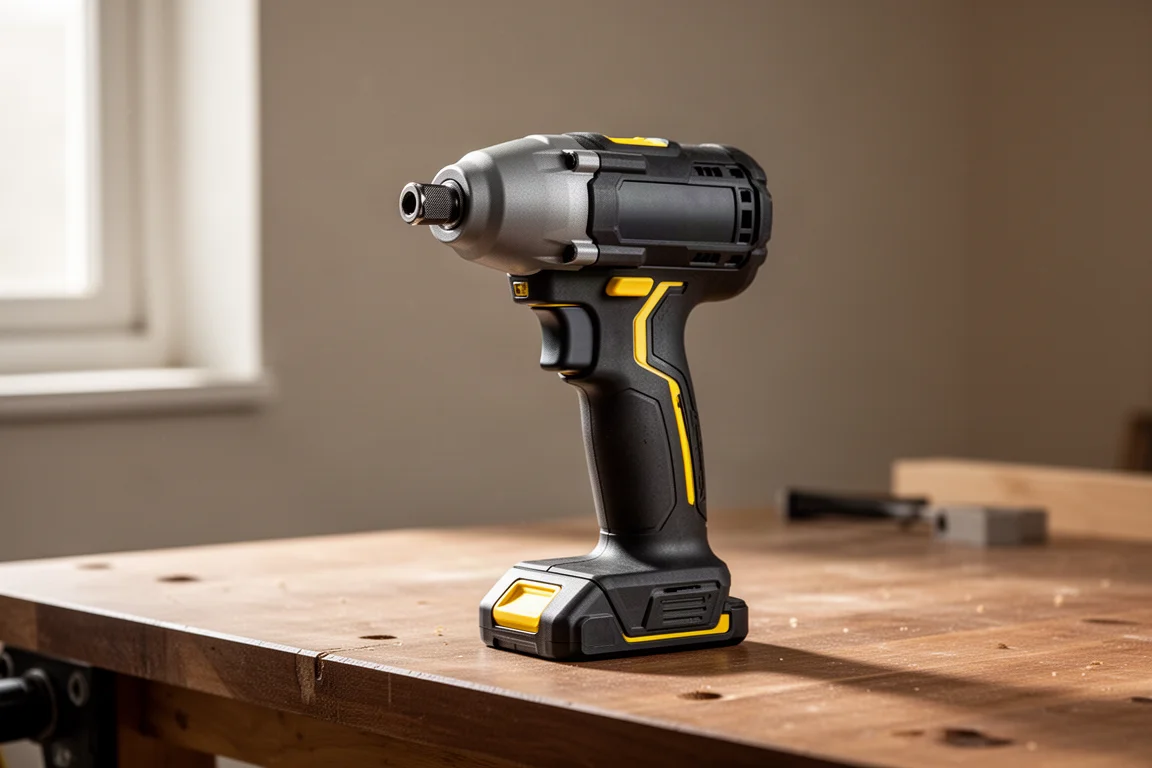
The DeWalt DCF860 sits near the top of the brand’s current impact driver range, and on paper the numbers are serious: a claimed peak torque figure around 282 Newton meters, with even the lower settings offering more twisting force than most tasks will ever need. In use, it behaves like a tool with big numbers behind it. Long structural screws sink cleanly, the trigger response is immediate, and there is none of the hesitation you sometimes get from smaller drivers asked to do heavy work.
There is one caveat worth flagging before anything else: this is a tool that gets counterfeited heavily. A genuine DCF860 typically costs somewhere north of $300, while convincing-looking fakes from overseas marketplaces sell for around $60 delivered. That price gap alone should set off alarm bells, but the differences go much deeper than the sticker.
Who This Product Is For
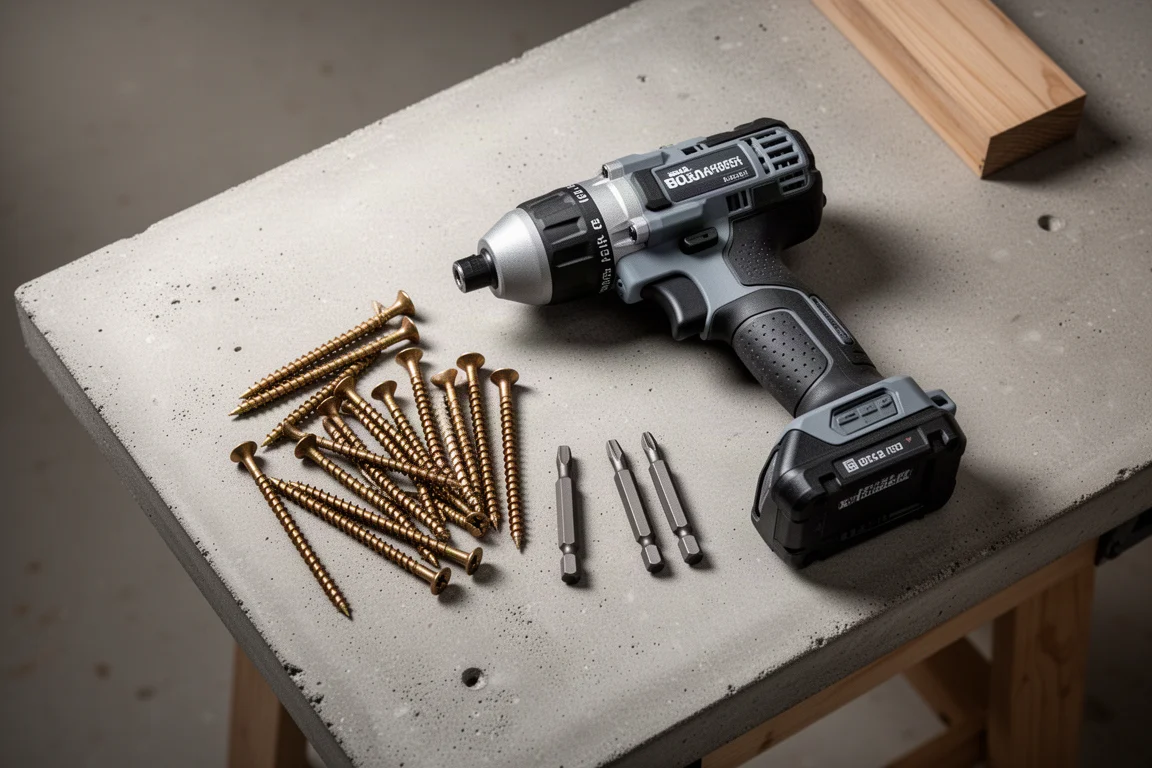
The DCF860 makes sense for anyone who regularly drives long or dense fasteners: framers, deck builders, and serious DIYers who want headroom rather than a bare minimum. If your work is mostly small cabinet screws, a lighter or cheaper driver will do the job. But if you want a tool that smashes through 8-inch and 10-inch structural screws without breaking a sweat, this class of impact driver is where that happens.
It is also worth understanding the naming. The DCF860 is sold as a 20-volt tool in the US and as an 18-volt tool in most of the rest of the world. There is no difference between the two: the batteries are the same, the cells are the same, and the power output is identical. An 18-volt battery is 18 volts nominal, and 20-volt max is just how the peak charge of that same battery is marketed. Batteries are completely interchangeable, so buy whichever version your region sells and ignore the marketing.
Main Strengths
The headline strength is raw torque. This is among the highest-rated impact drivers around, with a claimed maximum of roughly 282 Newton meters, and even the lowest speed setting is quoted around 141 Newton meters. In practice that translates to a tool that drives large fasteners with confidence and never feels strained.
The chuck design is another quiet win. It uses a spring-loaded mechanism that keeps bits seated tightly, so standard bits stay put with very little wobble. One regional quirk to note: Japanese-market versions use a longer chuck that accepts longer Japanese-pattern bits, so if you buy a unit intended for that market, standard bits will move around more than you might expect.
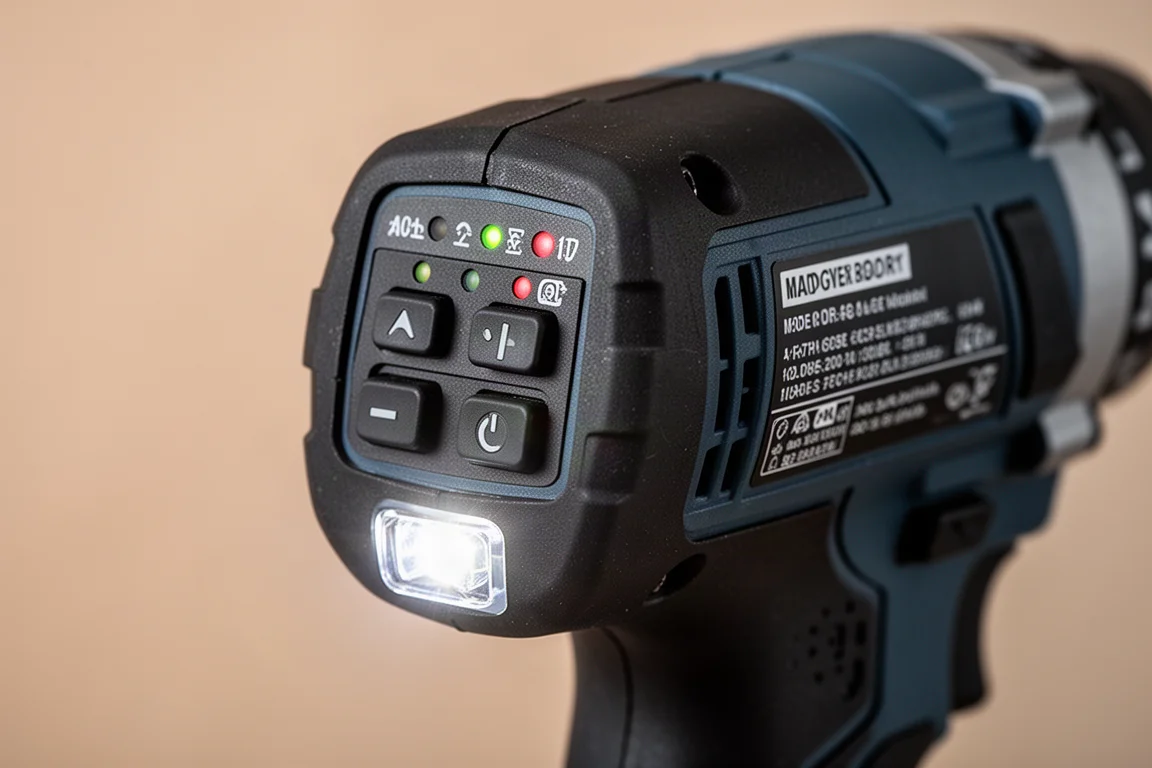
Brushless motor technology, multi-speed control, and an on-tool work light round out a package that feels genuinely premium in the hand. The body also uses PA66 nylon with 30 percent glass fibre in the housing, which is a meaningful durability step up from cheaper plastics.
Real-World Driving Performance
In screw-driving tests with freshly charged 1.7Ah batteries, the genuine DCF860 sank every fastener in the test run: 75mm, 100mm, 125mm, 150mm, 200mm, and 250mm structural screws, all driven flush in one pass with no double starts or cutouts. It simply powers through everything presented to it, which is exactly what you want at this price point.
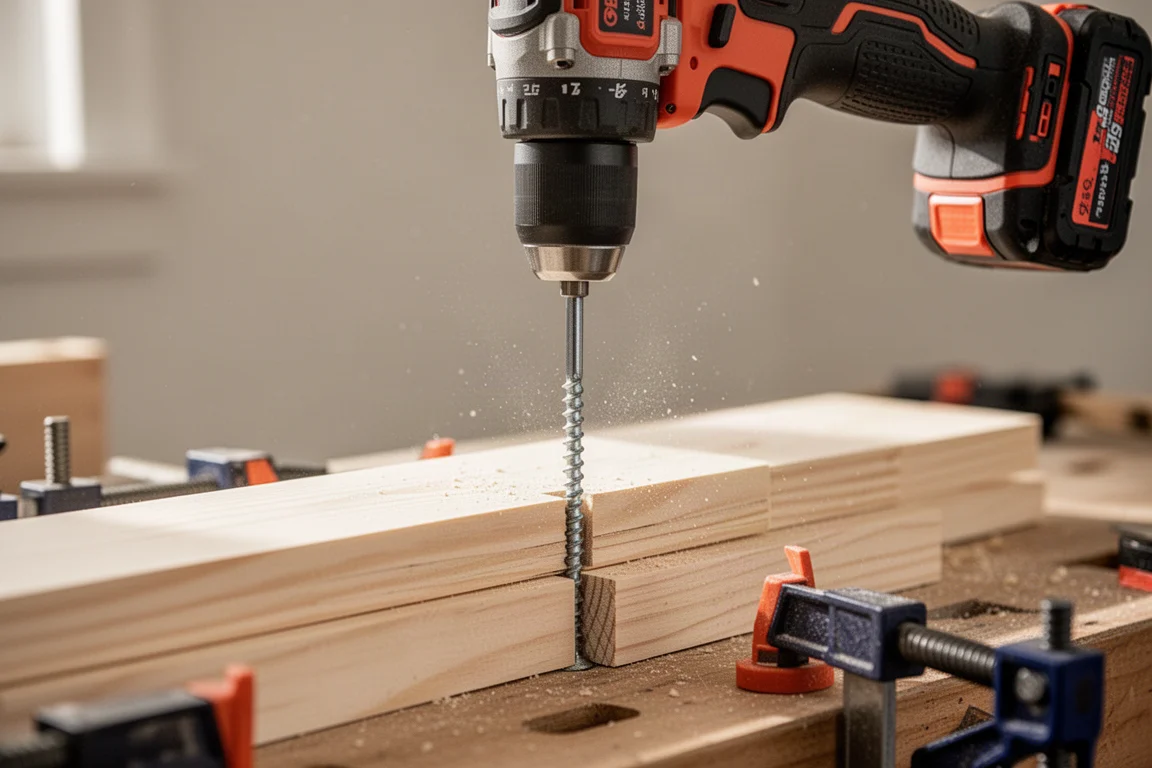
By contrast, a counterfeit DCF860 tested alongside it struggled badly. The fake stalled on the first screw, needed speed settings cycled to wake it up, cut out when over-torqued, drained a visible bar of battery on a single long screw, and ran hot at the base of the handle. Its control panel also randomly shut off after a few seconds. The gap in real performance is enormous, and it is the clearest argument for buying from an authorised dealer.
Things to Consider Before Buying
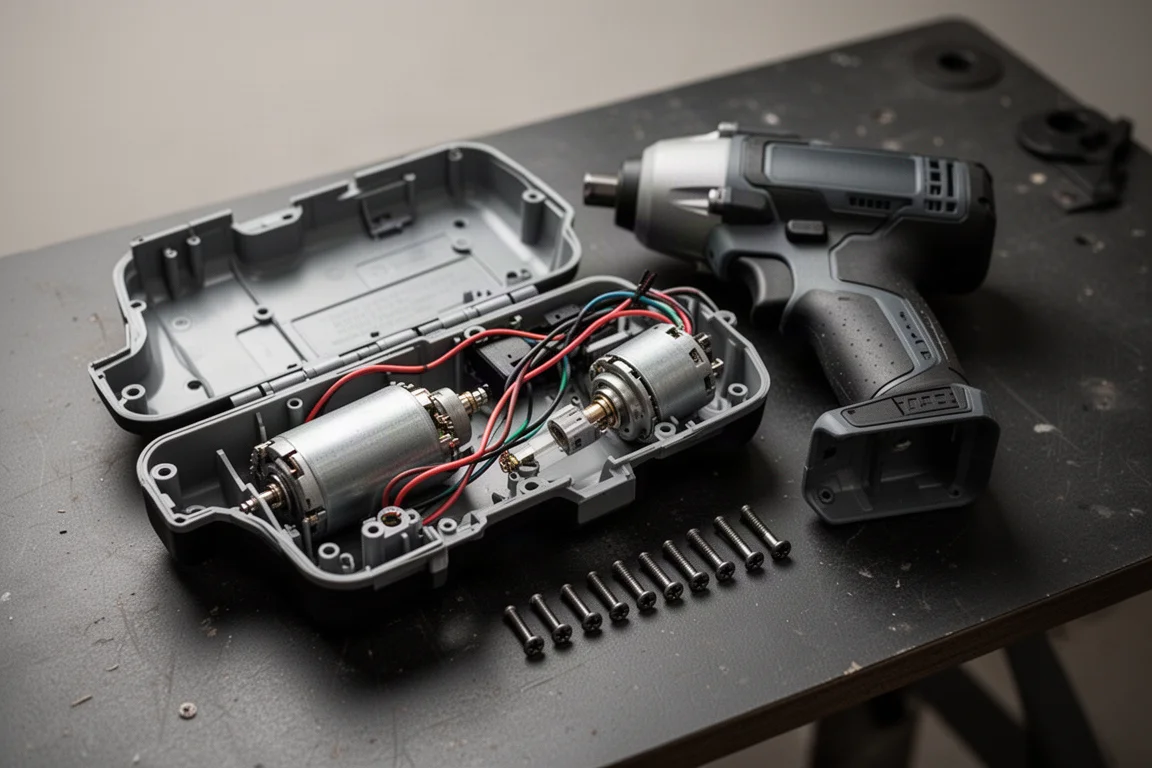
The biggest risk with this model is not the tool itself but what might arrive in the box. Counterfeit DCF860s are common on large online marketplaces, and they are getting harder to spot. Still, there are reliable tells. Counterfeit units typically weigh just over 100 grams lighter than the genuine tool, and the control panel is almost always copied poorly, with wrong fonts, missing markings, and generic panels shared across fake tools of many brands.
Other giveaways include rough moulding with loose plastic flashing, poorly punched vents, a narrower base, a hammer-drill symbol on an impact driver (a category error no genuine unit would make), incorrect spec stickers such as 3,250 RPM instead of the genuine 3,800, and missing XR badging. Inside, fakes use a much smaller motor, a plastic-potted circuit board with no heat sink, glued connectors, and hand-soldered wire joins. Genuine units are also effectively unrepairable by design, with glued plugs and sealed components, so plan on replacing rather than servicing the tool long term.
Buying Advice
Buy the DCF860 only from an established retailer or an authorised DeWalt dealer, and treat any dramatically discounted listing with suspicion. If you are evaluating a secondhand unit, check the control panel quality, weigh the tool against published specs, look for the XR marking, and inspect the finish around the vents and moulding seams. A $60 listing for a $300 tool is not a bargain; it is a counterfeit.
Conclusion
The genuine DeWalt DCF860 is a genuinely excellent impact driver: enormous torque, clean trigger response, tight bit retention, and the build quality you would expect from a premium brand. The catch is that this specific model is among the most counterfeited tools on the market. Buy from a trusted source, check the telltale signs, and you will end up with a tool that drives anything you put in front of it.
Product link
View more details for DeWalt DCF860 20V XR Impact Driver
This product is mentioned in the review. Check the specifications, options, and compatibility before buying.
View more details for DeWalt DCF860 20V XR Impact DriverFurther reading
Related Reviews
Power Tools
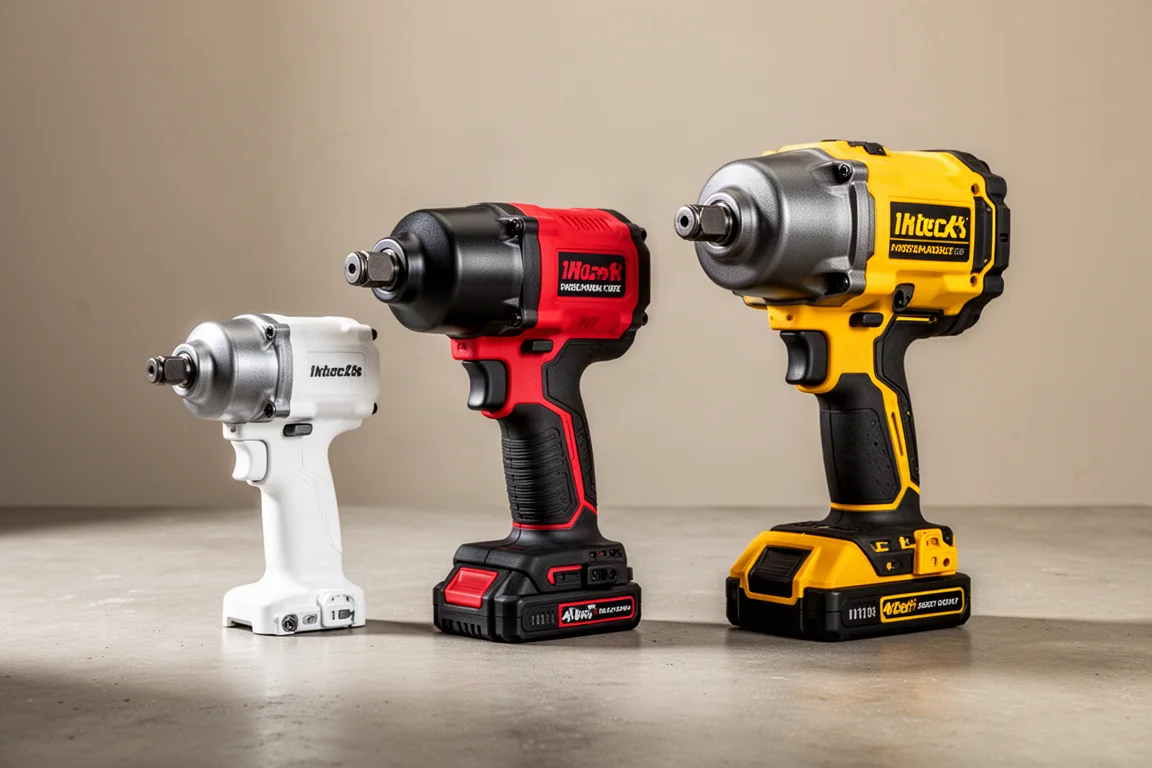
Best 1-Inch Pistol Impact Wrenches: Three Heavy-Duty Options Compared
We compare three 1-inch pistol impact wrenches, from a budget-friendly Harbor Freight model to a premium Caterpillar unit, to help you choose the right one.
Power Tools
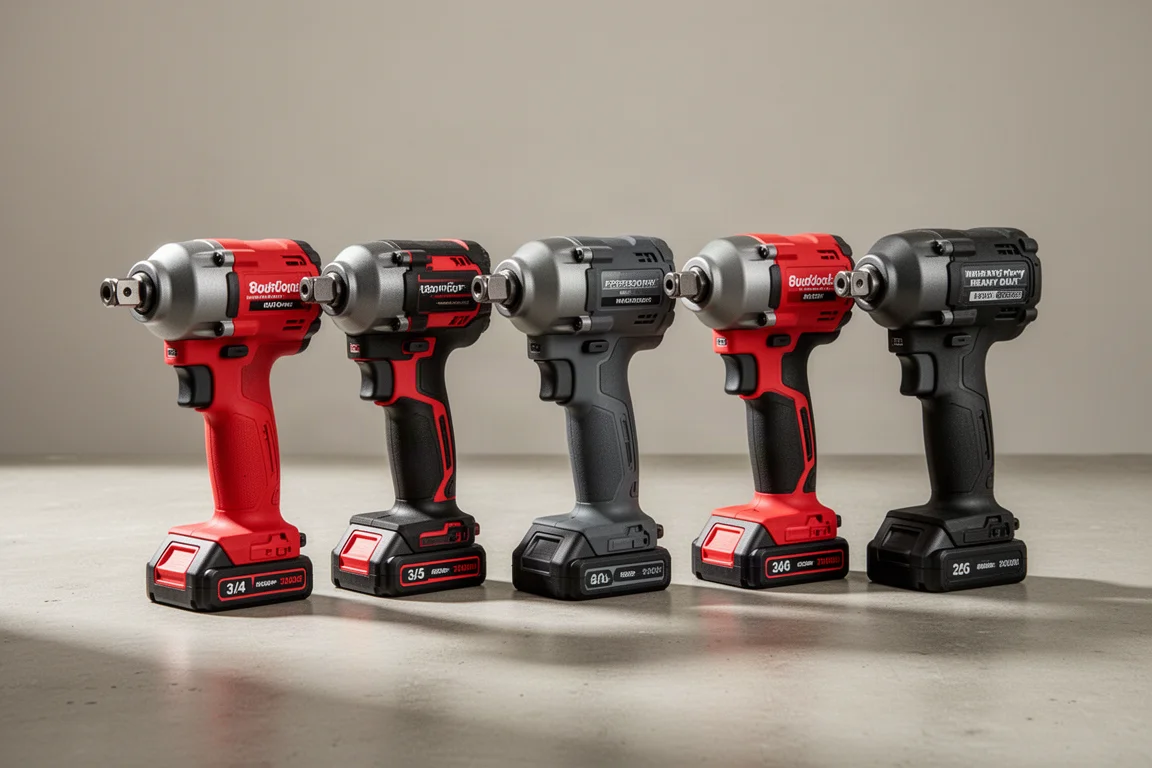
Best 3/4-Inch Impact Wrenches 2026: Five Contenders Compared
We compare five 3/4-inch impact wrenches across price and performance, from a budget Amazon option to Snap-on's most powerful model yet.
Power Tools
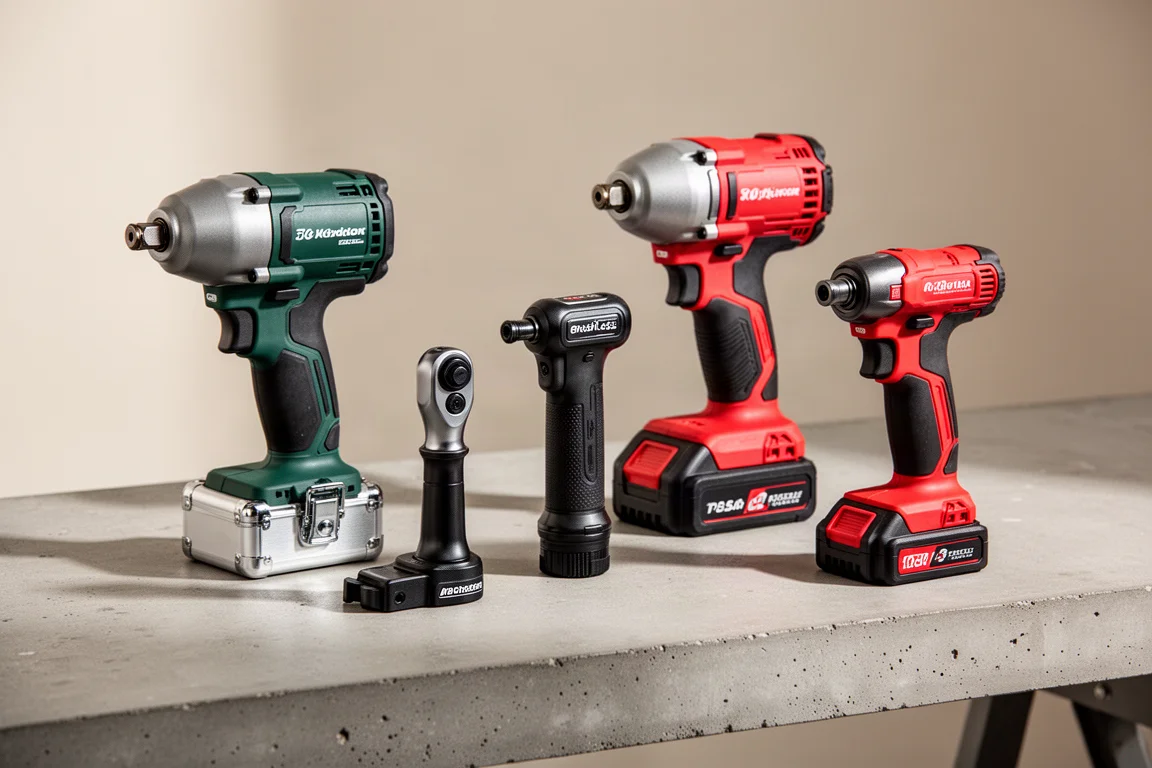
Best Budget Cordless Tools 2026: Walmart Finds That Punch Above Their Price
We tested five cordless tools from Walmart, including a high-torque impact wrench that trades blows with Milwaukee and a $35 duster that outperforms its price class.