Power Tools
DeWalt DCF850 vs Milwaukee M18 Fuel 2853-20: Compact Impact Driver Showdown
Two of the most compact and powerful 20V and 18V impact drivers go head to head across drywall, wood, and lag fastener tests.
Introduction
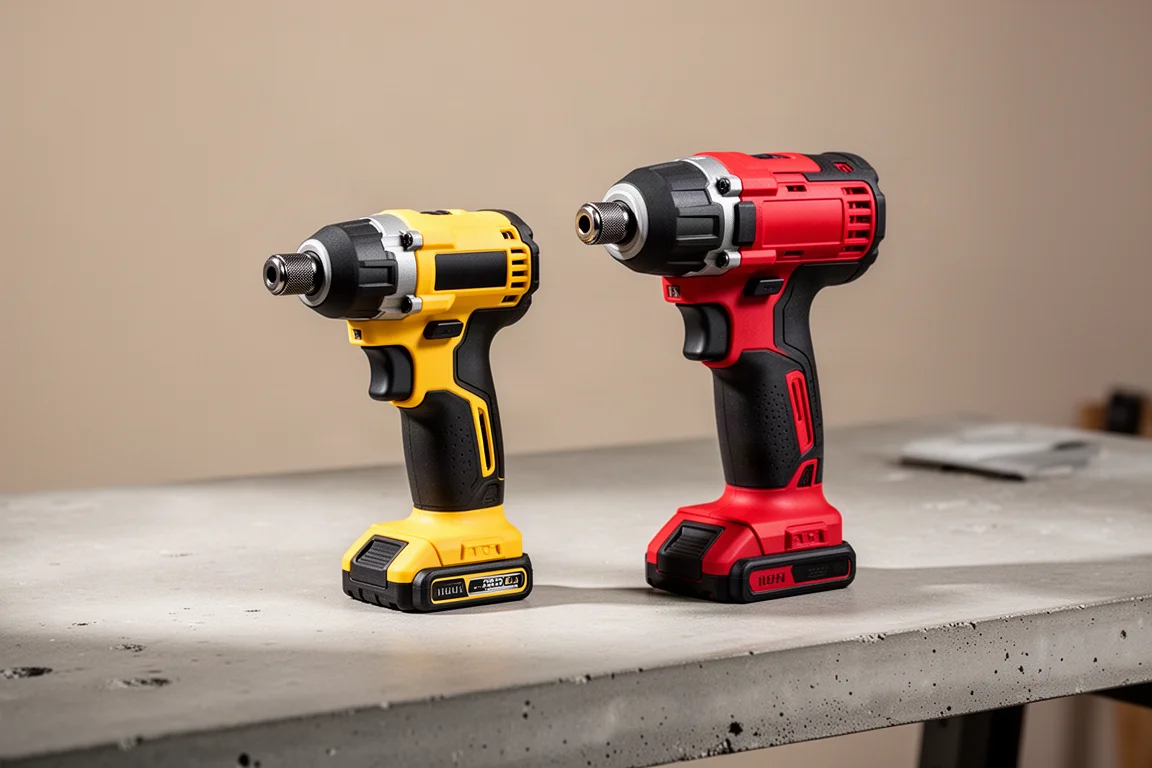
When DeWalt released its most compact and powerful impact driver, the DCF850, it handily outperformed its predecessor, the DCF887. That immediately raised a question: does this new Atomic 20V Max driver have the torque, technology, and compactness to outperform Milwaukee’s Gen 3 M18 Fuel 2853-20, one of the most powerful Fuel impact drivers on the M18 platform?
We ran both tools through the full gamut of fastener tests, from delicate drywall screws to quarter-inch engineered lag bolts, using fully charged 5Ah batteries on each side. Here is how it played out.
Specs at a Glance
The DeWalt DCF850 (product number DCF850P1) is a 20V Max quarter-inch brushless cordless three-speed impact driver. Its no-load speed spans 0 to 3,250 RPM with up to 3,800 impacts per minute, maximum torque is 1,825 inch-pounds, and it weighs 2.1 pounds at 3.97 inches long and 8 inches tall. It was released in 2021.
The Milwaukee M18 Fuel 2853-20 runs on the M18 platform with a no-load speed of up to 3,600 RPM and up to 4,300 impacts per minute. Maximum torque is 2,000 inch-pounds, weight is 2.2 pounds, and it measures 4.59 inches long by 7.54 inches tall. It was released in 2018, so it is considerably older than the DeWalt.
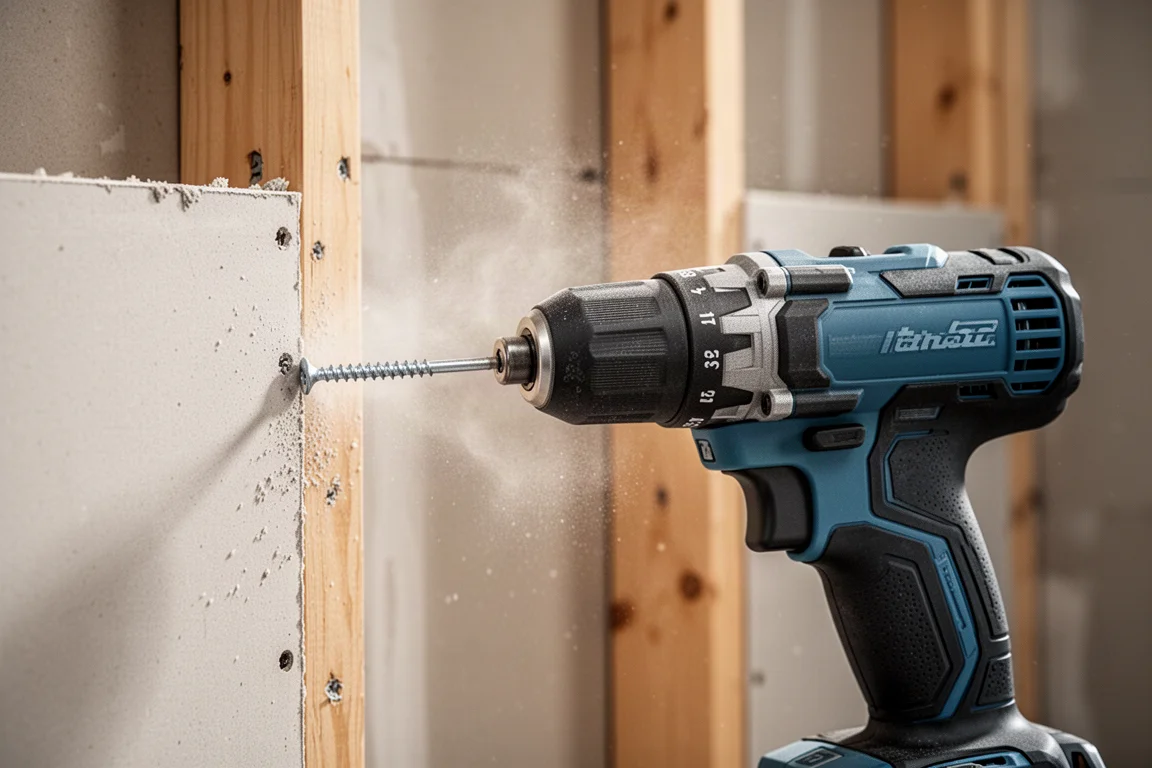
On paper, the Milwaukee looks stronger, but one design gripe stands out: the battery extends further out than the tool itself. DeWalt’s newer battery platform addresses that kind of problem, and the DCF850’s specs may look even more impressive alongside newer additions to the DeWalt battery lineup.
Drywall Screw Performance
The first test used 1-5/8-inch drywall fasteners across all three speeds. In speed one, the Milwaukee handily outperformed the DeWalt, driving deeper. The DeWalt’s three-speed technology seems engineered for delicate cabinetry work in speed one, which is the only setting many experienced users touch on older models.
In speed two the results were close, and in speed three it was nearly a photo finish.
Long Drywall Fasteners: Where Precision Counts
Three-inch drywall fasteners are not made to be driven three inches into wood. They exist to secure multiple sheets of drywall into joists and studs, such as double layers of 5/8-inch board for fire rating, or when plywood sheathing sits behind the drywall. That takes a tremendous amount of torque to set into wood.
In speed one, neither tool had much luck. In speed two, the DeWalt took the win, likely because its technology sensed the torque required to set the fastener and delivered no more, while the Milwaukee stripped the head and tore the fastener apart. That kind of torque sensing is a genuinely useful feature for anyone running long fasteners through multiple layers.
Wood Fastener Performance
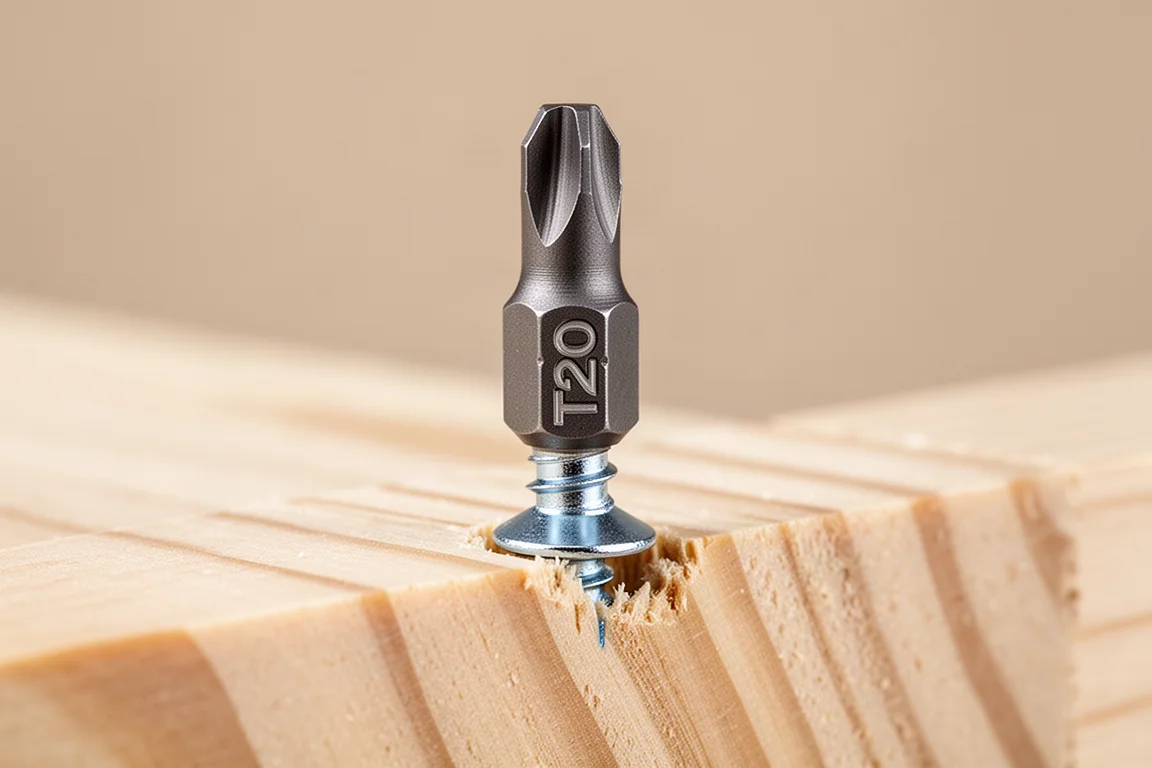
Moving to actual wood fasteners driven with T20 bits, the two tools traded blows. Speed one went to the Milwaukee, speed two was closely contested, and speed three was very close on both sides.
A battery check after these tests told an interesting story: the Milwaukee’s pack was still full. For a driver released in 2018 to hang with, and in some instances beat, a brand-new tool while staying that energy efficient is a strong testament to its design. It is not an energy hog compared with drivers produced in the current year.
Lag Bolt Test: The Real Separator
Quarter-inch by six-inch lag fasteners are the tests that separate serious drivers from the rest. Neither tool belongs in speed one here; most users simply go full bore. In speed two and again at speed three, the results stayed close, with wood density and grain knots making the bigger difference than the tool on your belt.
Ergonomics, Heat, and Balance
Ergonomics drew a mixed but interesting reaction. The tester, who has run DeWalt’s 885, 886, and 887 for years, found the flat back of the DCF850 more comfortable than gripping the rubber moldings, and the tool feels very well balanced and wieldable. It is compact enough to imagine working overhead, such as hanging a ceiling grid or unistrut, without it becoming cumbersome.
Heat management also impressed. The DCF850 does not seem to run as hot as earlier models, likely thanks to more open vent ports at the rear of the body. The Milwaukee, for its part, remains a much larger tool with far more packed inside.
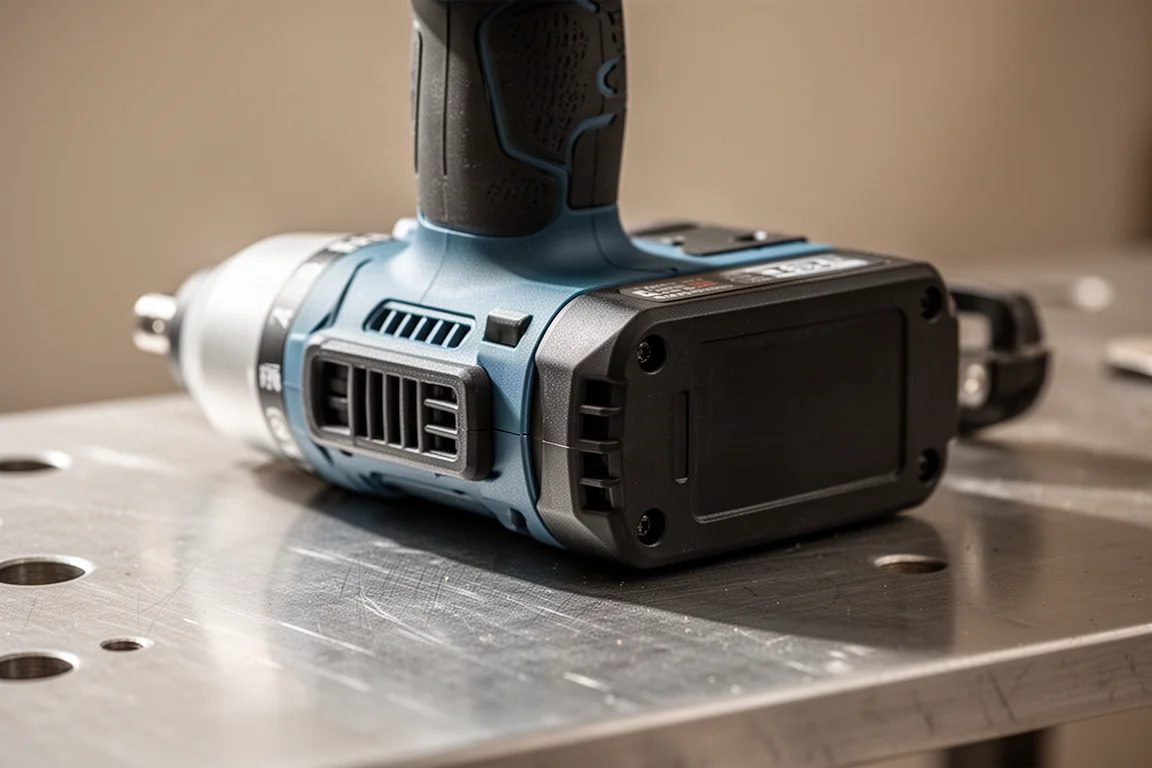
Power is noticeably up too. Where older 887 units would start to smoke out around a 5/8-inch spade bit, the DCF850 handled one-inch spade bits with confidence, and you can feel the added power while drilling.
Buying Advice
If you want the newest compact package with three-speed precision, torque sensing that protects fasteners, and improved ergonomics, the DeWalt DCF850 is the more forward-looking choice. If you want proven brute performance on a mature battery platform, and value a tool that has proven itself for years while staying energy efficient, the Milwaukee M18 Fuel 2853-20 remains a formidable option.
Conclusion
This comparison proved closer than the spec sheet suggested. The Milwaukee’s older design still competes hard on raw performance and efficiency, while the DeWalt DCF850 counters with compactness, refined ergonomics, cooler running, and smarter torque delivery. For most buyers, the deciding factors will be which battery platform you already own and whether you value three-speed control over raw RPM.
Product link
View more details for DeWalt DCF850 Impact Driver
This product is mentioned in the review. Check the specifications, options, and compatibility before buying.
View more details for DeWalt DCF850 Impact DriverFurther reading
Related Reviews
Power Tools
Best 1-Inch Pistol Impact Wrenches: Three Heavy-Duty Options Compared
We compare three 1-inch pistol impact wrenches, from a budget-friendly Harbor Freight model to a premium Caterpillar unit, to help you choose the right one.
Power Tools
Best 3/4-Inch Impact Wrenches 2026: Five Contenders Compared
We compare five 3/4-inch impact wrenches across price and performance, from a budget Amazon option to Snap-on's most powerful model yet.
Power Tools
Best Budget Cordless Tools 2026: Walmart Finds That Punch Above Their Price
We tested five cordless tools from Walmart, including a high-torque impact wrench that trades blows with Milwaukee and a $35 duster that outperforms its price class.