Power Tools
DeWalt DCF850 Impact Driver: A Compact Powerhouse and How to Avoid Buying a Fake
The genuine DeWalt DCF850 is a compact three-speed impact driver with over 200 Nm of torque. Here is what makes it good, and the quick checks that reveal a counterfeit.
Introduction
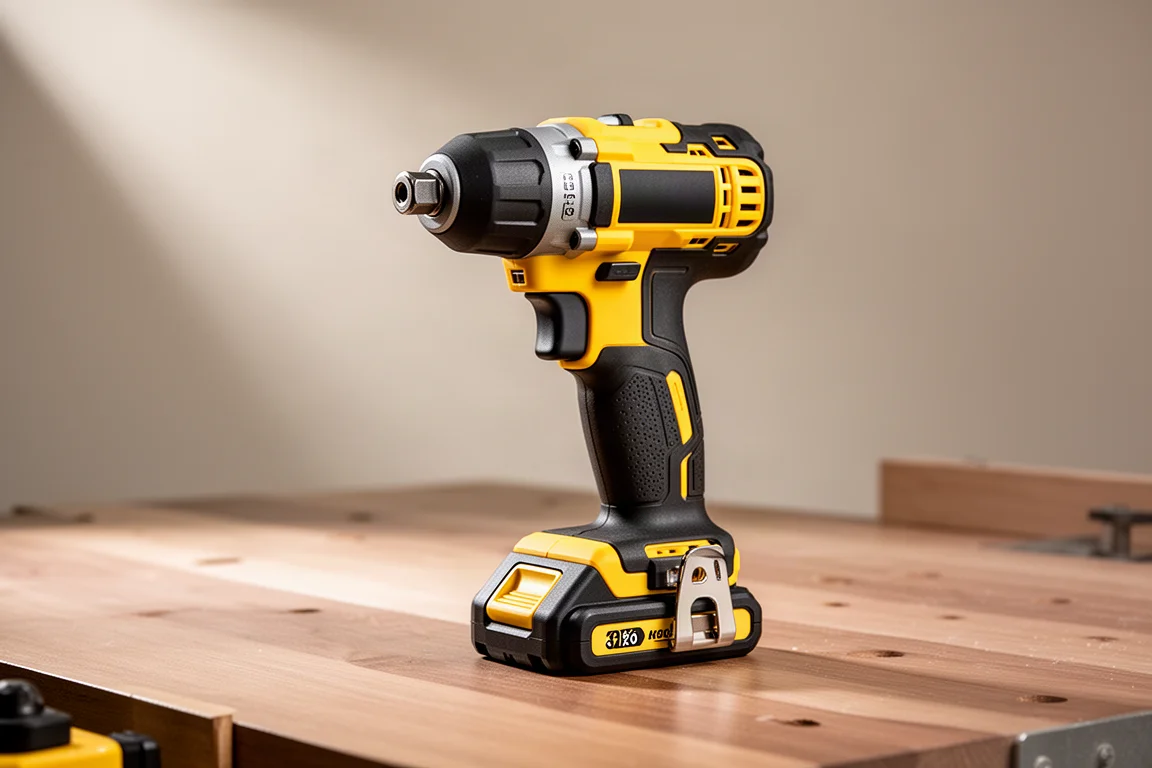
The DeWalt DCF850 has earned its reputation as one of the most compact yet genuinely powerful impact drivers on the market. It has been available for around three or four years and typically costs somewhere in the region of 130 to 140 pounds as a bare unit in UK high street shops, excluding batteries. It is a tool worth owning, which is exactly why it has become a target for counterfeiters.
That second point matters more than it might sound. Counterfeit versions of this driver are widely available online, often for less than half the price, and they are convincing enough that most people would never question them. This guide covers what makes the genuine DCF850 worth its price, and the simple checks that reveal a knockoff before you hand over your money.
What Makes the DeWalt DCF850 Worth Buying
The DCF850 packs three speed settings into a very small body, delivering over 200 Newton meters of torque. That combination of compact size and serious output is the core appeal: it fits into tight spaces where larger drivers simply cannot reach, yet it still drives long fixings without hesitation. The three speeds also give you finer control when starting screws, which is a practical advantage on finish work as well as heavy construction.
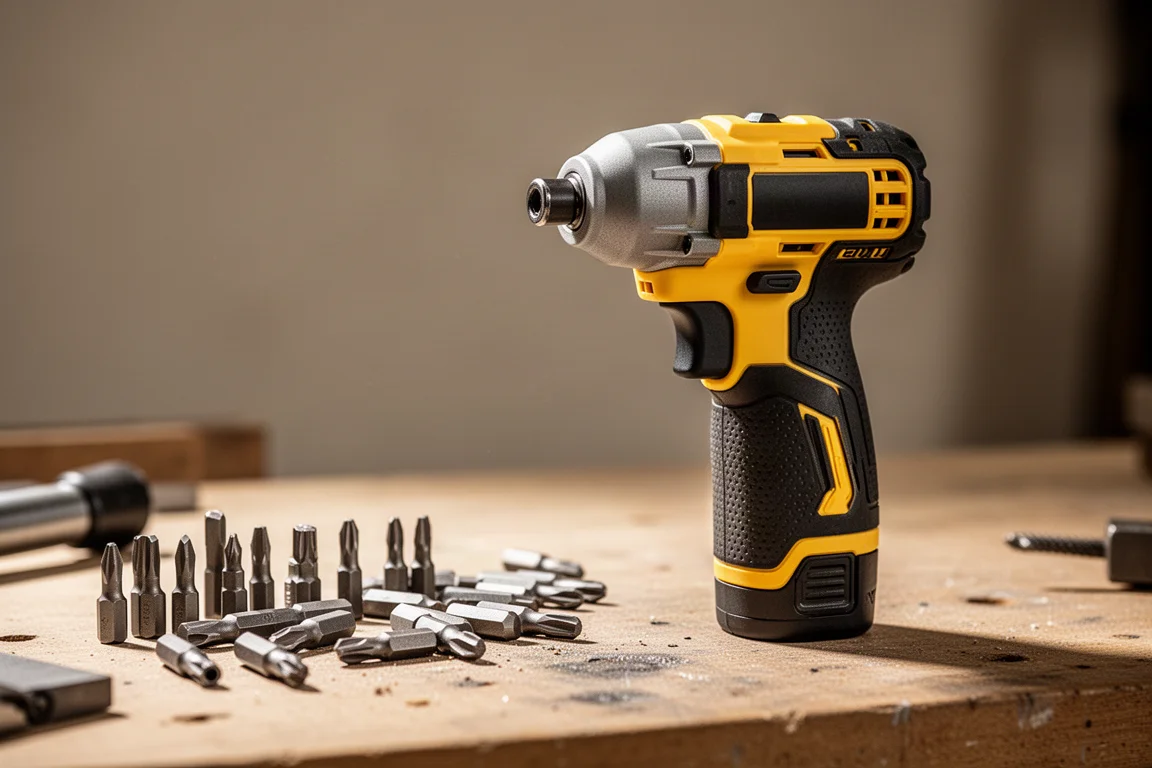
The built-in work light is another point in its favour, and the tool has proven itself in the field for several years, which is about as honest a reliability endorsement as any power tool gets. If you already own DeWalt batteries, a bare unit like this is one of the most cost-effective additions to your kit.
Spotting a Fake: The Telltale Signs
Counterfeit versions of this driver, and of other DeWalt hand power tools, circulate widely on online marketplaces. A fake was purchased for 43 pounds alongside a genuine unit costing 139 pounds, and side by side they are remarkably similar. The first giveaway is price. Tool manufacturers typically earn margins of 6 to 10 percent, so a tool that normally sells for 140 pounds will never legitimately be offered for 43 pounds. If a deal looks impossible, it usually is.
Packaging is the second clue. Genuine DeWalt products arrive in proper branded boxes, while fakes often turn up in plain, flimsy cardboard that no reputable manufacturer would ship. Some buyers overlook this when the price is tempting, but it is a reliable early warning.

With the two units side by side, more differences emerge. The fake is roughly 20 mm longer than the original, which is hard to notice in isolation but obvious in comparison. The speed selector differs too: the genuine tool uses a simple three-way mechanical switch for slow, medium and fast, while the fake uses a push button with an LED and, oddly, four settings. Ventilation holes on the genuine driver are open, whereas the fake has them closed. The genuine unit is also marked as brushless on both sides, which the counterfeit is not.
Other smaller tells include the belt holder, which comes with the original but not the fakes, and which actually fits the genuine housing properly thanks to a threaded nut behind the mounting point. Counterfeit units also sometimes ship with a wrist strap, which genuine DeWalt tools never include. Finally, when a bit is inserted, the genuine chuck clips in securely with minimal play, while the fake’s chuck wobbles noticeably.
The One-Second Screw Check
Most of the differences above require a genuine unit for comparison, which is not always practical. Fortunately, there is one check that works on any DeWalt hand power tool, visible within seconds, and it comes down to screws. First, look at the screw holes around the frame where the two housing halves join. On a genuine tool, the rubberized overmolding continues into the screw holes, so the yellow plastic does not highlight them. On a fake, the holes are plain yellow plastic.
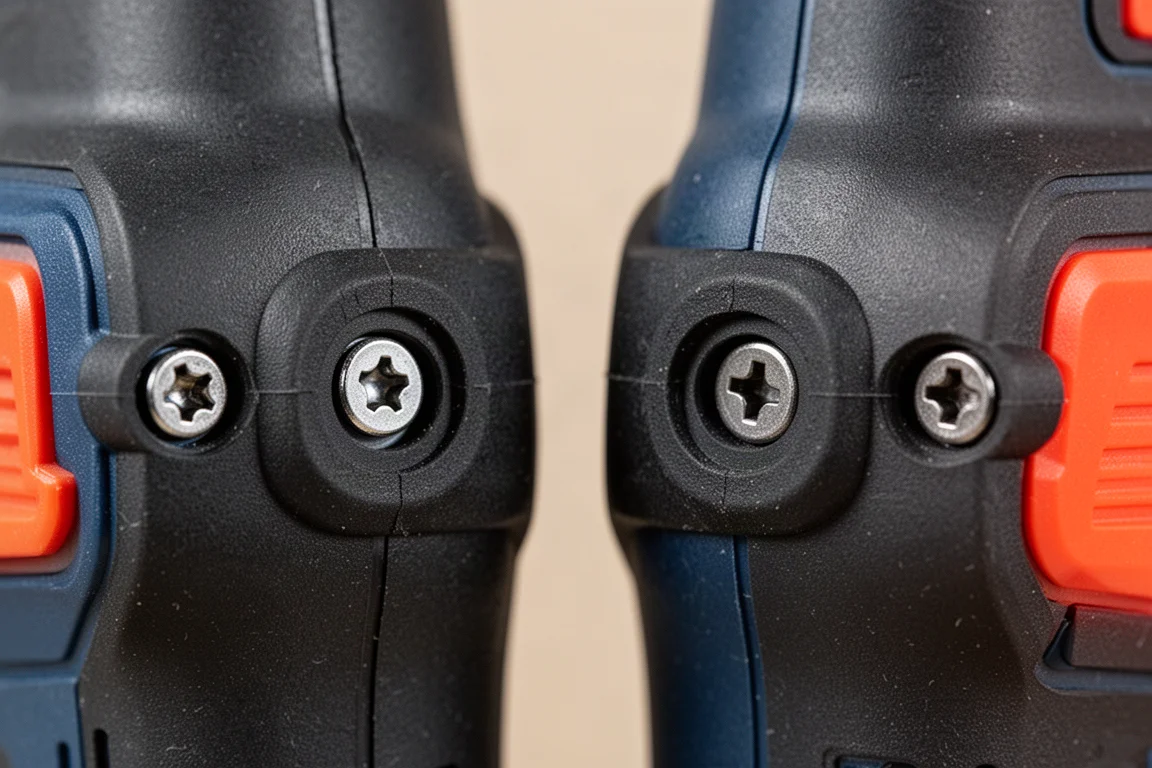
The second and most decisive check: genuine DeWalt power tools use Torx screws to hold the two moulding halves together, often with a slot so they can also be turned with a flat-headed screwdriver. Counterfeit tools always use cheap Phillips head screws instead. This applies across the entire DeWalt XR range, including drills, impact drivers, multi-tools, electric planers and battery-powered SDS drills. Once you know it, you can authenticate any DeWalt hand power tool almost instantly.
Buying Advice: Check Even Reputable Sellers
One cautionary detail is worth repeating. A fake DCF850 was purchased for 139 pounds from a national tool retailer, not from a marketplace. The most likely explanation is that someone bought the genuine tool, swapped in a counterfeit bought cheaply online, and returned the fake for a full refund. The unsealed cellophane, the cut-off box flap (trimmed because the fake is 20 mm longer and did not fit), and the missing instruction leaflet all fit that pattern.
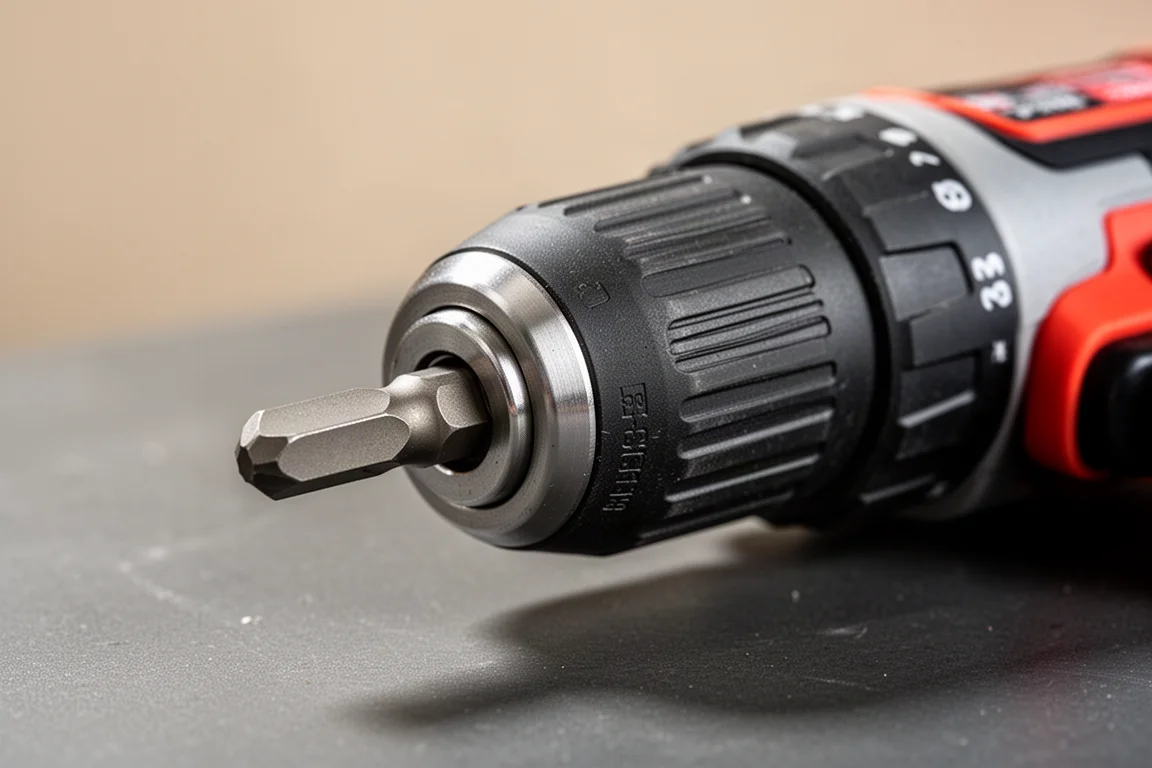
The lesson is straightforward: even when buying from a reputable dealer, double-check your tool once you get it home. The retailer is almost certainly not selling knockoffs deliberately, but returned stock is a real risk. Run the screw check and the housing checks on day one, and if something looks wrong, take it straight back. If you do find a fake, make the problem obvious to the seller so the unit cannot simply be repackaged and sold to the next customer.
Conclusion
The genuine DeWalt DCF850 is an easy recommendation: compact, three-speed, and capable of over 200 Nm of torque in a body that fits almost anywhere. Just buy it with your eyes open. Check the price, check the packaging, and run the Torx screw test the moment it arrives. Those few seconds of scrutiny are all that separate a genuine bargain from a very well-made fake.
Product link
View more details for DeWalt DCF850
This product is mentioned in the review. Check the specifications, options, and compatibility before buying.
View more details for DeWalt DCF850Further reading
Related Reviews
Power Tools
Best 1-Inch Pistol Impact Wrenches: Three Heavy-Duty Options Compared
We compare three 1-inch pistol impact wrenches, from a budget-friendly Harbor Freight model to a premium Caterpillar unit, to help you choose the right one.
Power Tools
Best 3/4-Inch Impact Wrenches 2026: Five Contenders Compared
We compare five 3/4-inch impact wrenches across price and performance, from a budget Amazon option to Snap-on's most powerful model yet.
Power Tools
Best Budget Cordless Tools 2026: Walmart Finds That Punch Above Their Price
We tested five cordless tools from Walmart, including a high-torque impact wrench that trades blows with Milwaukee and a $35 duster that outperforms its price class.