Power Tools
DeWalt DCF845 vs DCF887 Impact Driver: Is the New XR Worth the Upgrade?
A head-to-head look at DeWalt's newest XR impact driver and the tool it's positioned to replace, tested across speed settings, screws, lag fasteners, and spade bits.
Introduction
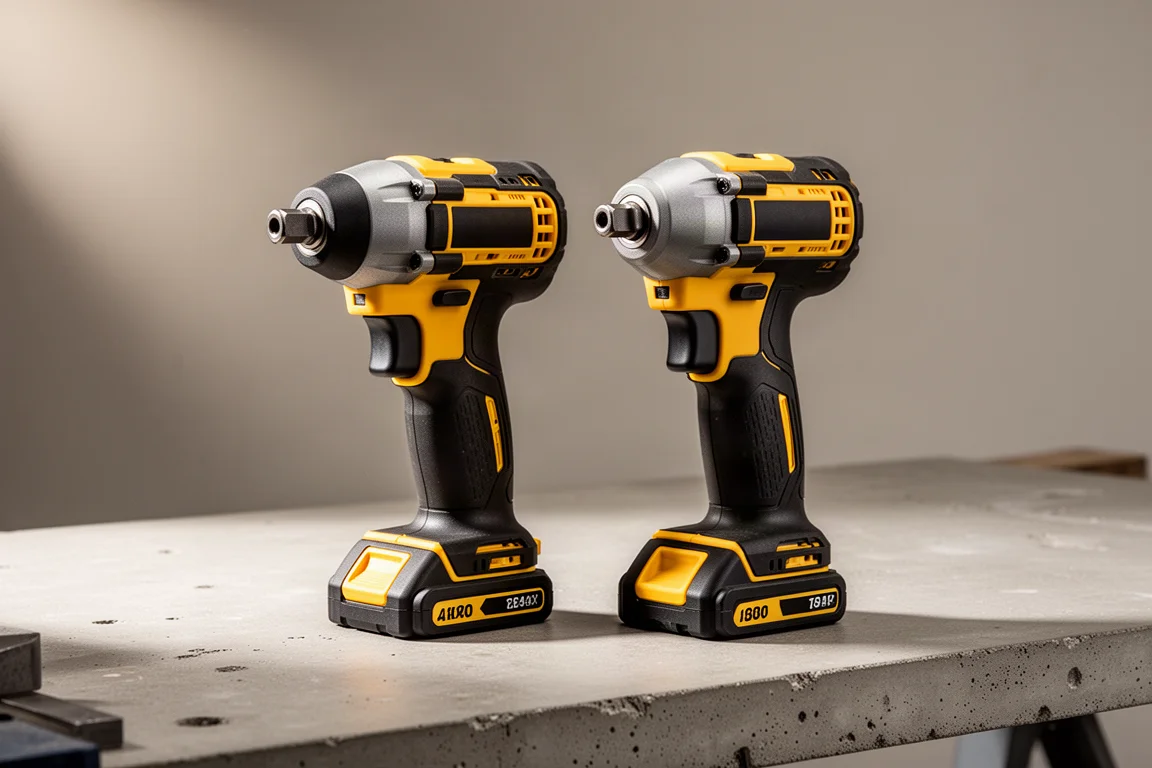
DeWalt’s DCF845 is the newest XR impact driver to hit the marketplace, and it arrives with a clear job: succeed the well-loved DCF887. On paper, the new model promises comparable or greater power, a more compact body, less weight, and noticeably brighter lighting. But paper claims only mean so much, so this comparison puts both drivers through identical tasks: the same drives, the same batteries, and the same fasteners across all three speed settings.
The verdict matters most for people who run an impact driver eight hours a day. A few screws in a controlled test rarely tell the whole story, so the focus here is on what each upgrade actually means in the field.
Two Drivers, One Fair Fight
To keep the comparison honest, both drivers ran the same drills with the same battery platform. The DCF845 runs DeWalt’s compact Power Stack battery, and that pack is worth understanding on its own. This stacked-lithium pack puts out wattage equivalent to a 5 amp hour cylindrical cell battery, without delivering that same run time. In practice, you trade endurance for handiness, which suits a compact impact driver well. DeWalt also offers a 5 amp hour variant, but for a driver this small, many users may not need it.
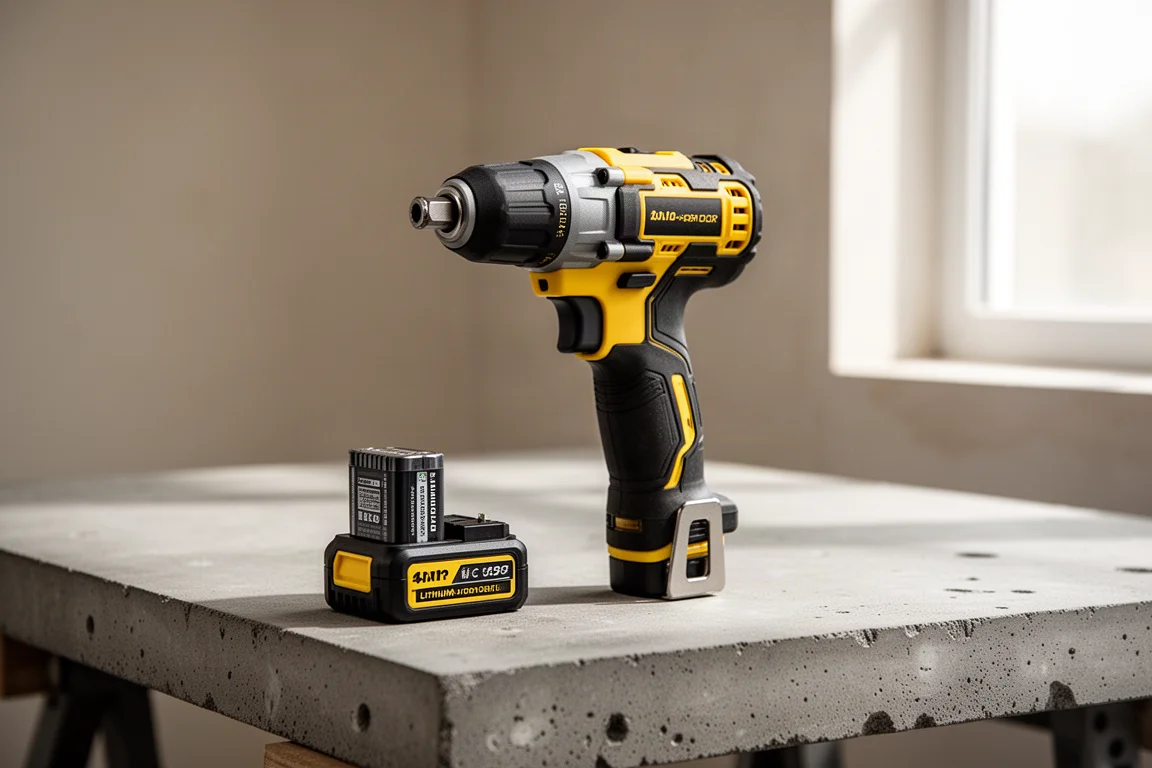
Testing moved through speed one, speed two, and speed three with smaller fasteners first. On the smaller screws, the DCF845 showed elevated numbers on paper, though those numbers may not translate into a real benefit at that fastener size. Speed two proved to be the natural working speed for both tools, while speed three was reserved for the biggest, most punishing fasteners.
Small Screws and Control
On wood screws, the DCF845 impressed with the amount of control available, particularly in speed one, where both drivers reached flush results smoothly. Speed three felt almost exaggerated in its output, and the sense was that DeWalt may have widened the range between settings to give users a more usable spread of control across fastener sizes.
The 3-inch drywall screws driven into wood were deliberately excessive for an impact driver, but that is exactly why they were useful: they exposed the limits of each tool. The results were variable, with occasional cam-out followed by the screw plowing through, a reminder that even strong drivers behave differently on awkward starts.
Where the DCF845 Pulls Ahead
The clearest advantages of the DCF845 are not power-related at all. It is more compact, a little lighter, and its LED work light is a genuine step up: a bright, super-white light that makes a real difference when working under sinks, under cabinets, or overhead for long stretches.
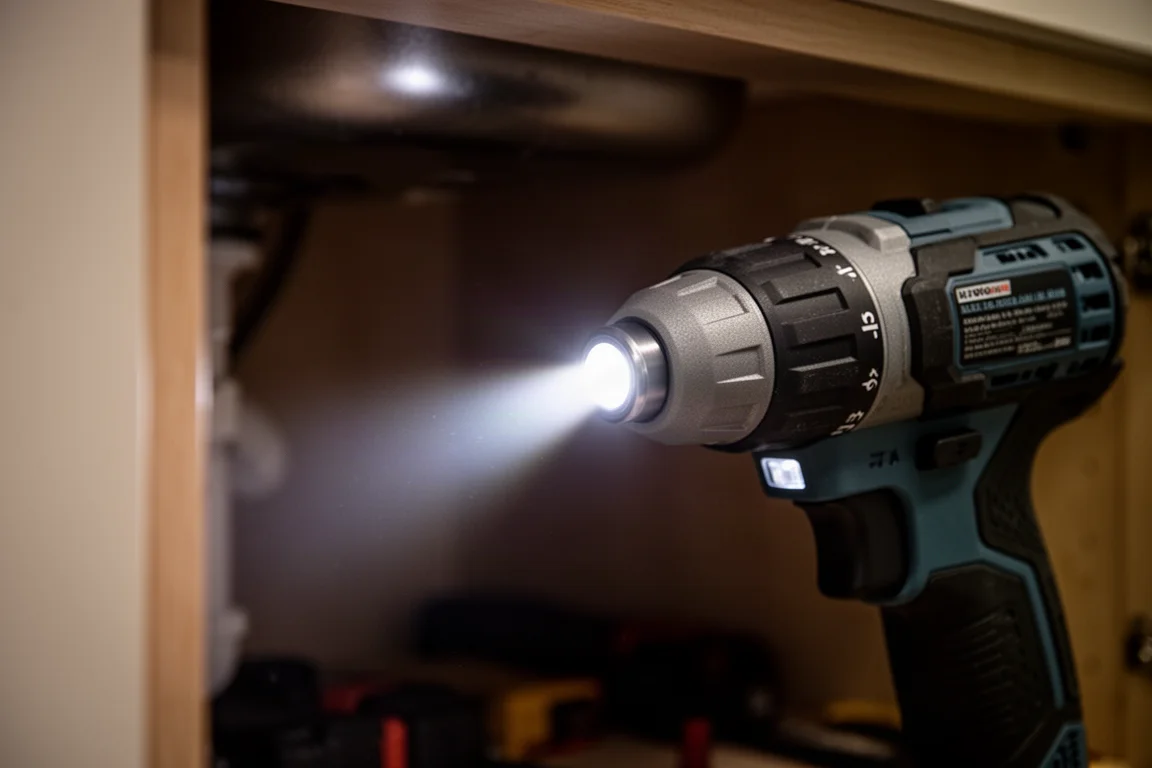
For anyone holding a driver all day, those ergonomic gains compound. The DCF887 is deeply familiar to long-time users and behaves exactly as expected, but the DCF845 wraps comparable performance in a smaller, better-lit package.
Heavy Fasteners and Large Bits
With 5-inch by 1/4-inch structural lag fasteners, both drivers worked through the task, with speed two proving more practical than speed three. Next came half-inch self-feeding spade bits driven with minimal added pressure, a test designed to probe whether the DCF845’s higher impacts-per-minute rating matters as bit size grows.
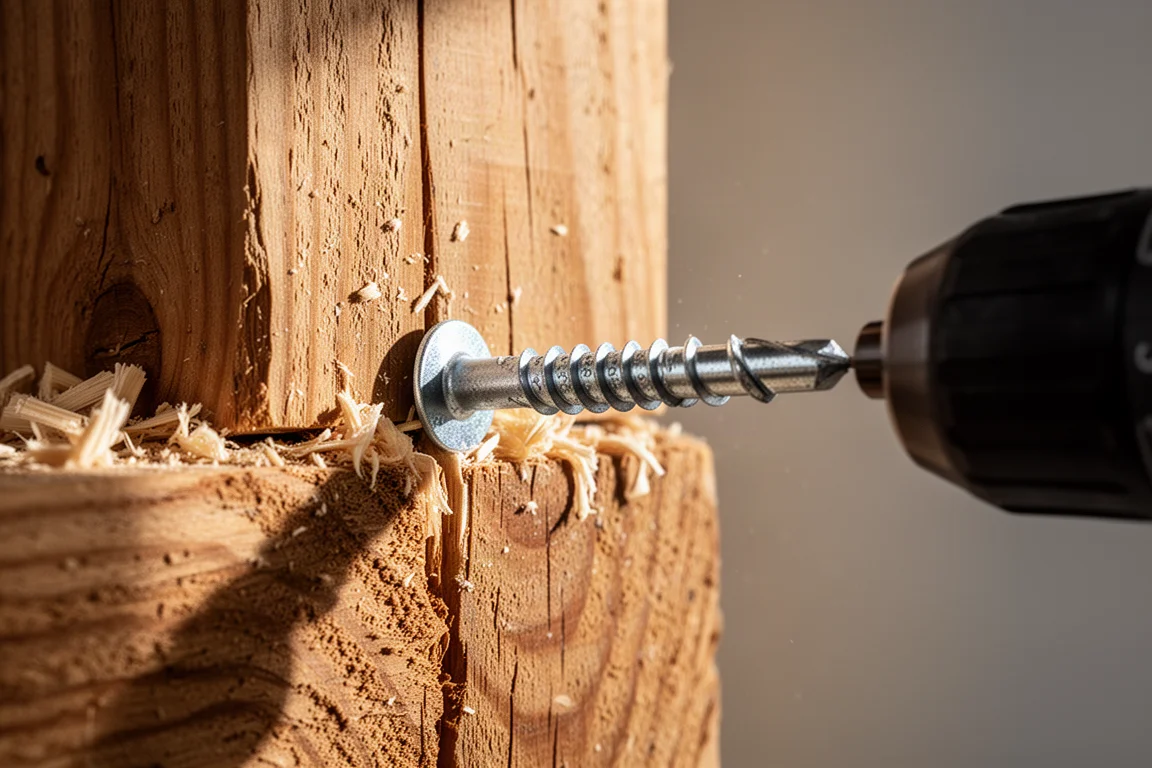
The difference stayed consistent: the same relative speed gap appeared every run. The DCF845 seems to excel at screw fastening, and it held its own in drilling even if large lag fastening is not its specialty.
One detail worth watching is bit retention. The DCF887 had a strong track record of holding onto its bit in blind-hole drilling and retrieving it every time. The DCF845 relocates its ball bearing from the flat of the collet to the corner, a design some competing brands have had issues with in the past. So far, no problems surfaced in testing, and the design may include a back spring pushing the bit forward that keeps the bearing engaged. Long-term reliability will only be proven over time.
Which One Goes to Work?
Asked which driver would go into a full workday, the answer was the DCF845, for a simple stack of reasons: performance is comparable or better across the testing, lighting is significantly improved, and the smaller, lighter body matters when the tool is in hand for eight hours. DeWalt also kept the power intact rather than trading it away for size, and built-in technology helps protect against overheating and over-discharging the battery.
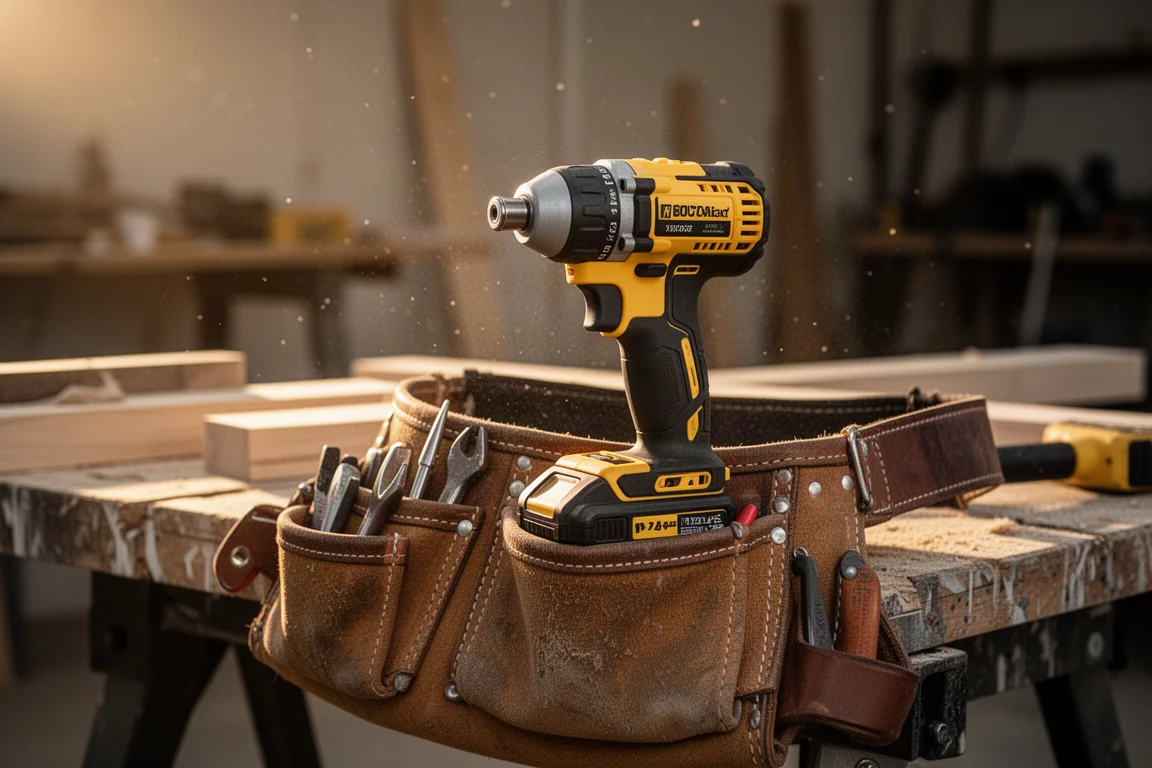
The DCF887 remains a proven, dependable choice, and its familiarity and track record count for something. But if you are starting fresh or upgrading, the DCF845’s combination of power retention and daily-carry comfort makes a compelling case.
Conclusion
The DeWalt DCF845 does not win by a dramatic margin in raw driving tests, and that is actually the point: it matches the DCF887’s performance while adding better lighting, a more compact frame, and lower weight. For professionals logging long days on the tools, those upgrades are the ones that matter. For existing DCF887 owners, the switch is a comfort upgrade rather than a necessity. Either way, DeWalt has clearly learned from its predecessor rather than replaced it blindly.
Product link
View more details for DeWalt DCF845
This product is mentioned in the review. Check the specifications, options, and compatibility before buying.
View more details for DeWalt DCF845Further reading
Related Reviews

Power Tools
Best 1-Inch Pistol Impact Wrenches: Three Heavy-Duty Options Compared
We compare three 1-inch pistol impact wrenches, from a budget-friendly Harbor Freight model to a premium Caterpillar unit, to help you choose the right one.

Power Tools
Best 3/4-Inch Impact Wrenches 2026: Five Contenders Compared
We compare five 3/4-inch impact wrenches across price and performance, from a budget Amazon option to Snap-on's most powerful model yet.

Power Tools
Best Budget Cordless Tools 2026: Walmart Finds That Punch Above Their Price
We tested five cordless tools from Walmart, including a high-torque impact wrench that trades blows with Milwaukee and a $35 duster that outperforms its price class.