Power Tools
DeWalt DCF845 vs DCF850: Which XR Impact Driver Deserves Your Money?
A close look at DeWalt's new three-speed DCF845 XR impact driver against the compact Atomic DCF850, covering speed, size, durability, and who each one suits best.
Introduction
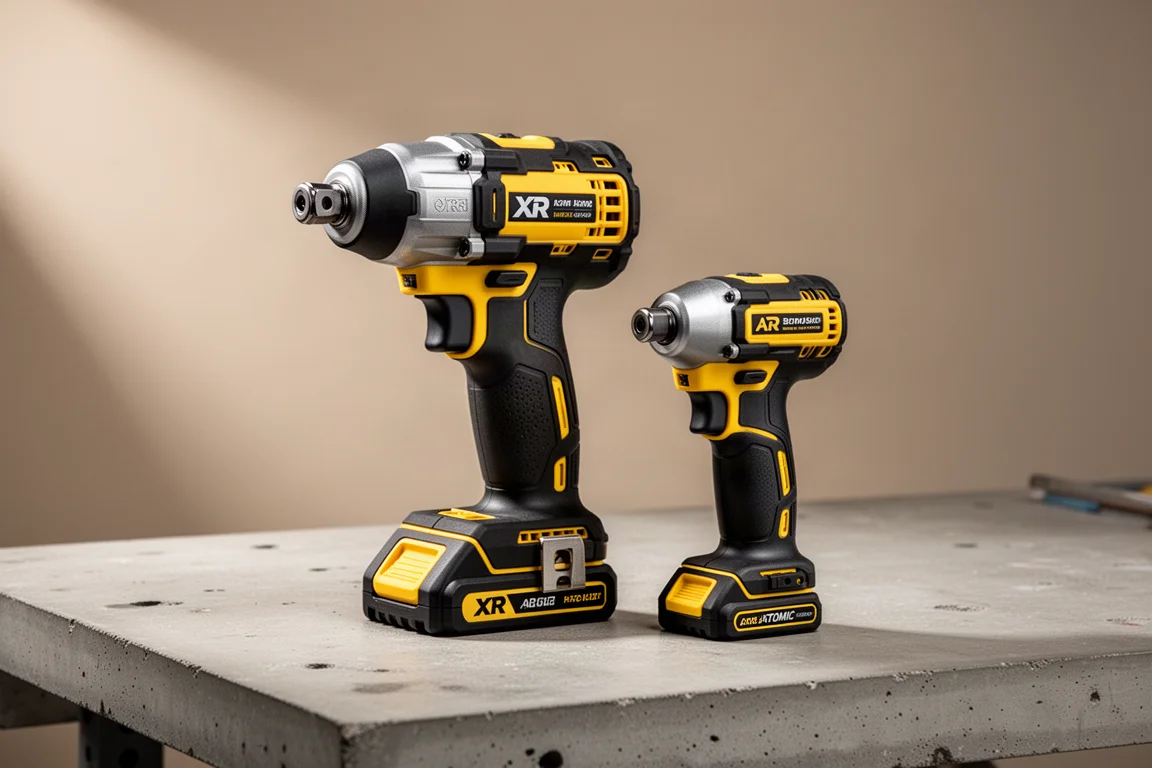
DeWalt’s XR lineup has quietly grown complicated. Right now there are two XR impact drivers on the shelves, two different model numbers, two different sizes, and no obvious flagship. The new DCF845 arrives alongside the compact Atomic DCF850, and both share a lot of DNA. On paper they post similar torque figures, but the differences show up in speed, size, and how each tool feels over a long workday. This comparison breaks down where each one wins so you can match the tool to the job instead of the marketing.
DeWalt DCF845: The New Three-Speed XR
The DCF845 is DeWalt’s newest XR impact driver, a three-speed model rated at 1,825 in-lbs of torque, 0 to 3,400 RPM, and 0 to 4,200 IPM. It is made in Mexico and, despite the familiar XR name, it is not simply a refresh of an older design. Per the spec sheet, this is the fastest impact driver DeWalt makes, with higher RPM and IPM than the rest of the range including the DCF887, even though torque specs are shared across much of the lineup.
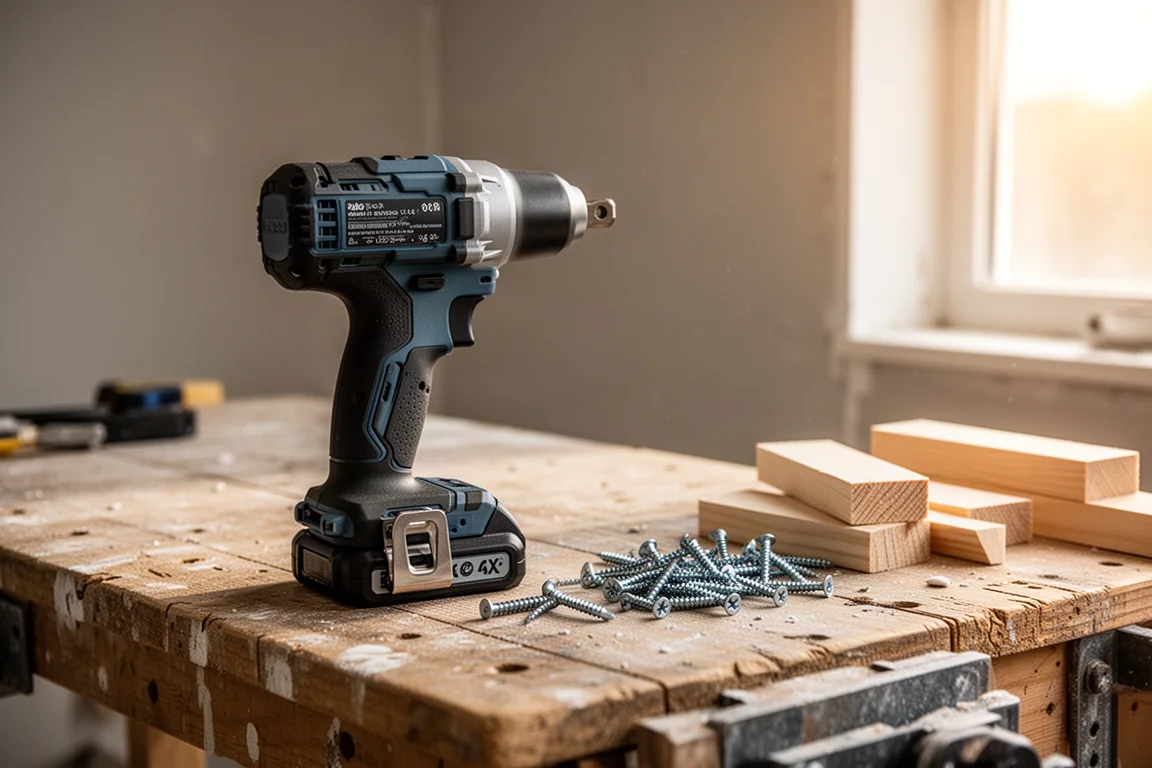
Pair it with the small 1.7Ah PowerStack battery and the whole package stays light and comfortable, with a nose that is narrow but noticeably longer than a stubby design. That extra room up front is part of what gives this tool its character.
Shared Design DNA: Slide Switch, Lighting, and Chuck
Both the DCF845 and the Atomic DCF850 use the same bottom-mounted three-speed slide switch, and it is genuinely one of the best features on either tool. Instead of buttons or electronic modes, you get a small mechanical switch that selects between speed 1, 2, and 3. It sits next to impossible to destroy, cannot pop off, and rewards anyone who prefers old-school simplicity: a tool is a tool, and your trigger finger does the thinking.
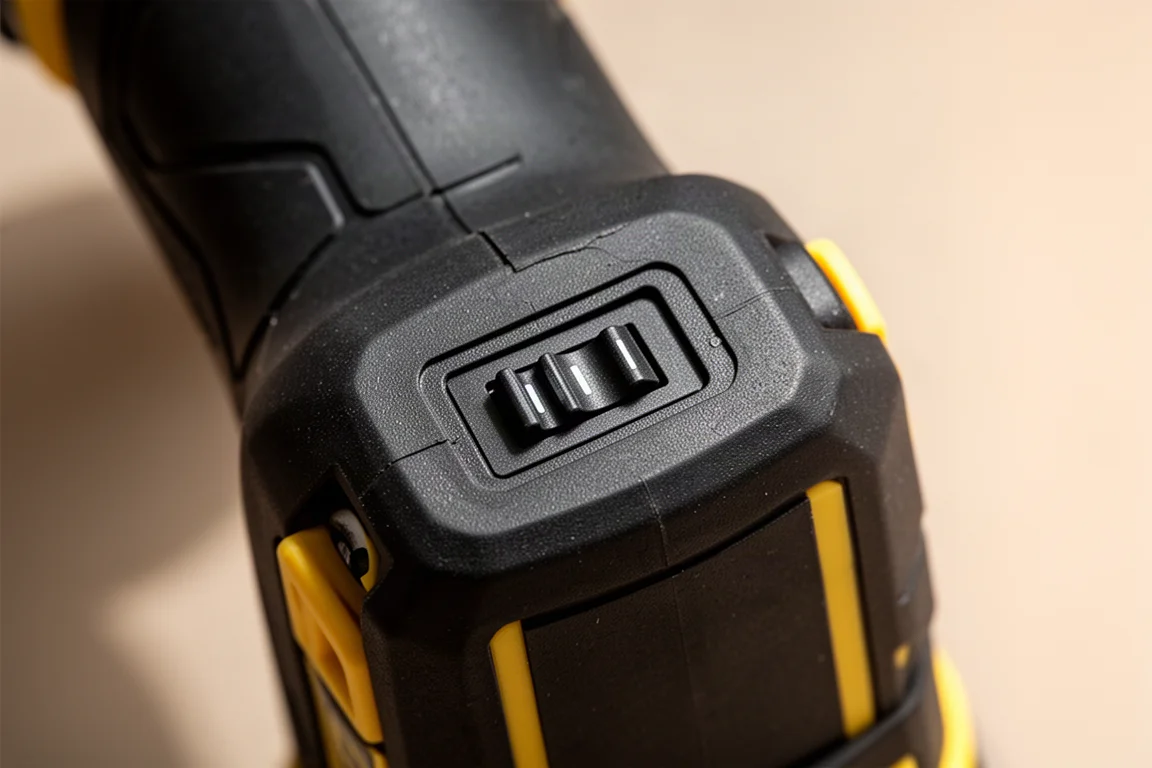
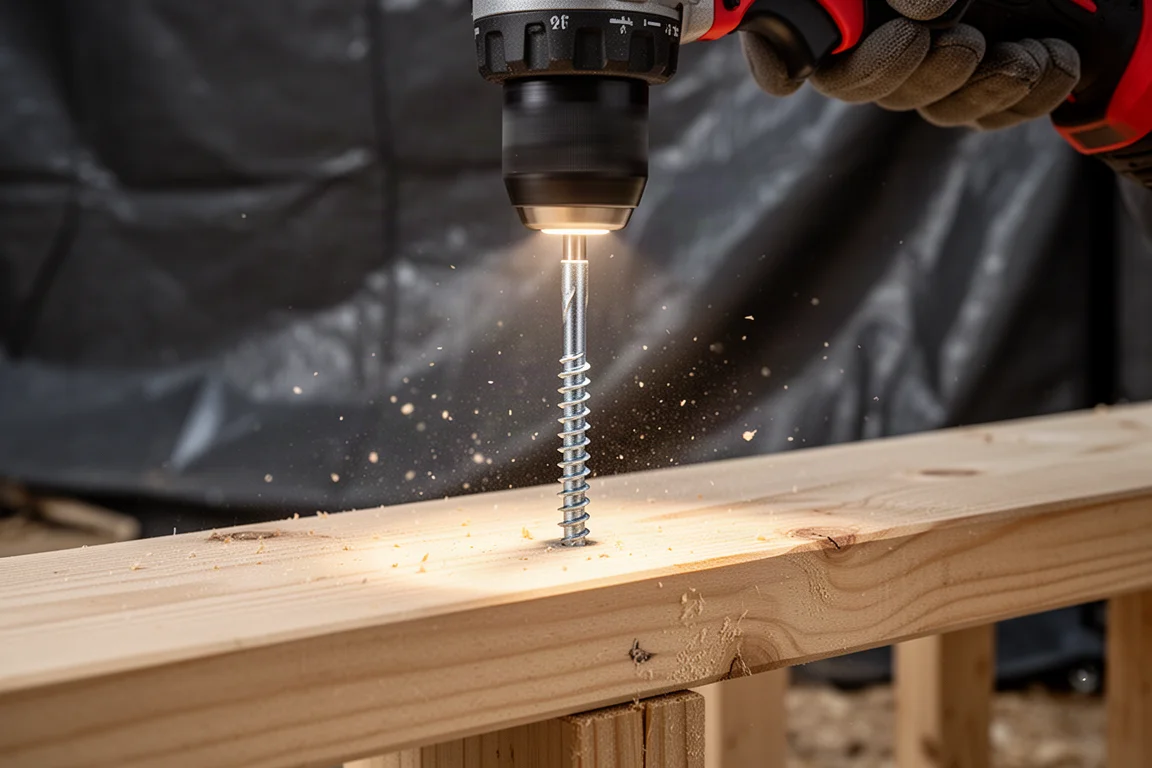
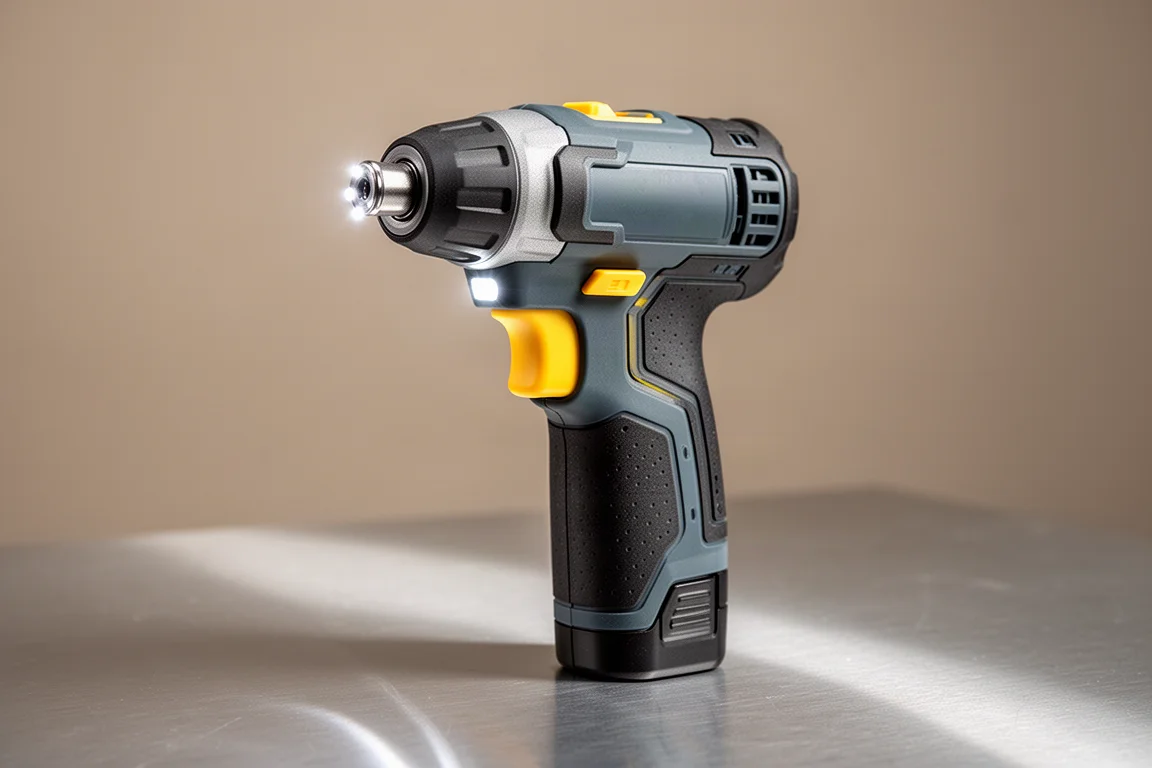
They also share the same tri-beam LED lighting style and the same quick-release chuck up front. Push a bit in to seat it, push it further to pop it back out. The variable speed trigger on both is excellent, and the DCF845’s may be a touch more controllable, possibly thanks to the motor inside.
Real-World Driving Performance
Mode 1 on the DCF845 behaves like a two-stage setting. Start the screw gently, feel the deliberate pause in the trigger travel, and stop right there for precision work like electrical or fine woodworking. Hold past the pause and the second stage kicks in to finish the fastener. You can even creep the last sixteenth of a turn if that is what the job wants.
Mode 2 has no two-stage behavior. It simply runs out hard and fast while staying easy to control, more than enough to bury a fastener if you commit to it. Mode 3 is genuinely quick, and work that used to demand top gear on older drivers now falls comfortably into mode 2. Side by side with the DCF850 Atomic on the same bit and battery, the DCF845 felt faster and more comfortable to drive with, though both are close and wood density plus battery voltage play their part.
DeWalt DCF850 Atomic: The Stubby Alternative
The Atomic DCF850 is the compact of the family, and it is a tool with real charm. It is short, narrow at the nose, and brilliant in tight spaces where a longer XR simply cannot reach. It shares the same slide switch, tri-beam lighting, quick-release chuck, and strong variable speed trigger as the DCF845, and paired with a compact battery it is a genuinely small package.
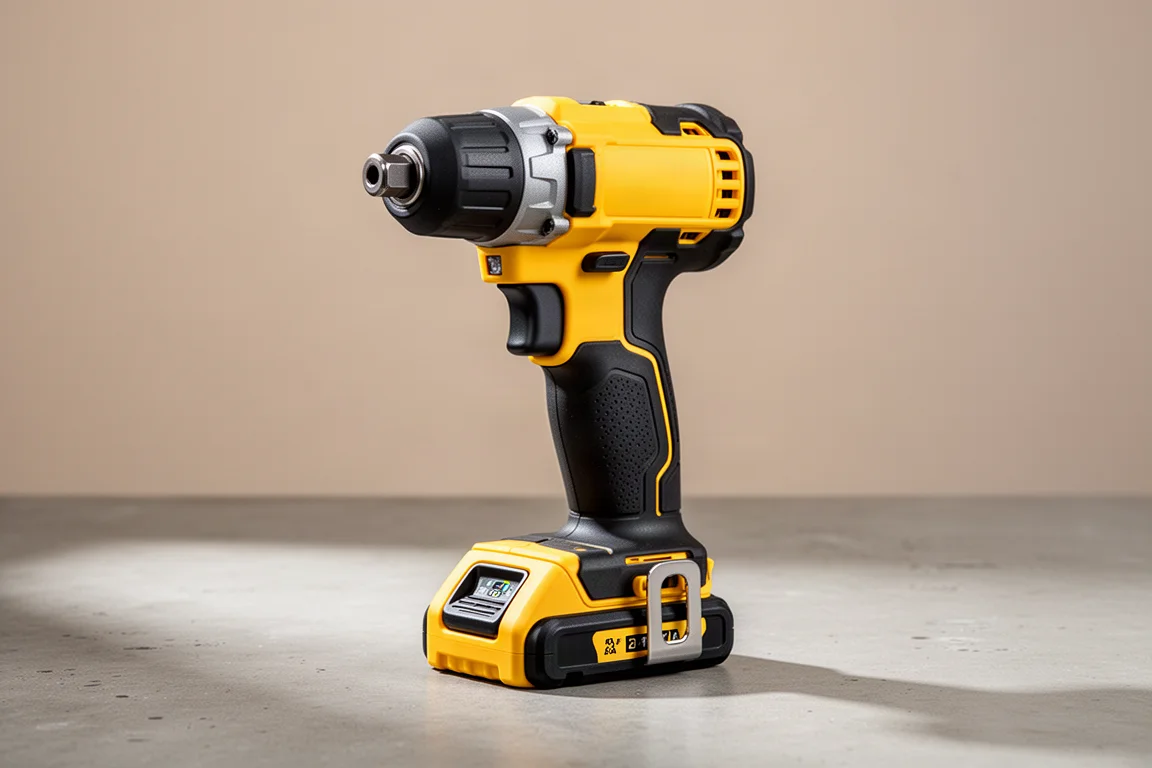
The trade-off is packaging. Everything inside a stubby is packed tight, like an engine bay crammed into a small car, and components have to be lighter to fit. That does not make it a bad tool, but the aluminium housing around the DCF845 simply leaves more room for airflow and, in all likelihood, heavier-duty parts.
Durability and Everyday Handling
This is where the choice becomes personal. The DCF850 is a joy to hold and to look at, and anyone who constantly works in cramped framing or cabinet corners will value the stubby format. But with your finger so close to the nose of the tool, some drivers find it less comfortable during long overhead stretches or heavy production driving, where a little distance between hand and workpiece helps.
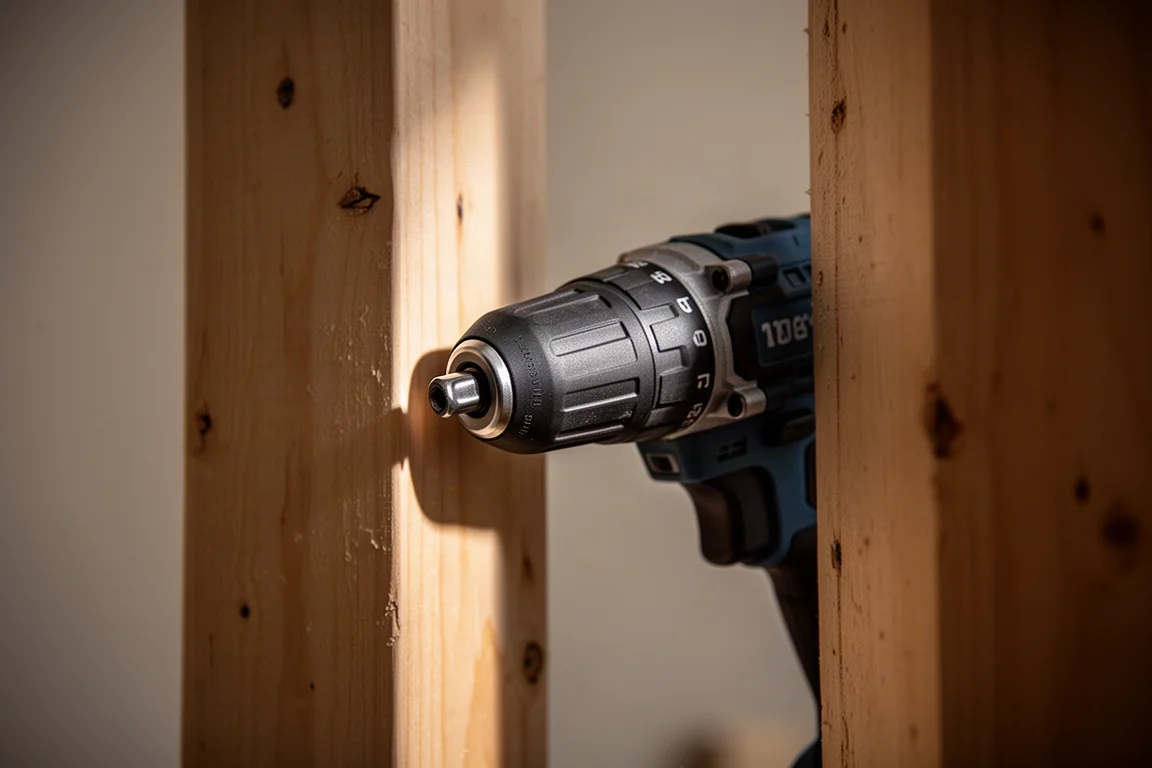
The DCF845 feels more at home over your head, gives you more nose to work with on deck builds, and its paper specs suggest it is faster than the DCF887 too. If you own a DCF840, this is a clear upgrade: a bump in power, a large bump in RPM, and three speeds. If you already run an 887, that tool is famously long-lasting, so the DCF845 is a strong option until the next-generation 887 arrives.
Buying Advice
If your work means constant access to tight spots, the DCF850 Atomic is the better fit, and its smaller size is worth the compromise in long-term headroom. If you drive fasteners all day, work overhead, or want the fastest XR DeWalt currently makes with a housing that feels a bit more substantial, the DCF845 is the tool to buy. Neither is wrong; one is built around reach, the other around sustained speed and comfort.
Conclusion
DeWalt now sells two XR impact drivers aimed at different riders of the same road. The DCF845 brings three speeds, top-of-class speed, and a more forgiving chassis, while the DCF850 Atomic wins on compactness and tight-space access. Pick based on the job in front of you, and both will reward you with excellent triggers, a bulletproof slide switch, and sensible design.
Further reading
Related Reviews
Power Tools
Best 1-Inch Pistol Impact Wrenches: Three Heavy-Duty Options Compared
We compare three 1-inch pistol impact wrenches, from a budget-friendly Harbor Freight model to a premium Caterpillar unit, to help you choose the right one.
Power Tools
Best 3/4-Inch Impact Wrenches 2026: Five Contenders Compared
We compare five 3/4-inch impact wrenches across price and performance, from a budget Amazon option to Snap-on's most powerful model yet.
Power Tools
Best Budget Cordless Tools 2026: Walmart Finds That Punch Above Their Price
We tested five cordless tools from Walmart, including a high-torque impact wrench that trades blows with Milwaukee and a $35 duster that outperforms its price class.