Power Tools
Two New DeWalt Drywall Tools Worth a Look: DCF630 Screwgun and DCE55 Cutout Tool
DeWalt's new DCF630 drywall screwgun and DCE55 cutout tool bring brushless motors, smarter controls, and faster drywall workflow. Here is what stands out about each one.
Introduction
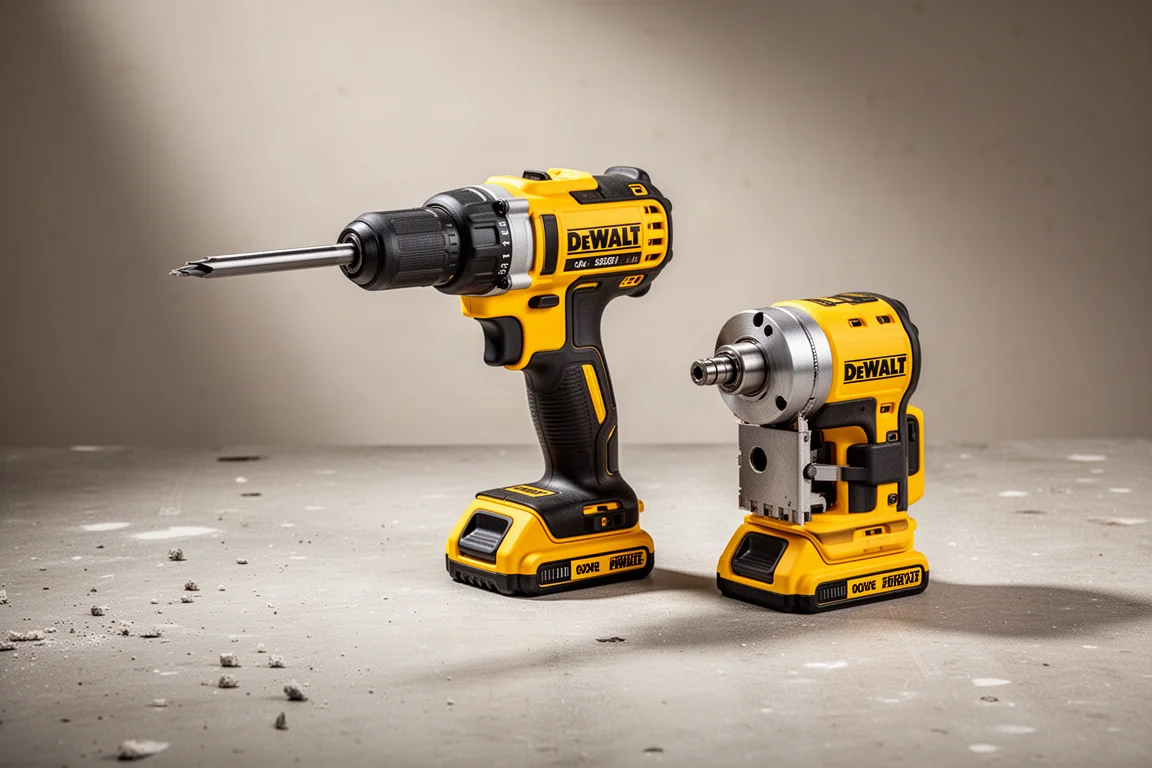
Drywall work lives and dies on speed and consistency. Two brand-new DeWalt tools aim to make that job easier: the DCF630 drywall screwgun and the DCE55 cutout tool. Both are fully brushless, and both bring genuine usability improvements over what came before. Here is how each one behaves in real use and who they suit best.
DeWalt DCF630 Drywall Screwgun
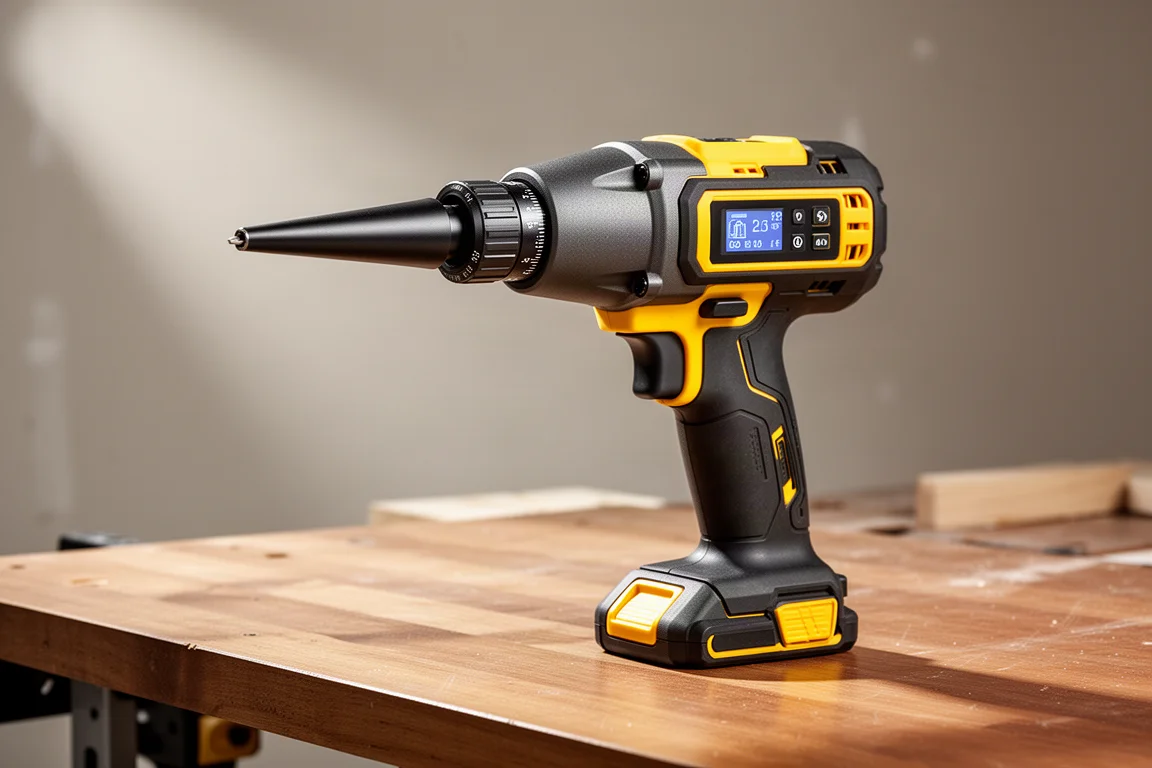
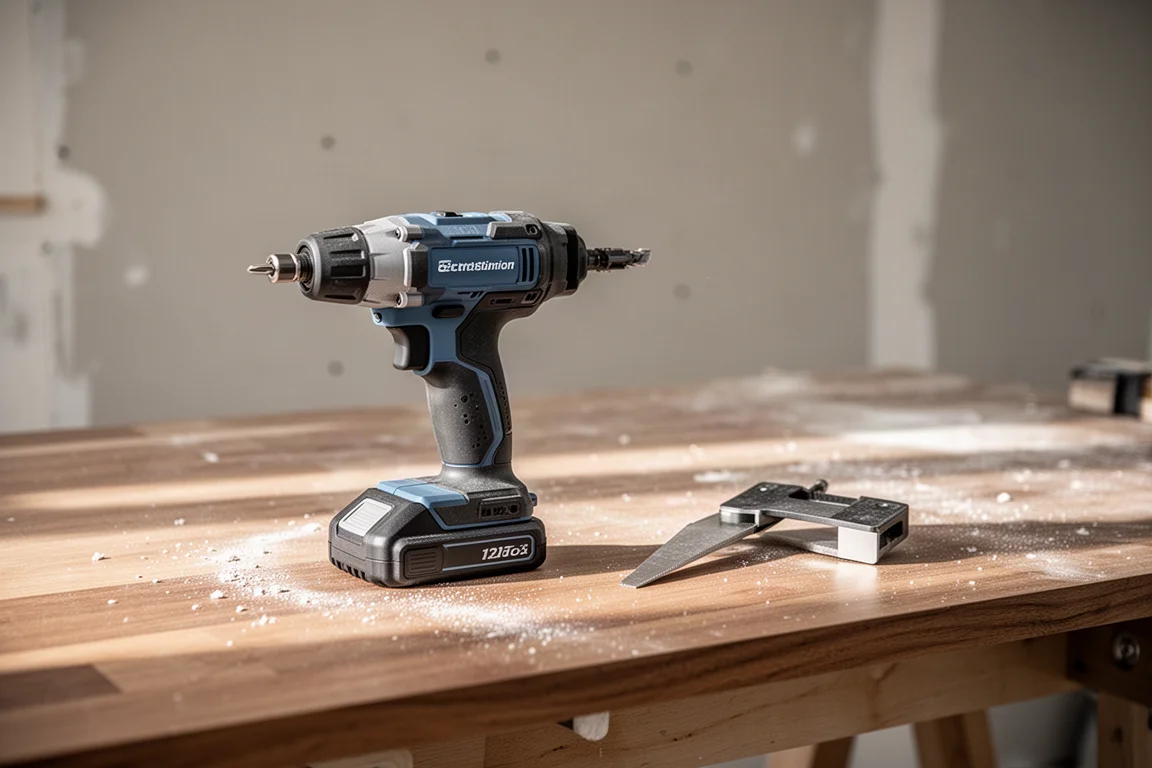
The DCF630 replaces DeWalt’s previous drywall screwin’ tool, and the improvements are aimed squarely at people who use one all day long. The old model’s forward and reverse switch sat right where your fingers worked the trigger, and it got knocked out of position constantly. The DCF630 is all digital and does away with that switch entirely, with direction handled by a button instead.
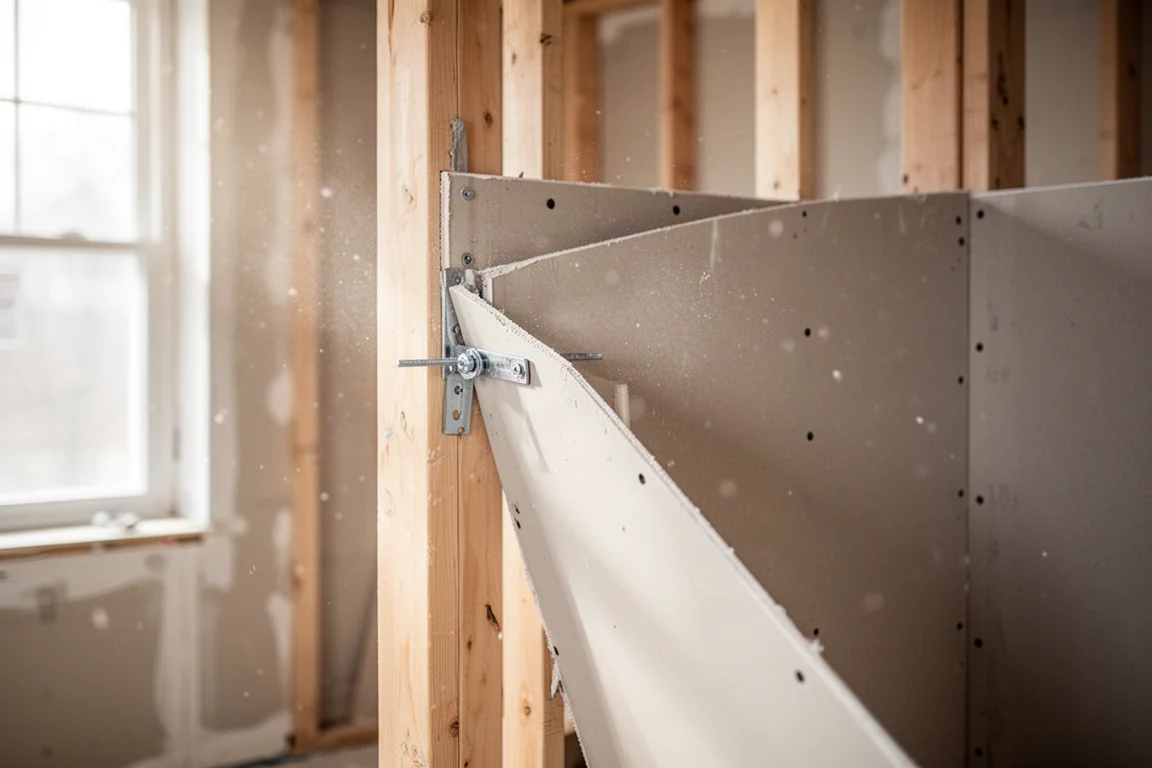
On top, a mode button cycles through four settings. Mode one is low speed for precise placement, mode two is high speed for getting work done quickly, and depth adjustment is still handled by twisting the collar, so sinking screws flush is easy to dial in. Bit changes are simple too: twist the collar to unlock, swap the magnetic bit, and tighten it back down.
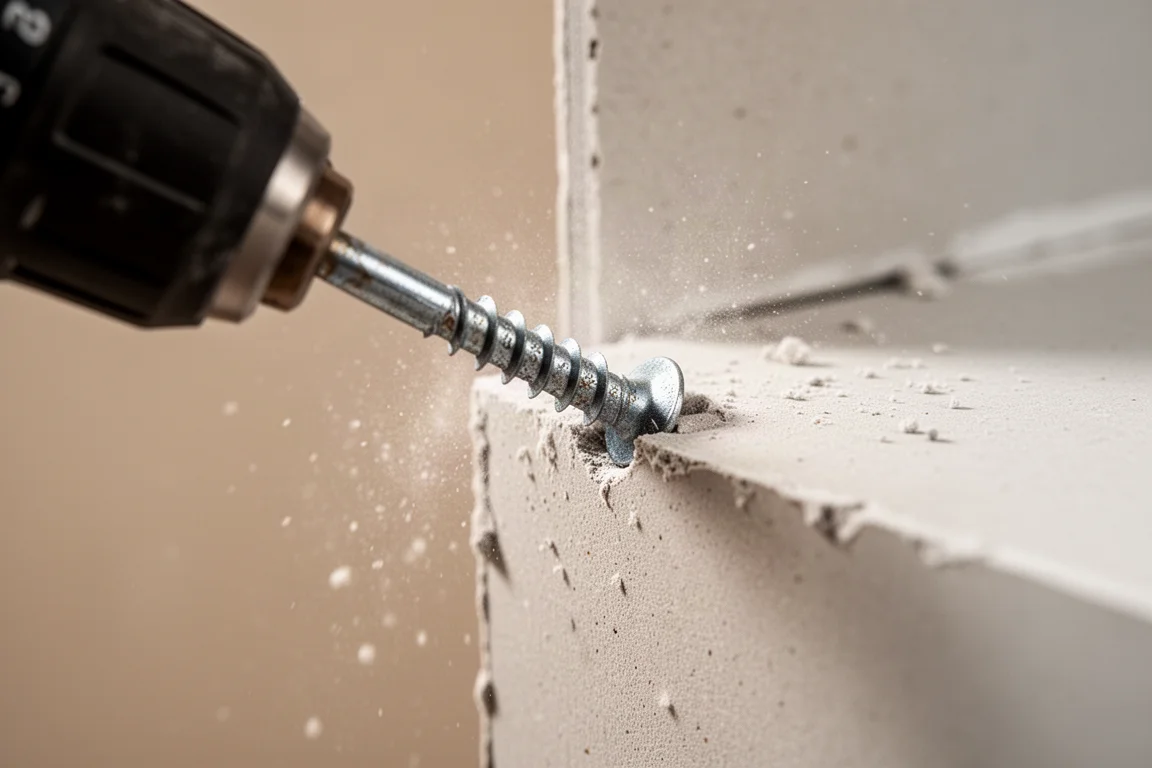
The real headline is the auto-drive modes. With three lights lit on the display, pulling the trigger starts continuous rotation with no hands needed to hold anything. Just touch a screw to the panel and it drives in and stops automatically. There is also a two-light auto mode that works in both forward and reverse without pulling the trigger at all. For a full day of hanging board, that alone can make a noticeable difference in how fast the job goes.
DeWalt DCE55 Cutout Tool
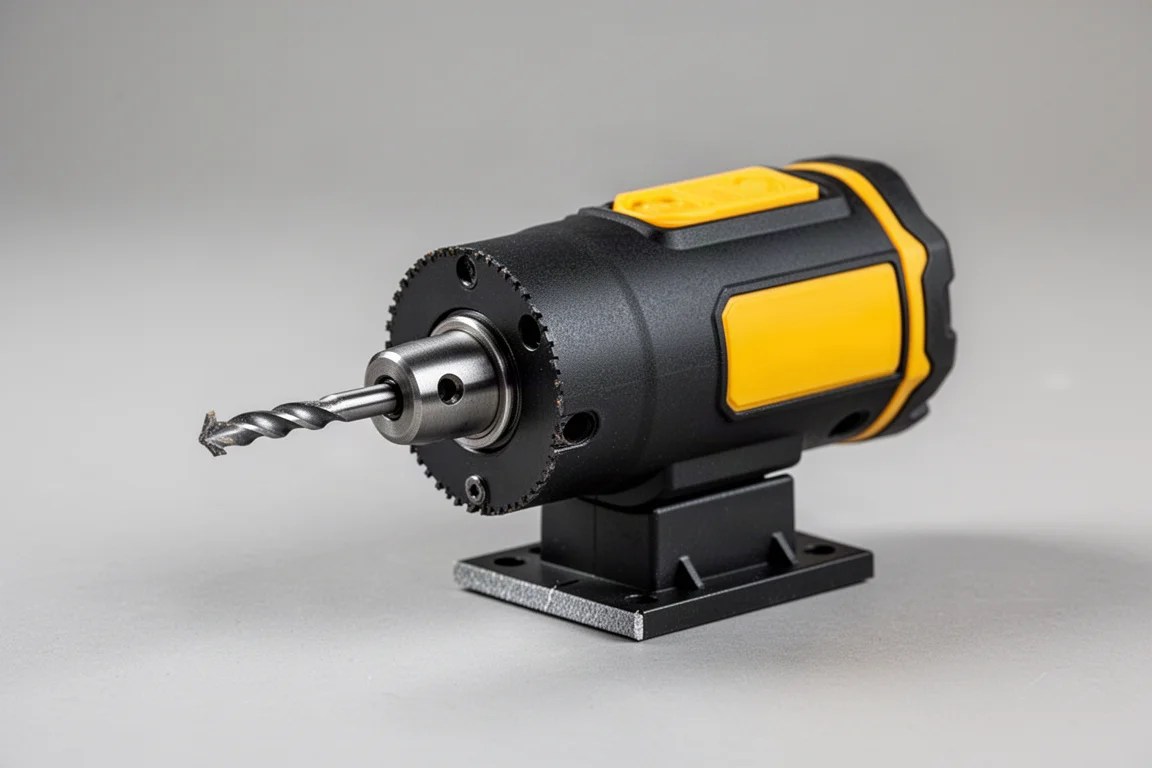
The DCE55 is a small rotary cutout tool, the modern take on the classic RotoZip-style tool, and it feels genuinely good in the hand. It accepts quarter-inch, 5/32-inch, and 1/8-inch bits, and spins at 26,000 RPM. The shoe is removable if you want to work without it, and the collet system makes bit swaps refreshingly easy.
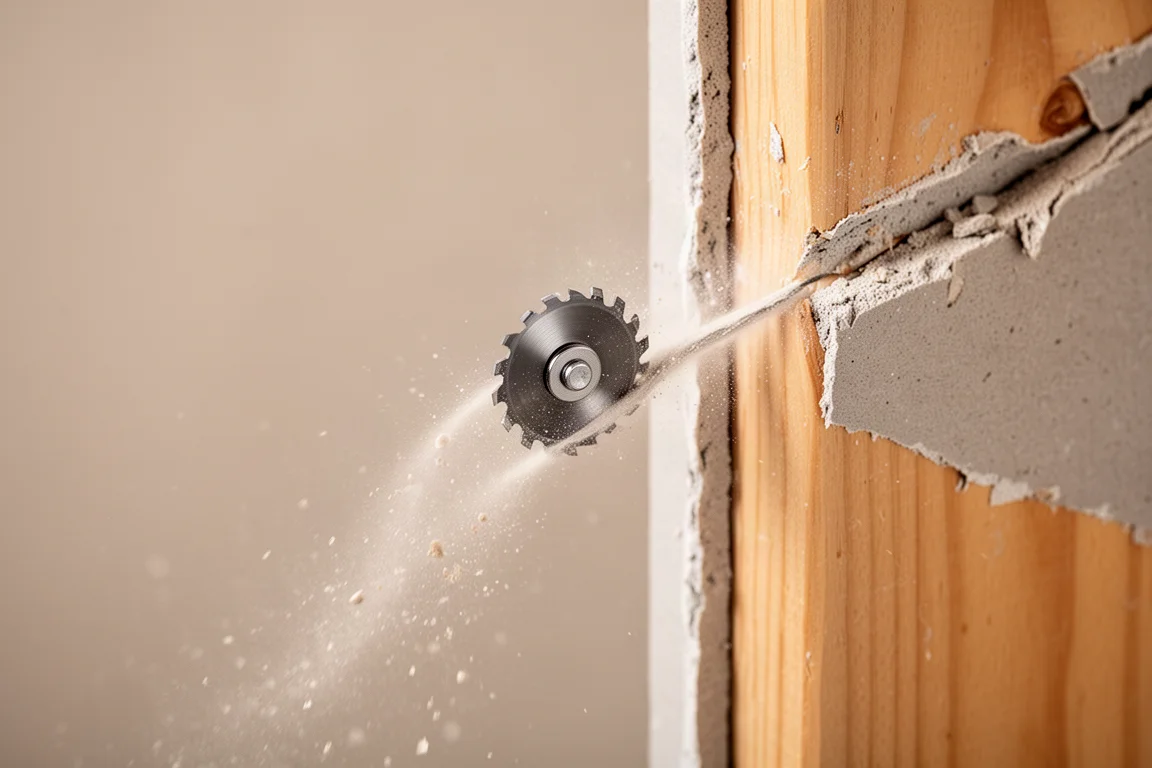
There is no wrench required. Hold the stop button, insert the bit, then push the lock button in and twist to tighten the collet. Push it again and turn to loosen. When working along a stud, the shoe adjusts out so the bit rolls along the edge without cutting into the wood. For a tool this small and light, it delivers impressive cutting power on drywall.
What They Share
Both tools are 100 percent brushless, and the fine-tuning on each is well executed. The screwgun’s depth and mode controls are quick to adjust mid-job, and the cutout tool’s collet and shoe adjustments are just as thoughtful. Both also carry practical touches like a belt hook and an LED light on the DCF630 for working in dim corners.
Which One Should You Buy?
If you hang drywall regularly, the DCF630 is an easy upgrade over the older model, mainly because of the auto-drive modes and the removal of that frustrating direction switch. If your work involves cutting openings for boxes and windows in finished board, the DCE55 is compact, powerful, and simpler to manage than older cutout tools. Together they cover most of a drywall install job from first screw to final cutout.
Conclusion
The DCF630 and DCE55 are a well-matched pair for drywall work: the screwgun adds digital control and hands-free driving, while the cutout tool brings brushless power in a small, easy-to-adjust package. Pick the one that matches your workload, or both if drywall is a regular part of your week.
Further reading
Related Reviews
Power Tools
Best 1-Inch Pistol Impact Wrenches: Three Heavy-Duty Options Compared
We compare three 1-inch pistol impact wrenches, from a budget-friendly Harbor Freight model to a premium Caterpillar unit, to help you choose the right one.
Power Tools
Best 3/4-Inch Impact Wrenches 2026: Five Contenders Compared
We compare five 3/4-inch impact wrenches across price and performance, from a budget Amazon option to Snap-on's most powerful model yet.
Power Tools
Best Budget Cordless Tools 2026: Walmart Finds That Punch Above Their Price
We tested five cordless tools from Walmart, including a high-torque impact wrench that trades blows with Milwaukee and a $35 duster that outperforms its price class.