Power Tools
DeWalt DCF403 20V Rivet Tool: A Closer Look at DeWalt's Compact Riveter
A detailed hands-on look at the DeWalt DCF403 20V 3/16-inch rivet tool, covering its grip, nose piece system, maintenance, and who it suits best.
Introduction
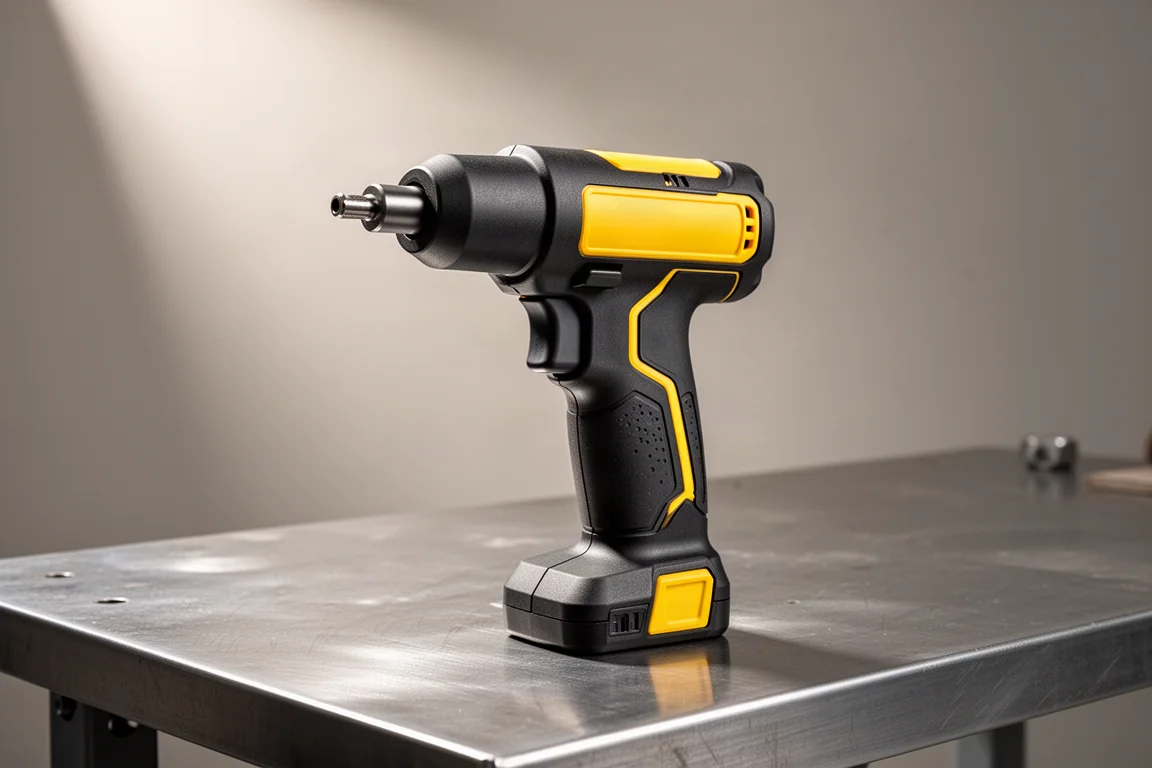
Cordless rivet tools have become a genuine alternative to hand riveters, and DeWalt’s 20V lineup now includes a compact option aimed at everyday users. The DCF403 is a 3/16-inch rivet tool that sits below the brand’s larger, more expensive four-way model, which handles bigger rivets. This one focuses on the rivet sizes most people actually use.
After spending time with it top to bottom, the picture that emerges is of a simple, well-machined tool with a few quirks worth knowing about before you buy.
First Impressions: A Different Kind of DeWalt Grip
If you have used other DeWalt 20V tools, the first thing you will notice here is the grip. It is noticeably fatter than the typical slim DeWalt handle, closer in feel to a compact Milwaukee-style body. Set an impact driver next to it and the difference in how your hand wraps around each tool is obvious.
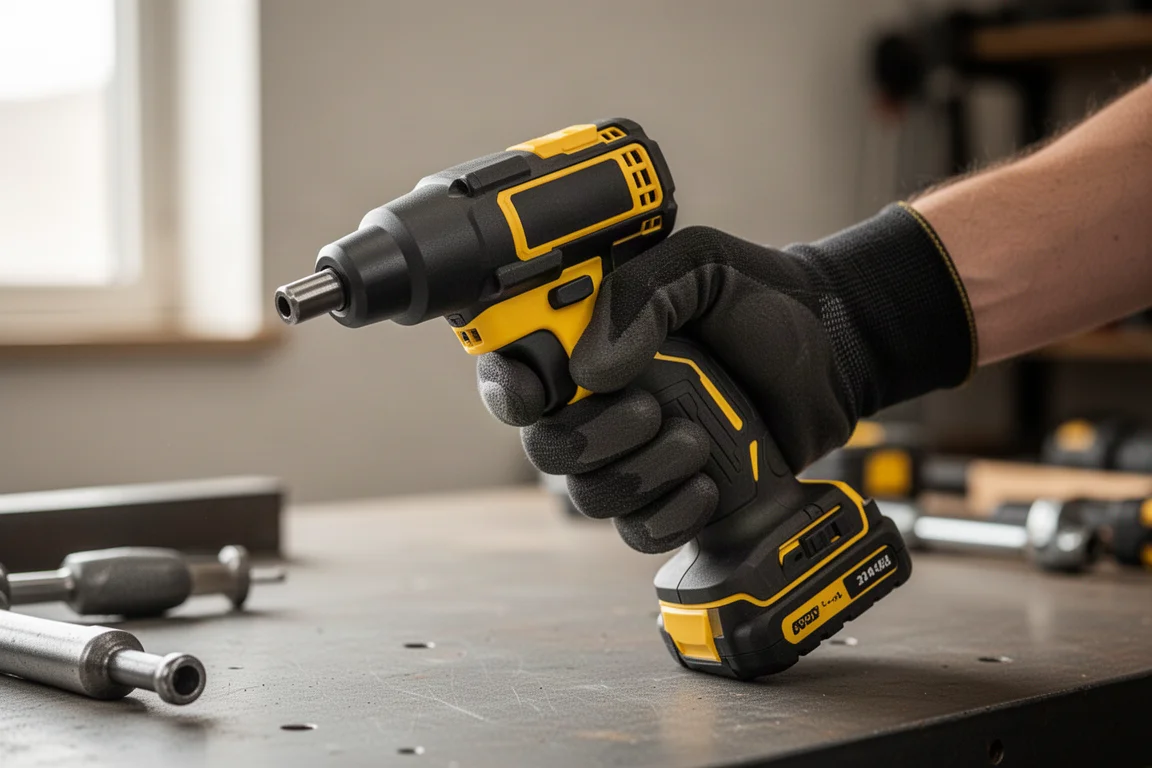
That is not necessarily a bad thing. The thicker body gives your palm more of a heel area to push forward with, which can help when setting rivets. If you rivet occasionally and love the classic skinny DeWalt feel, it takes a little adjusting. If you rivet all day, the fuller grip may actually make more sense. Either way, it is easy to get used to.
The trigger is refreshingly simple: push it, and everything else happens from there. A light on the bottom of the tool comes on with the trigger and stays on for a short time afterwards. There is nothing to adjust there, and there are no safeties to get in the way, which is exactly as it should be for this kind of tool.
Nose Pieces and Onboard Storage
At the back of the tool you will find a mandrel basin, sometimes called a stud catcher, that collects everything the tool pushes through. It clips on neatly and can be removed when needed.
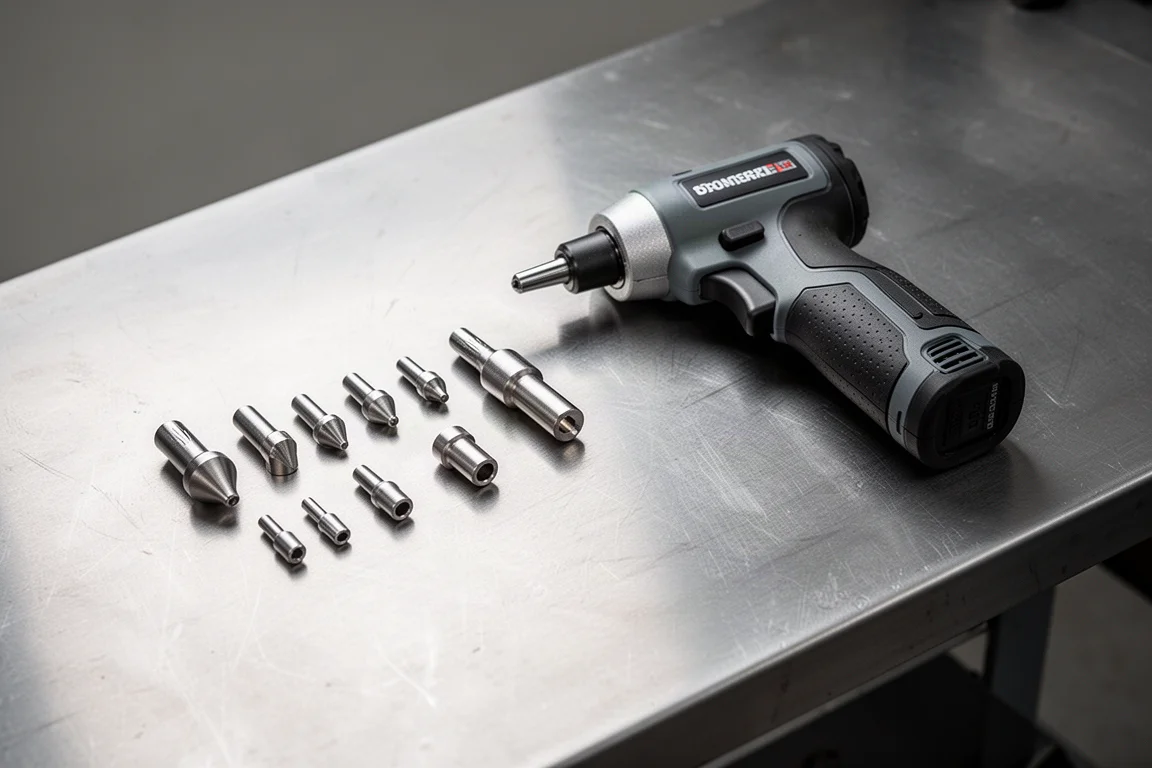
Multiple nose pieces for different rivet sizes are stored onboard, and they are easy to access: push them out from the back and they are ready to swap. Once seated, they stay put firmly; even shaking the tool hard barely dislodges them. Swapping one is straightforward, though the easiest method is to unscrew the whole front end until it is loose, remove the tip, and swap the nose piece from there. Screw it back on and you are ready to go.
One tip worth following: if you try to remove the nose piece directly, you run into a slight springing action at the end of the unscrewing, which could wear on the threads over time. Loosening the front assembly a little first avoids putting that stress on the spring and threads.
Everyday Use and Mandrel Catching
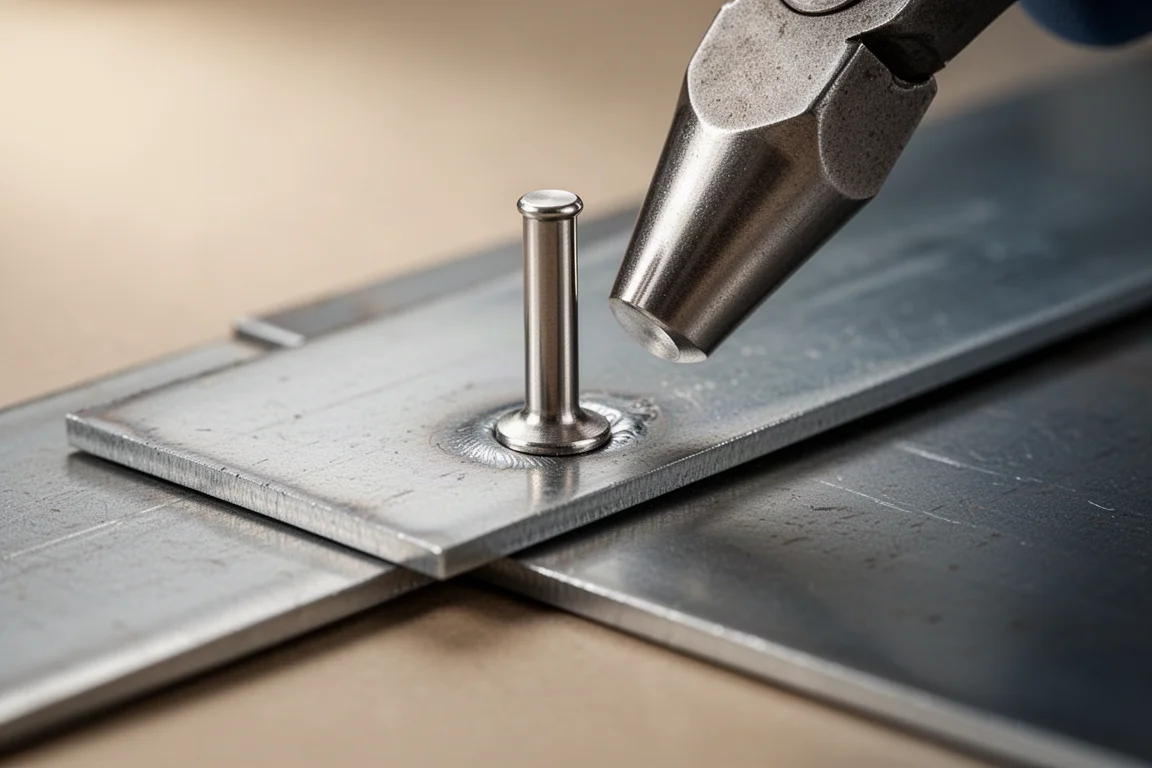
In use, the DCF403 is exactly what you want a rivet tool to be: point it, push the trigger, done. Pulling an 8-inch stainless steel rivet through with the appropriate nose piece installed worked without issue.
The machining throughout is excellent. Every part fits in exactly one place, switching components back and forth involves no confusion, and the onboard nose pieces cannot fall out no matter how the tool is handled. One small quirk: when pulling the mandrel cap off, you may sometimes pull the whole storage piece with it, depending on the pressure and angle you use. It is not a real problem since nothing gets lost, and grabbing from the back of the cap usually avoids it, but daily users may find it mildly annoying.
Maintenance: Clearing a Stuck Mandrel
If a mandrel ever gets stuck in the front, the fix is simple. There is a small arrow marked on the spring; pull it back, and if needed add a bit of forward tension. From there, unscrew the front section to release the spring tension, which is what closes the jaws inside.
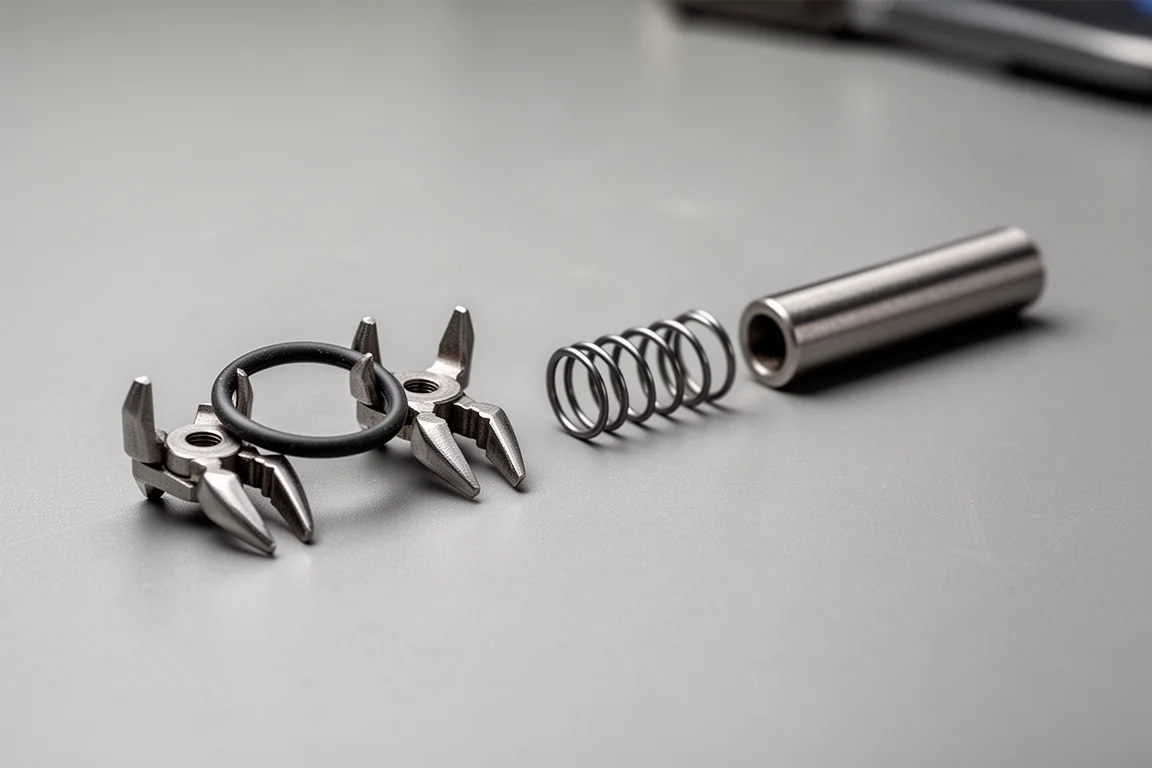
With the head off, you can see the three claw pieces that grab the mandrel, held together essentially by an O-ring. They float slightly inside the head, which is normal. The forward section is what does the gripping. Reassembly is just as easy: drop the claws back in, screw everything together until it clicks tight, replace the head, and the tool is back in business.
Who This Tool Is For
If you are already in the 20V battery lineup, the DCF403 covers what most users need. It suits the person who rivets occasionally as well as the one using it consistently on a daily basis. The trade-offs are minor: the fatter grip takes some adjusting if you are attached to the classic DeWalt feel, and the mandrel cap occasionally comes off along with the basin. Neither is a dealbreaker.
Buying Advice
Choose this model over DeWalt’s larger four-way rivet tool if your work stays within 3/16-inch rivets and you want to spend less. The simplicity of the trigger, the quality of the machining, and the onboard nose piece storage make it an easy tool to live with. If you regularly set larger rivets, the bigger, more expensive model in the lineup is the one to look at instead.
Conclusion
The DeWalt DCF403 is a well-built, easy-to-use 20V rivet tool with excellent machining, convenient onboard storage, and a grip that splits opinion. For occasional users and daily riveters already invested in DeWalt’s 20V platform, it is a solid, practical addition to the collection.
Product link
View more details for DeWalt DCF403 20V Rivet Tool
This product is mentioned in the review. Check the specifications, options, and compatibility before buying.
View more details for DeWalt DCF403 20V Rivet ToolFurther reading
Related Reviews
Power Tools
Best 1-Inch Pistol Impact Wrenches: Three Heavy-Duty Options Compared
We compare three 1-inch pistol impact wrenches, from a budget-friendly Harbor Freight model to a premium Caterpillar unit, to help you choose the right one.
Power Tools
Best 3/4-Inch Impact Wrenches 2026: Five Contenders Compared
We compare five 3/4-inch impact wrenches across price and performance, from a budget Amazon option to Snap-on's most powerful model yet.
Power Tools
Best Budget Cordless Tools 2026: Walmart Finds That Punch Above Their Price
We tested five cordless tools from Walmart, including a high-torque impact wrench that trades blows with Milwaukee and a $35 duster that outperforms its price class.