Power Tools
DeWalt DCD803 Multi-Head Drill Driver Review: One Tool, Many Jobs
A closer look at DeWalt's 20V Atomic multi-head drill driver, including its swappable heads, clutch performance, and tight-space attachments.
Introduction
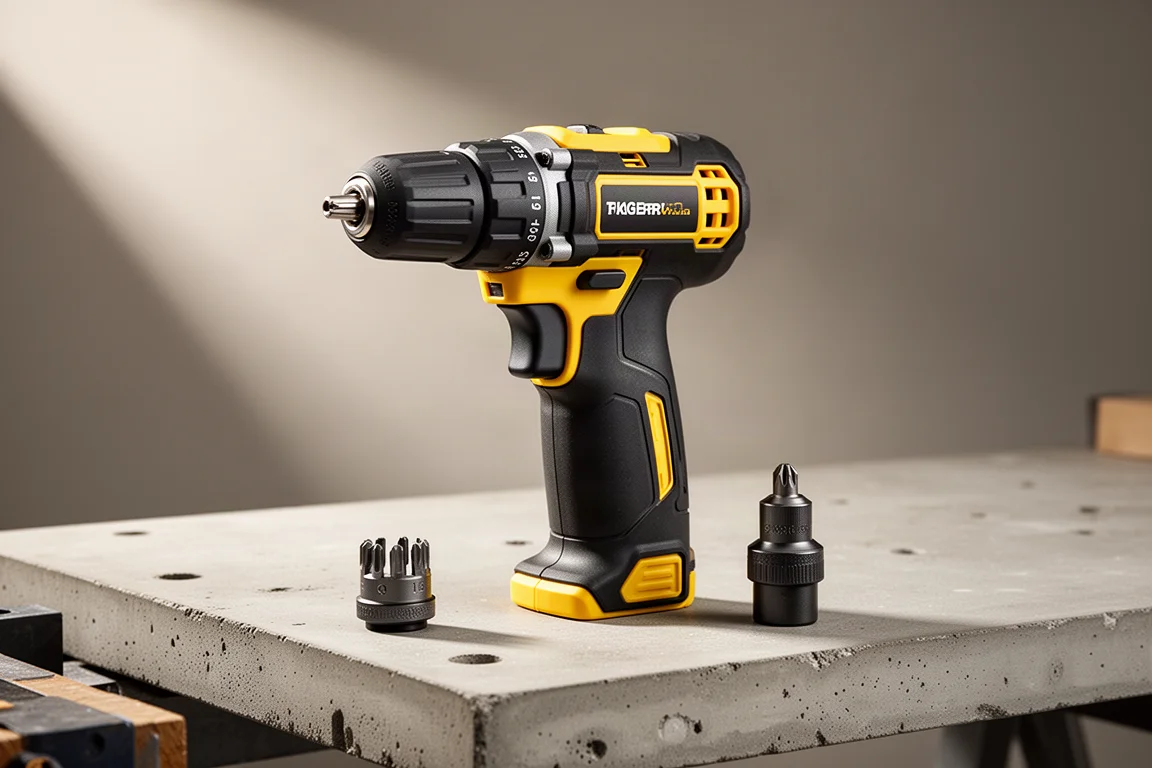
DeWalt already builds a strong line of compact XR drill drivers, so the obvious question about the DCD803 is whether a multi-head drill driver is really needed, or whether it is a solution looking for a problem. After spending time with it, the short answer is that this tool is not trying to be the single best drill driver or the best impact driver. It is trying to be the best at everything in one package, and for a lot of daily tasks that trade-off makes sense.
What It Is and What Comes in the Box
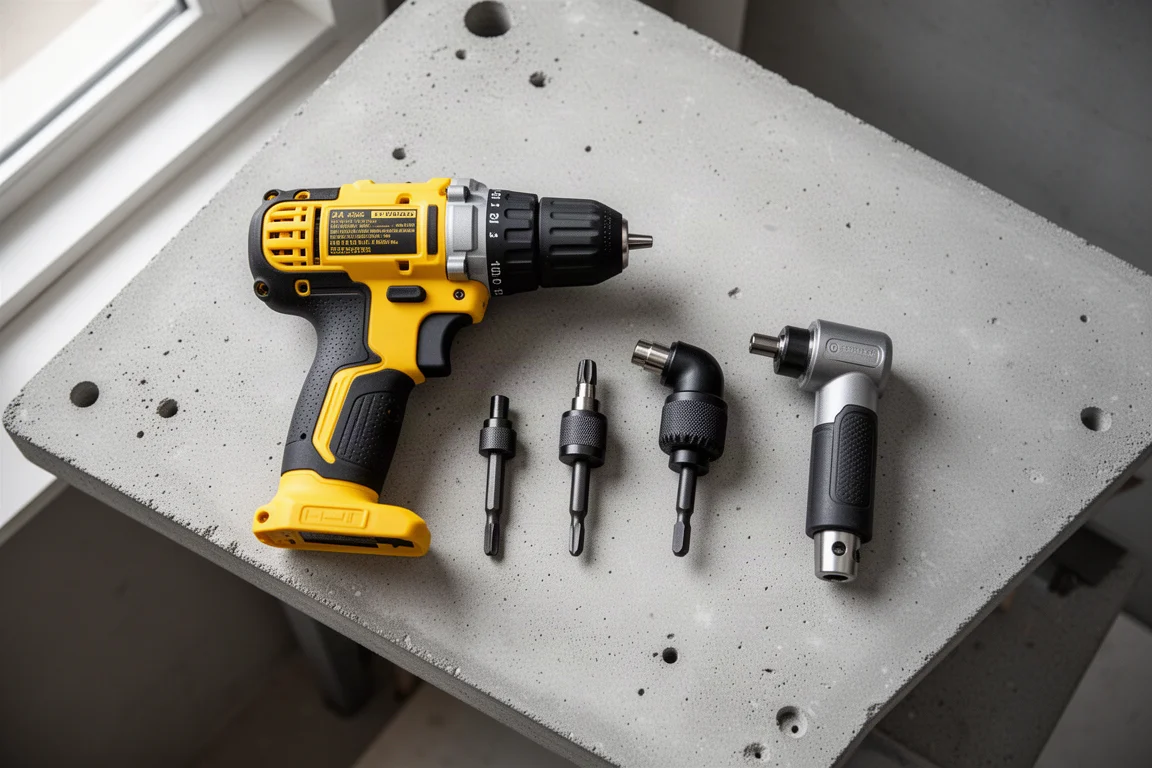
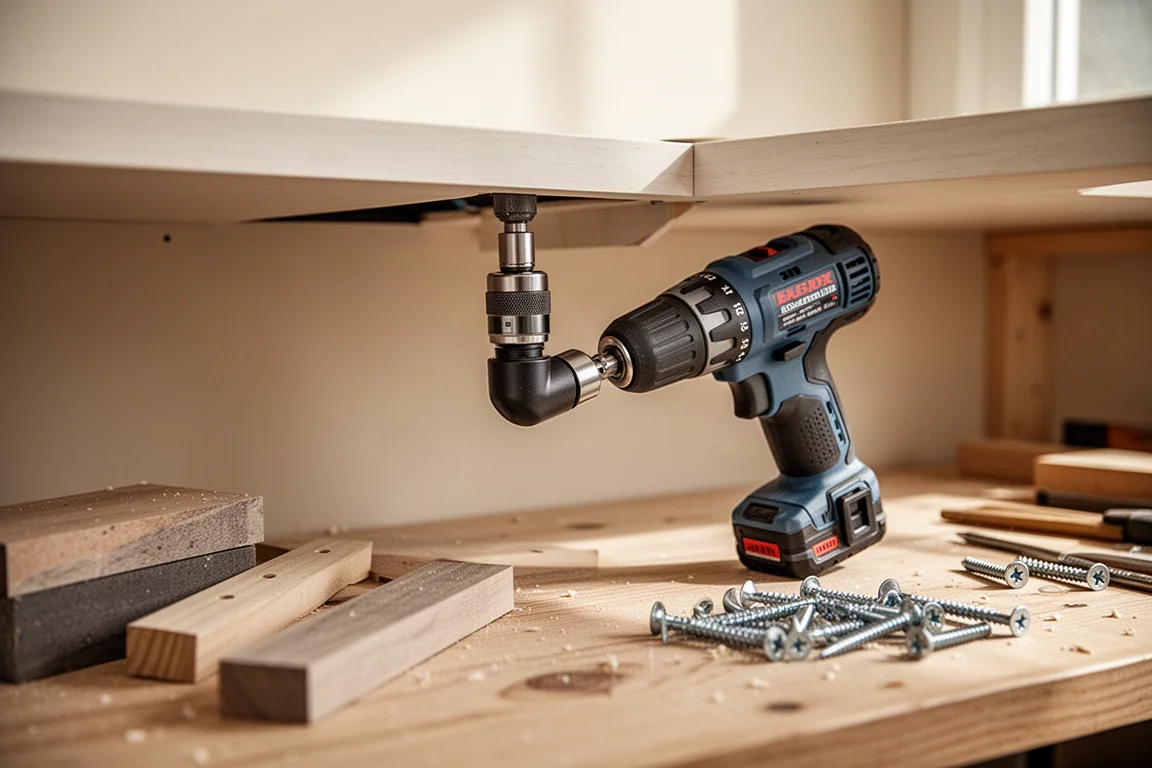
The DCD803 is built on DeWalt’s 20V Atomic platform. What sets it apart from the rest of the lineup is the ability to attach multiple heads depending on the task at hand. Along with the tool itself, you get four additional heads: a 1/4-inch impact-driver-style head with a quick-connect collet, a 1/4-inch offset standard drill driver head with a chuck, and a 90-degree right-angle attachment.
The drill itself runs two speeds with 15 clutch settings and a dedicated drill mode, so its basic control layout is not far removed from other DeWalt drills. In terms of speed, it delivers 0 to 450 RPM in speed one and 0 to 1,650 RPM in speed two, which places it roughly in the middle for a compact unit compared with a bigger drill driver. It is not quite as small as some of the smaller impact drivers in the lineup either.
Swapping Heads Is Genuinely Quick
Changing between heads is refreshingly simple. To mount the drill driver head, you pull the sleeve back, lock it onto the front of the tool, and you have a standard drill driver ready to accept a drill bit. Drilling felt smooth with no issues. To switch to fastening, you pull the sleeve again, pop the head off, and snap on the impact-style head with its quick-connect collet, which offers positive engagement. Again, super smooth and super easy, with no issues whatsoever.
Clutch Settings With Linear Progression
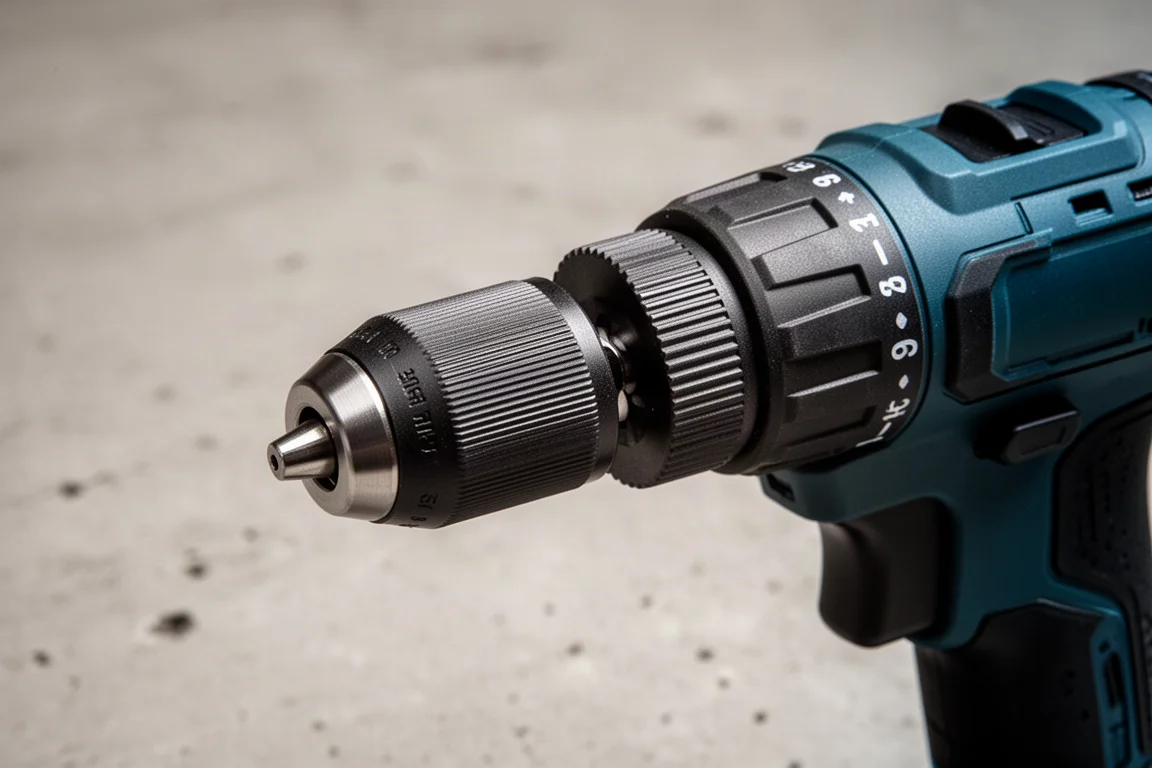
For delicate work pieces and smaller items, the clutch matters, and this is one area where the DCD803 quietly impresses. Starting at clutch setting one in speed two, the drive depth increased noticeably with each step: setting two went slightly deeper than one, setting three a little more, and so on in a clean linear progression. The sweet spot for the test fastener landed around setting six.
That may sound like a small detail, but it is not always the case with power tools. On some other tools, clutch settings are noticeably less linear. Here, the consistent stepping means you can dial in a repeatable depth with confidence rather than guessing between numbers.
Two Attachments for Tight Spaces
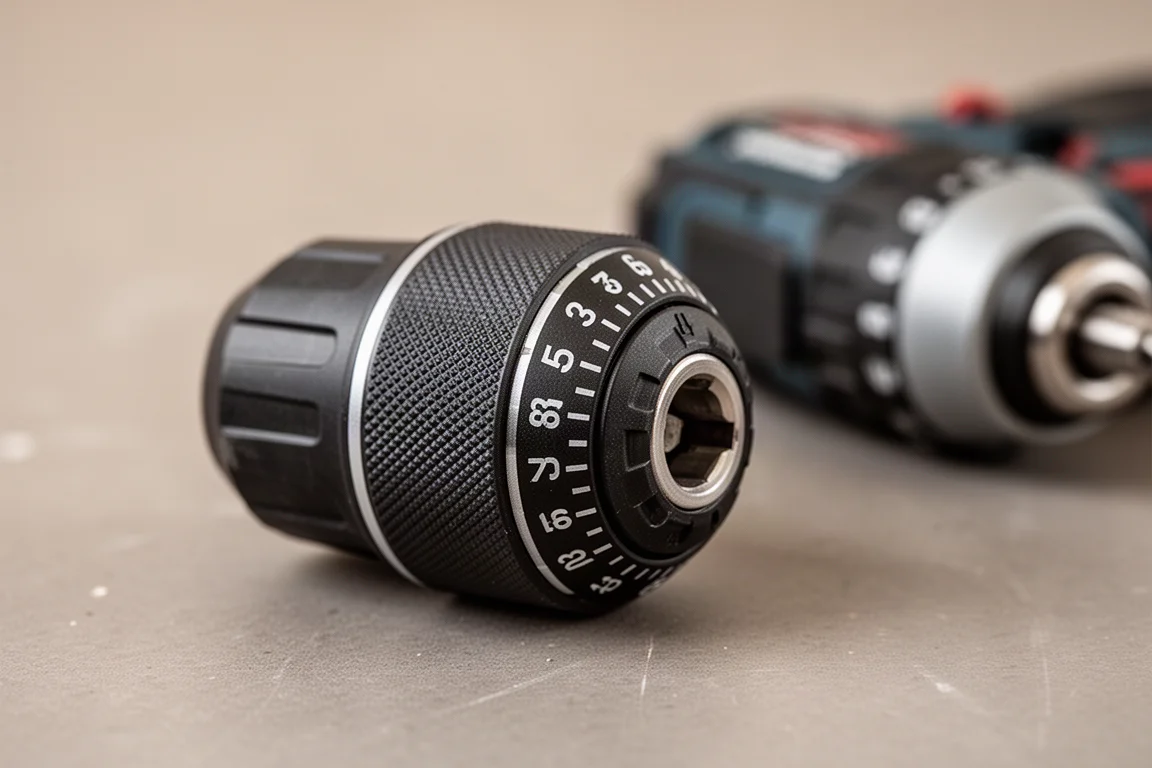
Out on site, doing fixture installs or working underneath cabinets, you often cannot get a standard tool body into the space you need. DeWalt provides two solutions here, and both earn their place.
The first is the offset drill driver head, which gets frequent use for fixturing and in school work where fasteners have to be driven between furniture and tight clearances. The head can be set up in any orientation you want and positively locks there, letting you position the drive exactly where it needs to be. The extra length adds a bit of front weight to the tool, but it is not a big deal, and there was no noticeable difference in fastening performance. The real magic is that the drive line reaches the work piece without the tool body interfering, which matters when a cabinet or fixture would otherwise block the top of the tool.
The Right-Angle Attachment Stacks With the Others
The second tight-space solution is the right-angle attachment, another frequently used piece that removes the need to carry or buy a separate right-angle tool. It can be oriented any way you need to get into spaces between stud bays or underneath cabinets.
The best part is that the other attachments connect to the right-angle head. You do not have to use it as an independent piece. If you need to drill a hole at 90 degrees, you add the drill driver head to the front of the right-angle attachment and can flip and position it in any direction. You can even combine the right angle with the offset head, which may look odd in an open workshop but becomes exactly what you need in a crawl space, an attic, or between joists. And if the right-angle attachment is too long for a given spot, you simply detach the extra head and chuck directly into the right-angle attachment instead.
Things to Consider Before Buying
This tool is not the fastest or most compact option in every single category. Its top speed sits in the middle of the pack for a compact drill, and it is not as small as some of DeWalt’s smaller impact drivers. With attachments fitted, it gains length and a bit of front weight. If you only ever drive straightforward screws and drill accessible holes, a standard compact drill driver may serve you just as well.
Buying Advice
If your work regularly takes you into crawl spaces, attics, stud bays, or under cabinets, the DCD803 is one of the most versatile tools in the entire DeWalt lineup. One tool with swappable heads can save your day and a ton of time, and you lose nothing in feel, torque, performance, or speed when adding any of the attachments. Carrying one multi-head tool also means less weight in the bag compared with bringing separate dedicated tools for each situation.
Conclusion
The DeWalt DCD803 answers the “is it needed?” question with a practical yes for anyone whose work involves awkward spaces and varied fastening tasks. It trades being the absolute best at one job for being very good at nearly all of them, and that is a trade many users will happily make.
Product link
View more details for DeWalt DCD803 Multi-Head Drill Driver
This product is mentioned in the review. Check the specifications, options, and compatibility before buying.
View more details for DeWalt DCD803 Multi-Head Drill DriverFurther reading
Related Reviews
Power Tools
Best 1-Inch Pistol Impact Wrenches: Three Heavy-Duty Options Compared
We compare three 1-inch pistol impact wrenches, from a budget-friendly Harbor Freight model to a premium Caterpillar unit, to help you choose the right one.
Power Tools
Best 3/4-Inch Impact Wrenches 2026: Five Contenders Compared
We compare five 3/4-inch impact wrenches across price and performance, from a budget Amazon option to Snap-on's most powerful model yet.
Power Tools
Best Budget Cordless Tools 2026: Walmart Finds That Punch Above Their Price
We tested five cordless tools from Walmart, including a high-torque impact wrench that trades blows with Milwaukee and a $35 duster that outperforms its price class.