Power Tools
DeWalt DCD800B vs DCD805B: Two Compact 20V Drills With Real Power
A closer look at DeWalt's compact 20V drill and hammer drill versions, both sold as bare tools, and who each one actually makes sense for.
Introduction
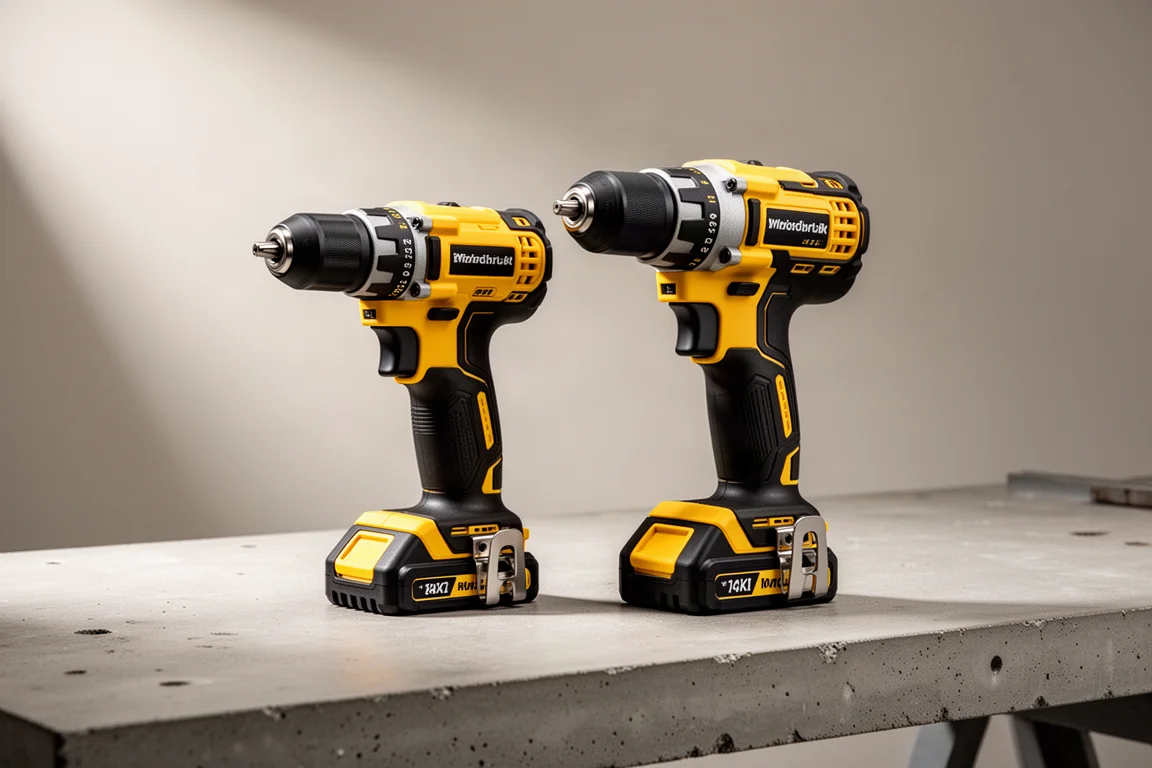
DeWalt has a long-standing reputation for durability, and these two compact 20V drills lean into that. The DCD800B and the DCD805B (the hammer drill version) are sold as bare tools, meaning no batteries are included, and both promise more power in a smaller package than DeWalt’s previous full-size drills.
This piece breaks down what each drill is for, where they shine, and which one fits the way most people actually work.
What the DCD800B and DCD805B Actually Are
Both drills are 20V models, and both carry the “B” suffix that indicates bare-tool packaging. The DCD800B is the standard drill driver, while the DCD805B adds a hammer function for occasional masonry work. Compared with DeWalt’s other drills, these are noticeably more compact while also claiming around 40% more unit watts out.
One point of frustration: DeWalt rates power in unit watts out rather than torque, a confusing metric that makes it hard to compare these drills directly against competitors. That said, DeWalt generally sits near the top for torque across its drill lineup, so the raw capability is there.
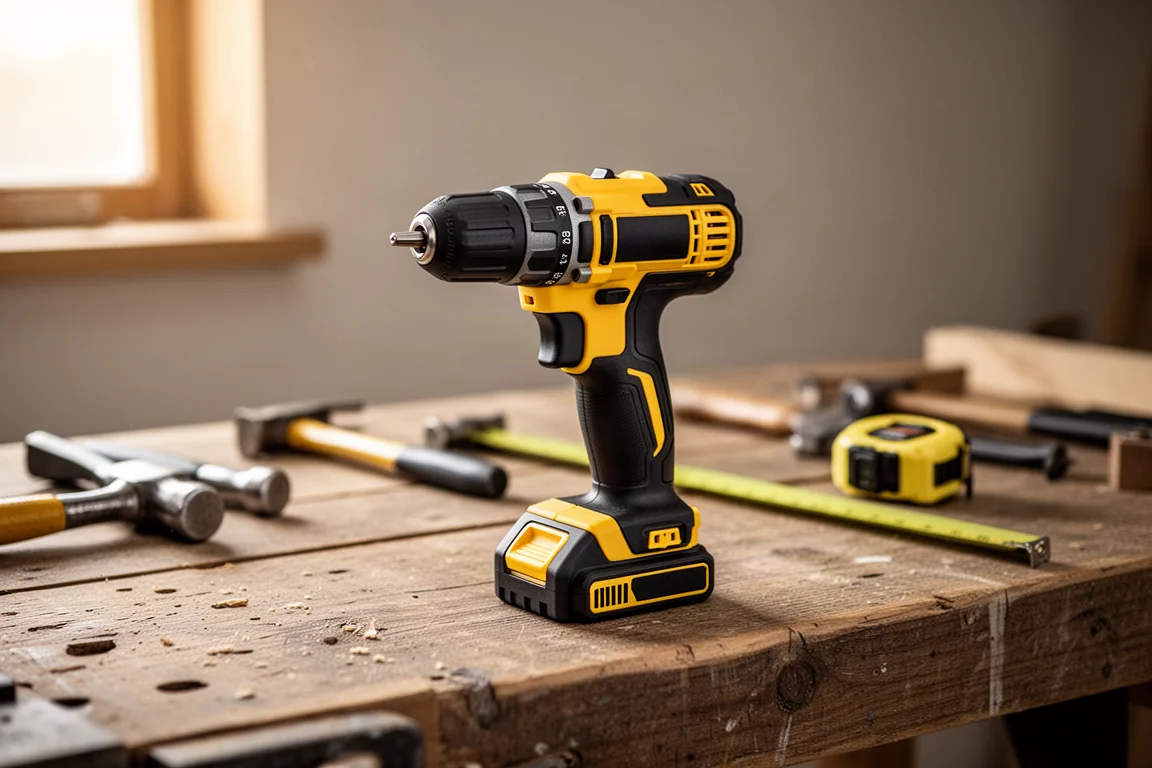
Both drills also carry the classic DeWalt 20V grip, widely considered one of the most comfortable handles the brand has produced.
Why a Mid-Size Drill Covers Most Jobs
Think of these as mid-size drills rather than true compact tools. DeWalt’s smaller Atomic line is more compact, but it gives up power compared to these. The pitch here is simple: a mid-size drill with full power handles roughly 90 to 98% of what you do in a day, so you are not hauling a heavy full-size drill around as a backup.
The whole point is cutting down weight and fatigue. If you are running a drill all day, a lighter, well-balanced tool that still has enough muscle to finish the job is exactly what you want. For a homeowner or contractor doing general work, this size hits the sweet spot.
The Built-In Light Is a Genuinely Useful Feature
One standout feature is the adjustable LED work light. The light on the drill’s foot moves up and down so you can aim it where you need it, and there is a dedicated 20-minute mode. Set the drill down, aim the light, and you have hands-free illumination for 20 minutes. Pull the trigger again and you get another 20.
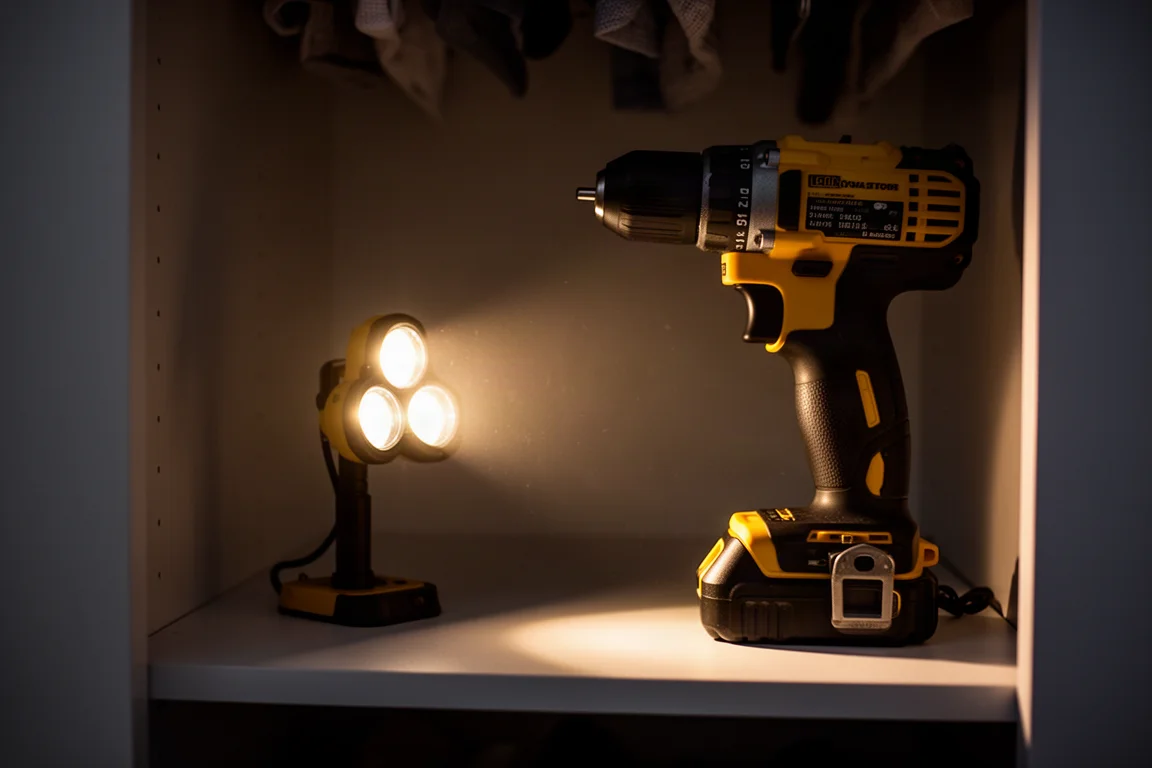
This is more than a convenience. Many drills have tiny LEDs that barely do anything, while this one throws a genuinely powerful beam. It effectively turns the drill into a two-in-one tool for dark closets, basements, and crawl spaces.
When the Hammer Drill Version Makes Sense
The DCD805B’s hammer function is a niche feature. If you are drilling into concrete all day, you should be using a rotary hammer instead. A hammer drill makes sense for people doing occasional concrete anchoring, like cable or internet installers mounting junction boxes on basement walls, or anyone who needs to put a few anchors in masonry now and then.
If you rarely touch concrete, the standard DCD800B is the more sensible choice.
Which One Should You Buy?
If your work is mostly wood, metal, and general assembly, get the DCD800B. It is lighter, cheaper, and covers the overwhelming majority of everyday drilling and driving. If you occasionally need to anchor into brick, block, or concrete without justifying a rotary hammer, the DCD805B earns its extra capability.
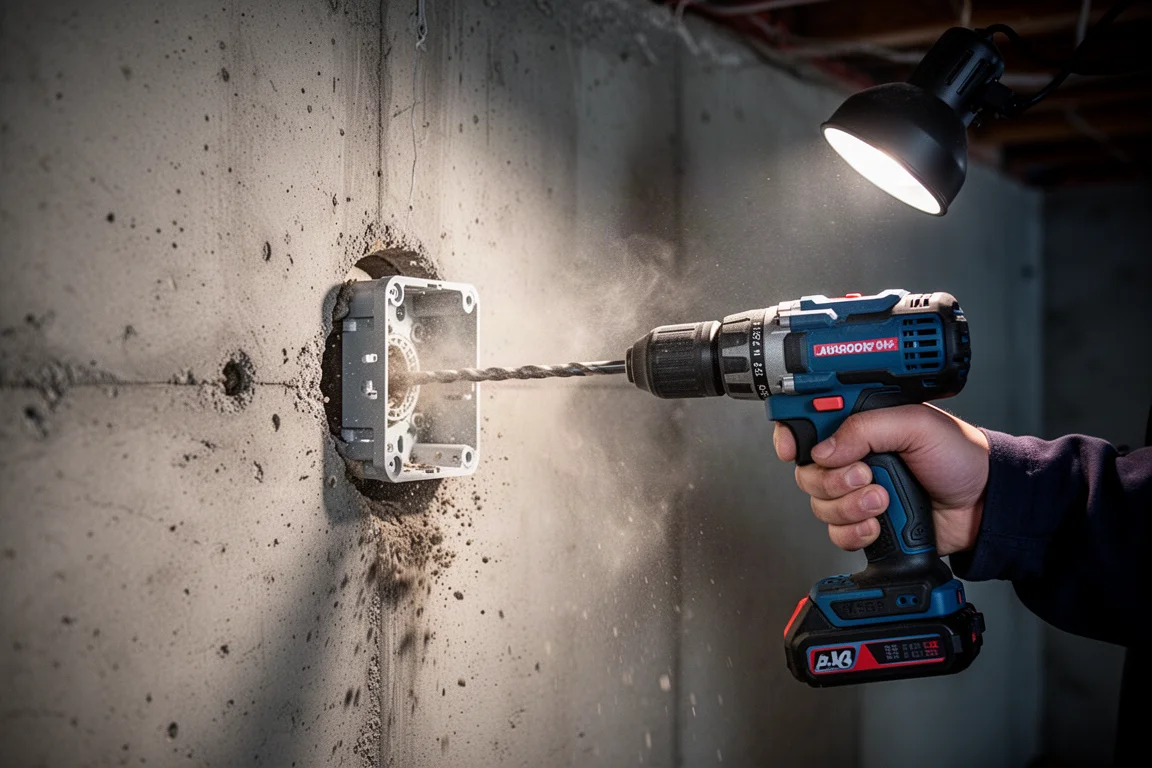
Either way, both are sold as bare tools, so budget for batteries and a charger if you are not already in the DeWalt 20V ecosystem.
Conclusion
DeWalt’s DCD800B and DCD805B deliver more power in a more compact body than earlier full-size models, wrapped in one of the most comfortable grips in the business. For most buyers, the standard DCD800B is the right call; the DCD805B is the upgrade for occasional masonry work.
Product link
View more details for DeWalt DCD800B
This product is mentioned in the review. Check the specifications, options, and compatibility before buying.
View more details for DeWalt DCD800BFurther reading
Related Reviews
Power Tools
Best 1-Inch Pistol Impact Wrenches: Three Heavy-Duty Options Compared
We compare three 1-inch pistol impact wrenches, from a budget-friendly Harbor Freight model to a premium Caterpillar unit, to help you choose the right one.
Power Tools
Best 3/4-Inch Impact Wrenches 2026: Five Contenders Compared
We compare five 3/4-inch impact wrenches across price and performance, from a budget Amazon option to Snap-on's most powerful model yet.
Power Tools
Best Budget Cordless Tools 2026: Walmart Finds That Punch Above Their Price
We tested five cordless tools from Walmart, including a high-torque impact wrench that trades blows with Milwaukee and a $35 duster that outperforms its price class.