Power Tools
DeWalt DCD800 vs Milwaukee 2701-20: Compact 18V Drill Driver Head to Head
Two flagship compact drill drivers compared on speed, torque, weight, heat, and battery efficiency in real fastener tests.
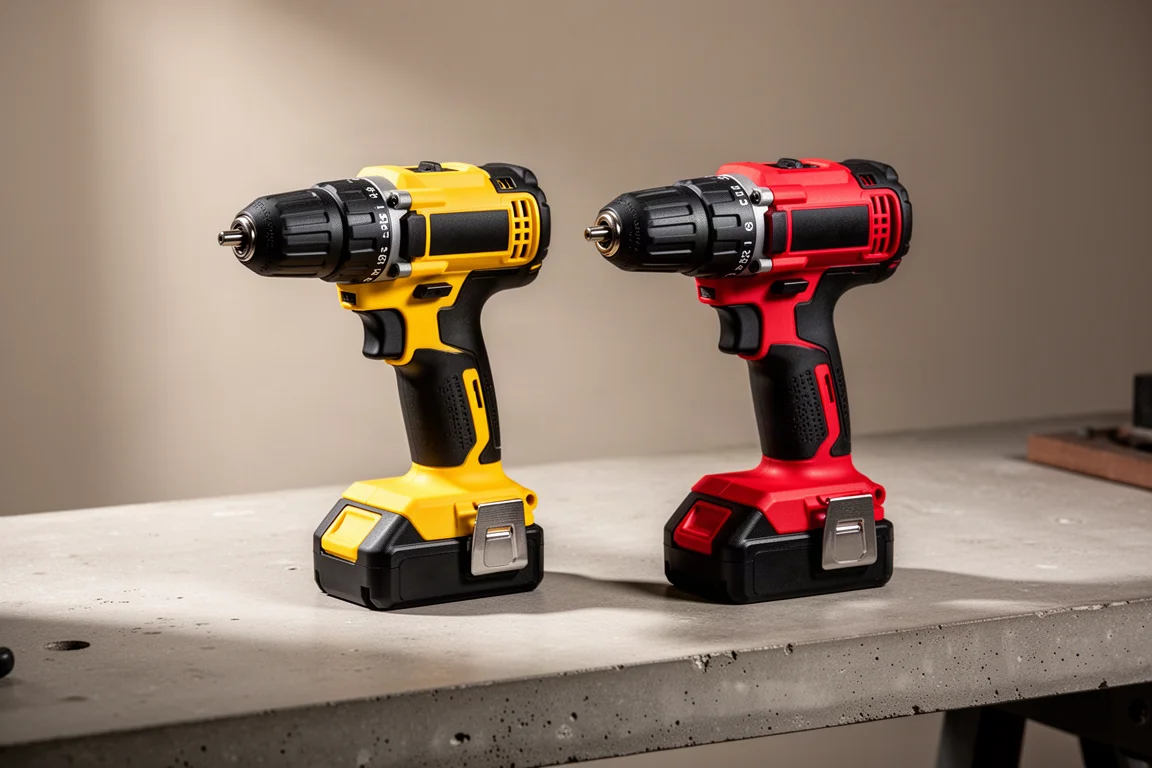
Introduction
Compact drill drivers are the tools most people reach for first, and the DeWalt DCD800 and Milwaukee 2701-20 are two of the most visible names in that class. Both run on their brand’s 18-volt platform (which Milwaukee also markets as 20-volt max), both are light, and both are aimed at driving fasteners rather than heavy boring work.
This comparison looks at the numbers that matter and the real-world behavior that numbers do not always capture: speed, torque, weight, heat, and how each drill holds up across repeated fastener runs.
Two Compact Drill Drivers, One Direct Comparison
On paper, the two drills split the spec sheet. The DeWalt DCD800 posts zero-load speeds of 650 and 2,000 RPM in its two speed settings, delivers a claimed 900 unit watts out, and weighs 2.82 pounds. The Milwaukee 2701-20 counters with 500 and 1,800 RPM, a rated 500 inch-pounds of torque, and a nearly identical 2.8 pounds.
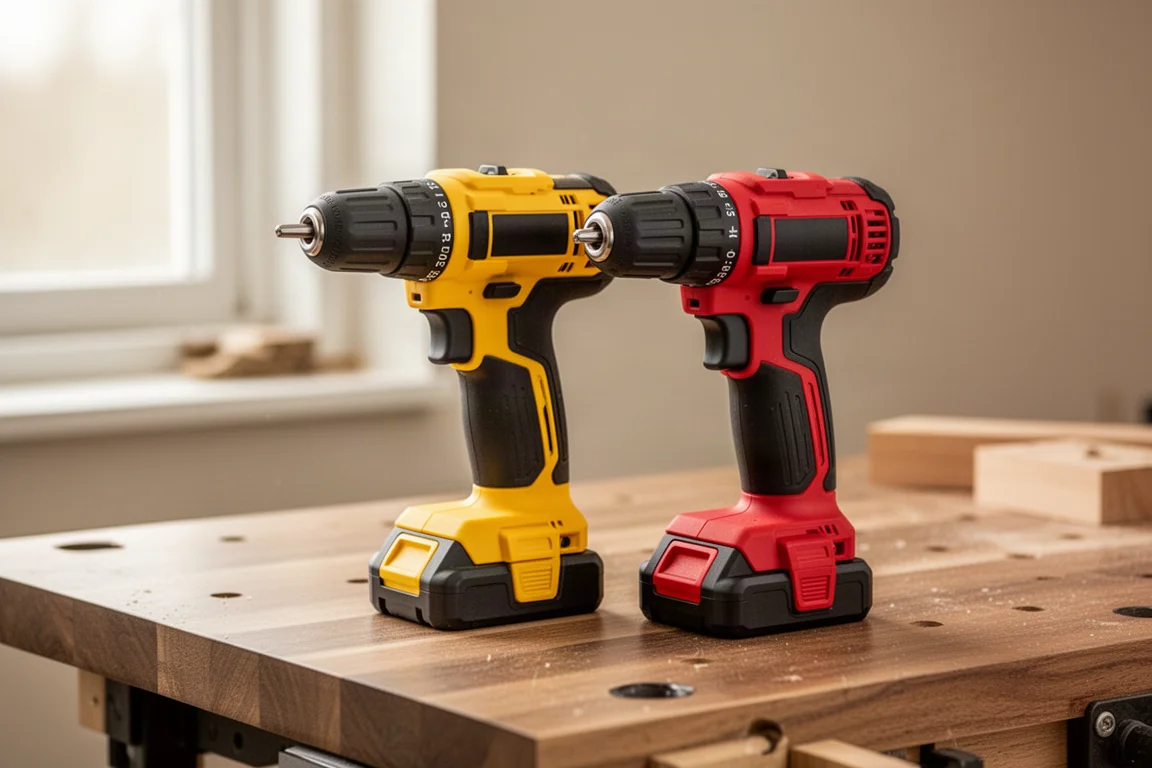
That weight figure is where both tools earn their compact badge. Handled side by side, both feel light and very compact, and neither gives up much in balance or in-hand feel. If you are choosing between them on ergonomics alone, there is no clear loser.
Speed and Torque in Real Fastener Tests
The most telling test was a repeated set of 1-5/8-inch drywall fasteners driven in speed two. In the first heat, both drills pushed fasteners to a photo finish, and one operator was unable to fully seat the final fastener while the other was still turning. The margins were that thin.
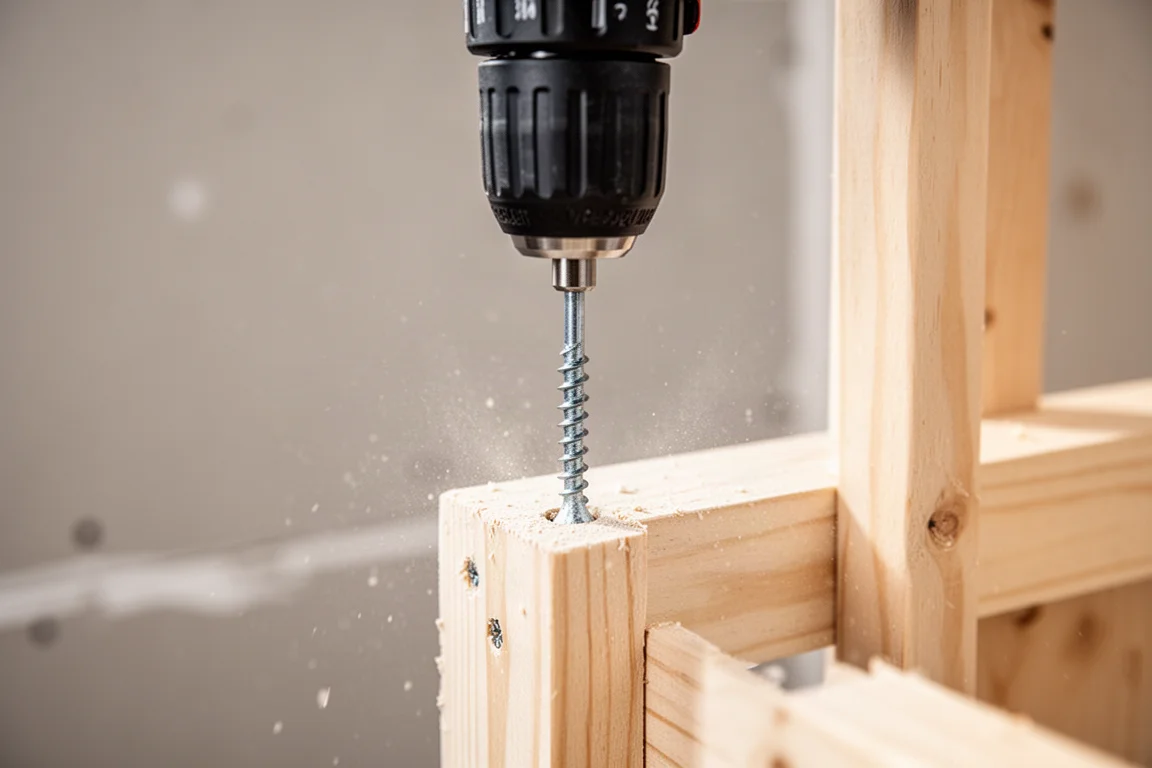
On timed runs, one completed drive took 8.97 seconds, while another run on the opposite drill finished in 4.36 seconds on the lower gear. In fairness, gear selection matters here: running speed one gives you more torque per turn but no chance of winning a speed contest, so the gear selector you pick changes the whole outcome. Both drills have plenty of beef behind them; the winner depends on how you set them up.
Heat and Battery Efficiency
Repeated driving heats any compact drill, and both showed it. At the motor, readings climbed to the high 90s in Fahrenheit, peaking around 97.3 degrees, while the switch and gear areas stayed cooler in the high 70s and 80s. Nothing alarming, but a clear reminder that compact tools warm up fast under continuous load.
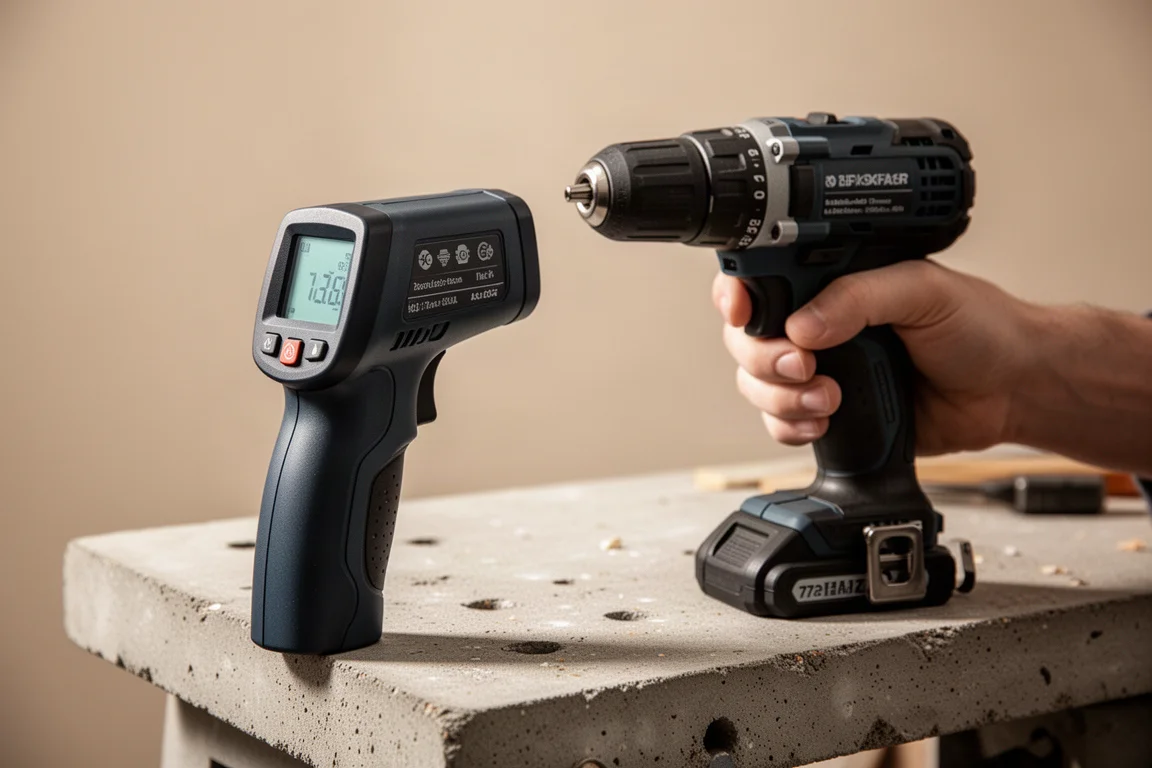
Battery behavior told a more interesting story. The Milwaukee was paired with a 2.5-hour pack of the newest compact battery technology. Despite its small 1.7-amp-hour-class size, the newer cell structure outputs more amperage and more energy than older cells, and it dropped only a single bar during the test runs. The older 18650-cell-style pack used on the other side depleted noticeably faster under the same workload.
Battery Technology and Runtime
The battery takeaway is worth restating, because it is easy to misread. Smaller capacity does not automatically mean less delivered power: modern compact lithium cells output a greater amount of energy despite their smaller rating, which is why the lighter pack kept its charge so well through repeated fastener runs.
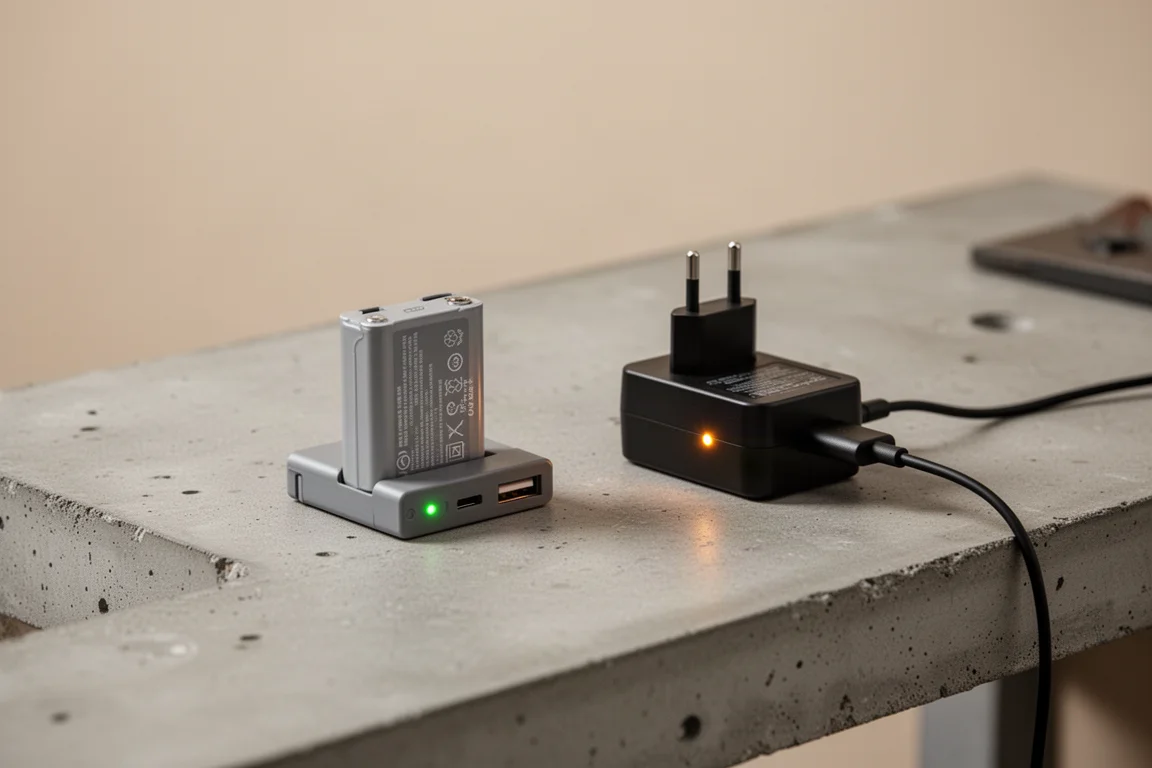
If you already own either platform, the practical move is to pair these drills with the newest compact packs available for your system. If you are buying into a platform fresh, check which battery configuration each drill ships with, since kit packaging varies by retailer.
Overall Buying Advice
Choose the DeWalt DCD800 if you want the higher zero-load speed ceiling and the stronger 900 unit watts out figure for general driving work. Choose the Milwaukee 2701-20 if you value its 500 inch-pound torque rating and the strong runtime behavior shown with newer compact battery packs. Both weigh essentially the same, so the decision comes down to platform loyalty and which spec matters more for your work.
Conclusion
The DeWalt DCD800 and Milwaukee 2701-20 are remarkably close competitors: similar weight, similar handling, and real-world fastener tests that can come down to a photo finish. With better paper specs on speed and power output, the DeWalt edges ahead for pure performance, while the Milwaukee’s torque rating and efficient modern battery pairing make it a very strong alternative for anyone already in that battery system.
Product link
View more details for DeWalt DCD800
This product is mentioned in the review. Check the specifications, options, and compatibility before buying.
View more details for DeWalt DCD800Further reading
Related Reviews
Power Tools
Best 1-Inch Pistol Impact Wrenches: Three Heavy-Duty Options Compared
We compare three 1-inch pistol impact wrenches, from a budget-friendly Harbor Freight model to a premium Caterpillar unit, to help you choose the right one.
Power Tools
Best 3/4-Inch Impact Wrenches 2026: Five Contenders Compared
We compare five 3/4-inch impact wrenches across price and performance, from a budget Amazon option to Snap-on's most powerful model yet.
Power Tools
Best Budget Cordless Tools 2026: Walmart Finds That Punch Above Their Price
We tested five cordless tools from Walmart, including a high-torque impact wrench that trades blows with Milwaukee and a $35 duster that outperforms its price class.