Power Tools
DeWalt DCD800 vs DCD791: Is the New 20V Drill Worth the Upgrade?
DeWalt replaced the DCD791 with the shorter, wider DCD800. We compare drilling performance, light design, and battery behavior to help you decide which 20V drill to buy.
Introduction
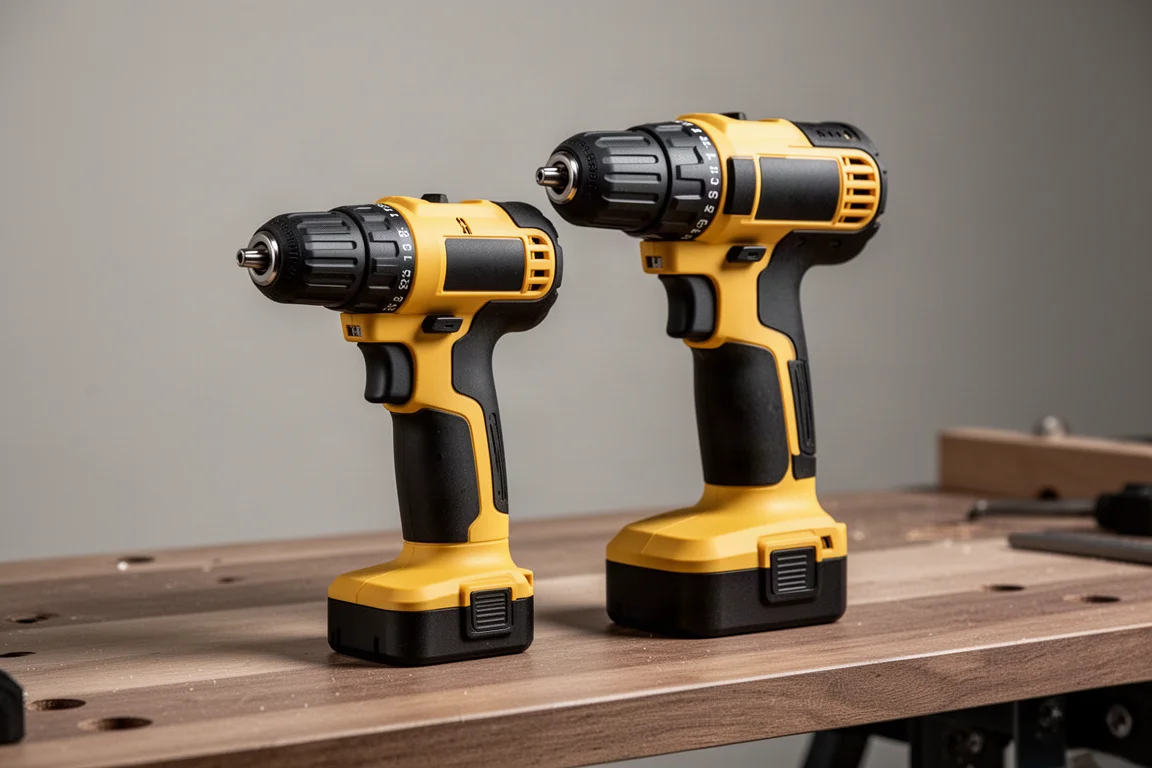
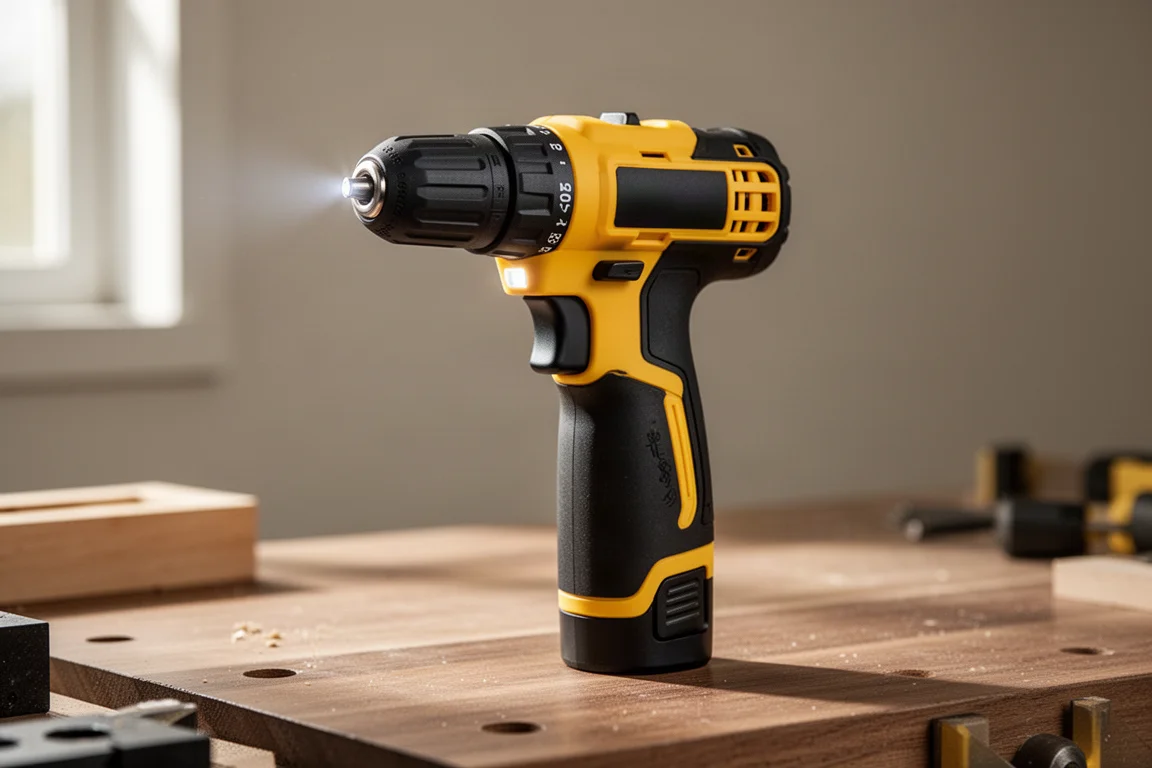
DeWalt recently updated its popular 20V compact drill lineup, replacing the long-running DCD791 (and the hammer-drill DCD796) with the new DCD800 and DCD805. On paper the changes look modest: a shorter body, a wider stance, and a redesigned front light. In practice, the new drills deliver noticeably more drilling power, though a few trade-offs are worth understanding before you commit. Here is how the two generations stack up.
What Changed with the DCD800
The first thing you notice is the body. DeWalt shortened the DCD800 by roughly half an inch compared to the DCD791, and made it slightly wider to compensate. That shorter, wider stance is the basis for DeWalt’s claim of 40% more power, thanks to a larger-circumference motor packed into a more compact frame.
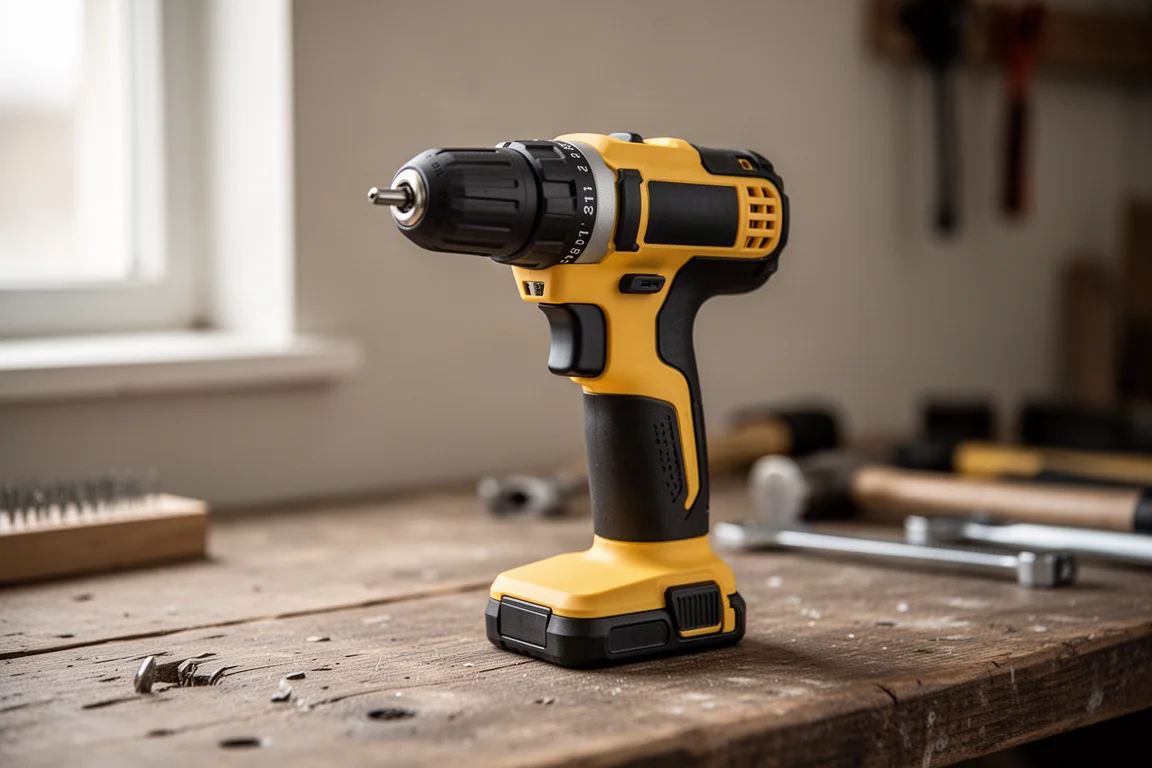
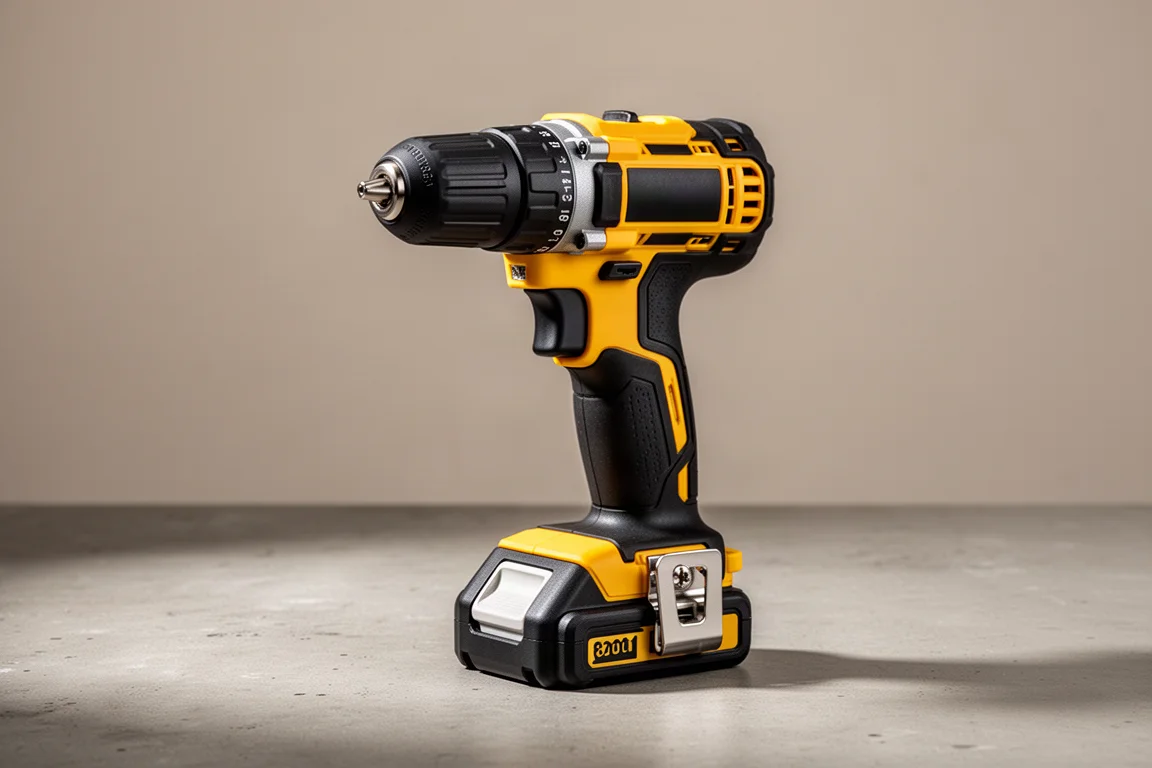
Both drills keep the familiar two-speed gearbox. The DCD800 runs 0-650 RPM in low speed versus 0-550 RPM on the older DCD791, while high speed stays at 0-2,000 RPM on both. You also still get 15 positions on the mechanical clutch, so day-to-day handling feels very similar.
The Adjustable LED Light
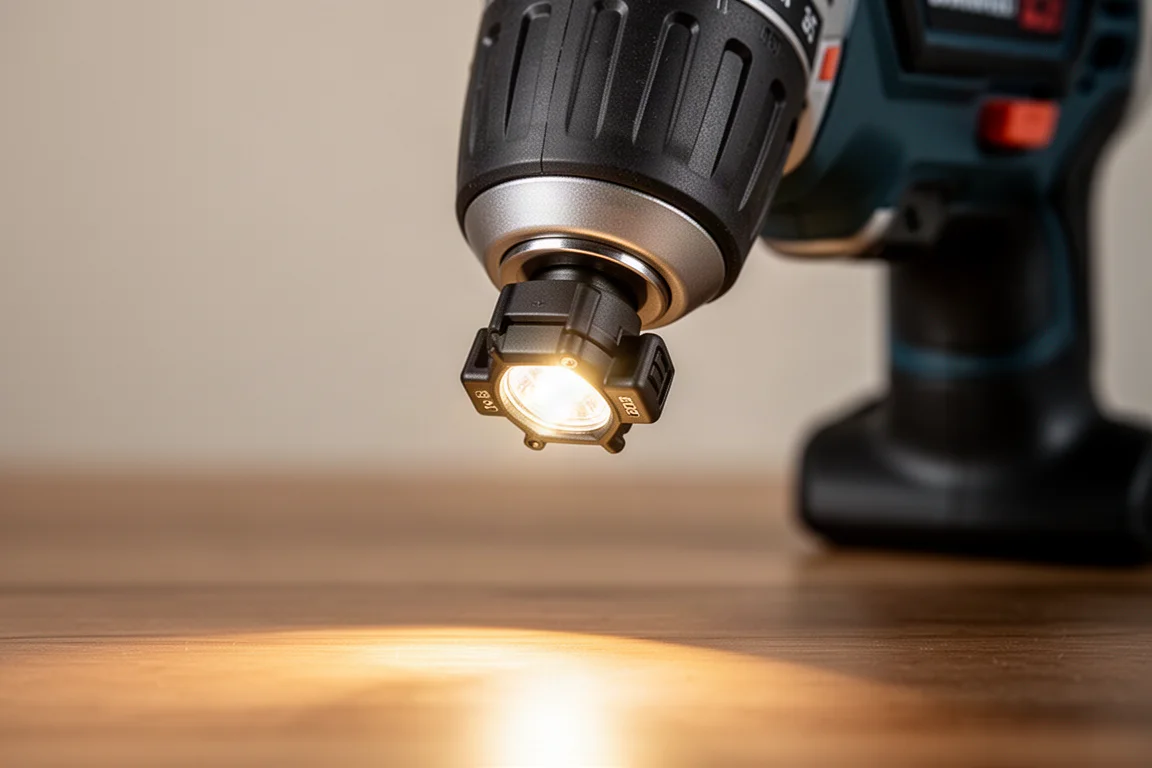
The front LED has been redesigned and is now adjustable across three positions: straight forward, angled slightly upward, and angled further up toward the chuck. That flexibility lets you decide whether the light supplements your drilling or serves as a general work light for the task at hand.
It keeps the same modes users liked on the older drill: the light can be switched off entirely, triggered with the trigger, or left on for 20 minutes. Output is a respectable 70 lumens, enough for dim closets, under-sink work, or attic crawl spaces.
Drilling Performance Compared
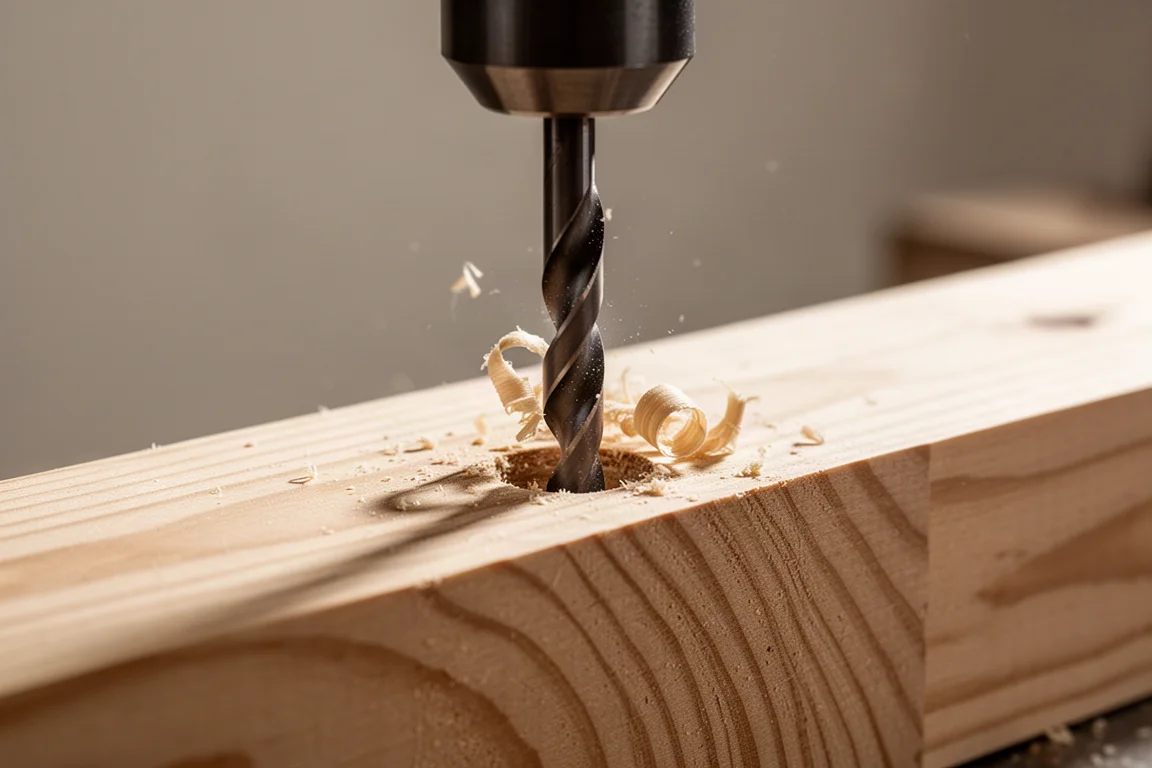
This is where the generational gap shows. With a 1-inch spade bit on high speed, the DCD800 finishes the hole cleanly while the DCD791 visibly struggles. The gap repeats with a 1 1/4-inch spade bit, and grows further at 1 1/2 inches, where both drills bog down but the new drill still cuts more decisively.
With a 1 3/4-inch boring bit on high, the DCD800 keeps working where the older drill falls behind. If you regularly bore large holes, the newer platform is the clear performer.
Battery Size Matters More Than You Think
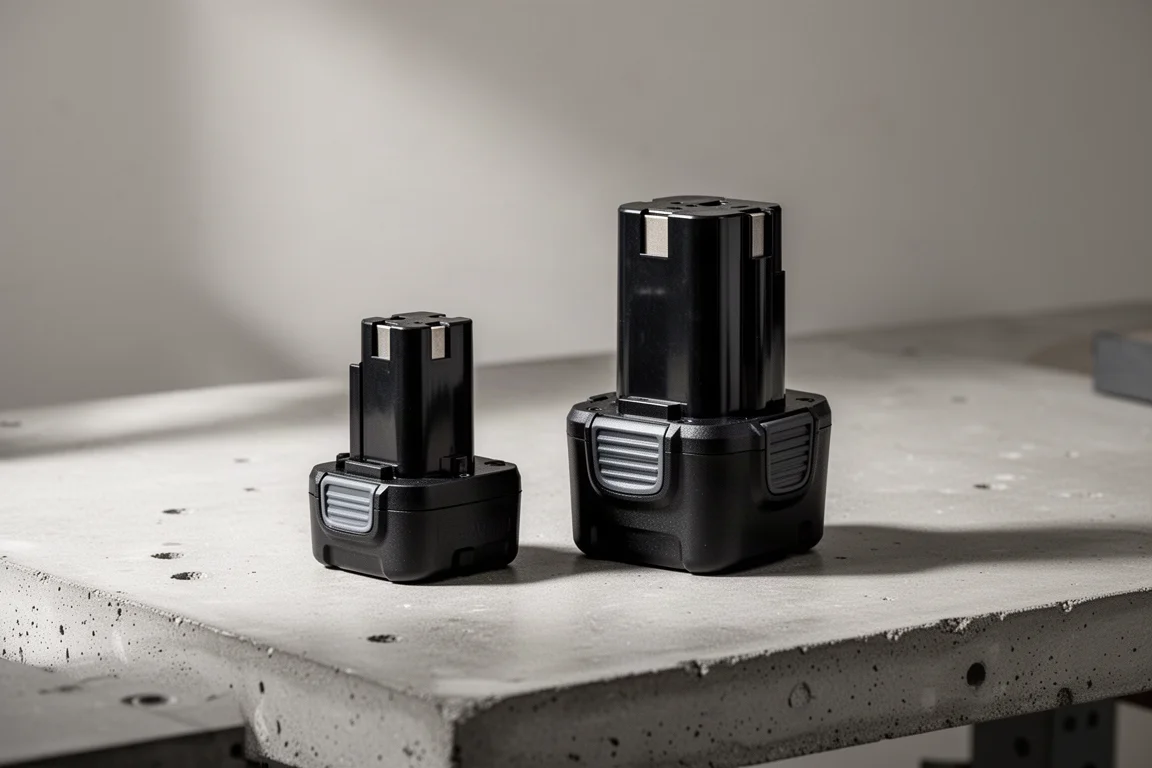
One interesting finding: both new drills produce less power with smaller batteries, just like some older drills. But with a standard 2Ah battery and the same 1 3/4-inch boring bit, the DCD791 actually made it further through the hole than the DCD800. That suggests the newer drills are a bit more sensitive to a lesser-performing battery.
With a 4Ah compact battery and a 1 1/2-inch spade bit, the DCD800 still bogs slightly near the end of the hole. Swap on a PowerStack battery and the bogging largely disappears. If you buy the DCD800 or the DCD805, pairing it with a higher-output battery clearly unlocks the performance DeWalt is claiming.
Should You Upgrade?
For owners of the DCD791 or DCD796, the new drills are a genuine step forward in power and better positioned to take advantage of newer battery technology. The adjustable three-position light is a small but real quality-of-life improvement, and the shorter body helps in tight spaces.
There is one open question: the larger motor in a smaller body generates more heat, and long-term durability is still unproven. If maximum longevity matters more than raw power, the proven older generation remains a safe bet. If you want the most drilling performance per inch of tool, the DCD800 is the one to get.
Conclusion
The DCD800 delivers on its power promise, especially with a strong battery behind it, while the DCD791 remains a capable, well-proven compact drill that may actually be more forgiving with smaller packs. Choose the DCD800 if you want the latest performance and features; stick with the DCD791 if you value a track record and better behavior on modest batteries.
Further reading
Related Reviews

Power Tools
Best 1-Inch Pistol Impact Wrenches: Three Heavy-Duty Options Compared
We compare three 1-inch pistol impact wrenches, from a budget-friendly Harbor Freight model to a premium Caterpillar unit, to help you choose the right one.

Power Tools
Best 3/4-Inch Impact Wrenches 2026: Five Contenders Compared
We compare five 3/4-inch impact wrenches across price and performance, from a budget Amazon option to Snap-on's most powerful model yet.

Power Tools
Best Budget Cordless Tools 2026: Walmart Finds That Punch Above Their Price
We tested five cordless tools from Walmart, including a high-torque impact wrench that trades blows with Milwaukee and a $35 duster that outperforms its price class.