Power Tools
DeWalt DCD800 Series vs DCD801/DCD806: Which 20V Drill Should You Buy?
DeWalt's Perform and Protect drills add anti-kickback tech to an already strong lineup. We compare the DCD800, DCD805, DCD801, and DCD806 to help you decide.
Introduction
DeWalt’s DCD800 and DCD805 were already strong drills, and the newer DCD801 and DCD806 now step in to replace them with a major change: the Perform and Protect anti-kickback system. That addition splits opinion cleanly down the middle, and which camp you fall into should drive your purchase more than any spec sheet.
The Lineup at a Glance
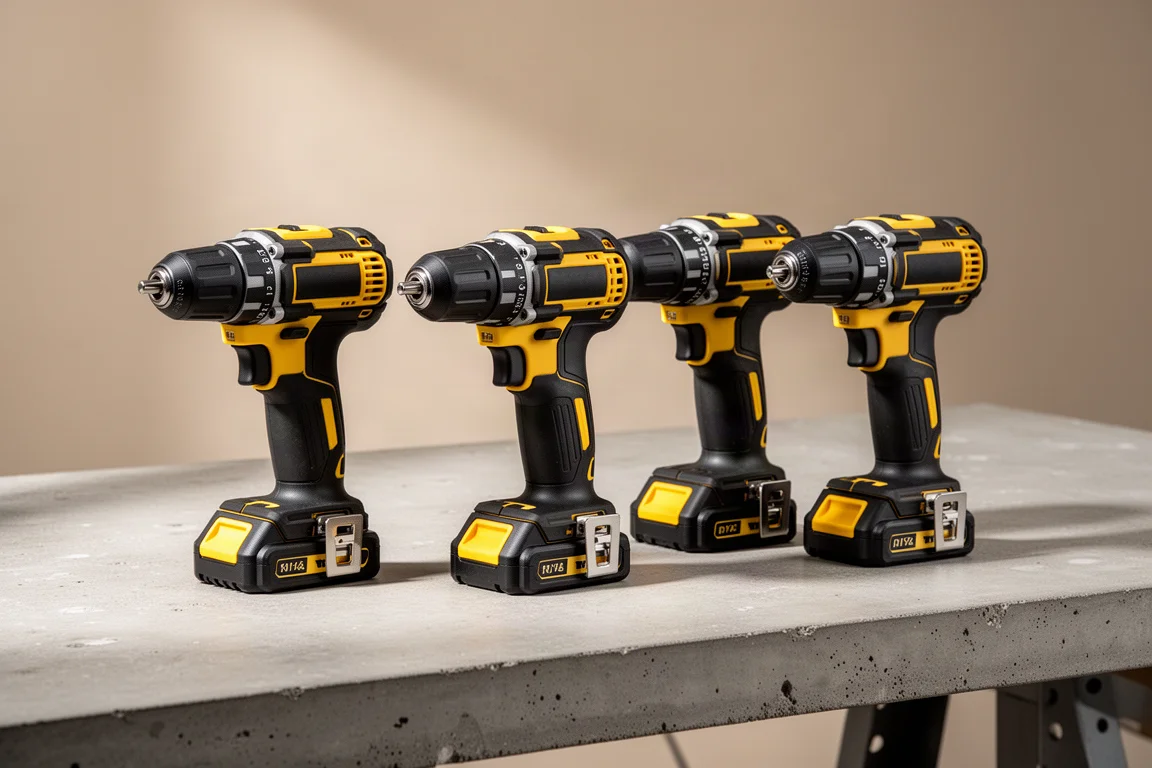
The old guard is the DCD800 drill and its hammer-drill counterpart, the DCD805. Both delivered 900 max watts out, which is genuinely strong output, and they shipped without any electronic kickback protection. The new pair is the DCD801, a standard drill, and the DCD806, the hammer drill. Both carry the Perform and Protect branding and add an anti-kickback system that shuts the tool down the moment it detects rotational motion it associates with a bind.
On paper the new drills are rated higher, at 1,150 max watts out. In side-by-side testing, though, performance was so similar that it was hard to identify a situation where one was meaningfully more powerful. DeWalt positions the 801 and 806 as the more powerful pair, but in practice you are unlikely to notice the difference.
How Anti-Kickback Performs in Real Drilling
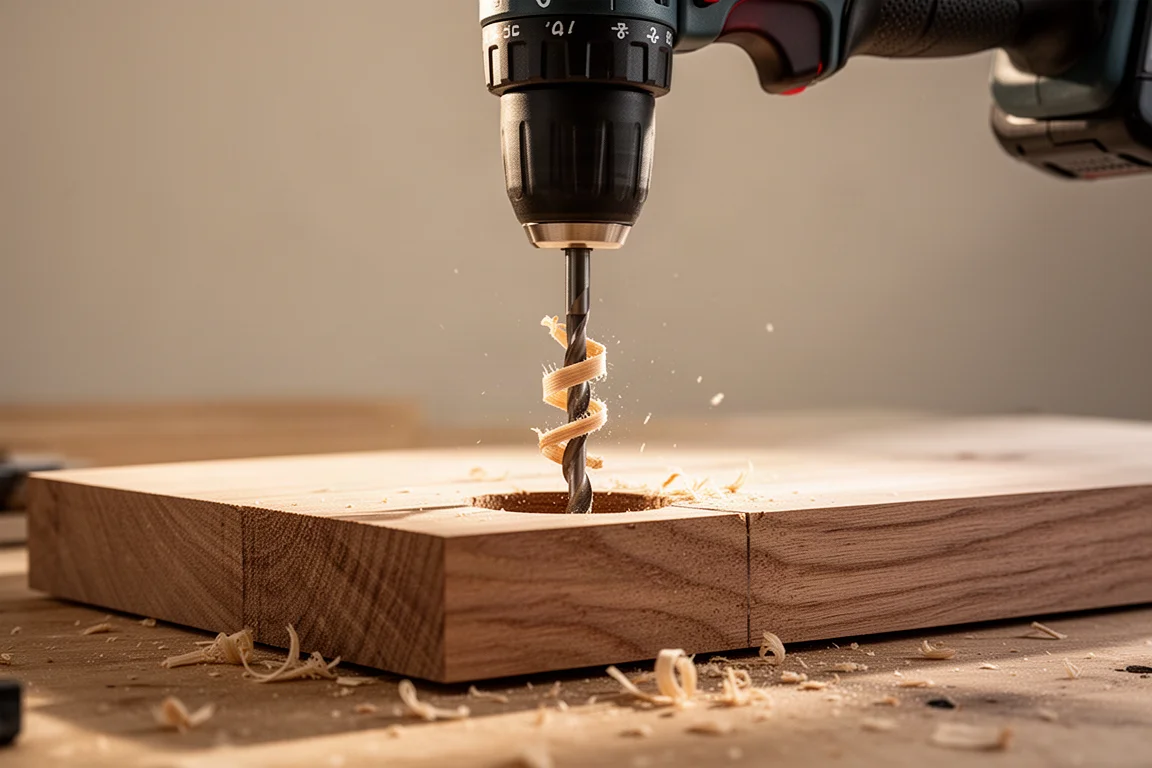
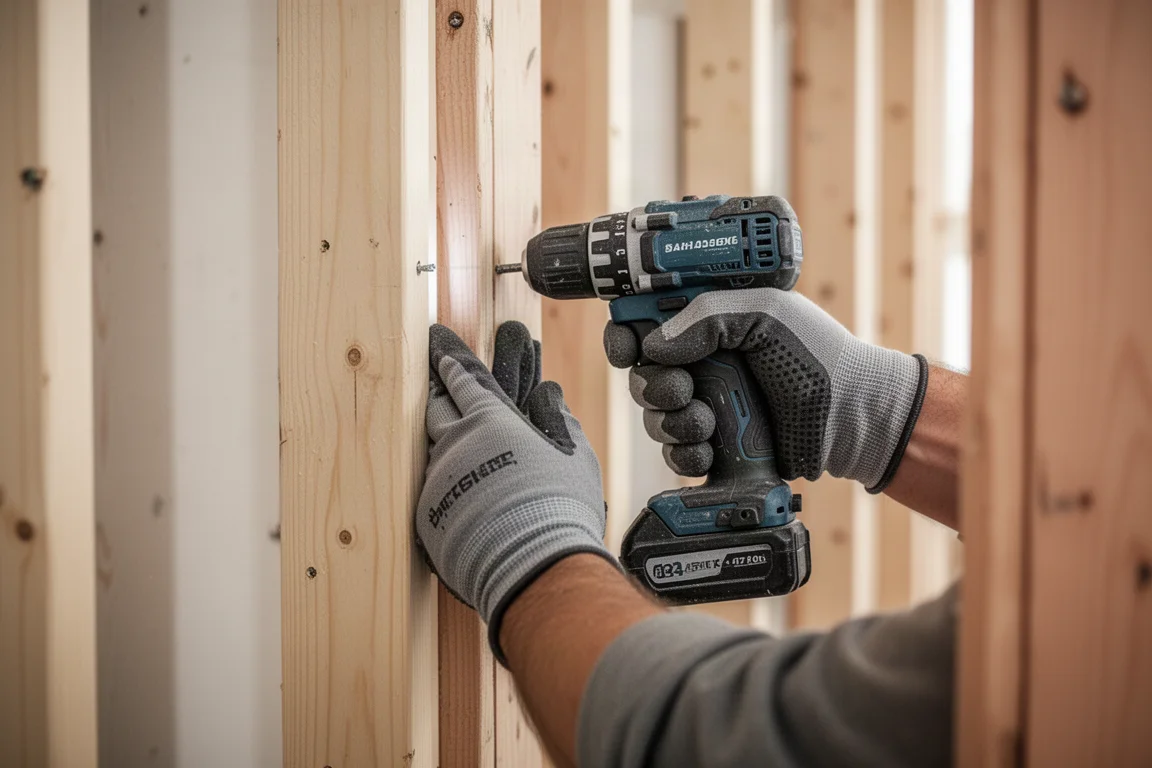
The headline difference is safety, not power. The DCD800 has no auxiliary handle, so if it binds in a hole, it can snap around violently. The 801 and 806 detect that motion and cut off almost immediately, with a red indicator light showing when the protection has triggered.
Testing with a large 2-9/16 bore bit told an interesting story. One-handed, the DCD801 cut out repeatedly as torque loaded up, even when pulling back out of the hole. Two-handed with a firm grip, both drills made it all the way through. The older DCD800 never turned itself off, but it also demanded a significantly more careful grip, because a bind would send the whole tool rotating.
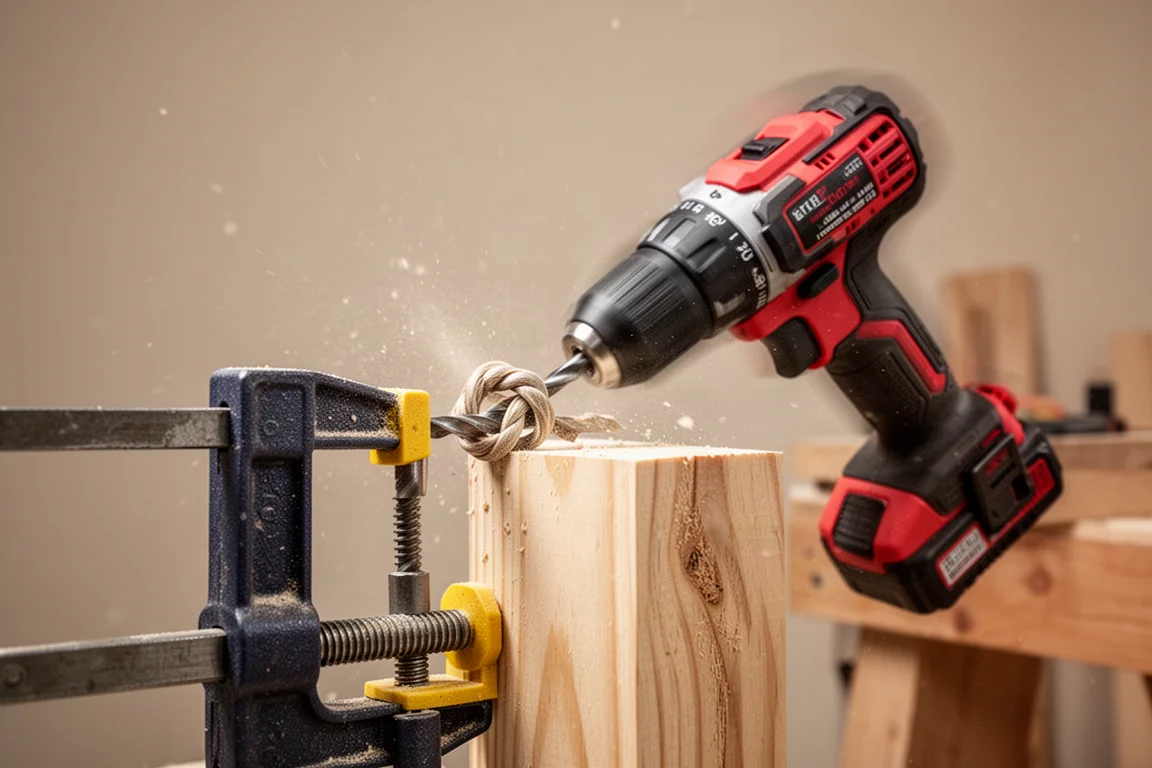
The sensitivity cuts both ways. Even small grip adjustments or slow repositioning mid-hole could trip the cutoff, which some users will find intrusive. The system is controllable once you understand it, but if a tool shutting down mid-task frustrates you, this is not your drill.
Spade Bits, Hole Saws, and Edge Cases
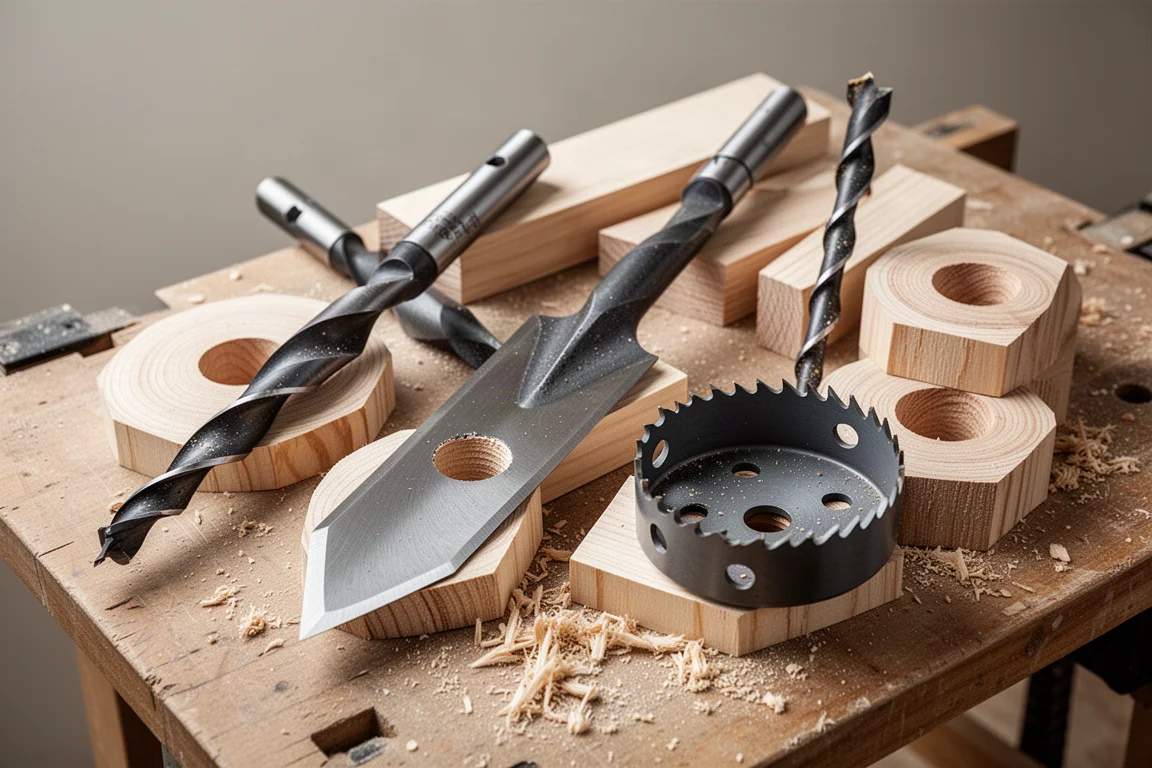
With spade bits in 13/16, 1-1/4, and 1-1/2 sizes, the pattern repeated. Controlled drilling worked fine, but a hard hit near the edge of a knot could shut the drill down even with a finger still on the trigger, sometimes without the red light appearing. Hole saw work was largely uneventful.
The honest takeaway is that the anti-kickback system is a little more sensitive than it perhaps needs to be. Still, in a compact drill pushing this much power, the shutdown behavior adds real comfort, especially in awkward positions where there is no auxiliary handle and you are leaning into the tool.
Who Should Upgrade, and Who Should Stay Put
If you already own the DCD800 and are happy with it, there is no compelling reason to move up. The power difference is not noticeable in real work, and the older drill remains a strong performer as long as DeWalt keeps it in the lineup.
If you regularly work in tight, awkward positions between joists or overhead, pushing a powerful compact drill without an auxiliary handle, the Perform and Protect system earns its place. Accepting an occasional false shutdown in exchange for protection against a violent snap is a fair trade for anyone whose income depends on staying injury-free. Pricing on these tools has climbed as safety technology creeps in, and long-term reliability of the electronics is a fair question, but for daily users who value the protection, the upgrade appears worth the money.
Conclusion
DeWalt deserves credit for giving buyers a choice: plain high-power drills in the DCD800 and DCD805, and protection-equipped versions in the DCD801 and DCD806. Pick the new pair if safety in awkward positions matters to you. Stay with the older pair if you want a simple, powerful drill with zero electronic interruptions.
Product link
View more details for DeWalt DCD801
This product is mentioned in the review. Check the specifications, options, and compatibility before buying.
View more details for DeWalt DCD801Further reading
Related Reviews
Power Tools
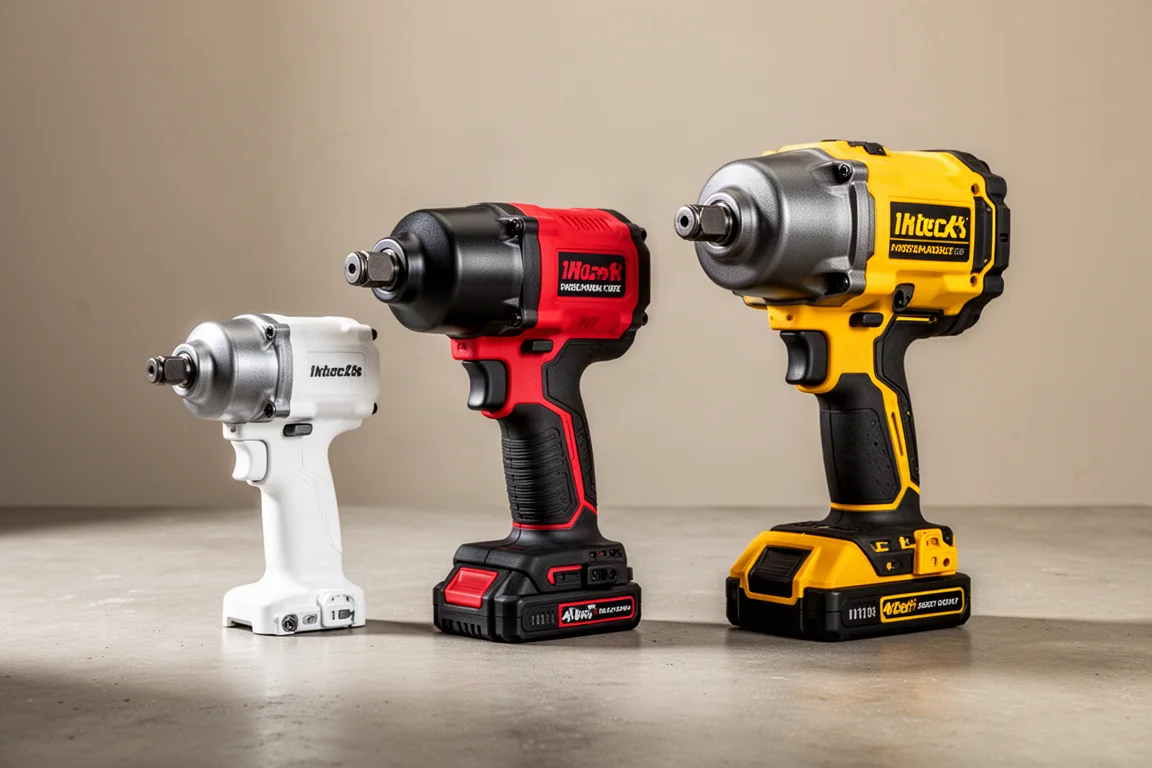
Best 1-Inch Pistol Impact Wrenches: Three Heavy-Duty Options Compared
We compare three 1-inch pistol impact wrenches, from a budget-friendly Harbor Freight model to a premium Caterpillar unit, to help you choose the right one.
Power Tools
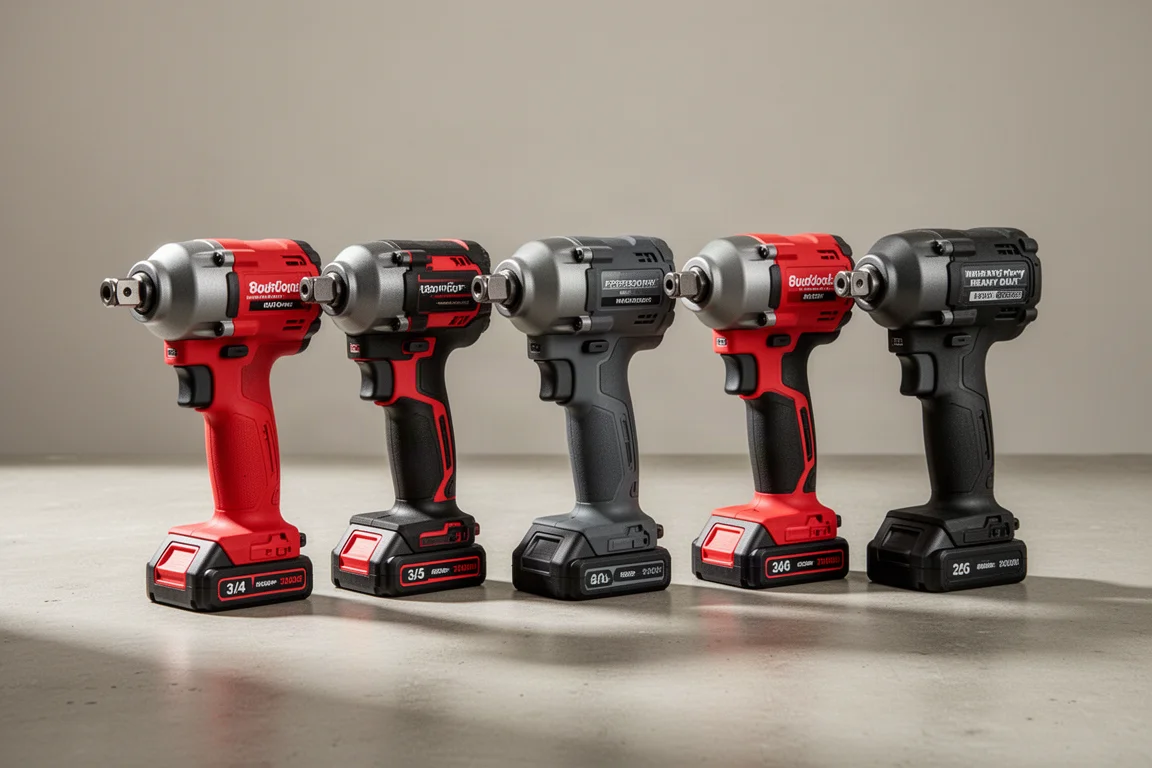
Best 3/4-Inch Impact Wrenches 2026: Five Contenders Compared
We compare five 3/4-inch impact wrenches across price and performance, from a budget Amazon option to Snap-on's most powerful model yet.
Power Tools
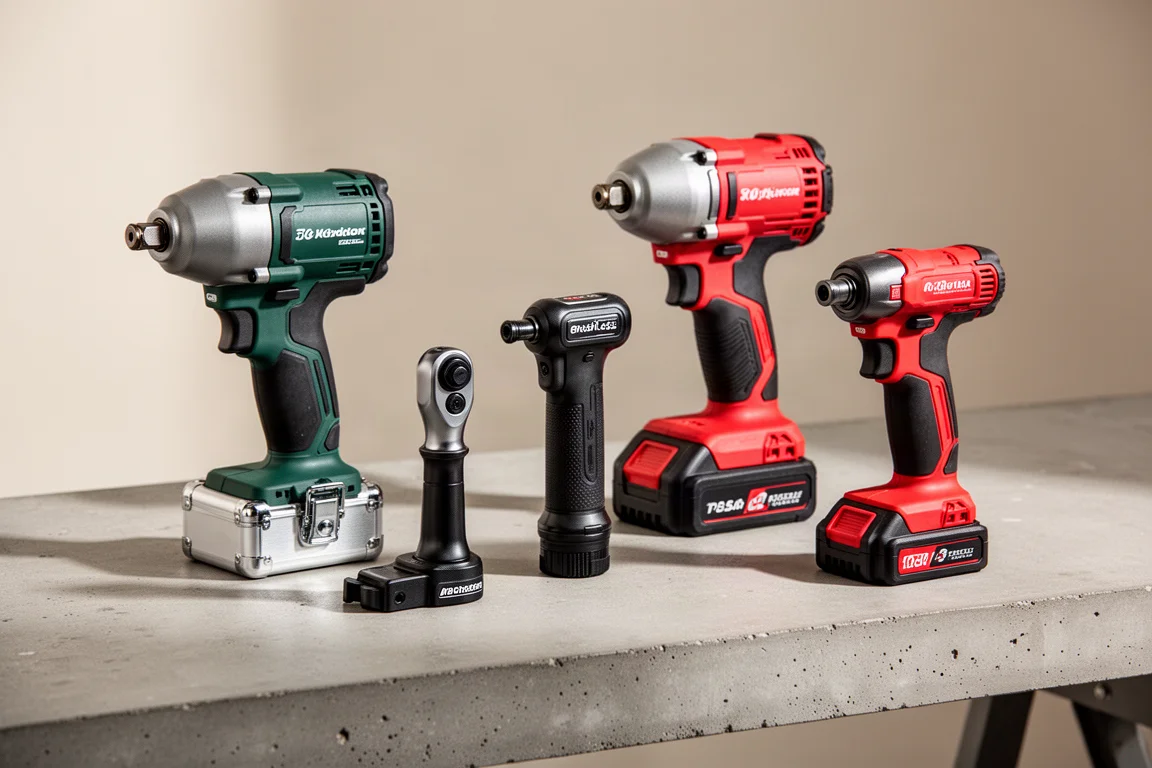
Best Budget Cordless Tools 2026: Walmart Finds That Punch Above Their Price
We tested five cordless tools from Walmart, including a high-torque impact wrench that trades blows with Milwaukee and a $35 duster that outperforms its price class.