Power Tools
DeWalt DCD703 12V Installation Driver Review: A Compact Multi-Head Tool Worth a Look
A four-head 12V installation driver with a well-placed reverse switch, comfortable DeWalt ergonomics, and genuine versatility for installers and trim carpenters.
Introduction
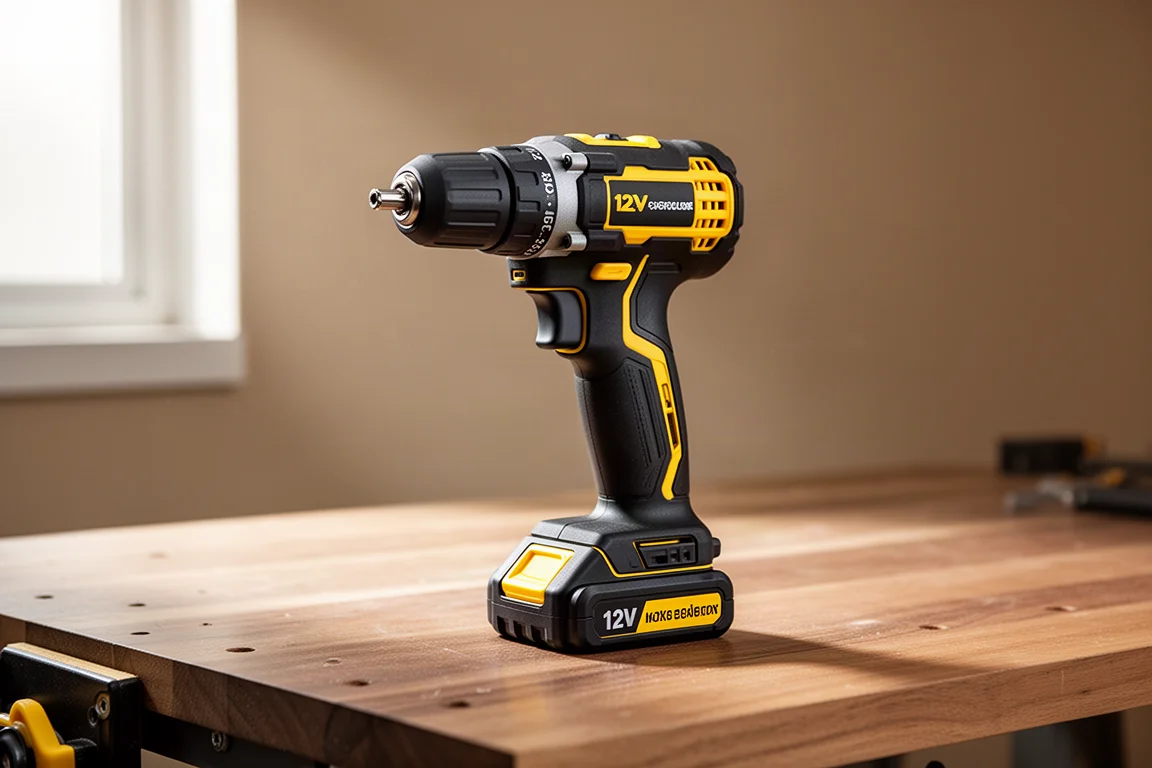
Installation drivers have quietly become one of the most useful categories in the 12V tool world. Instead of carrying four separate tools, you carry one slim base tool and swap heads depending on the job. DeWalt has now joined that space with the DCD703, a 12V installation driver that competes directly with similar tools from Milwaukee, Bosch, and other brands.
This one is worth a close look, especially if you already own DeWalt 12V batteries or you are starting a new 12V collection.
First Impressions
Right out of the bag, the DCD703 feels like a typical DeWalt in the best sense. The handle is comfortable and familiar, the tool is lightweight, and the battery sits directly at the base of the grip. Everything about it is skinny, which matters a lot when you are working in tight spots like inside cabinets or between studs.
The kit comes as a four-piece setup, and instead of everything being thrown loose into a bag, DeWalt includes a plastic organizer that mounts to the bottom of the bag. That keeps the heads sorted and leaves room to add your own bits. It is a small touch, but it makes the kit genuinely easier to live with.
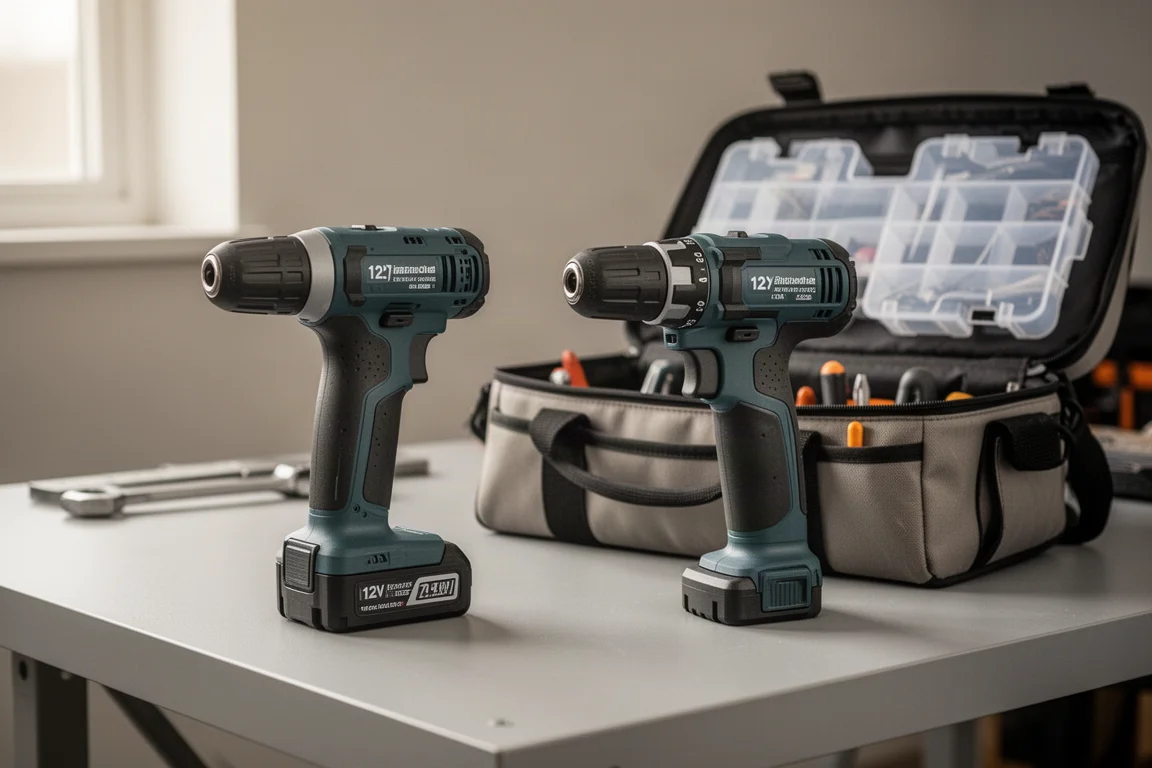
One small wish: the kit does not include a set of bits, which would have rounded out the package nicely.
The Four-Piece Head Kit
The versatility of this tool comes from its interchangeable heads, and this is where the DCD703 earns its keep.
The right angle attachment is the first one out of the box. It lets you reach into tight spaces, and it locks at many different degrees, so you can dial in the exact angle you need. Attaching it takes a small trick: pull the trigger and pull the collar at the same time to seat it. Over time, or if you spin it while fitting, it goes on with just the collar.
Offset Head for Cabinet and Trim Work
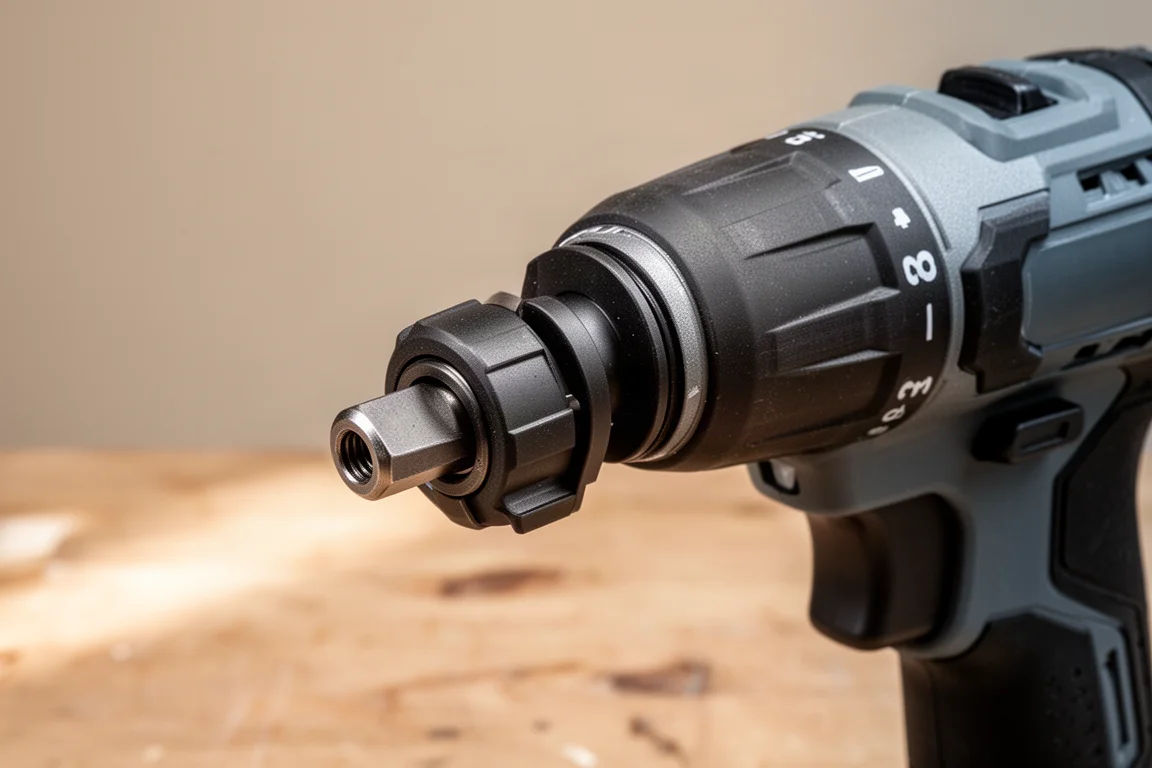
The offset attachment may be the favorite of the bunch. If you are doing cabinet installation and need to drive a screw that sits deep in a corner, this head gets you as close to flush as possible so the screw goes in straight and tight.
It also has a surprising second life: it works brilliantly on Jeep doors. Removing Jeep doors normally means using the supplied ratchet with a long fine-thread screw, which takes a while. With the offset head, those screws come out almost instantly. That kind of unexpected usefulness is exactly why installation drivers are so appealing.
Drill Chuck and Everyday Driving
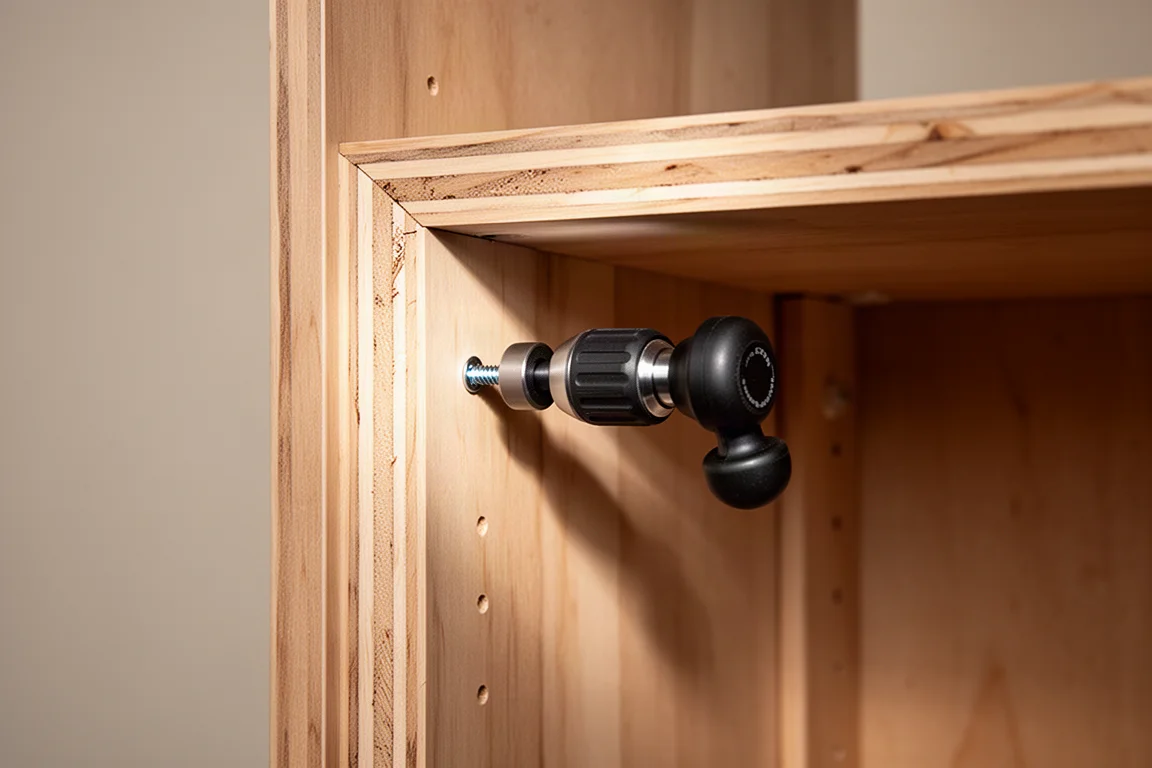
The third piece is a standard drill chuck, a conventional keyless chuck for general drilling and driving. It is a 3/8-inch chuck rather than a half-inch, which fits the class of tool. The base tool itself takes regular bits directly as well, so for simple tasks you do not need any attachment at all.
The fourth piece in the kit is a quick-release holder. It is the least essential of the set, and it feels like an extra component rather than something that unlocks new capability. Since the base tool already accepts bits on its own, it is the piece you may reach for least.
Around the tool itself, DeWalt includes two speed settings on top, an adjustable clutch so driving stops at your set torque, and a newer 12V battery with a fuel gauge on the front. The kit shown pairs it with a 2Ah pack.
Why the Reverse Switch Placement Matters
One detail that sets this DeWalt apart from its main rival is the position of the forward and reverse switch. On the DeWalt, it sits right at your thumb, which is exactly where you want it. On the competing Milwaukee installation tool, the reverse button is placed in a spot that forces you to shift your grip or use your other hand to press it, which is a real annoyance mid-task when you just need to back a screw out a little.
That single placement choice is enough to tip the comparison. If you bounce between driving and backing out screws all day, the DeWalt layout simply saves friction.
How It Compares to Bosch
Against the Bosch 12V installation driver, the trade-offs shift a bit. The Bosch is noticeably heavier, with a larger grip, and its handle feel is arguably a touch more precise. The Bosch heads use a twist-to-lock collar, while the DeWalt uses a collar-and-trigger method that many will find easier to work with.
Both tools are brushless, so efficiency is in the same ballpark. In the end, it comes down to your existing battery collection: if you already own a pile of Bosch batteries, stay in that line. If you are invested in DeWalt 12V, this is the obvious pick.
Buying Advice
If you are already in a 12V line, this tool is a strong recommendation, and against the Milwaukee equivalent it holds its own, with the thumb-reachable reverse switch as a genuine advantage. If you are just getting into a 12V platform and want to expand later, starting with this kit is a sensible move, since one base tool effectively replaces three or four single-purpose tools in your bag.
DeWalt has also clearly recommitted to this line after a quiet stretch, so buyers are not stepping into a neglected platform.
Conclusion
The DeWalt DCD703 is a well-executed installation driver: lightweight, comfortable, organized in the bag, and genuinely versatile thanks to the right angle, offset, and drill chuck heads. The quick-release piece is forgettable, but the rest of the kit delivers real value for installers, trim carpenters, and anyone who works in tight spaces. If the thumb-position reverse switch matters to you as much as it should, this one is easy to recommend.
Product link
View more details for DeWalt DCD703 12V Installation Driver
This product is mentioned in the review. Check the specifications, options, and compatibility before buying.
View more details for DeWalt DCD703 12V Installation DriverFurther reading
Related Reviews

Power Tools
Best 1-Inch Pistol Impact Wrenches: Three Heavy-Duty Options Compared
We compare three 1-inch pistol impact wrenches, from a budget-friendly Harbor Freight model to a premium Caterpillar unit, to help you choose the right one.

Power Tools
Best 3/4-Inch Impact Wrenches 2026: Five Contenders Compared
We compare five 3/4-inch impact wrenches across price and performance, from a budget Amazon option to Snap-on's most powerful model yet.

Power Tools
Best Budget Cordless Tools 2026: Walmart Finds That Punch Above Their Price
We tested five cordless tools from Walmart, including a high-torque impact wrench that trades blows with Milwaukee and a $35 duster that outperforms its price class.