Power Tools
DeWalt DCD443 vs DCD445: Two New 20V Stud and Joist Drills Compared
DeWalt's new DCD443 Power Detect and DCD445 FlexVolt Advantage stud and joist drills share nearly identical specs, but the battery you choose changes everything.
Introduction
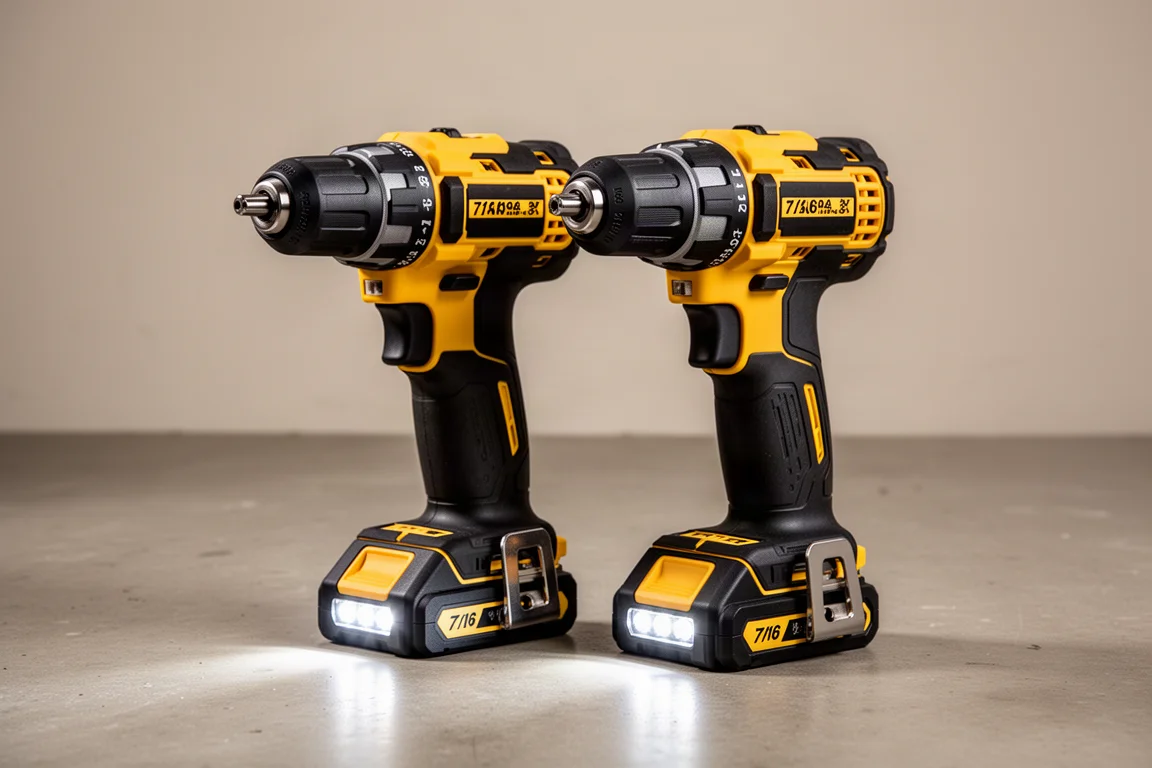
DeWalt has added two new 20V stud and joist drills to its lineup: the DCD443, a Power Detect model, and the DCD445, a FlexVolt Advantage model. They are sold at different retailers, and very few stores carry both lines, so choosing between them can feel confusing before you even look at the specs.
Here is the short version: these two drills are nearly identical machines, and both unlock their full performance with the right battery. The important detail is that FlexVolt Advantage does not mean the DCD445 is a FlexVolt tool. It simply takes advantage of a FlexVolt battery’s output to increase power while still operating within 20V-class standards. The Power Detect model, meanwhile, detects which battery is installed and adjusts its power output accordingly.
Shared Specs and Design
Both drills carry essentially the same specifications, with only slight adjustments on the box depending on the battery each is marketed with. You get a 7/16 inch quick-change chuck, an e-clutch, LED lights on the bottom, and forward and reverse controls in the same position. In hand, they feel like the same tool: easy to handle and with plenty of power on tap.
That similarity is the point. Whichever model you find at your preferred retailer, you are buying essentially the same drill with a different battery-detection feature set.
How the Two Models Were Tested
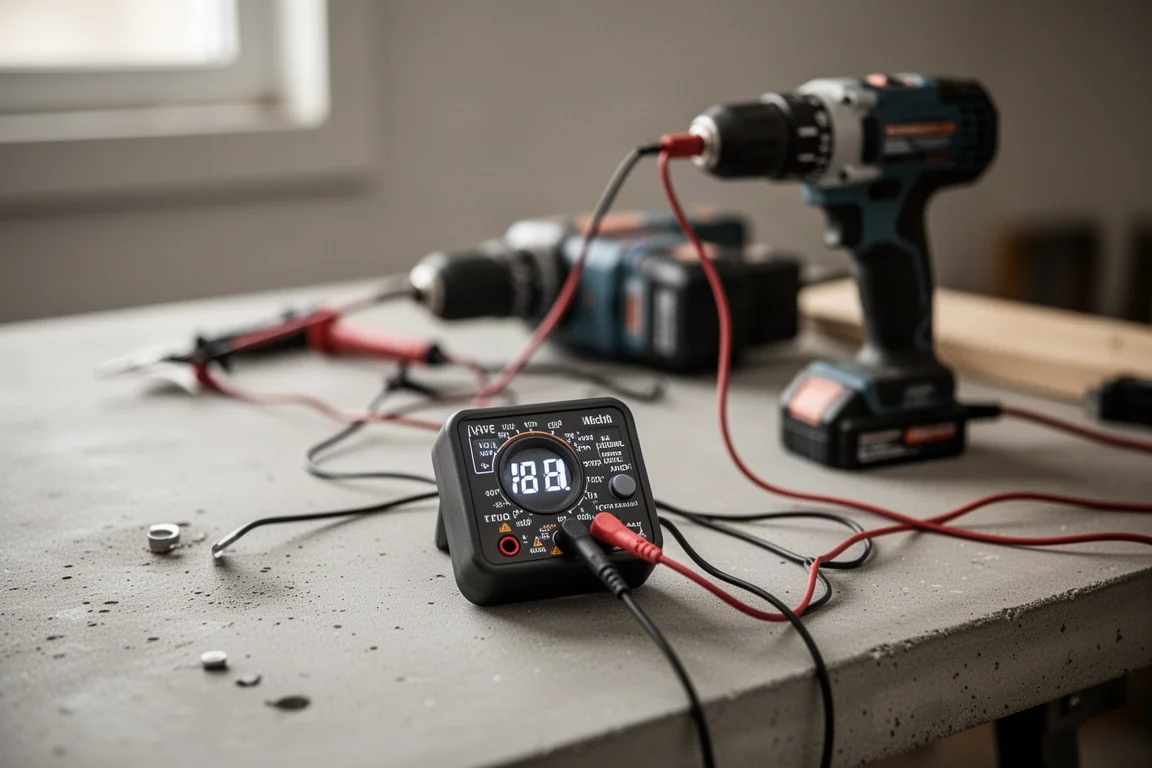
The comparison used a voltmeter wired directly into each tool while drilling, with the reading displayed on a Klein voltmeter. This measures voltage sag under load, which is a useful window into how much the battery is being asked to deliver. Speed and chip output while drilling were watched alongside the voltage numbers, because raw voltage alone does not tell the full story. Amp output from the battery matters just as much, which is why a higher amp-hour battery does not automatically mean more power.
Battery Results: What Actually Unlocks the Power
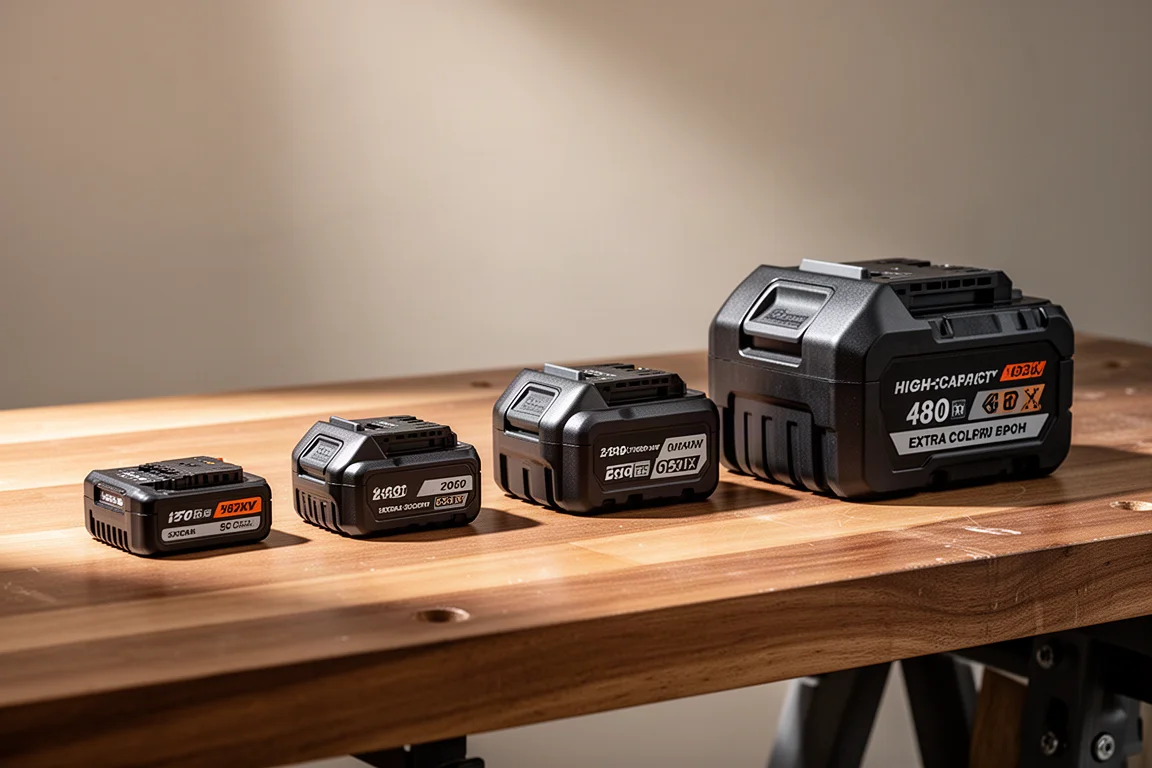
With a 5 amp-hour battery, both drills sagged into the 17-volt range: around 17.2V on the Power Detect and just slightly less on the FlexVolt Advantage. That difference is negligible, and this combination still offers decent power, fair longevity, and lighter weight, making it a sensible pick for awkward drilling positions.
The 6 amp-hour battery was the surprise of the test. Voltage sagged less, into the 18V range, but there was no real noticeable gain in torque or speed. The 6 amp-hour pack essentially delivers 5 amp-hour-class performance on these tools, with the main benefit being extra runtime.
The 8 amp-hour battery is where things change dramatically. Both drills noticeably speed up, even at no load, and drilling feels visibly faster the moment you pull the trigger. Interestingly, voltage sagged deeper than with the 6 amp-hour pack, around 17.5V, yet performance was far higher. The tools draw more from the bigger battery and reward you with real speed. If you want the lightest high-performance setup, the 8 amp-hour 20V XR battery is the one to get; the 6 amp-hour gives more runtime but not more punch.
Runtime and Efficiency With a FlexVolt Battery
With a 9 amp-hour FlexVolt battery, both drills kept roughly the same performance as with the 8 amp-hour 20V XR pack, and voltage stayed in the 18s, around 18.6V. The less dramatic voltage sag keeps RPM and torque slightly higher, but the FlexVolt pack is significantly heavier on the back of the tool, and you need to decide whether that marginal gain is worth carrying it.
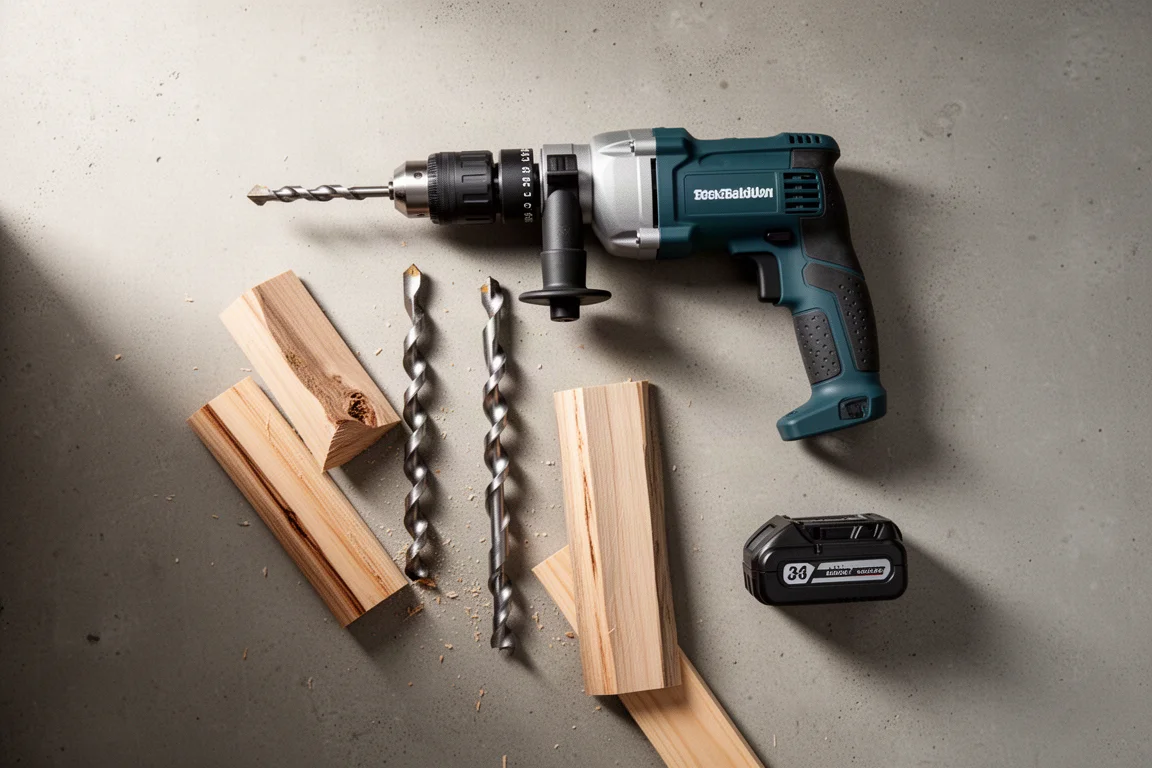
Runtime is where the big battery shines. Using a standard 1 inch auger bit with a FlexVolt battery, drilling hole after hole barely moved the voltage: readings stayed above 18V even with a not-especially-sharp bit and the pushing that comes with it at the end of each hole. That efficiency is how these drills can deliver claims of around 445 to 500 holes on a 9 amp-hour FlexVolt pack, and around 400 holes with the 8 amp-hour battery.

Which One Should You Buy?
Because the DCD443 and DCD445 are sold through different retail channels, the practical advice is simple: buy whichever model your favorite dealer carries. Both light up a little more with the 8 amp-hour XR battery, and both respond to any FlexVolt battery, so no matter which one you purchase, you get the same performance.
Do not pair either drill with anything smaller than a 5 amp-hour battery, which provides the best power-to-weight ratio. These drills suit anyone working with studs and joists or needing a right-angle drill, and they also perform well in applications like ice auger use, where the larger battery spins the bit a bit faster if that is what you want. The MSRP sits at $279 at launch, and pricing may come down as they settle into the market.
Conclusion
The DeWalt DCD443 and DCD445 are effectively the same excellent stud and joist drill, and the battery decides how good they feel. A 5 amp-hour pack keeps things light for awkward positions, the 6 amp-hour mostly buys runtime, and the 8 amp-hour and larger packs genuinely unlock the speed and power these tools are capable of. Buy from the retailer you trust, pair it with the right battery, and either model will deliver.
Product link
View more details for DeWalt DCD443
This product is mentioned in the review. Check the specifications, options, and compatibility before buying.
View more details for DeWalt DCD443Further reading
Related Reviews

Power Tools
Best 1-Inch Pistol Impact Wrenches: Three Heavy-Duty Options Compared
We compare three 1-inch pistol impact wrenches, from a budget-friendly Harbor Freight model to a premium Caterpillar unit, to help you choose the right one.

Power Tools
Best 3/4-Inch Impact Wrenches 2026: Five Contenders Compared
We compare five 3/4-inch impact wrenches across price and performance, from a budget Amazon option to Snap-on's most powerful model yet.

Power Tools
Best Budget Cordless Tools 2026: Walmart Finds That Punch Above Their Price
We tested five cordless tools from Walmart, including a high-torque impact wrench that trades blows with Milwaukee and a $35 duster that outperforms its price class.