Power Tools
DeWalt D800 20V Max XR vs Flex 24V Drill Driver: Compact Power Compared
Two of the newest compact drill drivers go head to head in wood screws, self-tappers, lag bolts, and hole boring to see which one deserves a spot in your bag.
Introduction
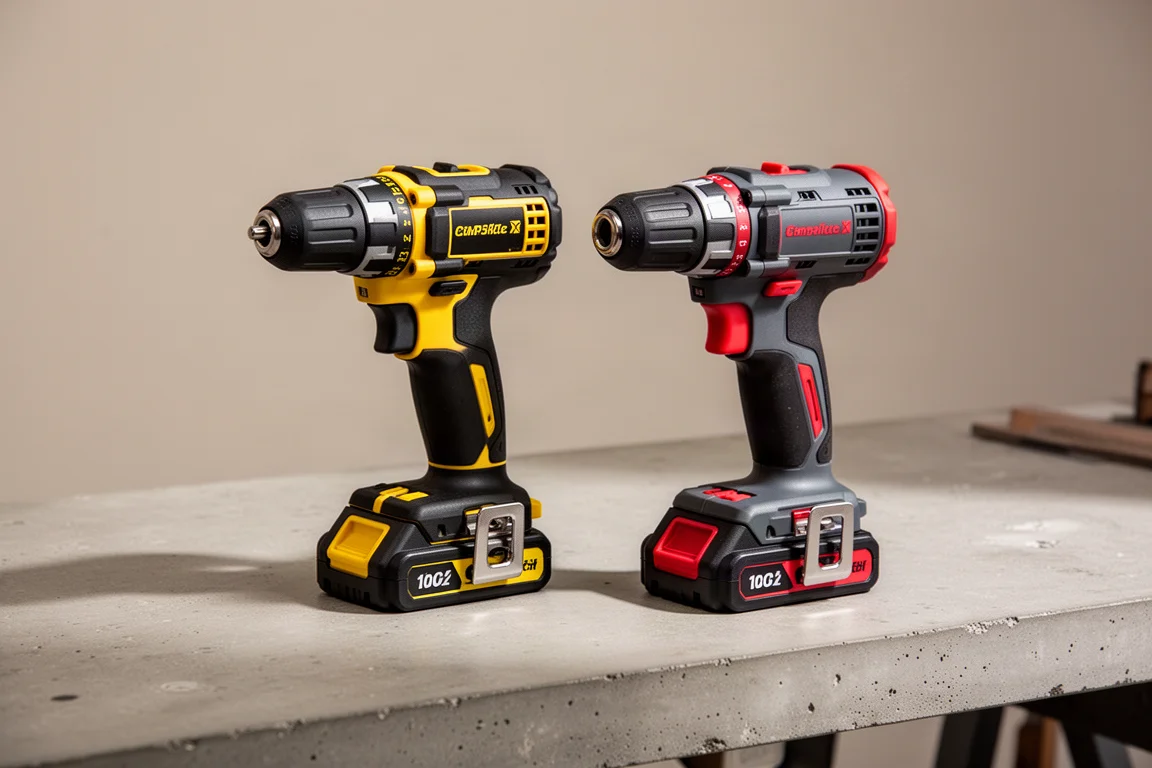
Compact drill drivers have quietly become the most-used tool in many kits, and the newest entries are proof that small no longer means weak. In this comparison, two very different approaches go head to head: the DeWalt D800 20V Max XR, part of DeWalt’s top-line XR compact family, and the Flex 24V drill driver, Flex’s entry-level model that benefits from the brand’s stacked-lithium battery platform.
Both were put through the same real-world gauntlet: wood screws in drywall-style material, self-tapping metal screws, quarter-inch lag bolts, and hole boring. The results were closer than most people would expect.
How They Match Up on Paper
The spec sheets tell an interesting story. In speed one, the DeWalt holds an advantage at around 650 rpm. In speed two, the tables turn: Flex’s 24V platform gives it roughly a 200 rpm advantage over the DeWalt. Weight is another point in DeWalt’s favor, though testers noted the D800 feels deceivingly heavier because it is slightly rear-weighted and less balanced than it first appears.
Both tools are compact and torquey to the point that a side handle would genuinely help on tougher fasteners.
Wood Screws
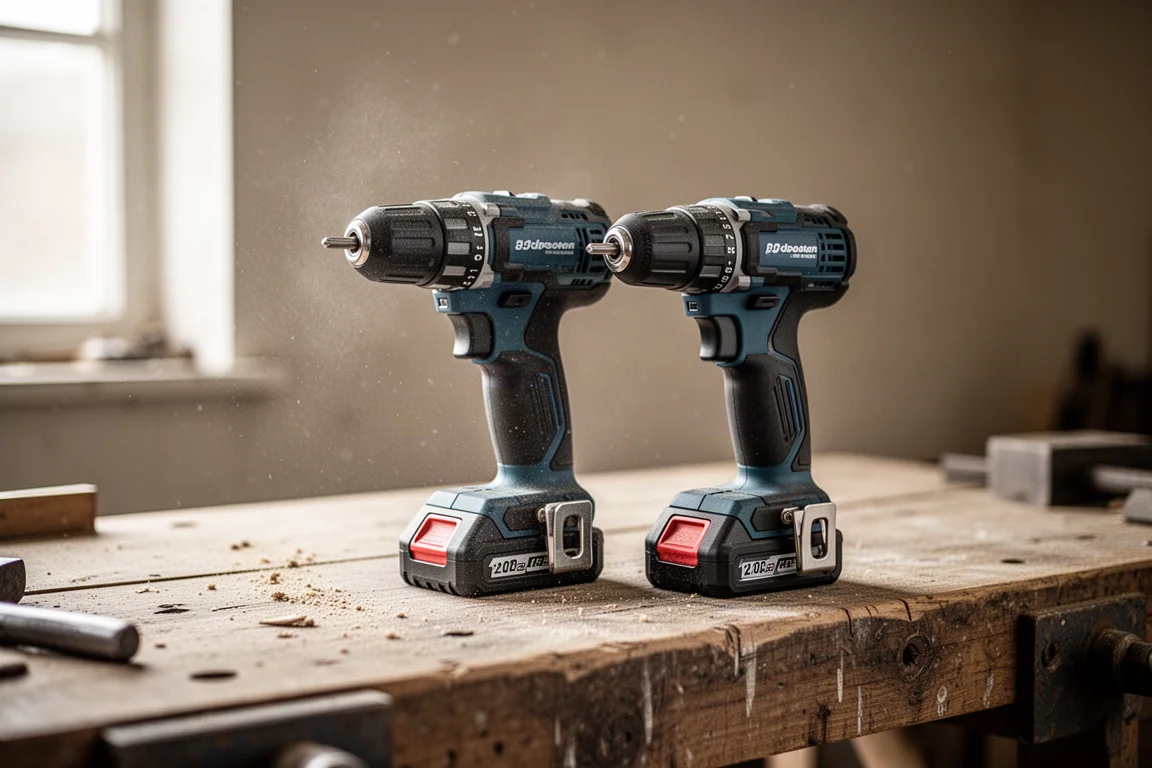
The first test used wood screws in a common building material, run in repeated three-fastener bursts to test speed and control. It was a genuine horse race, with both tools driving fasteners quickly and cleanly.
In speed two the pace stayed tight, and neither tool ran away with the category. For general wood and drywall fastening, both drivers are more than capable, and the choice here comes down more to platform than performance.
Self-Tapping Metal Screws
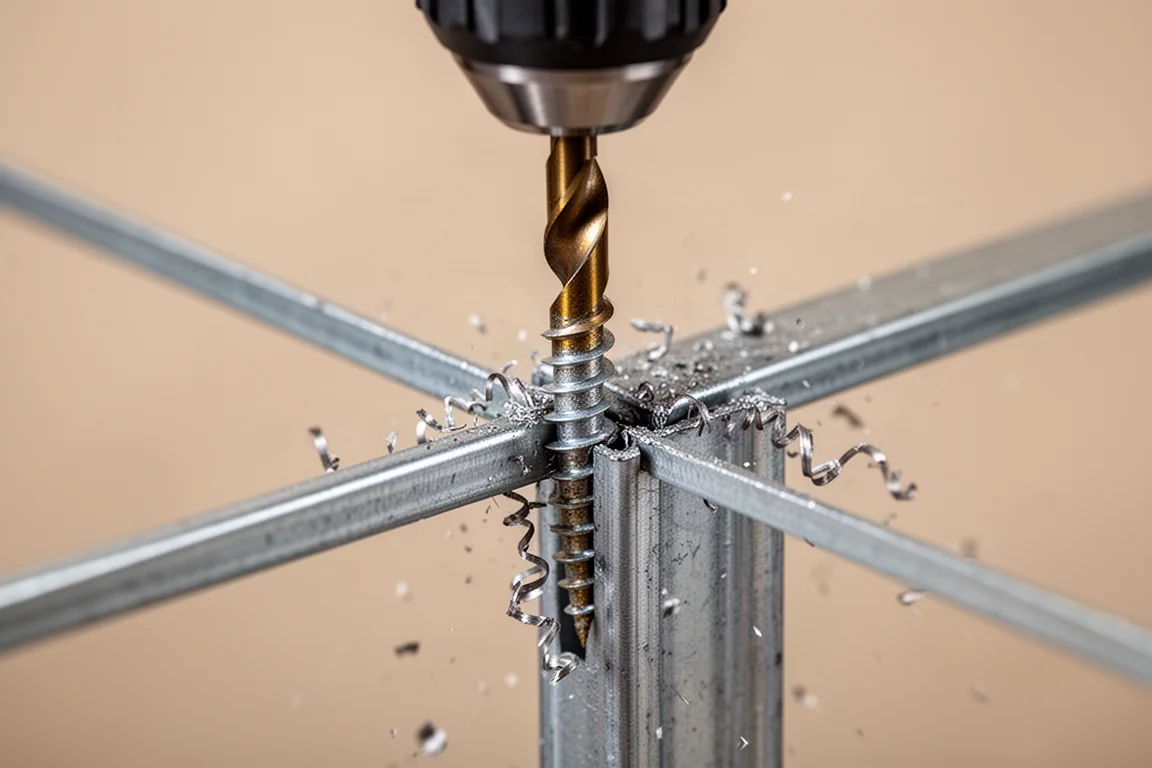
This test paired two pieces of 20-gauge steel stud together, a tougher ask than wood. In speed one the DeWalt felt heavier in the hand and its rear-biased balance showed under load, but the tool still got the job done. In speed two, Flex’s rpm advantage started to pay off, and the runs were noticeably closer.
One notable hiccup: the Flex experienced a momentary trigger issue where pressing from the side failed to engage the tool. It appeared to be an electronics quirk rather than a bad trigger, but it is worth knowing about if you tend to grip the handle from unusual angles.
Lag Bolts
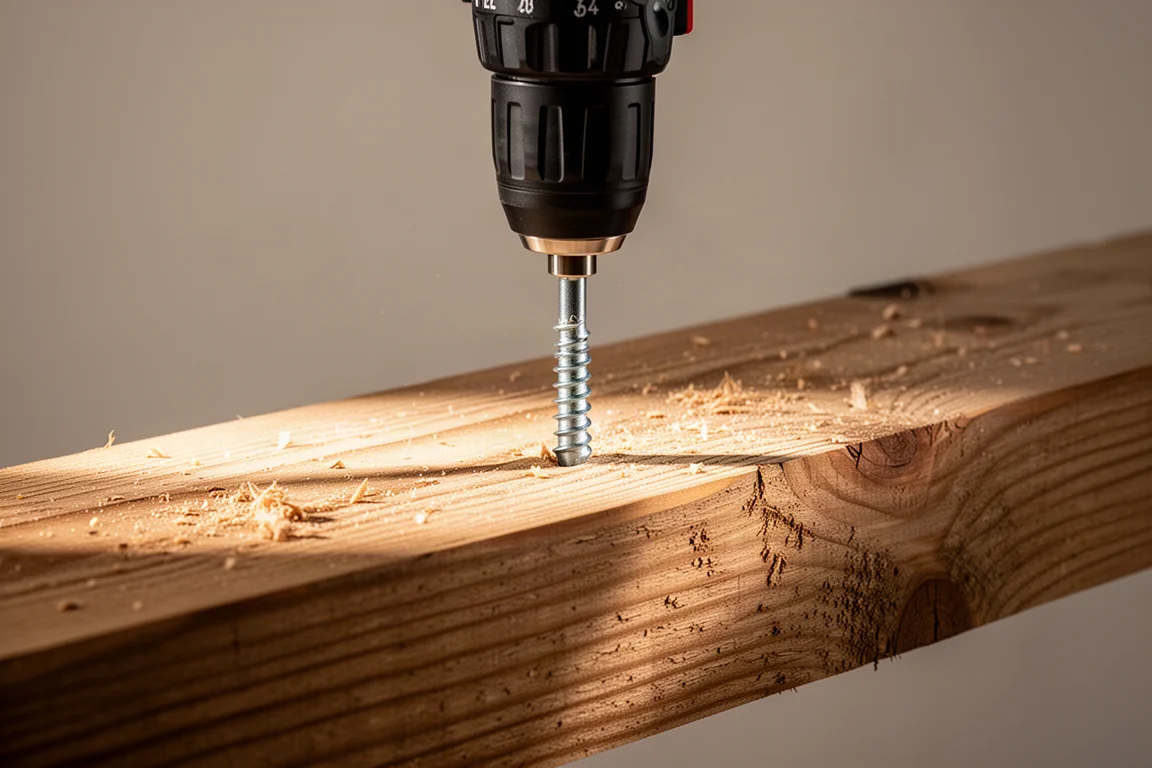
Quarter-inch lag fasteners in three different lengths separated these tools more clearly. Both are so torquey and compact that both testers agreed they would benefit from a handle on long runs. The Flex’s lower-tier power level still delivered strong results, and there was genuine surprise at what such a small battery pack could do.
Battery Platform Considerations
This is where the comparison gets strategic. Flex is one of the few tool brands offering stacked-lithium battery technology, and as that format spreads, competition should push everyone’s packs forward. The catch: at the time of this comparison, the Flex stacked battery could not be bought separately, only within a kit.
Pricing context: the DeWalt configuration sat around $219, with the Flex kit around $179 including a stacked lithium battery. Neither is a budget buy, but both deliver performance well beyond their size.
Hole Boring
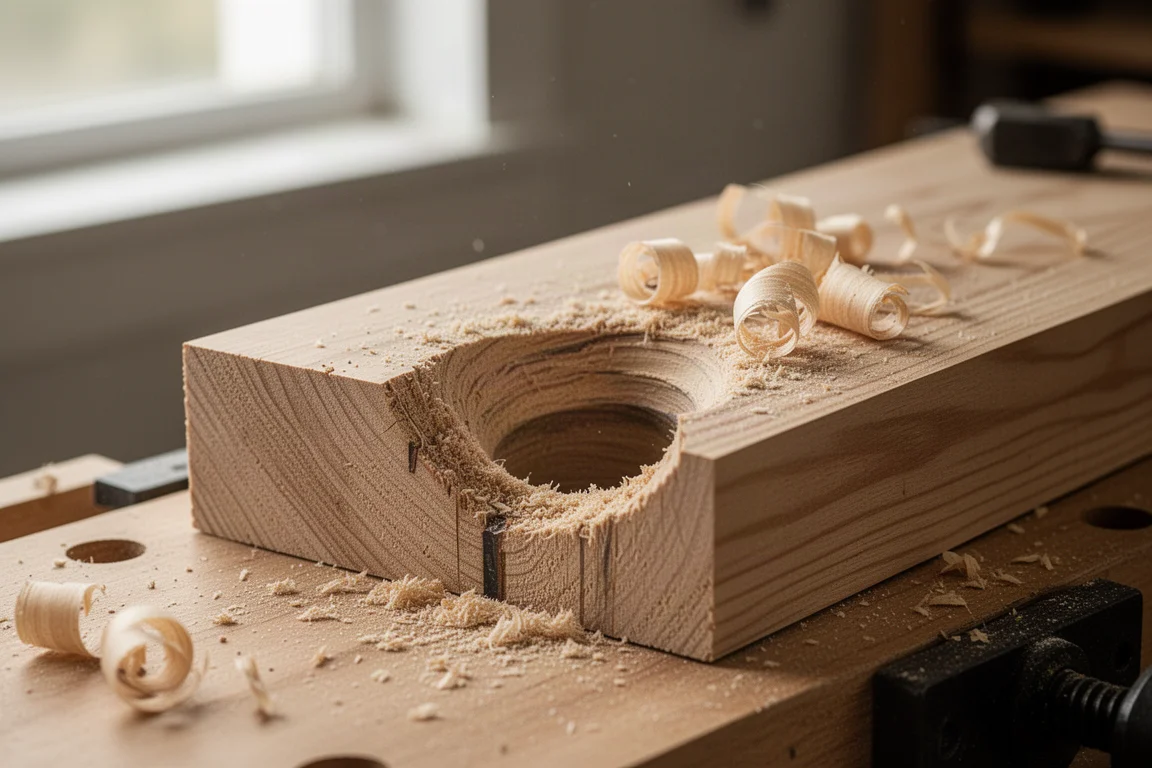
The final event was hole boring, and it produced the most dramatic runs of the day. The Flex posted a blistering time in speed two, and the DeWalt answered with an equally impressive second run. Both tools bored large-diameter holes with more authority than their compact size suggests.
The DeWalt’s mode selector switch also drew attention as a practical touch for switching between applications quickly.
Which One Should You Buy?
If you are already invested in the DeWalt 20V Max platform, the D800 is an easy recommendation. It is the newest XR compact, lighter on paper, quicker in speed one, and backed by DeWalt’s enormous ecosystem.
If you value raw speed-two performance and want stacked-lithium battery technology, the Flex 24V drill driver is the stronger pick, especially at its lower kit price. Just plan to buy the battery as part of a kit, since standalone packs were not available at the time of comparison.
Conclusion
Both of these compact drill drivers punch far above their weight class. The DeWalt D800 wins on balance of speed, weight, and ecosystem maturity, while the Flex 24V counters with speed-two rpm and modern battery tech at a friendlier kit price. Match the tool to the platform you already own, and you will not be disappointed with either.
Product link
View more details for DeWalt D800 20V Max XR Drill Driver
This product is mentioned in the review. Check the specifications, options, and compatibility before buying.
View more details for DeWalt D800 20V Max XR Drill DriverFurther reading
Related Reviews
Power Tools
Best 1-Inch Pistol Impact Wrenches: Three Heavy-Duty Options Compared
We compare three 1-inch pistol impact wrenches, from a budget-friendly Harbor Freight model to a premium Caterpillar unit, to help you choose the right one.
Power Tools
Best 3/4-Inch Impact Wrenches 2026: Five Contenders Compared
We compare five 3/4-inch impact wrenches across price and performance, from a budget Amazon option to Snap-on's most powerful model yet.
Power Tools
Best Budget Cordless Tools 2026: Walmart Finds That Punch Above Their Price
We tested five cordless tools from Walmart, including a high-torque impact wrench that trades blows with Milwaukee and a $35 duster that outperforms its price class.