Power Tools
DeWalt Battery Guide: PowerStack vs XR PowerPack vs XR vs FlexVolt
A practical breakdown of DeWalt's four main battery platforms, including cost per charge cycle, heat management, and which battery actually fits your tools.
Introduction
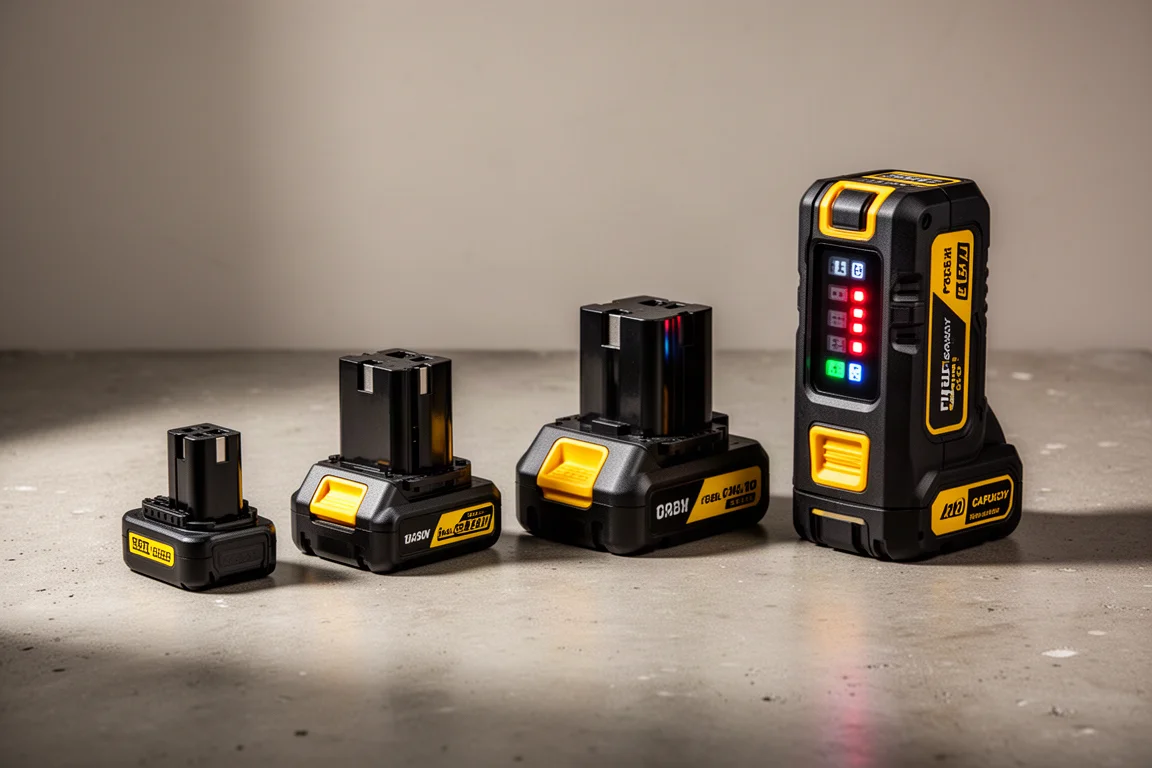
DeWalt’s battery lineup can feel overwhelming: XR, PowerStack, PowerPack, FlexVolt, all in different amp-hour ratings and footprints. The confusion is real, and picking the wrong pack either costs you money over time or leaves a tool underpowered. This guide breaks down the four main platforms, what each one is actually good for, and where the long-term value sits based on cost per charge cycle rather than sticker price alone.
Evaluation Criteria
The comparison here comes down to a few practical factors: runtime, heat management, charge-cycle lifespan, physical footprint on the tool, and price over the life of the battery. A battery that costs more upfront can be dramatically cheaper per charge cycle if it lasts three to four times longer, and that is exactly the math worth running before your next purchase.
The Everyday Runner: DeWalt XR Battery
The XR line, in common 4Ah and 5Ah ratings, remains a solid battery. It is still worth buying when it shows up in bulk deals or deep sales, and many users run drills all day on these packs without complaint. The catch shows up in the math: an older 5Ah XR, often priced around $50 to $60, works out to roughly 25 cents per charge cycle over its lifespan. For low-drain tasks like shop lights and vacuums, these packs are perfectly fine, and burning through them on repetitive small-fastener work is where they start to feel less efficient.
The Compact Powerhouse: DeWalt PowerStack
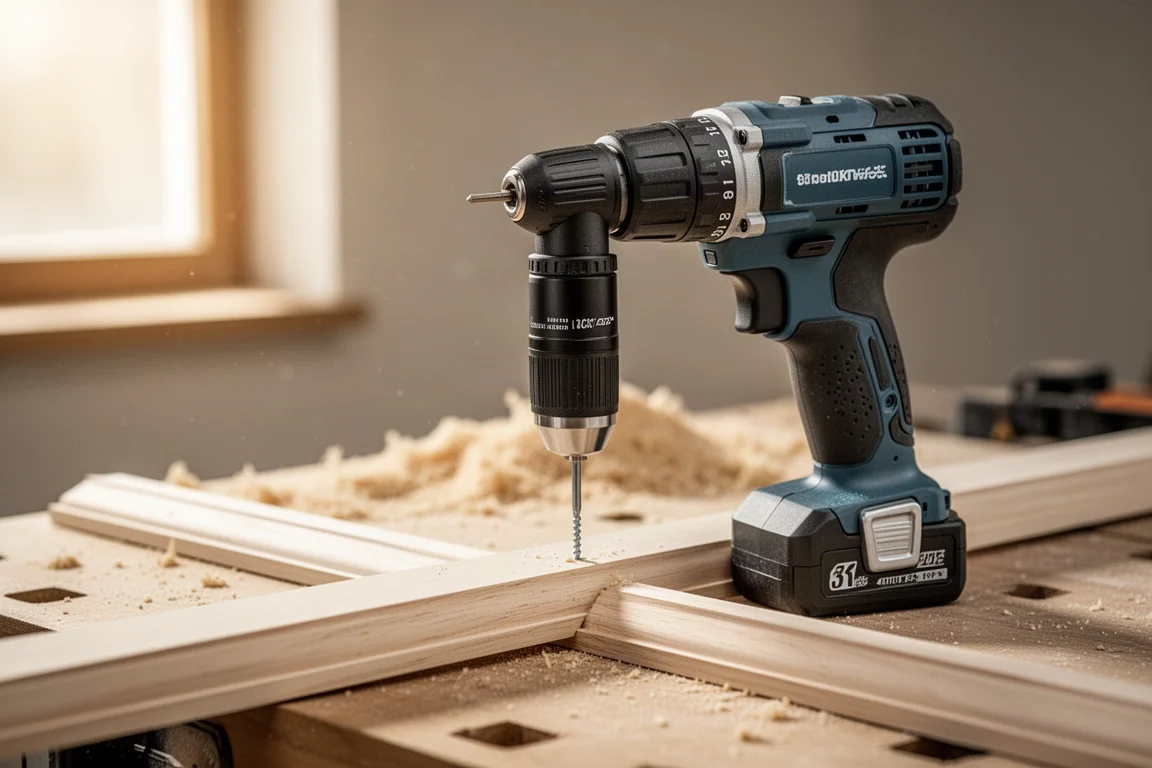
PowerStack uses pouch-cell lithium technology instead of the cylindrical 18650 or 21700 cells found in the XR line. The result is the same power output as a standard XR in a much smaller footprint, which matters when you are working overhead or in tight spaces. The 1.5Ah PowerStack, for example, fits the footprint of a compact drill with no overhang while still delivering serious power.
The value argument is the strongest part of the story. A 5Ah PowerStack typically retails around $159 to $169, but with 300% to 400% greater cycle life compared to an XR battery, the cost works out to roughly 14 to 15 cents per charge cycle versus nearly 25 cents for the XR. These packs also run cooler and more efficiently, so you get more done throughout the day. Even at the higher counter price, the long-term cost per cycle favors PowerStack significantly.
The Heavy-Duty Pick: DeWalt XR PowerPack
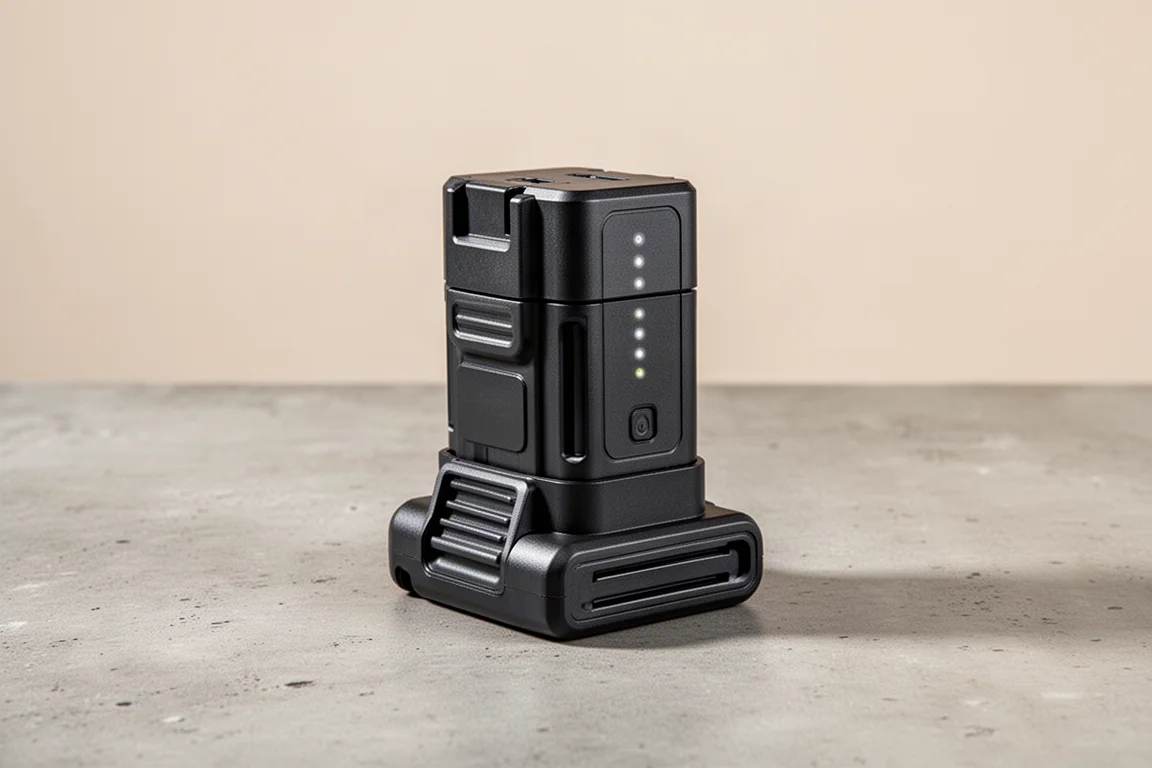
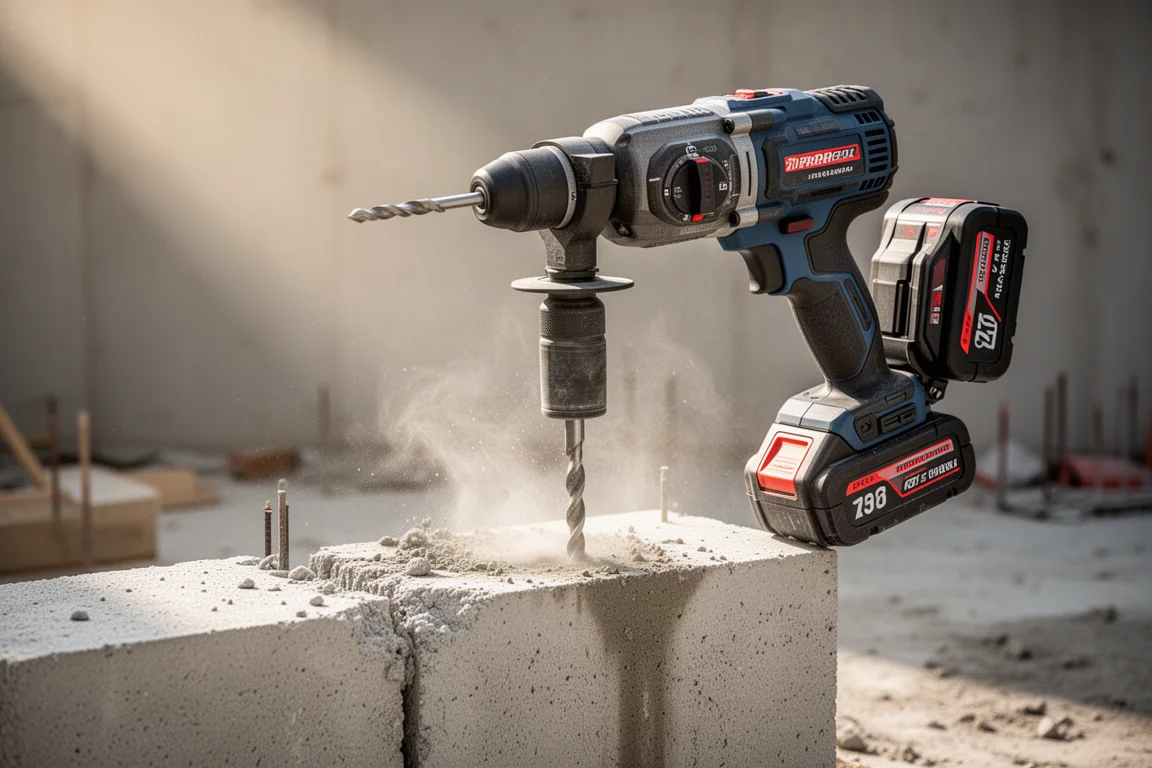
For larger tasks like SDS rotary hammers and hammer drills, the 8Ah XR PowerPack is the step up. It uses 21700 tabless cells instead of standard cylindrical cells, and the practical difference is substantial: more power delivered, a tool that runs more efficiently, and because the pack runs so much cooler, faster charging and far more throughput.
Here is the part that seals it: the 8Ah PowerPack costs exactly the same as the older 8Ah XR at the counter. With roughly four times the battery life cycle, the PowerPack works out to about a quarter of the cost per cycle of the regular XR. If both packs are sitting on the shelf, skipping the older XR technology is simply the better financial decision unless you find the older packs at a genuinely exceptional discount.
Small Details That Matter: Rubber Over-Molding
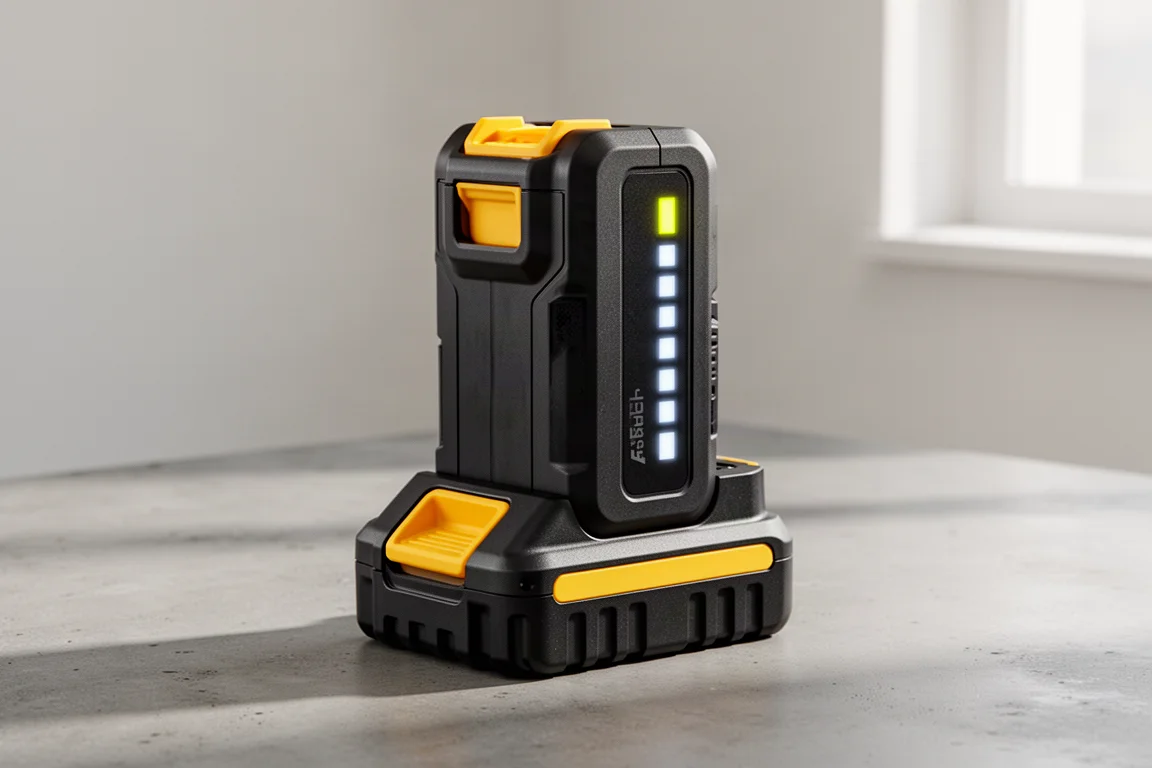
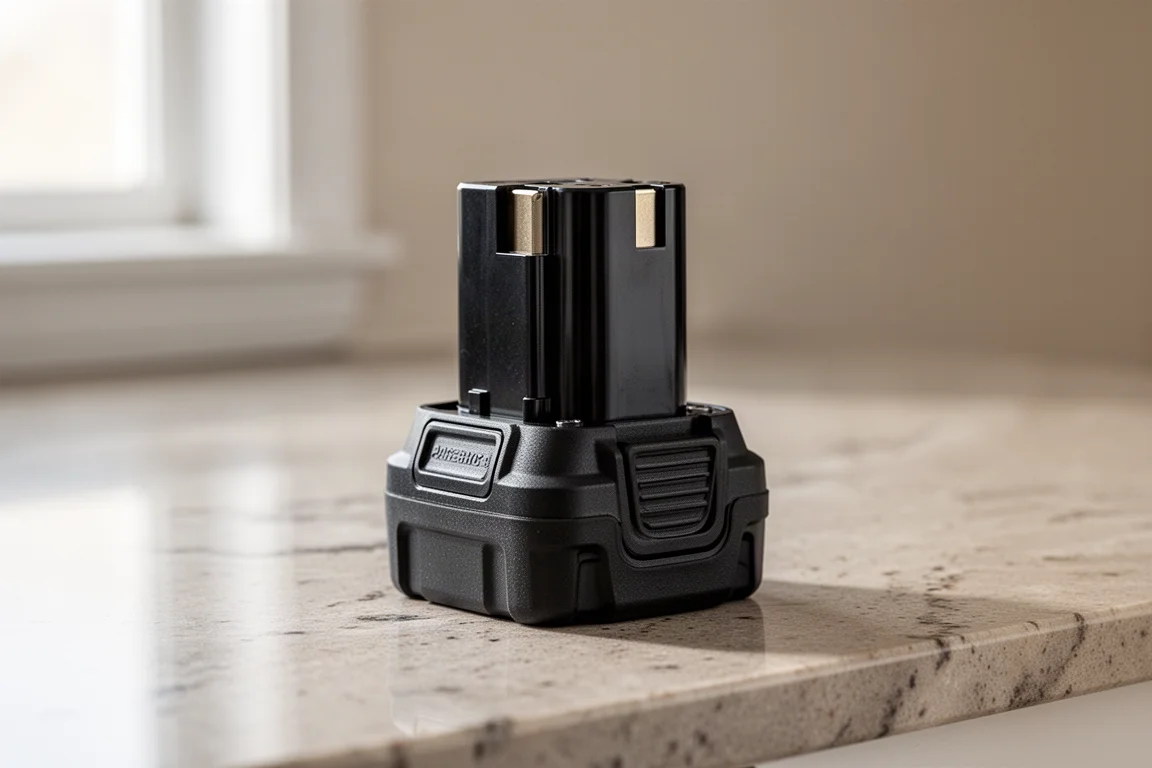
Both the PowerStack and XR PowerPack lines add a rubber over-mold on the bottom of the pack. It is a small feature, but when you set a tool down on finished material like cabinets or countertops, the soft base protects the surface underneath, where older packs with hard plastic bottoms could scuff. It also makes it easier to stand a tool upright without worrying about it sliding or marking the material. It is a nice sign that the technology evolution has not overlooked the small usability cues.
Do You Still Need FlexVolt?
In the past, FlexVolt tools required FlexVolt batteries. That is no longer true across the board. With FlexVolt Advantage tools, there is no advantage to running a dedicated FlexVolt battery: a FlexVolt Advantage drill runs fine on a regular 6Ah XR, an 8Ah PowerPack, or even a PowerStack. Given the newer technology and better cost per cycle in those packs, spending the money there makes more sense than buying a 6Ah FlexVolt pack for an Advantage tool.
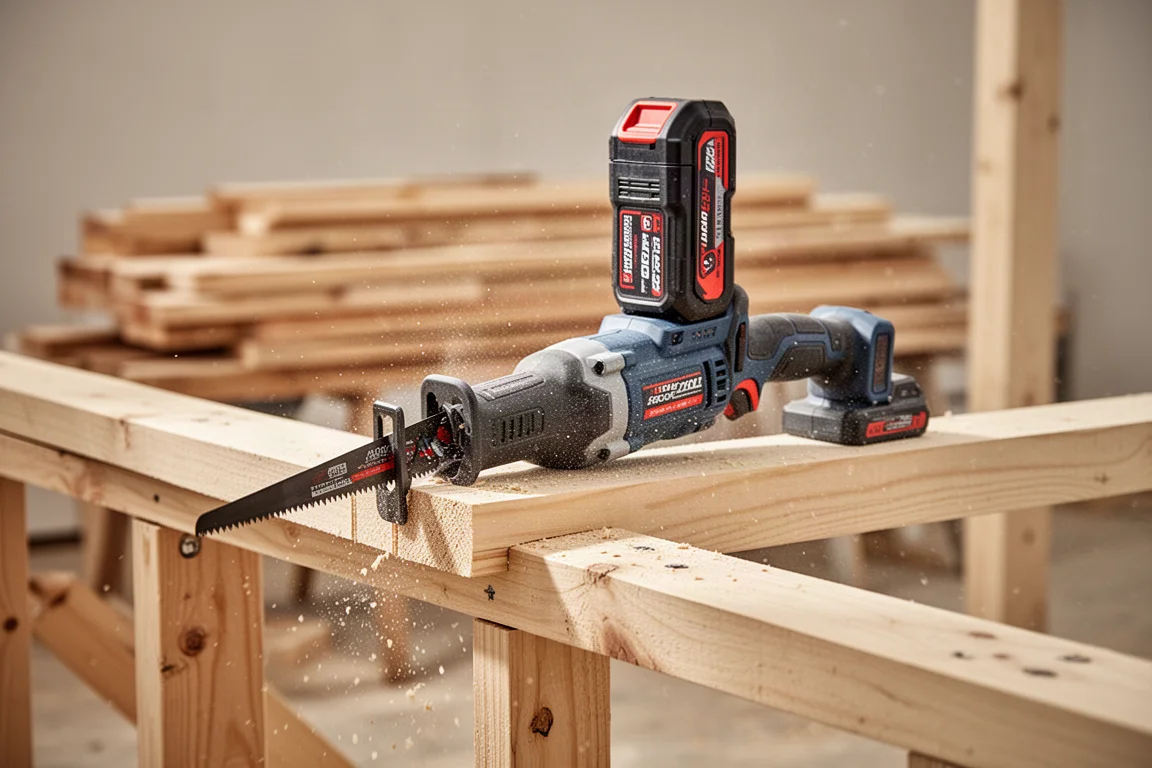
The one exception is true FlexVolt-specific tools. Some larger machines, such as a FlexVolt reciprocating saw, will not run on standard XR, PowerPack, or PowerStack batteries at all. If you own one of those, the FlexVolt battery is not optional.
What Should Actually Go In Your Cart
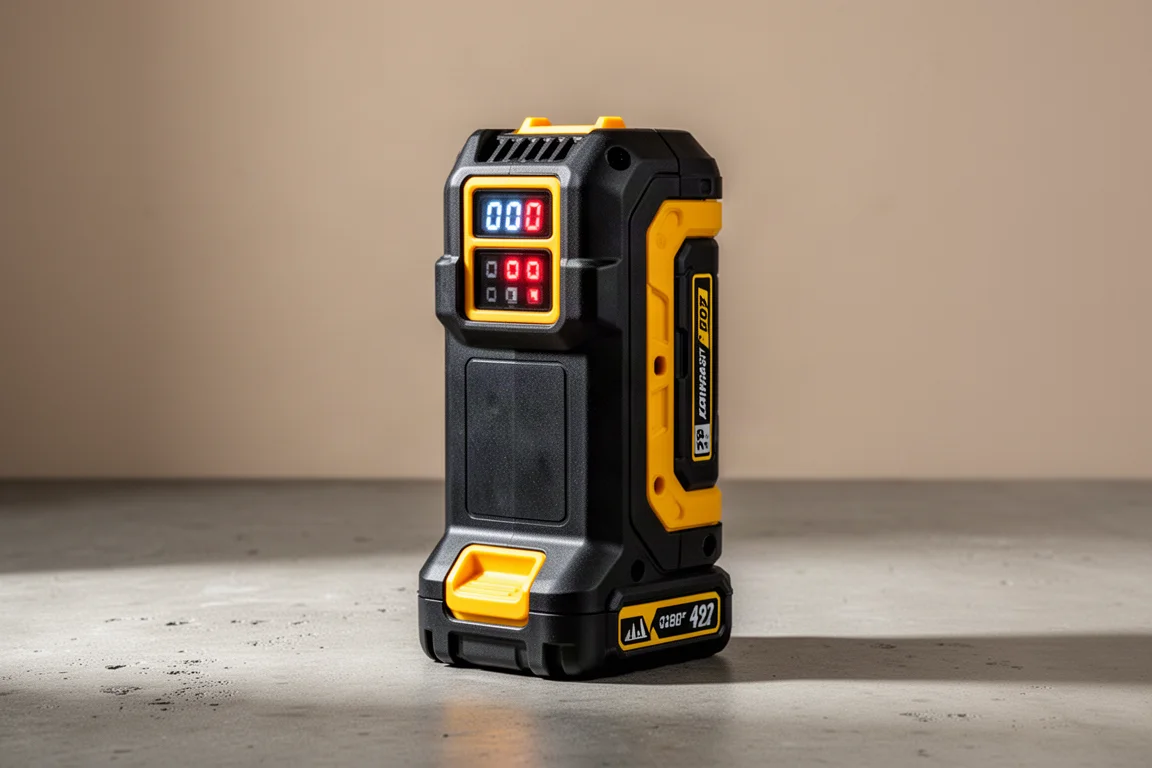
For daily driver work on compact tools, PowerStack is the pick: same output as XR in a smaller package with a far better cost per charge cycle. For heavy tools, the 8Ah PowerPack is the pick, especially since it costs the same as the older XR it replaces. Standard XR packs only make sense on deep discount. FlexVolt batteries are only necessary for genuine FlexVolt-specific tools; FlexVolt Advantage tools do not need them. Match the battery to the tool you actually own, and the lifetime math takes care of itself.
Conclusion
The DeWalt battery lineup is much simpler than it first appears once you separate marketing names from real differences. PowerStack and PowerPack represent the current technology with cooler running, longer life, and lower cost per cycle. XR remains fine on sale. FlexVolt is now a niche requirement rather than a default. Buy for the tools you run, calculate cost per cycle rather than sticker price, and you will stop wasting money at the register.
Further reading
Related Reviews

Power Tools
Best 1-Inch Pistol Impact Wrenches: Three Heavy-Duty Options Compared
We compare three 1-inch pistol impact wrenches, from a budget-friendly Harbor Freight model to a premium Caterpillar unit, to help you choose the right one.

Power Tools
Best 3/4-Inch Impact Wrenches 2026: Five Contenders Compared
We compare five 3/4-inch impact wrenches across price and performance, from a budget Amazon option to Snap-on's most powerful model yet.

Power Tools
Best Budget Cordless Tools 2026: Walmart Finds That Punch Above Their Price
We tested five cordless tools from Walmart, including a high-torque impact wrench that trades blows with Milwaukee and a $35 duster that outperforms its price class.