Power Tools
DeWalt Atomic PowerStack vs Milwaukee M18 Fuel: Compact Impact Driver Showdown
A hands-on comparison of the DeWalt DCF850 Atomic with the PowerStack battery against the Milwaukee M18 Fuel Gen-3, driving half-inch lags into treated 6x6 lumber with no pilot holes.
Introduction
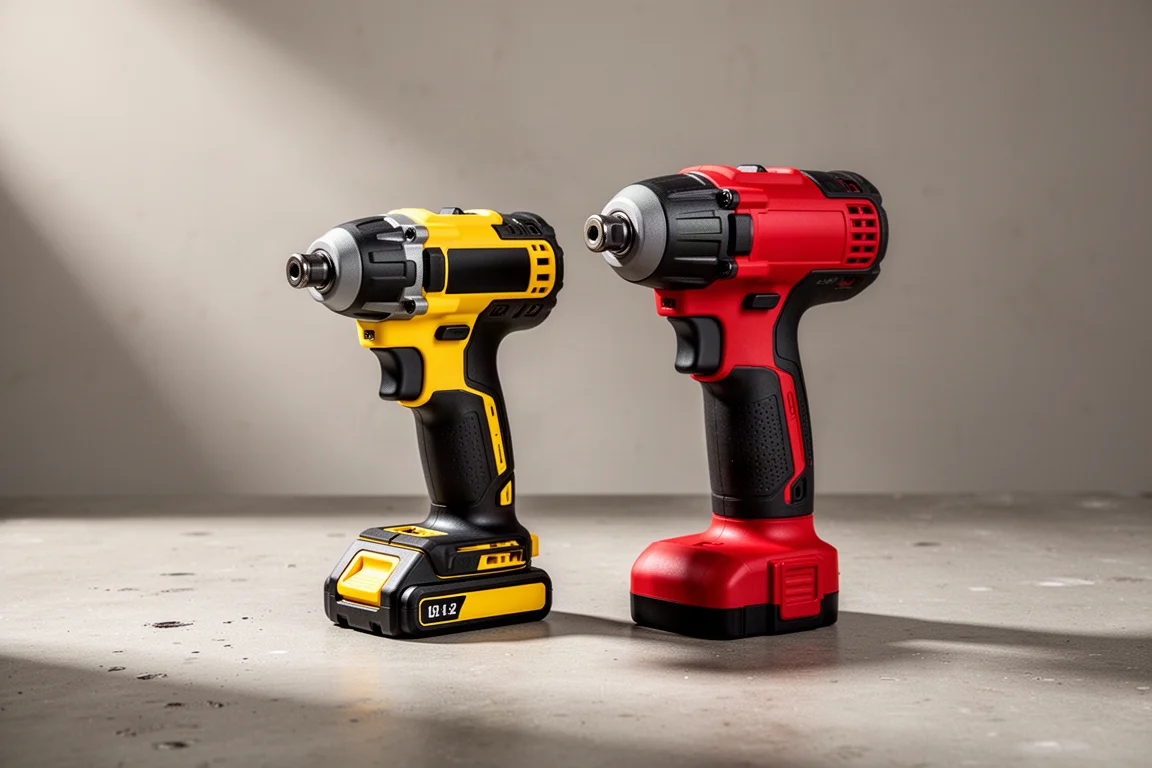
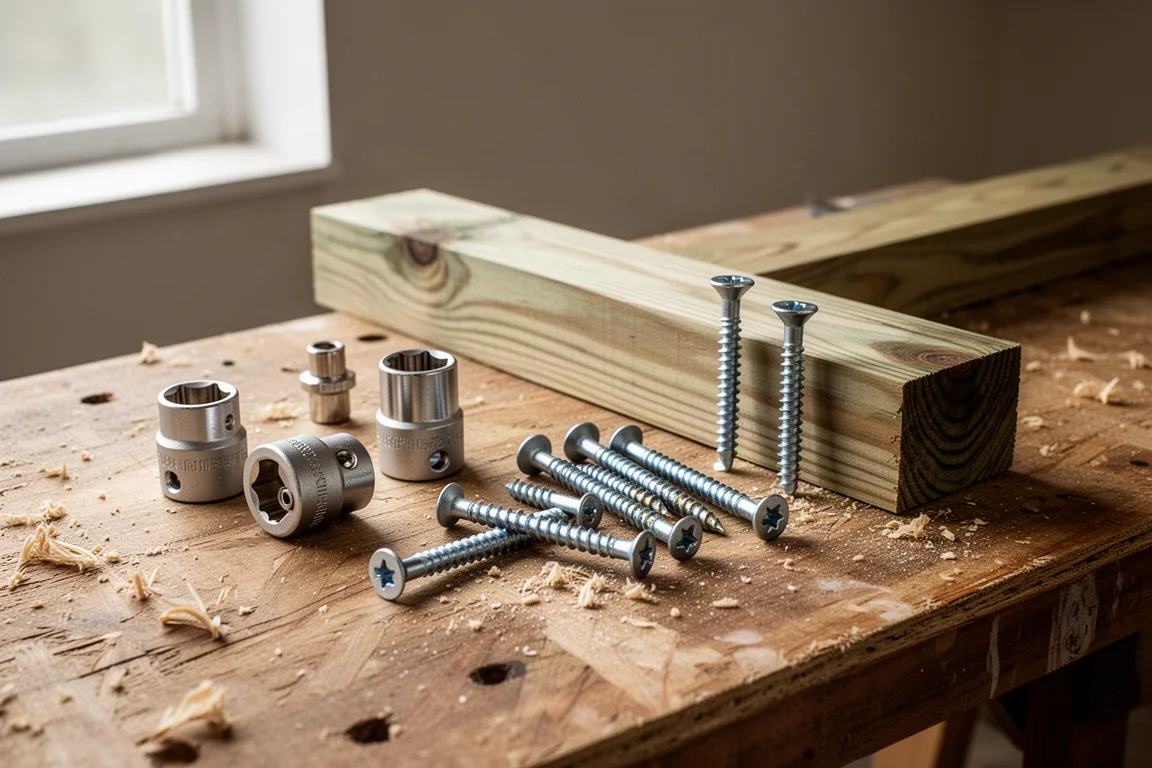
This comparison pits two very different philosophies against each other: the brand-new DeWalt DCF850 Atomic compact impact driver paired with the new PowerStack battery, and the Milwaukee M18 Fuel Gen-3, widely regarded as the most powerful impact driver in its class. The test is deliberately punishing: half-inch lags driven into a treated 6x6 with no pilot holes, using identical sockets and adapters on both tools.
Going in, the expectation was that Milwaukee would win on raw power. The interesting question was how much the PowerStack battery would help the compact DeWalt hold its own.
How the Test Was Run
Both tools ran on the highest setting, each driving separate lags, with drivers swapped between sides to keep things fair. The test also pushed the tools beyond their intended use, since impact drivers are designed for driving screws, not lag bolts, which makes heat and battery sag worth watching closely.
Specs set the stage: the DeWalt runs 3,800 IPM and 3,250 RPM, while the Milwaukee Gen-3 posts 3,600 IPM and 4,300 RPM.
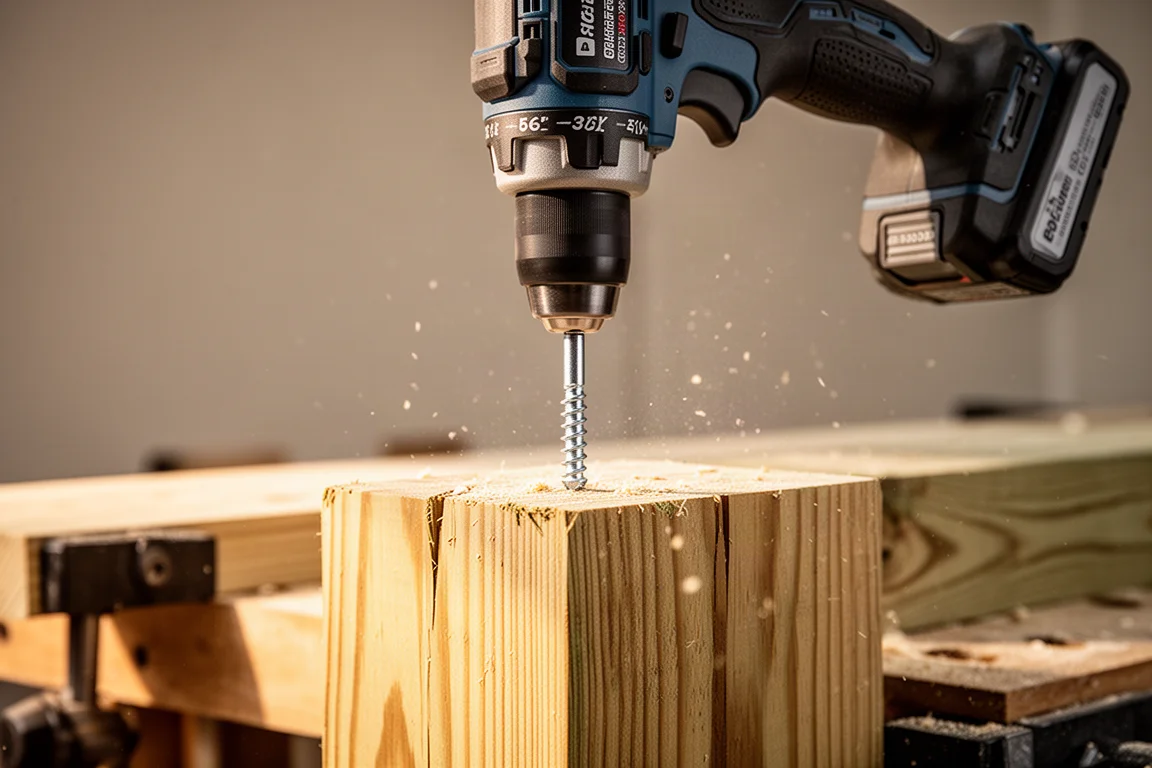
DeWalt DCF850 Atomic Compact Impact Driver
The DCF850 is genuinely tiny. Its size and weight are a clear win for DeWalt; it barely registers in the arms compared to the larger Milwaukee. On setting two, it actually felt slightly better than the Milwaukee, and on the highest setting it delivered more power than expected for something so compact.
Without pilot holes, it was slower than the Milwaukee, but it still drove the lag down. With a pilot hole, there would be no issues at all. It handled the abuse of the test without sagging badly, and if it can cope with this kind of work, everyday screwdriving should be easy.
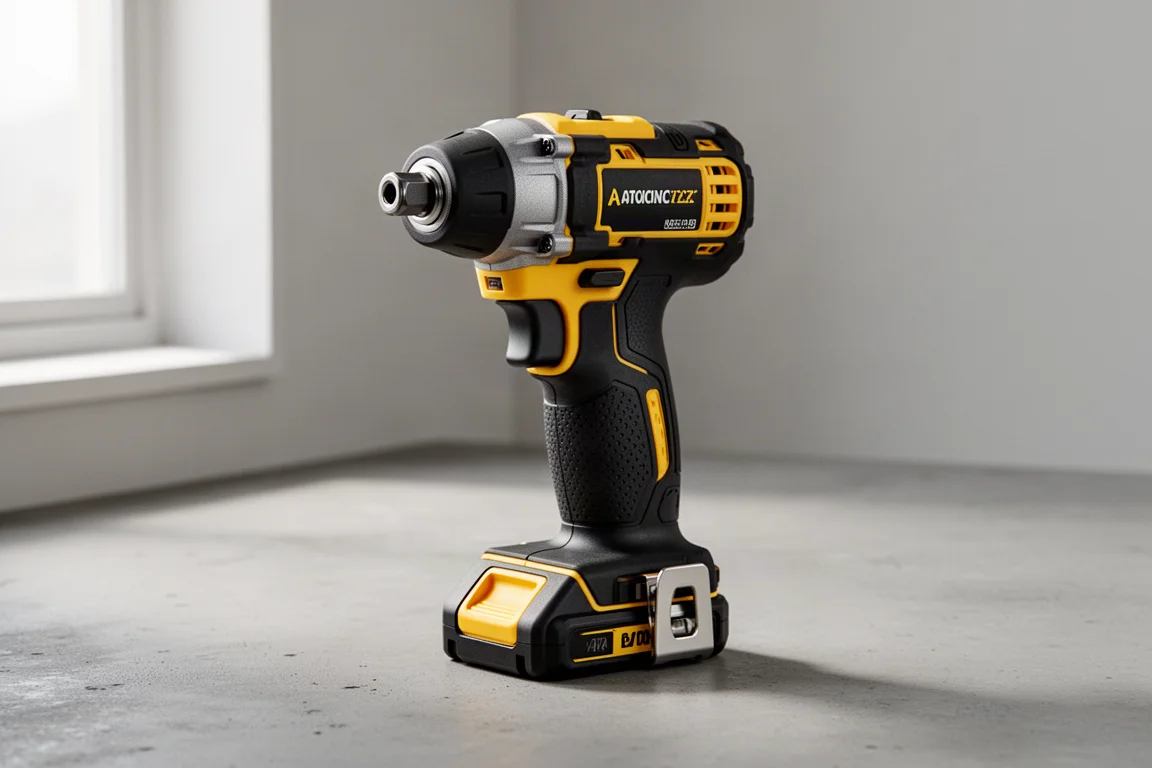
DeWalt PowerStack Battery
The PowerStack is the real story for DeWalt. Swapping from a standard 20V DeWalt battery back to the PowerStack on the same test made the difference obvious: the PowerStack delivers noticeably more power and far less sag than a conventional 20V pack.
One drawback worth noting: despite the size, these batteries do not work with FlexVolt tools. It leaves an open question of whether DeWalt will eventually bring PowerStack-style cells to FlexVolt packs.
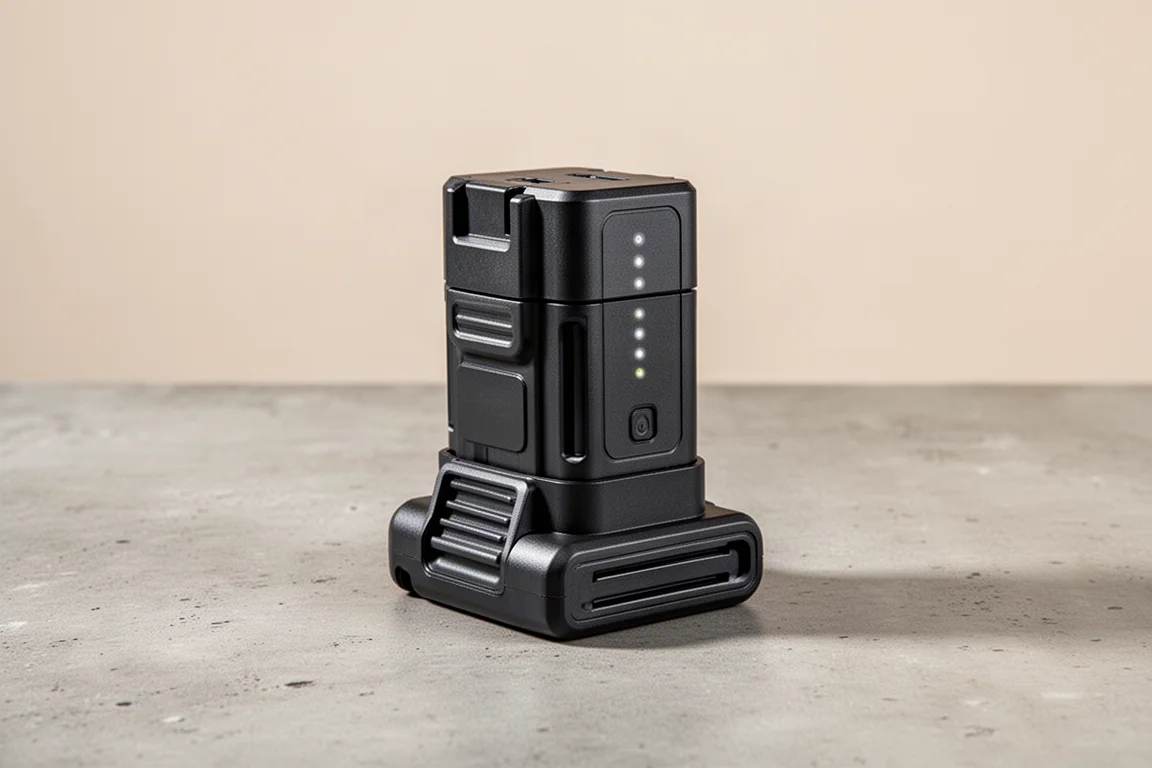
Milwaukee M18 Fuel Gen-3 Impact Driver
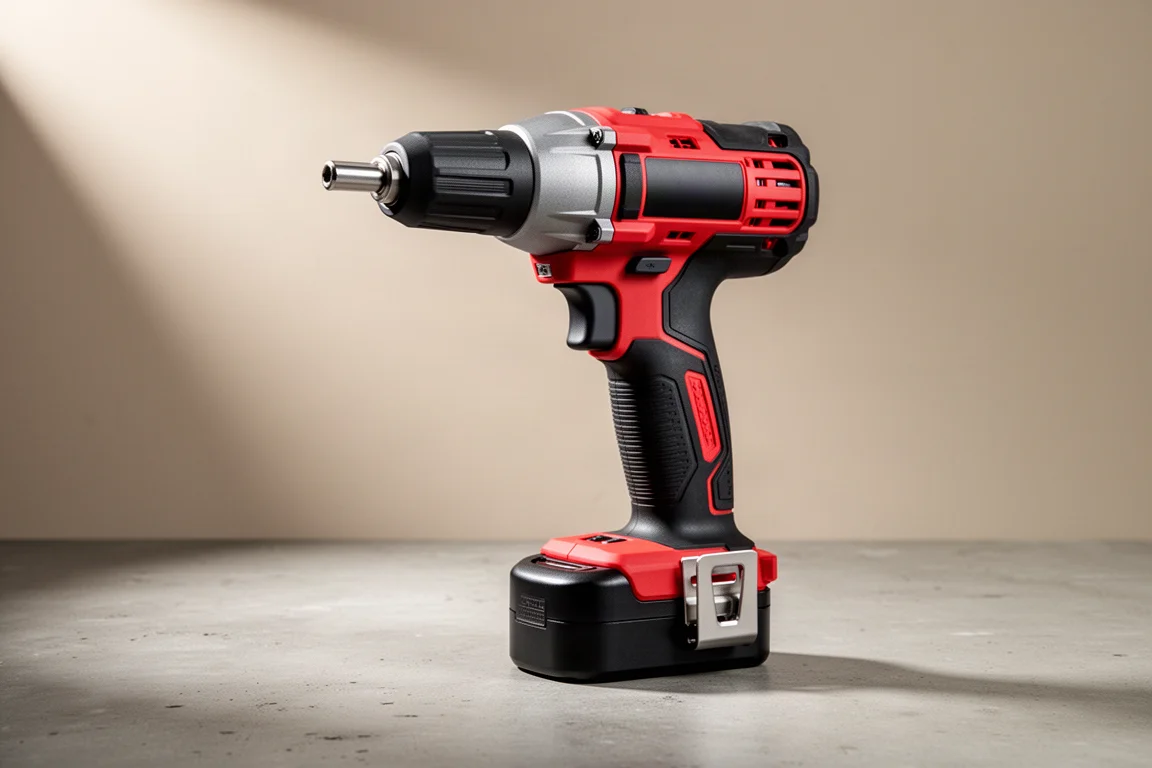
The Gen-3 is simply a beast through the whole test. It dominated the no-pilot-hole lag driving, pulling the lags down faster than the DeWalt, and its higher RPM shows in every pull of the trigger. The verdict on the power gap is telling: the difference is not the battery, it is the limitations of the impact driver itself.
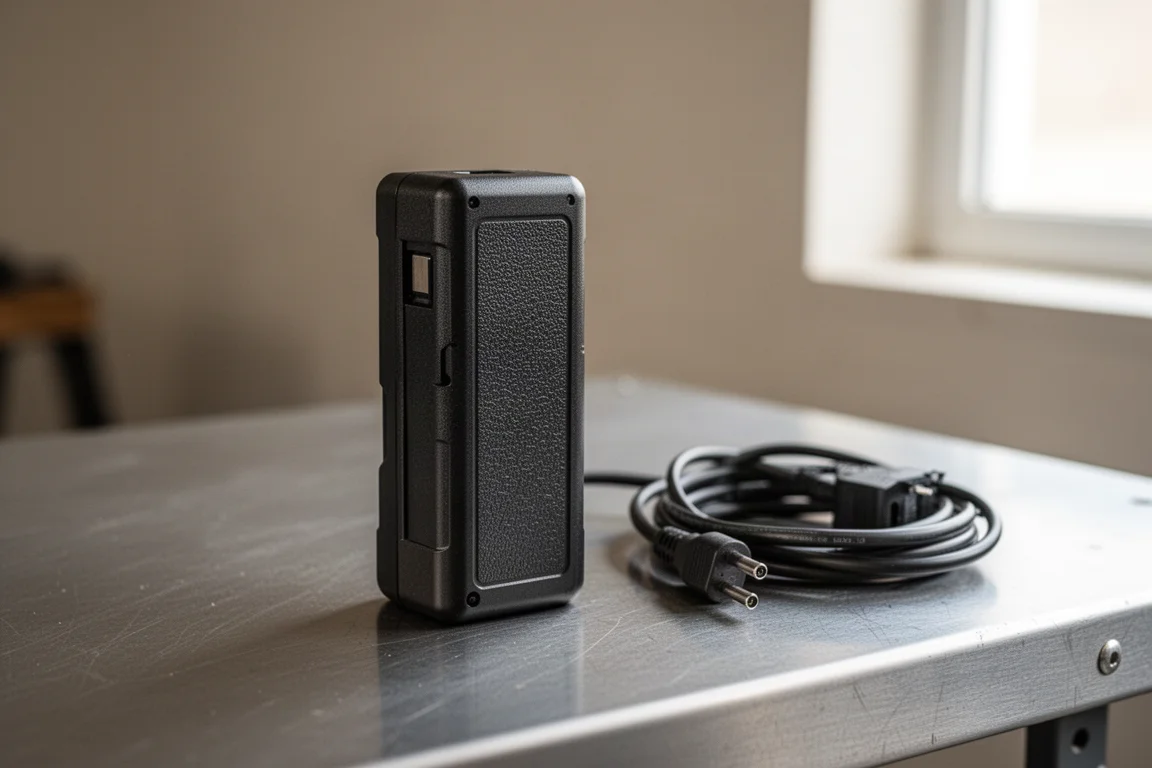
If raw, uncompromising power is the priority, the Gen-3 Fuel is the pick.
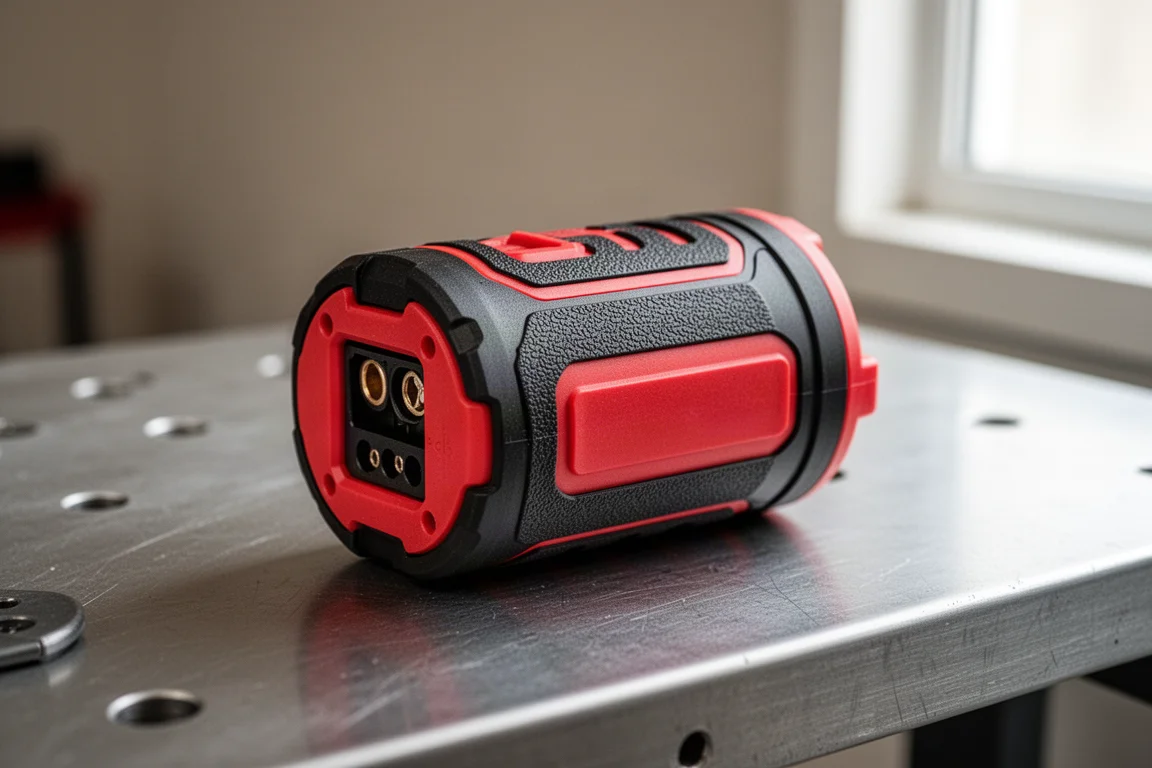
Milwaukee High Output 3.0 Battery
The Milwaukee ran the entire test on its red lithium High Output 3.0 pack, and it backed the Gen-3 through repeated no-pilot-hole lags without holding the tool back. In this matchup, the battery was never the bottleneck; the tool’s own power ceiling was what set the gap between the two brands.
Power vs Size: What Stood Out
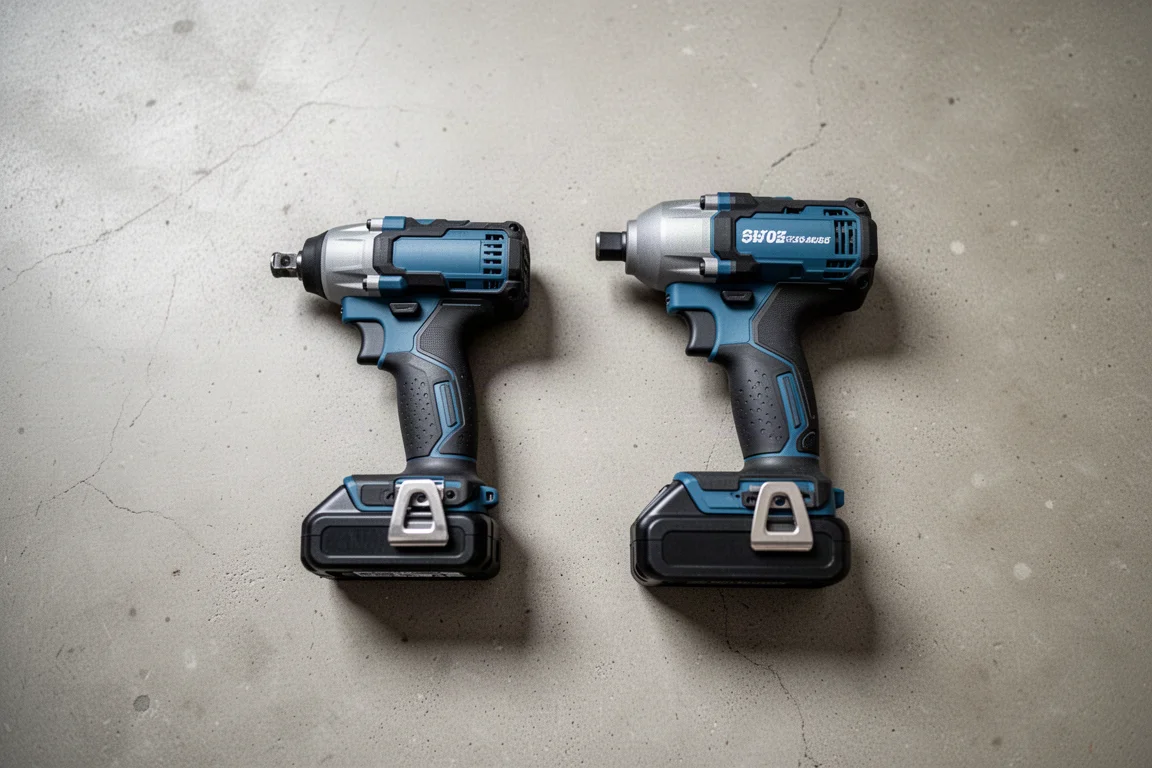
Side by side, the size and weight difference is striking. DeWalt takes that round all day long. Milwaukee takes the power round. The compact Atomic with the PowerStack managed roughly ninety percent of the work the flagship Milwaukee could do, which is an impressive showing for a tool this small.
Which One Should You Buy
If you want maximum power and straight-out performance, the Milwaukee M18 Fuel Gen-3 is the clear choice. If you want something very compact, extremely light, and still capable of handling the vast majority of jobs, the DeWalt DCF850 with the PowerStack battery is the one to check out.
Conclusion
The Milwaukee Gen-3 remains the power benchmark. But the DeWalt Atomic DCF850 paired with the PowerStack proved that a compact tool with the right battery can stay close behind while being far easier to carry around all day. Which one fits better depends on whether you value power or portability most.
Further reading
Related Reviews

Power Tools
Best 1-Inch Pistol Impact Wrenches: Three Heavy-Duty Options Compared
We compare three 1-inch pistol impact wrenches, from a budget-friendly Harbor Freight model to a premium Caterpillar unit, to help you choose the right one.

Power Tools
Best 3/4-Inch Impact Wrenches 2026: Five Contenders Compared
We compare five 3/4-inch impact wrenches across price and performance, from a budget Amazon option to Snap-on's most powerful model yet.

Power Tools
Best Budget Cordless Tools 2026: Walmart Finds That Punch Above Their Price
We tested five cordless tools from Walmart, including a high-torque impact wrench that trades blows with Milwaukee and a $35 duster that outperforms its price class.