Power Tools
DeWalt Atomic DCD794 vs DCD799: Compact 20V Drills Pushed Hard in Real Testing
Two compact DeWalt Atomic drills, one hammer model, one standard, tested through spade bits, knots, and heavy boring to see whether the compact format holds up.
Introduction
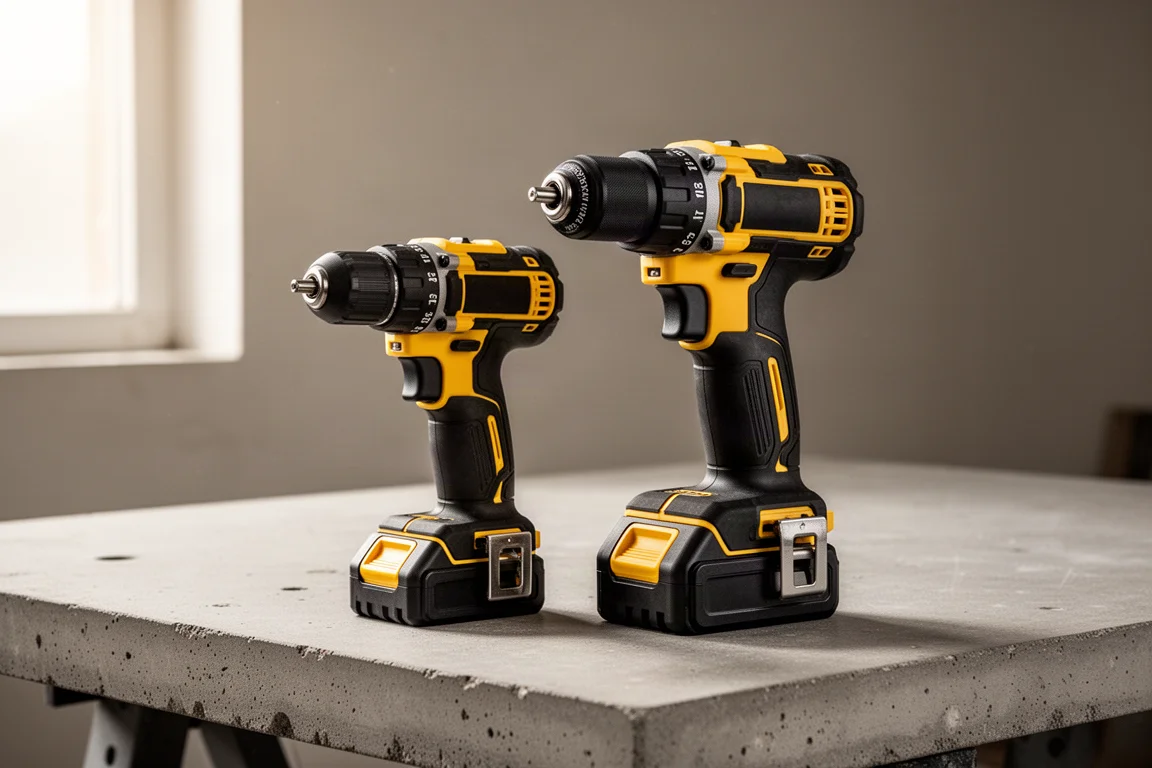
DeWalt’s Atomic line exists for one reason: packing serious 20V performance into the shortest possible body. The DCD794 is the brand’s shortest 20V drill, and the DCD799 is its hammer drill sibling built on the same platform. After a prior DCD794 unit failed right out of the box, both models were put through sustained heavy testing to find out whether that kind of failure is common or just an unlucky unit. The short answer after pushing both drills through knot-riddled lumber and deep bores: these are far more capable than their compact size suggests.
Performance Testing: Spade Bits, Knots, and Deep Bores
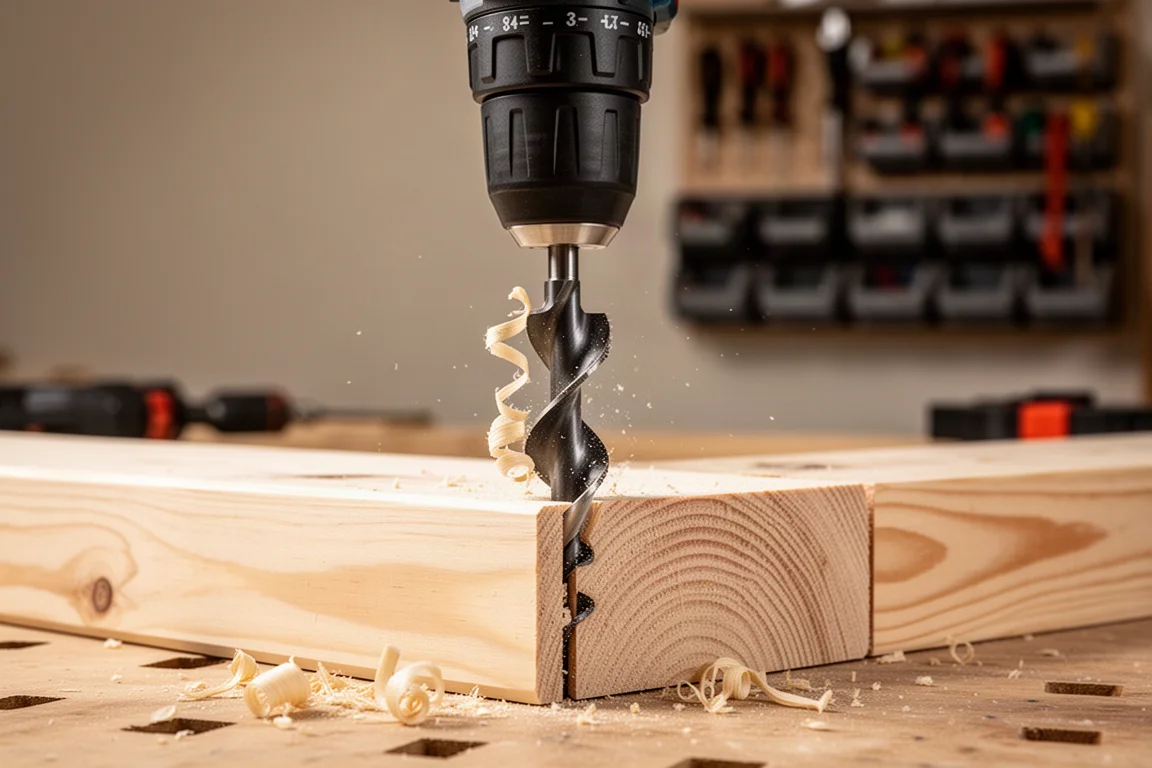
The testing was deliberately brutal. Starting with a 1-inch spade bit on level two (high), both drills cleared dimensional 2x lumber without issue, which is genuine power for a compact-class tool. From there the sizes climbed: 1-1/4 inch, 1-1/2 inch, 1-3/4 inch, and finally a 2-9/16 inch bore taken on low gear.
Knots were the great equalizer. On high gear, the drills repeatedly stalled or bogged down right at the end of the bore when they hit a knot, and in one 1-3/4 inch attempt the drill failed outright in the knot on high. Shifting to low gear was the consistent fix, letting the drills grind through the knot with more torque and control. A 2-9/16 inch bore was taken directly on low, and the power on tap was enough that an auxiliary handle starts feeling like a sensible add-on.
Heat management held up impressively. After all that boring, the hottest reading was around 95 degrees, concentrated entirely in the motor housing at the back of the tool. The batteries stayed cool and nothing warmed up at the front. For drills this size, that is a very good thermal result.
The Lineup
DeWalt DCD794 Atomic Drill
The DCD794 is DeWalt’s shortest 20V drill, running 0 to 1650 RPM on high and 0 to 450 RPM on low. In testing it drove a 1-inch spade bit through 2x lumber on high with no trouble, and the motor stayed noticeably quiet while the selector collar carried a good, positive detent that keeps you from accidentally bumping modes. It handled deep bores well once dropped to low gear for knot-heavy wood. The one caveat: one unit did fail out of the box, though a failure like that appears uncommon, and repeated hard testing of these units surfaced no other issues.
DeWalt DCD799 Atomic Hammer Drill
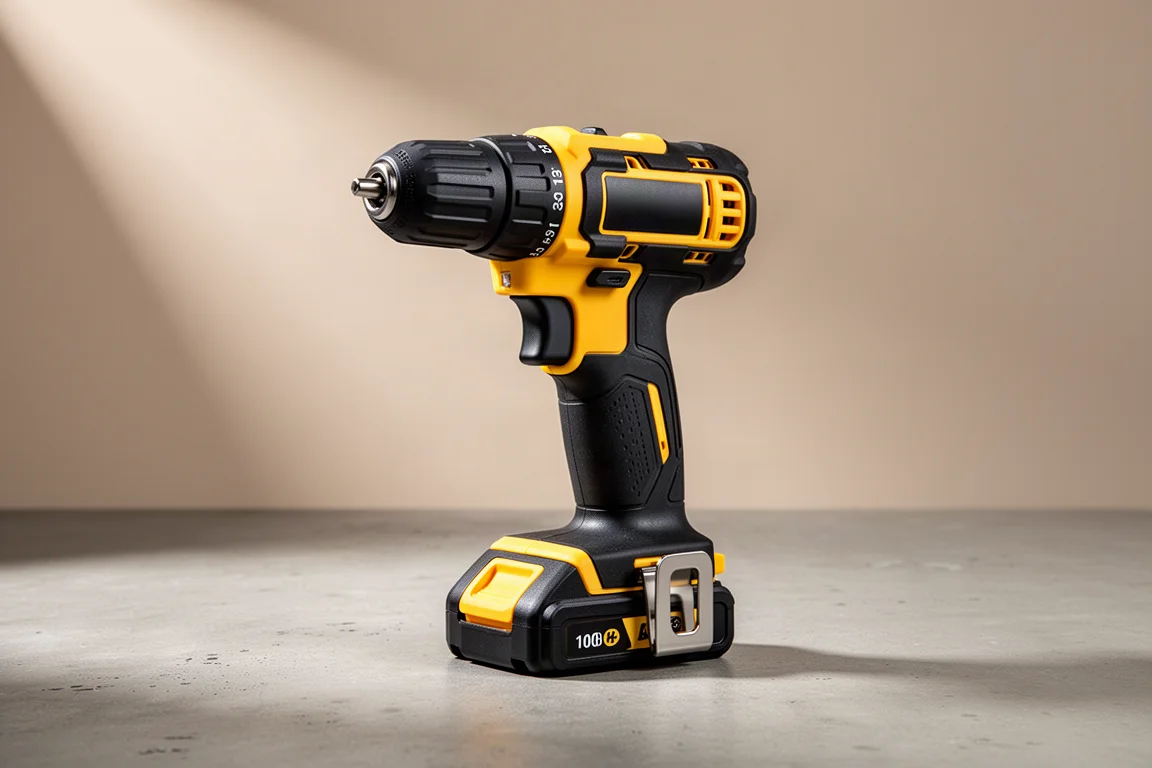
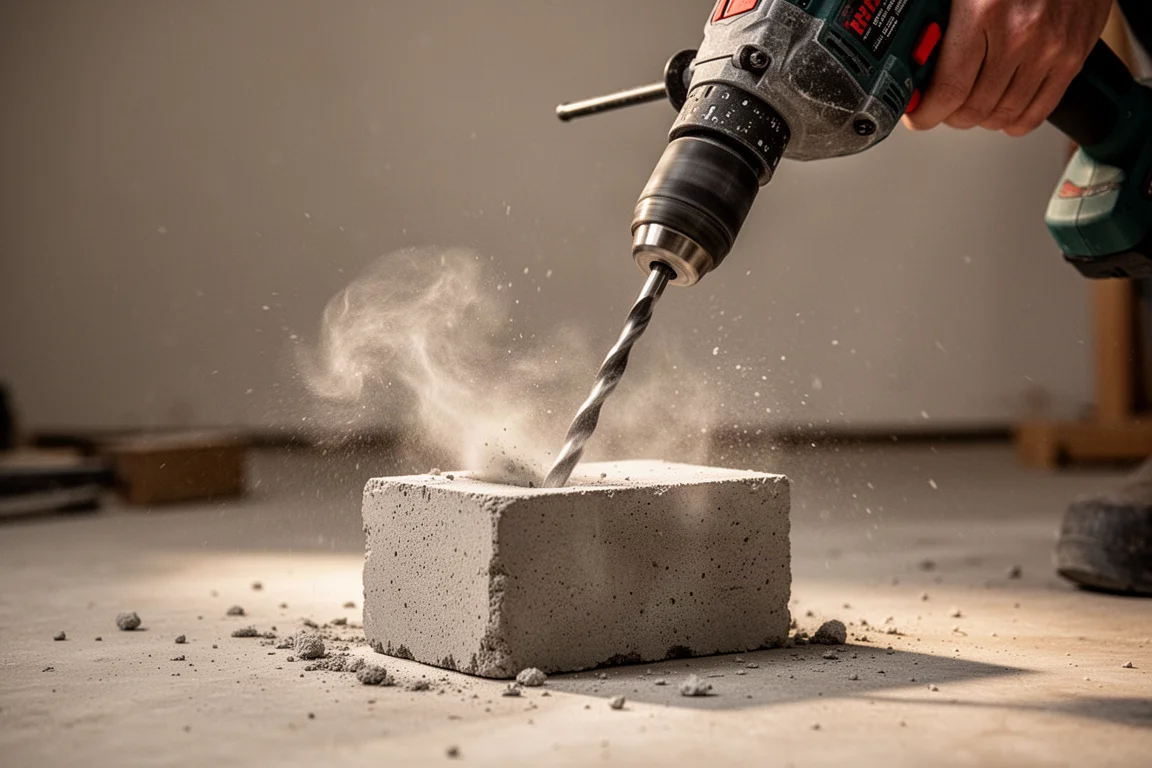
The DCD799 is the hammer drill version of the same compact platform, slightly longer because of the hammer mechanism. Its mode selector is even more heavily detented, with major clicks through drill, hammer, and every clutch position, a deliberate design because the drill and hammer modes sit close together on a longer rotating section. In practice it never shifted by accident. On masonry it sounded excellent with a half-inch bit, with a high-pitched hammer note comparable to DeWalt’s larger premium hammer drills. Like the DCD794, it bogged down in knots on high but powered through on low.
Hammer Mode: How the DCD799 Handles Masonry
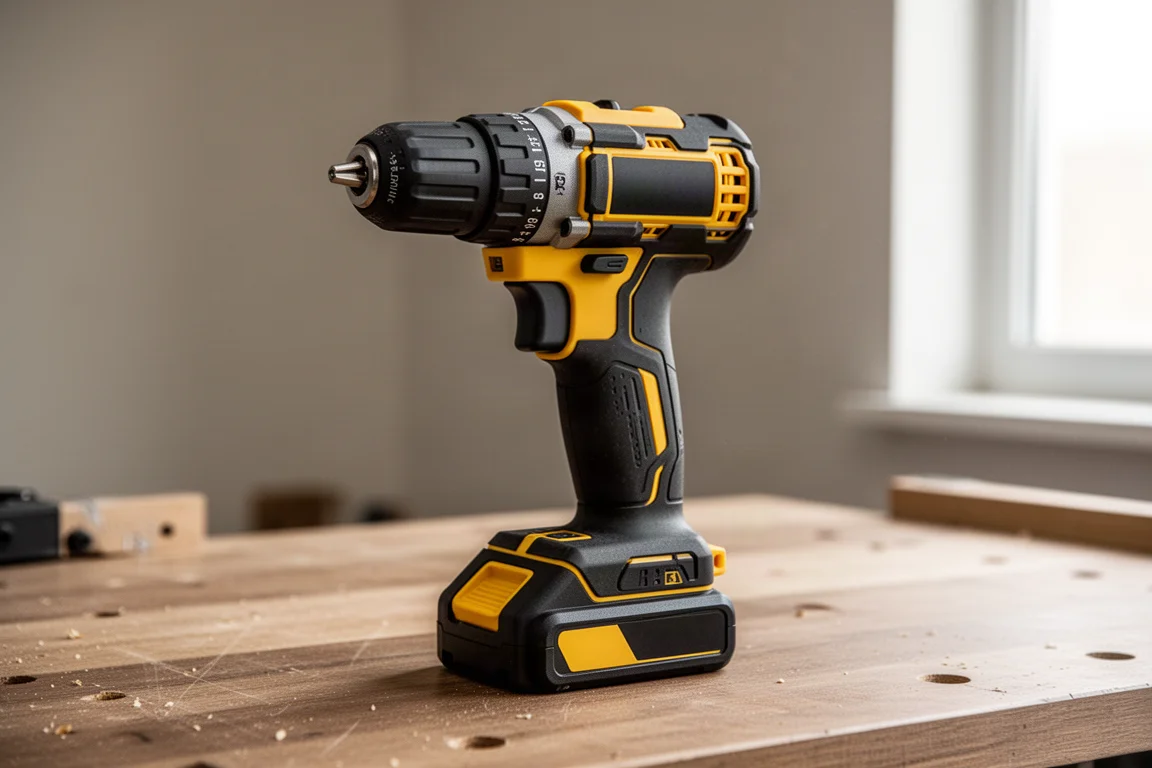
Switching into hammer mode is confirmed by a very positive click, and the acoustic signature is genuinely good for a drill this size. DeWalt clearly tuned the smaller Atomic hammer drill to feel closer to its bigger siblings rather than treating hammer mode as an afterthought. For occasional concrete or masonry work in a compact tool, that is exactly the behavior you want.
Mode Selector Feel: The Detent Difference
One of the more interesting findings is how differently the two models handle mode selection. The standard DCD794’s selector is fairly quiet with a good detent that requires intent to turn. The DCD799’s selector produces much heavier, louder clicks through every position, including the clutch settings.
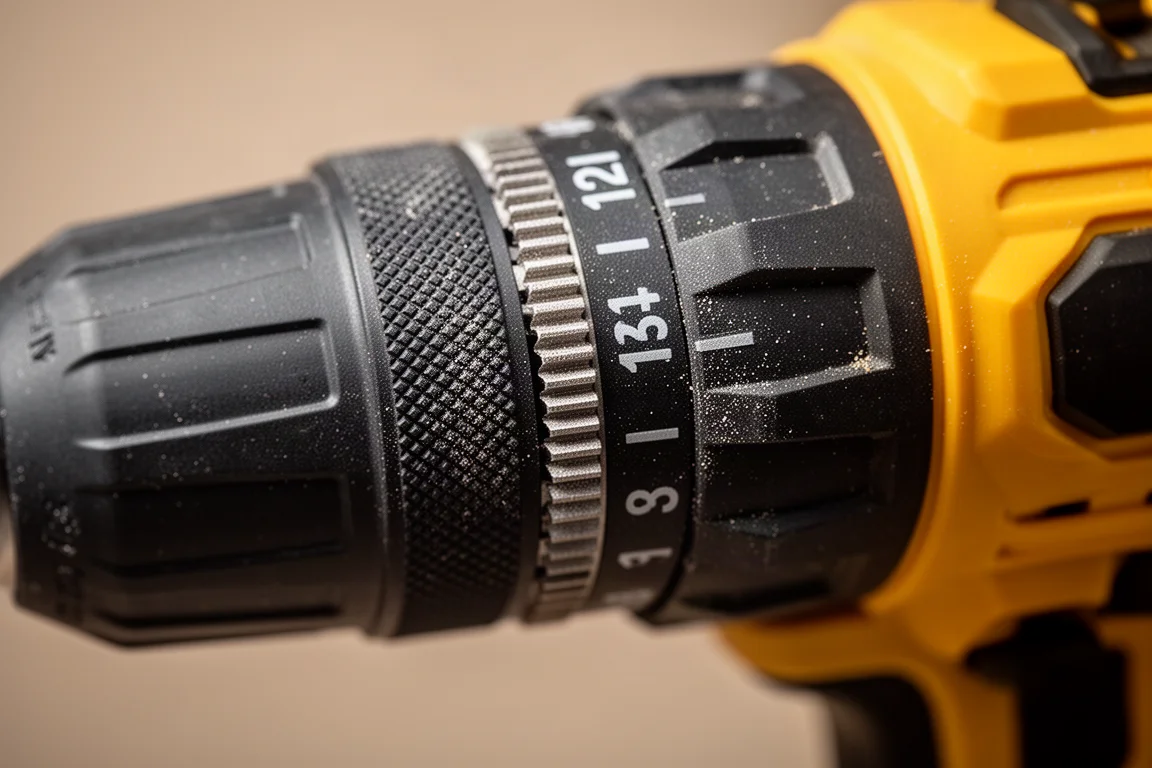
The reasoning is practical: on the hammer drill, drill and hammer modes sit closer together and the rotating section is longer, so a stronger detent prevents accidental mode changes. It is a small detail, but it is the kind of thing you notice daily in use, and some owners of the standard drill may actually envy the heavier clicks on the hammer model.
Battery Pairing and Everyday Practicality
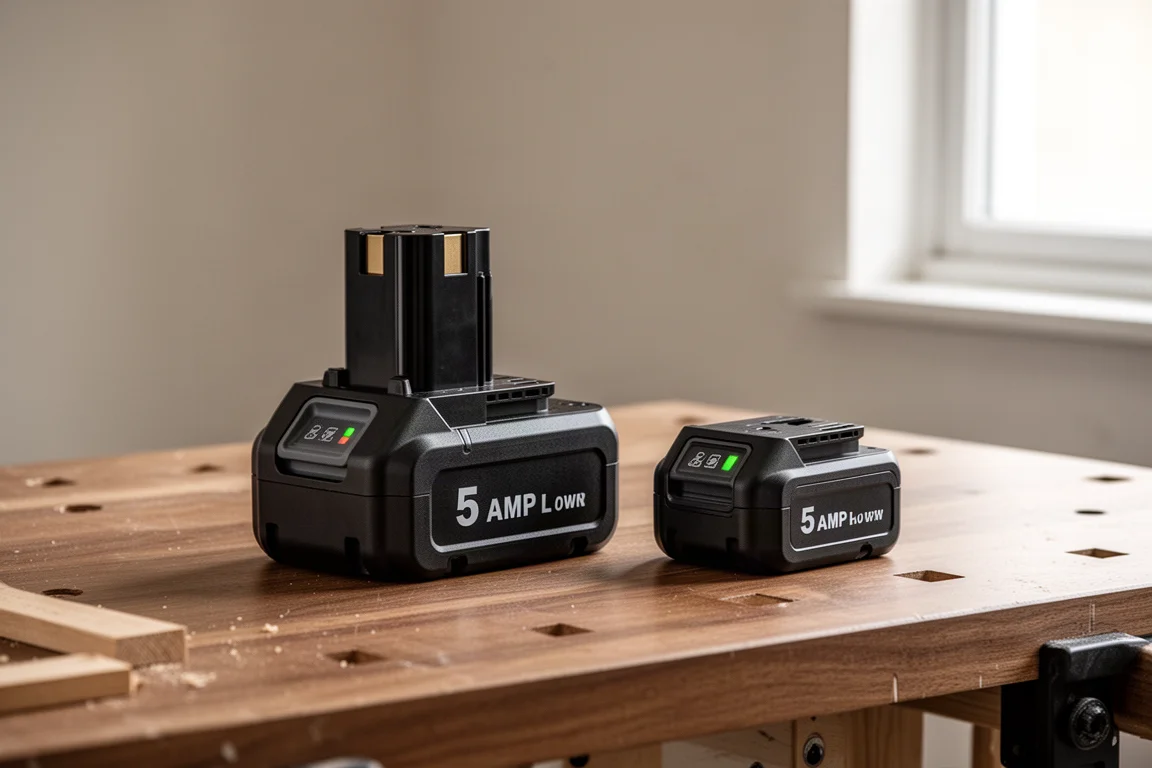
Both drills were tested with DeWalt’s popular 5 amp-hour battery, which delivers solid if not exceptional output. It is not the punchier Power Stack 5Ah performance, but it clearly outperforms the smaller 2 amp-hour pack. The practical takeaway: a smaller compact battery still provides plenty of power for most tasks, while the 5Ah pack gives longer runtime with slightly more output. Either way, the drills stay comfortable and cool, with heat isolated to the rear motor housing.
Overall Buying Advice
Choose the DCD794 if you want the shortest, lightest 20V drill for driving and general wood boring. Choose the DCD799 if you want the same compact footprint plus occasional hammer capability and a more assertive selector feel. The DCD799 is slightly longer due to the hammer mechanism, but neither is unwieldy. Given the demonstrated power, consider adding an auxiliary handle for large-diameter boring. The isolated early failure of one DCD794 unit appears uncommon, and DeWalt’s support reputation makes that risk easy to accept.
Conclusion
The DeWalt Atomic DCD794 and DCD799 deliver far more power than typical compact drills, boring through dimensional lumber and knot-heavy wood when shifted to low gear, staying cool under sustained load, and offering refined mode selectors. The hammer model adds masonry ability with sound quality close to DeWalt’s premium drills. For anyone wanting compact size without giving up real capability, either drill is an easy recommendation.
Further reading
Related Reviews
Power Tools
Best 1-Inch Pistol Impact Wrenches: Three Heavy-Duty Options Compared
We compare three 1-inch pistol impact wrenches, from a budget-friendly Harbor Freight model to a premium Caterpillar unit, to help you choose the right one.
Power Tools
Best 3/4-Inch Impact Wrenches 2026: Five Contenders Compared
We compare five 3/4-inch impact wrenches across price and performance, from a budget Amazon option to Snap-on's most powerful model yet.
Power Tools
Best Budget Cordless Tools 2026: Walmart Finds That Punch Above Their Price
We tested five cordless tools from Walmart, including a high-torque impact wrench that trades blows with Milwaukee and a $35 duster that outperforms its price class.