Hand Tools
DeWalt 4-in-1 Flip Socket vs Klein: Two Takes on a Compact Impact Accessory
A closer look at the DeWalt 4-in-1 flip socket extension and how it stacks up against Klein's more versatile approach to the same idea.
Introduction
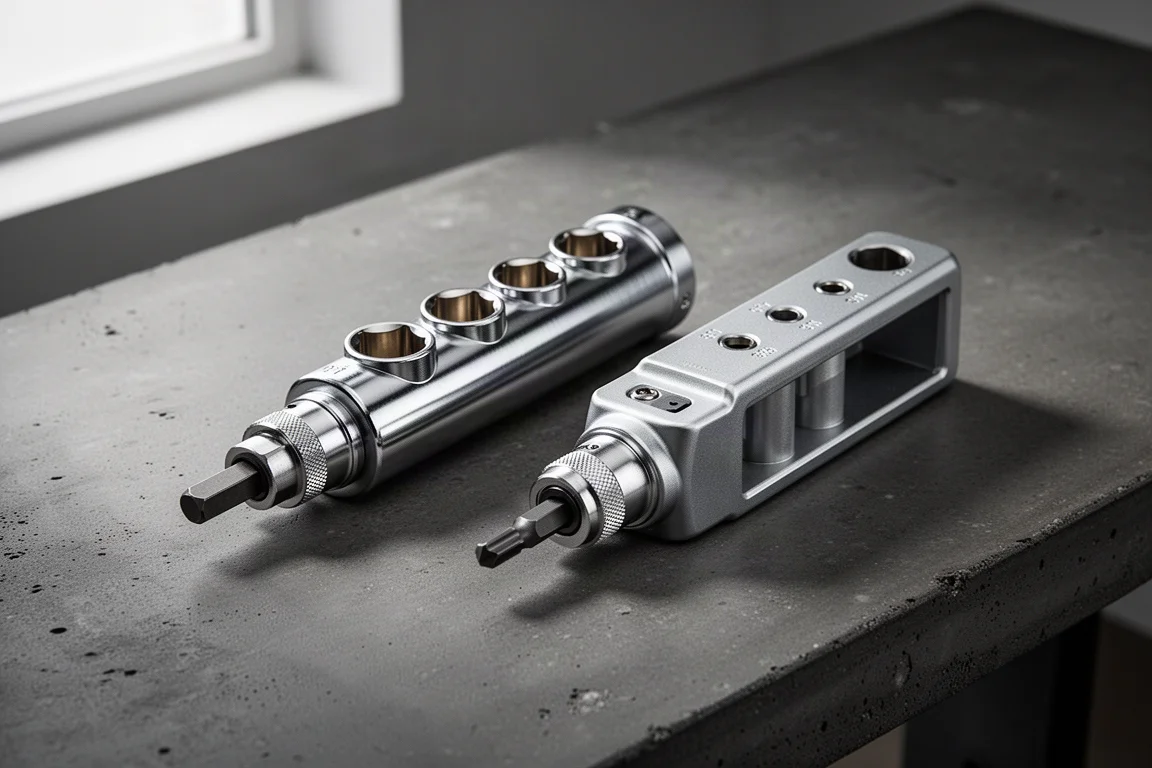
Flip sockets are one of those quietly clever accessories that make an impact driver far more useful than its chuck suggests. Instead of digging for the right size, you carry four sockets on one shaft and flip between them as needed. Two tools brands approach this idea with clearly different levels of ambition: DeWalt’s 4-in-1 flip socket extension and Klein’s take on the same concept.
Both cover the same basic territory, but the differences matter more than you might expect, especially if you drive bits as well as fasteners.
The DeWalt 4-in-1 Flip Socket Extension
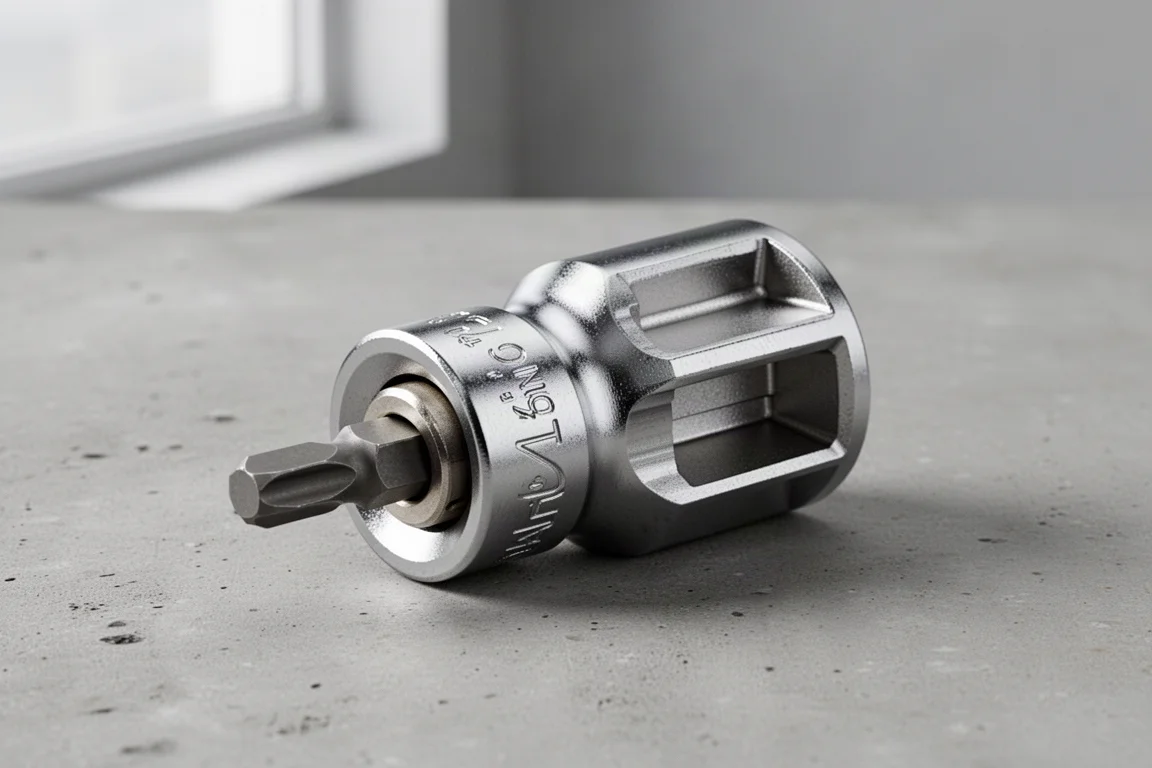
The DeWalt entry is a 4-in-1 flip socket extension with a quick-lock quarter-inch hex driver end, covering 7/16, 3/8, 5/16 and 1/4 inch sizes. It sells for about $16.99, and it is made in Taiwan.
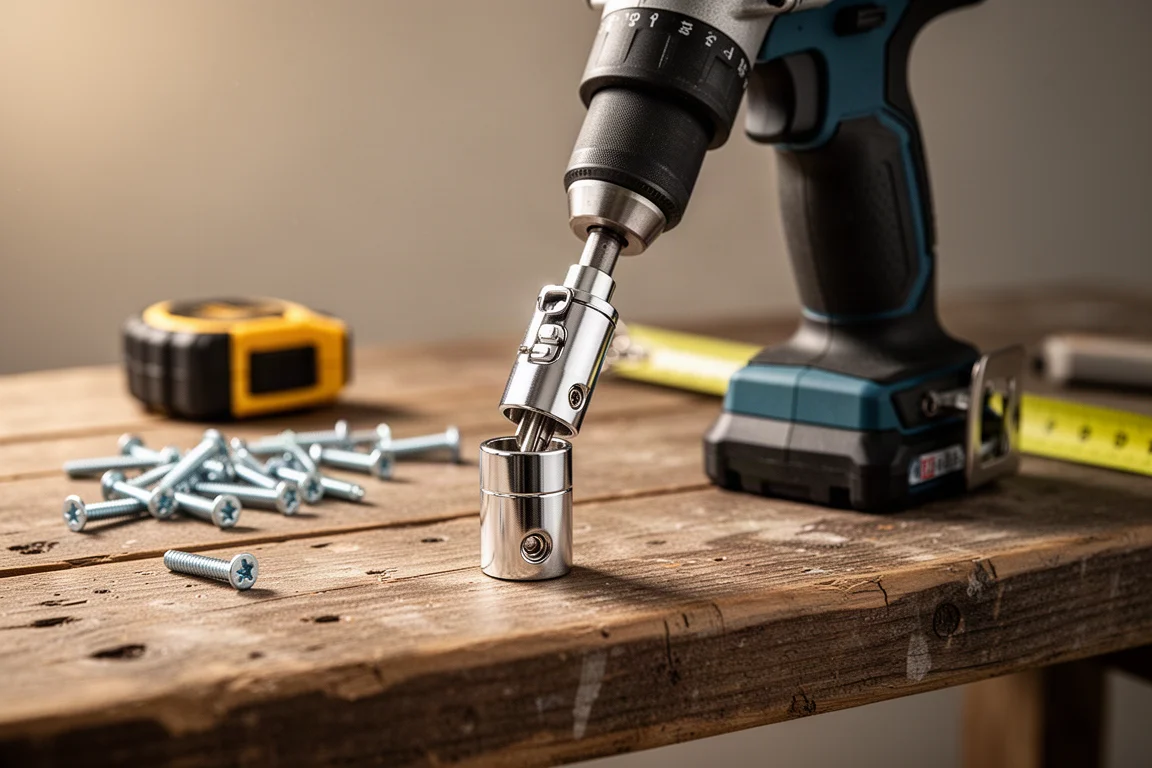
The core flip-socket function works as you would hope: flip between sizes on the business end of an impact driver without breaking stride. The quick-lock quarter-inch end lets it attach directly to a driver or hex shank. Where it falls short is versatility. If you want to drive a quarter-inch hex bit from this socket, it simply will not hold one. There is no detent on the quarter-inch side, and DeWalt makes no attempt to solve that problem.
Storage is another compromise. The socket relies on a magnet to hold spare sockets on the body, and it only seats one way. Drop it on with the larger side down and the magnet does not engage well; you have to orient it with the smaller side down for a secure hold.
How Klein Solves the Bit-Holding Problem Three Ways
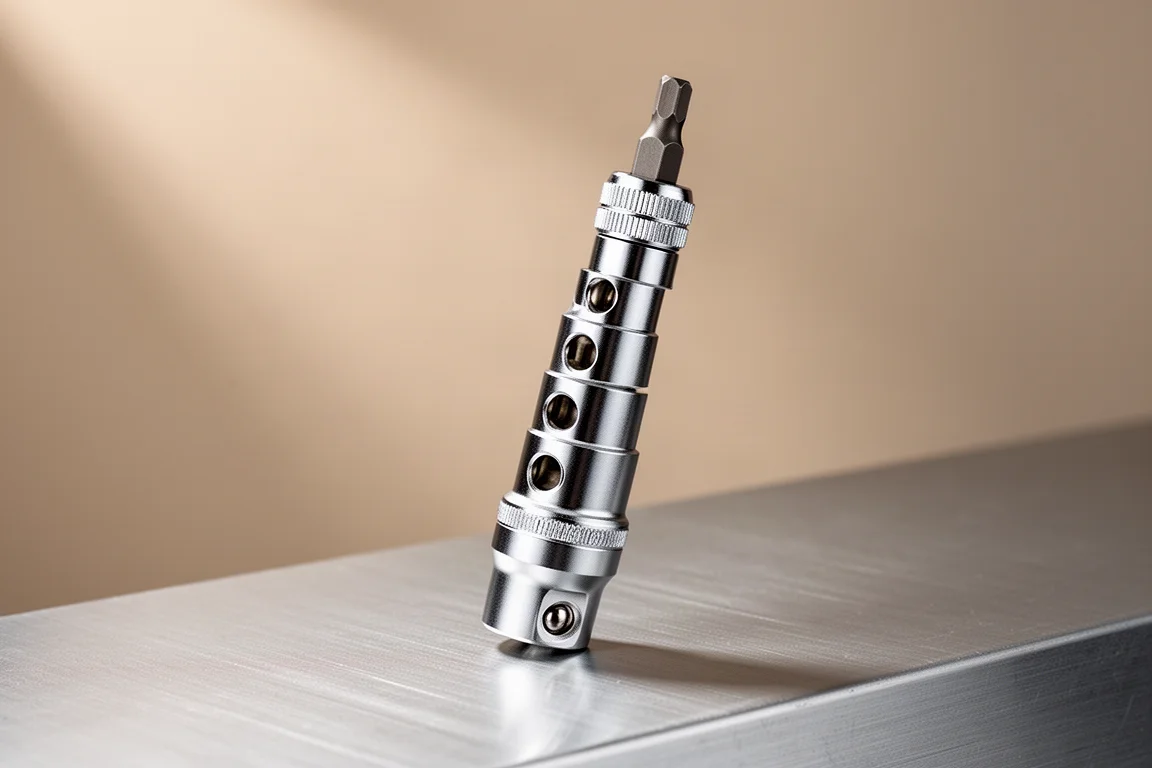
Klein’s version of this accessory addresses the same challenge with noticeably more engineering. First, a sliding double detent on the quarter-inch side lets you move the detent out of the way, turning the tool into a proper bit driver. Slide it out, insert a hex bit, and it holds.
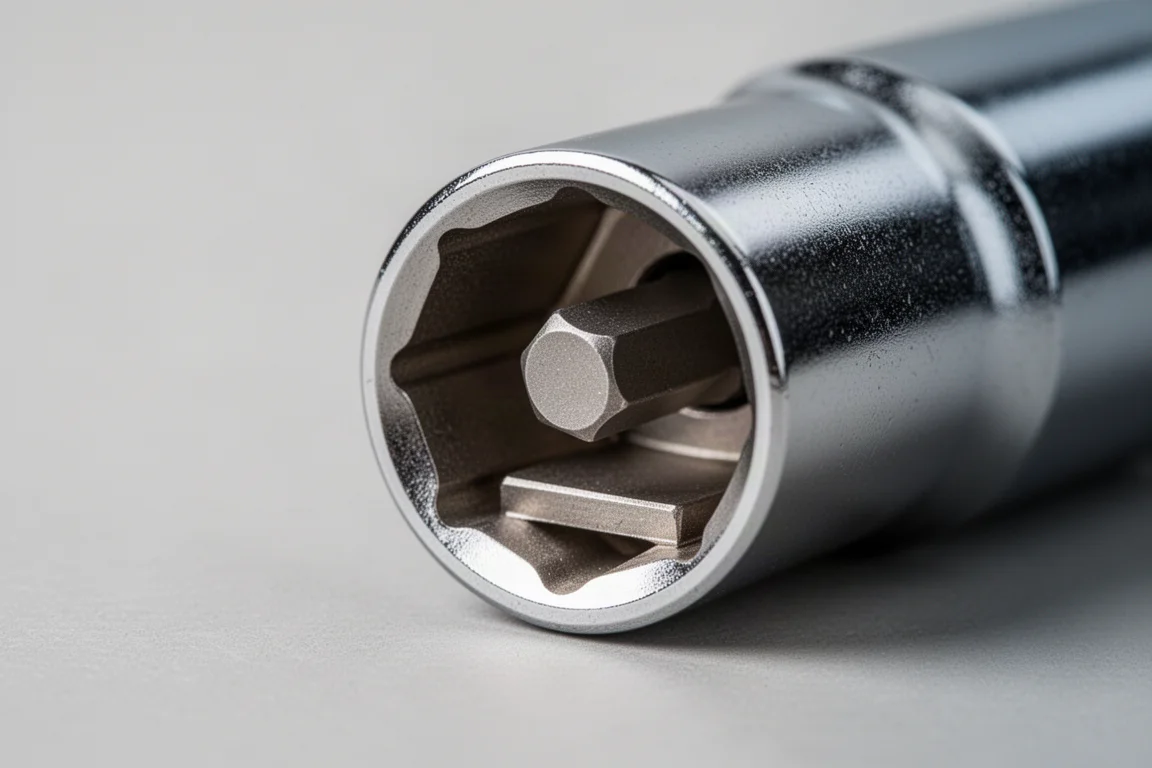
Second, the sockets contain an internal shelf that engages the bit, which means a 7 mm socket in the Klein set can hold a quarter-inch hex bit, giving metric users a workaround. Third, Klein makes a double-sided version with quarter-inch drive on both ends, but one side is designed for bits and the other for quarter-inch fasteners like machine screws, since a plain socket wall does not reach deep enough.
That said, not every Klein set includes everything. If you want the 7/16, the largest size, you have to go to a very specific Klein set. And if you pick up a set with the reversing screw or bit holder feature, you probably lose the 7/16 entirely.
Where the DeWalt Design Actually Wins
The DeWalt is not just an also-ran. Its biggest advantage is that 7/16 is always there, and 7/16 plus 3/8 is a genuinely common pairing for electrical work. There is a reason dedicated can wrenches exist in exactly those two sizes: many electrical enclosures and fasteners use them, and having both on a single flip socket means you can move between them on the end of an impact driver without changing tools.
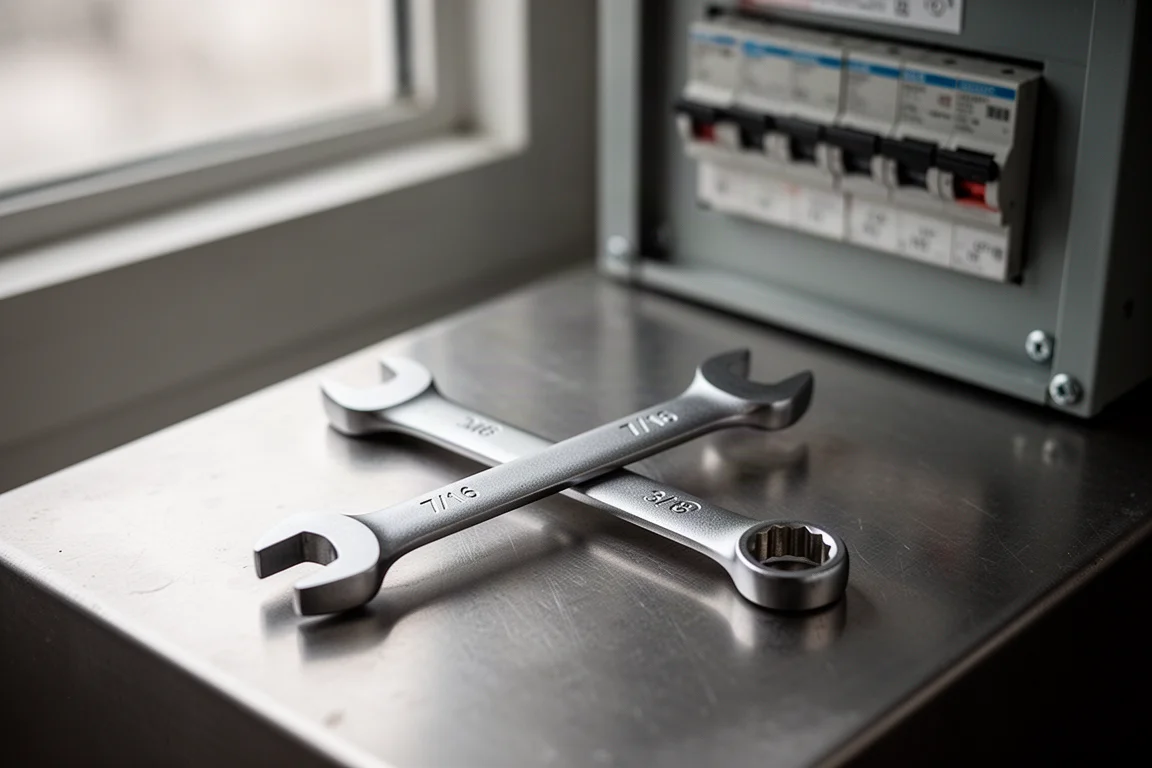
If you do not already own the Klein version, the DeWalt is a simple, inexpensive way to get that 7/16 and 3/8 flexibility on an impact driver. If you already run the Klein system, the DeWalt offers little that the Klein sets do not, and it gives up the bit-holding tricks entirely.
Which One Should You Buy?
If your work is electrical or you specifically want 7/16 and 3/8 on an impact driver, the DeWalt 4-in-1 at roughly $16.99 is an easy call. It is simple, affordable, and covers a size range the Klein sets do not always include.
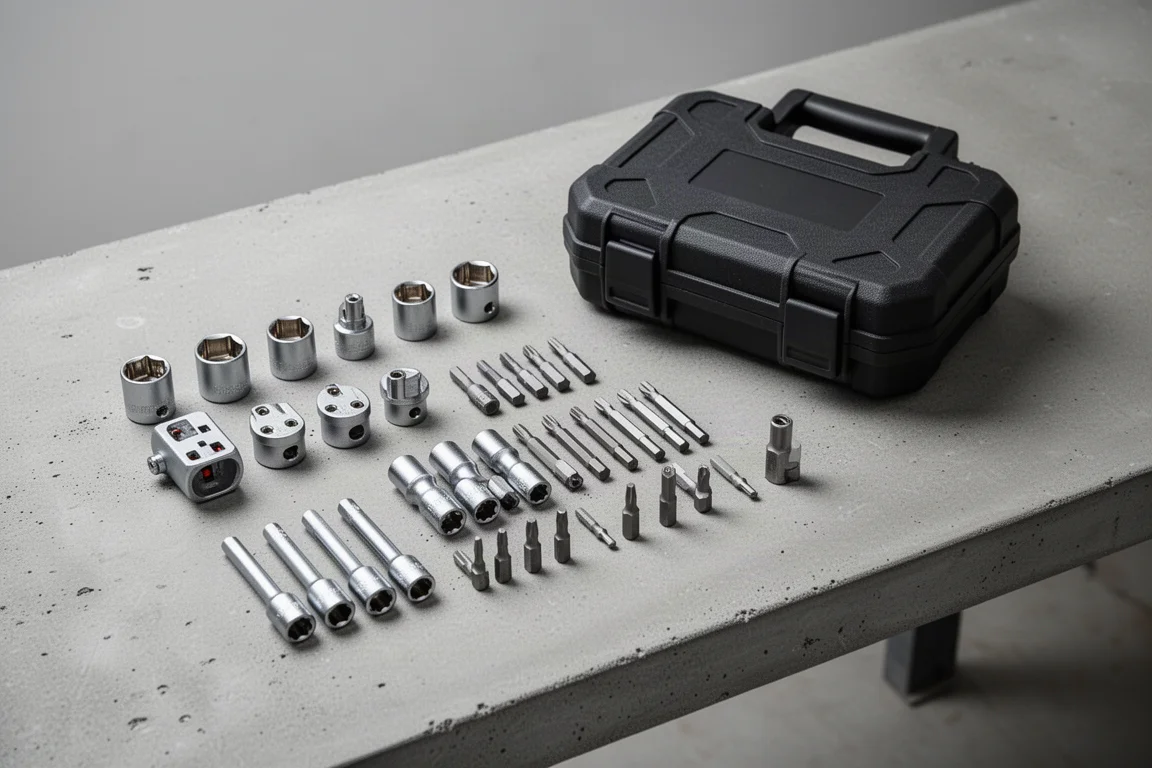
If you drive hex bits as often as fasteners, or you want a system that anticipates metric work, Klein is the more thoughtful tool by a clear margin. It solves the bit-holding problem in three separate ways, and that flexibility is exactly what the DeWalt lacks.
DeWalt is generally excellent at building kits that combine sockets, bit drivers, and accessories, so it would not be surprising to see this design refined in future versions. For now, each tool has a distinct personality: DeWalt for simplicity and the 7/16 advantage, Klein for versatility.
Conclusion
Both flip sockets do the core job well, but they are aimed at slightly different users. The DeWalt is the budget-friendly pick for electrical work where 7/16 and 3/8 matter most. The Klein is the more capable, more adaptable accessory for anyone who wants one tool that handles bits, metric sockets, and quarter-inch fasteners. Choose based on which of those problems you actually face on the job.
Further reading
Related Reviews
Hand Tools
Best Diagonal Cutters 2026: 16 Pliers Tested for Cutting Power and Durability
We put 16 diagonal cutters through nail, screw, drill bit, and hex key tests to find the best value picks for your toolbox.
Hand Tools
Best Hex L Key Sets 2026: Nine Sets Tested for Real-World Torque
Nine hex L key sets from budget to premium, tested for torque, fit, and durability. See which sets deliver real performance and which ones to skip.
Hand Tools
Best Locking Pliers 2026: Top Picks Tested for Grip and Durability
We tested 18 brands of 10-inch locking pliers for grip strength, jaw bite, build quality, and ease of release to find the best options for tough jobs.