Power Tools
DeWalt 21° Framing Nailer Review: Old-School Flywheel, New-Level Performance
The new-generation DeWalt 21° framing nailer swaps digital features for an analog flywheel design, and the trade-off might work in your favor.
Introduction
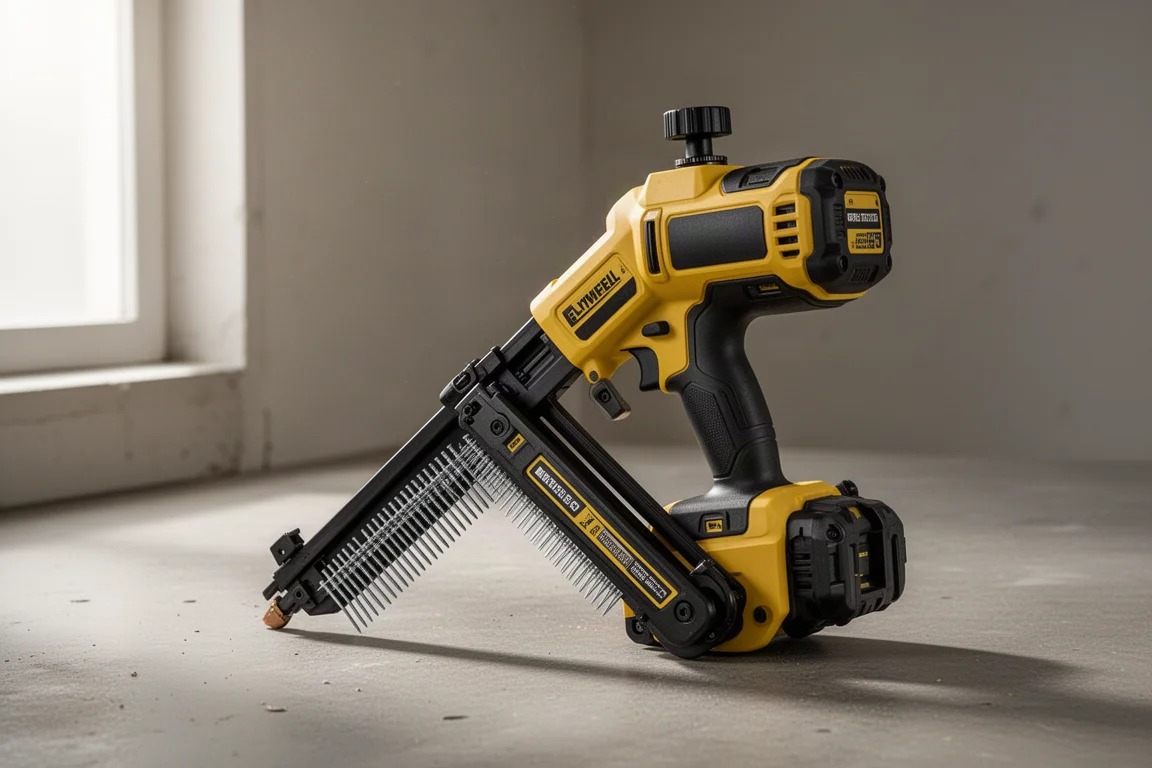
The new-generation DeWalt 21° framing nailer has just hit the market, and at first glance it looks a lot like the old model. That first impression is understandable, but it undersells what has changed. The previous version was decent when it launched, then aged poorly as competing nailers caught up. This new one is a different story, and the headline is that DeWalt stuck with an analog flywheel design instead of going digital. That choice looks old school on paper, but there are real reasons it might not be such a bad idea.
First Impressions: Familiar Looks, Meaningful Changes
When the tool first appeared, it looked nearly identical to its predecessor, and the flywheel mechanism seemed like a step backward in a market where everything is going digital. Feedback from actual use changes that picture considerably. This nailer is oil-free, weighs a pound less than the previous model at 8.65 lb (the old one tipped over 10 lb), and performs dramatically better, especially when firing nails one after another. The previous model was horrendous to get consistent fires out of; this one sinks nails reliably the moment you pull the trigger.
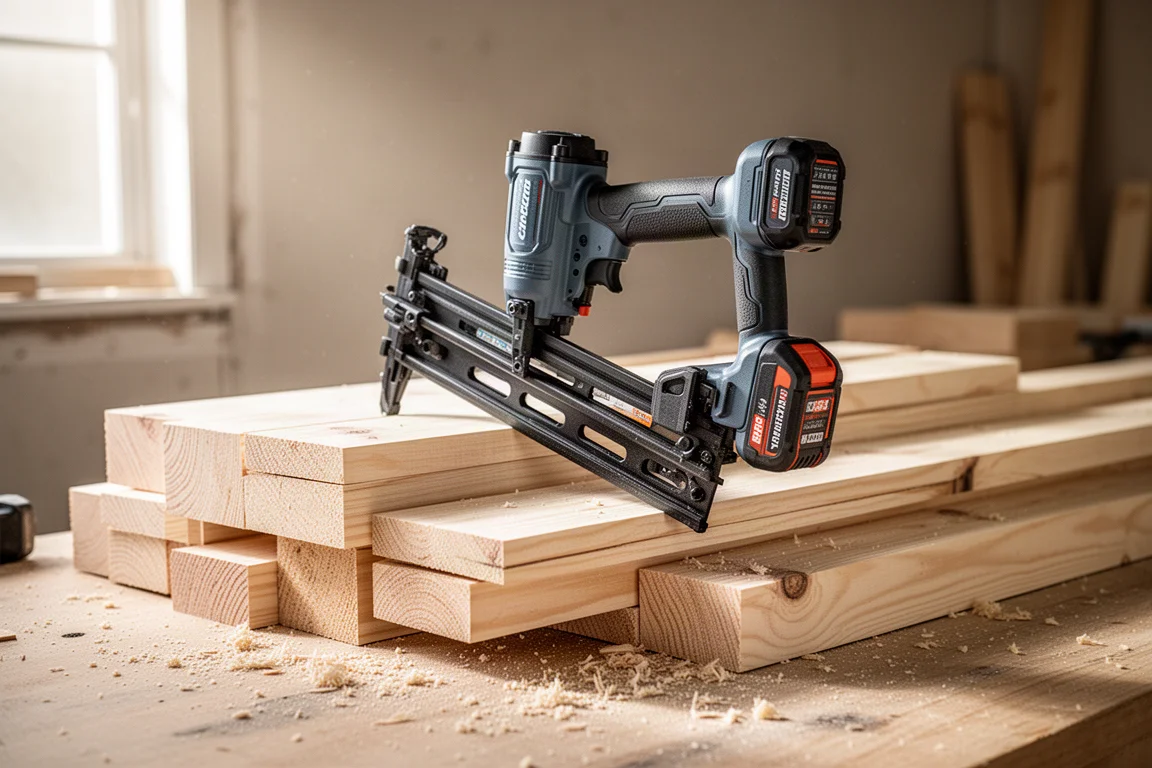
The flywheel spins up when you press the trigger and keeps running for about 6 seconds after firing before shutting itself off. You will hear it, and if you are sensitive to noise it might get on your nerves. On a construction site, though, nobody expects quiet.
Magazine Options and Nail Capacity
The nailer ships with a standard magazine that holds about one clip of nails. DeWalt also released a 30° version alongside it, and there is an extended magazine available for around $89 that holds up to two clips of nails and accepts nails up to 3-1/2 inches. Swapping magazines is genuinely simple: two screws, done, and an Allen wrench is attached to both magazines. Reloading mid-task is straightforward too, with the tool showing roughly how many nails remain before it stops firing.
Firing Performance and Depth Adjustment
Firing modes are switched with an analog toggle from single shot to what could generously be called Rambo mode. Once ramped up, the tool fires sequentially with no hesitation, and it sinks nails noticeably deeper and more consistently than the previous generation. The aggressive contact claw teeth grip the work surface well, and a non-marring pad is included, though on a framing nailer it feels a bit optimistic.
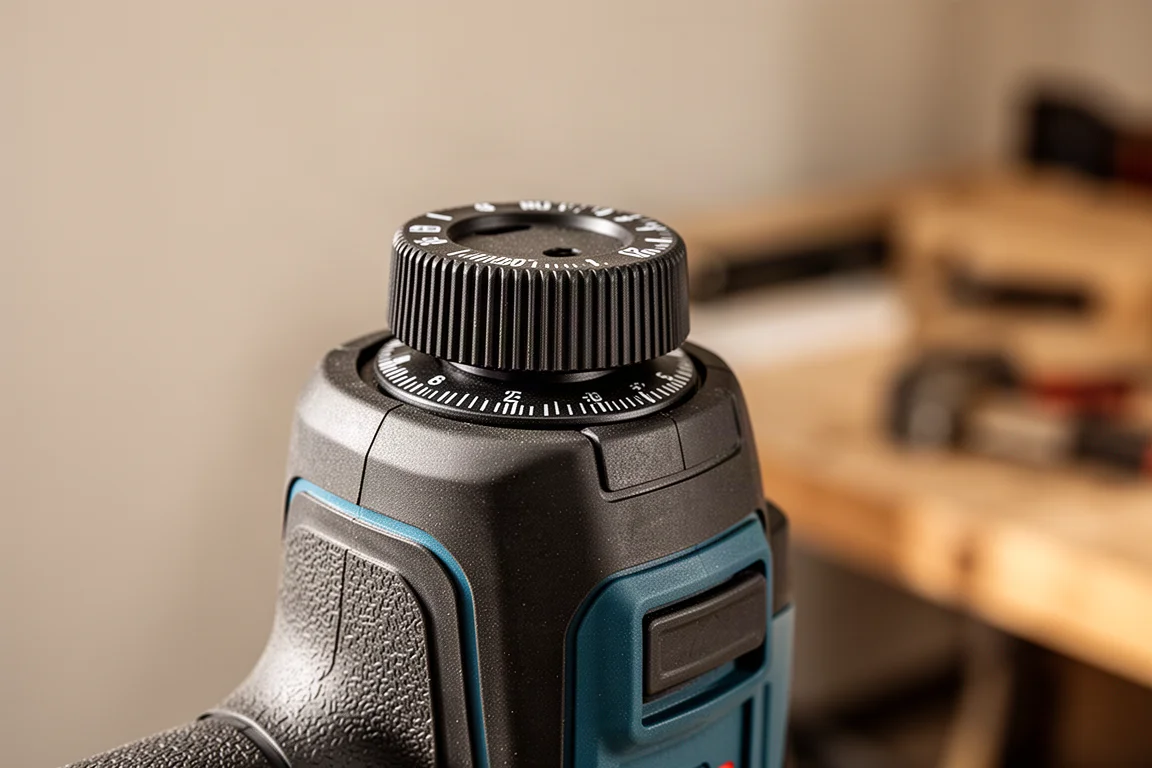
Depth adjustment is handled by a larger knob on top of the tool, and it works very well. You can set nails flush, back them off, or drive them all the way through with a simple turn. DeWalt also kept the stall release lever: a light flashes when there is a jam, and pushing the lever usually clears it. Worst case, you remove the front end and unjam it yourself, but it is a pretty simple tool to live with.
Size and Weight: Where DeWalt Could Have Done Better
This is the one area where the criticism sticks. Even at 8.65 lb, the tool is still beefy and bulkier than the Milwaukee M18 competition, which is a little slimmer. DeWalt could have brought the size down more than they did, and for anyone weighing this against the Milwaukee, that bulk is worth factoring in. The weight saving over the previous model is real, but the silhouette is not what you would call compact.
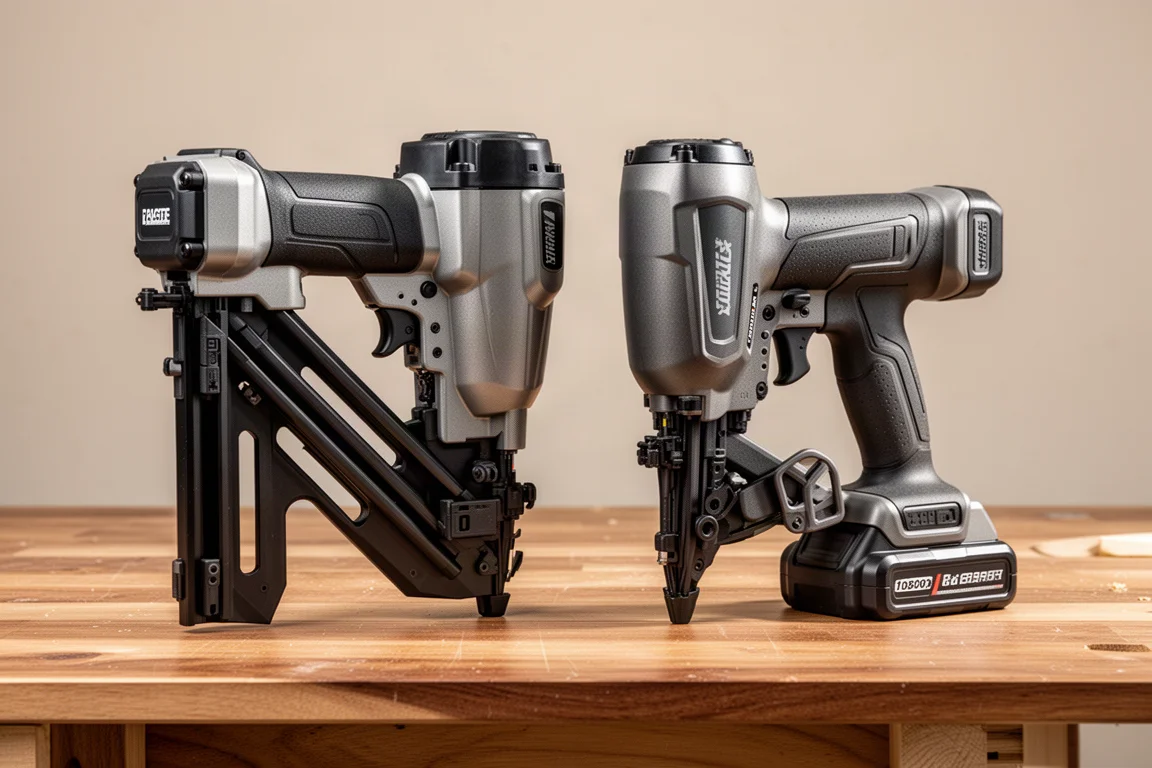
On the productivity side, the claimed numbers are solid: up to 530 square feet of subfloor per charge, presumably on a 5Ah battery, and up to 100 linear feet of wall framing per charge.
The Analog Argument: Why Flywheel Might Be the Smarter Bet
Here is the part that turned skepticism into appreciation. Some competing digital nailers track nail counts, and there are reports of manufacturers refusing warranty coverage on multi-year warranties if they decide you have fired too many nails. Whether or not you will ever hit that, the concern is real for heavy users. The DeWalt flywheel design avoids that entirely: it is easier to fix, has fewer delicate parts to fail, and you can use it as hard as you want within the warranty period without worrying about a nail-count clause.
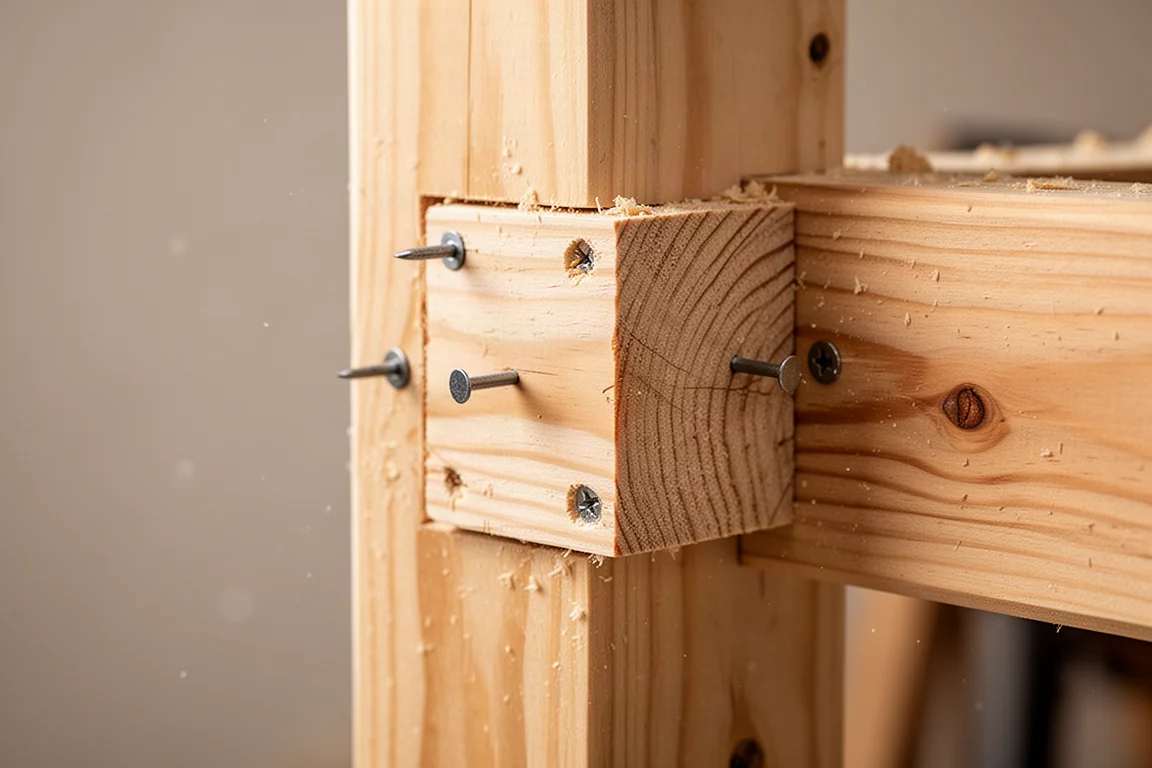
There is also nothing to refill. No gas cartridges, no compressed air, no pneumatic hose dragging behind you. It is a tool that just does its job, and in this generation it does that job well. The noise is the main cost of the flywheel approach, and only you can decide whether simplicity is worth it.
Buying Advice
If you frame regularly and value durability, easy repairs, and consistent firing over fancy diagnostics, this nailer makes a strong case. If you want the slimmest tool on the shelf or prefer fully digital platforms, the Milwaukee M18 remains worth a hard look. Either choice is defensible; it comes down to whether you would rather have simple and serviceable or compact and digital.
Conclusion
The new DeWalt 21° framing nailer is a million times better than the model it replaces: lighter, oil-free, far more consistent, and easier to service. It is still bulkier than the competition, and the flywheel whine will not be for everyone, but the analog simplicity means fewer things to break, no gas or air to manage, and no warranty fine print to worry about. For framing work, it does the job and does it well.
Product link
View more details for DeWalt 21° Framing Nailer
This product is mentioned in the review. Check the specifications, options, and compatibility before buying.
View more details for DeWalt 21° Framing NailerFurther reading
Related Reviews
Power Tools
Best 1-Inch Pistol Impact Wrenches: Three Heavy-Duty Options Compared
We compare three 1-inch pistol impact wrenches, from a budget-friendly Harbor Freight model to a premium Caterpillar unit, to help you choose the right one.
Power Tools
Best 3/4-Inch Impact Wrenches 2026: Five Contenders Compared
We compare five 3/4-inch impact wrenches across price and performance, from a budget Amazon option to Snap-on's most powerful model yet.
Power Tools
Best Budget Cordless Tools 2026: Walmart Finds That Punch Above Their Price
We tested five cordless tools from Walmart, including a high-torque impact wrench that trades blows with Milwaukee and a $35 duster that outperforms its price class.