Power Tools
DeWalt 20V Max Wet/Dry Vac: DCV580H vs DCV581H Compared
Two versions of DeWalt's compact jobsite wet/dry vacuum, with real-world runtime, suction, and durability notes to help you pick the right one.
Introduction
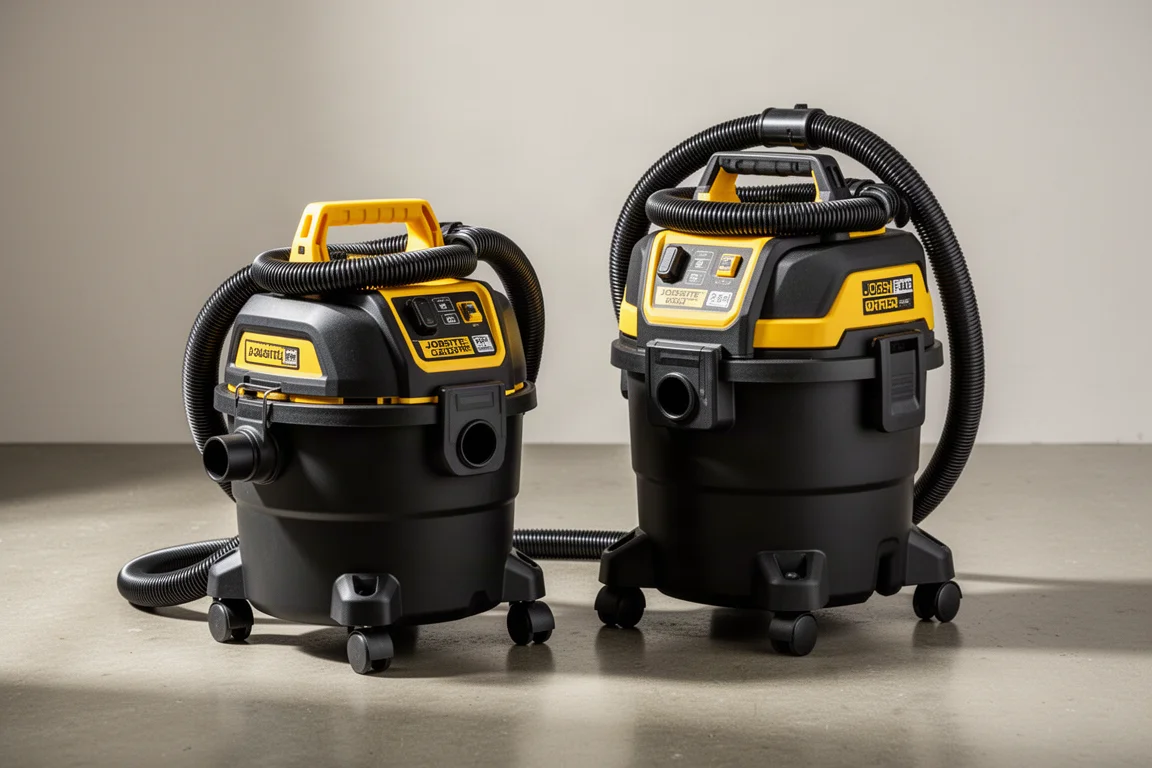
DeWalt’s 20V Max 2-gallon wet/dry vacuum has quietly become a jobsite staple: a compact “dustbuster” for picking up small amounts of concrete, drywall, and sawdust, and a handy water puller for bathroom remodels. It comes in two versions: the cordless-only DCV580H and the cordless-plus-corded DCV581H. After years of hands-on use with both formats, here is how they compare and which one makes the smarter purchase.
What This Vacuum Is Built For
This is not a replacement for a full-size corded shop vac. It is a two-gallon, battery-powered cleanup tool designed for small messes: sawdust piles, drywall crumbs, concrete dust, and the occasional pull of water out of a toilet during a remodel. In that role it works very well, and it is the kind of tool that is genuinely convenient to have on the truck.
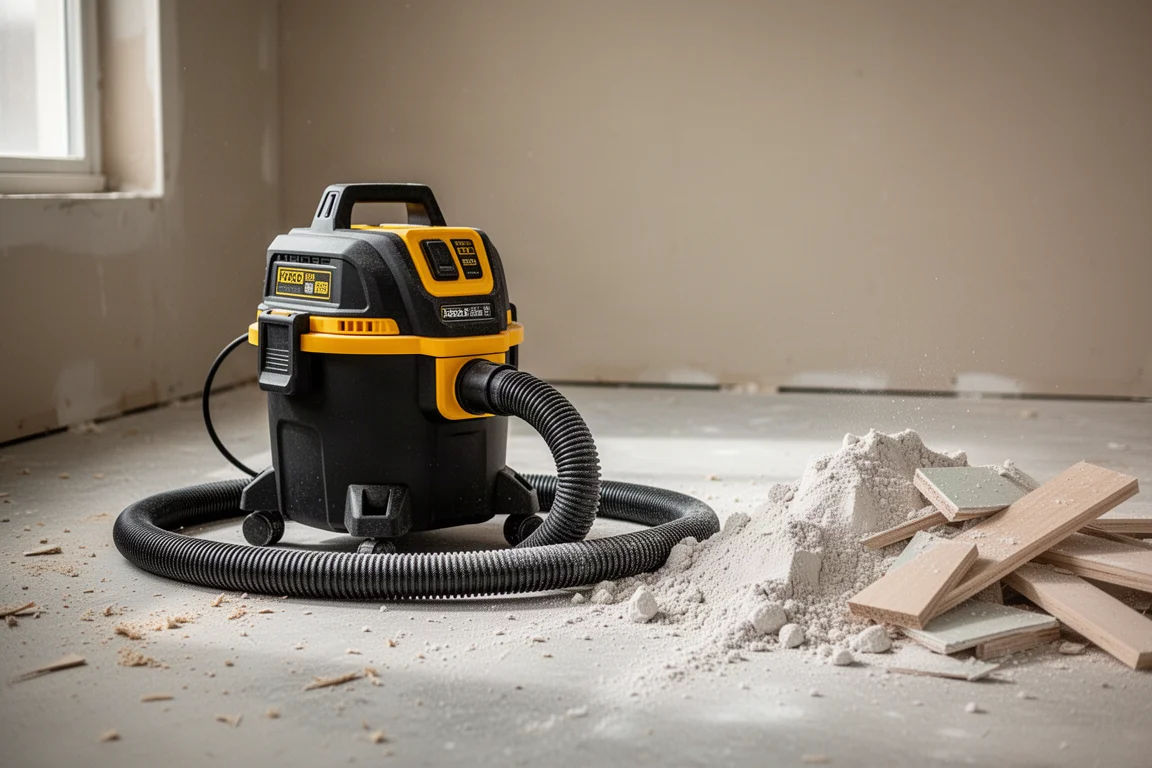
Both versions run on DeWalt 20V Max batteries as well as the older 18V style, and FlexVolt batteries work too. DeWalt rates suction at 31 CFM, which is modest for this class; competing 2-gallon cordless vacs from Milwaukee and Makita, and Rigid’s 3-gallon unit, all quote higher airflow numbers. In practice, though, it still earns its keep as an effective jobsite dustbuster for small cleanup work.
Cordless Only: DeWalt DCV580H
The DCV580H is the cordless-only version. It weighs 7.9 lbs without a battery, and with a fully charged 5Ah battery it delivers about 25 minutes of under-load runtime. That is enough for most small cleanup tasks between charges, and the HEPA-style wet/dry filter that ships with it is rated for both wet and dry pickup.
One caveat worth knowing: long-term reliability has been mixed. After roughly a year of construction use, one unit’s circuit board burned out, leaving a visible burnt spot. The replacement board is inexpensive at around $25, and fitting it is a straightforward fix, but the failure is worth factoring into your decision.
Cordless and Corded: DeWalt DCV581H
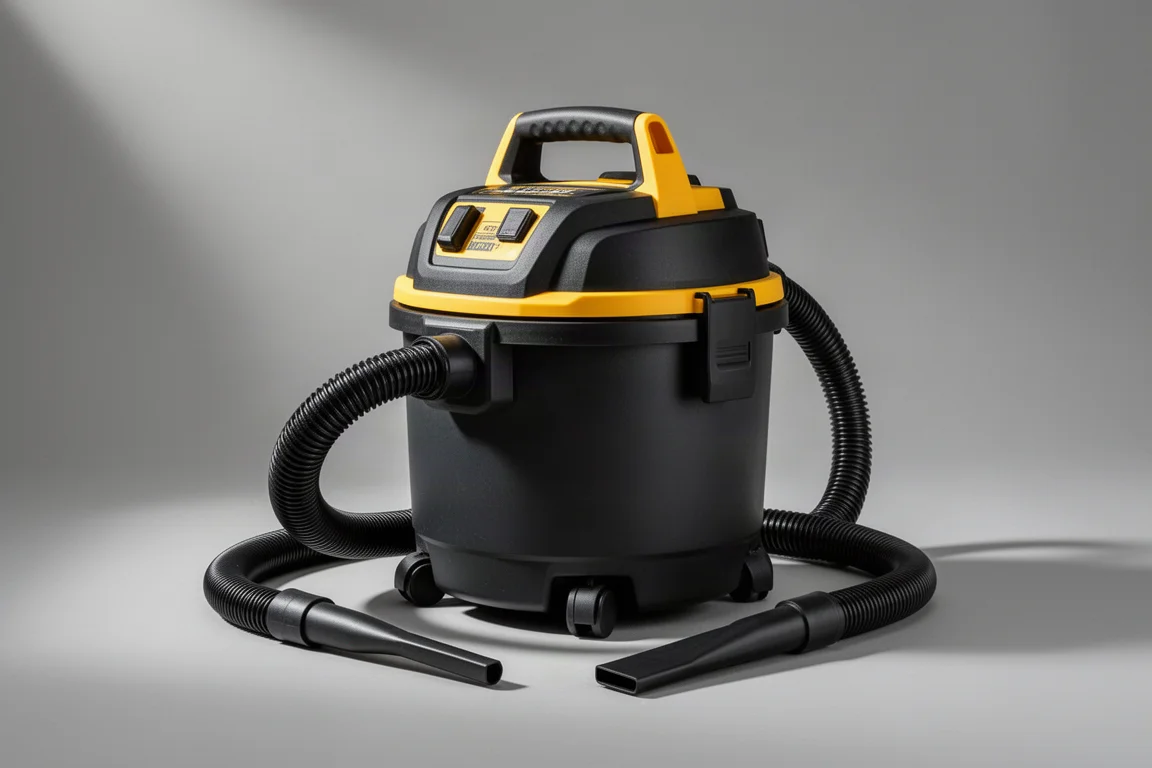
The DCV581H adds the option to plug in, and it is the version that has proven itself over the long haul, with roughly six years of use and no issues. It weighs 9.1 lbs without a battery, only marginally more than the cordless model, and in side-by-side testing the suction felt identical whether running on a fully charged 5Ah battery or on corded power.
The practical question is whether the cord option is worth the slight weight penalty. In years of ownership, the cord was used exactly once, just to confirm it worked, which makes it feel like dead weight for many users. But it is a genuinely useful fallback, and the longer-term reliability record of this model is a real point in its favor.
Attachments and Everyday Handling
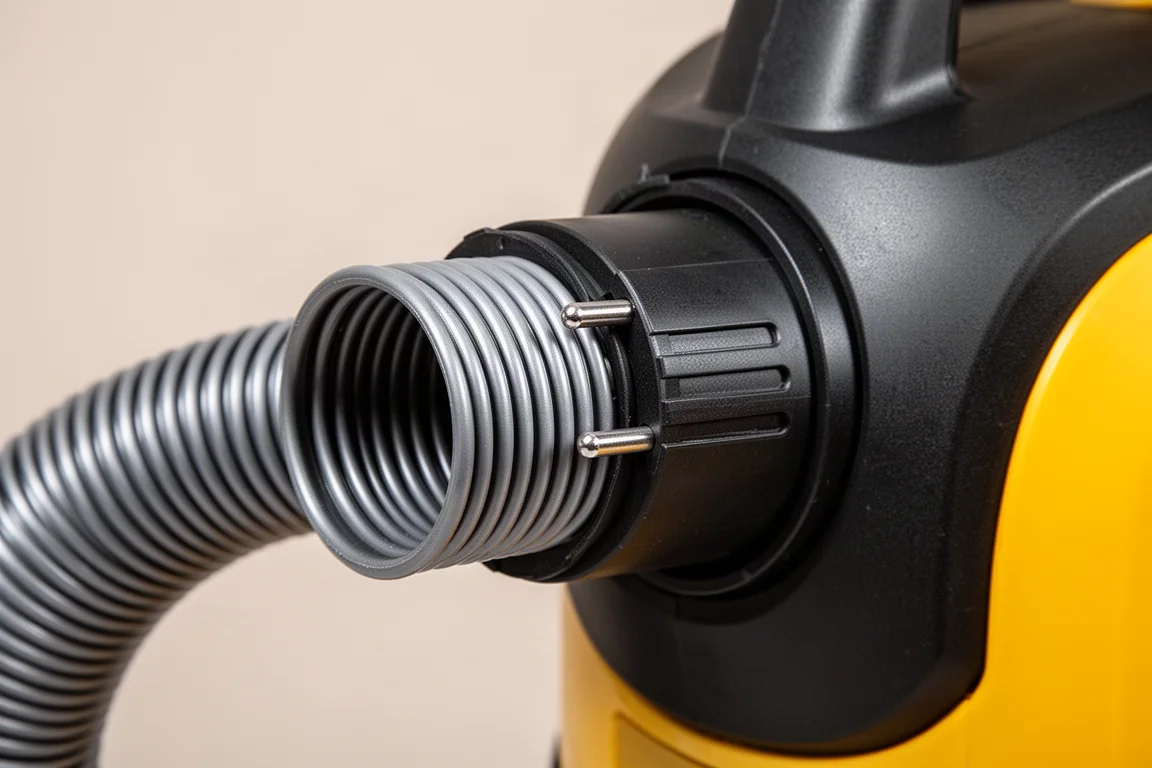
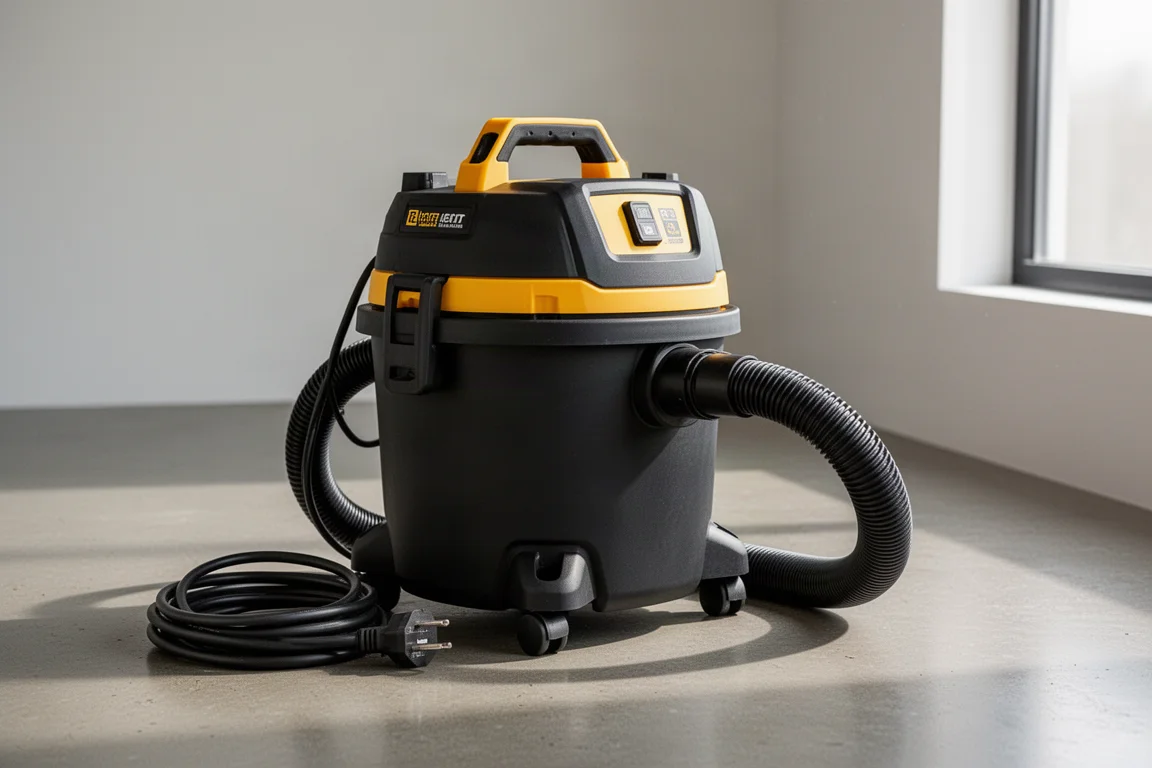
Both models come with a well-thought-out accessory set. The handle stores a crevice tool that works very well for tight gaps, and the rear of the vac holds a wide-mouth accessory with blocked teeth designed to pull dirt and hair out of car or truck carpet. The hose locks into the exhaust port with a simple quarter-turn twist: two pins align with two grooves, slide in, turn an eighth of a turn to the right, and you can then blow off your tools at the end of the day.
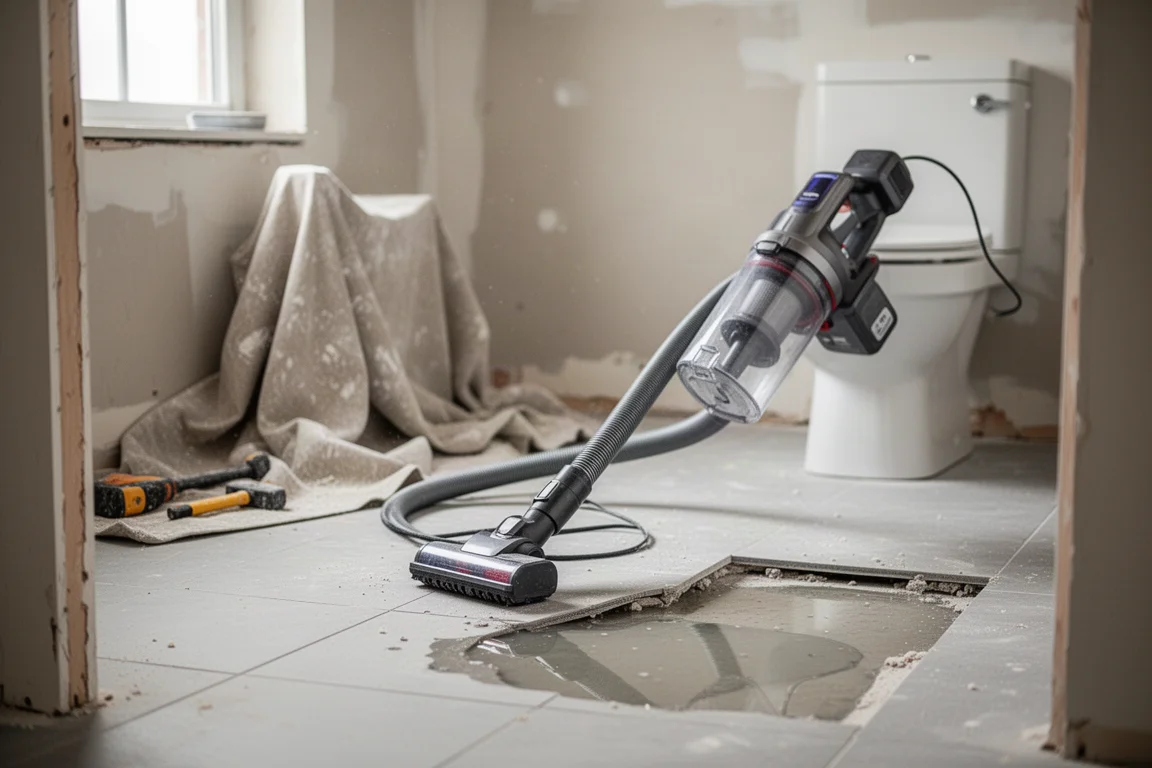
The two-gallon bin is easy to manage, and the long-life wet/dry filter is DeWalt’s recommendation for both wet and dry pickup. In practice, swapping or removing a dirty filter mid-task is fiddly, so plan your wet and dry work accordingly.
Performance: Suction, Runtime, and Power
On the floor, the two versions perform the same. Power output between the cordless-only model and the corded/cordless hybrid is indistinguishable, and battery versus corded operation on the hybrid produces no noticeable difference in suction. Weight is the only real separator, and at about a pound apart, it is barely noticeable in use.
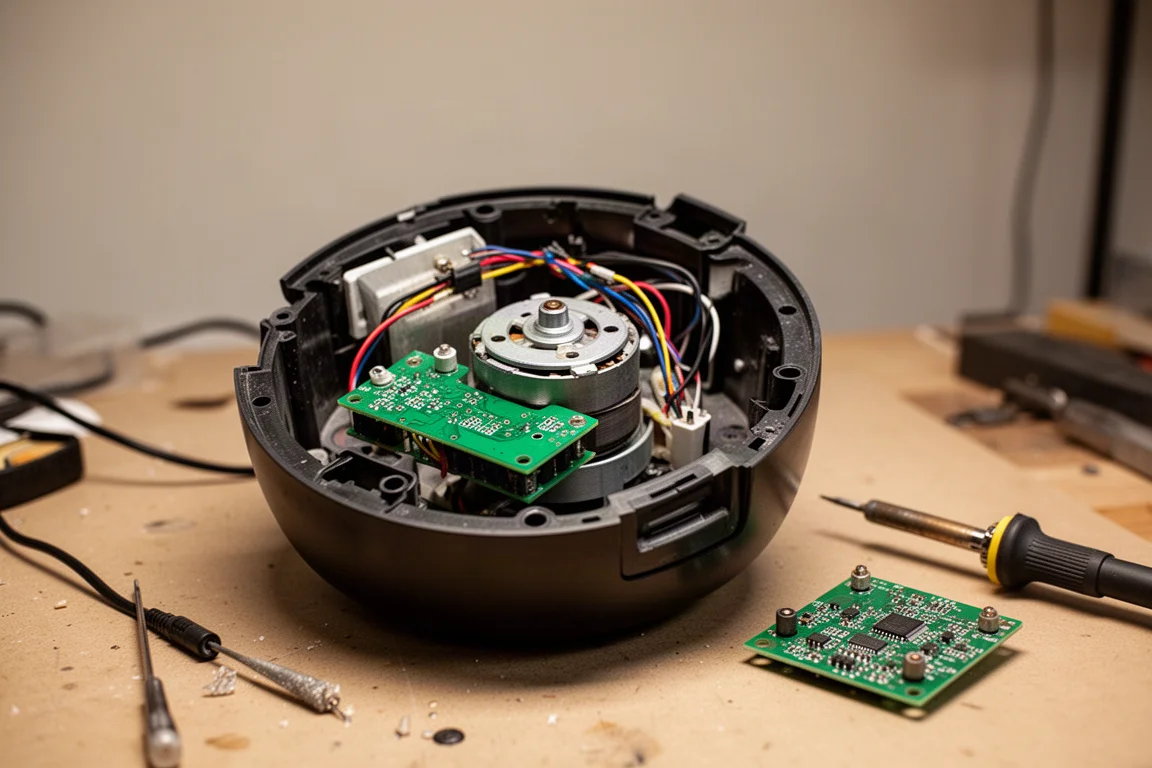
Keep expectations calibrated: this is a dustbuster, not a dust-extraction system. It is excellent for jobsite cleanup and toilet water removal, but for sustained miter-saw dust collection, a more powerful corded vac is the better tool for that type of work.
Which One Should You Buy?
Knowing what is now known, the DCV581H is the safer bet. It carries a longer track record of reliability, and reports of burnt-out circuit boards have centered on the cordless-only model rather than the hybrid. The hybrid’s board also costs more to replace, around $100 versus $25, which likely reflects its more capable design, and newer units may ship with a redesigned board with upgraded components.
If you already own batteries and mainly want the lightest possible cleanup vac, the DCV580H remains a capable option, and the newer board may address the earlier failure issue. But for most buyers, the small weight penalty of the DCV581H buys peace of mind and a cord you may rarely use but will be glad to have.
Conclusion
Both versions of DeWalt’s 20V Max 2-gallon wet/dry vac do the same job well: quick jobsite cleanup, small water pulls, and convenient cordless operation on a shared battery platform. The DCV581H edges ahead thanks to its stronger reliability record and corded fallback, making it the pick for most buyers, while the DCV580H suits those who want the lightest cordless-only setup.
Further reading
Related Reviews
Power Tools
Best 1-Inch Pistol Impact Wrenches: Three Heavy-Duty Options Compared
We compare three 1-inch pistol impact wrenches, from a budget-friendly Harbor Freight model to a premium Caterpillar unit, to help you choose the right one.
Power Tools
Best 3/4-Inch Impact Wrenches 2026: Five Contenders Compared
We compare five 3/4-inch impact wrenches across price and performance, from a budget Amazon option to Snap-on's most powerful model yet.
Power Tools
Best Budget Cordless Tools 2026: Walmart Finds That Punch Above Their Price
We tested five cordless tools from Walmart, including a high-torque impact wrench that trades blows with Milwaukee and a $35 duster that outperforms its price class.