Power Tools
DeWalt 20V Atomic Impact Wrenches: DCF921 vs DCF923 for Compact Fastening Work
Two compact DeWalt Atomic impact wrenches with big claimed numbers. Here is how they behave in real assembly and removal work, and who they actually suit.
Introduction
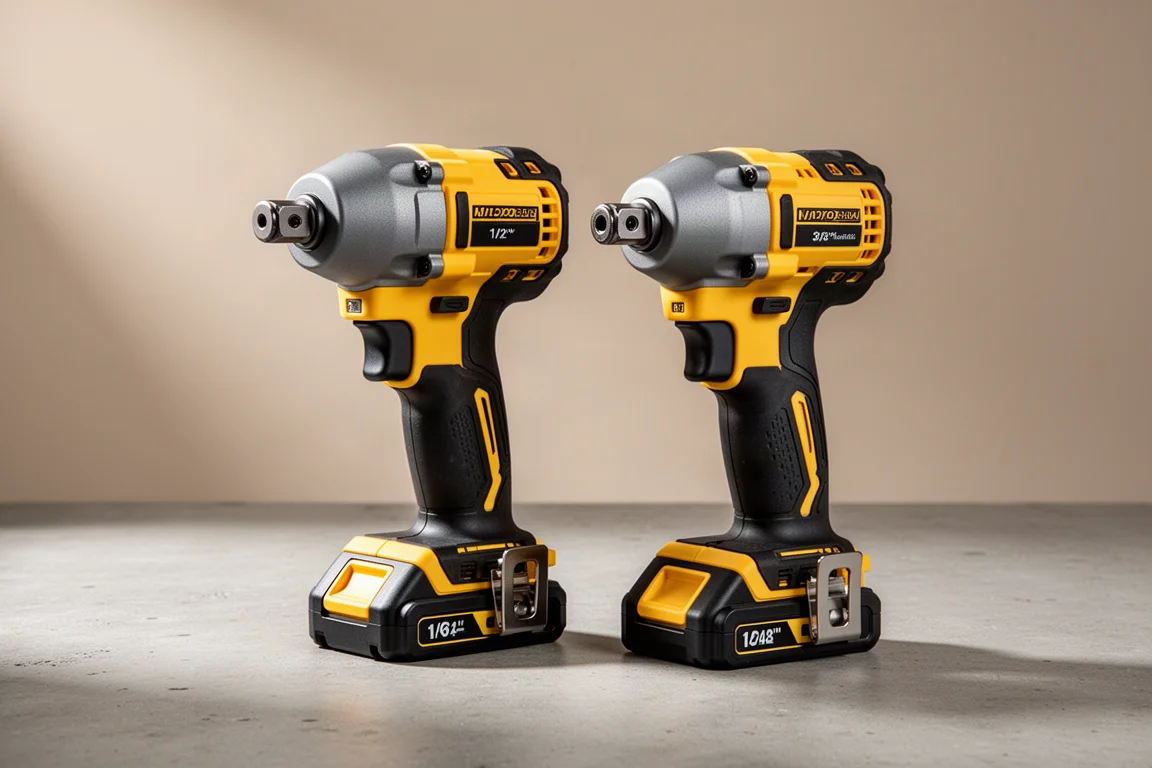
Compact impact wrenches get a lot of attention right now, and the DeWalt 20V Atomic series is a clear example of why. The line comes in two anvil sizes: the DCF921 with a 1/2-inch anvil and the DCF923 with a 3/8-inch anvil. Both are rated at 300 ft-lb of fastening torque and 450 ft-lb of nut-busting removing torque, which are huge numbers for a tool this small.
The reality is that most buyers will use these wrenches far below those figures. They shine in assembly, disassembly, and adjustments where speed, size, and control matter more than maximum breaking power. This review walks through the design, the controls, how the tools behave in everyday tasks, and what the torque testing actually showed.
Design and Controls
In its typical configuration, this wrench runs a compact battery, which keeps it lightweight, easy to move around, and quick to reposition. The tool measures about 5 inches front to back, which is genuinely tiny for an impact wrench. The DeWalt pistol grip is comfortable even for larger hands, with plenty of room, and the overall ergonomics feel pure DeWalt.
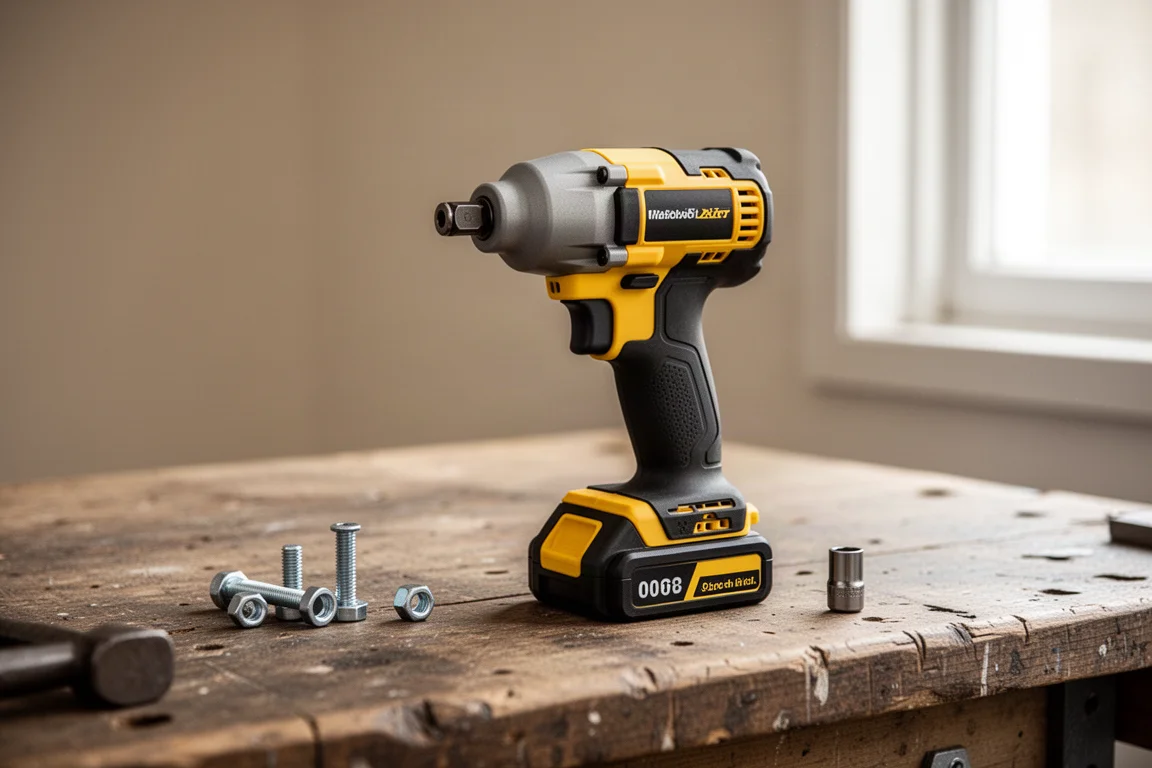
The tool offers two speed settings rather than three. Speed one is mild and works well for small tasks, while speed two kicks significantly harder. The variable speed trigger is excellent and gives precise control across the range.
There are also two special modes. A machined fastener setting removes fasteners at full force until tension is nearly gone, then slows down so a bolt or nut does not whip across the floor. A lag bolt setting supports driving lags for deck work. Some users may find the fastener mode useful, but for very small fasteners it is arguably unnecessary since the trigger itself is fully controllable.
Everyday Use: Assembly and Adjustments
This is where the Atomic series really lives. For assembly, disassembly, and adjustments, level one alone is often all you need, and it is fast. On aluminum work and other delicate jobs, the limited power is actually an advantage: you can hold a part in place with a free hand, tighten things up, and know you are not going to strip something out simply because the tool has too much power.
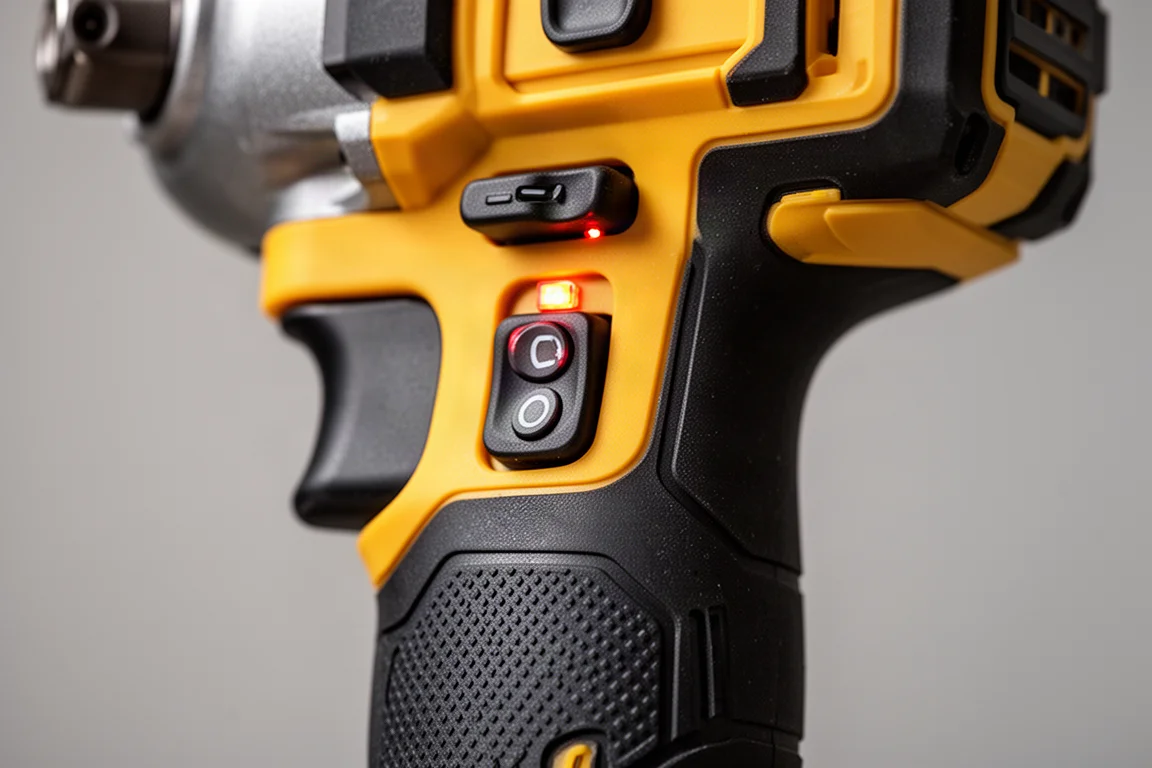
The membrane switches are nicely done, though they replace the older sliding speed selector. One genuinely welcome feature is control over the LED light. You can turn it off entirely, even with the trigger pulled, run it on low, or run it on high, where it stays lit for 10 to 15 seconds after the trigger is released. There is also Tool Connect support on the bottom of the tool for users who track their fleet.
Testing the Claimed Numbers
To see how close the tools come to their ratings, the DCF921 was tested against bolts tightened with a 4-foot-long, 3/4-inch torque wrench. At a 300 ft-lb fastening attempt with a compact battery, the tool did not quite reach the full figure with that particular bolt and socket combination, landing slightly short.
Removing is a different story. A bolt tightened to around 300 ft-lb was removed without issue, though it required a lot of hammering. At 400 ft-lb, the tool gave some movement at first and then stalled out. With a 5-amp-hour battery attached, the tool managed the 300 ft-lb removal again, though still with considerable hammering. Notably, the compact battery keeps the tool better balanced and easier to maneuver, even though the larger battery does not fit or feel badly.
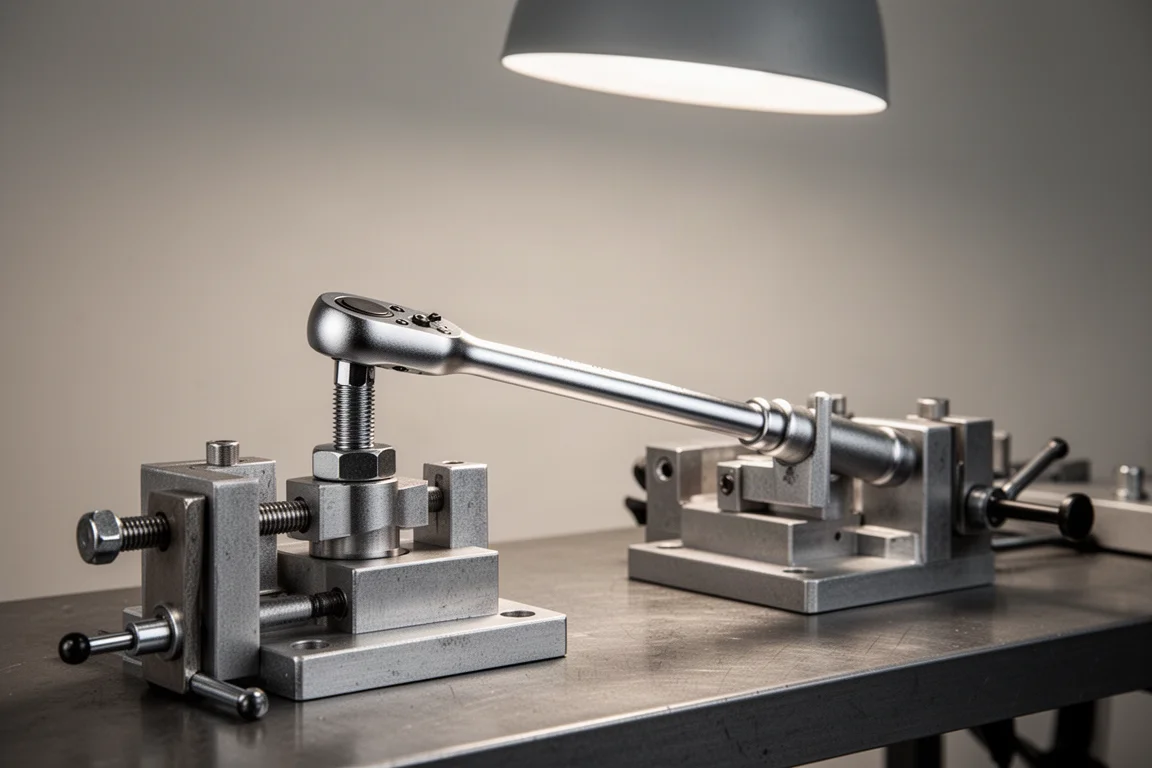
The important takeaway is that missing the printed spec in informal bench testing is not a dealbreaker. Different bolts and situations will produce different results, and published nut-busting figures are best treated as a ceiling rather than a daily target.
Who Should Buy One of These
Realistically, this tool lives best at 150 ft-lb and below. In that range it is snappy, quick, easy, and controllable. It works well for small assembly tasks, engine compartment work, and general fastening where a free hand is useful.
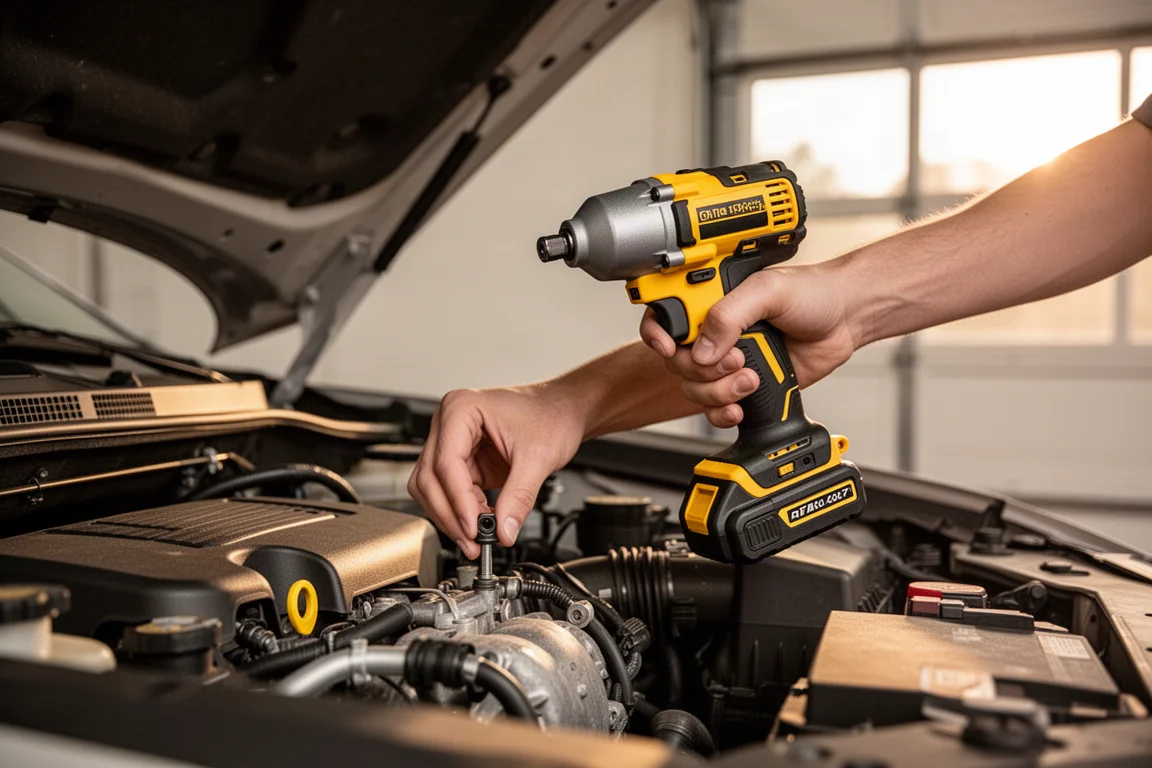
If your needs involve consistent tire rotation, suspension work, or removing lug nuts tightened beyond 300 ft-lb, a mid-torque or larger impact wrench is the better choice. It will remove a normal lug nut, but the extended hammering gets tedious, and a tire shop that overtightens lugs could leave you frustrated. Deck lag driving is possible and will likely work fine, though each lag takes a bit longer than it would with a bigger tool.
Conclusion
The DeWalt 20V Atomic DCF921 and DCF923 are excellent compact impact wrenches when you buy them for the right jobs. They are small, comfortable, fast, and controllable, and they handle assembly, disassembly, and adjustment work brilliantly. If you need serious nut-busting power every day, step up to a larger model. If you want a compact yellow tool that makes small stuff easy, this series fits that role very well.
Product link
View more details for DeWalt 20V Atomic DCF921 Impact Wrench
This product is mentioned in the review. Check the specifications, options, and compatibility before buying.
View more details for DeWalt 20V Atomic DCF921 Impact WrenchFurther reading
Related Reviews
Power Tools
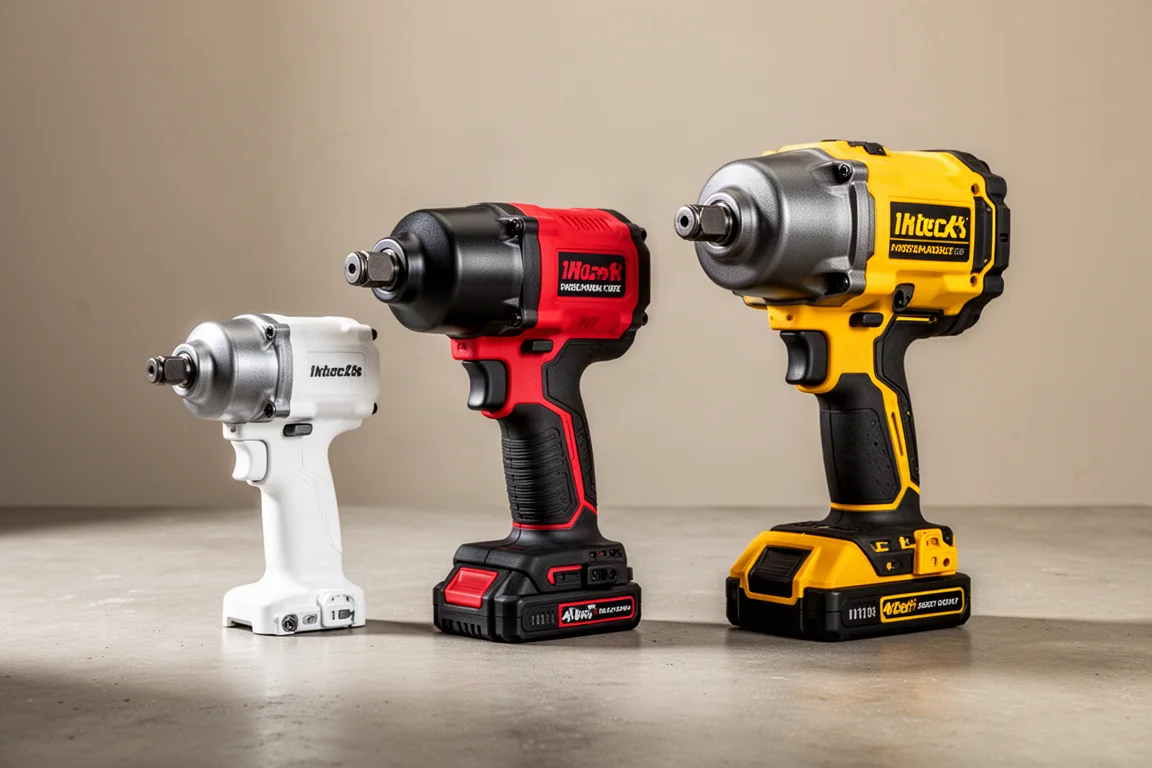
Best 1-Inch Pistol Impact Wrenches: Three Heavy-Duty Options Compared
We compare three 1-inch pistol impact wrenches, from a budget-friendly Harbor Freight model to a premium Caterpillar unit, to help you choose the right one.
Power Tools
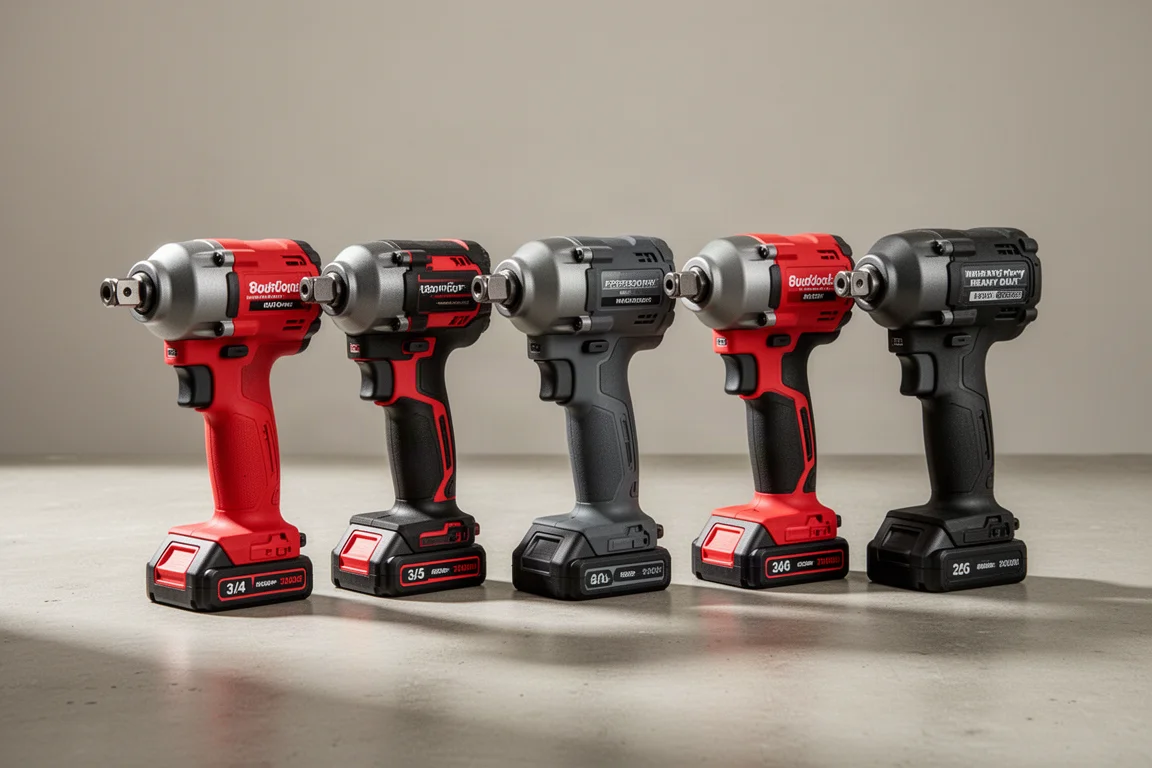
Best 3/4-Inch Impact Wrenches 2026: Five Contenders Compared
We compare five 3/4-inch impact wrenches across price and performance, from a budget Amazon option to Snap-on's most powerful model yet.
Power Tools
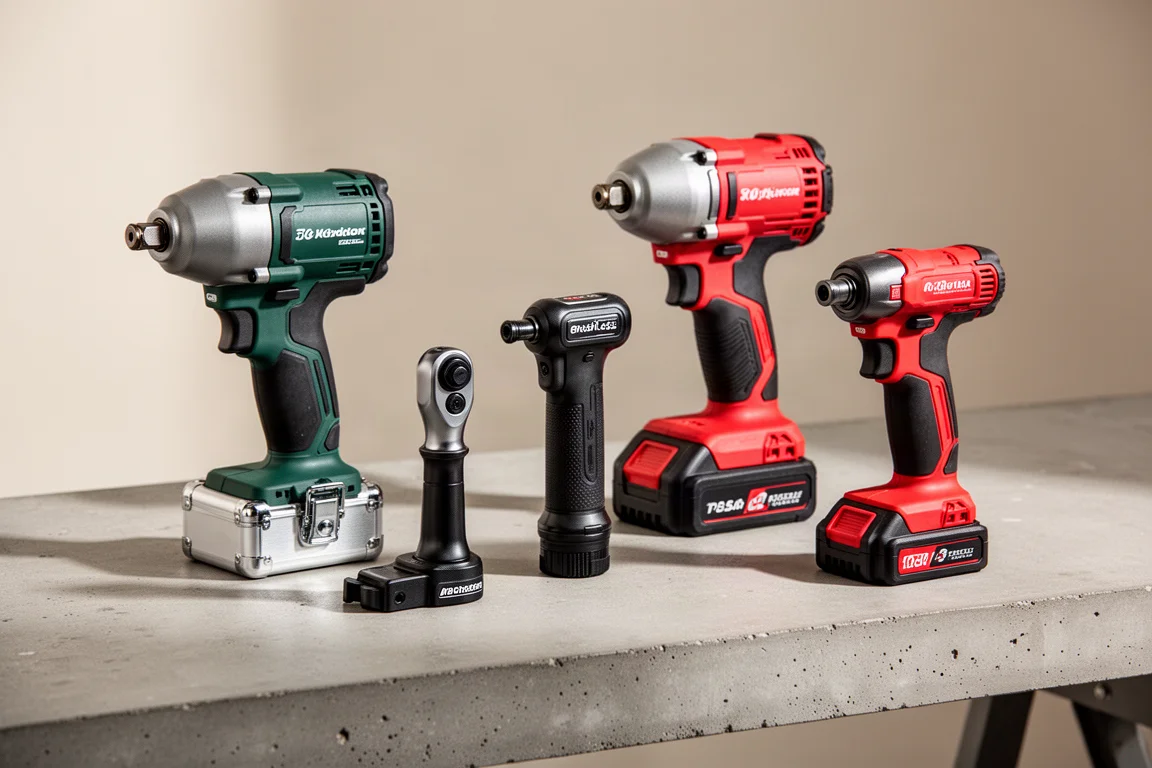
Best Budget Cordless Tools 2026: Walmart Finds That Punch Above Their Price
We tested five cordless tools from Walmart, including a high-torque impact wrench that trades blows with Milwaukee and a $35 duster that outperforms its price class.