Coffee Equipment
DeLonghi Budget Espresso Machines: Stilosa vs ECP 3420 vs Dedica
A detailed comparison of three bestselling DeLonghi espresso machines in the budget range, examining brew quality, steam performance, and real-world usability.
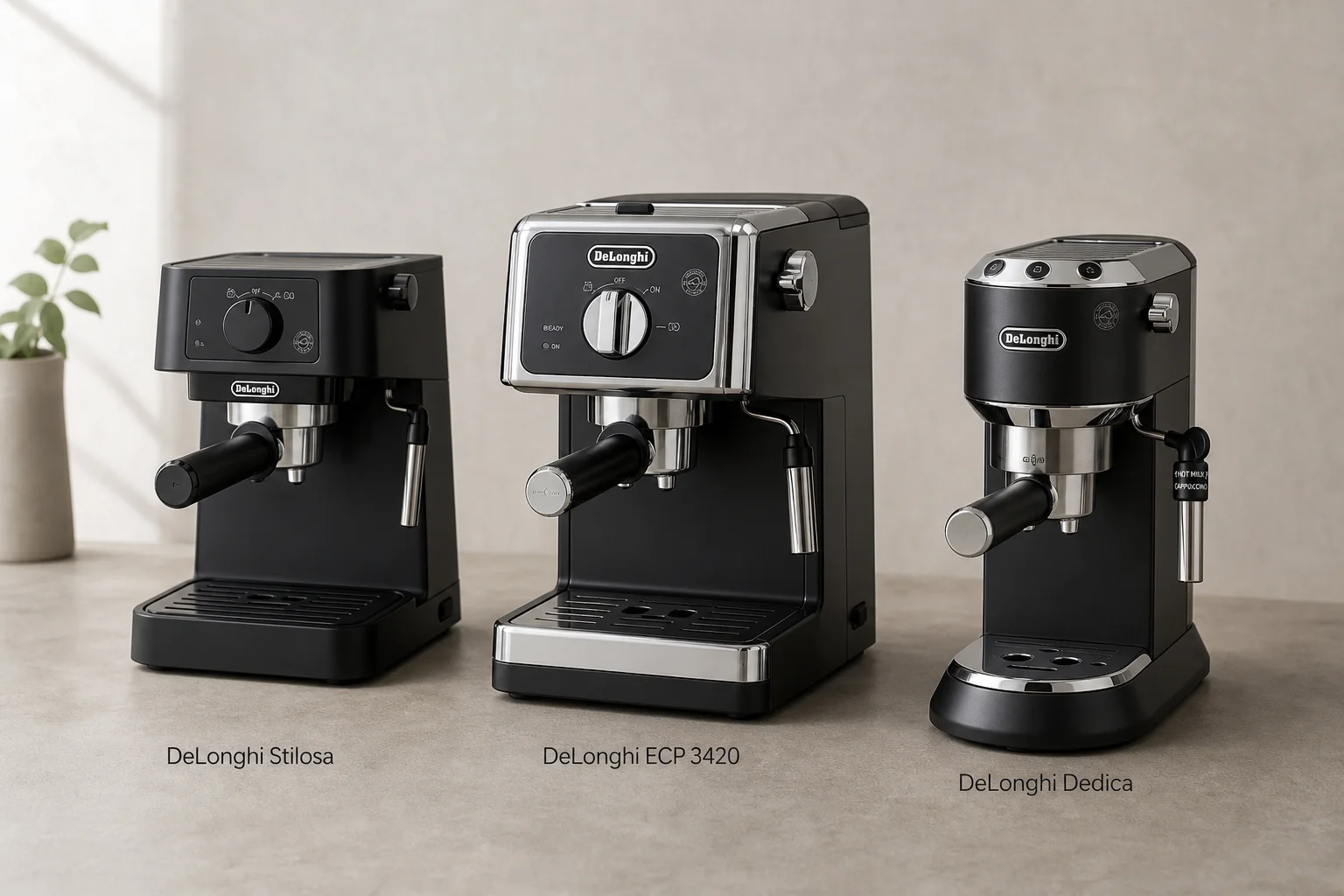
Introduction
Three DeLonghi espresso machines dominate the budget segment: the Stilosa, the ECP 3420, and the Dedica. All three are bestsellers, yet they differ in heating method, control, and overall workflow. This comparison examines the practical strengths and trade-offs of each machine to help you choose the best fit for your needs and budget.
Shared Features Across All Three Models
All three machines use a 51-millimeter brew group, meaning the portafilter, basket, and tamper are standardized across the range. This consistency makes accessory upgrades straightforward.
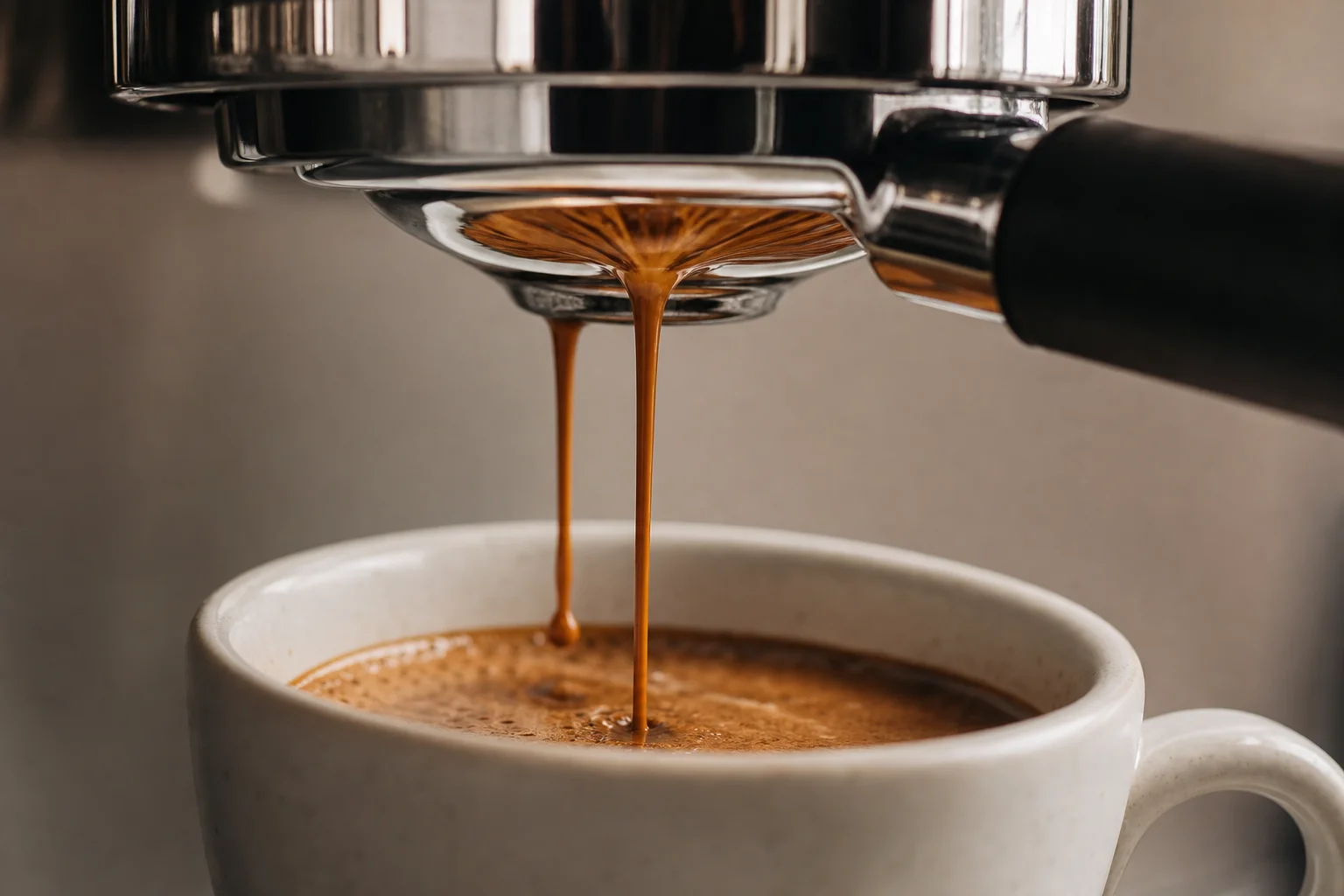
A critical distinction emerges in portafilter design: the Stilosa and ECP 3420 feature two-tab portafilters, while the Dedica uses a three-tab design. This means portafilters are not interchangeable between the boiler machines and the Dedica.
All three machines use the same Ulka pump system with an over-pressure valve that prevents excessive pressure buildup. Despite marketing claims of 15 bar, real-world pressure maxes out at around 11 to 12 bar with a blind basket, and settles at 8 to 9 bar during a properly packed extraction. This pressure is sufficient for quality espresso when the puck is prepared correctly.
None of these machines include a three-way solenoid valve. This design choice means pressure remains on the puck after extraction, causing it to drip slightly but also allowing spent pucks to eject cleanly and intact, without the structural breakdown that occurs in machines with solenoid release.
Boiler vs. Thermal Block: The Core Difference
The Stilosa and ECP 3420 use 150-milliliter boilers with heating elements that maintain water temperature via dual thermostats. The boiler sits directly above the brew group, meaning the brew group heats passively and reaches temperature within 1 to 1.5 minutes of startup.
The Dedica uses a thermal block system instead. Water is heated on-demand as it passes through a compact heating element, reaching usable temperature in approximately 30 seconds. This faster startup is convenient, but the brew group never becomes hot to the touch.
The boiler approach offers a significant advantage: a consistently hot brew group stabilizes extraction temperature throughout the shot. The thermal block approach, while faster to initial readiness, cannot maintain the same thermal stability because the brew group remains cool.
Shower Screen and Water Distribution
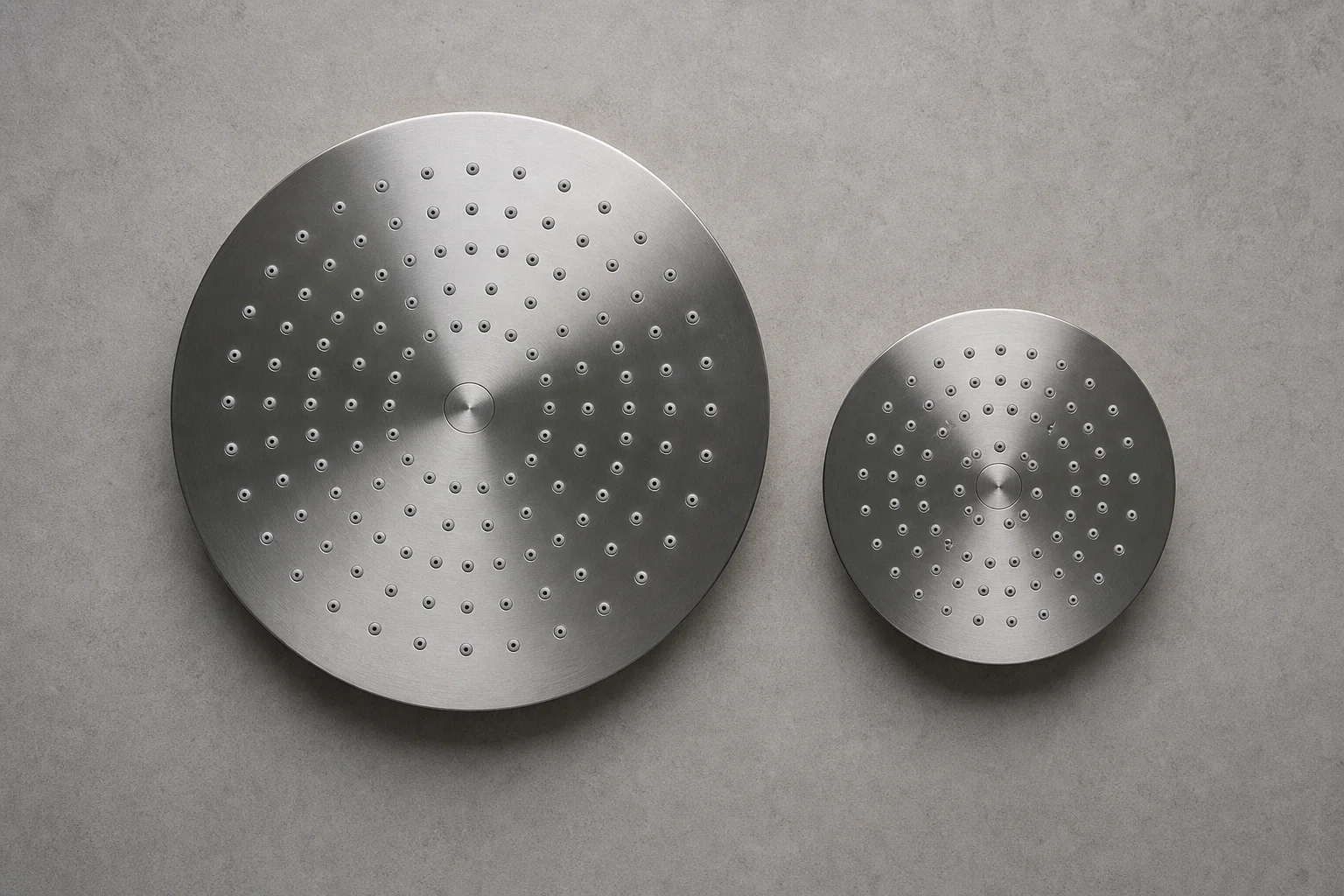
The ECP 3420 accepts a full-size 50.7-millimeter shower screen, while the Stilosa uses a smaller 42-millimeter screen. The Dedica uses a mid-size 50.4-millimeter screen. The larger shower screen on the ECP allows for better water distribution across the puck, which can improve extraction consistency.
Aftermarket shower screens, such as those from IMS, can be installed on both the ECP 3420 and Dedica to enhance water distribution further. The Stilosa’s smaller opening limits upgrade options.
Control and Workflow
The Stilosa and ECP 3420 are fully manual machines. You start and stop extraction by hand, giving you complete control but requiring attention throughout the shot.
The Dedica offers semi-automatic operation with volumetric dosing. Press and hold a button; when you reach your desired output weight, release it. The machine remembers that volume for the next shot. Two programmable buttons allow you to set a single and double espresso, plus a third button for steam mode. This workflow is faster and more forgiving for daily use.
Steam Mode and Milk Texturing
All three machines require approximately 10 seconds to transition to steam mode. The Stilosa and ECP 3420 have limited steam capacity tied to their boiler volume; once the boiler is depleted, you must refill before steaming again.
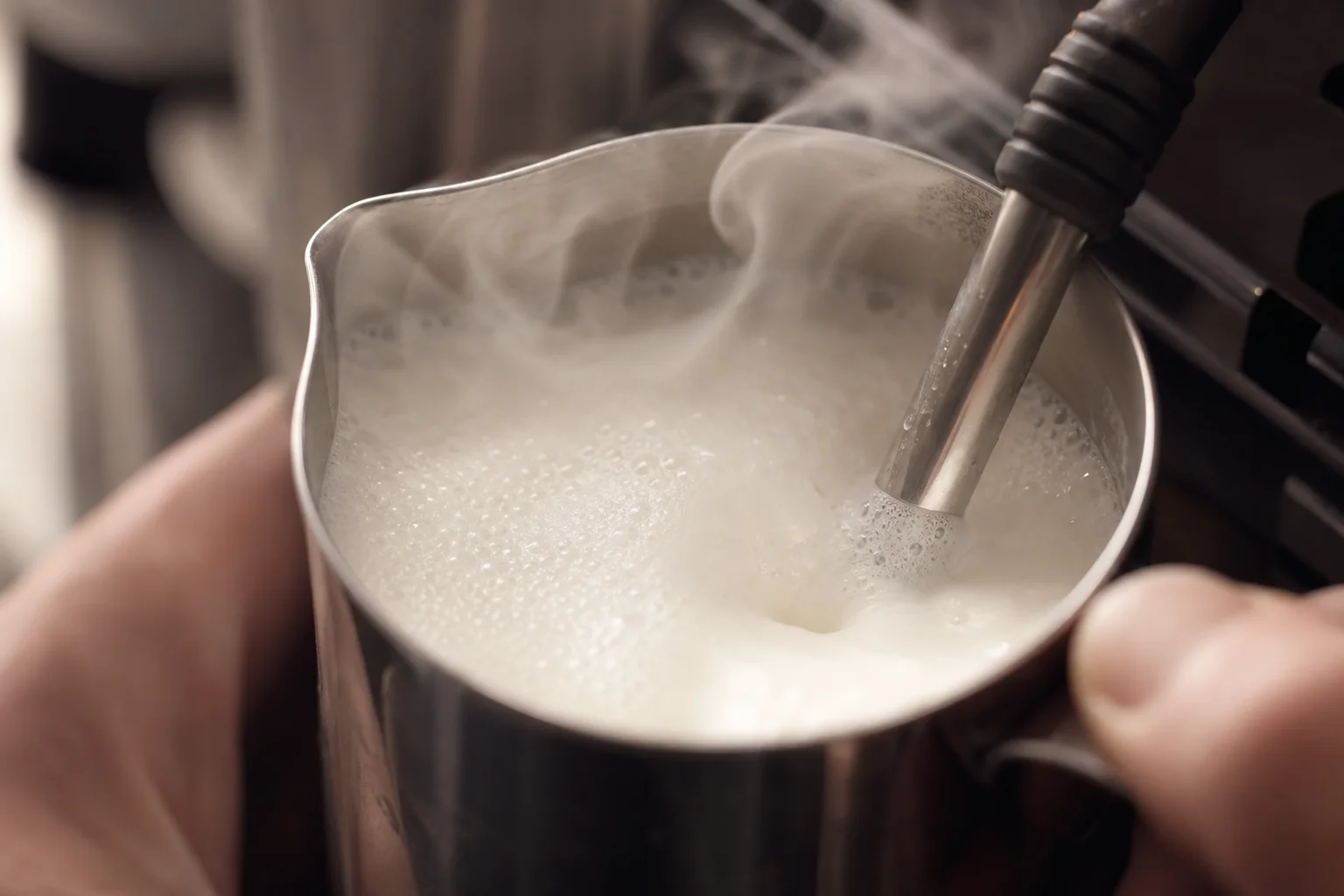
The Dedica can steam continuously as long as water remains in the tank, since its thermal block heats water on-demand. This is a genuine convenience advantage for back-to-back milk drinks.
The Dedica also includes a safety feature: after steaming, the buttons flash to indicate the thermal block is too hot for espresso extraction. You must run water through the steam wand to cool it before pulling the next shot. The boiler machines have no such safeguard; pulling a shot immediately after steaming will result in over-extracted, bitter espresso.
The Dedica offers pre-infusion, which briefly wets the puck before full pressure extraction begins. This can help round out the flavor profile, though it is not essential for good results.
Temperature Stability and Extraction Quality
Testing across multiple shots reveals that the ECP 3420 delivers the most consistent temperature curve and the most balanced flavor profile. Trials two and three run hotter than the first shot, but all trend downward smoothly throughout extraction. The resulting espresso is clean, well-rounded, and slightly sweet.
The Dedica shows similar downward trends but with a pre-infusion phase that creates a secondary temperature peak. The flavor is good but slightly less intense than the ECP 3420.
The Stilosa produces acceptable espresso when the machine is fully warmed (after 20+ minutes), but its smaller shower screen and less stable thermal environment make it the least consistent of the three.
Real-World Espresso and Milk Results
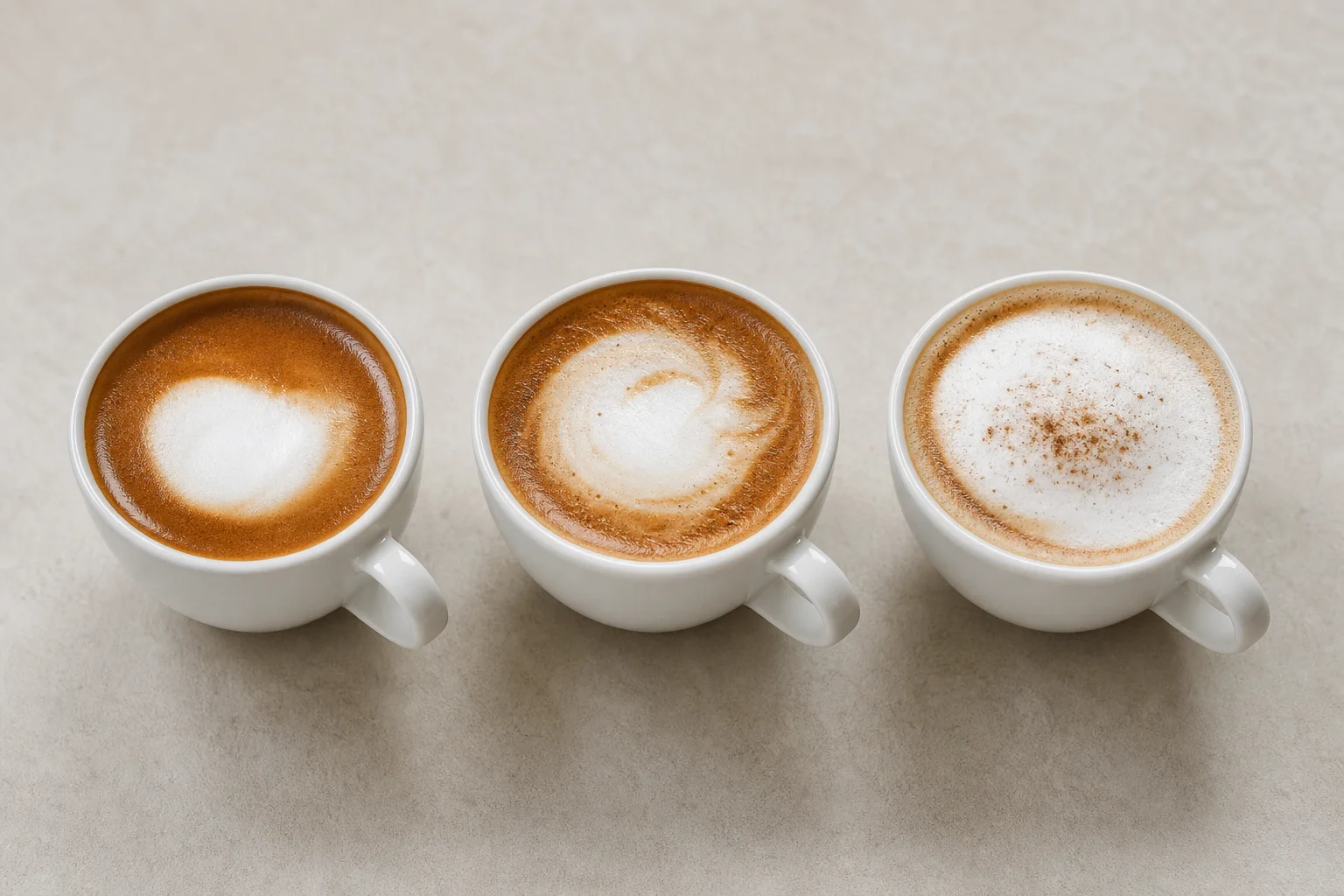
In practical testing, the ECP 3420 produces the richest, most creamy cappuccinos with the strongest steam pressure. The milk texture is dense and velvety, and the espresso base is bold and well-extracted.
The Dedica delivers very good results with slightly less intensity. The cappuccino is creamy and well-balanced, though the milk does not reach quite the same temperature as the boiler machines. The smaller thermal block limits sustained steam power.
The Stilosa produces acceptable cappuccinos with good milk texture, but the smaller shower screen and less stable brew group temperature make it the least reliable for consistent results.
Ease of Use and Practicality
For daily household use, the Dedica wins on ergonomics. Its compact size, semi-automatic dosing, and safety features make it the most forgiving machine. It is also the easiest to transport if you travel.
The ECP 3420 requires more hands-on attention but rewards careful technique with superior espresso quality. It is best suited to users who enjoy the ritual of manual extraction and want the best possible flavor.
The Stilosa occupies a middle ground but offers the fewest advantages. Its smaller shower screen and less stable thermal profile make it the least compelling choice unless budget is the absolute primary concern.
Conclusion
For best bang for your buck in espresso quality and steam performance, the ECP 3420 stands out. It delivers the most consistent, flavorful shots and the strongest milk-steaming capability. The Dedica excels in ease of use, safety features, and convenience, making it the better choice if workflow simplicity and compact size matter more than maximum flavor intensity. The Stilosa remains a viable entry point but offers fewer practical advantages than either alternative.
Product link
View more details for DeLonghi ECP 3420
This product is mentioned in the review. Check the specifications, options, and compatibility before buying.
View more details for DeLonghi ECP 3420Further reading
Related Reviews
Coffee Equipment
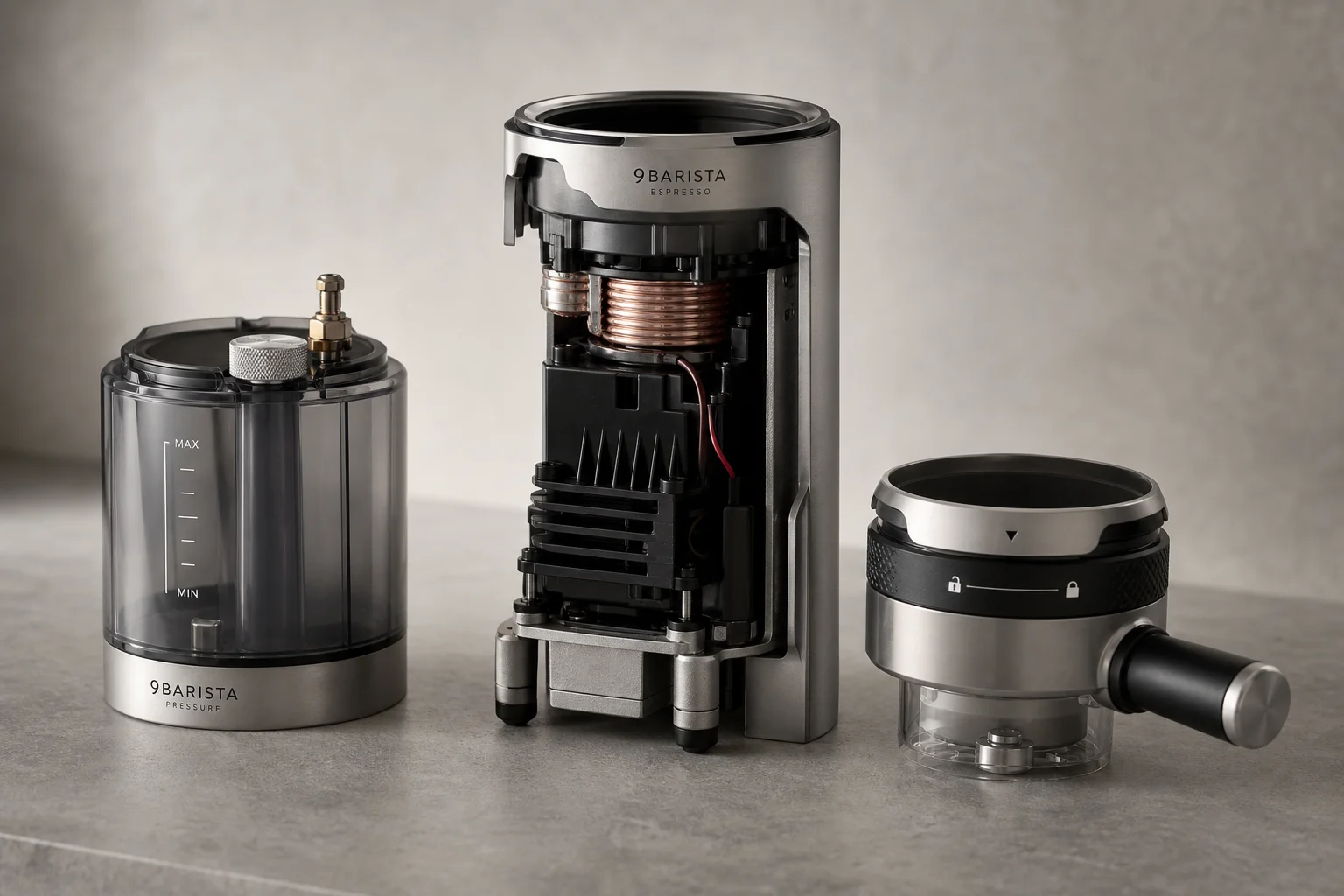
9Barista Espresso Machine Review: Stovetop Espresso for Single-Cup Enthusiasts
A cleverly engineered stovetop espresso maker that generates nine bars of pressure without electricity. Excellent coffee quality, but requires patience and suits solo drinkers only.
Coffee Equipment
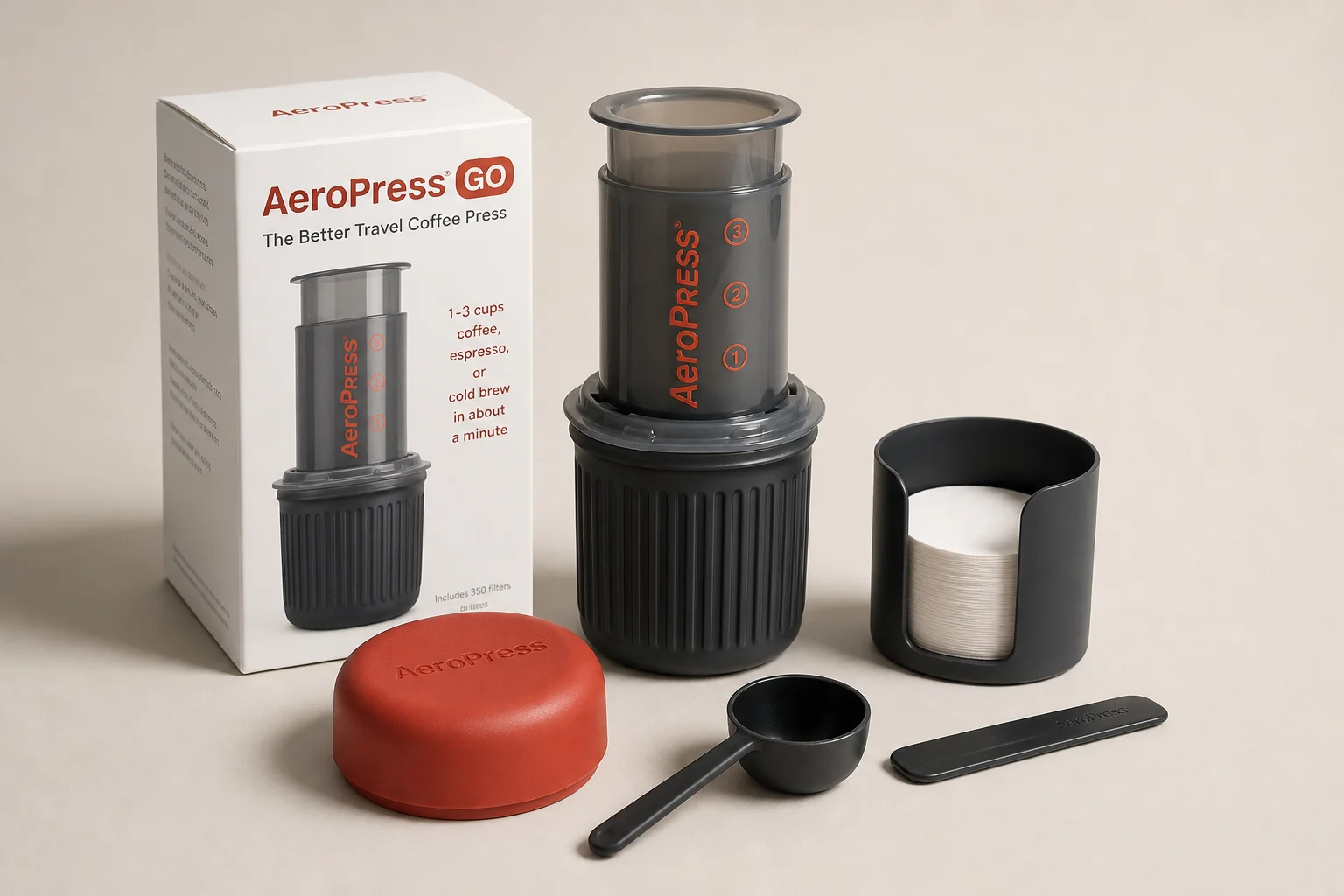
Aeropress Go Review: A Compact Travel Brewer That Solves One Specific Problem
The Aeropress Go shrinks the original design and adds an integrated cup, but it may not address the travel challenges most coffee enthusiasts actually face.
Coffee Equipment
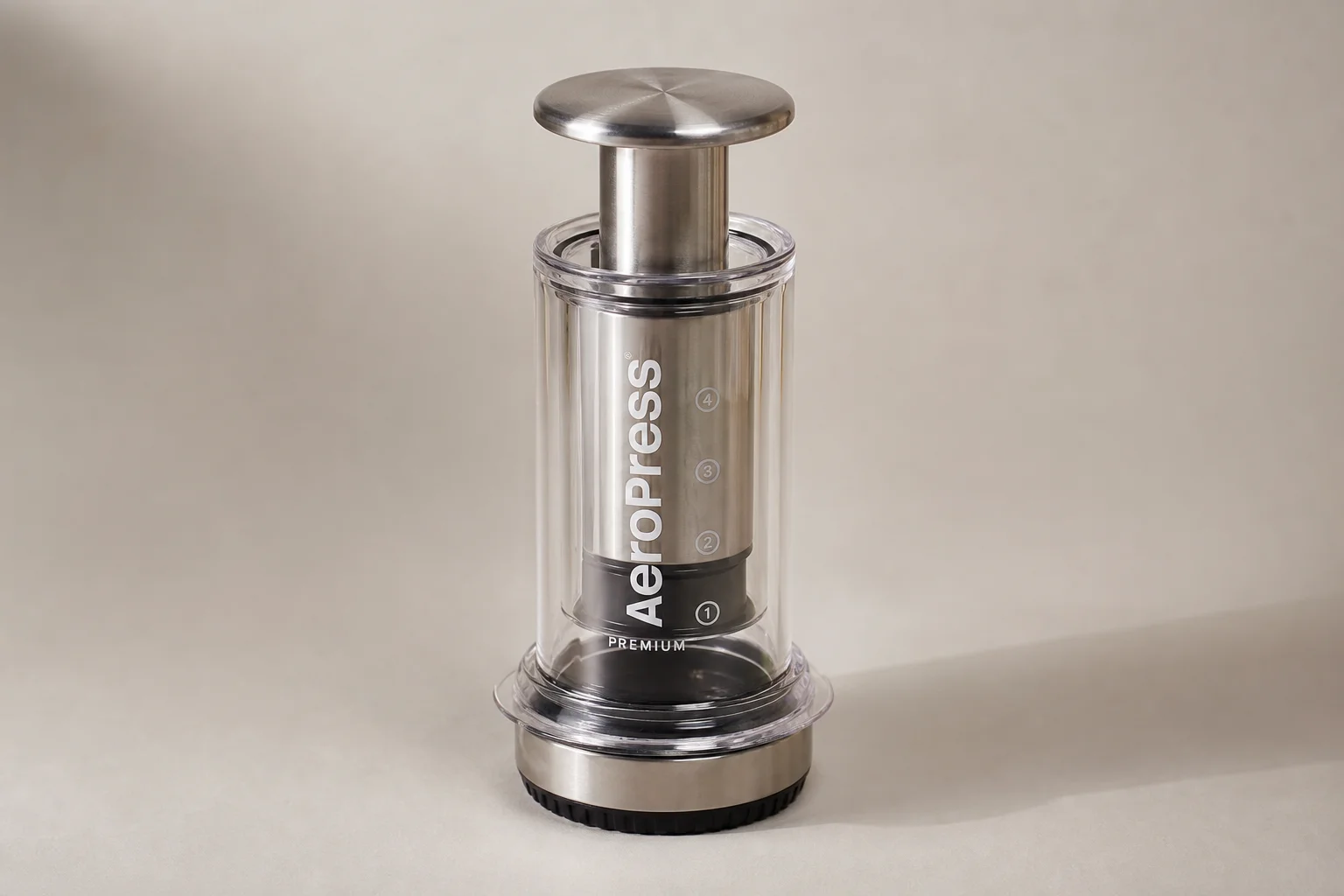
AeroPress Premium Review: Premium Materials, Practical Trade-offs
The AeroPress Premium brings glass and metal construction to a beloved brewer, but trades portability and durability for a more refined feel. Here's what changes in the cup and what matters before you buy.