Dash Cams
DDPAI Dash Cams 2026: Six Models Worth Knowing About
A closer look at DDPAI's latest dash cam lineup, including the Z90 series, Z60 Pro, N5 Duo, and N5 Pro, plus the AI features that could actually be useful.
Introduction
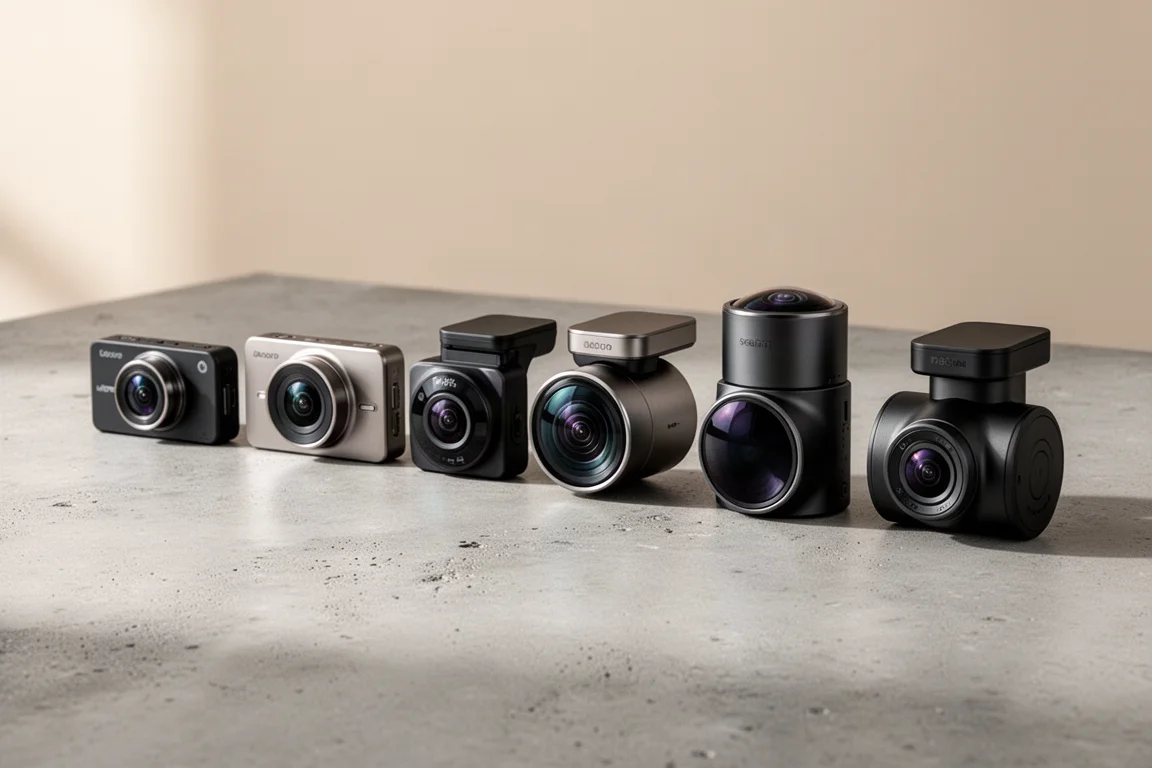
DDPAI has been steadily building a reputation for producing feature-rich dash cams, and their latest lineup continues that trend. From high-resolution multi-channel systems to compact two-channel options, the company is covering a wide range of needs. What stands out most, however, is the integration of AI features that go beyond simple collision detection, along with modular accessories like radar and LTE modules that add real-world value.
This guide breaks down the six models DDPAI showcased, highlighting what each one offers and who it might suit best.
The Z90 Series: Three Versions, One Platform
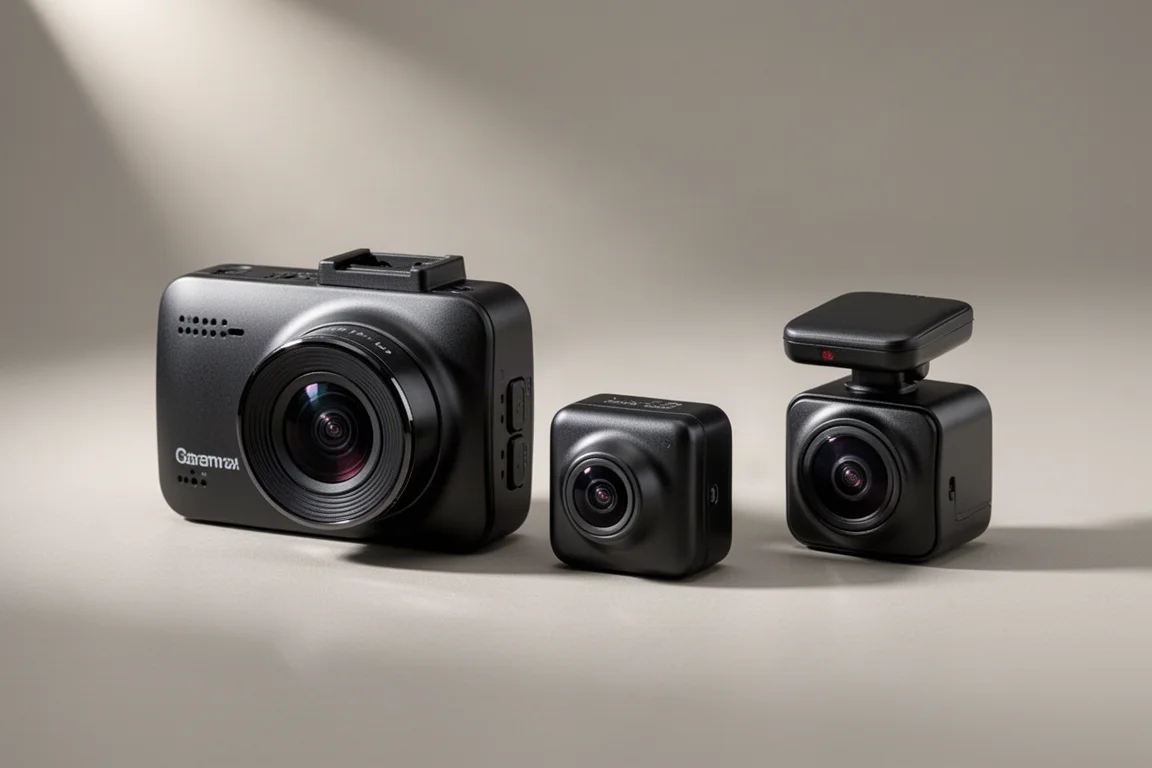
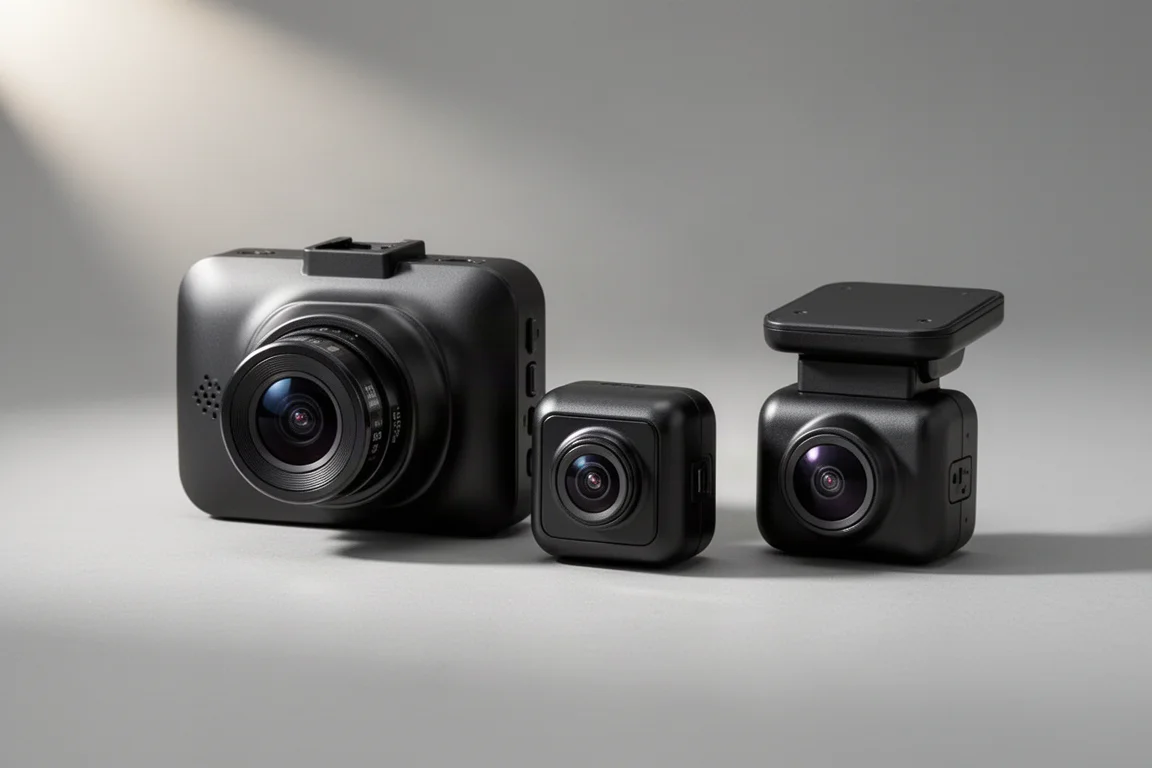
The Z90 series is DDPAI’s flagship line, and it comes in three distinct versions: the Z90 Master, the Z90 Pro, and the base Z90. All three share a similar three-channel design, but the sensor quality and resolution differ significantly between them.
The Z90 Master is the top-of-the-line model. It features a three-channel setup with front, rear, and interior cameras. The front and rear cameras both use 4K Sony Starvis 2 sensors with the IMX 678, delivering sharp, detailed footage from both directions. The interior camera steps down to a 3K sensor, which is still higher resolution than what many competitors offer for a third channel.
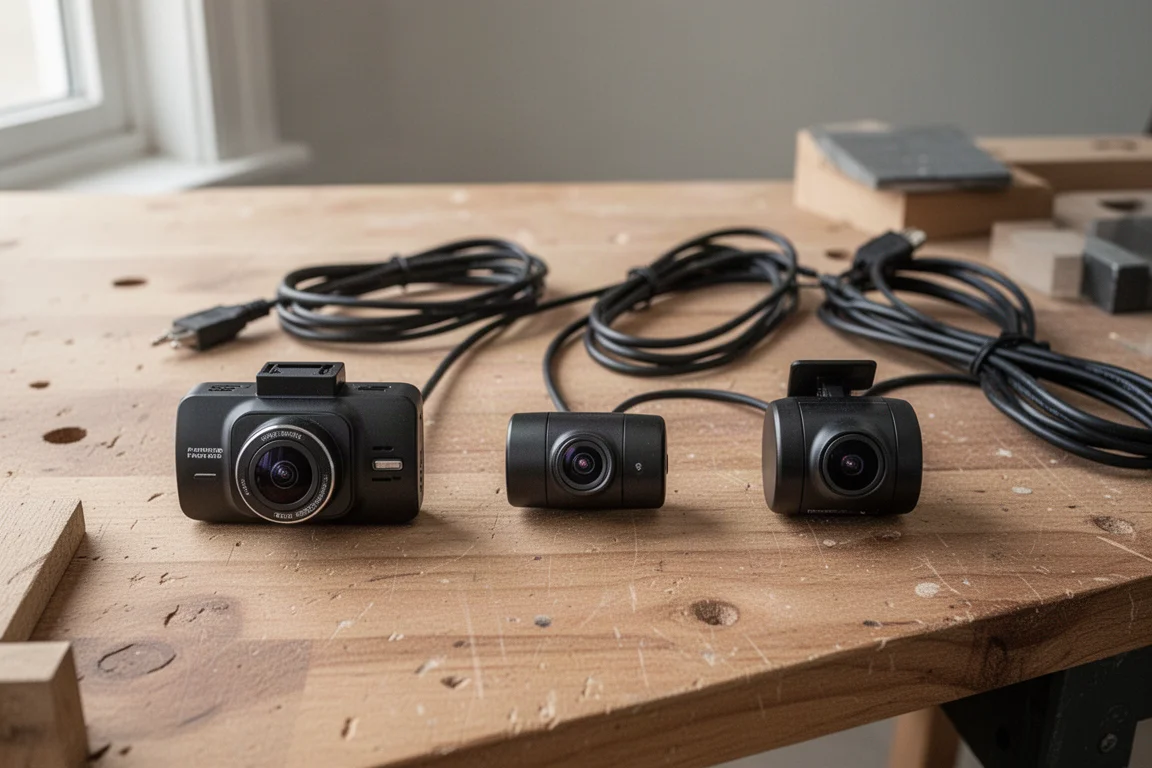
One of the more interesting design choices is how the interior camera connects. Rather than being wired directly to the main unit, it operates as a standalone camera that communicates wirelessly using DDPAI’s Pyink technology. This means the system has two separate micro SD card slots: one for the interior cam and one for the front unit. The reasoning behind this approach is that running three high-resolution channels through a single processor would create excessive heat and require compromises on bit rate or video quality. By keeping the interior cam independent, DDPAI can maintain full 4K resolution on both front and rear without sacrificing performance.
The Z90 Master also includes built-in eMMC storage, available in either 64GB or 128GB configurations, in addition to the micro SD card slot that supports up to 512GB. The built-in memory serves as a backup for emergency recordings, so even if the micro SD card becomes corrupted, you still have a copy of critical footage.
The Z90 Pro and Base Z90: Stepping Down the Range
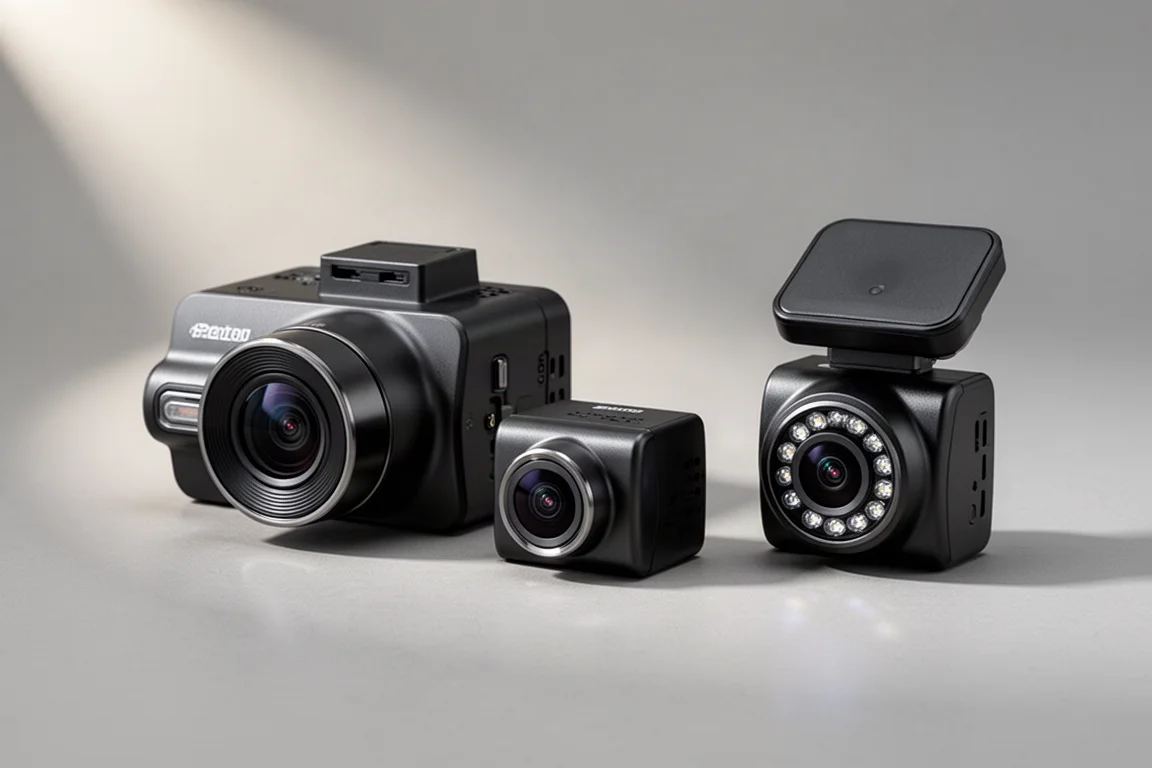
For those who don’t need the full 4K front and rear setup, the Z90 Pro offers a more accessible option. The main difference is that the rear camera drops to 2K resolution and no longer uses a Sony sensor. The front camera remains at 4K, and the interior cam stays at 3K.
The base Z90 takes things a step further. It offers the same resolution as the Z90 Pro, but the front camera no longer uses the 4K Starvis 2 sensor. It’s still a 4K sensor, just not the same high-end one found in the Master. The rear cam remains at 2K, and the interior cam stays at 3K.
For most buyers, the Z90 Master is the most compelling choice because it delivers 4K Starvis 2 sensors on both front and rear. The Pro model would be more attractive if it used a 2K Starvis 2 sensor for the rear, but as it stands, the lower-end sensor is a noticeable compromise.
The Z60 Pro: A More Affordable Alternative
The Z60 Pro shares a lot of DNA with the Z90 series, but it makes a few trade-offs to hit a lower price point. The rear camera drops from 2K to 1080p and switches from a digital connection to an analog one. The interior camera also steps down from 3K to 2K.
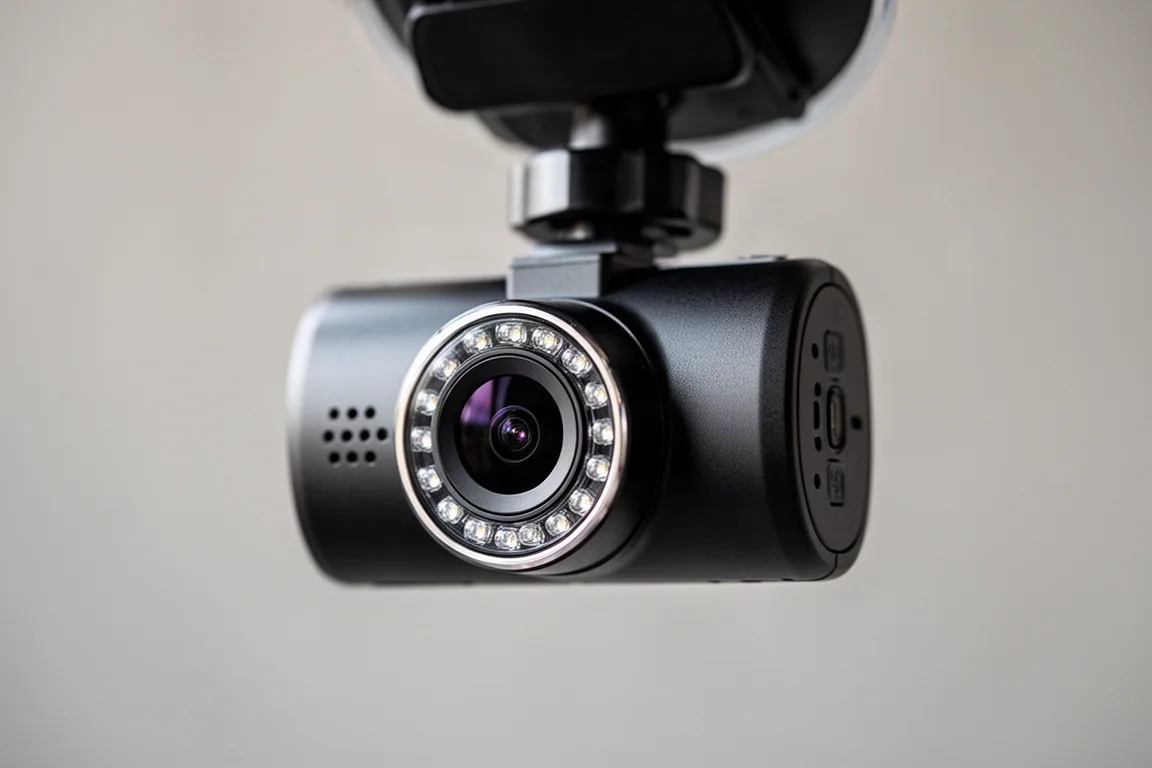
Perhaps the most significant difference is the removal of the infrared LED inside the interior camera. This means at night, the Z60 Pro cannot illuminate the cabin the way the Z90 series can. In dark conditions with no street lights or passing cars, the interior footage will be noticeably darker.
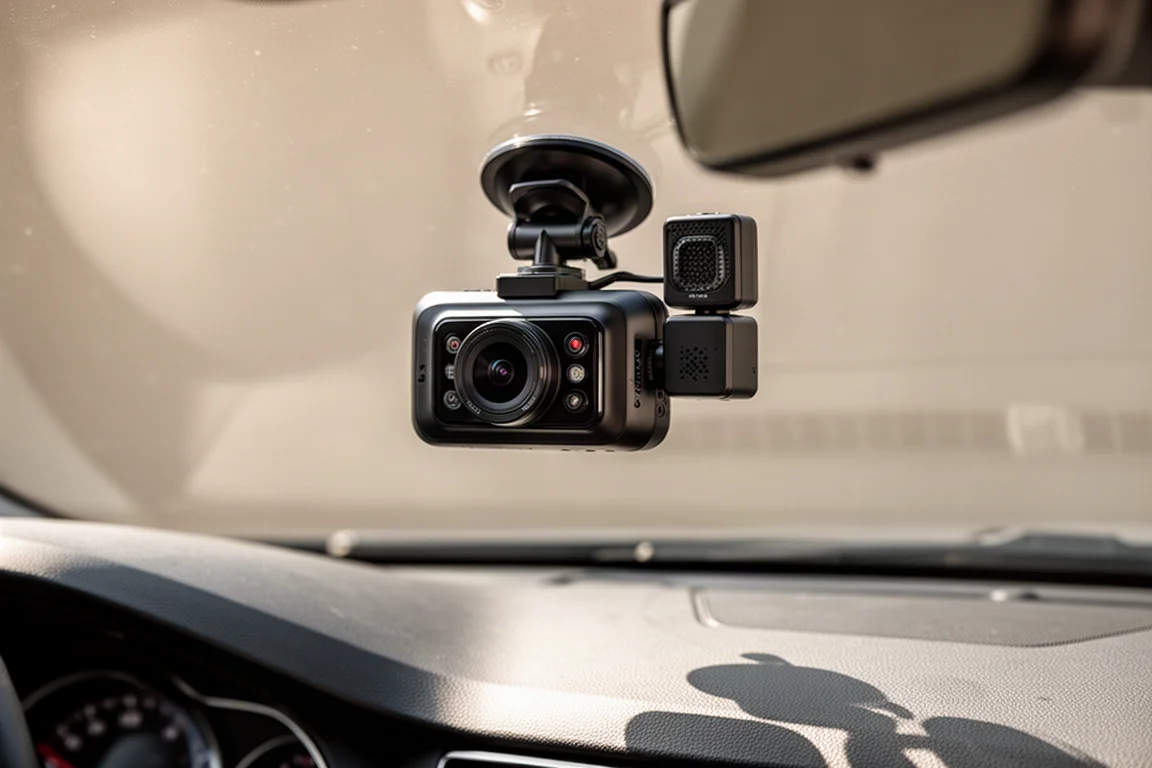
That said, there’s a workaround. The interior cameras from the Z90 and Z60 are interchangeable, so you can take the 3K camera with the infrared LEDs and plug it into the Z60 Pro. This is a worthwhile upgrade if cabin visibility at night matters to you.
The Z60 Pro comes with 32GB of built-in eMMC storage, which is less than the Z90 series, but it still includes the micro SD card slot for up to 512GB of additional recording space.
The N5 Duo and N5 Pro: Compact Two-Channel Options
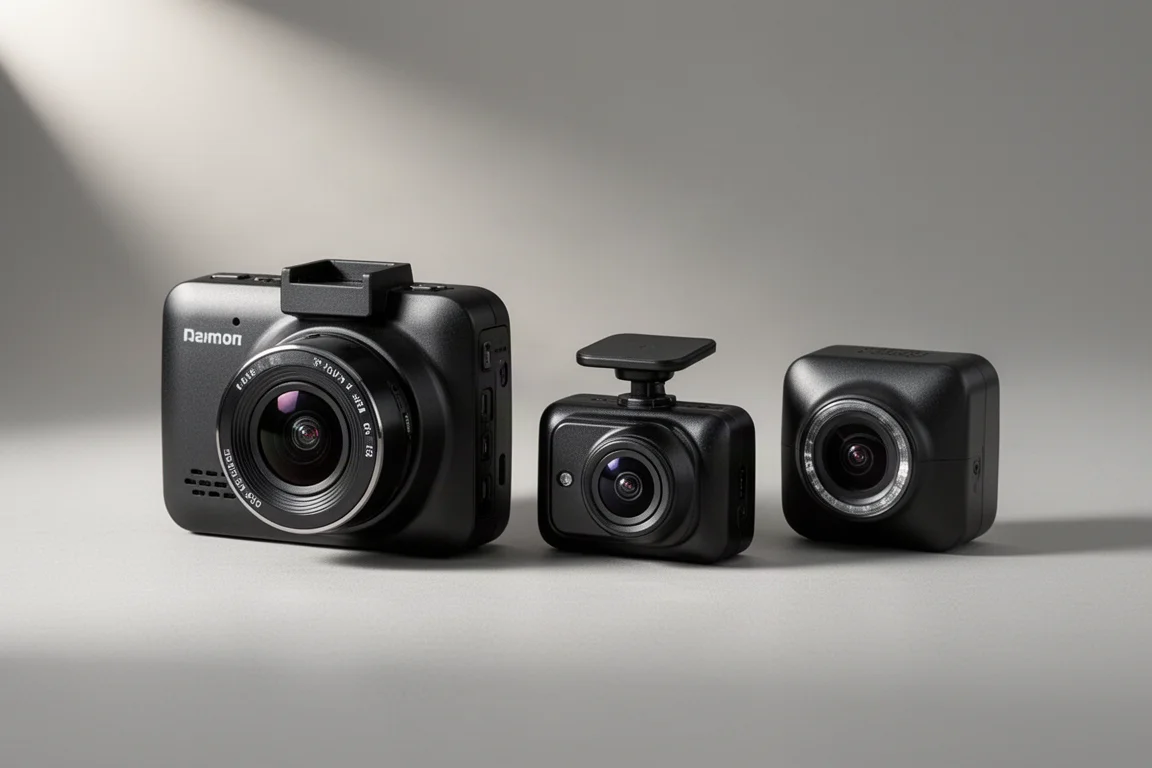
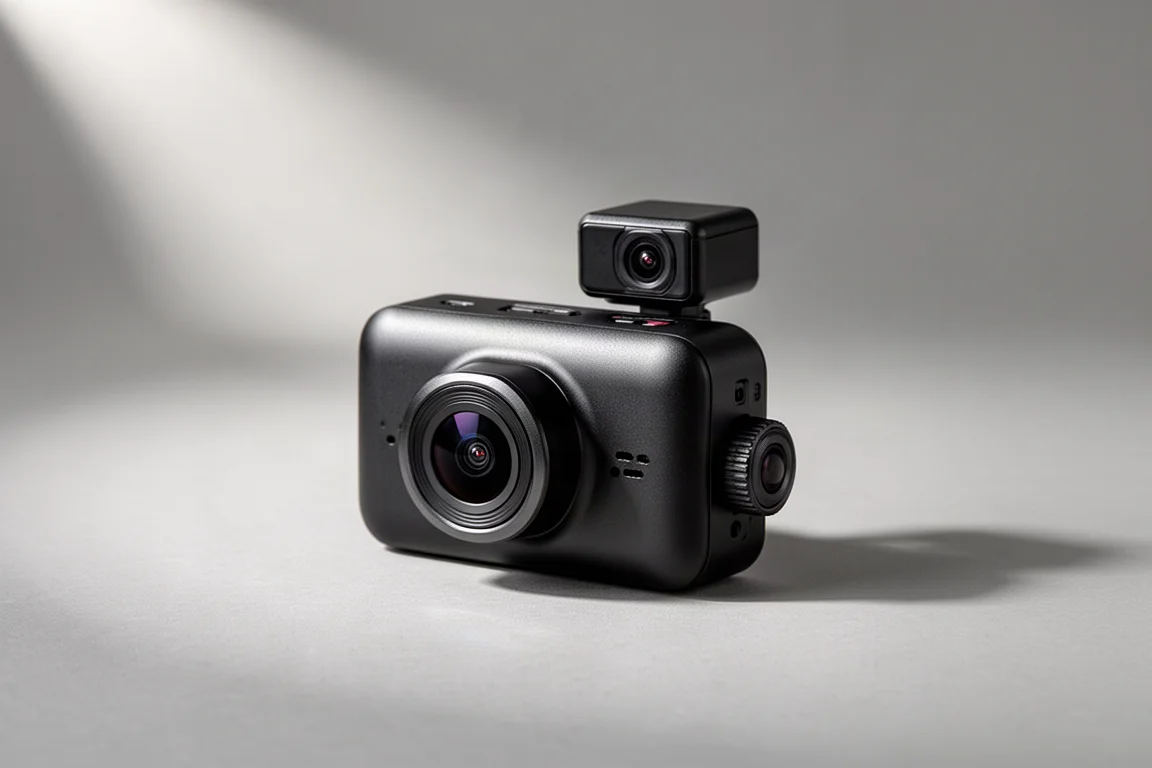
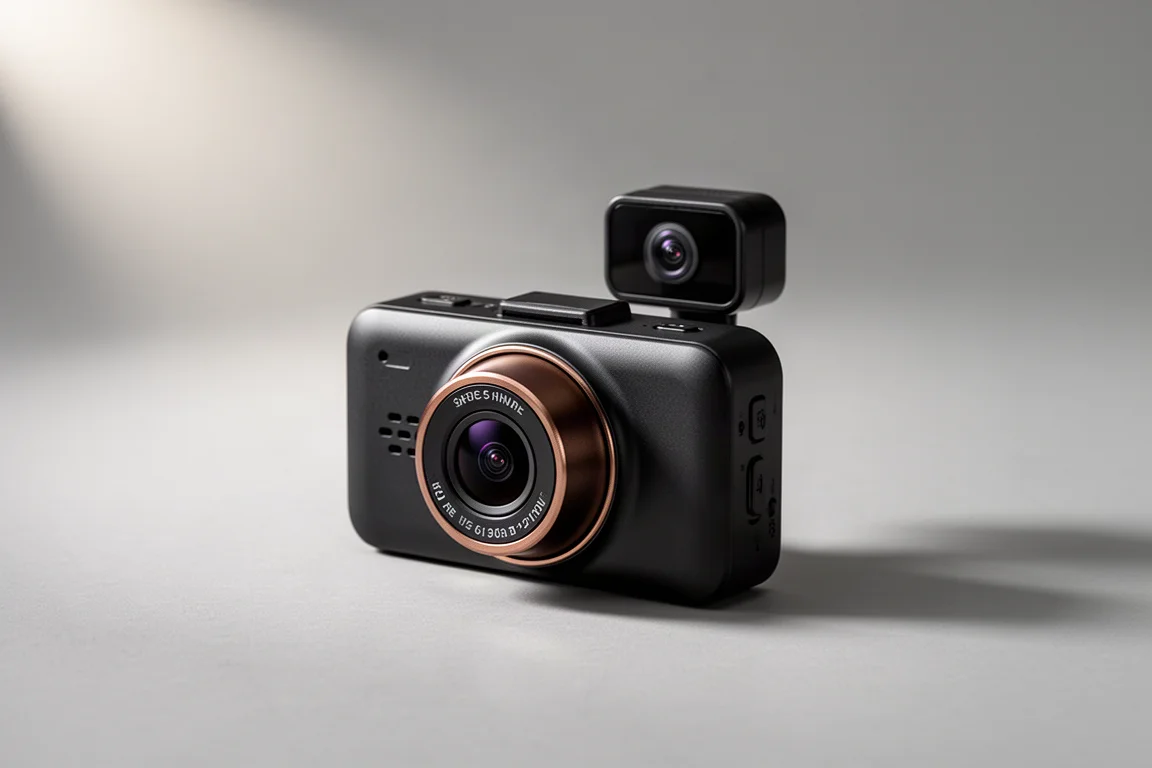
Moving down the lineup, the N5 Duo and N5 Pro are compact two-channel dash cams designed for a more affordable price point. The N5 Duo records in 4K front and 1080p rear, using lower-end sensors to keep costs down. It has 64GB of built-in eMMC storage plus a micro SD card slot supporting up to 512GB.
One of the standout features of the N5 Duo is the optional radar module. This small accessory mounts on the windshield and monitors both front and rear for approaching vehicles. It transmits on K-band 24 GHz and can detect cars from about 3 meters away. When it senses a vehicle getting closer, it wakes up the dash cam to begin recording, ideally before any impact occurs. This is particularly useful for hit-and-run scenarios, as it captures footage before the collision rather than just after.

The N5 Pro is very similar to the N5 Duo, but with one key upgrade: the rear camera is now a digital 2K unit instead of an analog 1080p one. It connects to the front camera via a USB cable, and interestingly, the data communication uses the Ethernet protocol over the USB pins. The rear camera has its own processor, so all the processing happens in the rear unit before the data is sent to the front for storage.
Both models can be paired with DDPAI’s optional LTE module for cloud connectivity, allowing you to receive notifications and access footage remotely.
AI Features: More Than Just Marketing
DDPAI is also integrating AI into its dash cams in ways that could genuinely be useful. The first feature focuses on parking mode. The dash cam can recognize if a pet, baby, backpack, purse, camera, or other important item has been left in the car. If it detects something, it sends a notification via the LTE module over the cloud. It can even alert you if you’ve left a window open.
The AI can also monitor for suspicious people approaching your parked car and send a notification about that as well. What’s notable about DDPAI’s approach is that the AI is used only to decide whether to send a notification, not to trigger recording. The dash cam continues recording normally using collision detection or continuous recording modes, so you’re guaranteed to have the footage regardless of what the AI decides.
The second AI feature is a search tool that lets you find specific videos saved on the dash cam. You can search for terms like “airplane” or “crash,” and the system will scan the video files to find matching clips. In the demo, searching for “airplane” successfully pulled up clips of planes flying across the frame. Searching for “crash” didn’t return results, but that was likely because no such footage was pre-loaded. The feature is still under development, but the concept is promising.
The search works by connecting a tablet or phone directly to the dash cam via USB, allowing the app to access all video files without needing to download them first. This saves significant time compared to transferring everything to a device before searching.
Overall Buying Advice
Choosing the right DDPAI dash cam comes down to your priorities. If you want the best possible video quality with 4K front and rear, the Z90 Master is the clear winner. Its standalone interior camera design is a clever solution that avoids the performance compromises seen in other multi-channel systems.
If you’re looking for a more budget-friendly option but still want solid performance, the Z60 Pro is worth considering, especially if you upgrade the interior camera to the 3K version with infrared LEDs.
For those who prefer a compact two-channel setup, the N5 Duo offers excellent value, particularly with the optional radar module for enhanced parking protection. The N5 Pro is the better choice if you want a higher-resolution rear camera.
Conclusion
DDPAI’s latest lineup shows a company that’s thinking carefully about the real-world challenges of dash cam ownership. The modular approach to interior cameras, the practical use of AI for notifications and search, and the optional radar and LTE modules all add genuine value. While some features are still in development, the direction is promising. Whether you’re a daily commuter or someone who wants comprehensive coverage while parked, there’s likely a DDPAI model that fits your needs.
Further reading
Related Reviews
Dash Cams
70mai 4K T800 Dash Cam Review: Three-Channel Coverage With 4K Front and Rear
A three-channel dash cam with 4K front and rear recording, dual Sony Starvis 2 sensors, and optional 4G connectivity for remote vehicle tracking.
Dash Cams
70mai M310 Review: A $33 Dash Cam That Covers the Basics
The 70mai M310 is an ultra-budget dash cam that records at 1296p, offers basic parking modes, and works with a Wi-Fi app. Here is how it performs and who it suits.
Dash Cams
Best Dash Cam Black Friday Deals 2026: Top Picks Across Every Price Point
A practical guide to the best dash cam deals this Black Friday, covering front-only, multi-channel, cloud-connected, and budget-friendly options.