Hiking Gear
Day Hiking Gear List: Nine Essentials That Earn Their Place
A practical day hiking gear list covering the pack, water treatment, navigation, insulation, and the small items that keep a day on the trail safe and comfortable.
Introduction
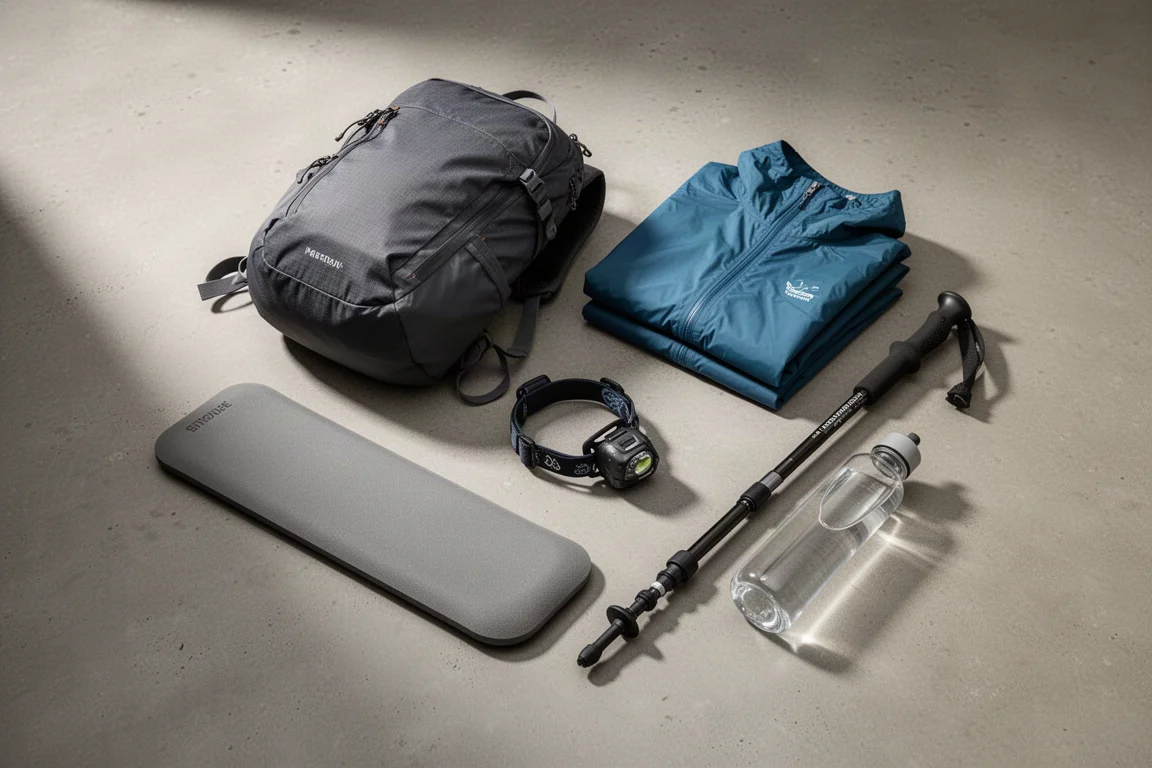
Packing for a day hike is a balancing act. Take too much and the pack fights you on every climb. Take too little and a change in weather or a wrong turn turns a good day into a long one. The kit below covers what actually goes into a 12-liter day pack for a full day on the trail, chosen so you can stay safe, warm, and comfortable without carrying weight you never use.
Each item here earns its place for a specific reason. Water you can trust, navigation with a backup, insulation that works when you stop moving, and a handful of small things that are easy to forget until the moment you need them badly.
What to Look For in Day Hiking Gear
Start with three questions. Can you treat or carry enough water for the day? Can you find your way if your primary navigation fails? Can you stay warm and dry if the weather turns or you end up out after dark? A day pack setup that answers all three is doing its job.
Weight matters, but redundancy matters more on the items you cannot improvise, which means water treatment, a rain shell, an insulating layer, and a light. A pack that carries comfortably and organizes small items well also makes a real difference, because you stop digging for things and start using them.
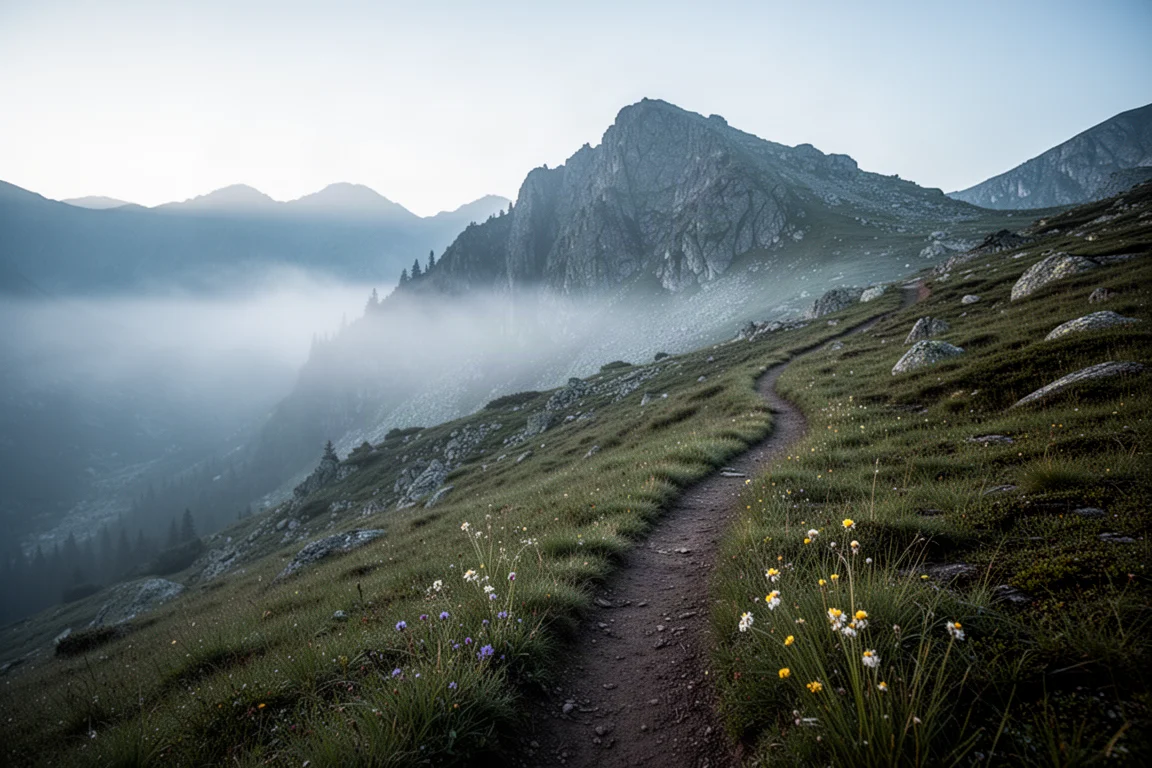
Capacity is the other decision. Twelve liters is enough for a day hike for most people once the layers are strapped down and the small items are packed tightly, and a vented back panel keeps things comfortable when you are moving quickly. It also helps to plan as if you might have to spend an unplanned night out, which is why a warm layer and a way to call for help both belong in the bag.
Osprey Syncro 12
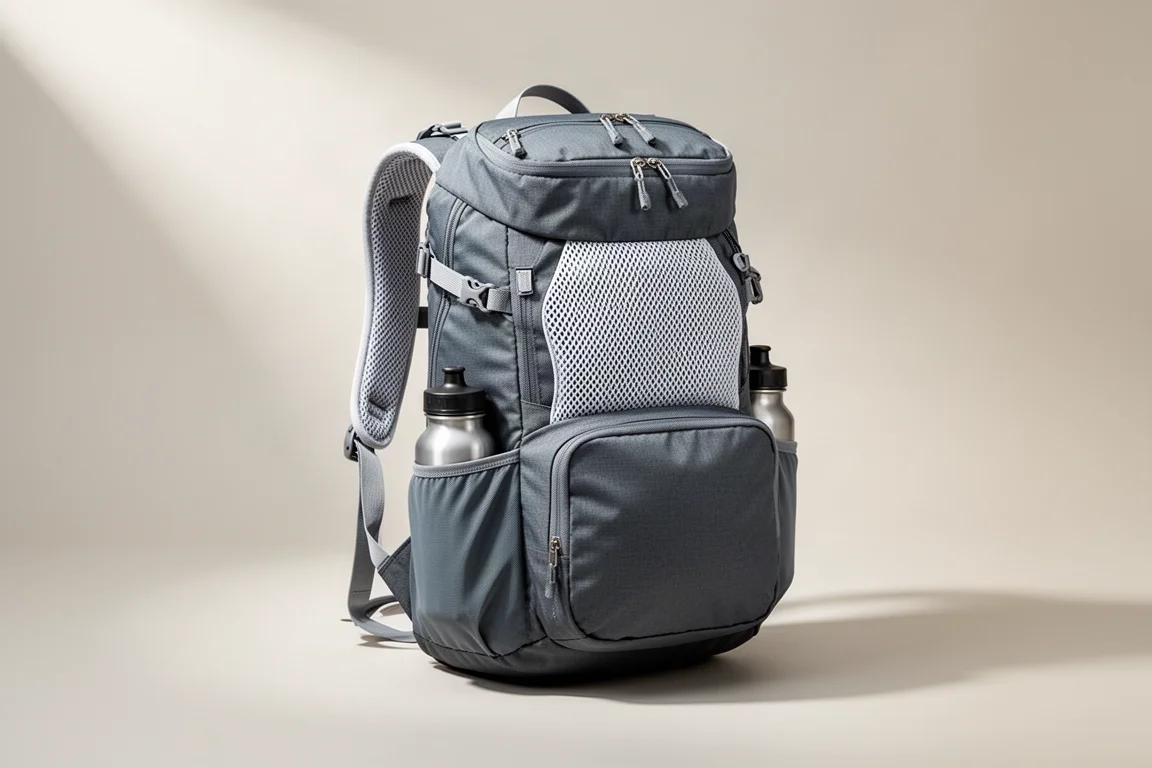
The Syncro 12 is the pack that holds everything else on this list. At 12 liters it stays small enough to move quickly with, but it is organized enough that nothing gets lost, with two side pockets, a large front pocket, and three pockets across the top. The vented back panel is the feature that matters most on a fast climb, because it lets air move across your back instead of trapping heat against a solid foam panel.
A dedicated hydration compartment with its own zipper keeps a water bladder separate from the rest of your gear, and the hose routes through a port to the shoulder strap so you can drink without stopping to dig a bottle out of a pocket. Drinking more often, without breaking stride, is one of the simplest ways to stay comfortable on a long day.
There is no hip belt, just a small strap that stabilizes the pack across the front. That is a deliberate trade, since it gives your hips more range of motion, which is noticeable when you are scrambling or moving over uneven ground. Hikers who prefer a hip belt for weight transfer should look for a pack that includes one.
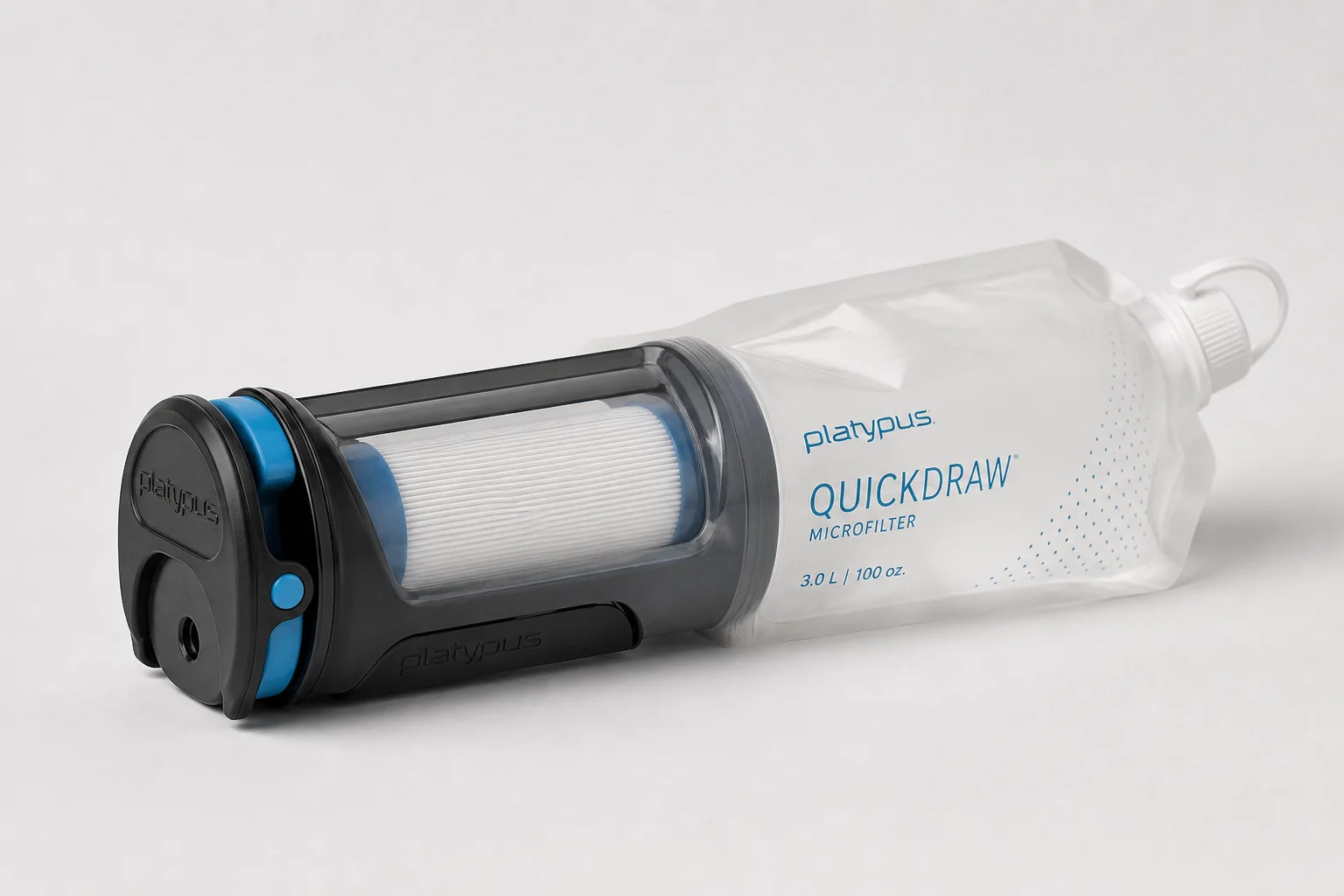
Platypus QuickDraw Water Filter
Carrying a filter changes how you plan a day. Instead of rationing what you brought from the trailhead, you can refill from natural water sources along the route. The QuickDraw is a compact option that screws directly onto a standard water bottle, so it stays part of your drinking setup rather than becoming a separate piece of equipment. It packs smaller than many alternatives, and one end can be removed so the cap opens for drinking straight from a water source, a feature that is rarely needed but good to have.
A filter also works as insurance. Water bladders can fail, and a 700 milliliter bottle carried as a backup keeps you drinking even if the bladder does not survive the trip. If you use electrolyte tablets, keep them out of the bladder and in a separate pouch, since they leave a sticky residue behind.
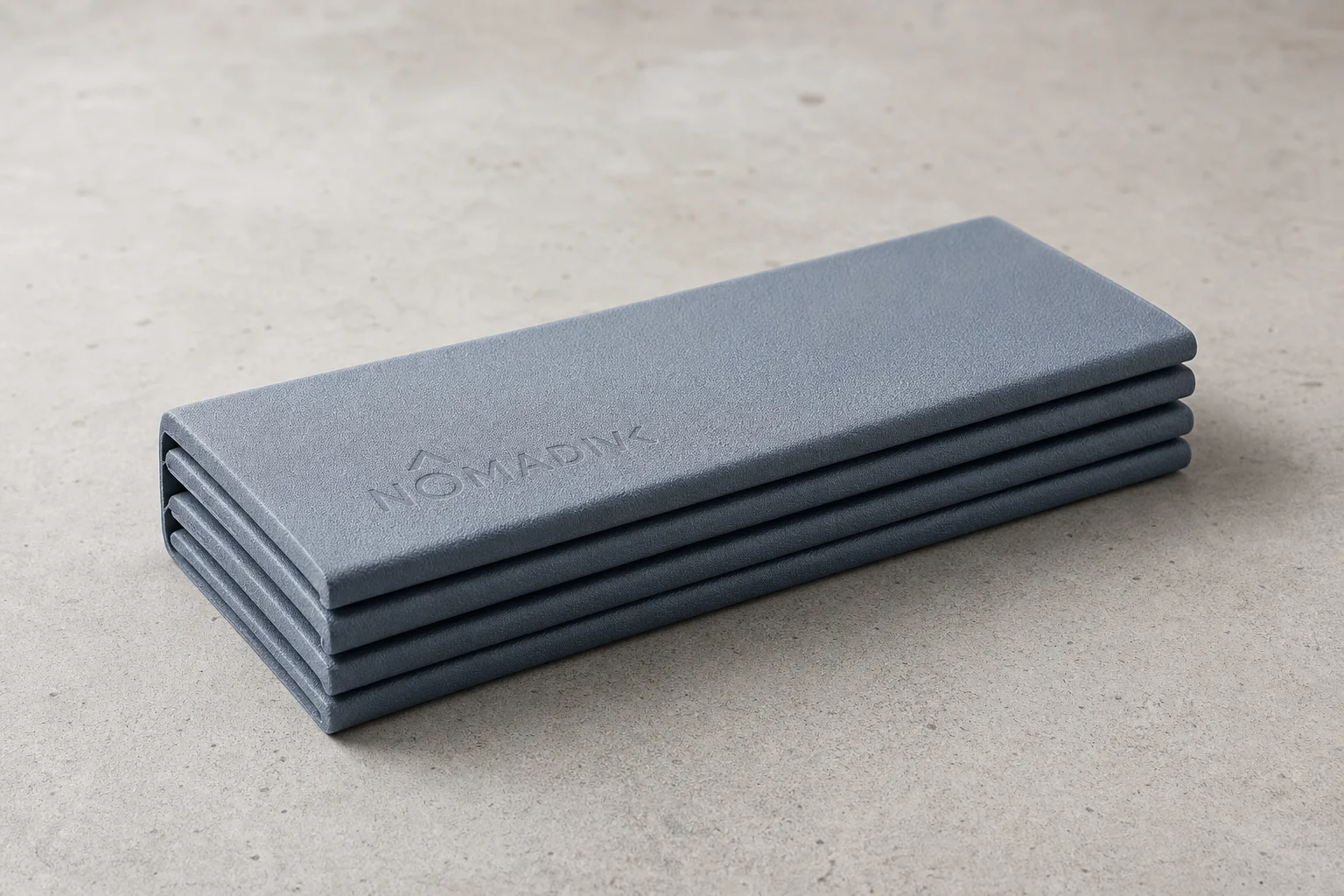
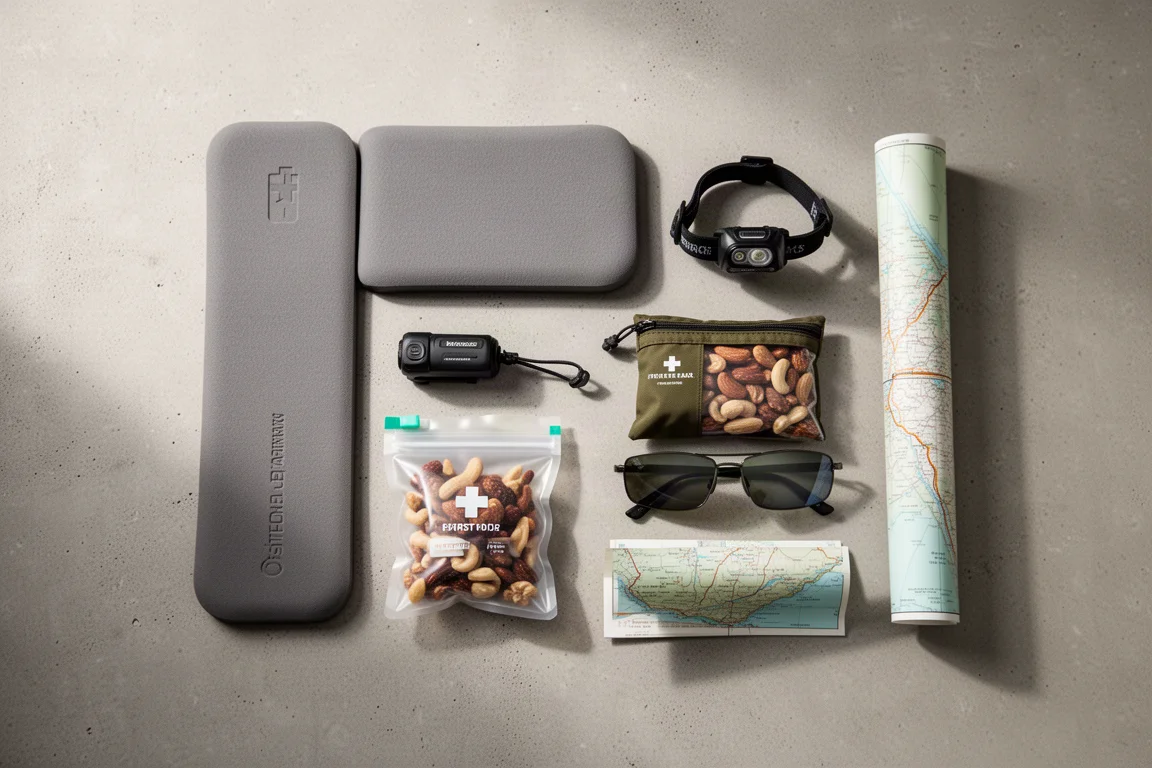
Therm-a-Rest Z Seat
This is one of the simplest items on the list and one of the most used. The Z Seat is a closed-cell foam pad that gives you a warm, dry place to sit during a break, and it straps to the outside of the pack so it takes up no interior space at all.
The value is easy to underestimate until you sit on cold, wet ground and feel the heat drain out of you. A short break that leaves you chilled costs more than the few grams the pad adds, and in cold conditions a dry seat makes it far easier to actually stop, eat, and recover before the next climb.
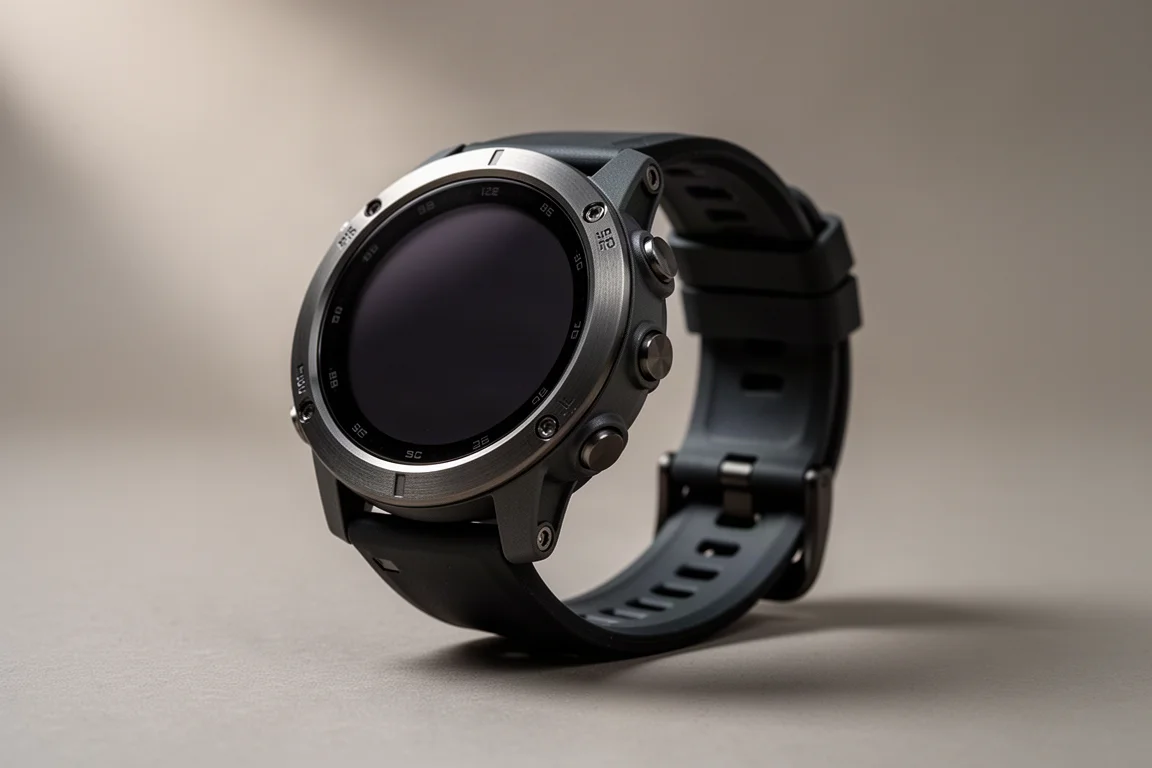
Garmin Fenix 6 Pro Solar
The Fenix 6 Pro Solar is the primary navigation tool here. Topographic maps on the wrist make it easy to check whether you are still on your intended track without pulling out a phone, and routes can be uploaded from a navigation app and followed as a line on the map. That line-following view is what makes on-wrist navigation genuinely practical on a day hike.
Beyond navigation, the watch tracks distance covered, hiking speed, estimated time remaining, and elevation gain, which is useful for judging how much of the day is left and how hard you have been working.
A watch is not a substitute for a plan. Carry a phone with offline maps as a second option, and keep a small compass in the pack for the case where the electronics fail or run out of charge. Knowing where your exit points are matters as much as the device itself.
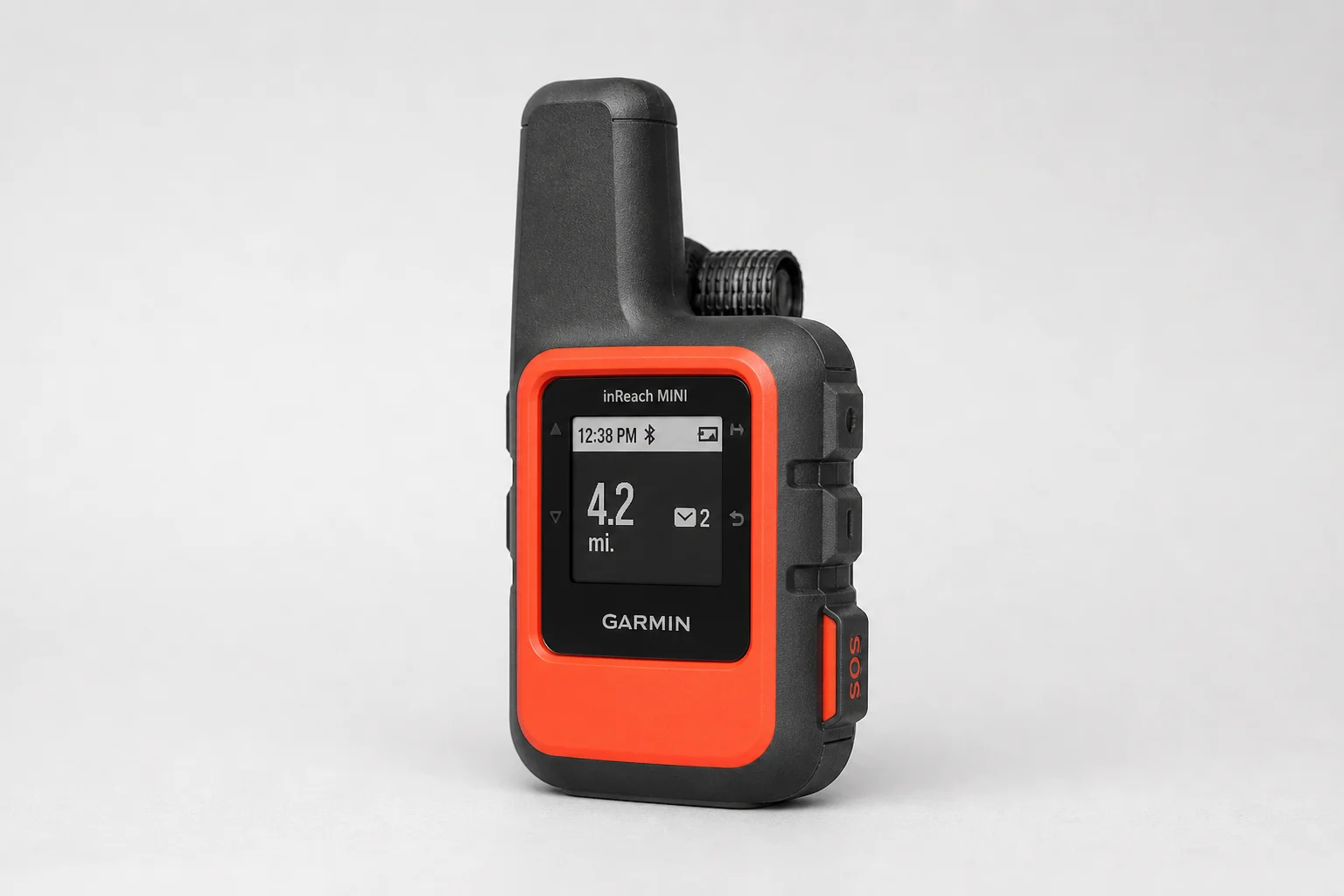
Garmin inReach Mini
The inReach Mini lives in the top pocket of the pack, and it is the item that changes what a bad situation can turn into. It has SOS capability, and it supports two-way communication either on the device itself or paired with a phone, which means you can call for help or coordinate with people back home from places with no cell reception.
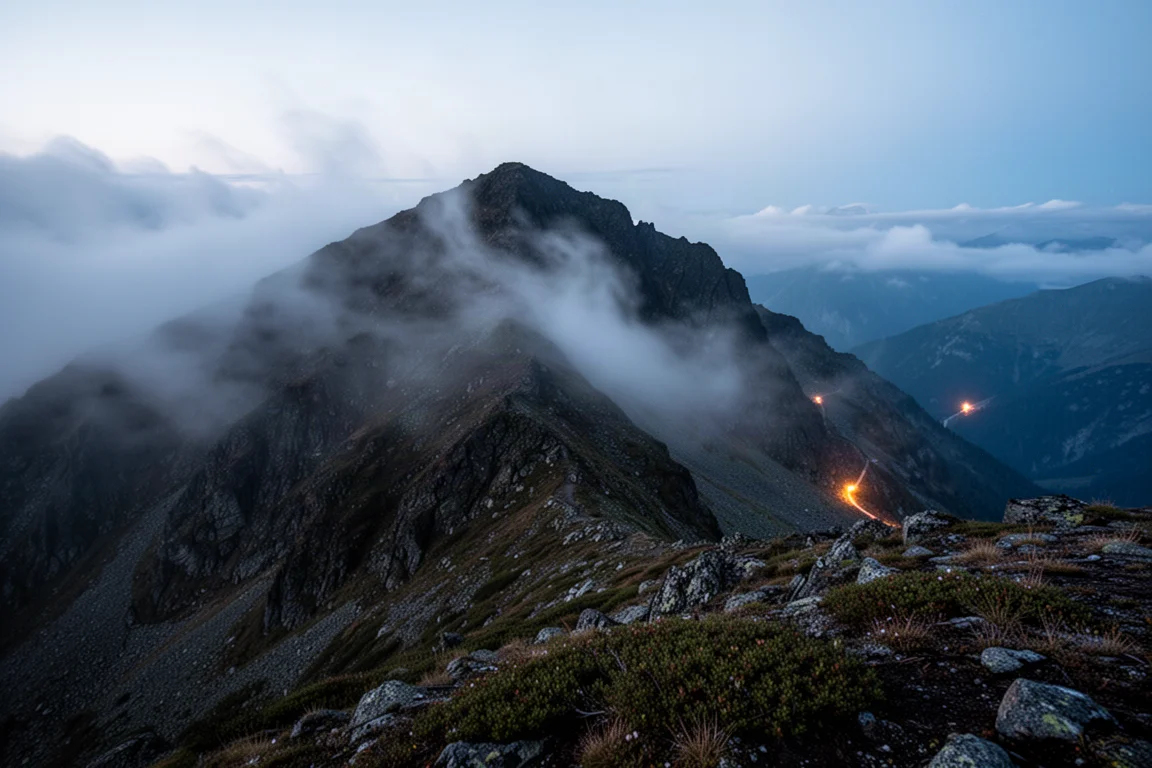
For a day hike, the practical value is the same as it is on a longer trip. You are not relying on a signal that may not exist. Combined with an insulating layer and a rain shell, it is also what makes the plan to spend an unplanned night out realistic if weather delays help.
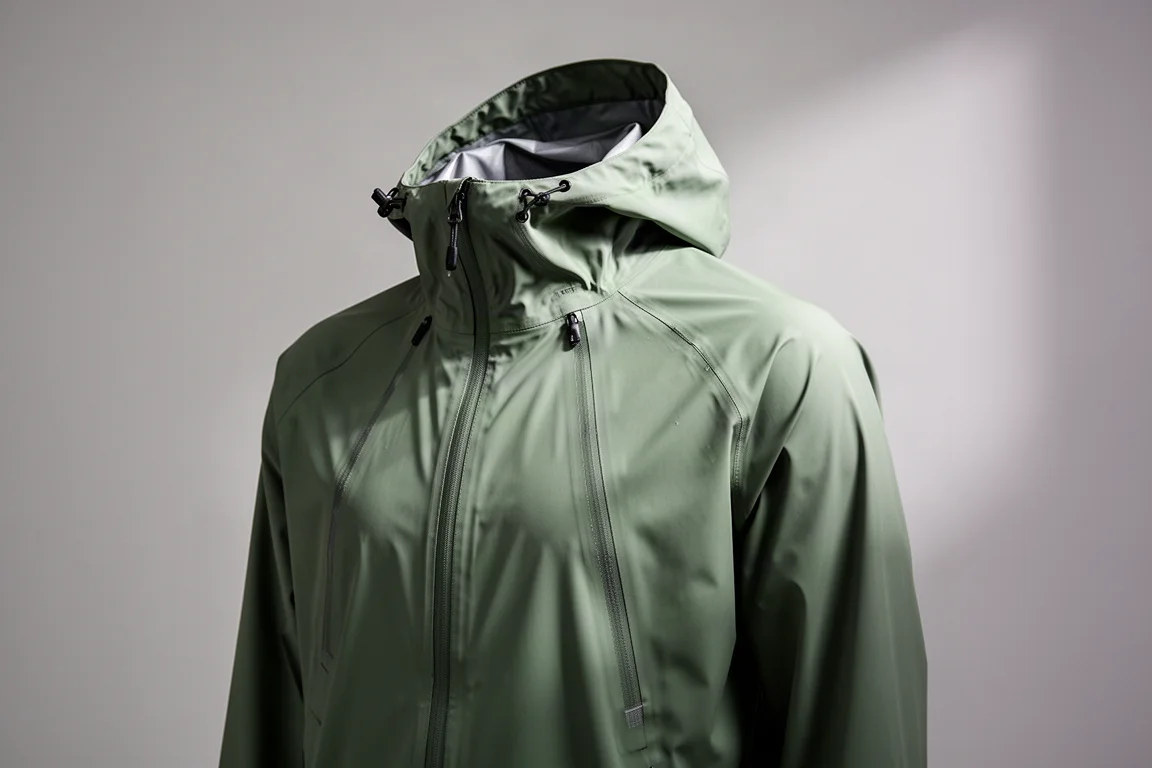
Outdoor Research Helium Rain Jacket
A rain jacket you are willing to wear is worth more than one you merely carry. The Helium is fitted rather than balloon-like, so it layers cleanly under a pack, and it breathes well enough to keep on during active hiking in wet weather rather than only pulling it out in an emergency. The fabric was updated to be more durable, and it has held up well through months of regular use.
That combination, more durable and better fitted than a minimal emergency shell, is why it stays in the main compartment instead of being treated as a backup. It also works over an insulating layer when the temperature drops and the rain keeps coming.
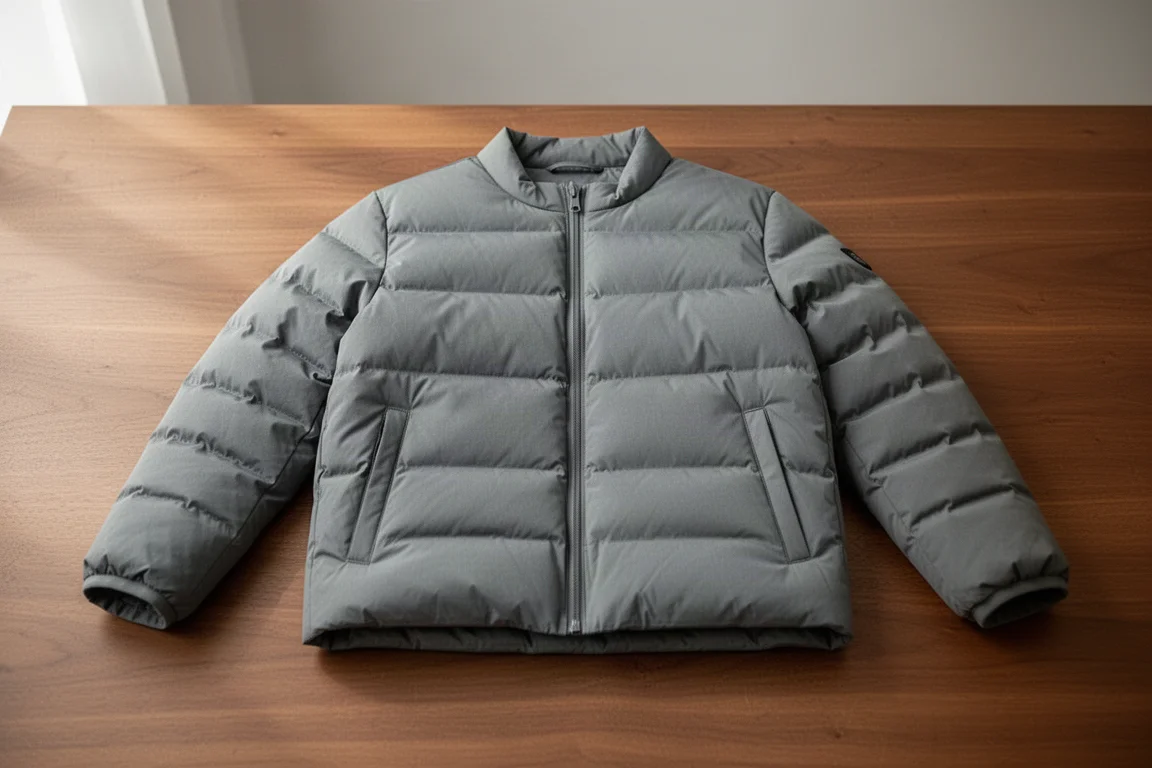
Decathlon Trek 100 Down Jacket
The Trek 100 is the insulating layer, and it stays in the pack on every hike regardless of the forecast. It is warm, very affordable, and compresses into its own pocket, which makes it easy to justify carrying even when you do not expect to need it.
In practice it comes out at breaks and snack stops, when you stop generating heat and the chill sets in quickly, and it goes on over everything else if the weather turns. Packed down small, it is the difference between a comfortable lunch stop and a short, cold one.
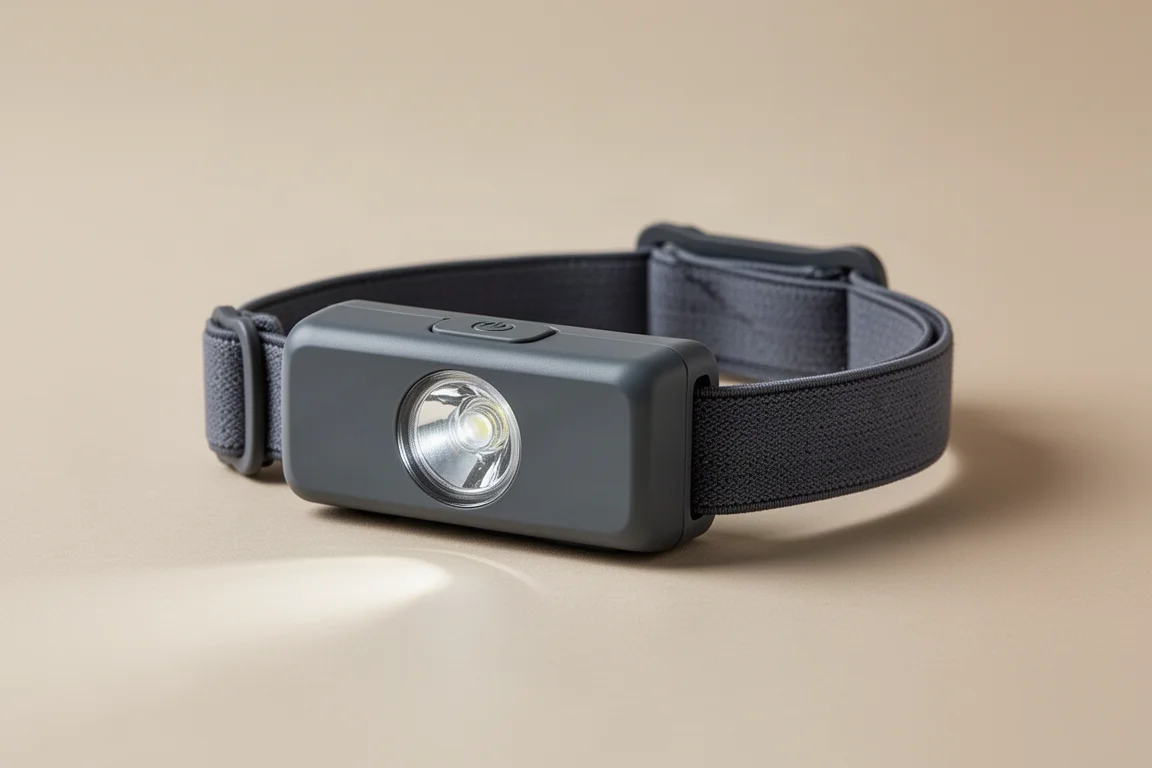
Nitecore NU25 Headlamp
A headlamp is the classic item people leave behind and then wish they had. The NU25 is small and light enough to keep in the pack permanently, so the decision is already made before you leave the trailhead. If a route takes longer than expected or you get back to the car after sunset, you are not navigating the last stretch by phone light.
Keep it somewhere you can reach without unpacking, and check the charge before a long day. That is the whole routine, and it is far less trouble than the alternative.
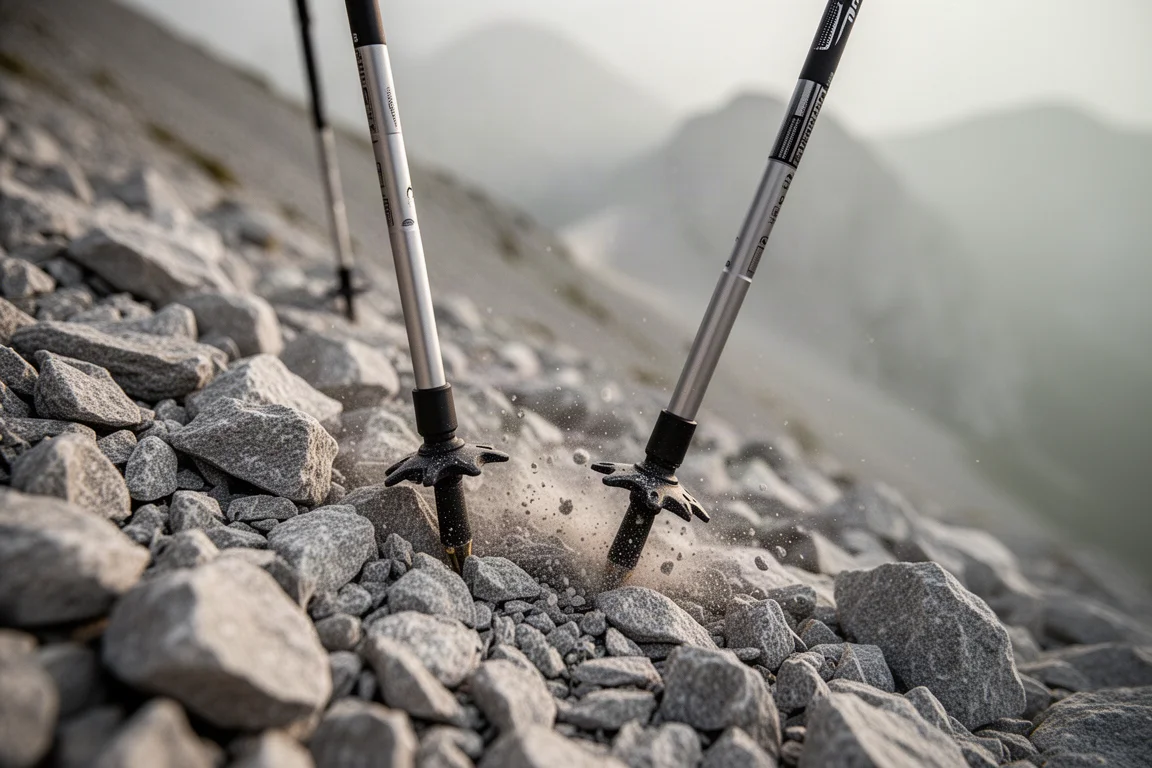
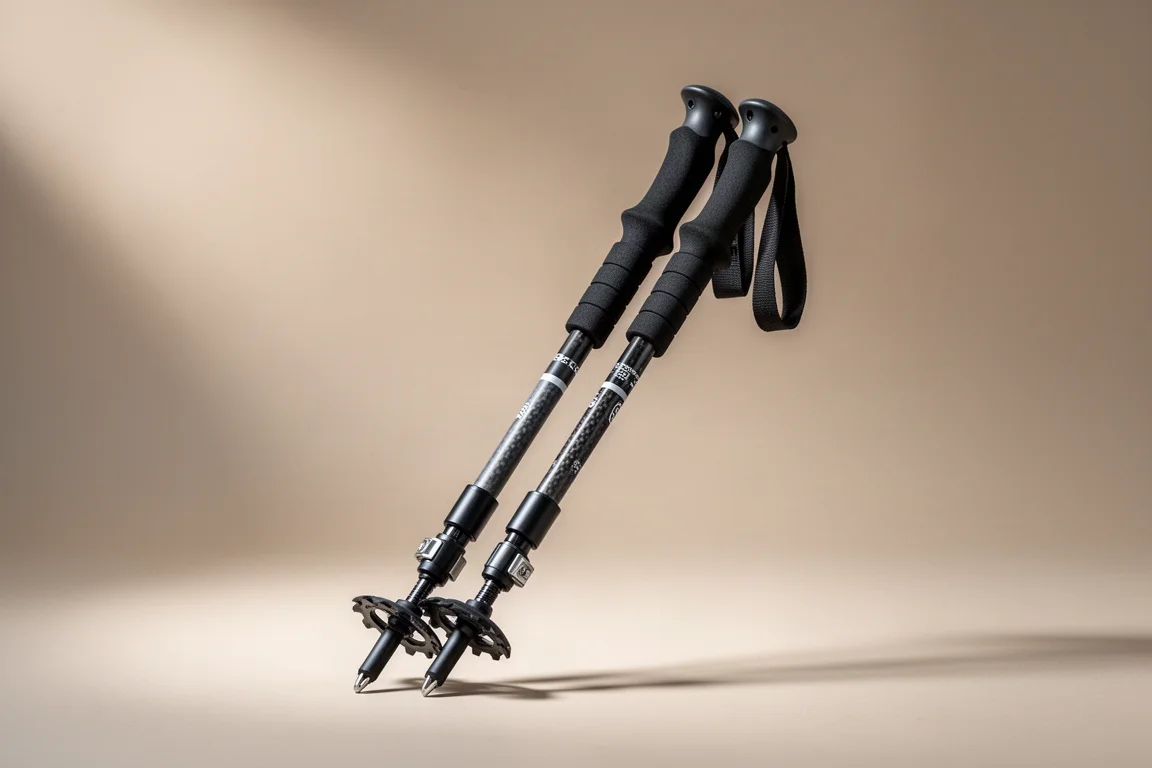
Trekology Trekking Poles
Trekking poles take load off your knees and body, which matters most on long descents and on days with a heavier pack. These collapsible poles are built from carbon fiber and titanium, described as the first trekking pole made from those two materials, and they are very light for the size they collapse down to.
Because they pack small, they strap to the side of a day pack when the terrain is easy and come out when it is not. For hikers with knee or joint concerns, or anyone covering a lot of vertical gain and loss, they are one of the few items on this list that actively reduces effort rather than simply managing risk.
Buying Advice
If you are building this kit from scratch, buy in order of consequence. Water treatment first, because it determines how much you carry and how far you can go. Then navigation with redundancy, then insulation and rain protection, then light and communication. The comfort items come last, but they are not optional in practice, since a seat pad you use on every break is worth more than a gadget you use twice a season.
The pack should probably come first in your thinking even though it is not the most critical item, because capacity and carry shape everything else. A 12-liter pack with a vented back panel and a hydration sleeve covers a day hike for most people, and if you prefer a hip belt for weight transfer, look for a pack that includes one.
Finally, treat the whole setup as one system rather than a list. A rain shell, an insulating layer, and a headlamp only help if they are actually in the bag, and a satellite communicator only helps if you know how to use it before you need it. Load it, walk a few miles with it, and adjust from there.
Conclusion
A day pack does not need to be complicated. A small, well-organized pack, a way to treat water, navigation you can trust with a backup, a warm layer, a rain shell, a headlamp, and a way to call for help cover the situations that actually go wrong on a day hike. Everything else on this list exists to make the day more comfortable, and in cold or wet conditions that comfort is often what keeps a plan on track.
Further reading
Related Reviews
Hiking Gear
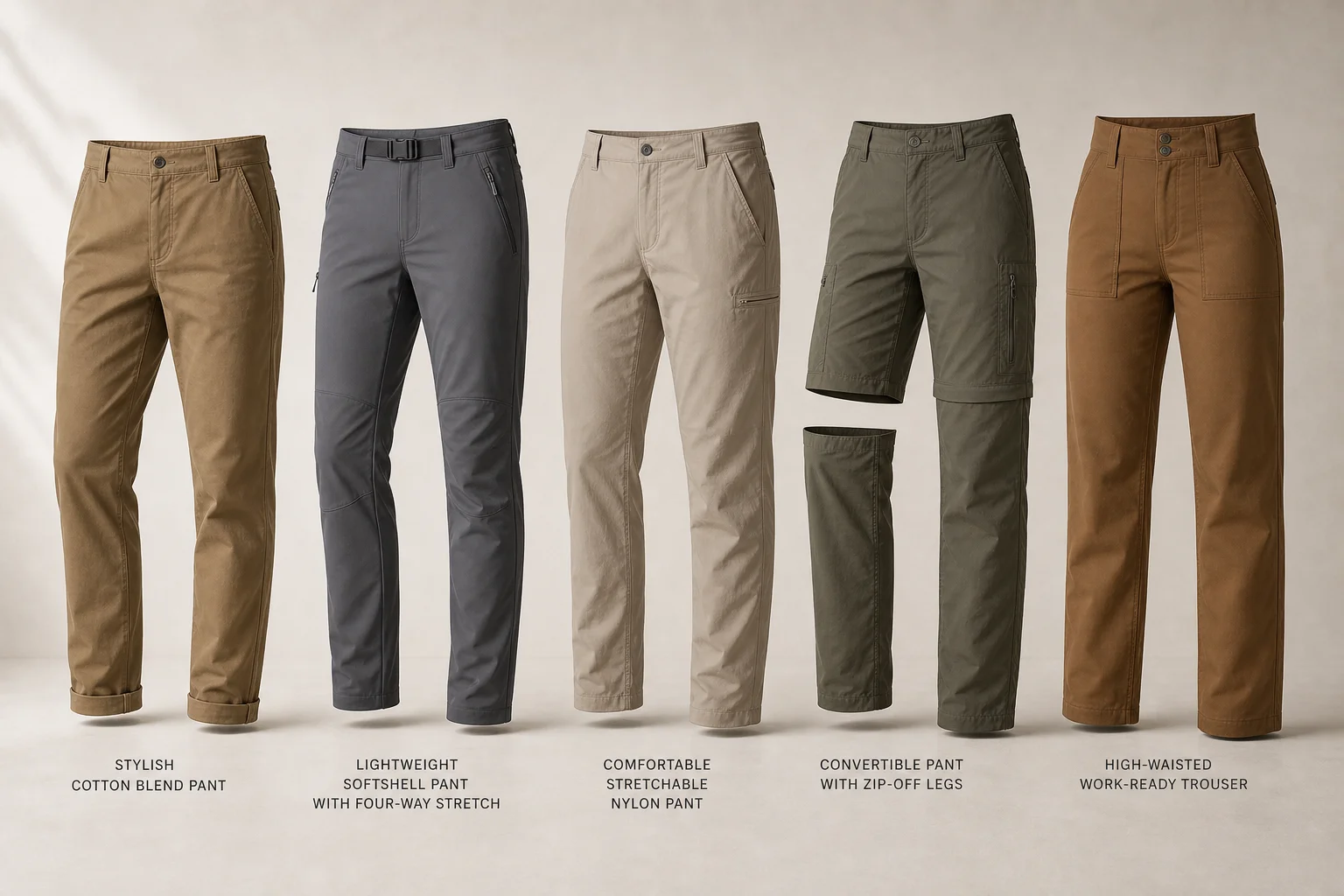
Best Hiking Pants on Amazon: Five Practical Options for Different Needs
A practical review of five hiking pants with clear strengths and trade-offs, from lightweight convertible styles to durable work-ready trousers.
Hiking Gear
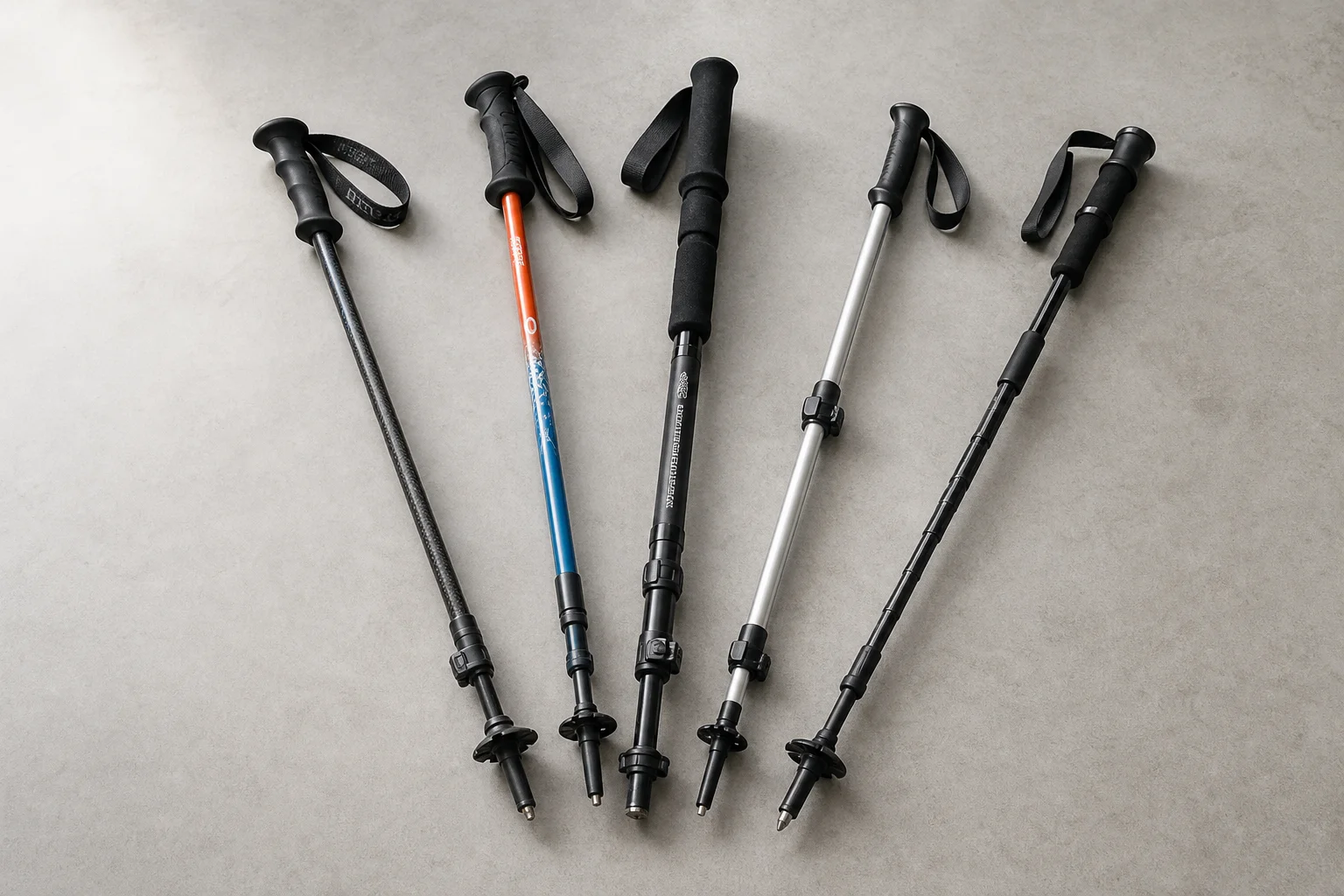
Best Hiking Poles 2026: Five Options for Different Trail Needs
A practical review of five hiking poles, from lightweight carbon designs to versatile all-terrain options, with clear strengths and trade-offs for each.
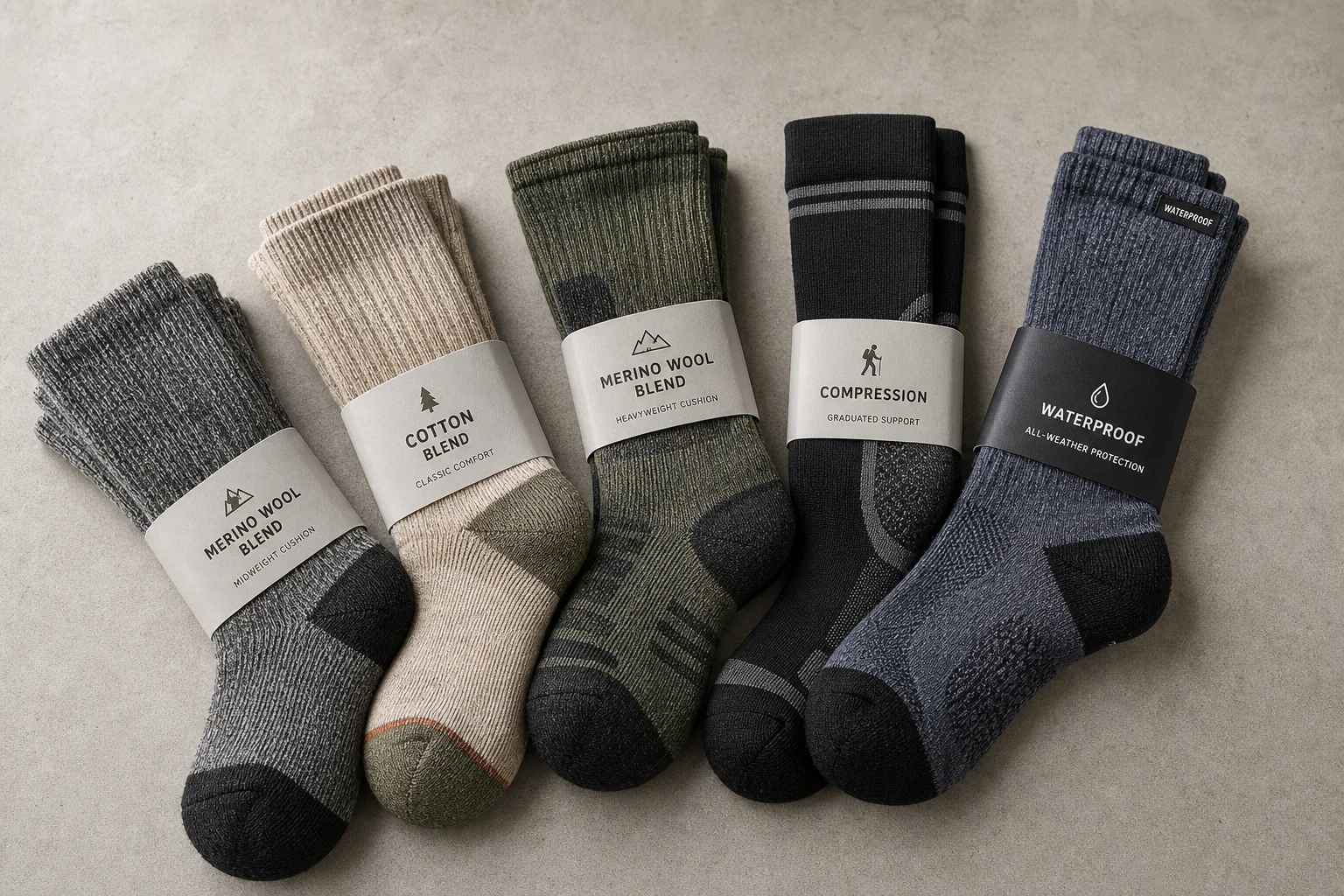
Hiking Gear
Best Hiking Socks 2026: Five Top Choices for Different Trail Needs
A practical roundup of five hiking socks, from lightweight merino options to heavy-duty compression styles, with clear guidance on which suits your outdoor activity.