Hiking Gear
Day Hiking Essentials 2026: Eight Pieces of Gear That Earn Their Place
A practical day hiking setup built around comfort, water and safety, with clear notes on fit, trade-offs and who each piece suits.
Introduction
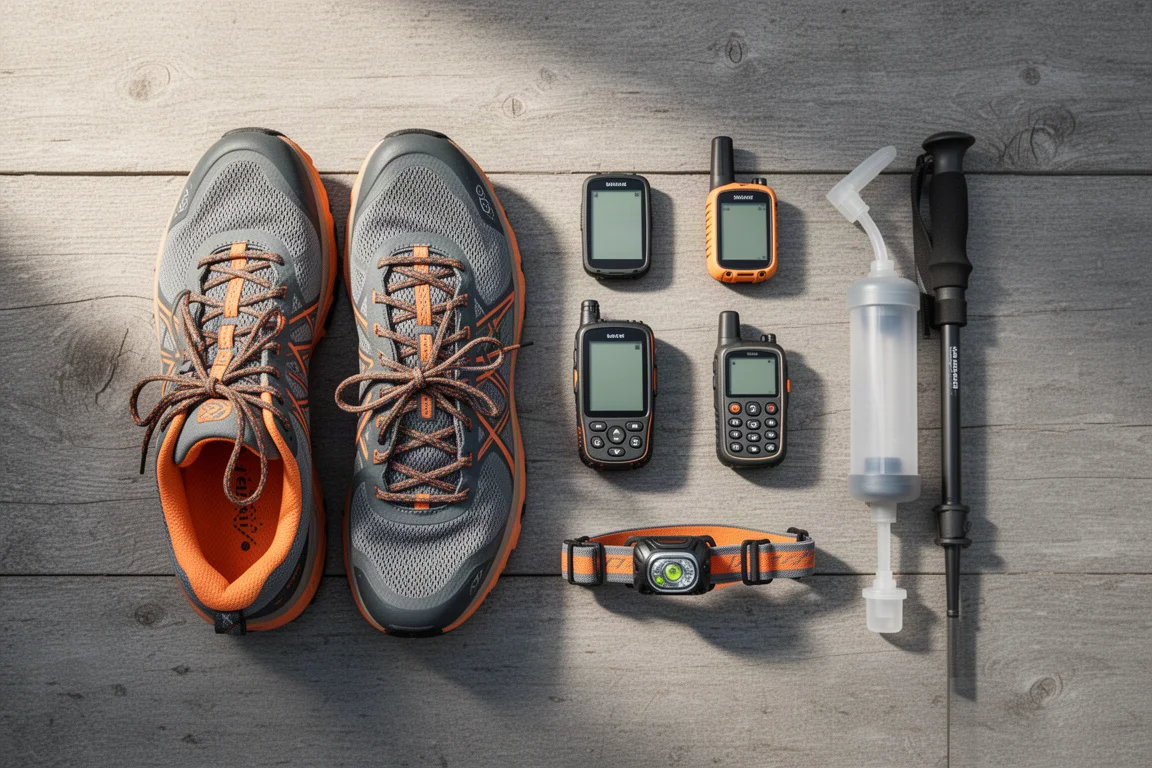
A day hiking kit does not need to be complicated, but it does need to answer three questions. Can you stay comfortable while moving? Can you drink and eat enough? And can you handle a day that does not go to plan?
The setup below covers all three. It has been carried over hundreds of miles of trail, and each item is here because it is light, durable, or genuinely useful when conditions change. The goal is not to fill a pack. The goal is to leave the trailhead with a margin of safety that weighs very little.
Nothing in this kit is exotic. Most of it is straightforward gear that does one job well, which is exactly why it works. The notes below cover what each piece does, where the trade-offs sit, and who it suits.
How This Day Hiking Kit Was Chosen
Three criteria shaped the list.
Reliability comes first. Gear that fails in wind, rain or cold is worse than gear left at home, because it takes up space and offers false confidence. Every item here is expected to work with wet hands, in low light, or at the end of a long day.
Weight comes second. A day hike does not need a full backpacking load, and small savings add up over a long climb. The lightest options are not always the right options, but ounces matter when a route gains real elevation.
Simplicity comes third. Fewer moving parts means fewer things to break and less to think about on the move. Several items here were chosen specifically because they do less rather than more.
Redundancy deserves a mention too. Navigation and emergency communication are the two areas where a single point of failure is worth avoiding, so this kit includes more than one way to find a position and more than one way to call for help.
Hoka Speedgoat 5: Lightweight Trail Footwear
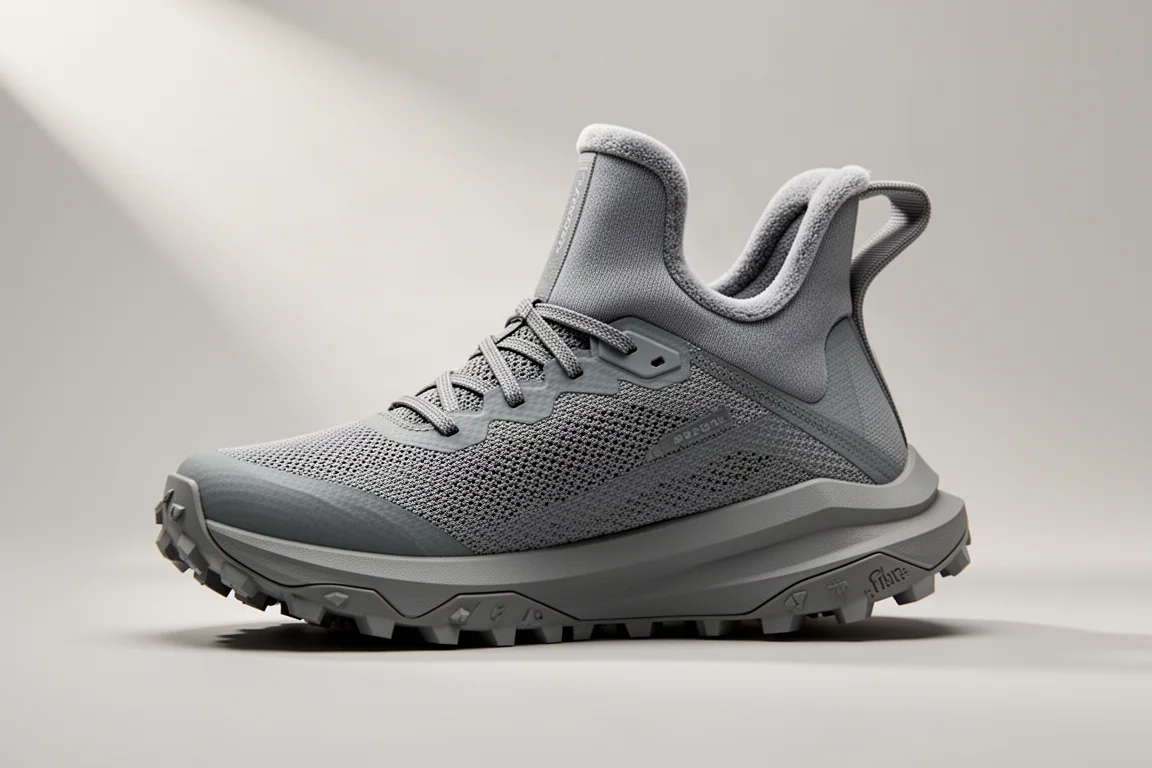
Footwear is the foundation of a comfortable day, and the Speedgoat 5 sits in a useful middle ground between a very light trail runner and a heavily cushioned shoe. It is lightweight, dries quickly, and offers a decent stack height with a low heel-to-toe drop, which makes it feel stable and comfortable over long distances.
Fit is the one thing to get right. These shoes run narrow, and a narrow fit can squeeze the toes on descents. A practical approach is to size up half a size in a wide width, which leaves room for feet to swell over a long day without creating rub points. Hikers who already wear a wide fit may want to consider going a full size up instead. For an average-width foot, wide plus a half size up is the usual recommendation.
Garmin inReach Mini 2: Satellite Communication and SOS
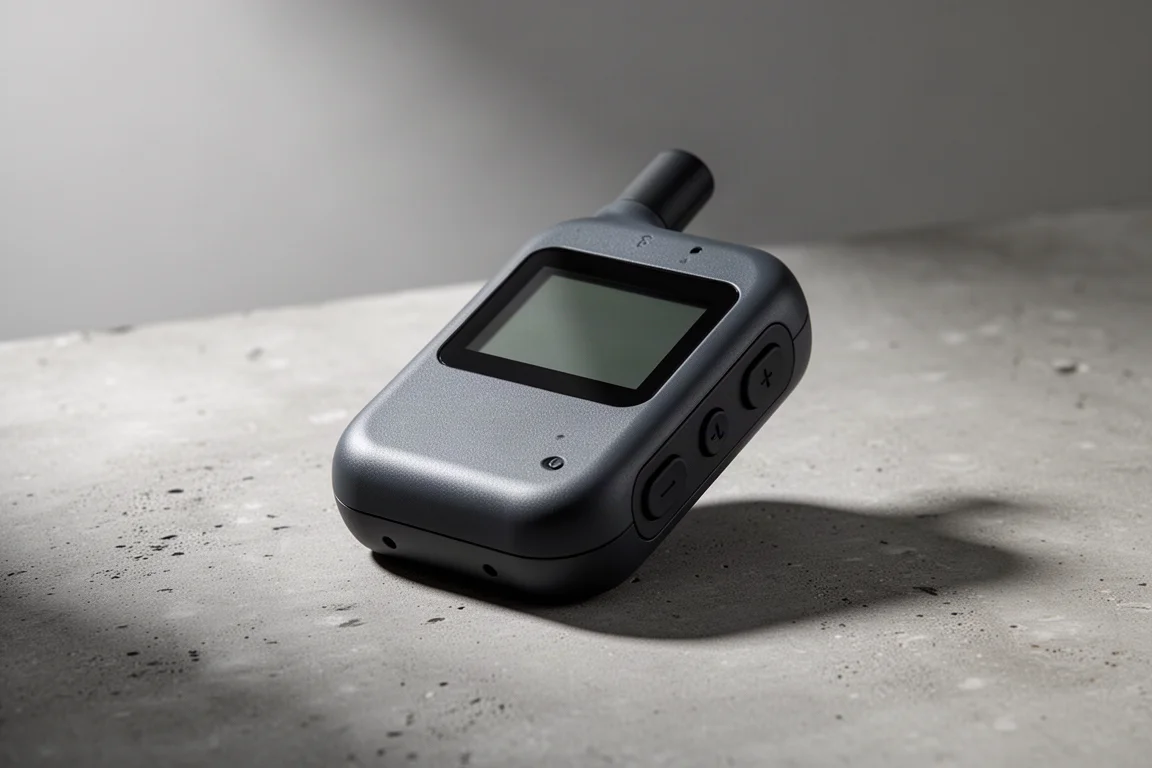
A satellite communicator is the piece of gear you hope never to use, and the inReach Mini 2 is a strong example of the category. It has long battery life, a rugged housing, and it can be operated entirely through physical buttons, so a phone is not required for anything essential.
Beyond emergency SOS, it supports weather information, non-emergency messaging, and a breadcrumb trail that lets someone at home follow progress. Two-way messaging matters more than it first appears, because it turns a rescue request into a conversation and lets you tell people you are simply running late. More affordable satellite communicators exist, so the decision comes down to how much you value the maturity of the platform.

For anyone who hikes alone, or who ventures into terrain without reliable mobile coverage, this is the item that changes the risk calculation the most. It is also the item most likely to sit unused for months, which makes battery behaviour and simple operation more important than a long feature list.
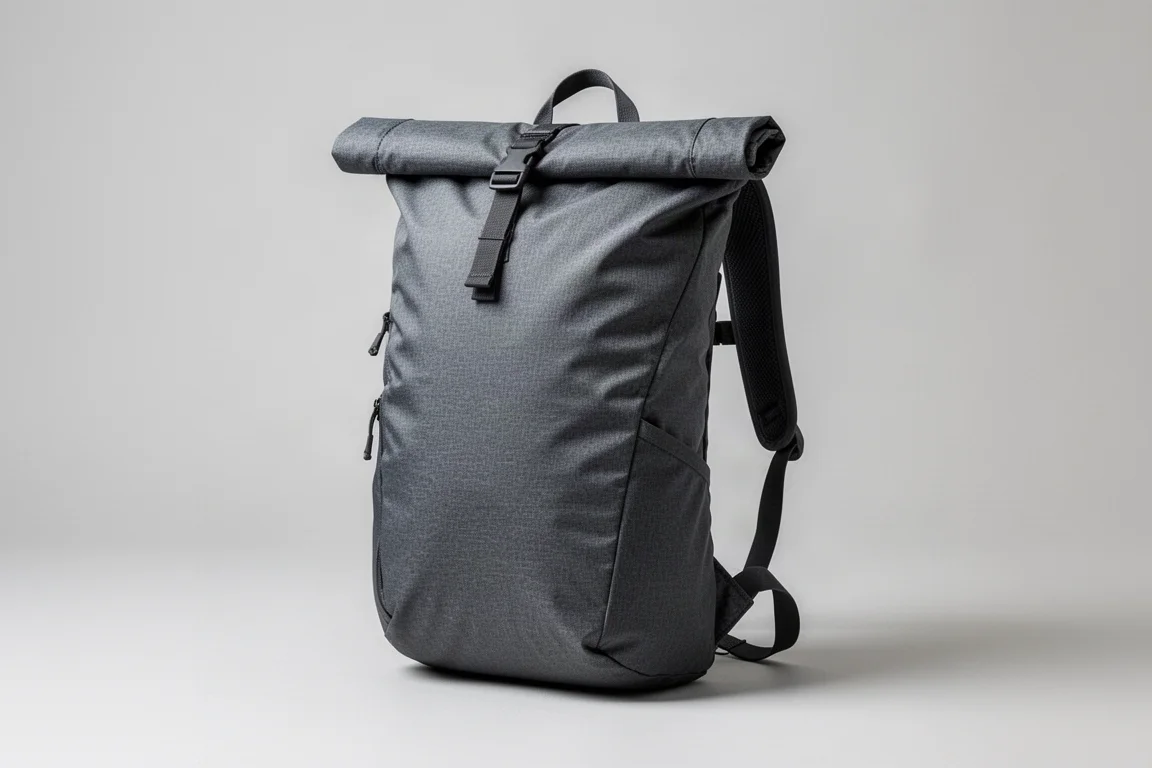
Zpacks Sub Nero 30: Ultralight Day Pack
The Sub Nero 30 is an ultralight pack with an unusual combination of properties: it is exceptionally light and effectively waterproof, which means no pack liner and no rain cover are needed. The design is minimal by intention, with very few features beyond the essentials.
That minimalism is the appeal and also the catch. It suits hikers who already know what they want to carry and how they want to carry it, rather than someone looking for a pack that organises gear for them. For an experienced hiker with a dialled-in kit, the simplicity is a benefit: less to adjust, less to break, and less weight on the shoulders.
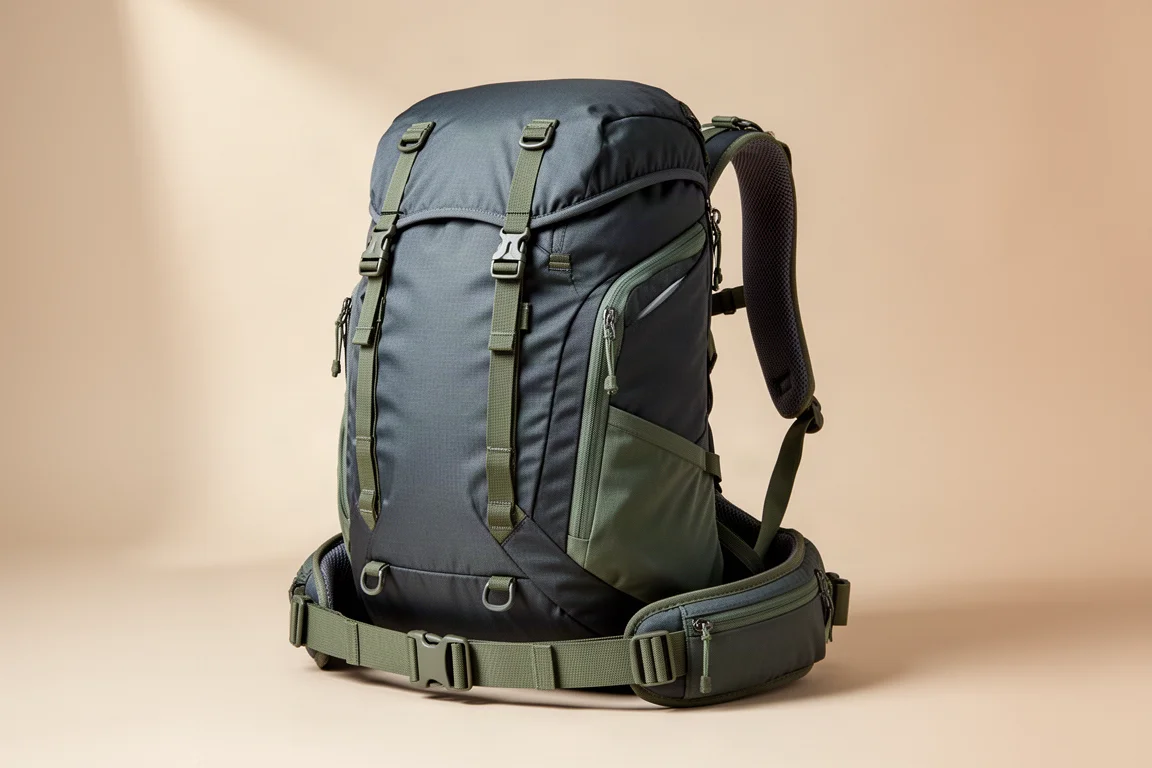
Osprey Stratos 24: Ventilated Day Pack
The Stratos 24 takes the opposite approach. Its trampoline back panel holds the pack away from the wearer’s back, which keeps air moving and makes a noticeable difference on hot days. That ventilation comes with a little more structure and weight than a minimal ultralight pack, and for many hikers it is a fair trade.
This is the pack that tends to come out when the forecast is warm or when the load is heavier than usual. A front bottle carrier is a useful addition, since it keeps water within reach without taking the pack off.
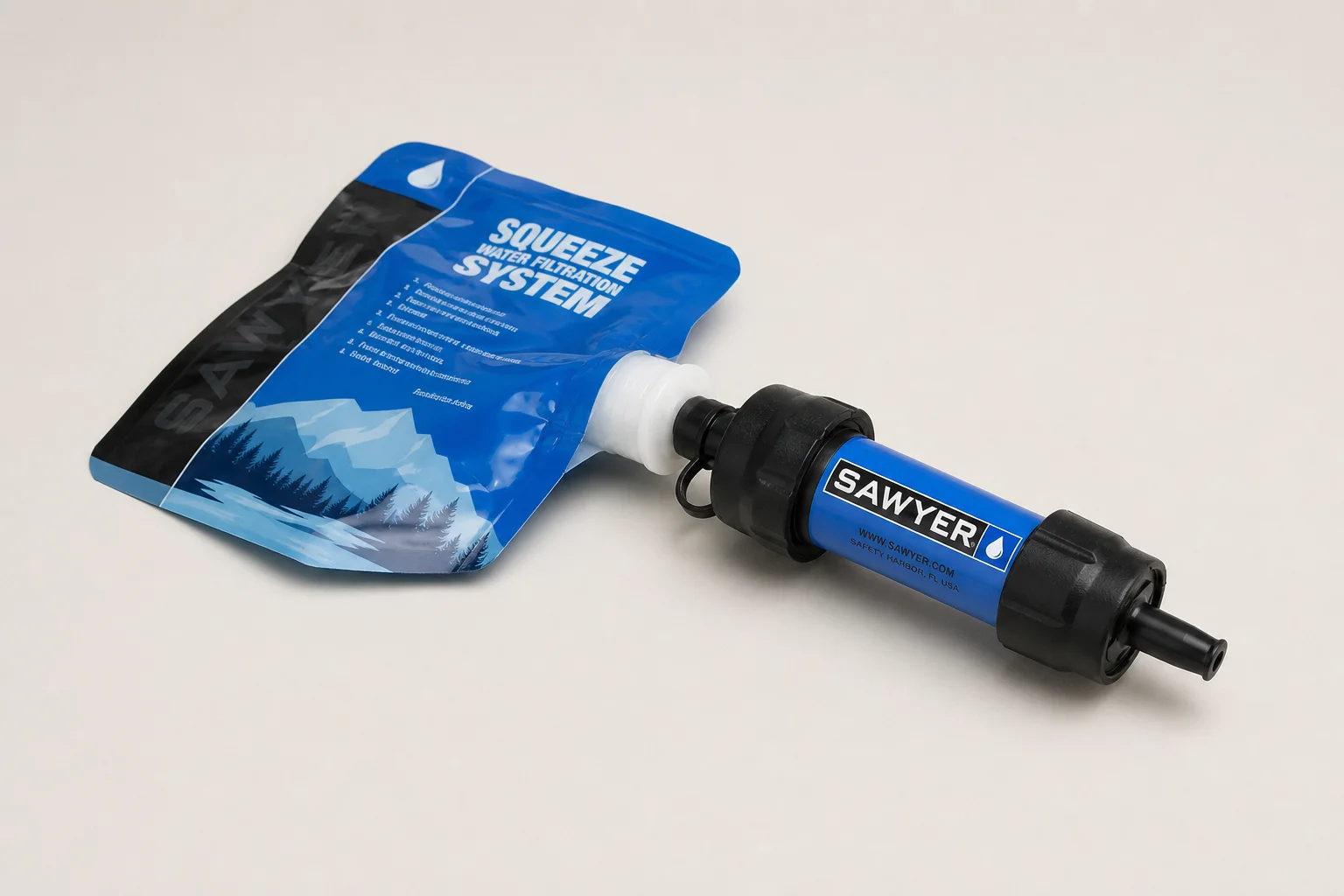
Sawyer Squeeze: Water Filtration on the Trail
The Sawyer Squeeze is one of the simplest ways to treat water. It threads directly onto the top of a standard water bottle, and drinking is a matter of squeezing the bottle and drinking through the filter. It is affordable, durable, and widely available.
Part of the appeal is the bottle system rather than the filter alone. Widely sold one-litre water bottles share a consistent shape and thread, which makes them easy to replace almost anywhere and easy to pair with a filter. Swapping the cap from a smaller sport bottle onto a one-litre bottle creates a convenient drinking top. A hydration bladder is an alternative that encourages drinking more, but bottles make refilling and filtering simpler.
How much water to carry depends on the season and the route. As a general rule, three litres covers roughly twelve miles in summer conditions, with less needed in cooler weather. Filtering along the way reduces the load considerably when reliable water is available.
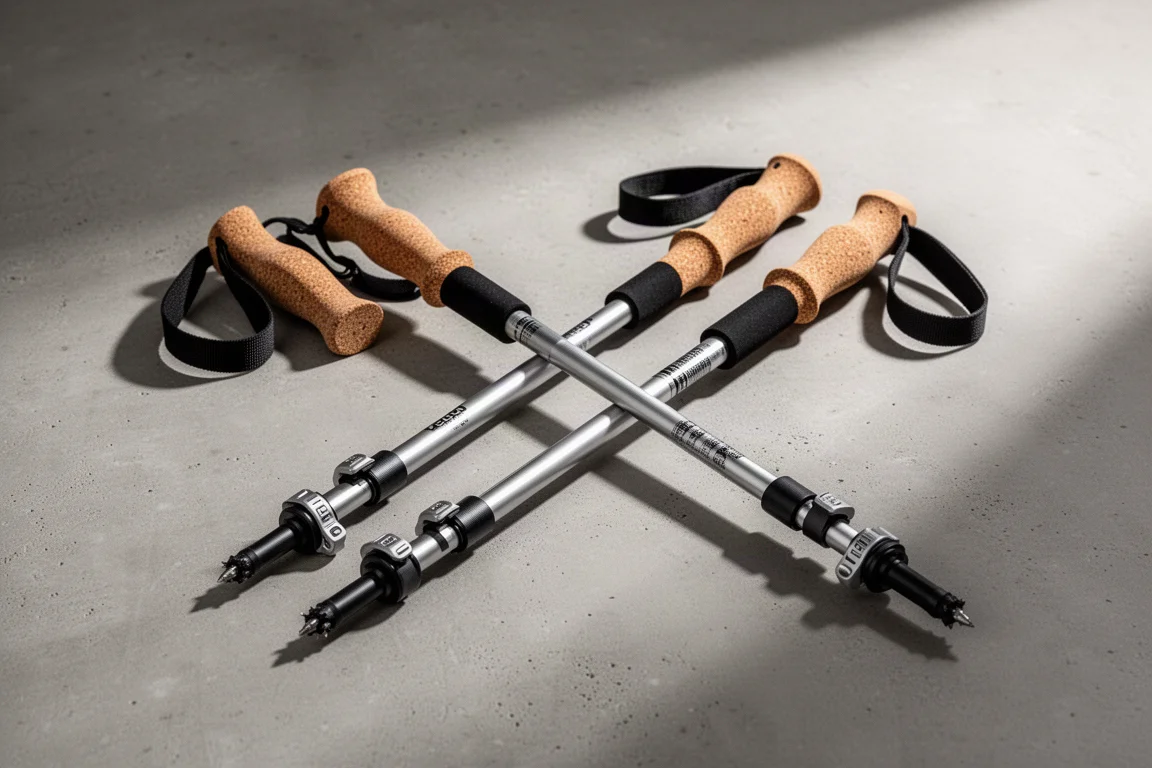
Black Diamond Alpine Cork Trekking Poles
Trekking poles are optional for many hikers, but they earn their place on steep descents and stream crossings. The Alpine Cork poles use cork grips, which stay comfortable when hands get sweaty, and a locking mechanism that allows the length to be adjusted for the terrain.
They are lightweight and feel durable, with a construction that holds up to regular use. A lighter folding option exists in the same range, though it uses a fixed height and no locking mechanism, so it trades adjustability for weight. For hikers who only occasionally want poles, carrying a single pole in a side pocket is a reasonable compromise: it is there for balance-intensive moments and out of the way the rest of the time.
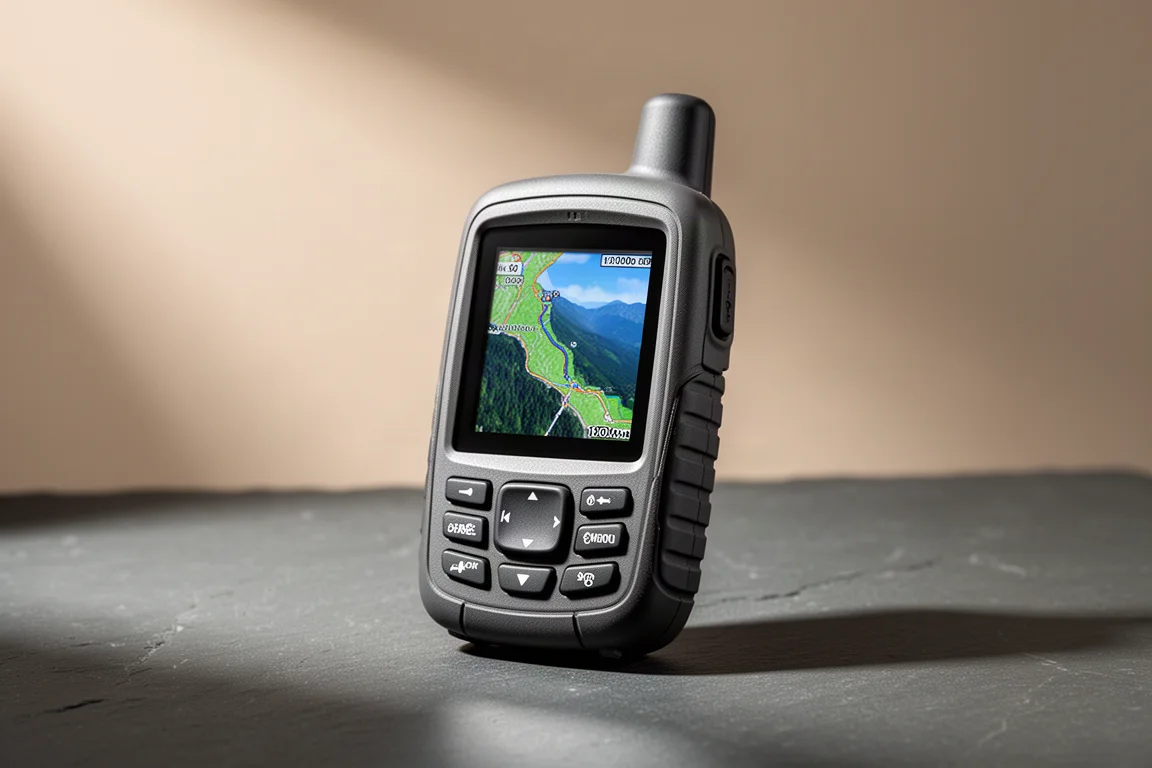
Garmin GPSMAP 67: Rugged Handheld Navigation
Navigation deserves redundancy, and a handheld GPS is the most dependable layer. The GPSMAP 67 is built for outdoor use: rugged, waterproof, and controlled entirely through physical buttons. That matters more than it sounds, because touchscreens become difficult in rain and gloves, while tactile buttons keep working.
It ships with maps already loaded, so there is no need to prepare and sync map sets before a hike, and a planned course can be added when needed. On-the-fly navigation, such as routing to a point or checking a position against a trail junction, is easier here than on a phone or a watch. A phone with offline maps and a paper map with a compass complete the picture, and the paper map remains the layer that never runs out of battery.
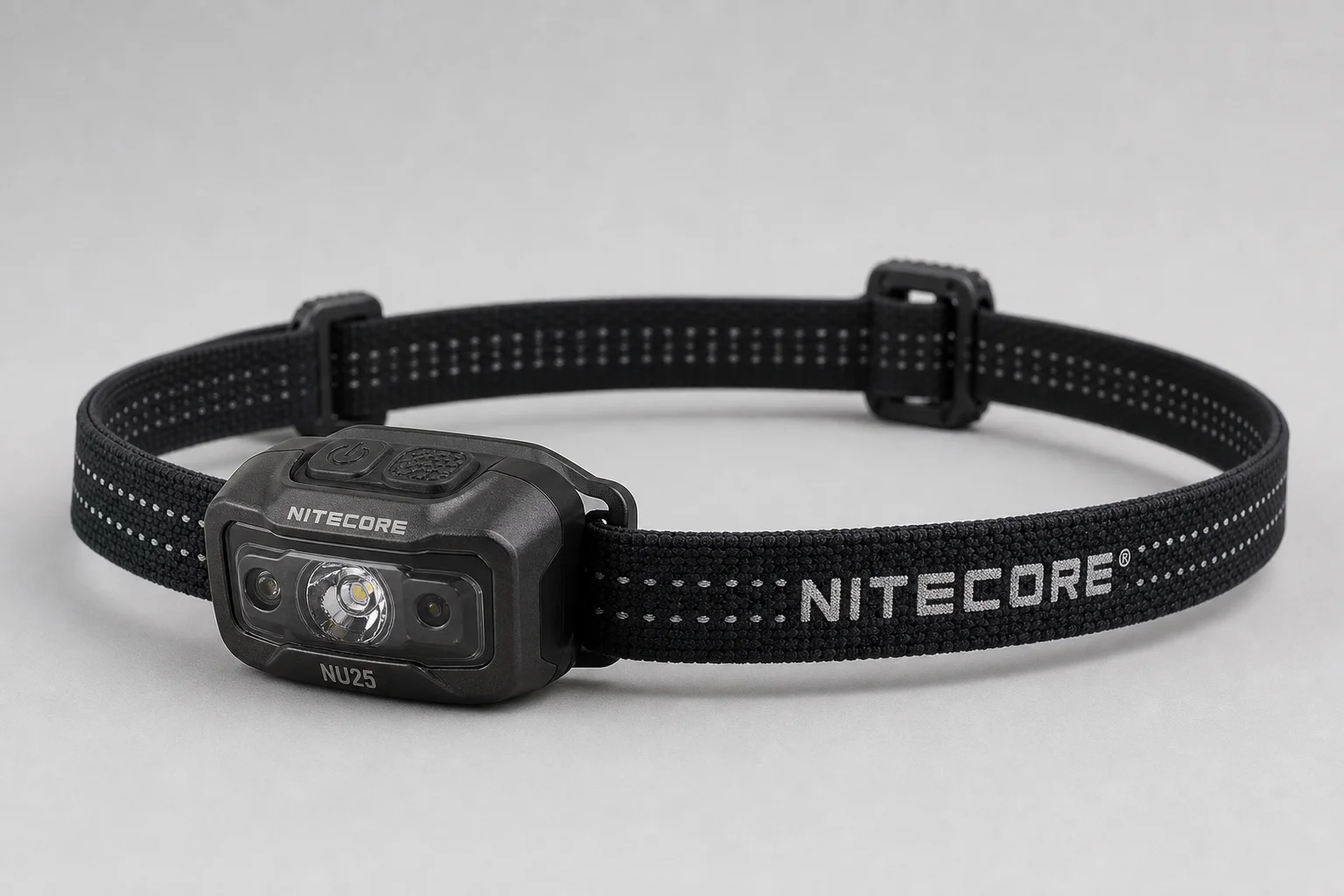
Nitecore NU25: Simple, Lightweight Headlamp
The NU25 is small, light, and deliberately basic. It charges over USB-C and does what a headlamp needs to do without a complicated interface. The design also avoids a common annoyance: headlamps that switch on inside a pack or lose their batteries when a door opens.
Most headlamps are more complex than a day hike requires. A compact body, a single button and a simple retention strap cover the realistic use cases, which are finishing a hike after sunset or handling a task in camp.
Overall Buying Advice
Start with the three items that carry the most weight in a safety sense: footwear, water treatment and a way to call for help. Get those right first, because they determine whether a day out stays comfortable and whether a problem stays small.
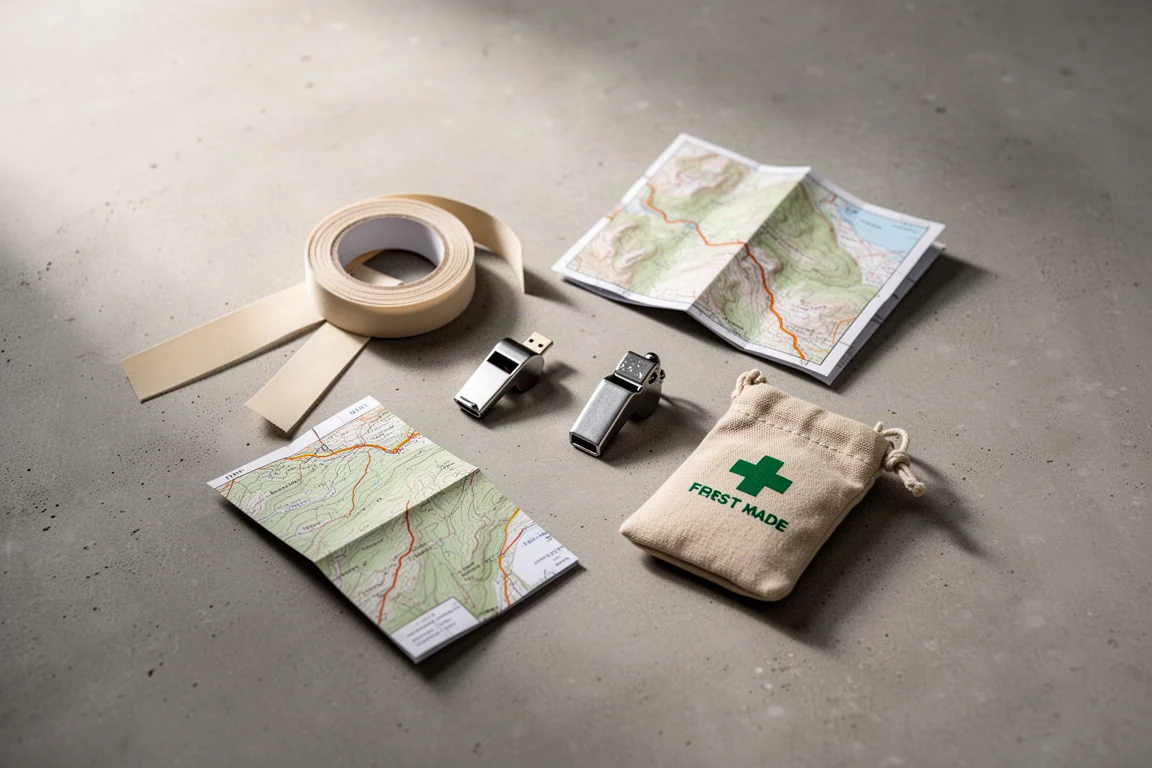
From there, the pack is the next decision, and it comes down to priorities. A ventilated framed pack suits hot weather and heavier loads, while an ultralight waterproof pack suits hikers with a settled kit who want to carry less. Navigation and lighting are areas where simple, dependable tools beat feature-rich ones, and a paper map costs almost nothing and never needs charging.
It is also worth building the kit gradually and testing each piece on shorter hikes before relying on it. A satellite communicator, a filter and a headlamp all behave differently in the field than they do at home, and a couple of easy outings are enough to learn the controls and confirm the fit.
Conclusion
A good day hiking kit is small, light and boring in the best way. The items above cover comfort, hydration, navigation and emergency communication, and none of them require special handling once the basics are understood.
The most valuable step is not buying everything at once. It is identifying which gap matters most on the hikes you actually do, filling that gap with a dependable tool, and then testing it before the day you need it.
Further reading
Related Reviews
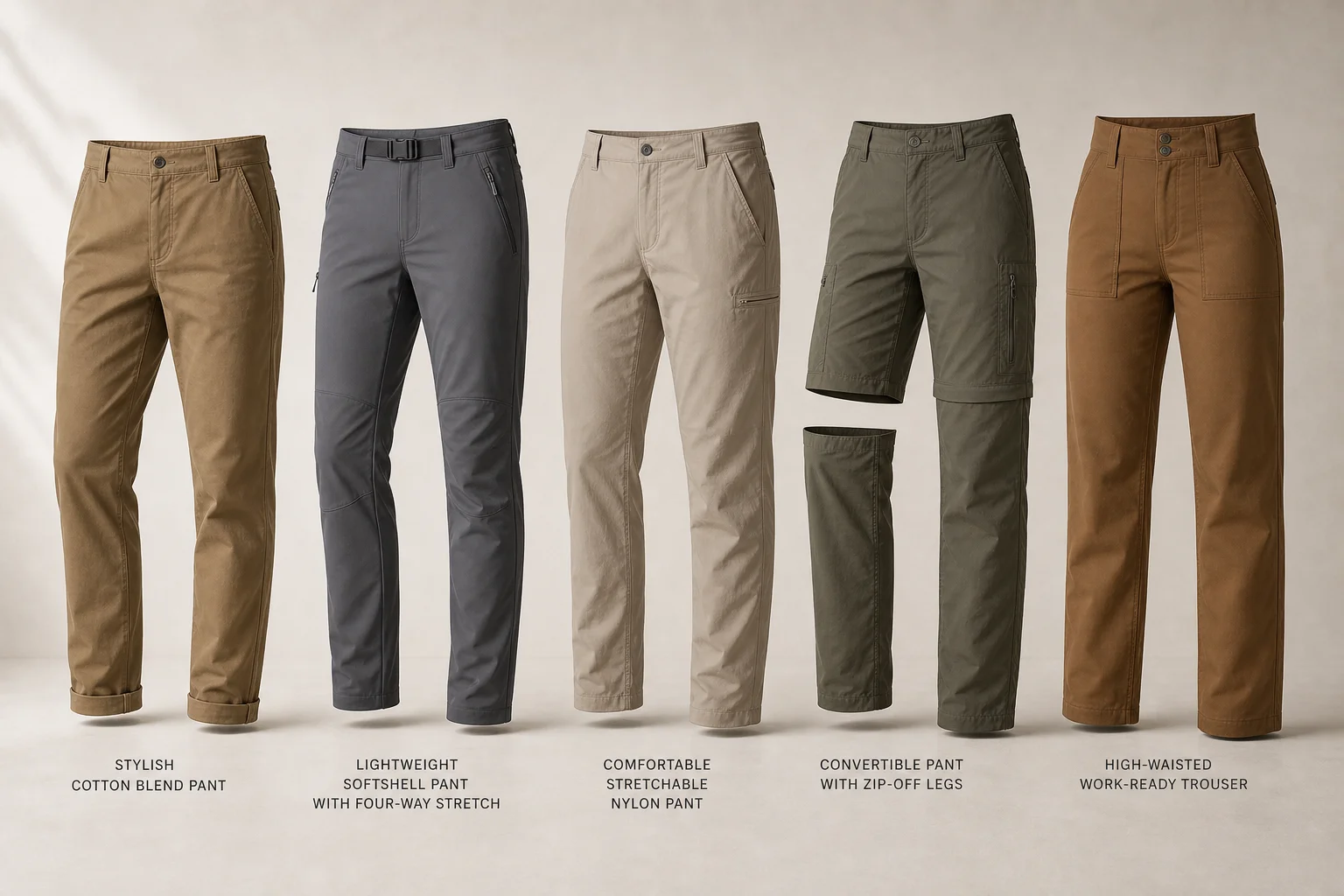
Hiking Gear
Best Hiking Pants on Amazon: Five Practical Options for Different Needs
A practical review of five hiking pants with clear strengths and trade-offs, from lightweight convertible styles to durable work-ready trousers.
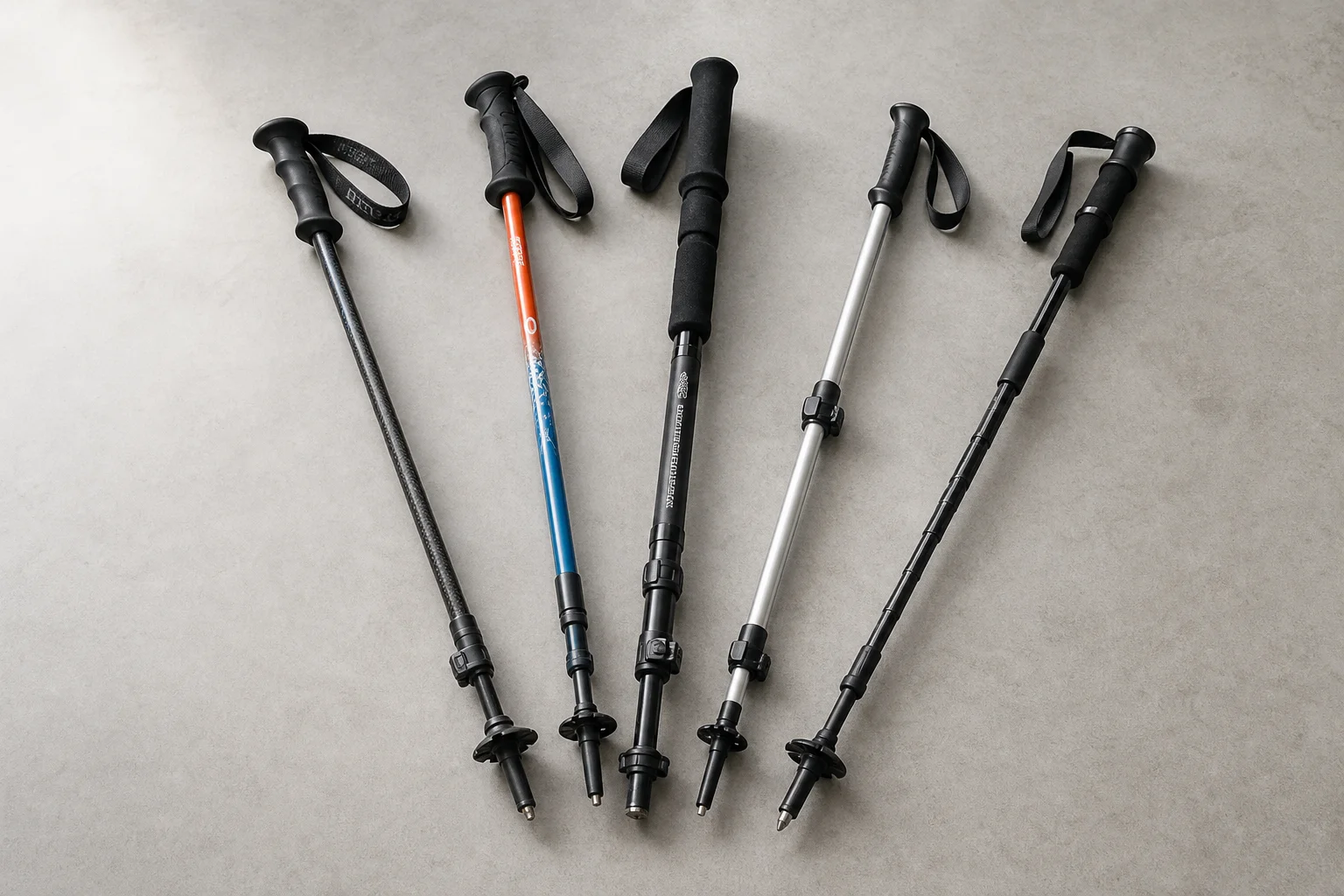
Hiking Gear
Best Hiking Poles 2026: Five Options for Different Trail Needs
A practical review of five hiking poles, from lightweight carbon designs to versatile all-terrain options, with clear strengths and trade-offs for each.
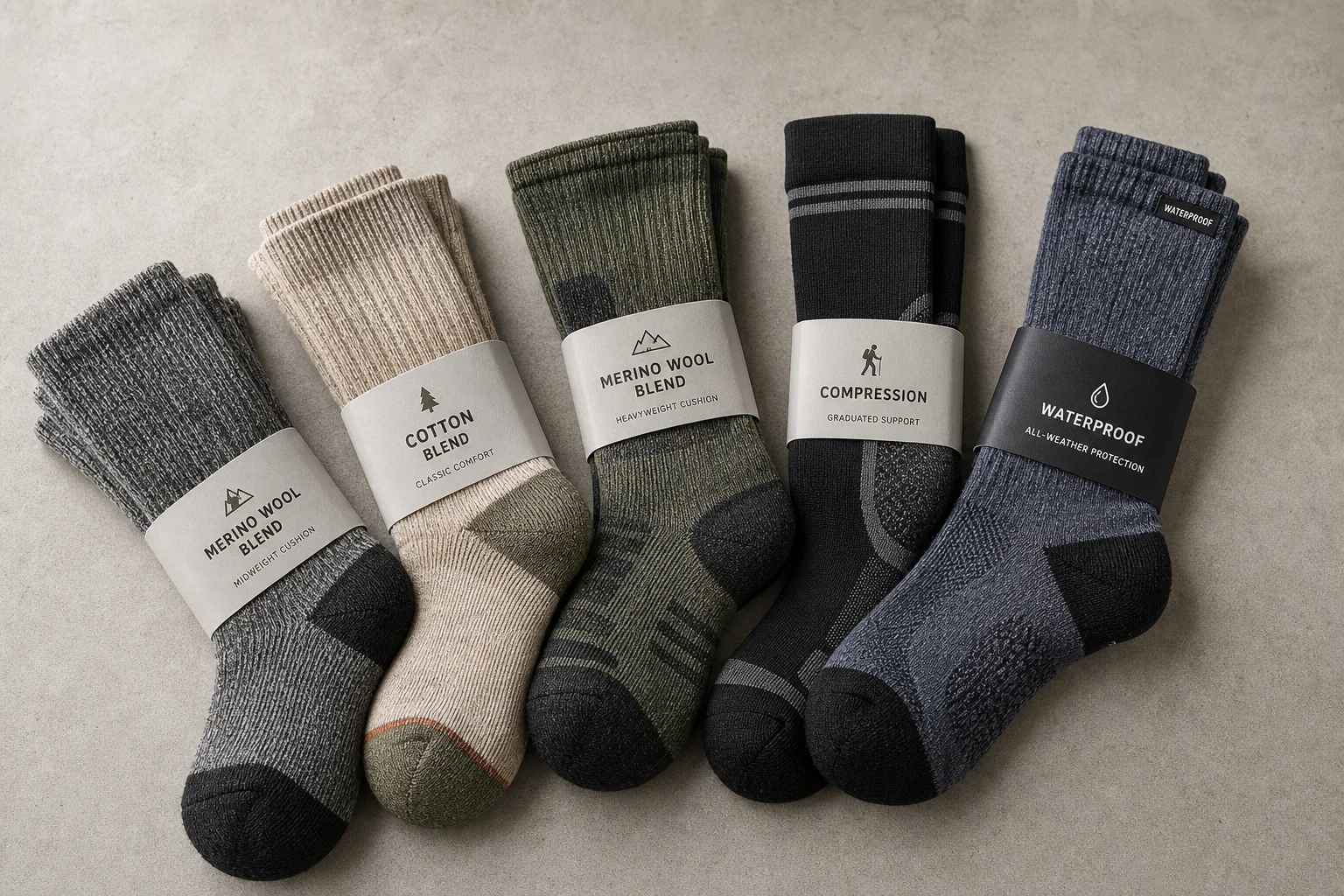
Hiking Gear
Best Hiking Socks 2026: Five Top Choices for Different Trail Needs
A practical roundup of five hiking socks, from lightweight merino options to heavy-duty compression styles, with clear guidance on which suits your outdoor activity.