Running Gear
The Complete Multi-Day Running Kit List: 17 Essentials for a 2,000-Mile Self-Supported Run
Sleep, hydration, navigation, fuel, and footwear: the gear selected for 70 days of self-supported running along the Danube, and why each item earned its place.
Introduction
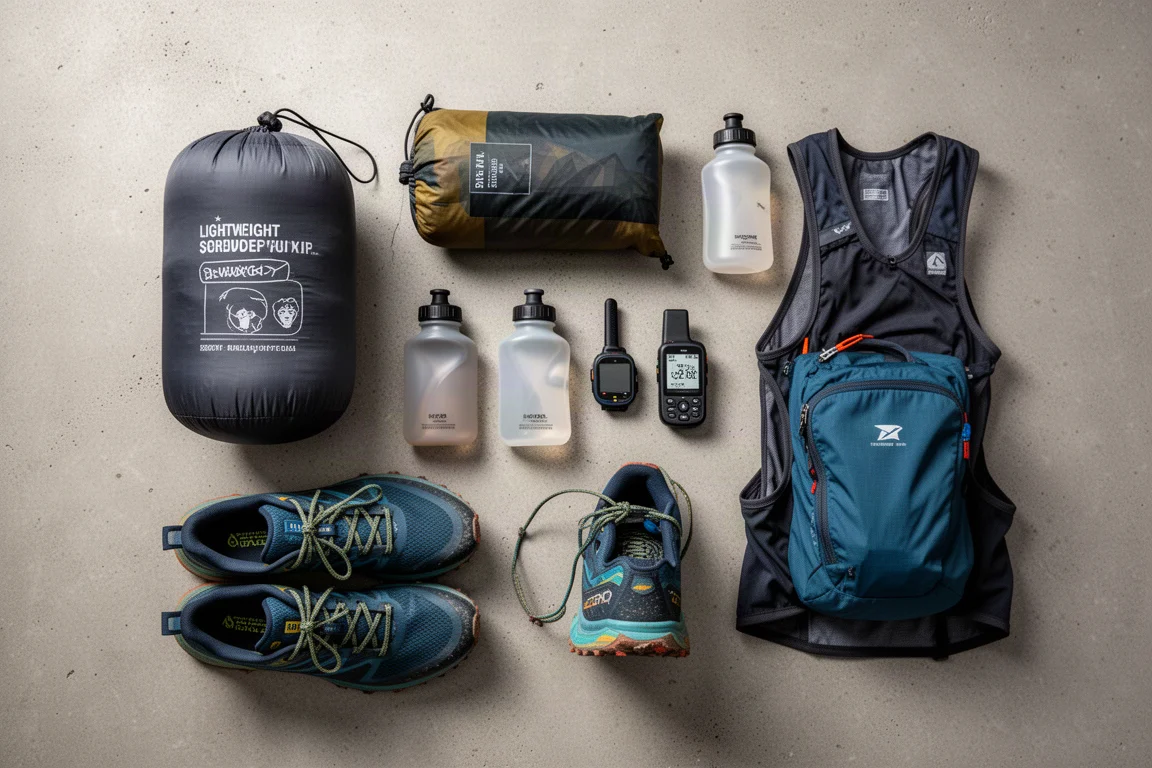
Running roughly a marathon a day for 70 days, largely self-supported, forces every piece of kit to justify its weight. Everything below was chosen for a 2,000-mile journey along the Danube, from sea to source, where the priorities are simple: run, sleep, stay fueled, and survive the wilderness stretches between towns.
Many of these items have been proven across other multi-day running adventures, so the picks favor reliability over novelty. If you are planning a multi-day stage race or a long self-supported run, this list is a strong starting point.
Sleep System: Traveling Light but Sleeping Warm
The sleep setup is built around a weight-to-comfort trade-off rather than full camp comfort, and it breaks down into three pieces that pack down impressively small.
Yeti Featherless Zero Sleeping Bag
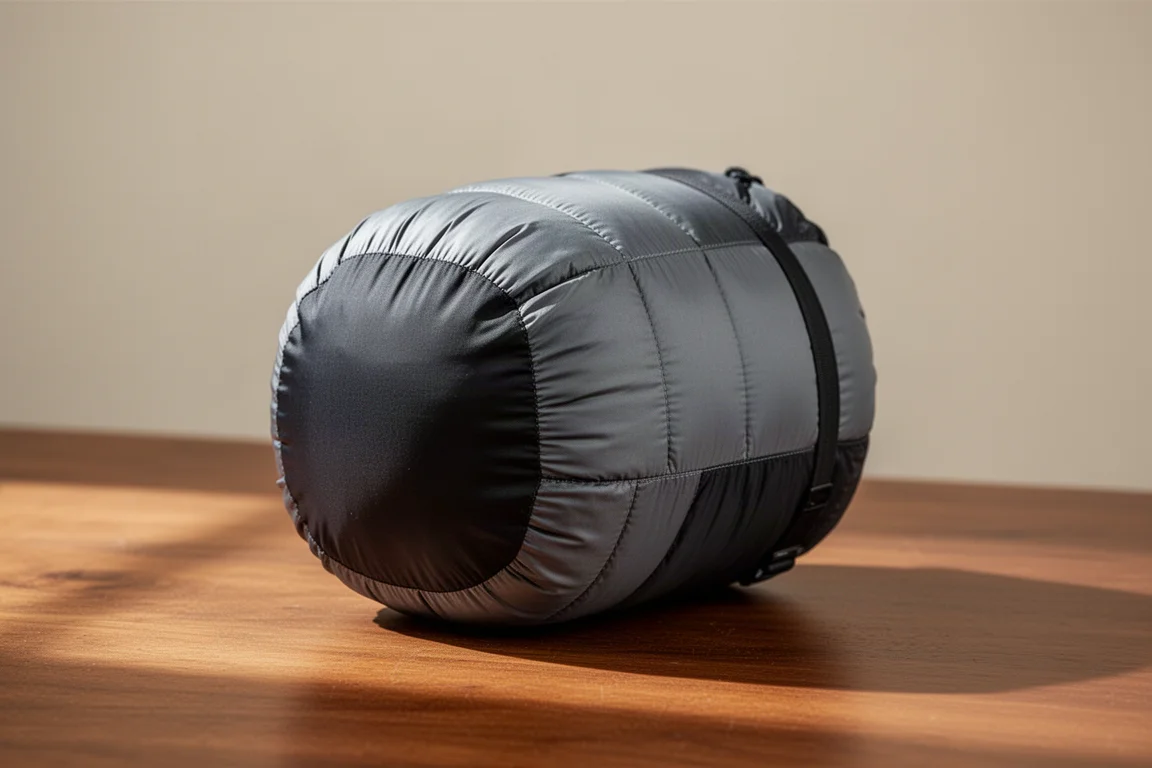
This is the core of the sleep system: an ultra-lightweight goose-down bag weighing around 250 grams that packs down to roughly the size of a small football. It is designed for warm conditions rather than sub-zero protection, which suits a summer river route where heavy insulation would be dead weight. For warm-climate multi-day runs, a bag in this class is hard to beat.
Alpkit BivySack
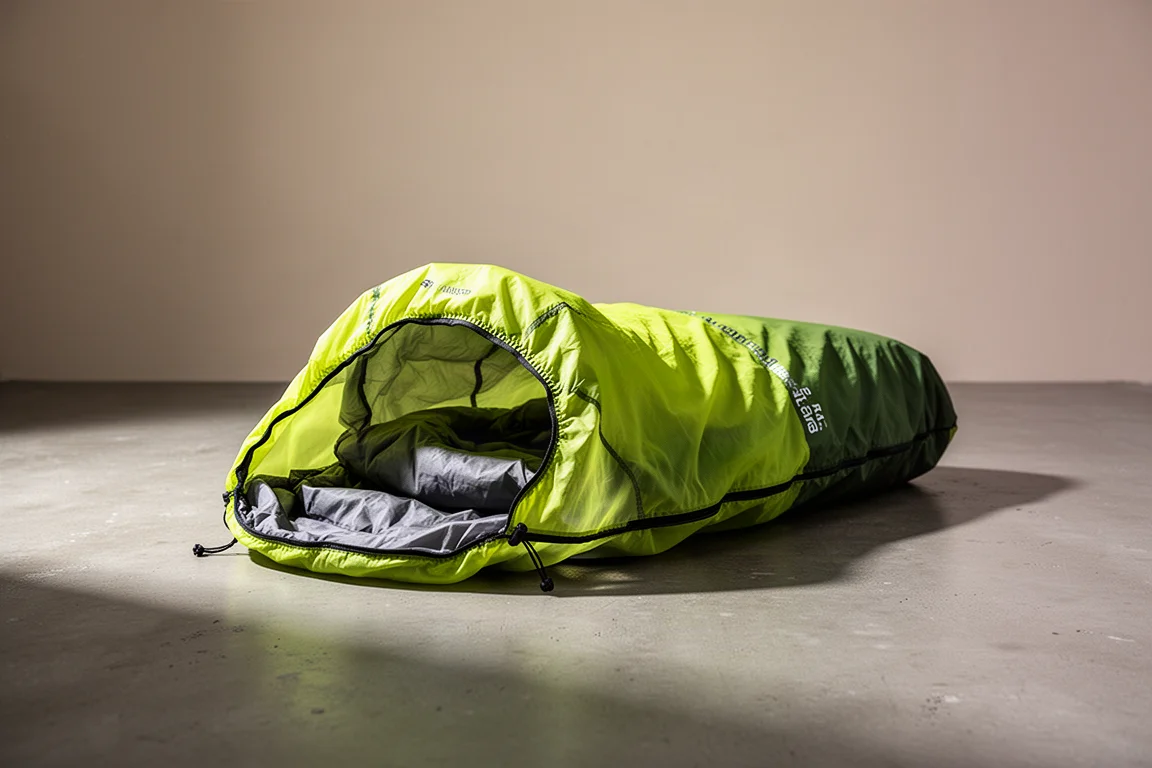
With no tent on the trip, the Alpkit BivySack serves as the waterproof outer layer, wrapped around the sleeping bag for protection from the elements. It weighs about 400 grams, includes a hood that covers the face, and rolls up tight enough to disappear into a pack. For anyone bivvying on a budget of grams, this is a sensible shelter solution.
Therm-a-Rest NeoAir Xlite (Half Mat)
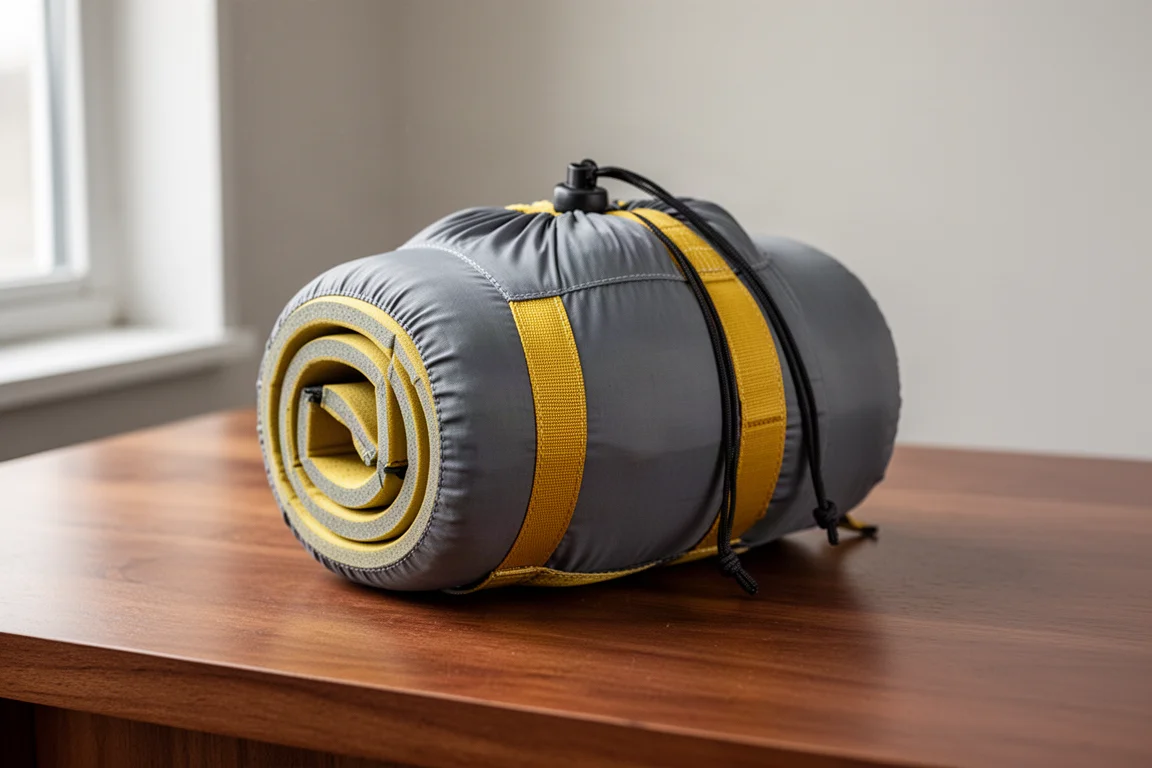
The NeoAir Xlite in its half-length form inflates by lung power alone and covers only from the shoulders to below the hips. It is not as comfortable as a full mat, but the weight saving is the point, and it is a mat that has been used heavily on previous multi-day trips.
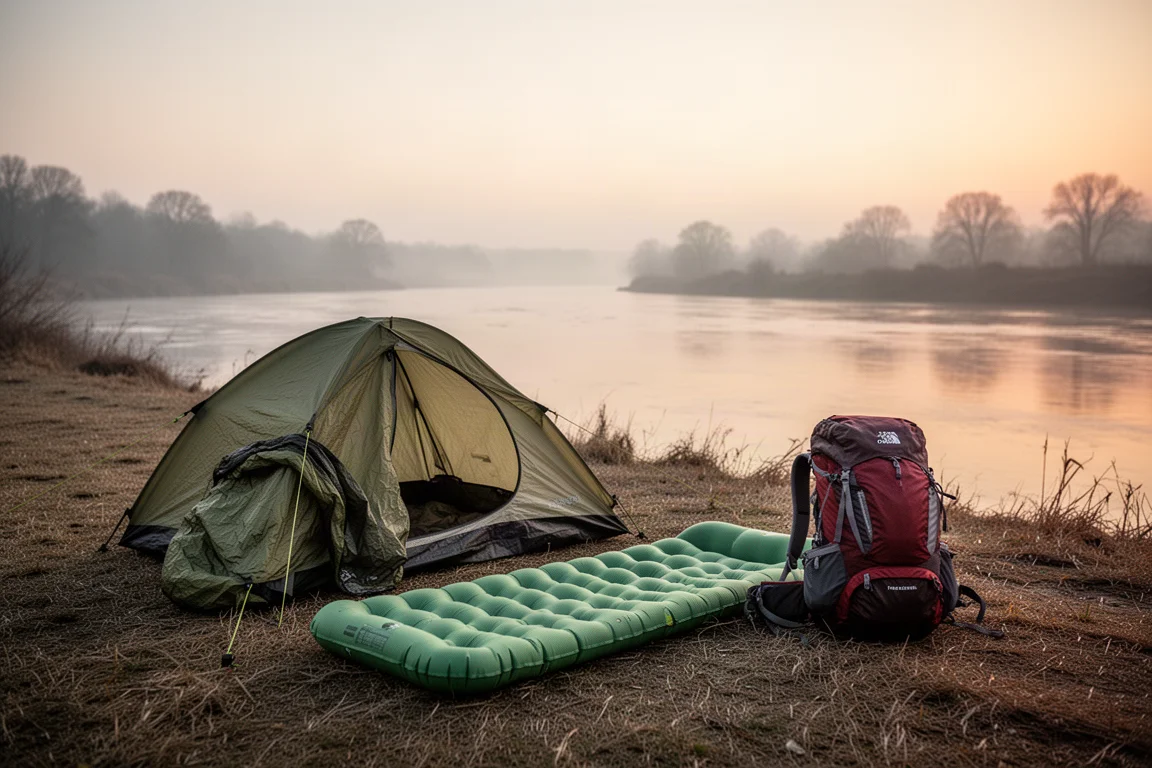
Around the sleep system sit a few supporting items: a hooded army-style poncho that doubles as a rain shell and, with a couple of bungee cords, an overhead canopy for camp; dry bags for electronics that tuck inside the bivvy sack to guard against condensation; and a rolled-up spare drop bag for keeping extra items dry.
Hydration and Water Safety
Running 2,000 miles along a river means carrying water constantly, and the setup combines everyday bottles with an emergency filtration backup.
Raidlight Argo 2 Bottles
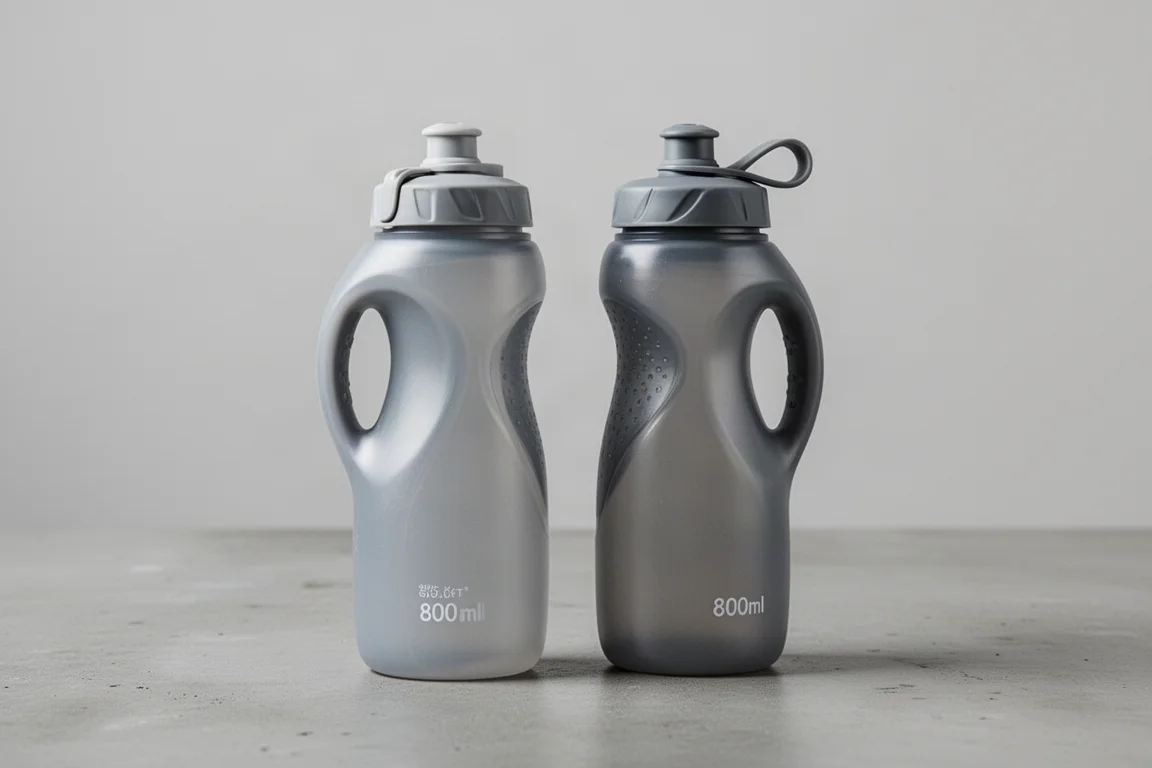
Two Raidlight Argo 2 bottles, ergonomic 800ml soft bottles that sit on the pack harness, handle day-to-day hydration. One carries electrolytes, the other plain water. They slot into stretchy bottle holders at a height that does not interfere with running form.
CamelBak LifeStraw Bottle
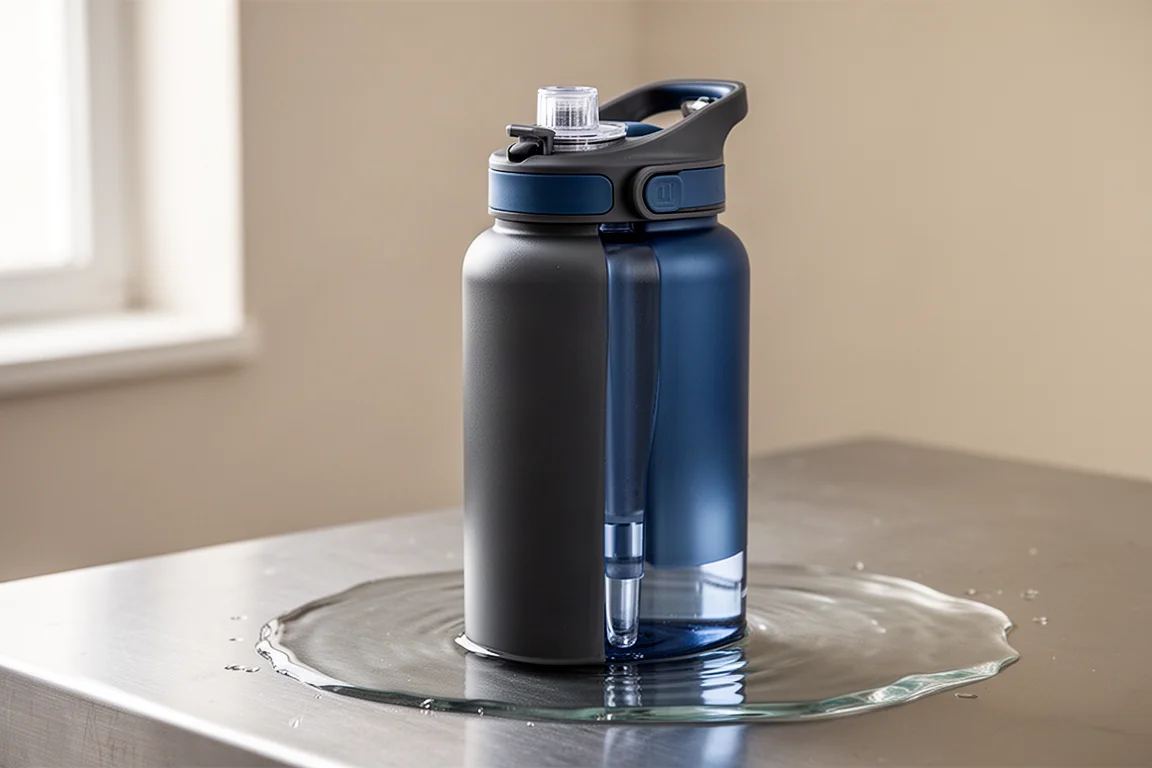
This bottle is described honestly as a luxury, but a justifiable one on a route with unpredictable water sources. The built-in LifeStraw filters out around 99 percent of harmful bacteria, meaning water can be drunk safely from almost any source encountered. It doubles as an emergency reserve and a gift for someone along the route once civilization is reached again.
Navigation, Tracking, and Safety Tech
The electronics bag is where the journey’s safety and storytelling tools live, chosen so that two to three days of power can be sustained with battery packs and a solar panel alone.
BioLite Head Torch
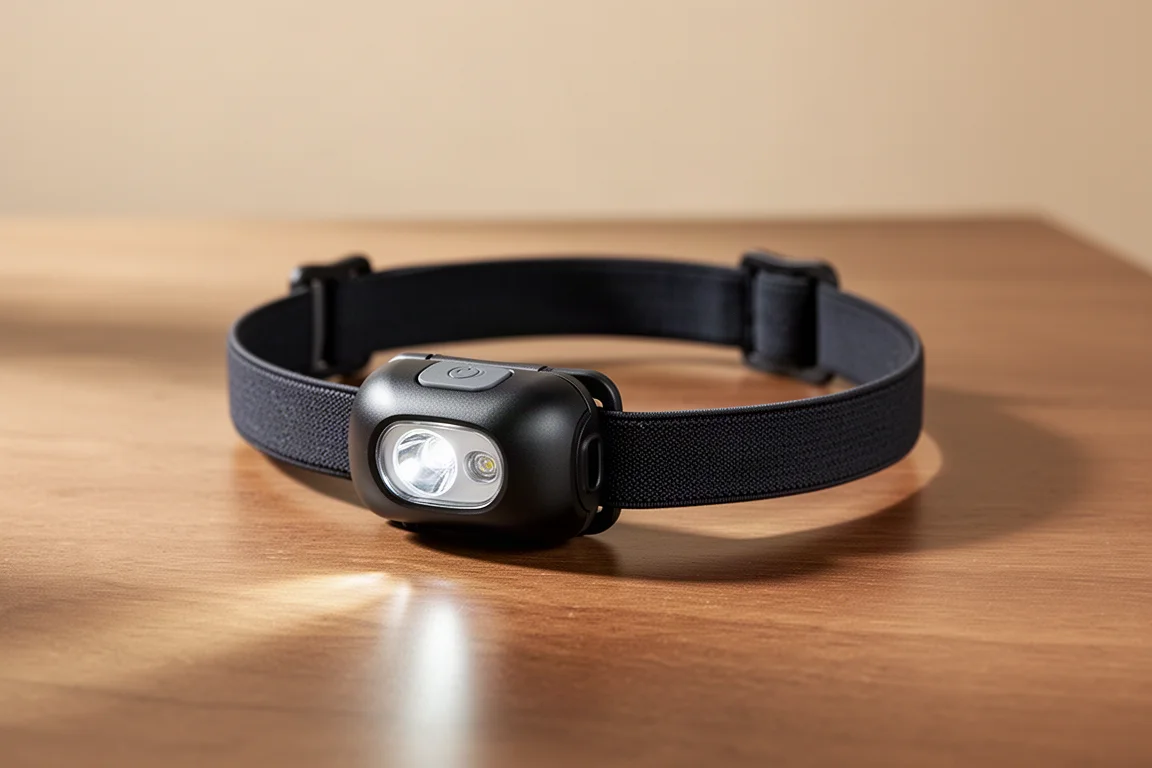
A lightweight, USB-rechargeable head torch intended more for camp use than serious night running. It is not the most powerful light available, but it is comfortable to wear and charges off the battery packs, which matters when outlets are scarce.
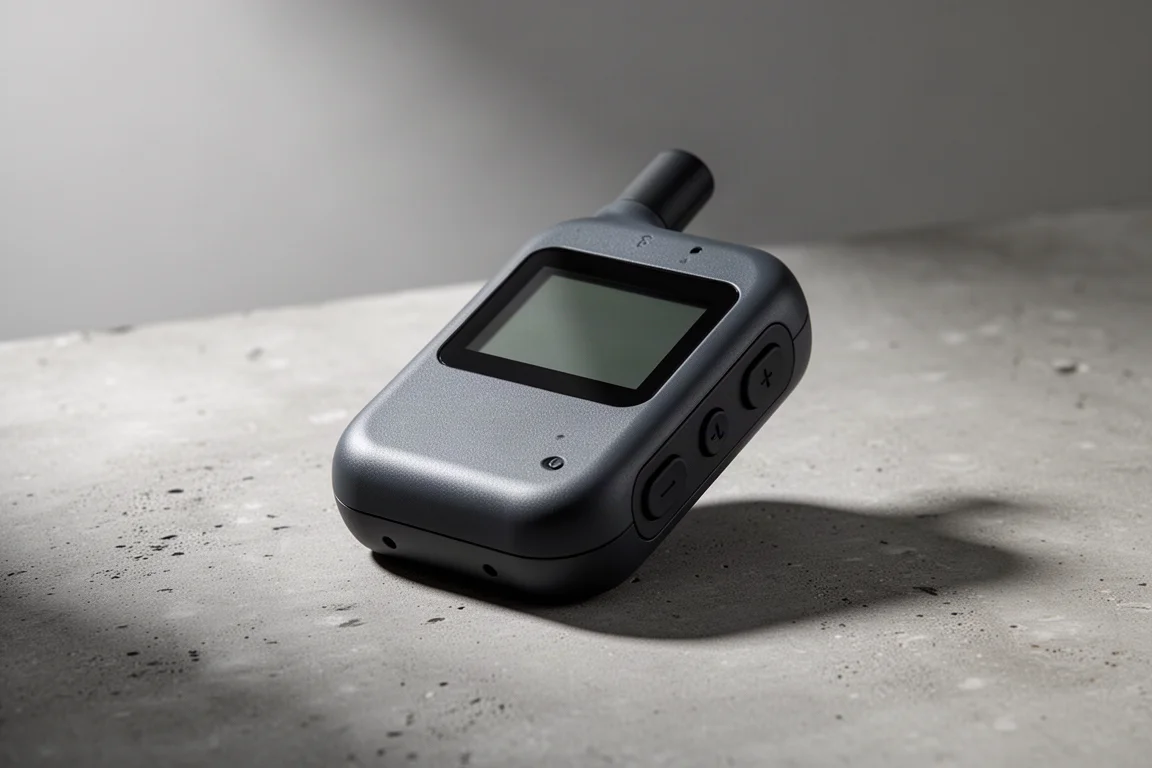
Garmin inReach Mini 2
The inReach Mini 2 is a satellite communicator that works completely independently of phone networks. It broadcasts location for live tracking, sends and receives text messages, and can trigger a safety alert if something goes wrong. For remote, multi-week adventures this is the piece of kit that functions as a genuine safety blanket for both runner and family.
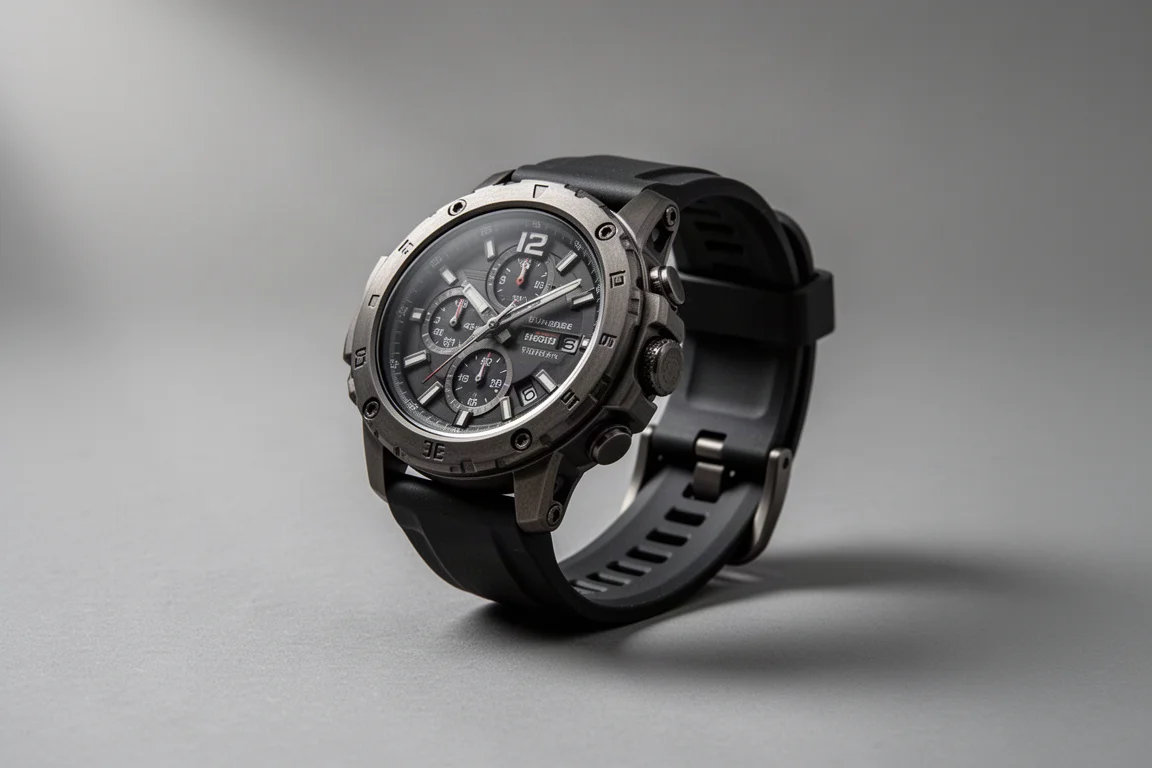
Garmin Enduro
The watch choice comes down to battery: the Garmin Enduro offers around 80 hours of GPS battery life, especially with good solar conditions. That covers turn-by-turn navigation for days at a time along with all tracking needs, without constant recharging anxiety.

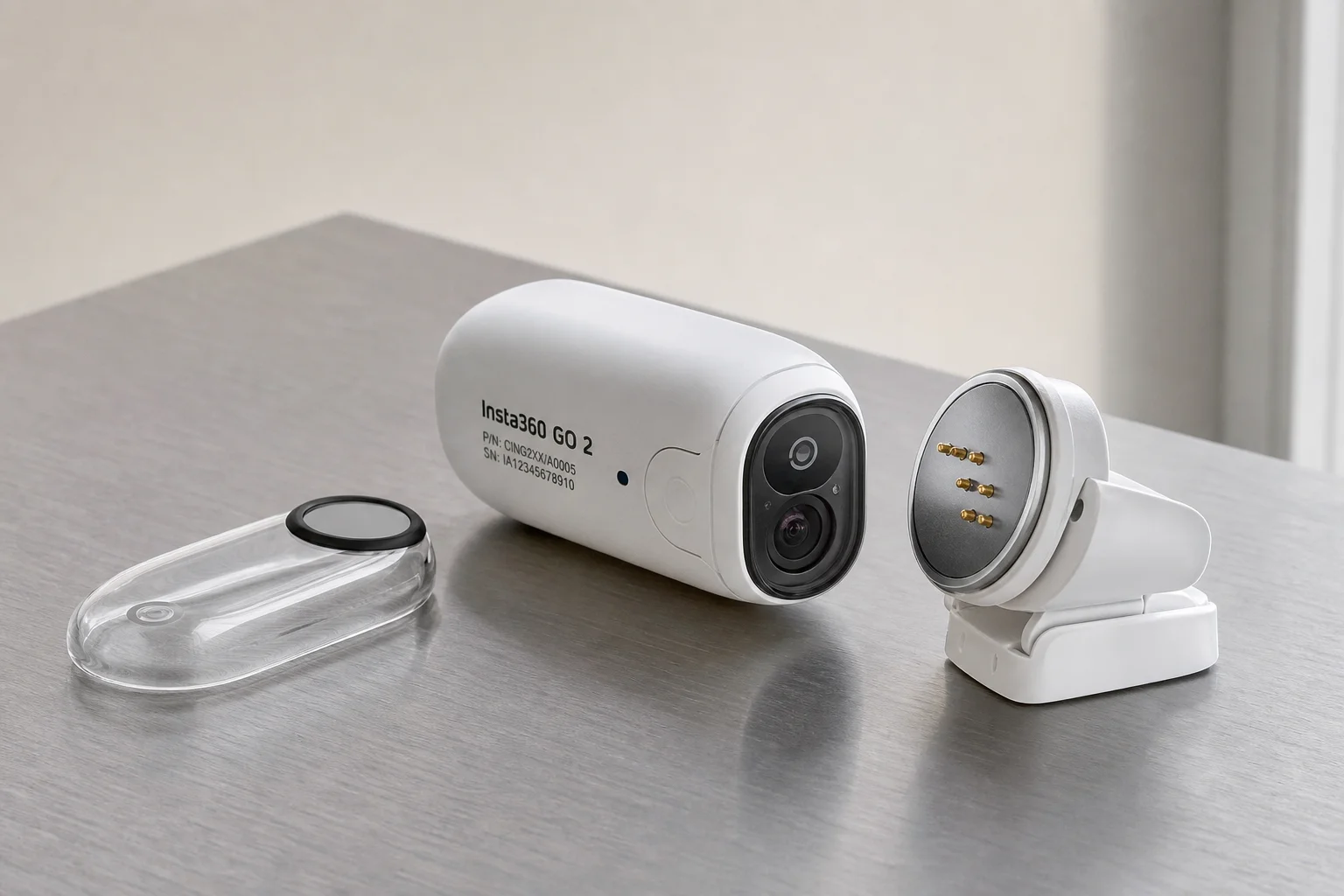
Insta360 Go 2
Filming the whole journey falls to the Insta360 Go 2, a tiny camera that comes in a charging case extending battery life. It connects to a selfie stick, mounts to a cap, can be worn as a pendant, and offers around 32GB of storage, enough for a couple of days of footage before offloading to a phone. It is an unusually easy camera to live with on an adventure.
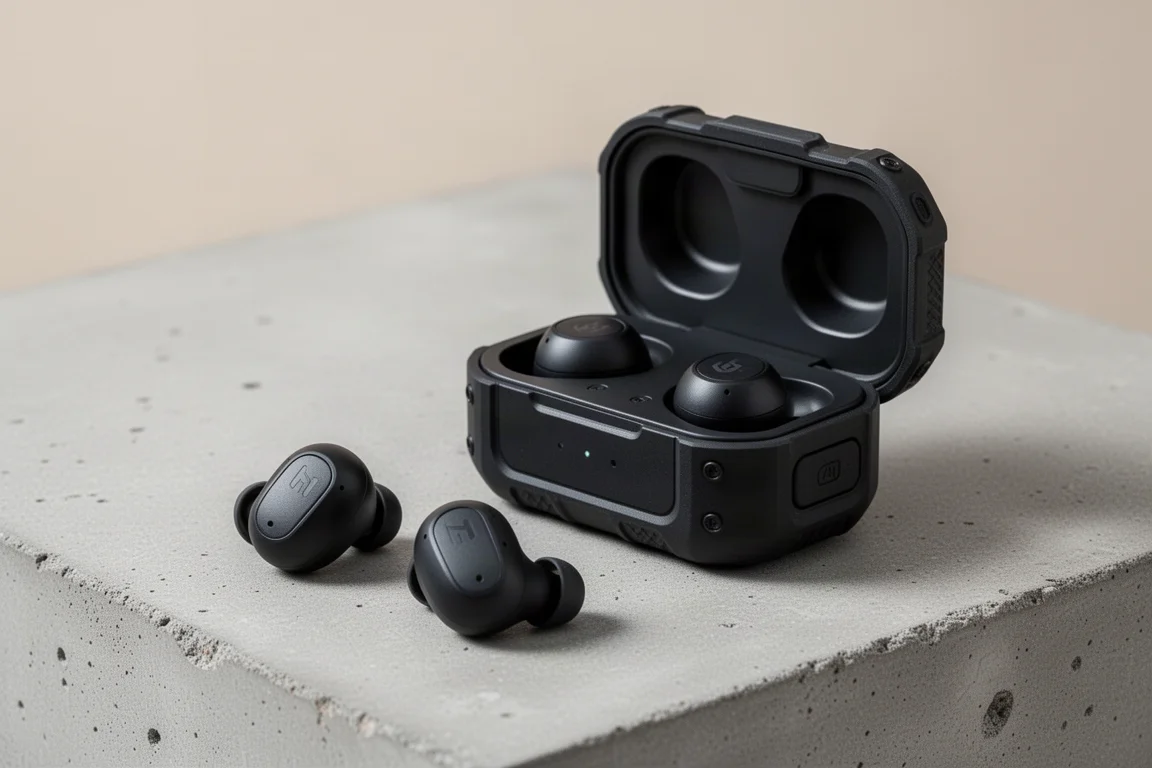
Jaybird Vista 2
The Vista 2 earbuds carry an IP68 rating, so sweat, water, dust, and general knocks are not a concern over 70 days. The charging case is also IP rated, which matters when rain catches you mid-charge, and the small toggle makes them easy to attach to kit.
Supporting all of this: two battery packs and a solar charging panel that rides on top of the pack during the day, plus a pocket-sized real-time translator and laminated translation cards for key phrases in the languages along the route.
Fueling Strategy and Nutrition
The fueling plan mixes familiar running products with food foraged from shops and cafes along the route, built around a sweat test to match hydration to individual needs.
Precision Fuel & Hydration 90g Carb Gel Pouches
The 90g carb gel pouches solve a real multi-day problem: they are resealable. Half-used gels do not get thrown away, and one pouch can stretch across days, which maximizes the carb-to-weight ratio in the pack. About seven days’ worth travels in the pack, with resupply packages arranged along the route.

Precision Fuel & Hydration Electrolyte Tablets
Two strengths of electrolyte tablets do different jobs: the 1500 sodium tablets are used before and after running, while the 1000 tablets go into the bottles during runs. The split is based on a sweat rate and sweat sodium test, and matched to a medium-salty sweater.
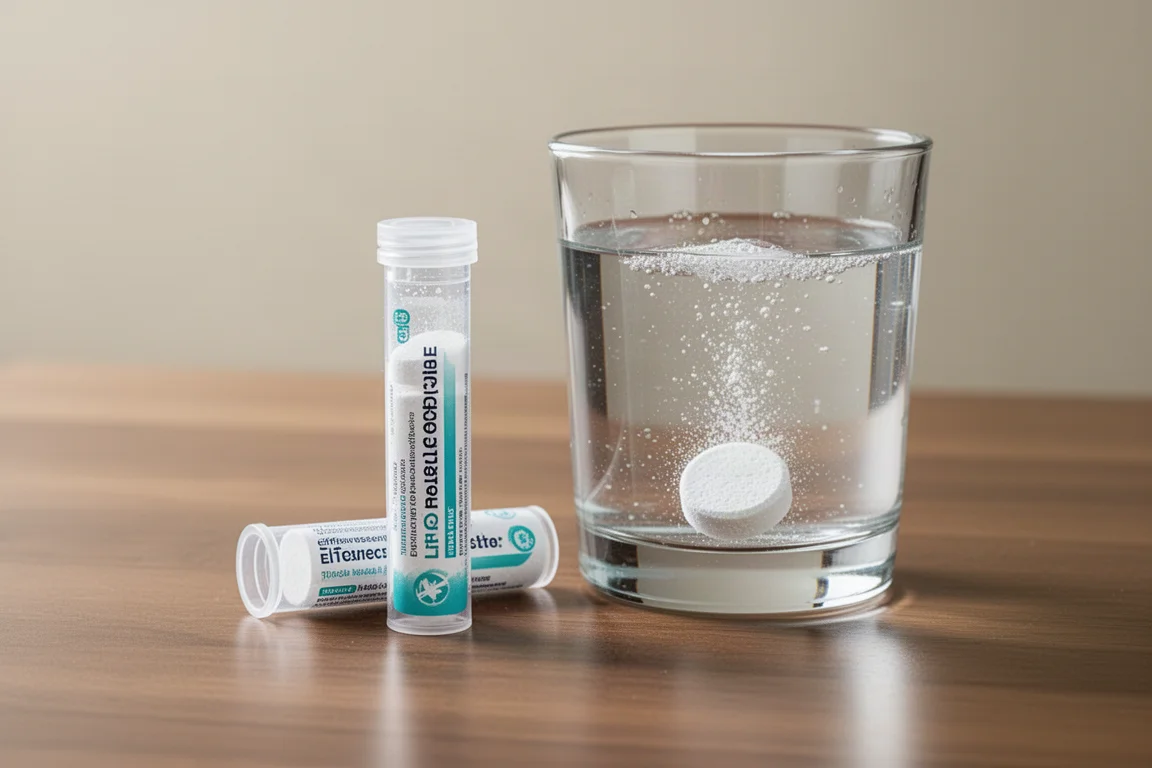
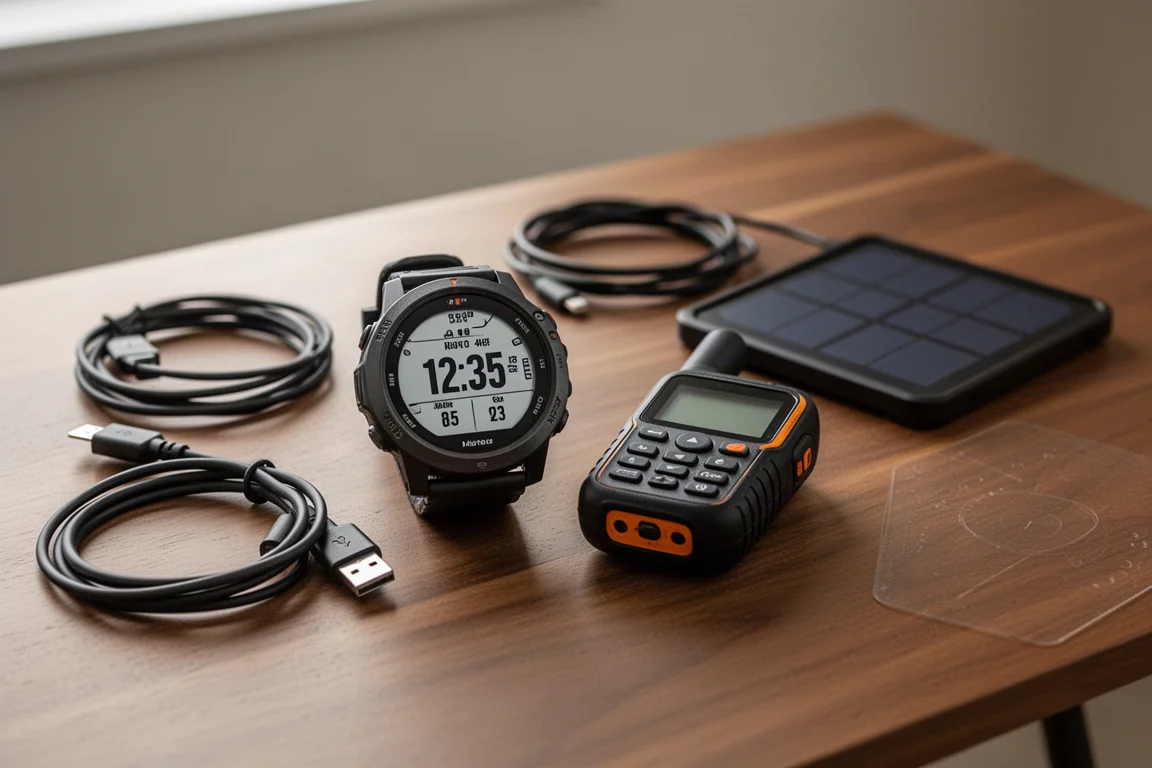
Beyond these staples, the nutrition plan includes small caffeine gels reserved for low moments, 30g carb chews for pack-efficient carbs, vacuum-packed amino acids and super greens as a daily foundation, and a full medical kit covering blister care, tick removal, iodine dressings, sun protection, and anti-chafe.
Running Kit: One Outfit, Chosen Carefully
One run outfit, a small camp kit, and a few protective layers make up the clothing, selected almost entirely around drying speed and chafe prevention.
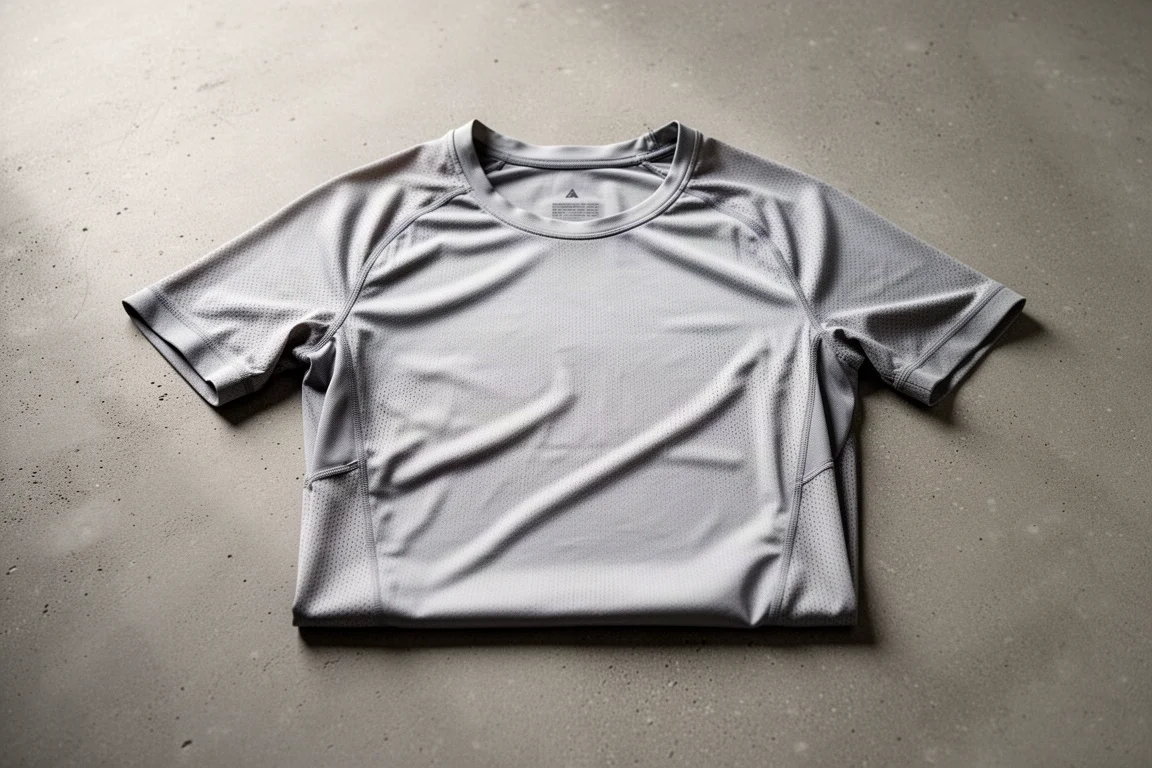
Innervate Base Layer 3.0 Shirt
The Innervate Base Layer 3.0 is the workhorse: extremely thin and lightweight, quick drying, resistant to lingering odor, and comfortable enough to run in alone or under a t-shirt with no chafing. It has been used extensively on previous adventures, which is exactly the kind of track record you want for a 70-day trip.
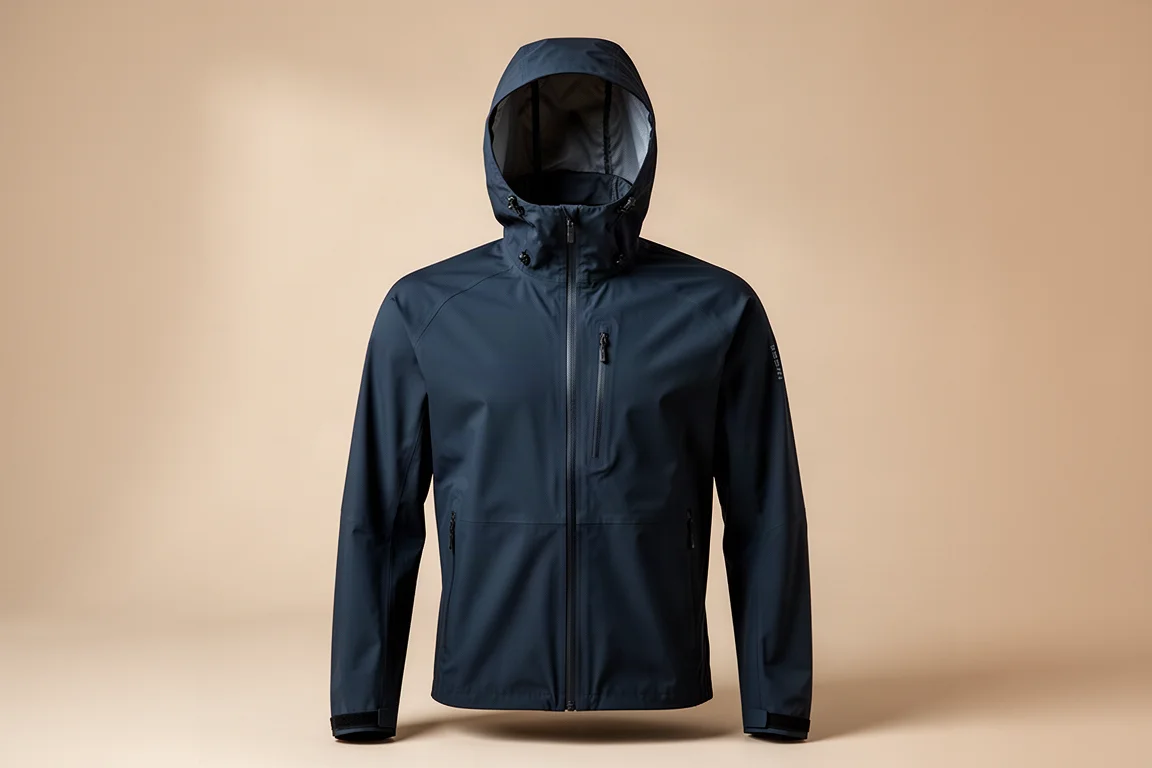
Seamount Stormpro 3H Waterproof Jacket
The Stormpro 3H offers around 20,000mm of waterproofing while remaining breathable, and it is the critical storm layer. On a self-supported run, wet kit is a genuine problem, so a jacket this protective is treated as essential rather than optional. It pairs with lightweight Columbia waterproof trousers and compression sleeves for storms and high-grass tick sections.
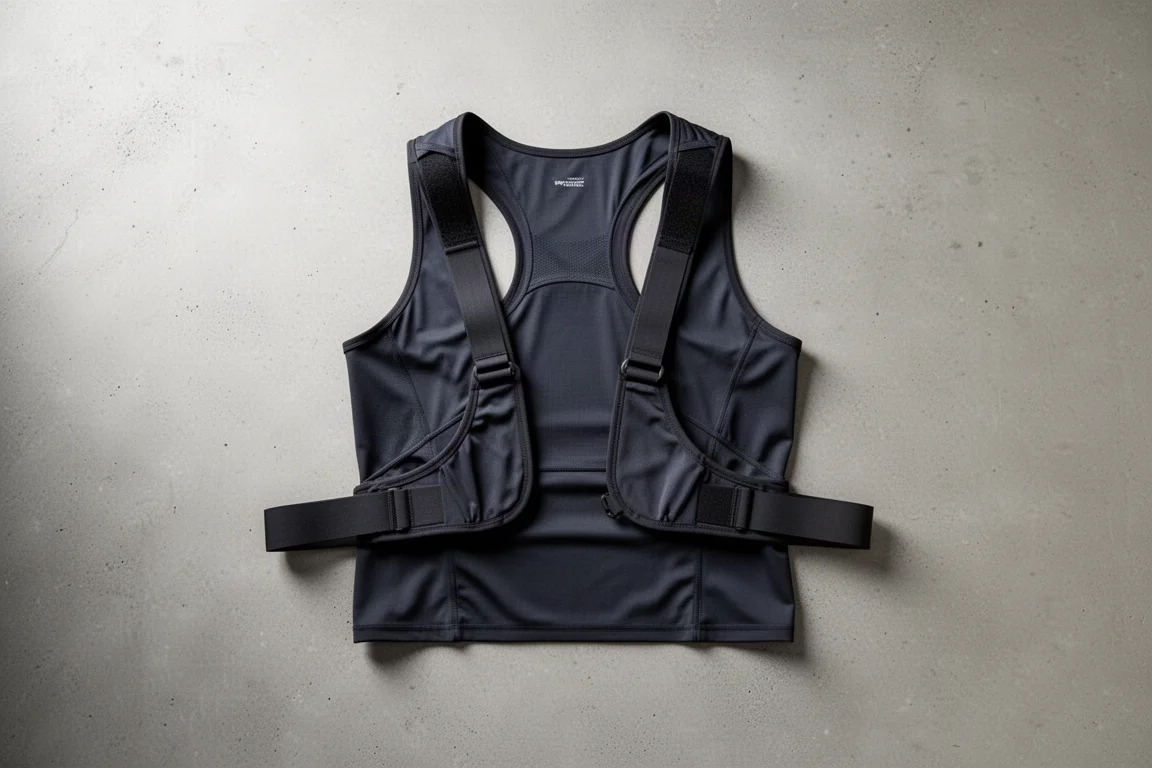
Naked Ultra Running Vest
The Naked Ultra high-capacity running vest goes over the base layer and under the t-shirt, adding storage options and a discreet place for the most important items to sit out of sight. It layers the carrying capacity on top of the main 18-24L expandable running pack, which features a roll-top, waterproof compartments, dual bottle pockets, and a dedicated clip-on pouch for the solar panel.
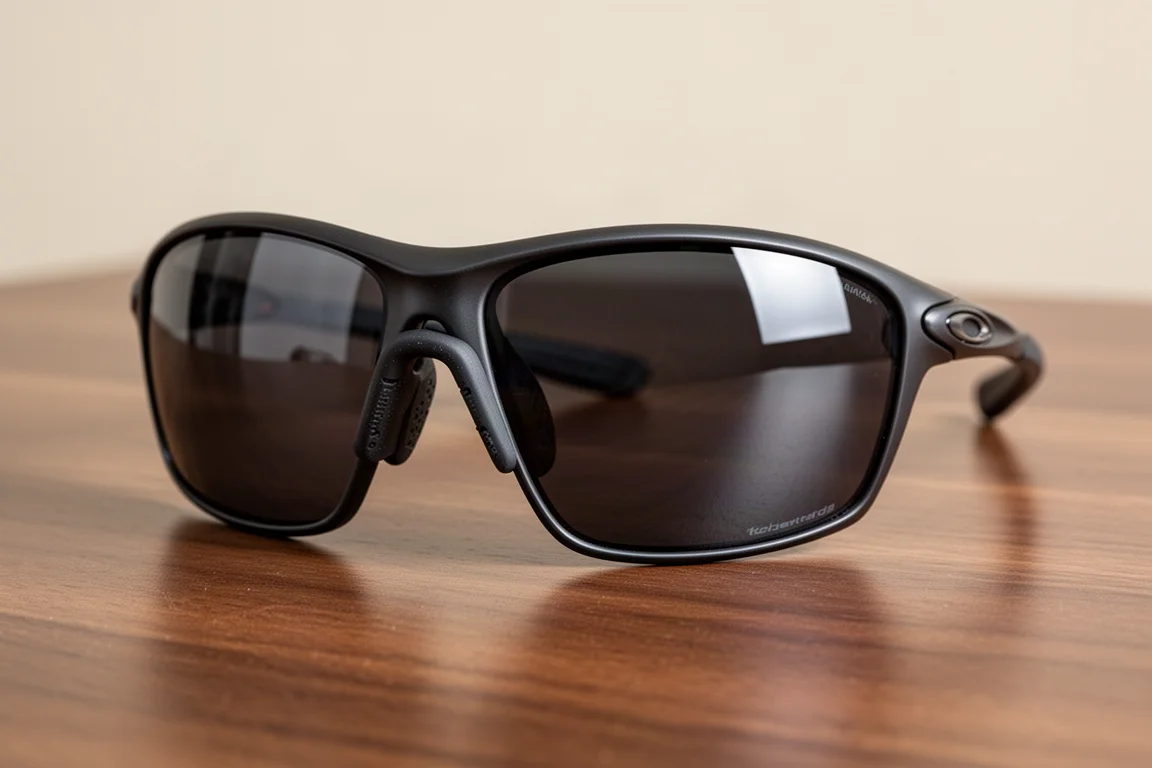
Tospo Swix Sunglasses
At roughly £30 or €35, these polarized sunglasses are scratch-proof, very lightweight, and have a rubberized nose bridge that keeps them from slipping. The low price is part of the appeal: losing or breaking them on the road is not a disaster.
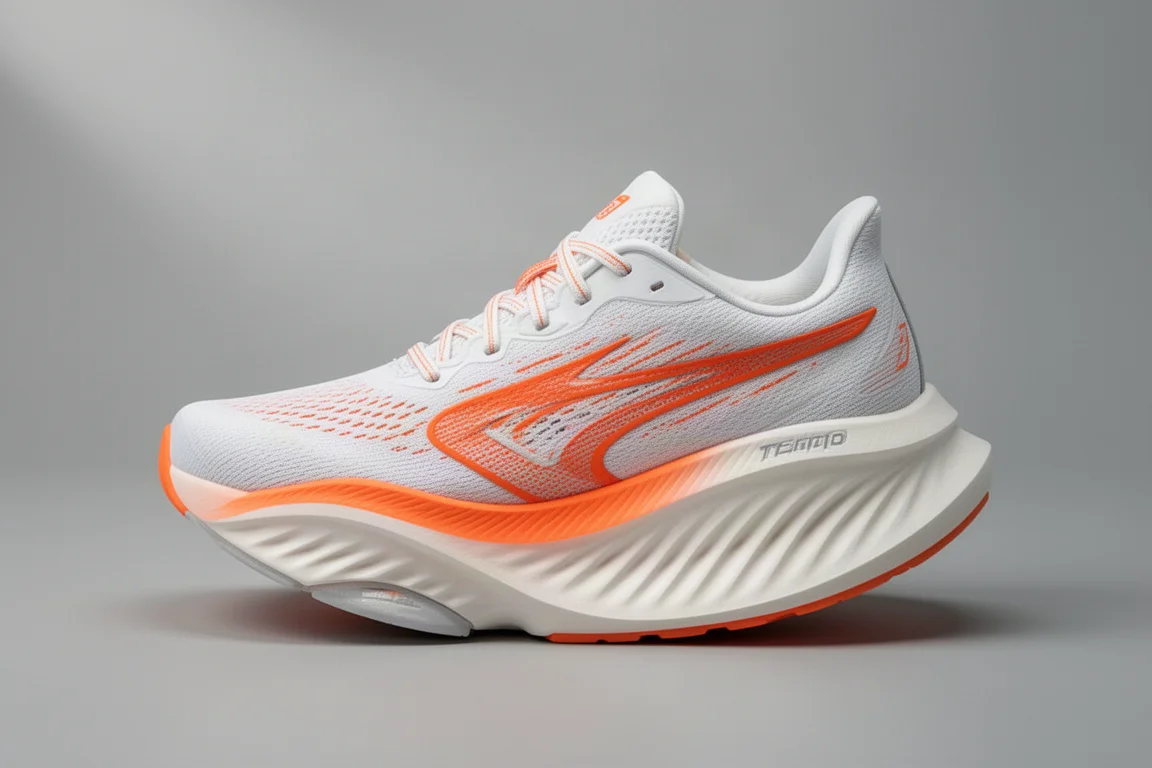
Saucony Endorphin Speed 2
The shoe debate ended with the Saucony Endorphin Speed 2, the shoe that carried seven marathons in seven days on road and still felt right on day seven. With roughly 80 percent tarmac on the route, its balance of cushioning, propulsion, and roomy comfort won out, with enough grip and durability for the off-road segments. The Speed 3 may arrive mid-journey as a switch, but the Speed 2 is the trusted choice.
Overall Buying Advice
The consistent theme across this list is that every item has been tested on real multi-day adventures before being packed again. For your own long run or stage race, prioritize the same way: sort sleeping, hydration, and safety first, then fueling matched to your own sweat test, then clothing chosen for drying speed and chafe prevention. Weight is the currency, and every one of these items earns its grams.
Conclusion
A 2,000-mile, 70-day run does not demand a huge amount of gear; it demands the right gear. A sub-700-gram sleep system, independent satellite communication, sweat-matched fueling, and one trusted pair of shoes cover the essentials. Whatever your adventure looks like, the lesson holds: test everything in advance, pack light, and trust only what has already worked.
Further reading
Related Reviews
Running Gear
Best Running Caps 2026: Nine Tested Options for Summer and Winter
A comprehensive guide to nine running caps tested across different conditions, from lightweight summer options to waterproof winter choices.
Running Gear
Best Running Caps: A Guide to Summer and Winter Options
A comprehensive review of nine running caps for different conditions, styles, and preferences, from lightweight summer options to waterproof winter choices.
Running Gear
Best Running Gear 2026: Five Picks That Earn Their Place
Five running upgrades covering heart rate, audio, fuelling, carrying and weather protection, with the trade-offs worth knowing before you buy.